













Lebanese cuisine represents one of the world's most vibrant and delicious food traditions. With its emphasis on fresh vegetables, aromatic herbs, and hearty grains, Lebanese cooking offers a perfect balance of flavour and nutrition.
Whether you're hosting friends or simply exploring new tastes, these authentic Lebanese recipes will transport your kitchen to the bustling streets of Beirut.
1. Hummus
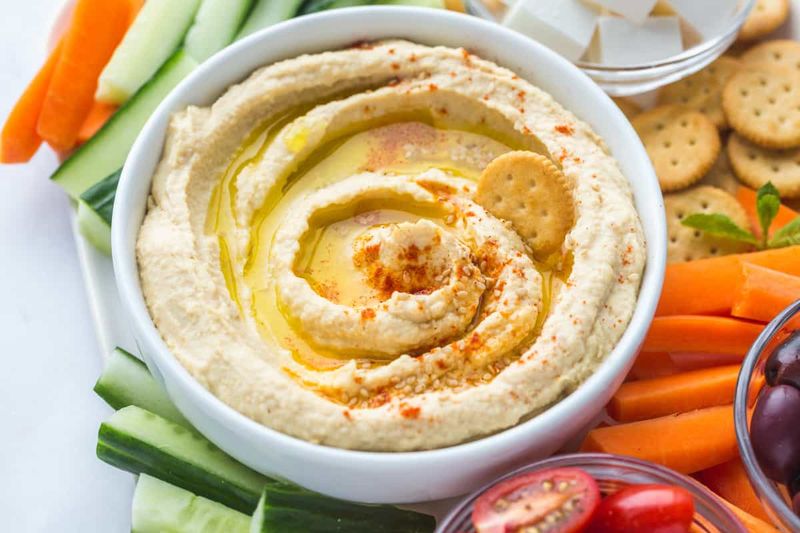
The cornerstone of Lebanese mezze! Silky smooth chickpeas blended with nutty tahini create this iconic dip that's been enjoyed for centuries throughout the Middle East.
Traditional preparation involves soaking dried chickpeas overnight rather than using tinned varieties. A splash of ice water while blending creates that restaurant-quality smoothness everyone adores.
2. Tabbouleh
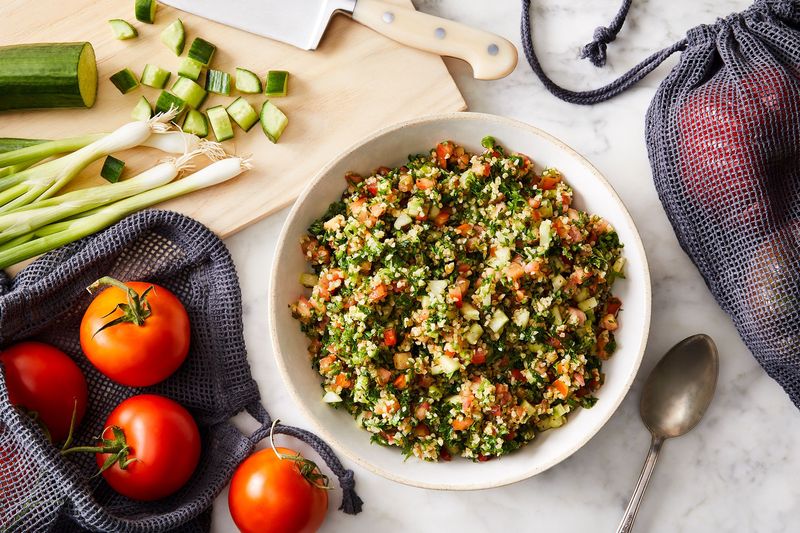
Bursting with freshness, tabbouleh celebrates parsley as the star ingredient rather than treating it as a garnish. The lemony tang and subtle mint notes make this salad utterly refreshing on hot summer days.
Lebanese grandmothers insist on hand-chopping every ingredient rather than using food processors. This labour of love results in the perfect texture that machine-chopping simply cannot achieve.
3. Fattoush
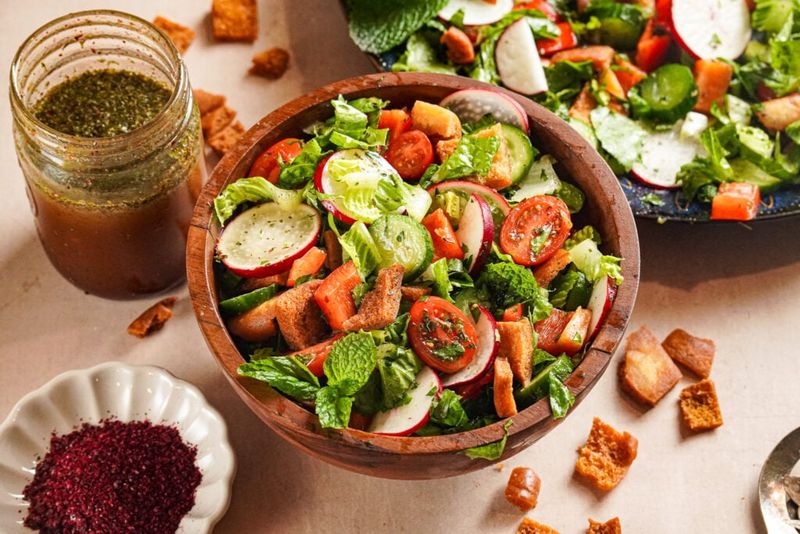
Crispy bits of toasted pita bread transform an ordinary salad into something extraordinary. The secret weapon in fattoush is ground sumac, which adds a tangy, almost lemony flavour that's utterly distinctive.
Originally created as a clever way to use up stale bread, fattoush has evolved into one of Lebanon's most beloved dishes. The contrast between crunchy bread and juicy vegetables creates textural magic.
4. Baba Ghanoush
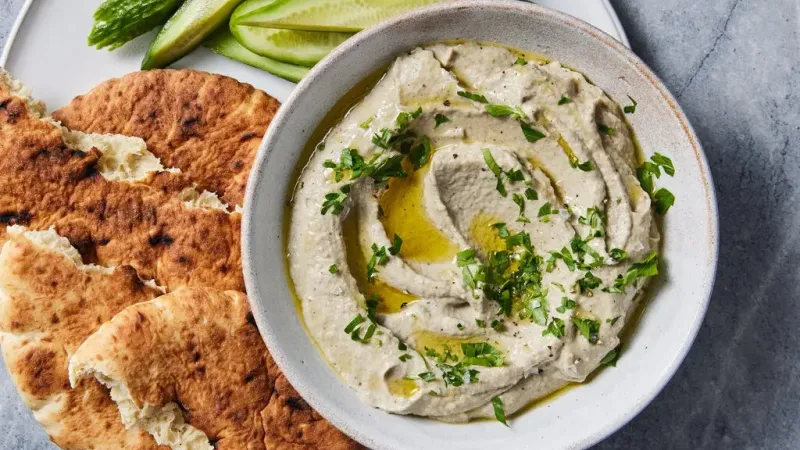
Smoky, sultry, and utterly seductive, this aubergine dip captures the essence of Lebanese hospitality. The key lies in charring the aubergines directly over an open flame until the skin blackens completely.
Once peeled, the tender flesh is mixed with garlic, tahini and lemon juice. Some families guard their baba ghanoush recipes jealously, passing down secret techniques through generations.
5. Shawarma
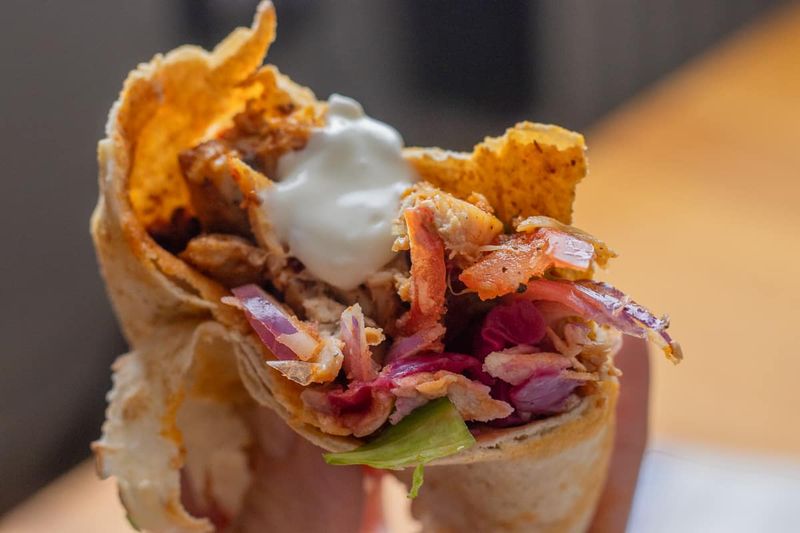
Street food royalty! Marinated meat slowly spinning on vertical rotisseries creates an irresistible aroma that wafts through Lebanese neighbourhoods. The marinade typically includes vinegar, lemon juice and a blend of warm spices.
Home cooks can recreate this magic by layering marinated meat in a loaf tin and baking until tender. Thinly sliced and wrapped in warm pita with garlic sauce, pickles and vegetables, it's pure bliss.
6. Kibbeh
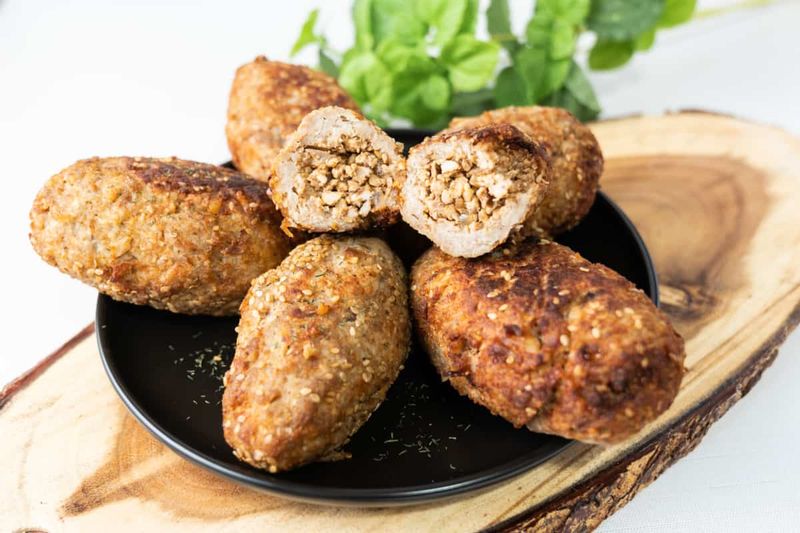
Lebanon's national treasure combines minced lamb with bulgur wheat to create versatile culinary magic. The most iconic version features a football-shaped croquette with a spiced meat filling encased in a bulgur shell.
Families gather to make kibbeh together, with techniques passed down through generations. Some villages have distinctive styles, adding regional herbs or spices that make their version unique. The satisfying crunch gives way to a juicy interior.
7. Manakish
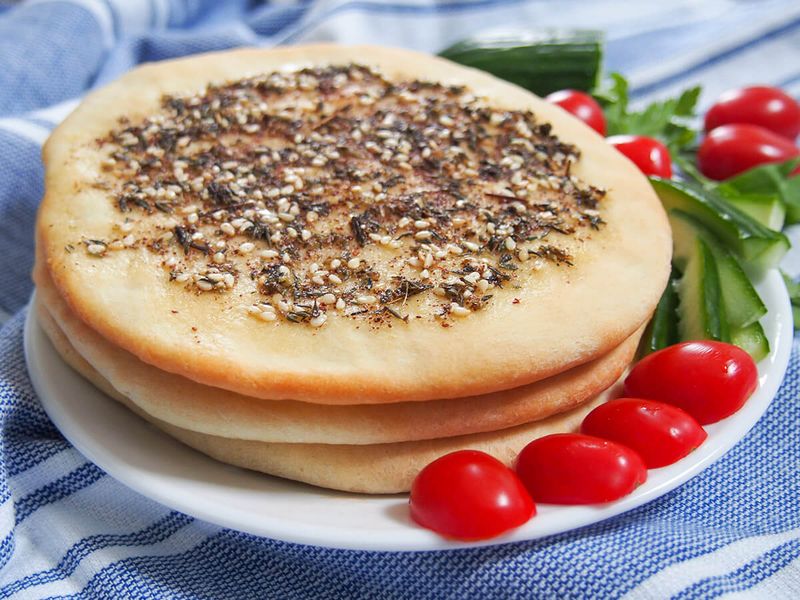
Morning glory comes in the form of these aromatic flatbreads, the breakfast champion of Lebanon. Bakers spread the dough with za'atar (a thyme and sesame blend) or cheese before baking in scorching hot ovens.
Children across Lebanon wake to the smell of fresh manakish, often purchased from neighbourhood bakeries on lazy weekend mornings. Folded and eaten on the go, they're the original Lebanese fast food.
8. Mujadara
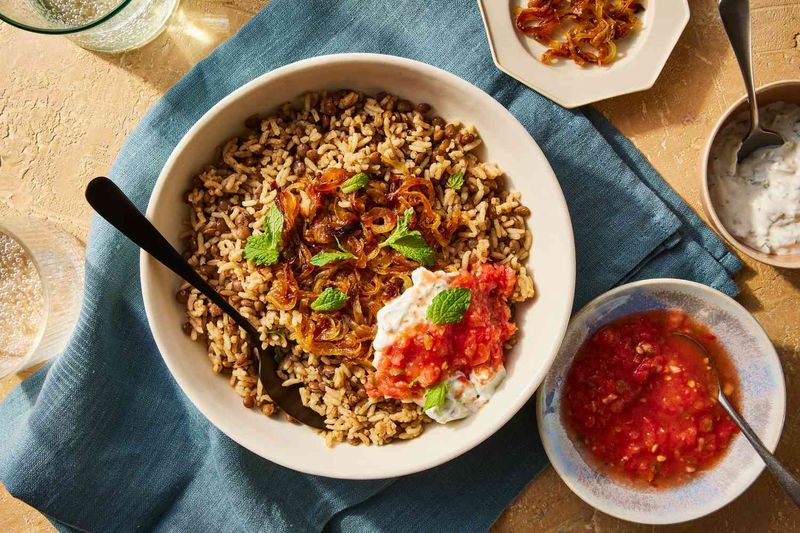
Humble ingredients transform into culinary gold in this peasant dish that's stood the test of time. The magic happens when onions are slowly caramelised until deep golden brown, lending incredible depth to simple lentils and rice.
Christian Lebanese traditionally enjoyed mujadara during Lent when meat was forbidden. Today, it's beloved by everyone as comfort food that nourishes both body and soul. The contrasting textures make each bite interesting.
9. Grilled Halloumi
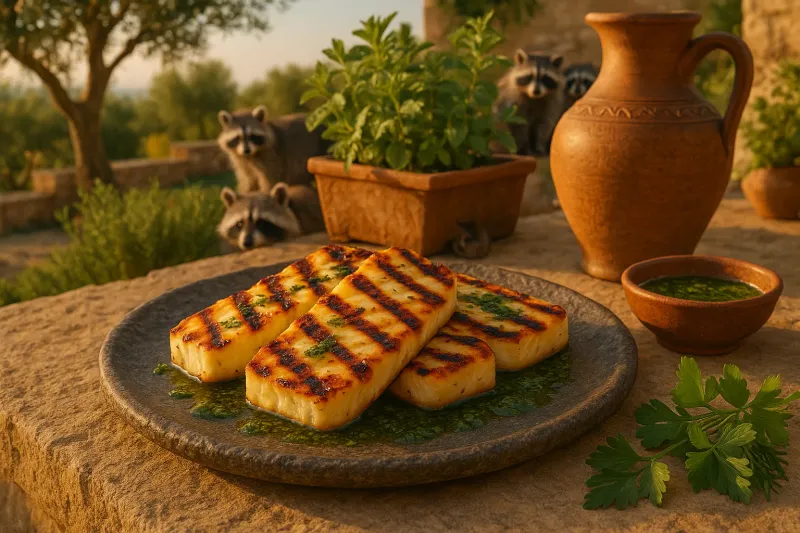
Squeaky cheese that refuses to melt creates culinary magic when kissed by flames. The contrast between the crispy golden exterior and soft interior makes grilled halloumi utterly addictive.
Lebanese cooks often add a drizzle of honey and a sprinkle of za'atar for a sweet-savoury combination that dazzles the taste buds. Traditionally served as part of mezze, this cheese has ancient roots in the region.
10. Warak Enab (Stuffed Grape Leaves)
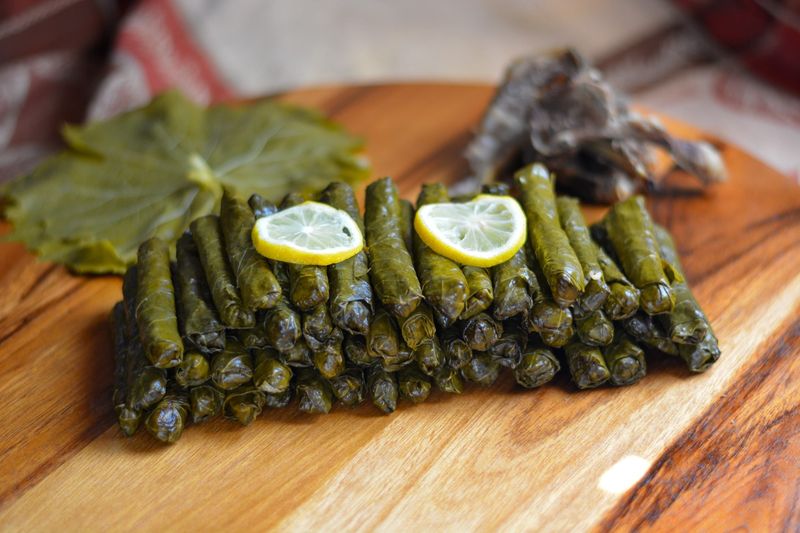
Patience and precision go into creating these little parcels of delight. Tender grape leaves wrap around a fragrant filling of rice, herbs, and sometimes minced meat, creating bite-sized treasures.
Lebanese grandmothers famously gather to prepare warak enab together, turning the labour-intensive process into a social event. Each family guards their unique recipe, with subtle variations in spices making each version special.
11. Sfeeha (Lebanese Meat Pies)
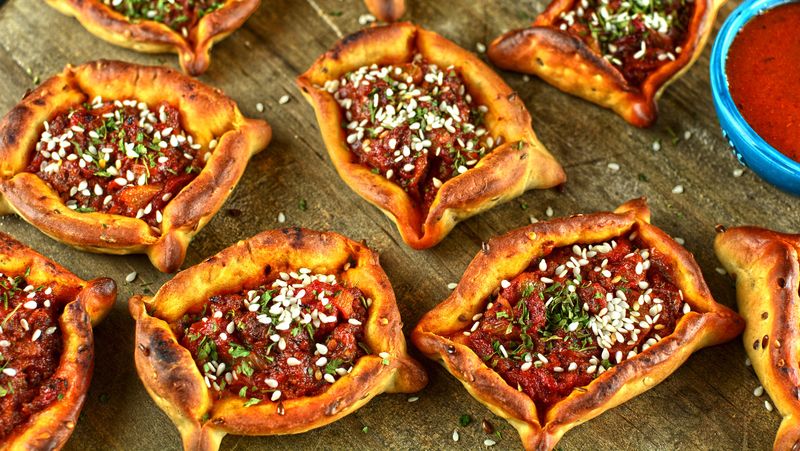
These open-faced meat pies showcase Lebanon's baking prowess. The distinctive diamond or boat shape allows the aromatic filling to caramelise slightly during baking, intensifying the flavours.
Traditionally made with lamb, these pastries feature a unique blend of spices including cinnamon and allspice. The pastry achieves that perfect balance—tender yet sturdy enough to hold the juicy filling without becoming soggy.
12. Shish Tawook
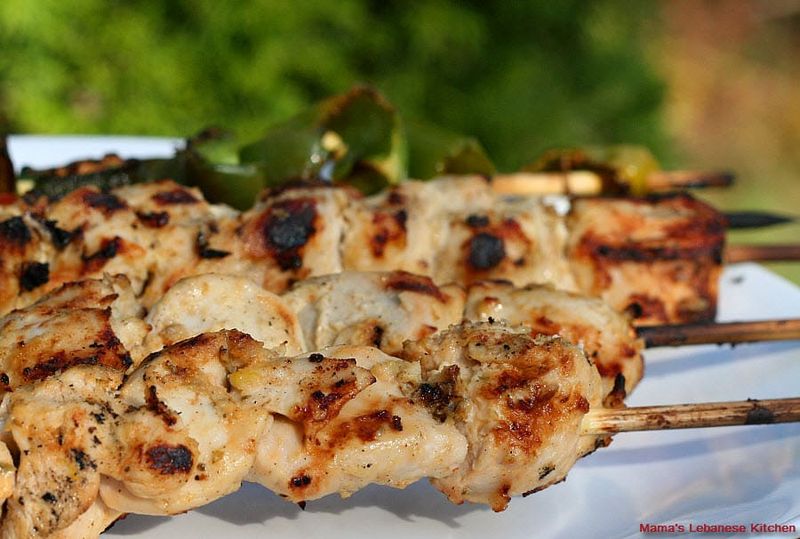
Succulent chicken skewers that capture hearts with their tenderness and flavour. The marinade works magic, with yoghurt tenderising the meat while lemon and garlic infuse it with brightness.
The name comes from Turkish roots, but Lebanese cooks have made this dish their own. The garlicky white sauce called toum that accompanies shish tawook is legendary—intensely flavoured and impossibly creamy.
13. Lebanese Baklava
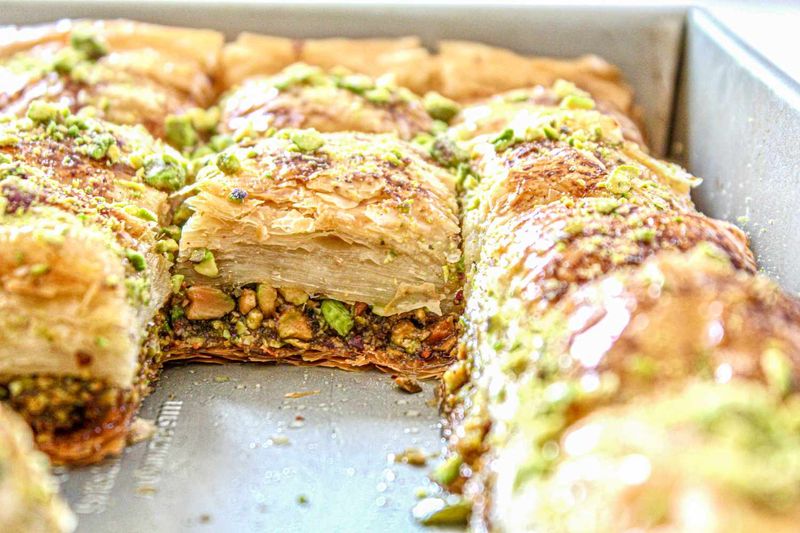
Sweet endings don't get more indulgent than these flaky pastries soaked in fragrant syrup. Lebanese baklava differs from Greek versions by using less honey and more orange blossom or rose water.
Pistachios are the preferred nut in authentic Lebanese versions, creating a striking green filling between the gossamer-thin layers of filo. The syrup is poured over while the pastry is hot, creating that signature sizzle that pastry chefs listen for.



