













Stepping into a Japanese restaurant can feel like embarking on a culinary adventure with endless possibilities. The menu might seem daunting with its variety of traditional and westernised options.
Knowing which dishes truly represent authentic Japanese cuisine versus tourist-friendly adaptations can transform your dining experience from merely satisfactory to absolutely memorable.
1. California Roll
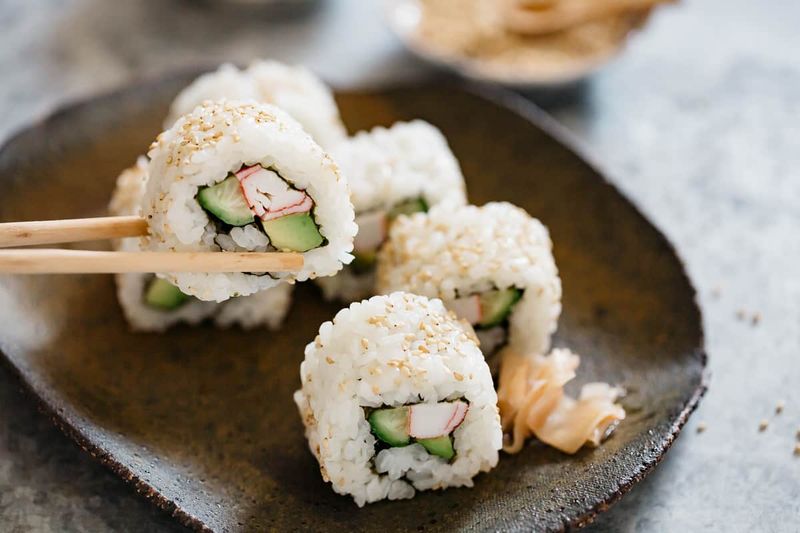
Created in Los Angeles during the 1960s, California rolls feature imitation crab, avocado, and cucumber - ingredients rarely found in traditional Japanese sushi.
The mayonnaise often drowns out delicate flavours, and the 'krab' is typically processed pollock. Japanese sushi masters train for years to perfect rice and fish pairings, not to assemble these westernised creations.
2. Chicken Teriyaki
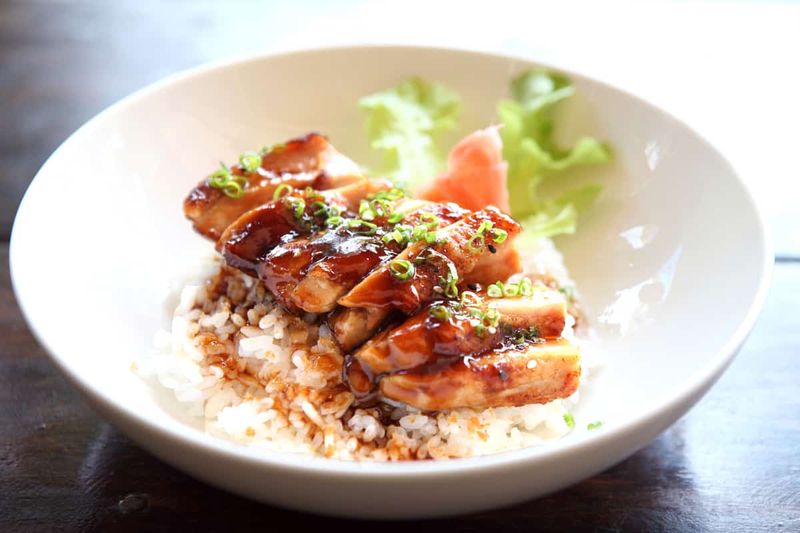
Most restaurant versions of chicken teriyaki bear little resemblance to authentic Japanese preparations. The sauce often contains excessive sugar and corn syrup, creating a sticky-sweet coating that masks the chicken's natural flavour.
In Japan, teriyaki refers to a cooking technique rather than a bottled sauce. True teriyaki features a light glaze made from soy sauce, mirin, and sake - not the syrupy concoction served abroad.
3. Basic Miso Soup
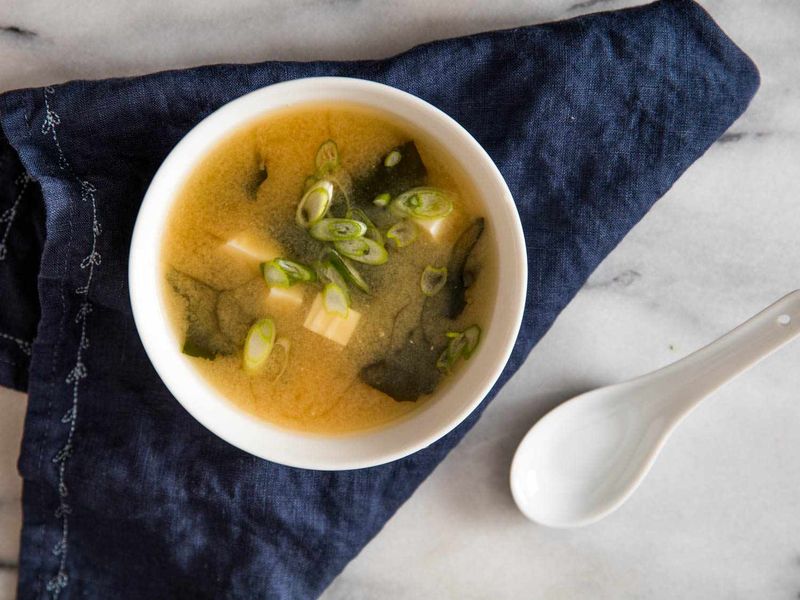
The standard restaurant miso soup with only tofu cubes and seaweed represents just the tip of the iceberg in Japanese soup culture. While comforting, this basic version lacks the depth and complexity that makes Japanese soups truly special.
Many establishments use instant miso paste rather than house-made versions. Regional Japanese variations might include seasonal vegetables, clams, or different miso pastes that offer more authentic flavour profiles.
4. Solo Tempura Prawns
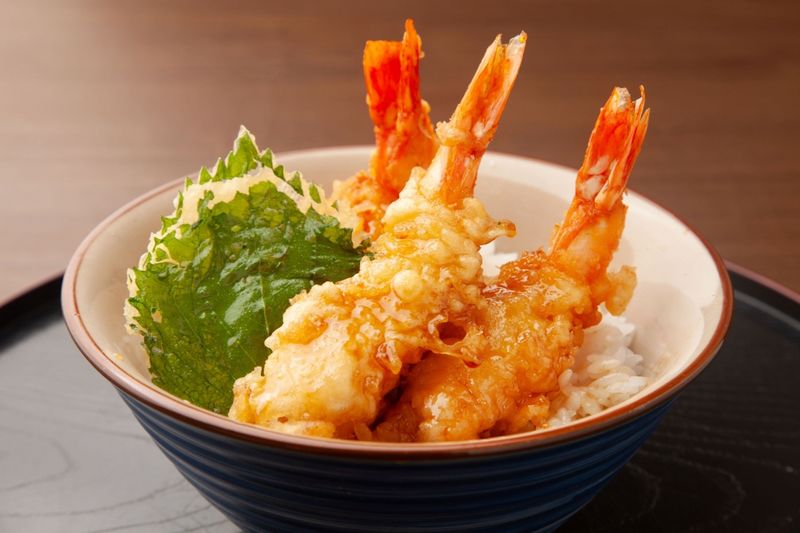
Ordering only tempura prawns means missing the beautiful variety that proper tempura offers. Traditional tempura assortments feature seasonal vegetables like sweet potato, mushrooms, and lotus root alongside seafood.
The batter should be lacy and light, not thick and heavy. Many restaurants outside Japan use premade batter mixes and fry at incorrect temperatures, resulting in greasy, dense coatings rather than the ethereal crispness that defines quality tempura.
5. Plain Edamame
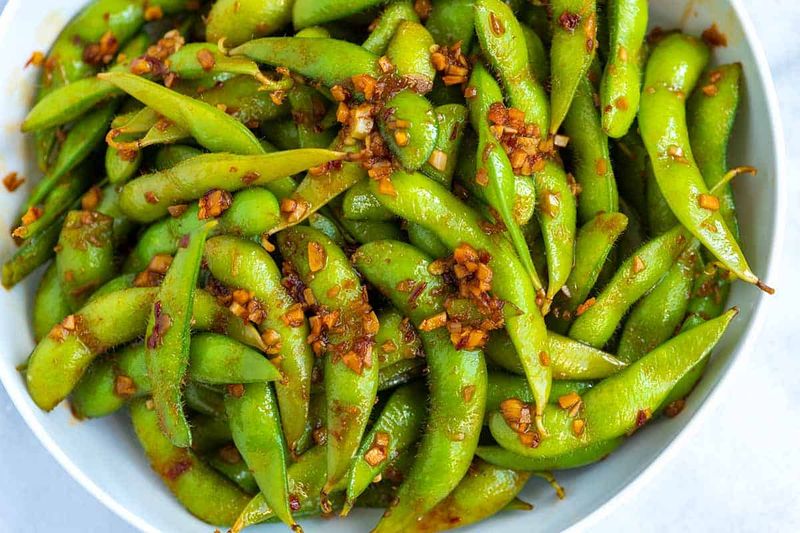
Boiled soybeans sprinkled with salt certainly make for a pleasant nibble while waiting for your main course. However, paying restaurant prices for something you could prepare at home in three minutes seems rather wasteful.
Many establishments serve frozen edamame that lacks the fresh, grassy flavour of properly prepared beans. Your dining budget is better spent on dishes requiring culinary skill and ingredients not easily found in supermarket freezers.
6. Uninspired Yakisoba
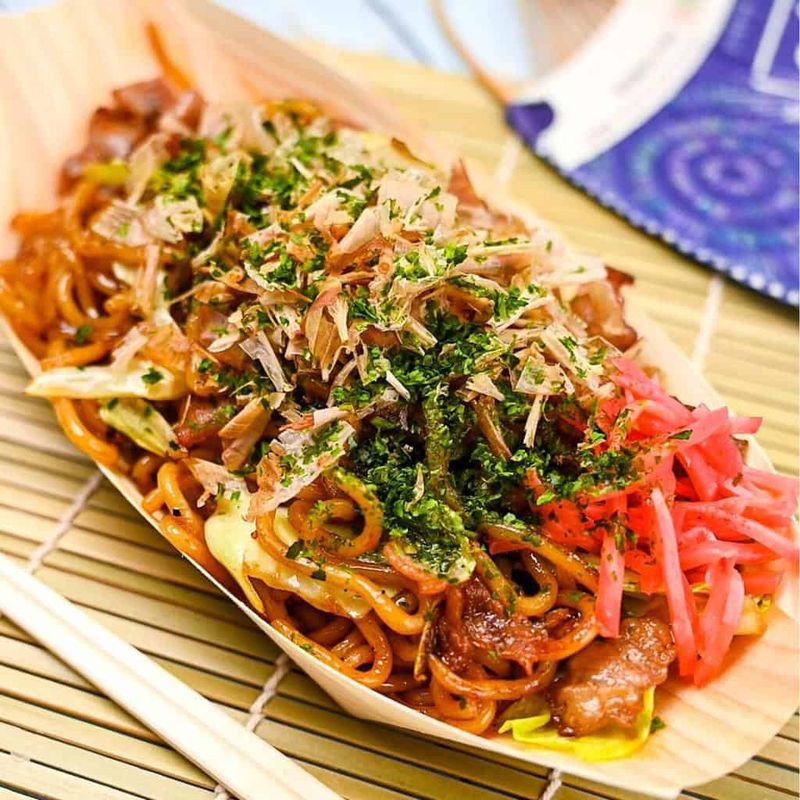
Outside Japan, yakisoba often suffers from excessive oil and one-dimensional flavour. The noodles frequently clump together in a sticky mass rather than remaining distinct and coated with the perfect amount of sauce.
Authentic yakisoba should feature slightly chewy noodles with caramelized edges from the griddle. The vegetables should maintain some crispness, and the sauce should balance sweet, savoury, and tangy notes - not just taste like soy sauce and sugar.
7. Avocado Sushi Rolls
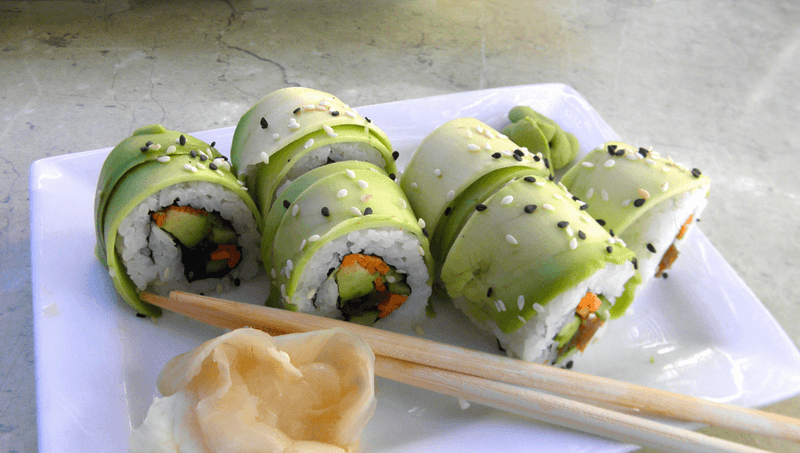
Avocado in sushi represents North American innovation, not Japanese tradition. This creamy fruit wasn't part of Japanese cuisine until relatively recently and still isn't commonly used in sushi within Japan itself.
While nutritious, avocado rolls lack the distinct flavours that make Japanese cuisine special. The buttery texture often overwhelms other ingredients, creating a monotonous eating experience rather than the balanced flavour interplay found in traditional Japanese sushi combinations.
8. Sashimi Platter
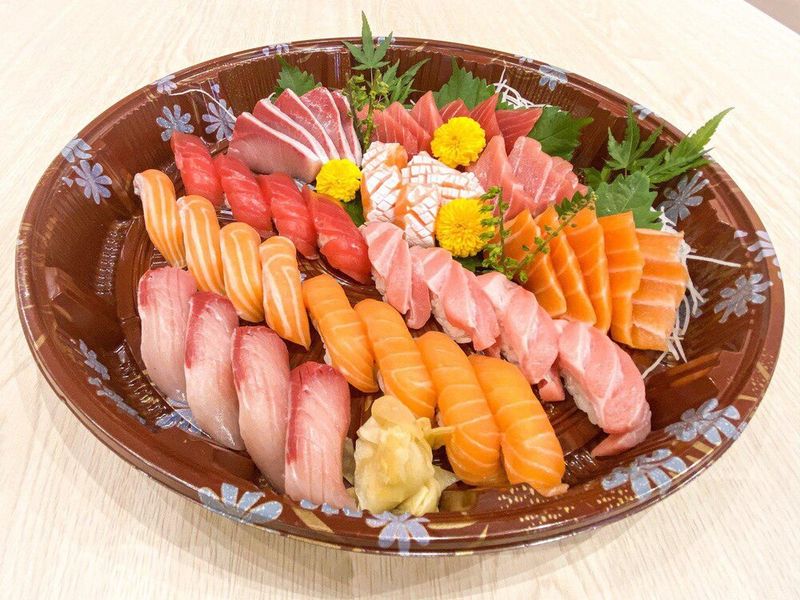
Sashimi showcases the pinnacle of Japanese culinary philosophy: allowing premium ingredients to speak for themselves. Each slice should be cut with precision against the grain to achieve the perfect texture.
Look for translucent fish with a natural sheen and vibrant colour. The wasabi should be freshly grated, not from a tube. Truly excellent sashimi needs nothing more than a whisper of soy sauce to enhance its natural flavours.
9. Chirashi Bowl
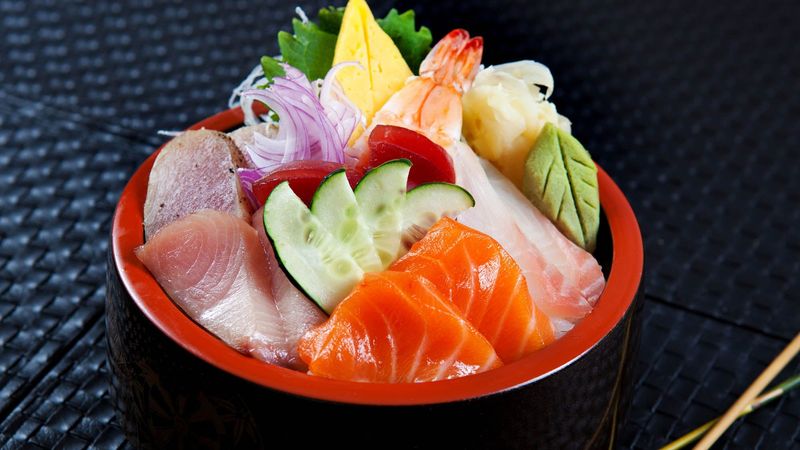
Chirashi translates to 'scattered,' perfectly describing this artistic arrangement of fresh fish atop seasoned sushi rice. Unlike fixed sushi pieces, chirashi offers variety in every bowl.
A good chirashi features multiple fish types, tamago (sweet omelette), and colourful garnishes like tobiko (flying fish roe). The rice beneath should be properly seasoned with rice vinegar, sugar, and salt - not plain white rice. Each component adds different textures and flavours to every bite.
10. Agedashi Tofu
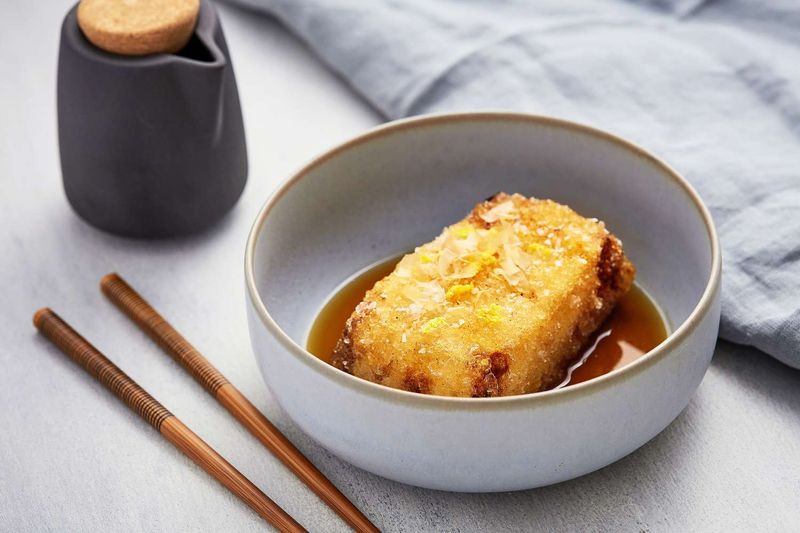
Silken tofu cubes coated in potato starch and delicately fried create a remarkable contrast: crisp exterior giving way to custard-soft interior. The real magic happens when hot dashi broth is poured over, partially softening the crust.
Topped with grated daikon, green onions, and bonito flakes that dance from the heat, this dish demonstrates the Japanese mastery of texture. The subtle soy-and-dashi broth allows the clean flavour of quality tofu to shine through.
11. Grilled Mackerel
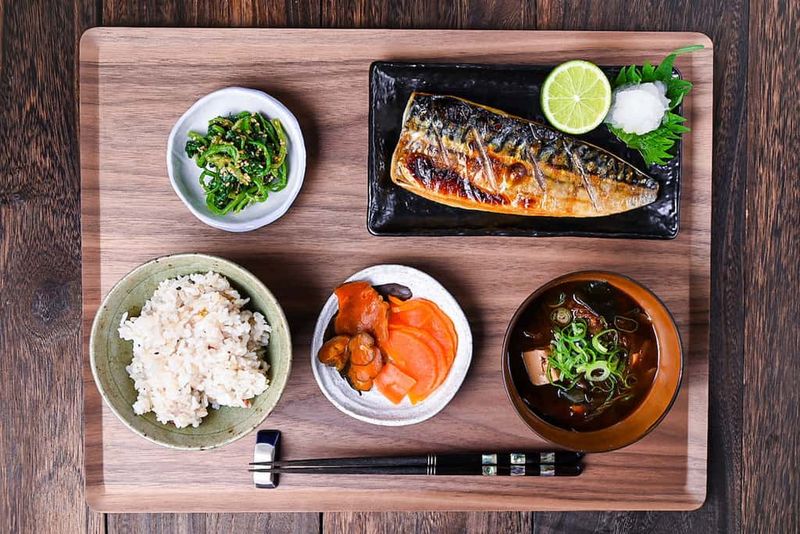
Saba shioyaki (salt-grilled mackerel) represents Japanese simplicity at its finest. The oily fish caramelizes beautifully over open flame, developing crispy skin while remaining moist inside.
Traditionally served with grated daikon to cut through the richness, this dish balances omega-rich fish with bright acidic notes. Many Japanese consider this humble preparation the true test of a restaurant's quality - perfect mackerel requires precise timing to avoid dryness while achieving that signature smoky char.
12. Tsukemono
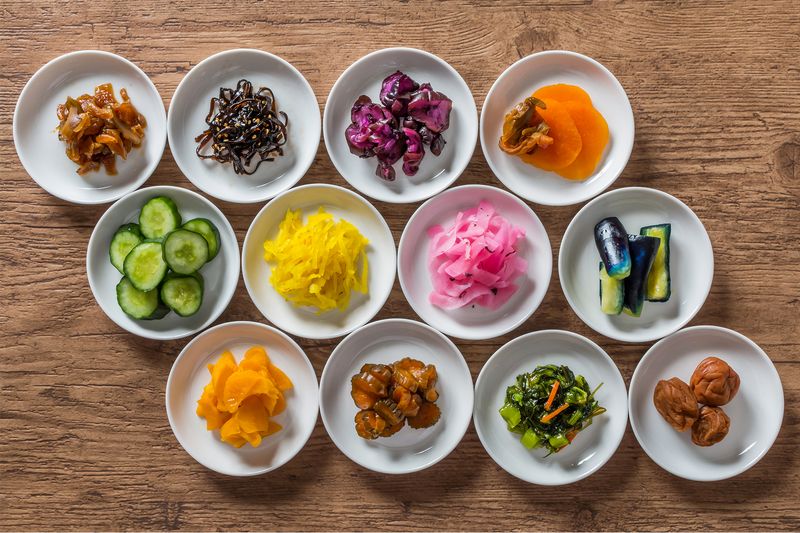
Japanese pickles aren't mere condiments but carefully crafted preserves that cleanse the palate between bites. Each variety offers distinct flavour profiles - from the bright yellow takuan (daikon) to ruby-red beni shoga (ginger).
The pickling techniques vary dramatically by region, using salt, rice bran, sake lees, or vinegar. Some varieties take days to prepare, others months or even years. The resulting vegetables retain their crunch while developing complex umami notes that complement main dishes perfectly.
13. Nasu Dengaku
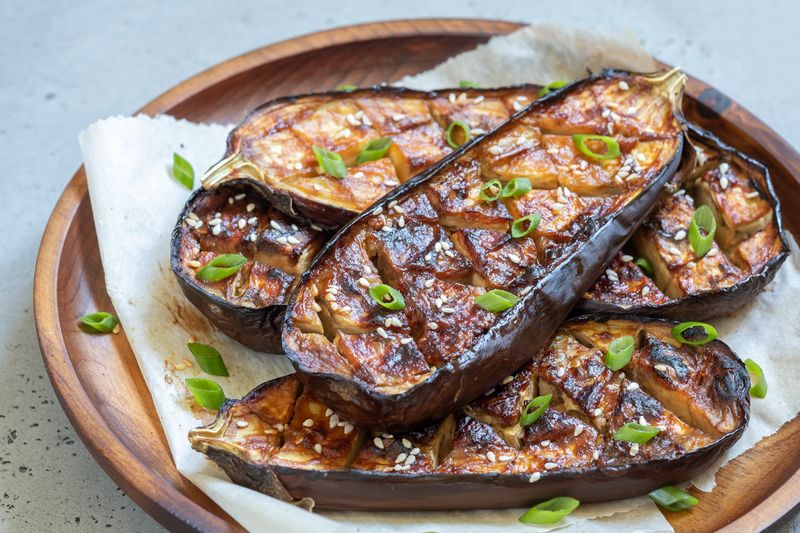
Halved aubergines scored and grilled until completely tender, then glazed with sweet-savoury miso paste that caramelizes under the broiler. The contrast between the creamy, smoky flesh and the intensely flavourful glaze creates an unforgettable vegetable experience.
Regional variations might use white, red, or mixed miso, each imparting different flavour profiles. Some chefs add sesame seeds, yuzu zest, or mirin to their glaze, creating signature versions of this vegetarian masterpiece that even dedicated meat-eaters adore.
14. Okonomiyaki
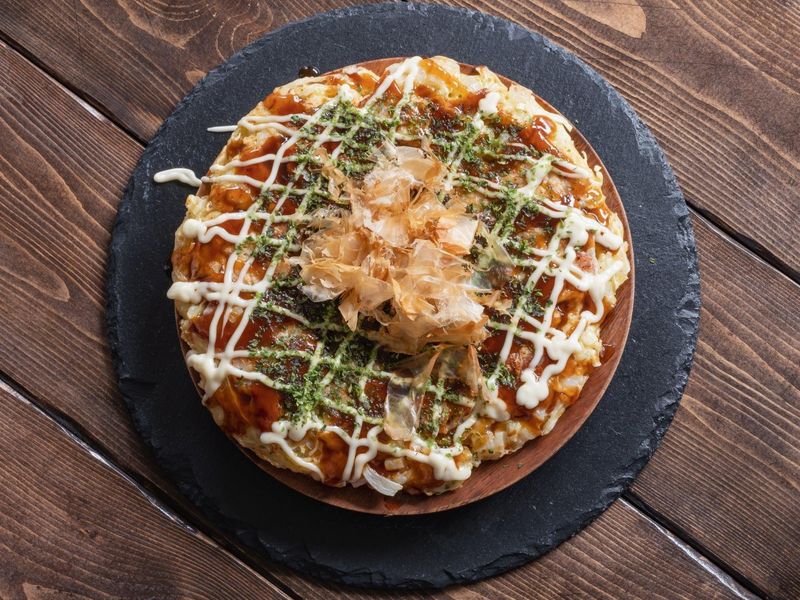
Originating in Osaka, okonomiyaki literally means 'grilled as you like it' - a fitting name for this customizable dish. The batter contains shredded cabbage, giving it structure and sweetness when cooked.
Topped with a sweet-savoury sauce, Japanese mayonnaise, aonori (seaweed flakes), and katsuobushi (bonito flakes that 'dance' from the heat), okonomiyaki offers multiple textures and flavours in each bite. Regional variations include Hiroshima-style, which layers ingredients rather than mixing them into the batter.
15. Uni and Ikura
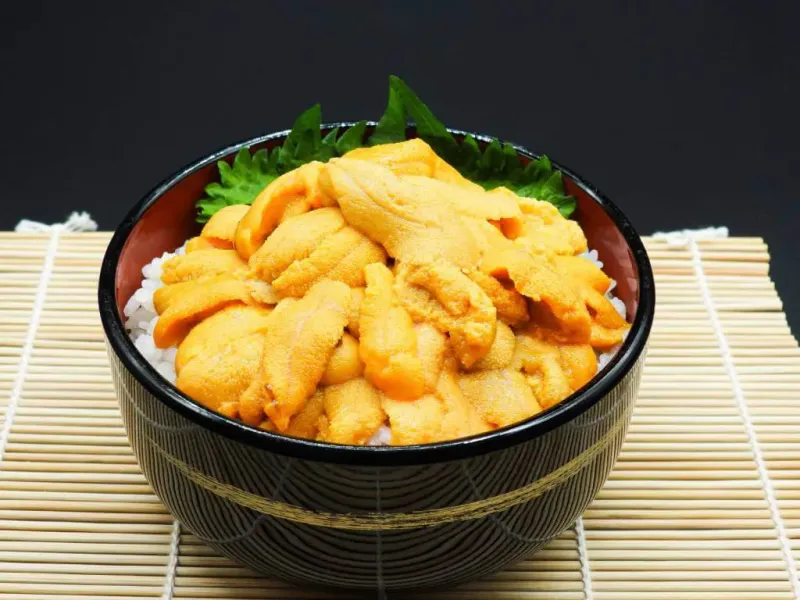
Sea urchin (uni) delivers a custard-like texture with complex flavours reminiscent of the ocean's depths - simultaneously sweet, briny, and mineral-rich. Salmon roe (ikura) offers pop-in-your-mouth bursts of umami goodness.
These premium ingredients showcase Japan's reverence for seafood in its purest form. Quality matters tremendously - fresh uni should be bright orange or yellow, never fishy-smelling. Similarly, proper ikura should have firm individual eggs that burst cleanly, releasing their flavourful liquid.



