













Ever wondered what doctors put on their own plates? While they're busy telling us to eat our greens, what are they munching on behind closed doors?
Turns out, medical professionals follow their own advice by incorporating specific nutrient-packed foods into their daily meals. These powerhouse ingredients offer incredible health benefits that even the busiest physicians make time to enjoy.
This content is for general information purposes only. The food choices mentioned may vary depending on individual health needs and dietary preferences.
Always consult with a healthcare professional or nutritionist for personalised dietary advice.
1. Blueberries
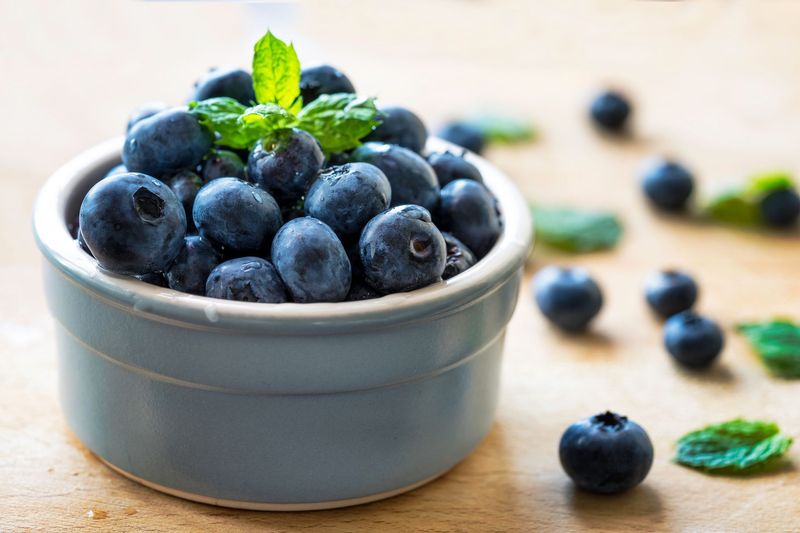
These tiny blue gems pack a serious antioxidant punch. Their high levels of flavonoids help protect brain cells from oxidative damage and may improve memory.
Many doctors grab a handful with breakfast or add them to smoothies. Regular consumption has been linked to reduced risk of heart disease and certain cancers.
2. Fatty Fish

Salmon, mackerel, and sardines frequently appear on doctors' dinner plates. Rich in omega-3 fatty acids, these fish varieties support heart and brain health while reducing inflammation.
Just two servings weekly provides enough DHA and EPA to meet recommendations. The protein content makes it satisfying and muscle-supporting too.
3. Leafy Greens
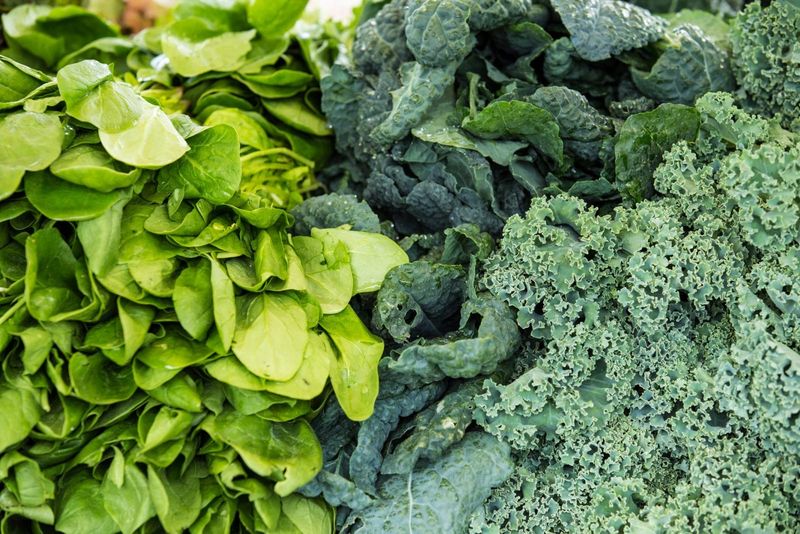
Kale, spinach, and Swiss chard are staples in medical professionals' fridges. Brimming with vitamins A, C, and K, plus minerals like iron and calcium, they support everything from bone health to immune function.
A daily serving reduces chronic disease risk and provides folate for cellular repair. Many doctors sneak them into smoothies or eggs.
4. Greek Yogurt
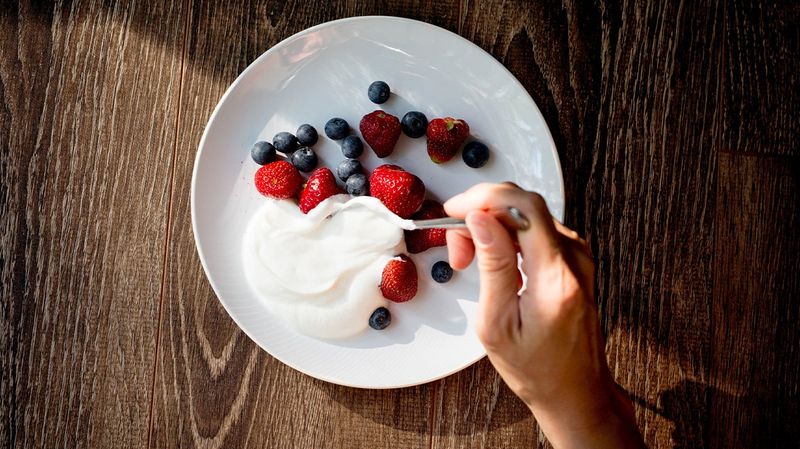
The white coats' breakfast favourite offers probiotics for digestive health alongside calcium for strong bones. Its high protein content keeps hunger at bay during long hospital shifts.
Doctors often recommend the plain, unsweetened variety topped with fruit and nuts. The versatile food works brilliantly in everything from smoothies to savoury dips.
5. Nuts
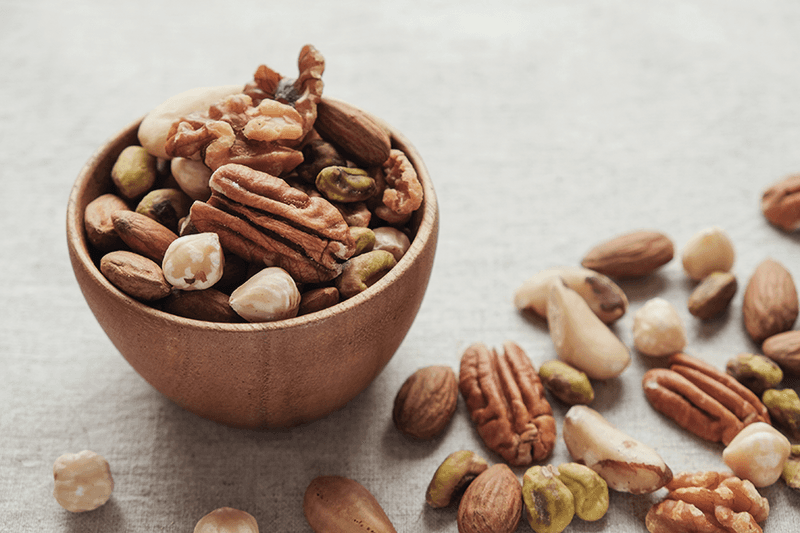
Almonds, walnuts and pistachios frequently disappear into doctors' coat pockets. These crunchy snacks deliver heart-healthy fats, plant protein, and fibre that helps maintain steady energy levels.
Research shows regular nut consumers tend to live longer. A small handful daily (about 30g) provides magnesium, vitamin E and beneficial plant compounds.
6. Turmeric
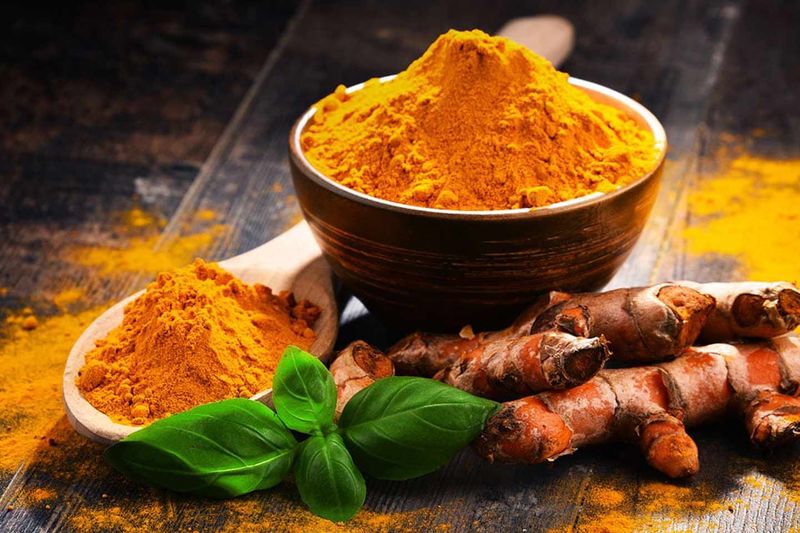
This vibrant yellow spice contains curcumin, a compound with powerful anti-inflammatory properties. Doctors who understand inflammation's role in disease often add it to soups, curries and smoothies.
Combining it with black pepper enhances absorption dramatically. Many medical professionals take it daily, particularly those specialising in rheumatology or neurology.
7. Lentils
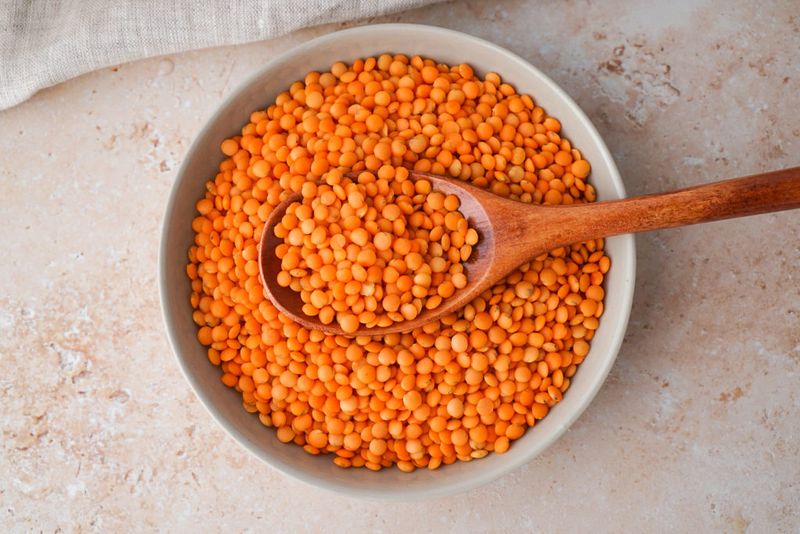
Cardiologists particularly favour these protein-packed legumes. They're loaded with fibre that helps lower cholesterol and stabilise blood sugar levels.
Lentils provide substantial iron, folate and B vitamins without the saturated fat found in animal proteins. Quick-cooking red lentils make regular appearances in busy doctors' weeknight meals.
8. Avocados
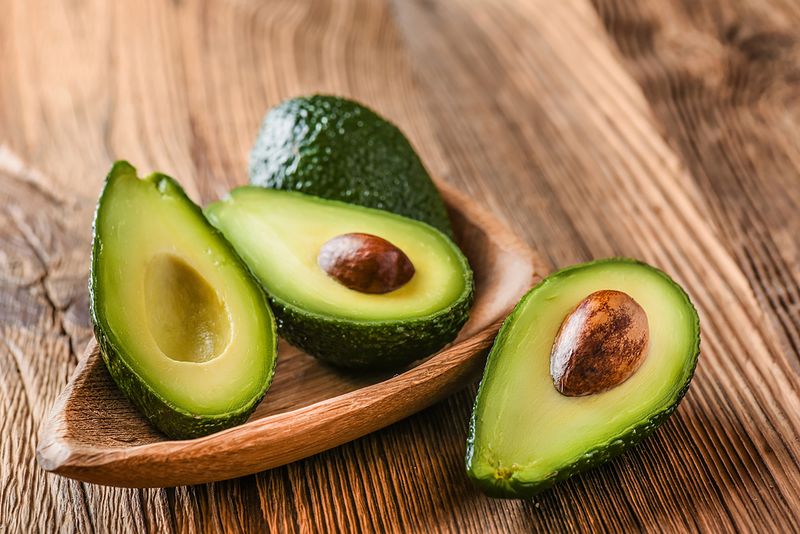
Behind hospital doors, doctors spread this buttery fruit on toast or toss it into salads. Its monounsaturated fats help maintain healthy cholesterol levels while providing nearly 20 vitamins and minerals.
The high potassium content supports healthy blood pressure. Many physicians appreciate that avocados contain lutein, which benefits eye health during long hours of patient charts.
9. Berries
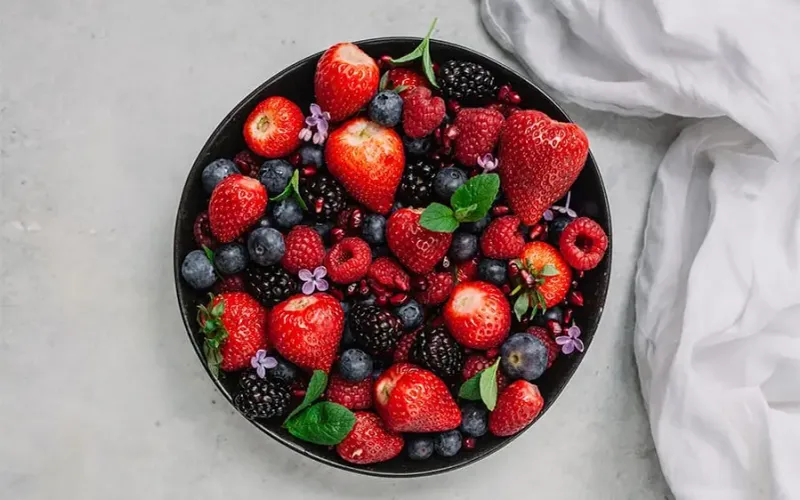
Strawberries, raspberries and blackberries frequently brighten doctors' breakfast bowls. Their vibrant colours signal high antioxidant content that fights cellular damage and inflammation.
Despite their sweet taste, berries are relatively low in sugar. Many physicians appreciate their high fibre content and ability to satisfy sweet cravings healthfully.
10. Olive Oil

Extra virgin olive oil features prominently in health-conscious doctors' kitchens. Its polyphenols and monounsaturated fats support cardiovascular health and reduce inflammation.
Many physicians drizzle it unheated over salads to preserve its beneficial compounds. Research consistently links olive oil consumption with longevity and reduced disease risk.
11. Fermented Foods

Kimchi, sauerkraut and kefir regularly appear on gastroenterologists' plates. These foods contain beneficial bacteria that support gut health and strengthen immune function.
The fermentation process creates compounds that aid digestion and nutrient absorption. Many doctors incorporate small amounts daily, particularly those who understand the gut-brain connection.
12. Dark Chocolate

Even doctors need treats! High-cocoa dark chocolate (70% and more) contains flavanols that support blood vessel health and cognitive function.
The antioxidants in quality dark chocolate exceed those in many fruits. Medical professionals often enjoy a small square after dinner, knowing it provides magnesium and may help reduce stress hormones.



