













Navigating an Italian restaurant menu can be tricky when you're craving authentic pasta. Many popular dishes actually miss the mark on traditional Italian flavours, while hidden gems often go unordered.
Whether you're dining out for a special occasion or just grabbing a weeknight meal, knowing which pasta dishes truly deliver can transform your experience from mediocre to magnificent.
1. Pasta Con Broccoli
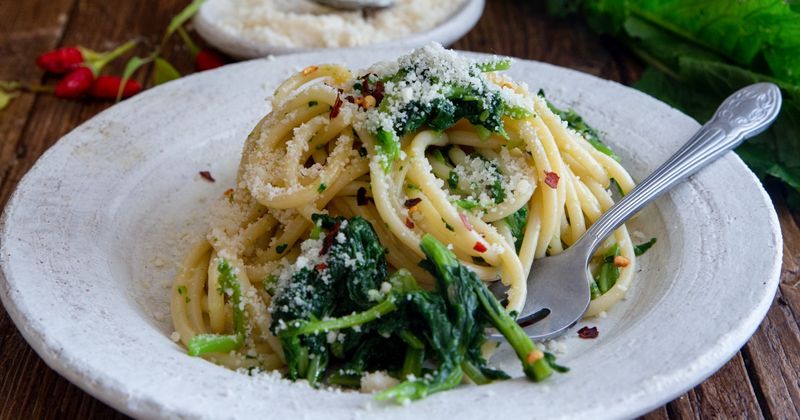
American restaurants have transformed this into a heavy cream sauce affair that would make Italian grandmothers weep. The authentic version uses olive oil, garlic and pasta water for a light coating.
Most restaurant versions rely on pre-made sauces that mask the vegetable's natural flavour. Skip this Americanised comfort food masquerading as Italian cuisine.
2. Fettuccine Alfredo
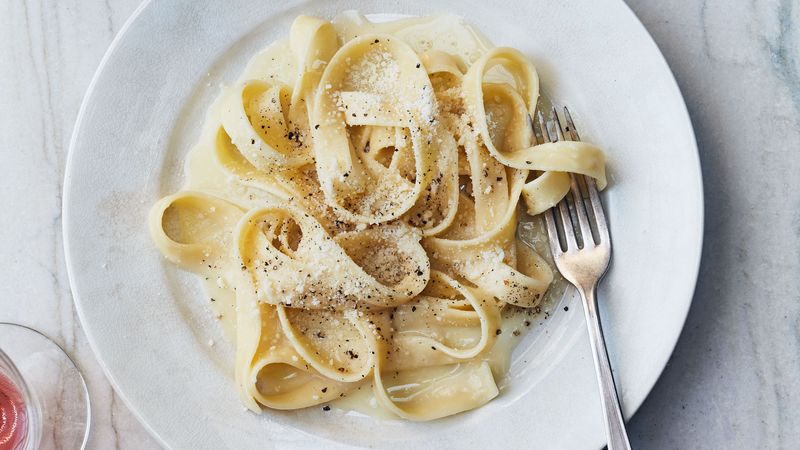
The dirty secret of casual dining spots? Their Alfredo sauce often comes from industrial-sized tubs, not freshly made in house. Real Italian fettuccine al burro is simply pasta tossed with butter and Parmigiano-Reggiano.
Restaurant versions typically contain excessive cream, leaving you with a greasy, heavy dish that bears little resemblance to its elegant Roman origins.
3. Chicken Tortelloni Alfredo
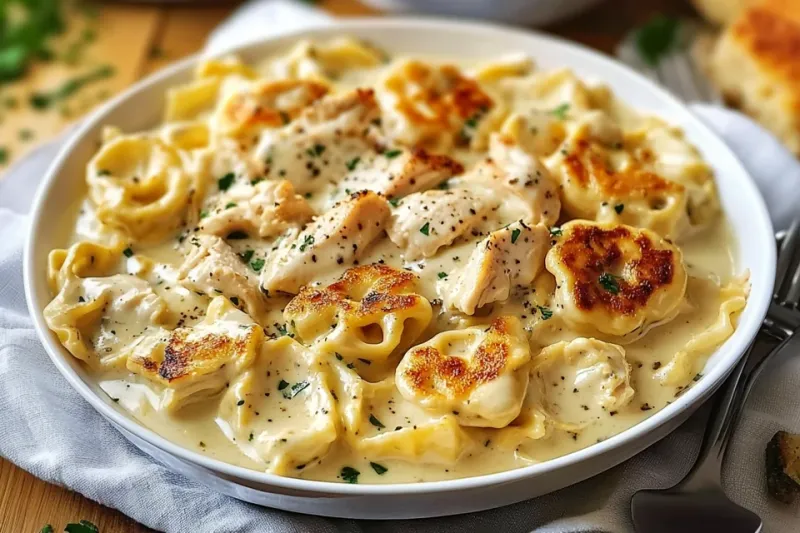
Chain restaurant favourites like this Olive Garden staple pack a whopping 1,980 calories per serving. The combination of cheese-stuffed pasta, cream sauce and protein creates a nutritional nightmare.
Most versions use pre-made tortelloni and sauce, making this an overpriced dish you could easily recreate at home for a fraction of the cost and calories.
4. Stuffed Pasta, Manicotti, Cannelloni
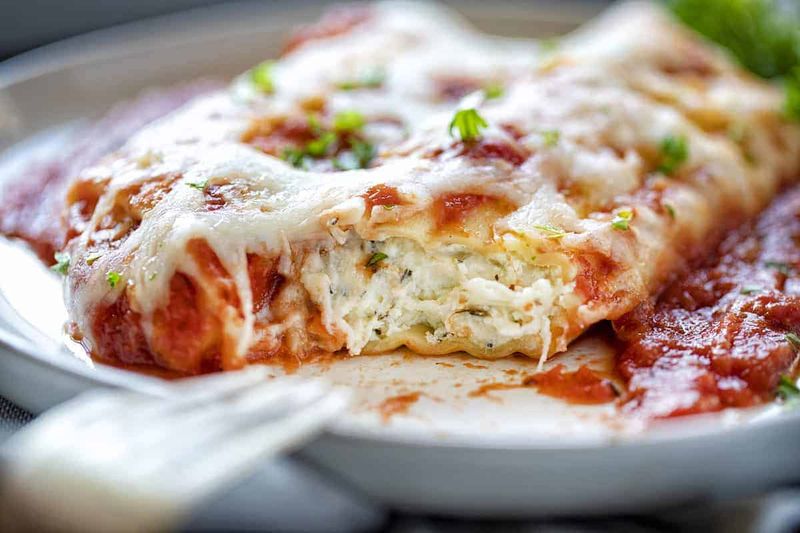
Restaurant stuffed pasta frequently suffers from the drowning effect. Excessive cheese and sauce completely overwhelm the delicate pasta tubes, creating a soupy mess rather than distinct flavours.
Many establishments prepare these dishes hours in advance, leaving them sitting under heat lamps. The result? Dried-out pasta edges and mushy centres that hardly justify the premium price.
5. Pasta With Peas In Carbonara
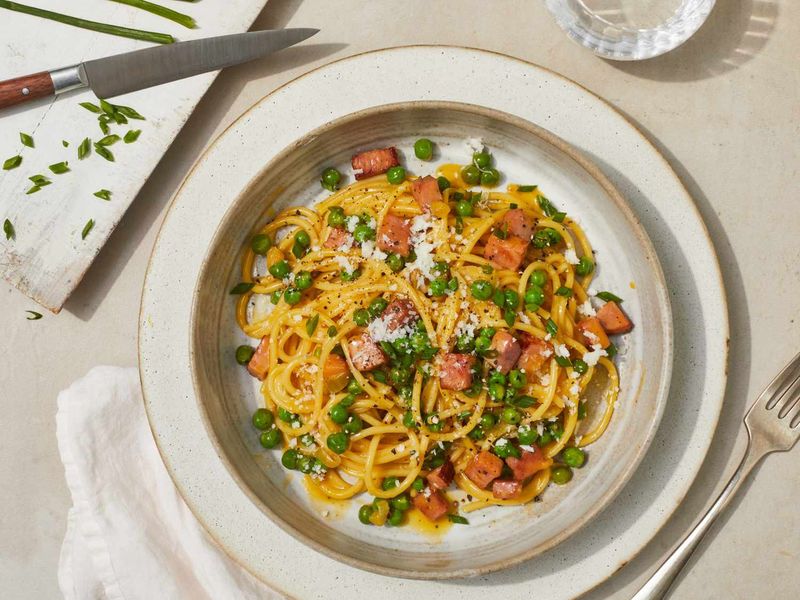
Adding peas to carbonara is considered culinary sacrilege in Italy. Traditional carbonara contains just five ingredients: pasta, eggs, pecorino cheese, guanciale and black pepper.
American restaurants frequently use cream, peas and bacon instead of the authentic ingredients. This completely changes the dish's texture and flavour profile, creating something entirely different from what Romans would recognise.
6. Spaghetti And Meatballs
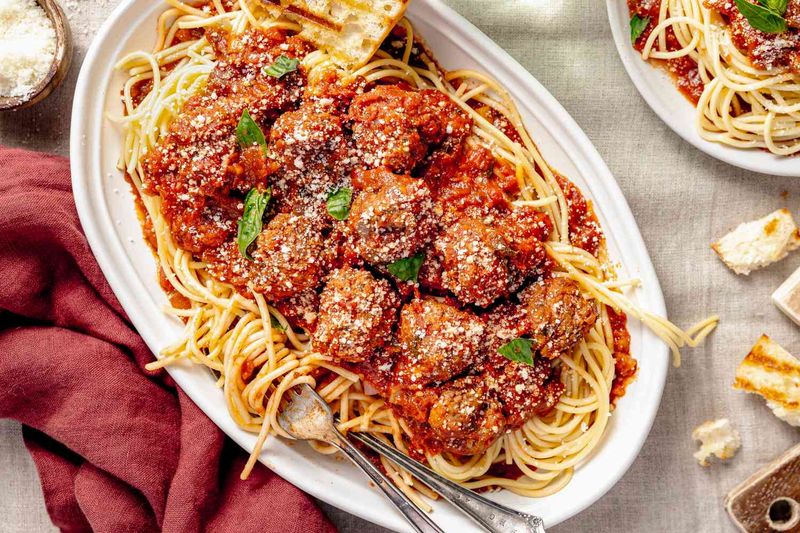
Italians eat meatballs (polpette) and pasta separately, not combined in one dish. This beloved combination was created by Italian immigrants in America adapting to new ingredients and tastes.
Restaurant versions often feature massive, dense meatballs that lack the tenderness of authentic polpette. The sauce typically comes from industrial containers rather than being house-made with fresh tomatoes.
7. Garlic Bread With Pasta
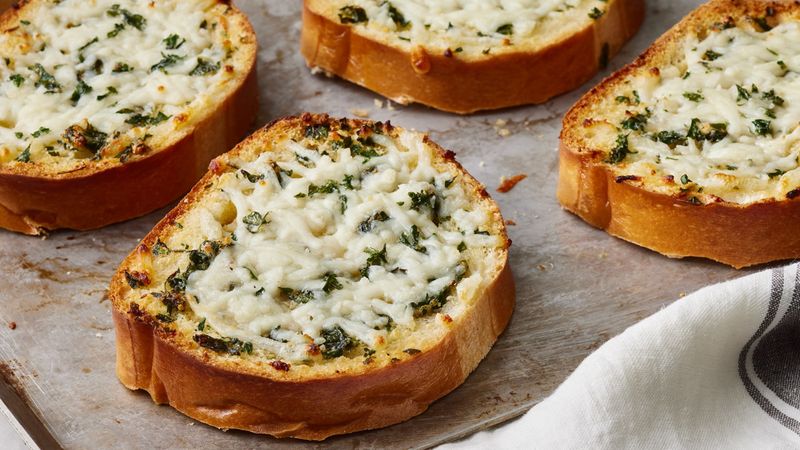
Italians would never serve garlic bread alongside pasta. This double-carb combination is purely American and violates the principle of balance in Italian cuisine.
Authentic Italian meals feature bread before pasta, not simultaneously. The garlic bread found in restaurants is typically made with poor-quality bread and artificial garlic flavouring, offering little nutritional value while filling you up before the main course.
8. Chicken Parmesan Pasta
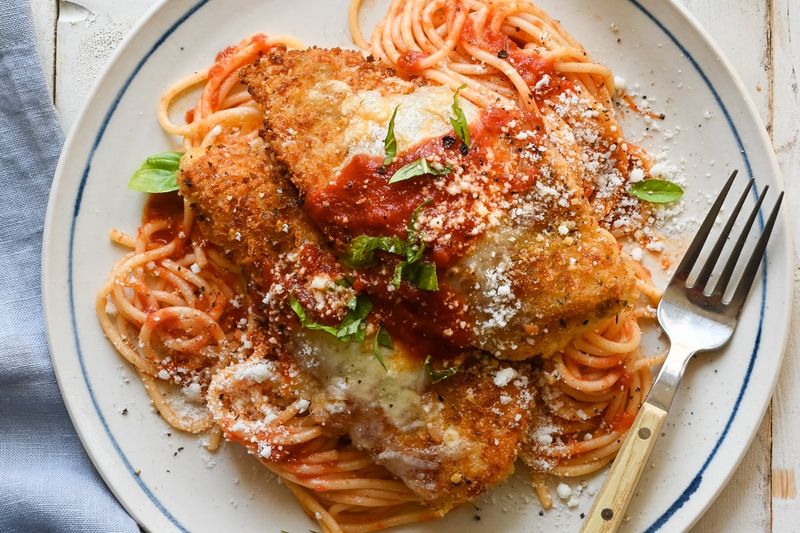
Italians rarely combine poultry with pasta in the same dish. Chicken parmesan (or parmigiana) emerged from Italian-American communities adapting traditional eggplant parmigiana recipes.
Restaurant versions typically feature pre-breaded chicken cutlets reheated and smothered in sauce. The combination creates a heavy, unbalanced meal that bears little resemblance to the lighter, more nuanced dishes of authentic Italian cuisine.
9. Creamy Seafood Pasta + Parmesan
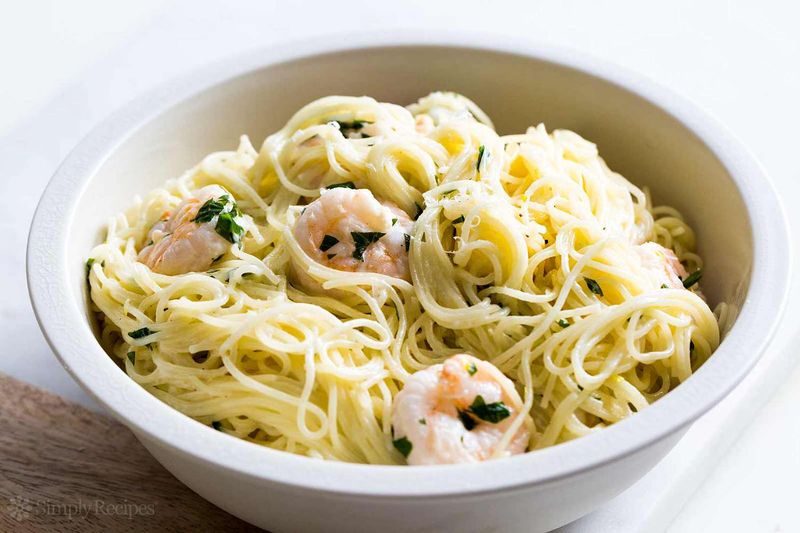
Italian culinary tradition strictly forbids combining cheese with seafood. The delicate flavours of fish and shellfish become completely overwhelmed by dairy products, especially aged cheeses like Parmesan.
Restaurants often use cream sauces to mask lower-quality or less-fresh seafood. An authentic Italian chef would consider adding Parmesan to seafood pasta comparable to putting ketchup on fine steak.
10. Heavy Cream-Based Sauces
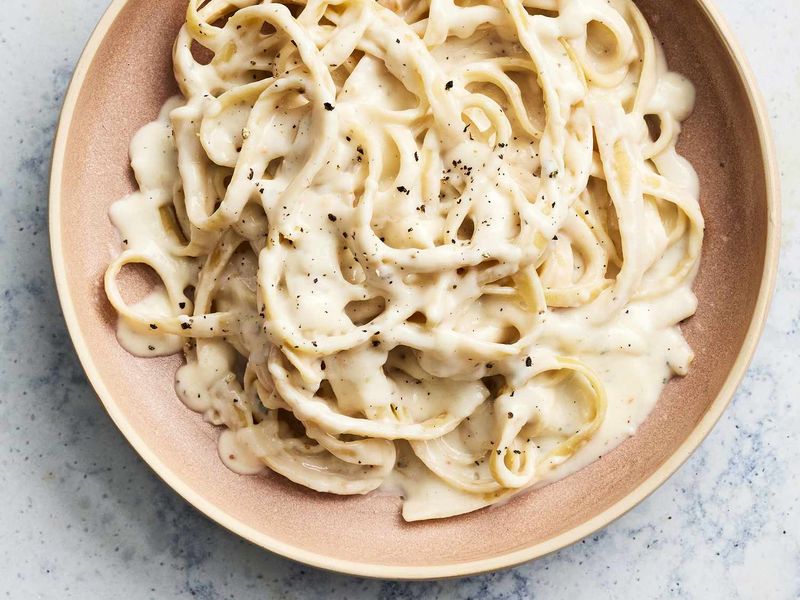
Many restaurants prepare cream sauces in large batches days in advance, then reheat portions as needed. This practice creates inconsistent textures and flavours that often separate or develop an unpleasant skin.
Authentic Italian cuisine uses cream sparingly, preferring techniques like mounting with butter or using starchy pasta water to create silky textures. Avoid dishes advertising ranchero or creamy vodka sauces, which typically indicate pre-made components.
11. Over-Salty Or Over-Oiled Pesto Pasta
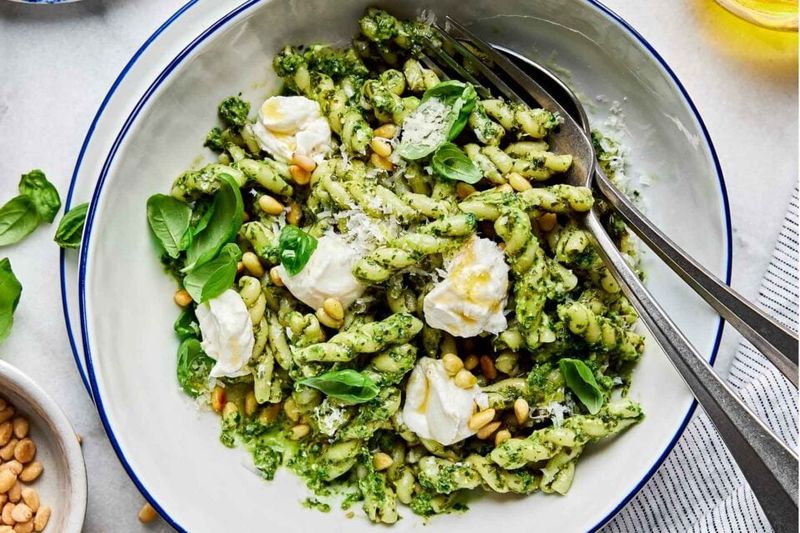
Genuine Ligurian pesto balances basil, pine nuts, garlic, olive oil and cheese in perfect harmony. Restaurant versions frequently cut corners by using excessive salt to compensate for lower-quality ingredients.
Many establishments add too much oil to extend the pesto's shelf life, creating a slick, greasy coating instead of the vibrant sauce it should be. Fresh pesto should be bright green, not dull or brownish.
12. Generic Mushroom Cream Pasta
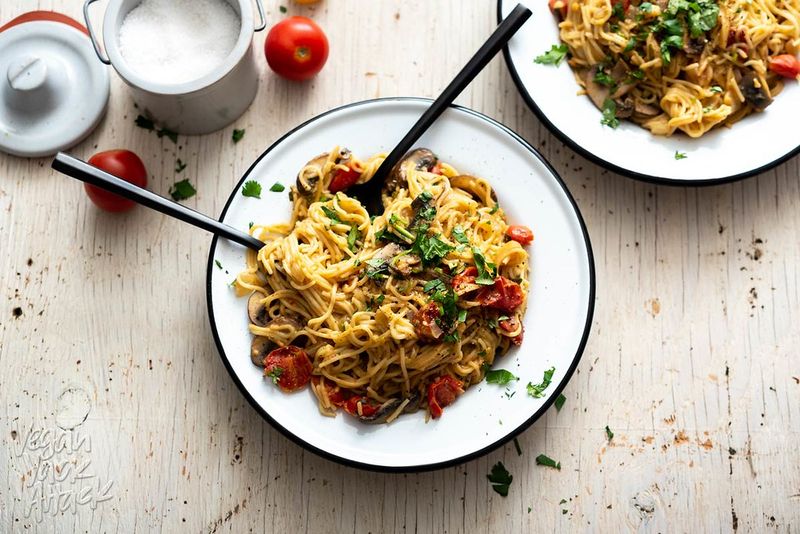
Those ubiquitous mushroom pasta dishes on casual restaurant menus rarely showcase the fungi's natural flavours. Most establishments use button mushrooms exclusively, missing the opportunity to feature more flavourful varieties like porcini or chanterelles.
The cream sauce typically masks rather than enhances the mushroom flavour. Quality restaurants properly sauté mushrooms to develop their umami qualities instead of simply warming them in sauce.
13. Tagliatelle Ai Porcini
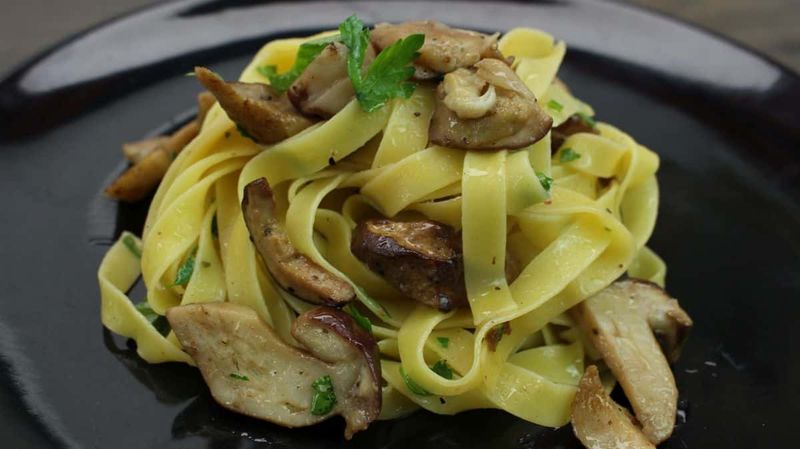
Fresh porcini mushrooms transform this simple pasta into something extraordinary. Their woodsy, nutty flavour intensifies when properly sautéed with garlic and finished with just a touch of cream.
Quality restaurants serve this seasonal delight only when porcini are at their peak. Ask your server if they're using fresh mushrooms rather than dried or canned varieties for the most authentic experience.
14. Pasta Alla Norma
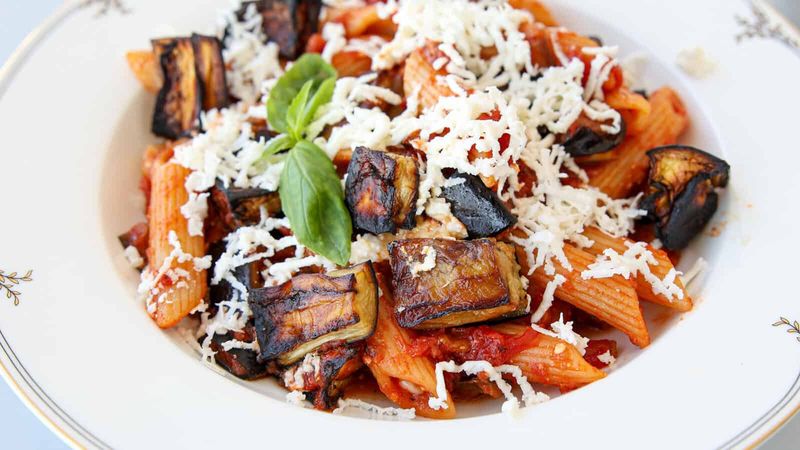
This Sicilian masterpiece celebrates the humble aubergine, transforming it into silky, flavour-absorbing morsels. The vegetables are first fried until golden, then combined with a simple tomato sauce and topped with ricotta salata.
A well-executed Norma balances sweet, salty and slightly bitter flavours perfectly. The dish honours composer Vincenzo Bellini's opera and represents Sicilian cuisine at its finest.
15. Linguine Con Vongole
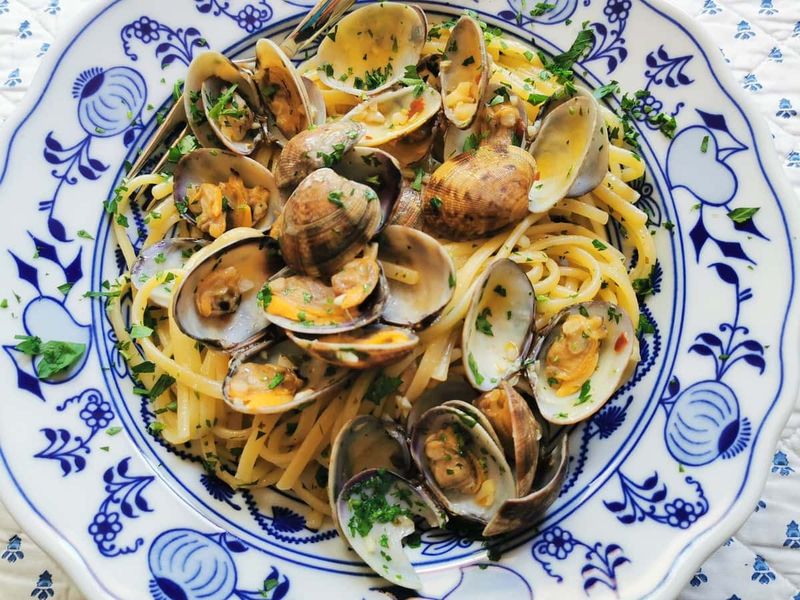
Fresh clams steam open directly in the pasta sauce, releasing their briny essence into white wine, garlic and olive oil. The sauce should be light, not creamy, allowing the seafood to shine.
Skilled chefs time this dish perfectly so the clams remain tender while the pasta finishes cooking. A sprinkle of parsley and perhaps a hint of chilli complete this coastal Italian classic that showcases the Mediterranean's bounty.
16. Meat-Based Ragù
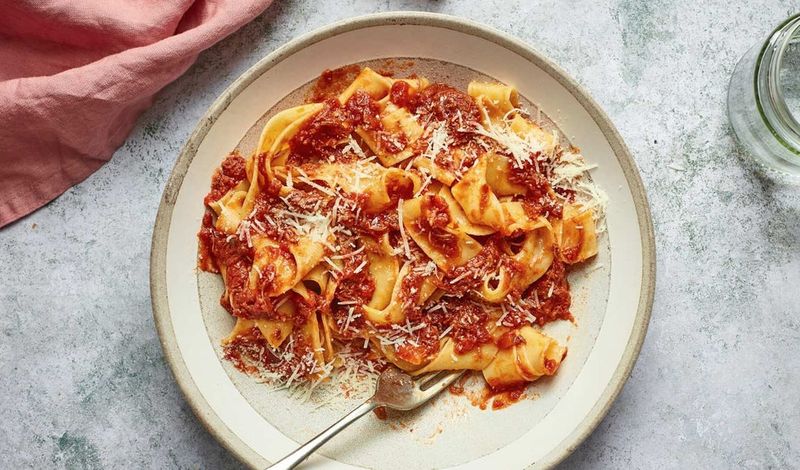
Game meats like rabbit, venison or wild boar create ragù sauces with depth and character that beef alone cannot match. These slow-cooked sauces develop complex flavours over hours of gentle simmering.
Regional variations reveal a chef's heritage and skill. Northern Italian versions might include milk or wine, while southern preparations often incorporate more tomatoes. The sauce should coat rather than drown the pasta.
17. Regional Specialties
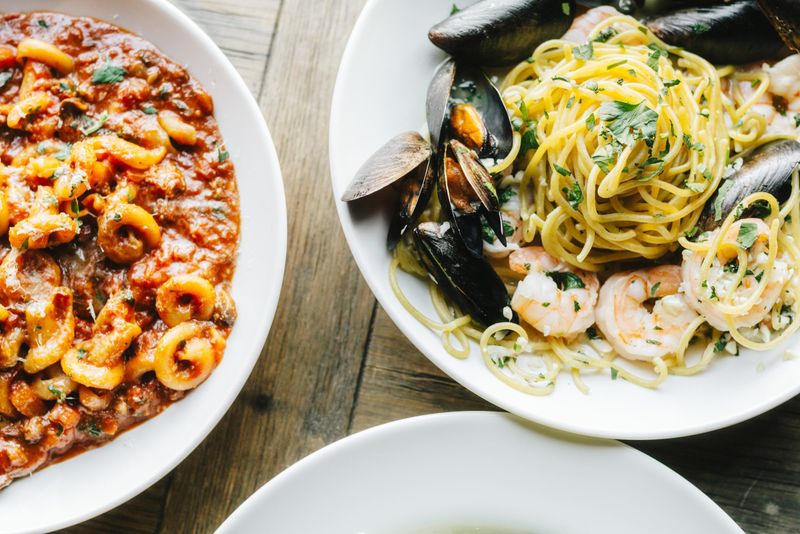
Seek out pasta shapes and preparations unique to specific Italian regions. Sicilian busiate (spiral pasta) with trapanese pesto or Sardinian malloreddus with saffron showcase hyper-local traditions.
These dishes often feature ingredients native to their regions, creating flavour combinations impossible to replicate elsewhere. Restaurants specialising in regional Italian cuisine rather than generic Italian-American fare will offer these authentic treasures.
18. Proper Ragù Alla Bolognese
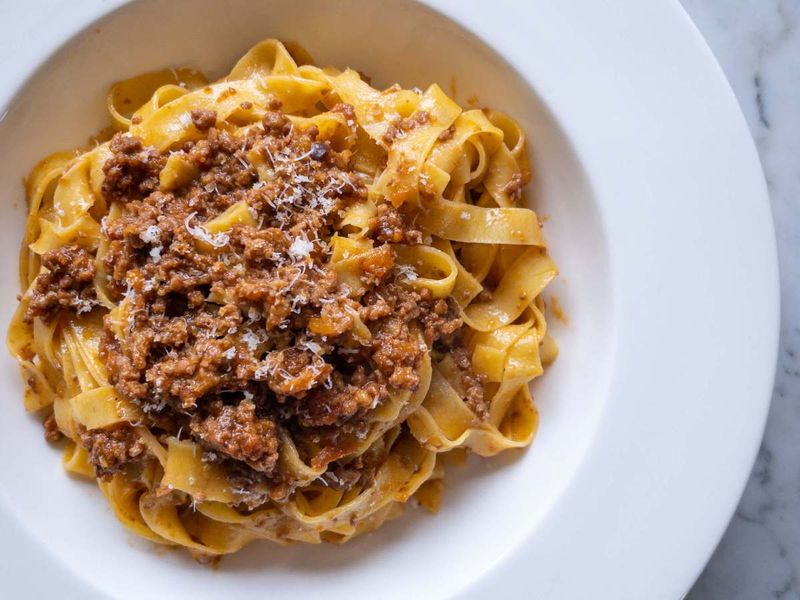
Authentic Bolognese contains very little tomato, focusing instead on meat slowly cooked with soffritto, white wine and milk. The sauce should be rich and concentrated, not bright red or watery.
Traditionally served with tagliatelle, not spaghetti, proper ragù requires hours of gentle cooking. Quality restaurants prepare this sauce fresh daily, allowing the flavours to meld and develop fully before serving.
19. Cacio E Pepe
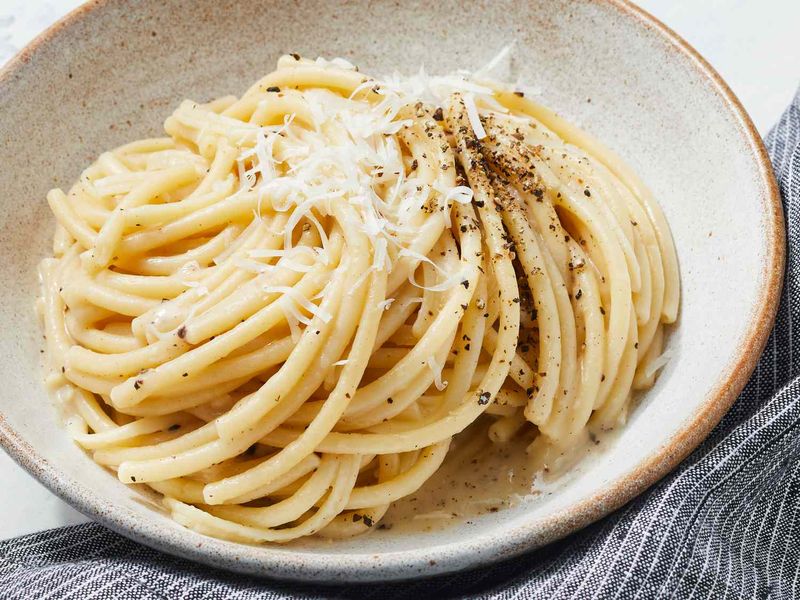
The apparent simplicity of this Roman pasta belies the skill required to execute it perfectly. Just three ingredients - pasta, Pecorino Romano and black pepper - create a creamy, elegant dish without a drop of cream.
The magic happens when starchy pasta water emulsifies with cheese to form a silky sauce. Quality restaurants use freshly cracked pepper and aged Pecorino, allowing these humble ingredients to shine through perfect technique.
20. Pasta Al Limone
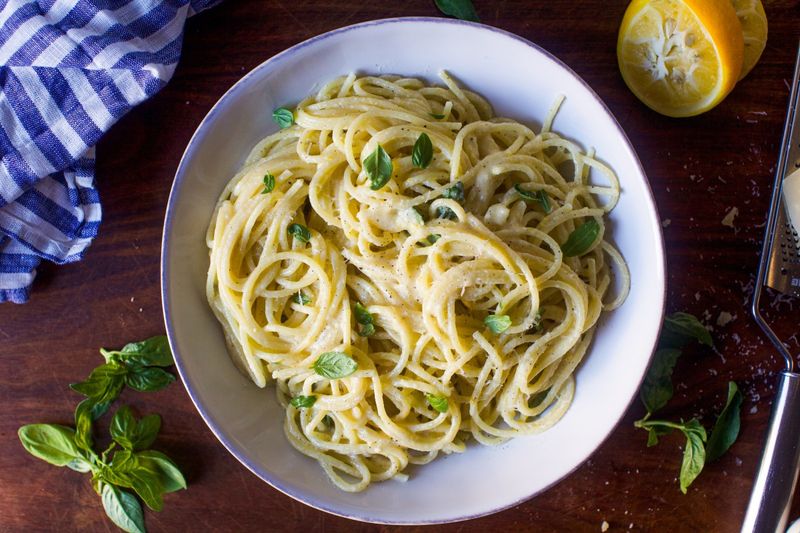
Bright lemon zest and juice cut through butter and Parmigiano to create a surprisingly light yet luxurious sauce. The Amalfi Coast's famous lemons give the authentic version an incomparable fragrance and flavour.
Good restaurants use fresh citrus rather than bottled juice, creating a vibrant dish that tastes like Italian sunshine. This summer favourite pairs beautifully with a glass of crisp white wine.
21. Butter And Sage Pasta
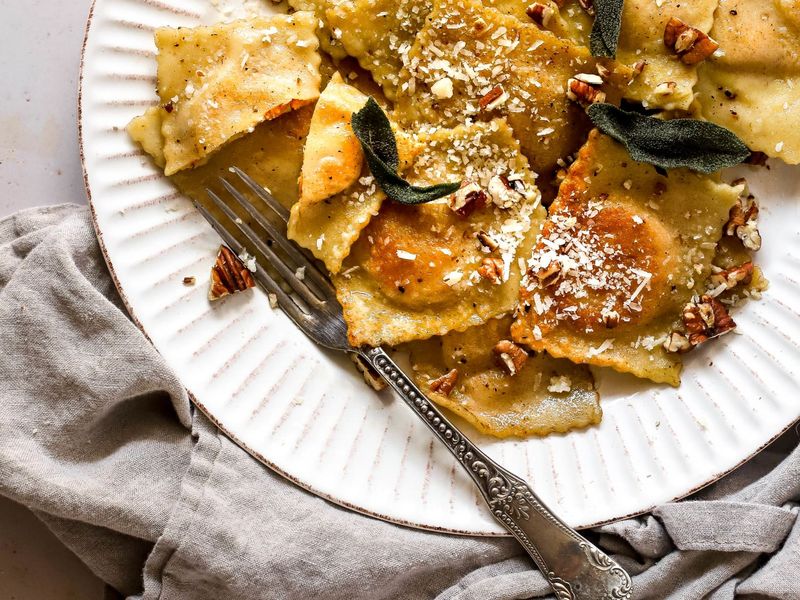
Crispy sage leaves fried in brown butter create a nutty, aromatic sauce that elevates simple pasta to something magical. Often paired with delicate filled pasta like pumpkin ravioli, this sauce demonstrates Italian restraint.
Quality restaurants brown the butter carefully to develop its flavour without burning. The sage should be fresh and abundant, crisping beautifully in the hot butter until fragrant.
22. Pasta Primavera
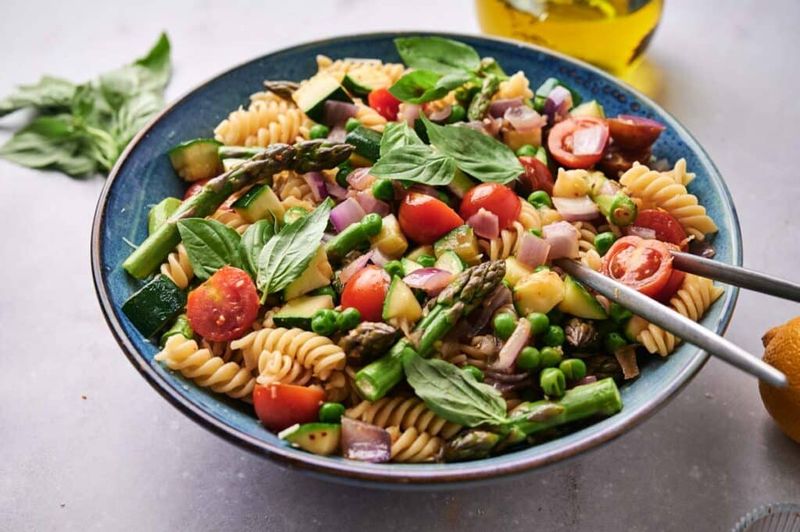
When made properly with seasonal vegetables, this dish celebrates produce at its peak. Spring versions feature tender asparagus and peas, while winter iterations might showcase hearty greens and mushrooms.
Good restaurants prepare vegetables individually to preserve their distinct textures and flavours. The sauce should be light, often just olive oil and pasta water, allowing the vegetables' natural qualities to shine.
23. Pumpkin Or Squash Pasta
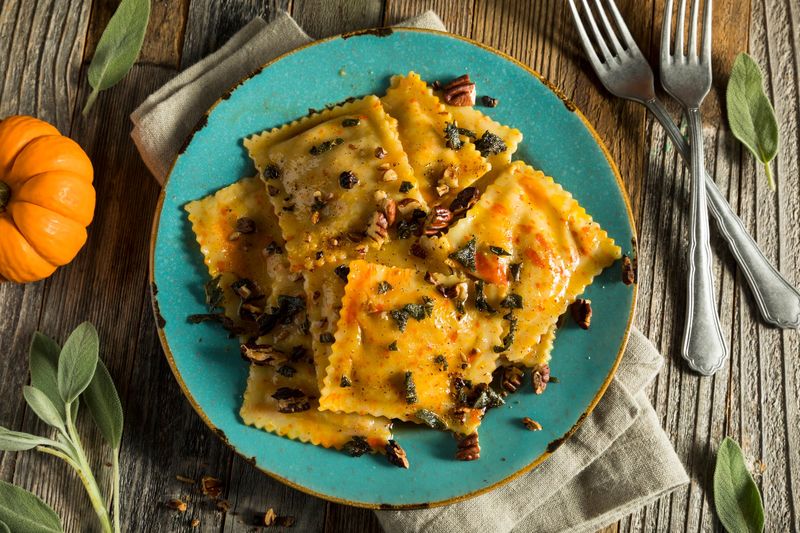
Autumn's bounty shines in pasta dishes featuring sweet, earthy winter squash. Whether stuffed into ravioli with amaretti crumbs or tossed with sage and pine nuts, squash creates comforting yet sophisticated flavours.
Quality restaurants roast the squash to intensify its natural sweetness rather than relying on added sugar. The resulting dishes offer creamy texture without excessive dairy, perfect for cool weather dining.
24. Light Seafood Pasta
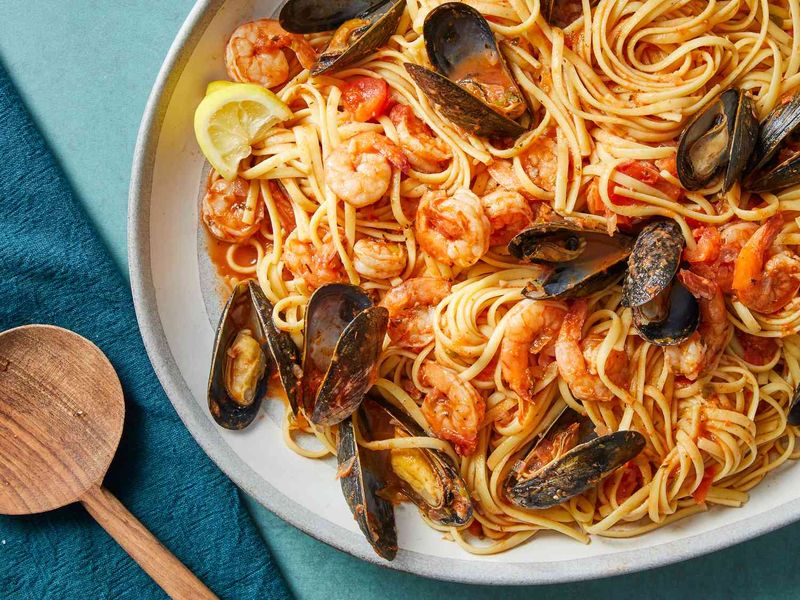
Fresh seafood needs minimal enhancement to shine. Quality restaurants let clams, mussels and prawns speak for themselves, using simple garlic, white wine and olive oil preparations.
The pasta should be perfectly al dente, allowing it to absorb the briny seafood essence. No cheese should ever touch these dishes—just perhaps a sprinkle of parsley and a squeeze of lemon to brighten the natural flavours.




Comments
No Comments