





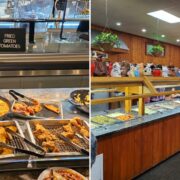







Ever bitten into a breakfast sandwich and wondered why the egg tastes a bit... different? That's because many popular fast food chains aren't using real, freshly-cracked eggs in their morning offerings.
Instead, they opt for egg mixtures filled with additives and preservatives that extend shelf life and cut costs. The truth about your breakfast might surprise you.
Dunkin's Mysterious Egg Concoction
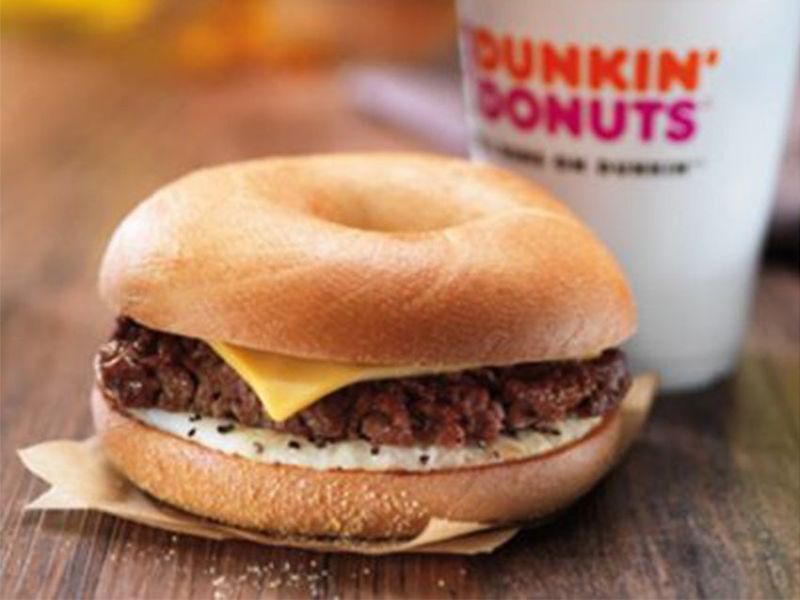
That yellow disc in your Dunkin' breakfast sandwich isn't simply a cracked egg. Their patties combine egg whites, yolks and water—then mix in a chemistry lab of additives including cornstarch, xanthan gum, and cellulose gum.
These thickeners and stabilizers create a uniform texture that survives freezing and reheating. Next time you're enjoying that sandwich, remember you're also consuming a hefty dose of food science!
Subway's Eggy Illusion
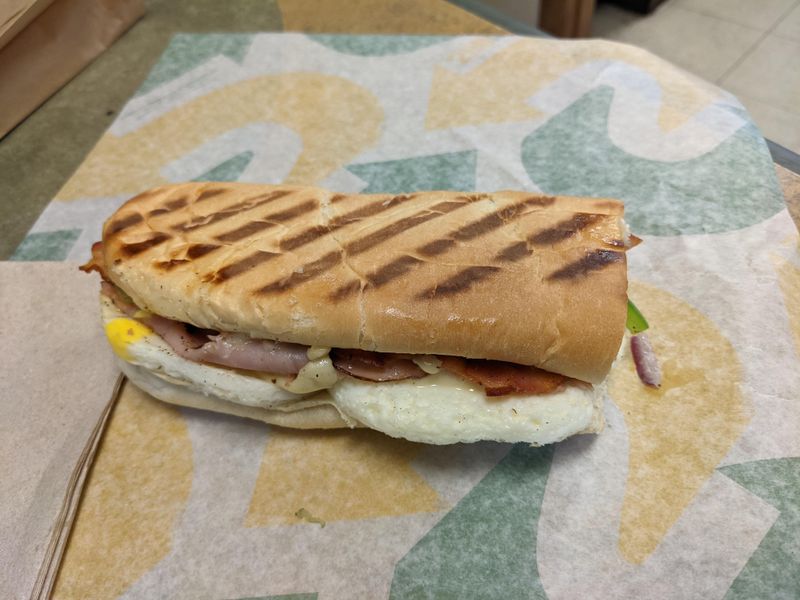
Fancy a breakfast sub at Subway? You might reconsider after learning about their egg formula. Hidden behind that yellow exterior lurks a mixture containing dextrose (a simple sugar), guar gum, and even propylene glycol.
The chain's egg patties are designed for maximum shelf stability rather than natural nutrition. They're engineered to maintain shape and texture through shipping and storage.
Starbucks' Sneaky Egg Strategy
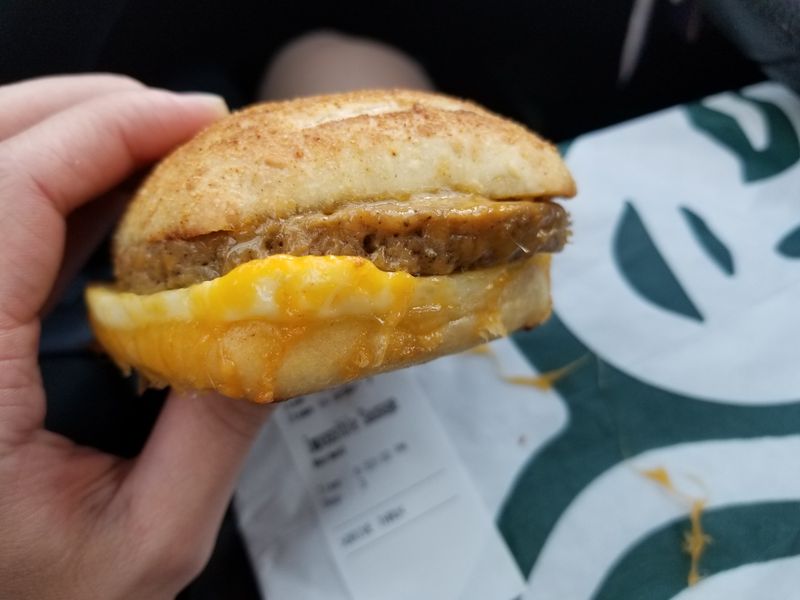
Your posh coffee deserves better than Starbucks' egg charade. While marketed as using "whole eggs," their breakfast sandwiches contain a laundry list of additives you won't find in your kitchen.
The coffee giant relies on pasteurised egg products that can sit in refrigeration far longer than fresh eggs. This corporate compromise sacrifices nutritional integrity for convenience and profit margins—all while charging premium prices!
Burger King's Royal Deception
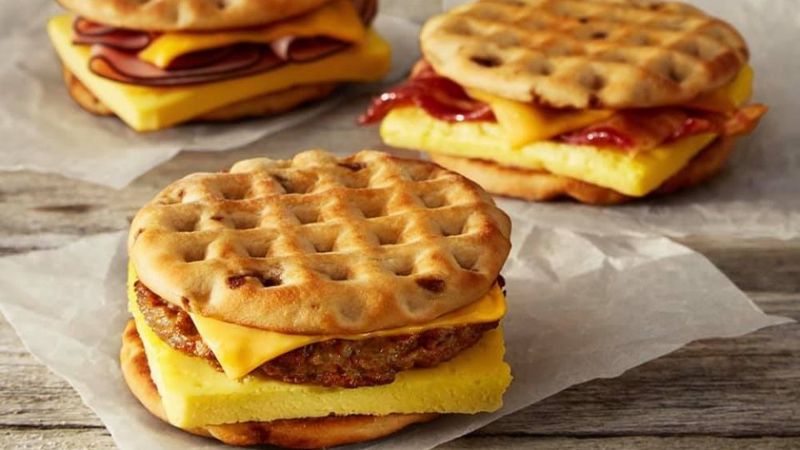
The King's breakfast empire is built on illusions! Rather than cracking fresh eggs onto the grill, Burger King uses a "liquid egg-pasteurized mixture" pumped full of additives.
This egg-like substance creates a consistent product across thousands of locations. Workers simply pour the mixture onto the cooking surface, where it solidifies into something vaguely resembling an egg—minus the nutrition and plus the chemicals.
Chick-fil-A's Partially Honest Approach
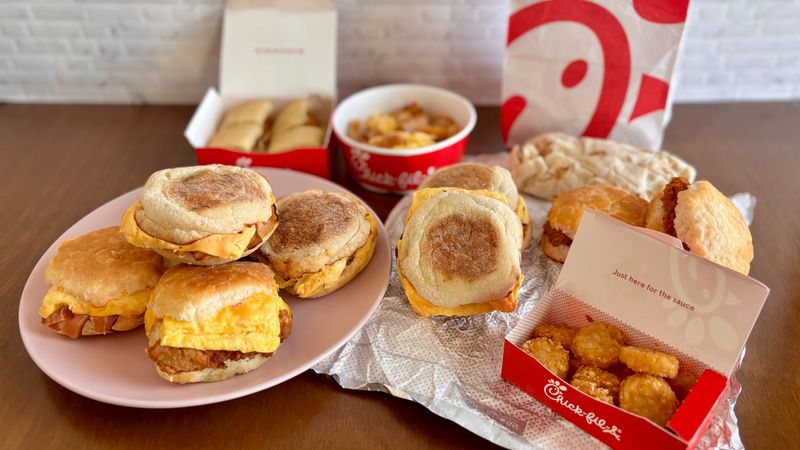
Give Chick-fil-A a smidgen of credit—they actually admit their egg blend contains additives! Their breakfast offerings feature a mixture of whole eggs plus water and various stabilizers.
While marginally better than some competitors, they're still not simply cracking farm-fresh eggs onto the grill. The chain's egg patties maintain that suspiciously perfect circular shape that nature never intended.
Taco Bell's Morning Masquerade
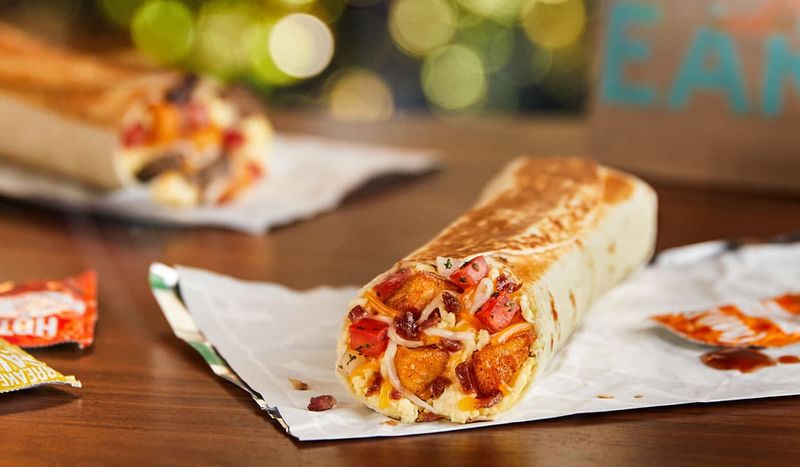
Olé? More like oh no! Taco Bell's breakfast burritos contain a premixed egg blend that's far from authentic. Their recipe includes cage-free whole eggs (good start) but then ruins it with soybean oil, xanthan gum, and citric acid.
This mixture creates a consistent product that survives the journey from central kitchens to your local Taco Bell. Fresh-cracked eggs would require actual cooking skills and time—luxuries fast food operations simply won't afford.



Comments
No Comments