











Pizza, that irresistible combination of dough, sauce, and toppings, has a fascinating history that spans centuries and continents. What began as humble street food in Naples has transformed into one of the world's most beloved dishes.
From royal approval to global franchises, the journey of pizza reveals how a simple flatbread conquered the world's taste buds.
1. It All Started In Naples, Italy
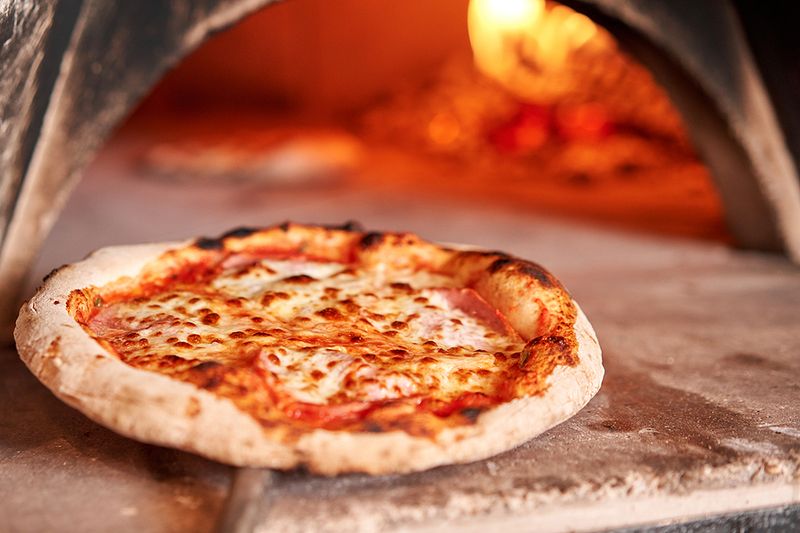
Naples birthed modern pizza in the 18th century as affordable sustenance for working-class Italians who needed quick, inexpensive meals. These early pizzas were simple affairs – flatbreads topped with oil, garlic, and maybe cheese.
Street vendors and small shopkeepers sold them folded up, making them perfect portable food for laborers. The city's unique combination of poverty and culinary creativity created the perfect conditions for pizza to flourish.
2. Tomatoes Were Once Thought To Be Poisonous

Imagine pizza without tomato sauce! For years after tomatoes arrived in Europe from the Americas in the 16th century, wealthy Europeans avoided them, believing they were deadly poisonous. The poor, having little choice, discovered they were perfectly edible.
This fortunate revelation eventually led to tomato sauce becoming the foundation of Neapolitan pizza. Without this brave culinary experiment, pizza as we know it might never have existed.
3. Pizza Margherita Was Created To Honour Royalty
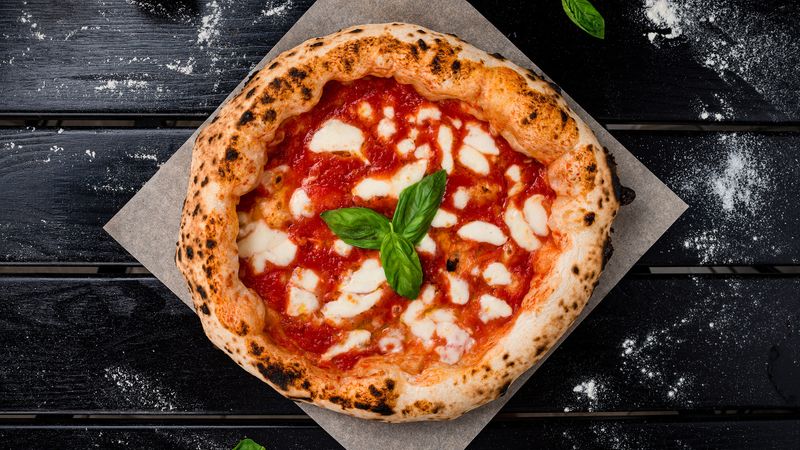
The year was 1889. Queen Margherita of Savoy visited Naples, and pizzaiolo Raffaele Esposito seized his chance for royal recognition. He crafted three pizzas, but one stood out – topped with tomatoes, mozzarella, and basil to represent the Italian flag's red, white, and green.
The queen adored this patriotic creation, and Esposito named it after her. This royal endorsement helped transform pizza from street food to respected cuisine worthy of the finest tables.
4. Wood-Fired Ovens Defined Neapolitan Style
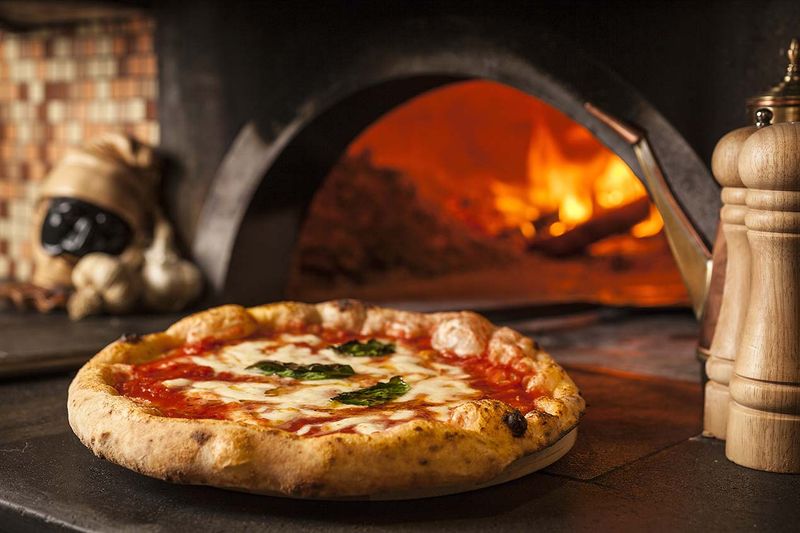
The secret behind authentic Neapolitan pizza lies in its cooking method. Traditional wood-fired dome ovens reach blistering temperatures of 485°C, cooking a pizza in just 90 seconds!
This intense heat creates the characteristic leopard-spotted crust – crispy outside yet tender inside. Pizza makers train for years to master the art of managing these infernos. The Associazione Verace Pizza Napoletana now certifies pizzerias that follow these exacting traditional methods.
5. Italian Immigrants Brought Pizza To America
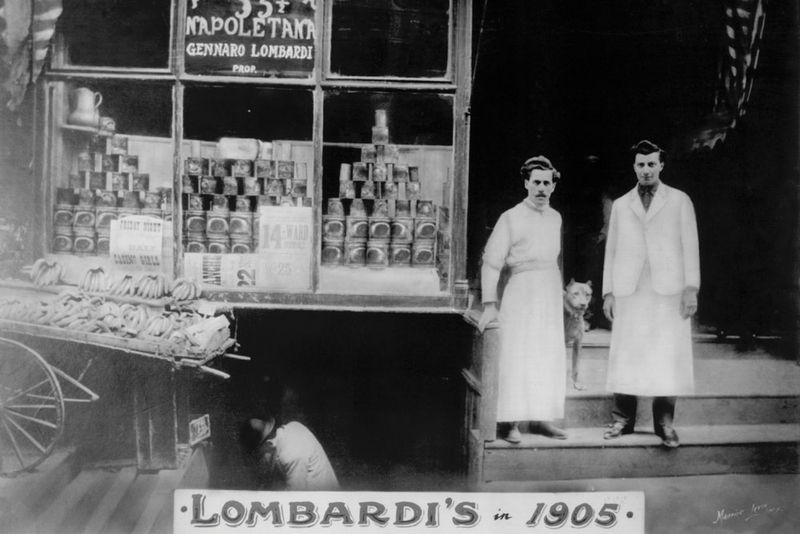
The American pizza story began in the late 19th century when Italian immigrants settled in cities like New York, Chicago, and Philadelphia. They recreated their homeland's comfort foods in tenement kitchens and small bakeries.
Lombardi's, opened in 1905 in New York City, claims the title of America's first pizzeria. These early pizza shops primarily served Italian communities, with the wider American public still unaware of the culinary revolution brewing in immigrant neighborhoods.
6. World War II Helped Pizza Go Global
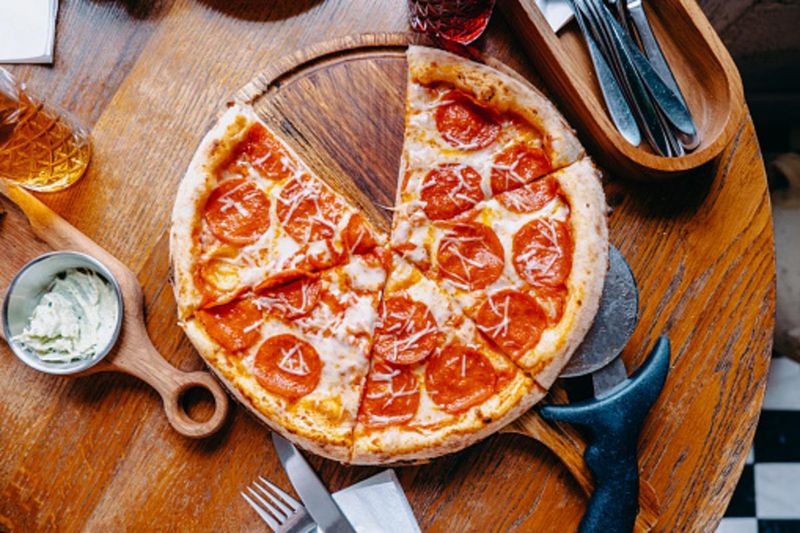
American soldiers stationed in Italy during World War II fell head over heels for local pizza. Returning home with newfound cravings, these veterans sparked unprecedented demand across the United States.
Suddenly, pizza joints popped up everywhere to satisfy these acquired tastes. The soldiers' enthusiasm effectively served as a massive marketing campaign, introducing pizza to mainstream America. This post-war pizza boom transformed what had been an ethnic specialty into a national obsession.
7. New York And Chicago Gave It Regional Twists
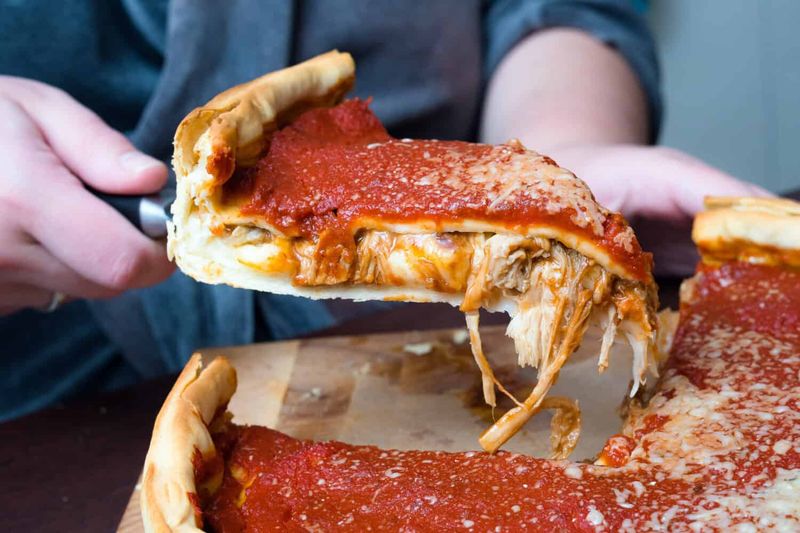
Americans didn't just adopt pizza – they reinvented it! New York's signature style features thin, foldable slices perfect for on-the-go city dwellers. The oversized triangles became emblematic of New York street food.
Meanwhile, Chicago created something entirely different: deep-dish pizza with a high edge and reversed layers – cheese first, then toppings, with sauce on top. These regional variations sparked fierce debates about authenticity that continue today among pizza enthusiasts.
8. The Frozen Pizza Boom Changed Home Dining
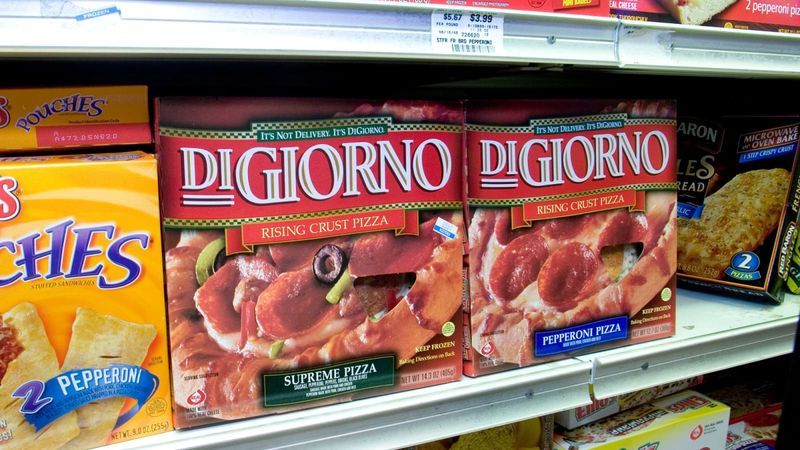
The 1950s witnessed a revolutionary development: frozen pizza hit supermarket shelves! Brands like Totino's and Celeste pioneered mass-produced pizzas that ordinary families could bake at home. This innovation democratized pizza access beyond restaurant walls and urban centers.
Suburban families could now enjoy pizza night without delivery or dining out. Though purists scoffed at these convenience versions, frozen pizza fundamentally transformed how Americans consumed this once-specialty food.
9. Global Chains Took It Worldwide
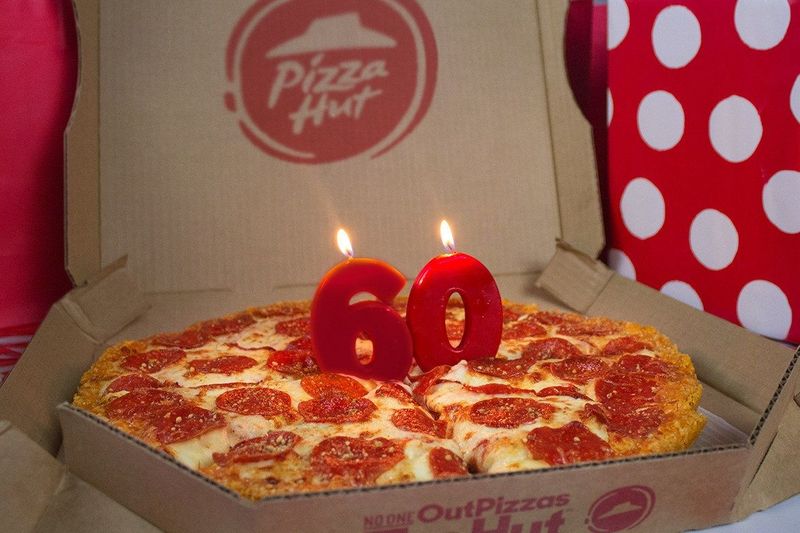
The pizza chain revolution began in 1958 when Pizza Hut opened its doors in Kansas. Domino's followed in 1960, pioneering delivery service that would change fast food forever. These chains standardized pizza production while adapting to local tastes worldwide.
In Japan, you might find squid toppings; in India, paneer cheese and spicy tikka flavors dominate. This cultural flexibility helped pizza conquer nearly every country, becoming perhaps the world's most successfully globalized food.
10. Artisan And Gourmet Pizzas Made A Comeback
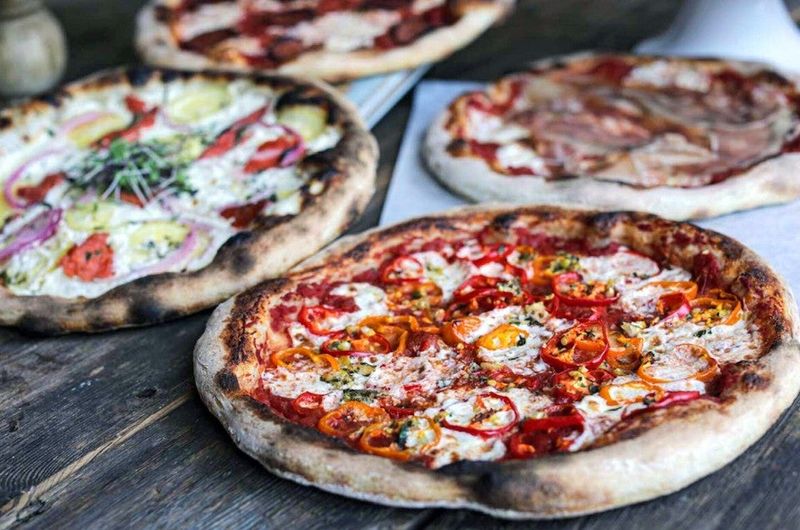
The 21st century has witnessed pizza coming full circle. Artisanal pizzerias championing slow food principles, sourdough fermentation, and locally-sourced ingredients have proliferated in cities worldwide. Chefs like Chris Bianco in Phoenix and Nancy Silverton in Los Angeles elevated pizza to fine dining status.
This renaissance celebrates both innovation and tradition, with wood-fired ovens and hand-stretched dough returning alongside creative toppings that would baffle a traditional Neapolitan pizzaiolo.