













Ever wondered which vegetables are grown the most around our planet? From humble potatoes to fiery chillies, certain vegetables dominate global agriculture due to their versatility, nutritional value, and cultural importance.
These plant-based powerhouses feed billions of people daily and form the backbone of countless cuisines worldwide.
1. Potatoes: The World's Favourite Tuber
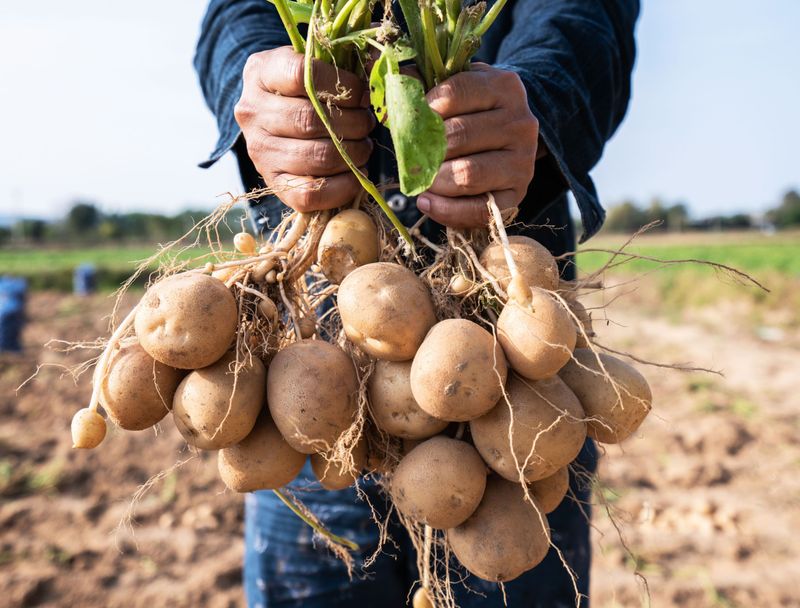
Underground champions of the vegetable world, potatoes thrive in nearly every climate on Earth. Originally from South America, these starchy tubers now feed more people globally than any other non-cereal crop.
Remarkably adaptable, potatoes grow from the Arctic Circle to tropical highlands. Their incredible storage capacity makes them valuable for food security, while their versatility spans from simple boiled dishes to crisps and vodka.
2. Tomatoes: The Culinary Chameleon
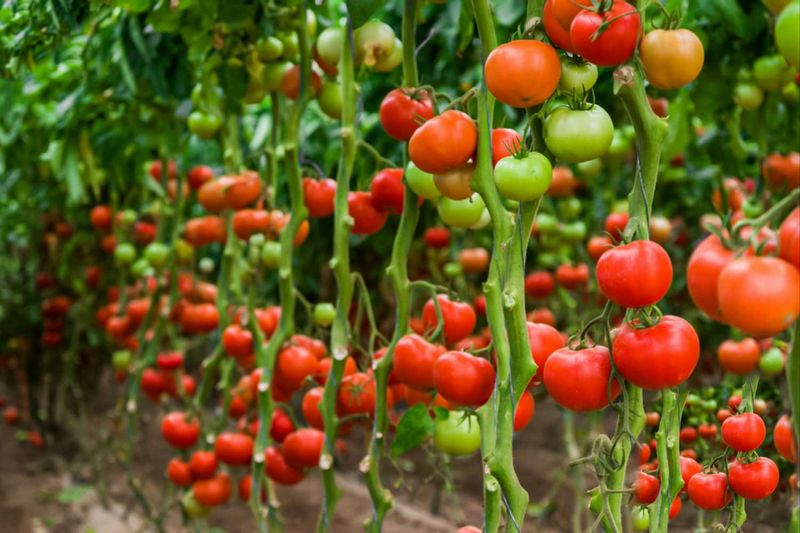
Botanically a fruit but culinarily a vegetable, tomatoes rank among humanity's most beloved crops. These vibrant red spheres originated in South America before conquering kitchens worldwide.
From Italian pasta sauces to Mexican salsas, tomatoes transform countless dishes with their unique balance of sweetness and acidity. Modern farming techniques have expanded production dramatically, with China, India and the United States leading global cultivation.
3. Onions: Flavour Foundation Of Global Cuisine
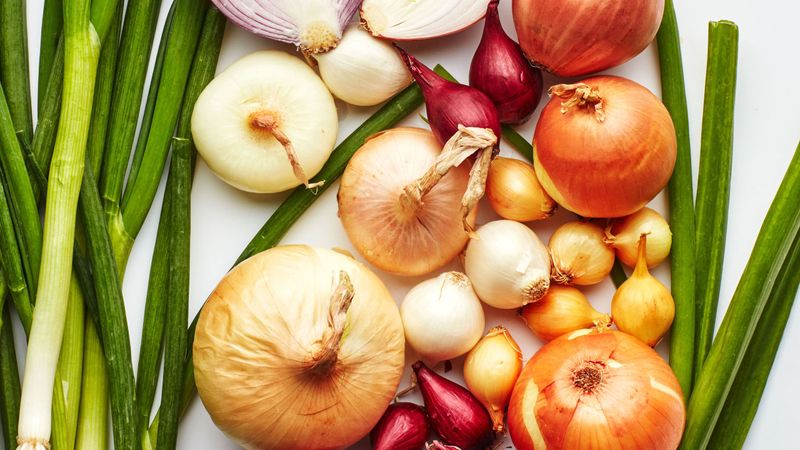
Tear-inducing yet utterly essential, onions form the aromatic base of dishes across virtually every culture. These layered bulbs have been cultivated for over 5,000 years, making them one of our oldest vegetable companions.
Beyond their culinary significance, onions boast impressive preservation qualities. Their long shelf life made them valuable throughout history before refrigeration. China produces nearly one-third of the world's onions, followed by India and the United States.
4. Cabbage And Brassicas: The Leafy Powerhouses
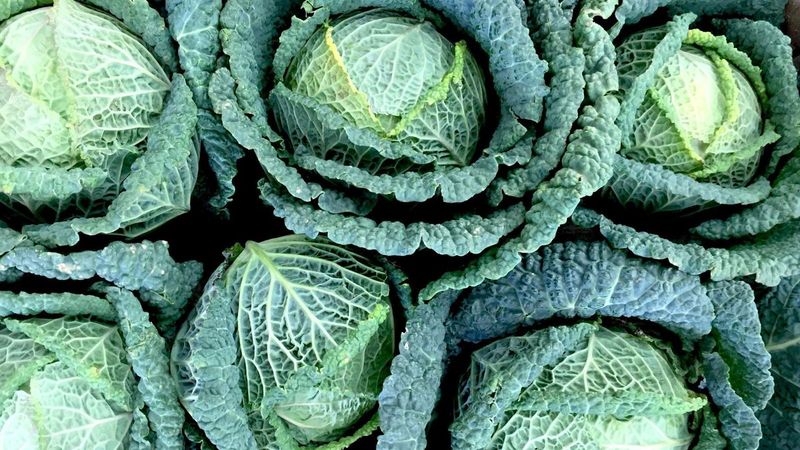
From Korean kimchi to German sauerkraut, cabbage and its brassica relatives have conquered dinner tables worldwide. This family includes nutritional superstars like kale, cauliflower, broccoli and Brussels sprouts.
Particularly dominant in Asian and European agriculture, these cruciferous vegetables thrive in cooler climates. Their impressive nutrient density and storage potential make them crucial crops for food security, especially in regions with harsh winters.
5. Lettuce: The Salad Bowl Essential
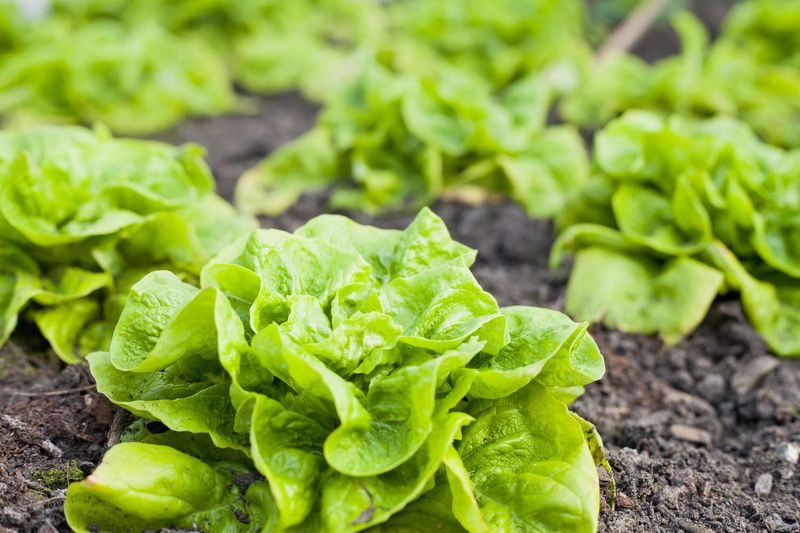
Crisp, refreshing and incredibly diverse, lettuce varieties form the foundation of salads across the globe. From crunchy iceberg to delicate butterhead, these leafy greens offer something for every palate.
Modern hydroponic and vertical farming techniques have revolutionised lettuce production, allowing year-round growing even in urban environments. The rapid growth cycle – often just 30 days from seed to harvest – makes lettuce particularly attractive to farmers seeking quick returns.
6. Cassava: Tropical Sustenance Superstar
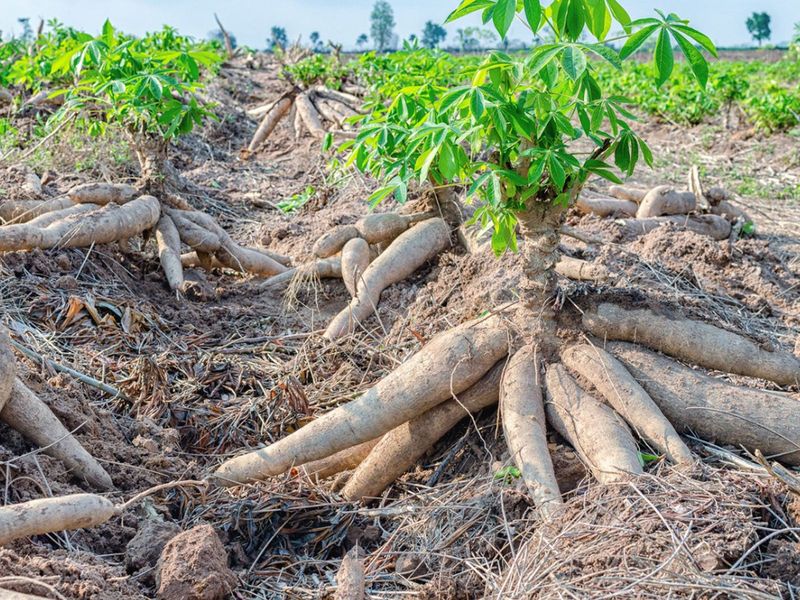
Relatively unknown in Western countries yet absolutely crucial to millions in tropical regions, cassava roots provide essential calories across Africa, South America and Asia. This starchy tuber thrives where many crops fail – in poor soils and drought conditions.
Nigeria leads global production, where cassava is processed into everything from flour to traditional fufu. The plant's remarkable resilience to climate challenges makes it increasingly important as global temperatures rise.
7. Sweet Potatoes: Nutritional Goldmine
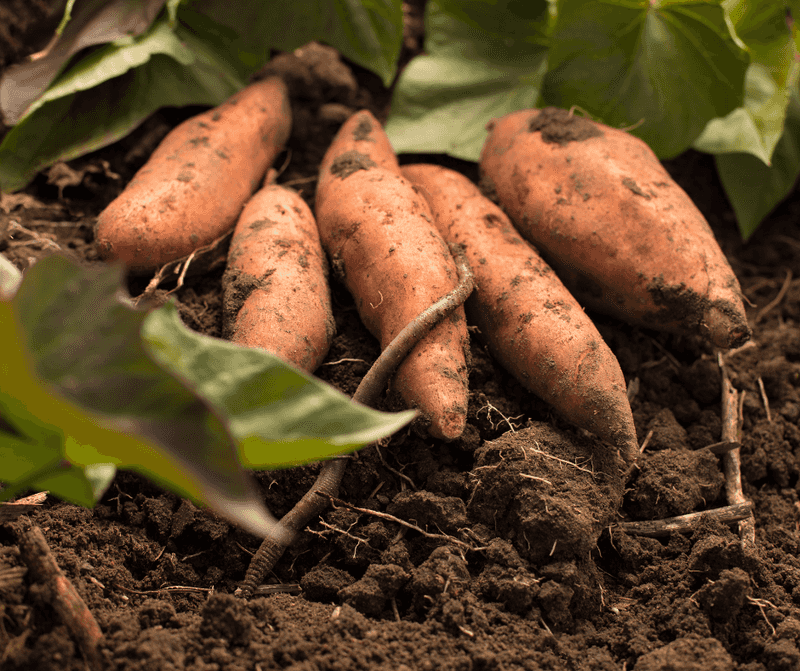
Bursting with beta-carotene and complex carbohydrates, sweet potatoes have nourished humanity for millennia. These vibrant orange tubers originated in Central and South America but now thrive across tropical and subtropical regions worldwide.
China dominates global production, harvesting over 80 million tonnes annually. Remarkably versatile, sweet potatoes appear in everything from African staple dishes to American Thanksgiving tables. Their natural sweetness even allows them to feature in desserts across many cultures.
8. Carrots: Colourful Underground Treasures
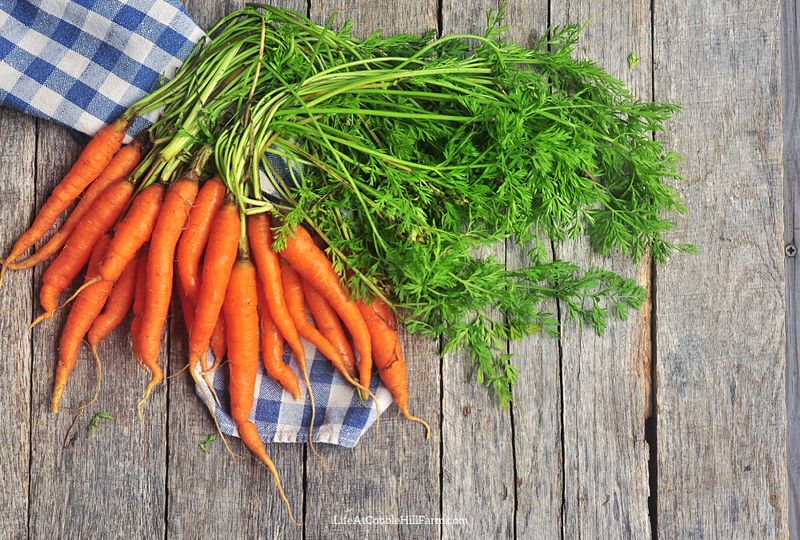
Originally purple or white, the orange carrots we know today were developed by Dutch farmers in the 17th century. These crunchy root vegetables now rank among the most widely consumed vegetables globally.
Packed with vision-supporting beta-carotene, carrots grow abundantly across temperate regions. China leads production, followed by Uzbekistan and the United States. Their natural sweetness makes them uniquely appealing to children, while their storage potential keeps them available year-round.
9. Cucumbers: Cool And Crisp Refreshers
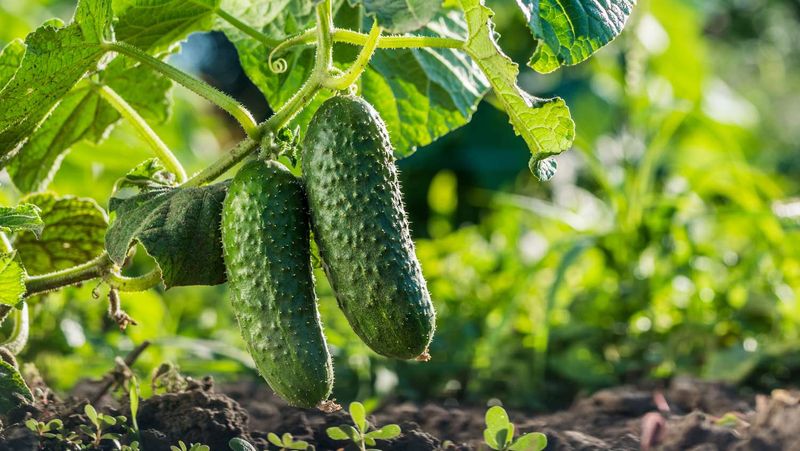
Composed of 96% water, cucumbers offer unmatched refreshment in hot weather. These cylindrical vegetables originated in India over 3,000 years ago before spreading worldwide through ancient trade routes.
China produces nearly three-quarters of the global cucumber supply, with specialised greenhouse techniques enabling year-round cultivation. Beyond fresh consumption, cucumbers transform into pickles and gherkins – preservation methods that extend their usefulness and create entirely new flavour profiles.
10. Aubergines: The Purple Globetrotters
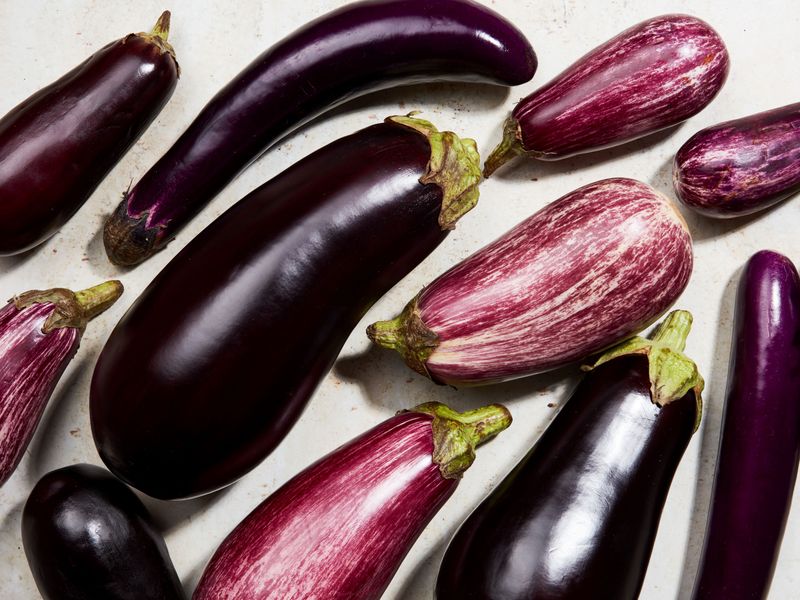
Known as eggplants in America and aubergines in Britain, these glossy purple vegetables have journeyed from their Indian origins to become culinary stars worldwide. Their meaty texture makes them perfect meat substitutes in vegetarian cooking.
China produces over 60% of the global aubergine crop, with India following as the second-largest producer. From Middle Eastern baba ganoush to Italian parmigiana, aubergines absorb flavours brilliantly while maintaining their distinctive character in countless traditional recipes.
11. Chillies: Spicy Global Sensations
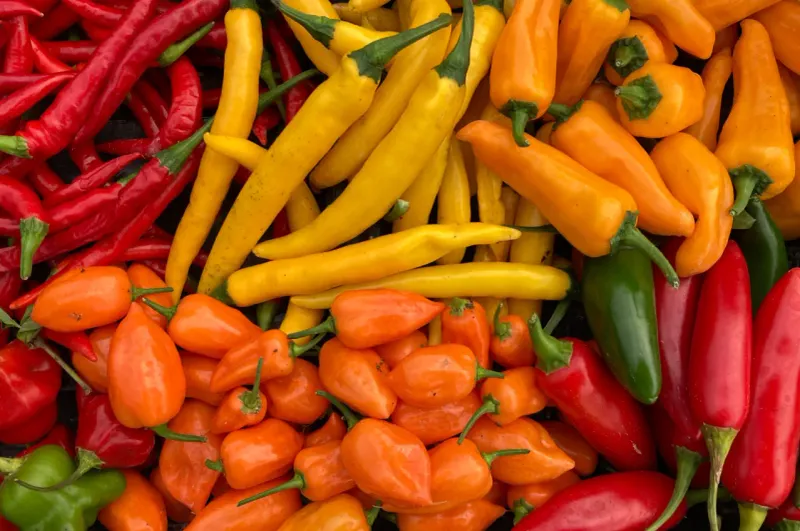
From mild bell peppers to scorching ghost chillies, these colourful capsicums add both flavour and heat to cuisines worldwide. Originally from the Americas, chillies were rapidly adopted globally after European contact in the 15th century.
China leads production volume, growing everything from sweet varieties to fiery specimens. Beyond culinary uses, chillies feature in traditional medicines and modern pharmaceuticals. The compound capsaicin, responsible for their heat, has proven pain-relieving properties in topical applications.
12. Garlic: The Aromatic Heavyweight
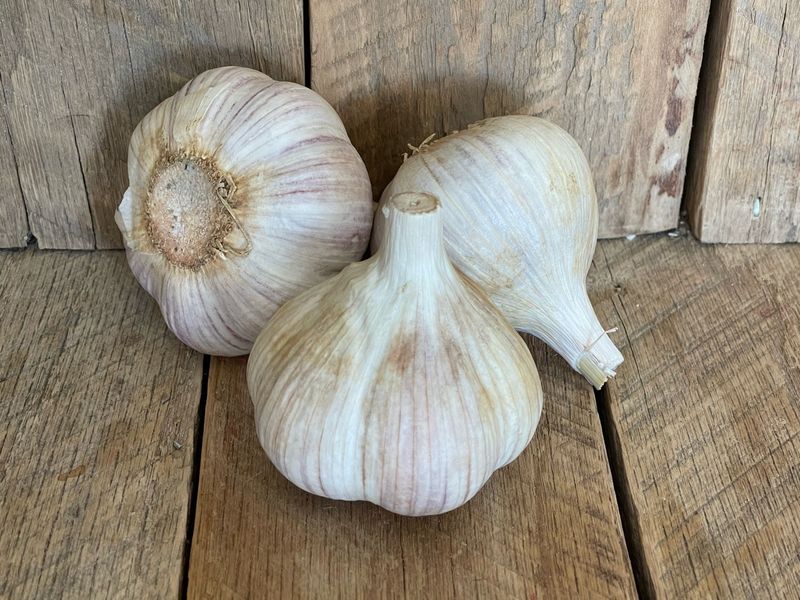
Small in size but mighty in flavour, garlic bulbs form the aromatic foundation of cuisines across continents. This pungent member of the allium family has been cultivated for over 5,000 years for both culinary and medicinal purposes.
China dominates global production, growing over 80% of the world's garlic supply. Beyond its distinctive flavour, garlic contains compounds with antimicrobial and cardiovascular benefits. Traditional healing systems from Ancient Egypt to modern naturopathy have valued garlic's medicinal properties.



