








Ever watched cooking shows and wondered what all those fancy terms mean? Professional chefs speak their own language in the kitchen, using words that sound impressive but actually represent simple concepts.
Learning these culinary terms not only helps you understand recipes better but also gives you the confidence to discuss food like a seasoned pro. Ready to expand your kitchen vocabulary?
1. Mise En Place
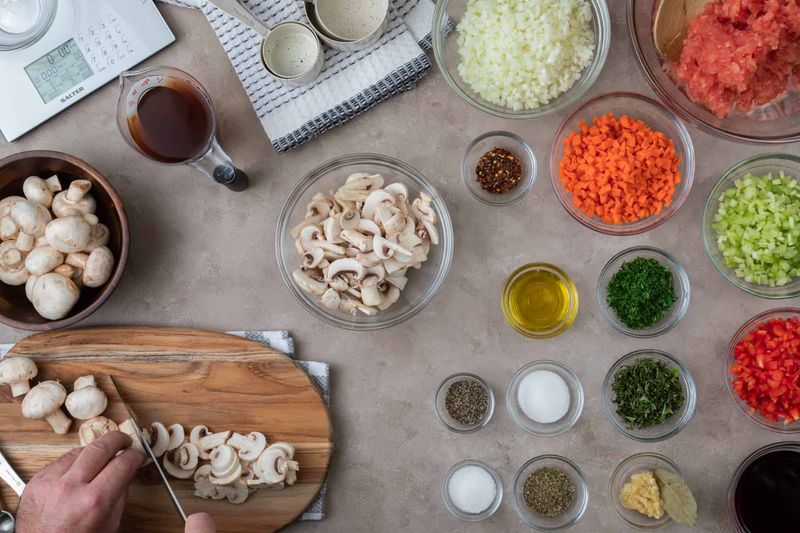
Professional kitchens run on this French principle meaning "everything in its place." Before cooking begins, chefs gather and prepare all ingredients, chopping vegetables and measuring spices.
This methodical organization prevents mid-cooking panic and ensures smooth execution. Next time you cook, try setting up your own mise en place—you'll be amazed how much stress it eliminates.
2. Deglaze
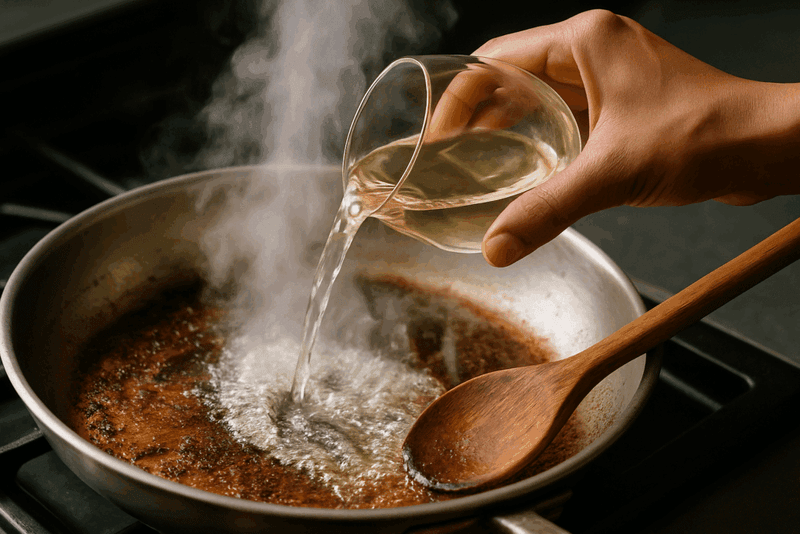
Those crusty brown bits stuck to your pan after searing meat? They're culinary gold! Deglazing releases these flavor bombs by adding liquid—typically wine, stock, or vinegar—to a hot pan.
The liquid sizzles dramatically while you scrape the pan, creating the foundation for incredible sauces. Master this technique and you'll transform simple pan drippings into restaurant-worthy flavor.
3. Al Dente
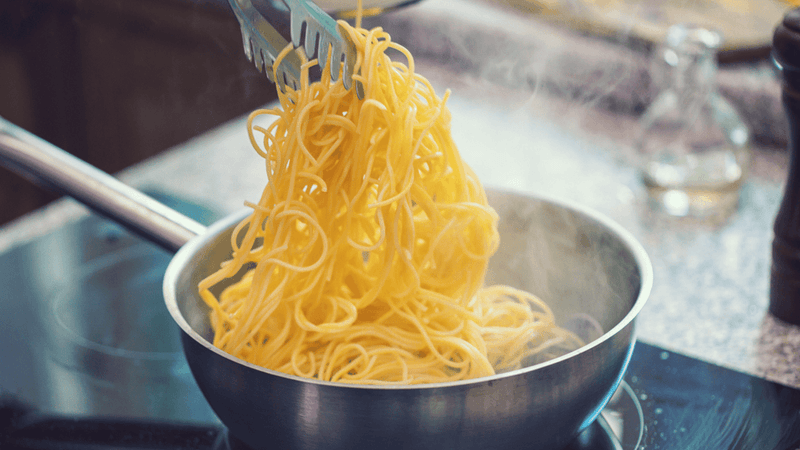
Literally meaning "to the tooth" in Italian, this pasta perfection point makes Italians swoon. Properly cooked al dente pasta offers slight resistance when bitten—never mushy, never crunchy.
The texture matters because it holds sauce better and digests more slowly. Achieve this by testing pasta about two minutes before the package suggests. Your Italian grandmother would be proud.
4. Sear
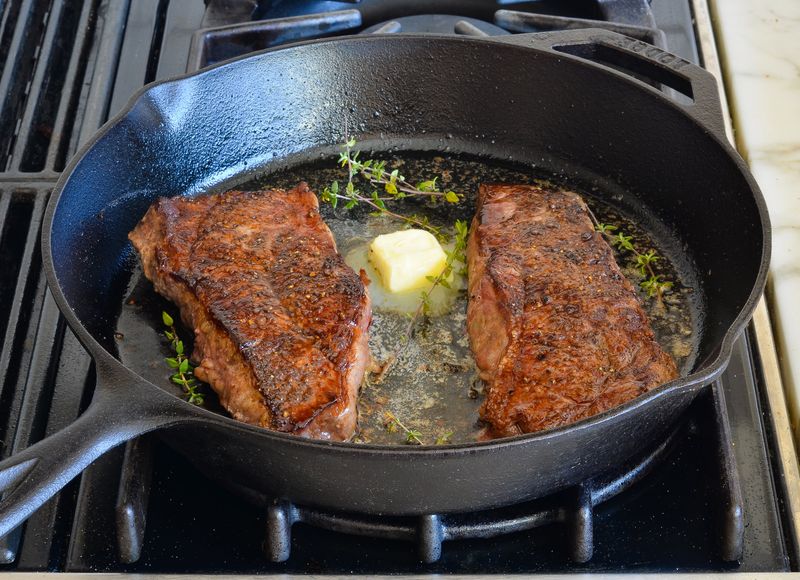
The satisfying sizzle when food meets scorching hot surface is searing in action. This high-heat technique creates a caramelized crust on meat while keeping interior juices intact.
The secret? Patience. Don't flip too soon—meat will release naturally when properly seared. Beyond flavor, a beautiful sear creates that Instagram-worthy golden-brown finish that makes mouths water before the first bite.
5. Fold

Unlike everyday mixing, folding requires finesse. This gentle technique preserves air bubbles in delicate mixtures like soufflés and mousses.
Using a rubber spatula, cut through the center, scrape the bottom, and turn ingredients over themselves in a figure-eight motion. The goal isn't thorough mixing but careful incorporation. Your reward? Impossibly light, cloud-like textures that would make pastry chefs nod in approval.
6. Roux
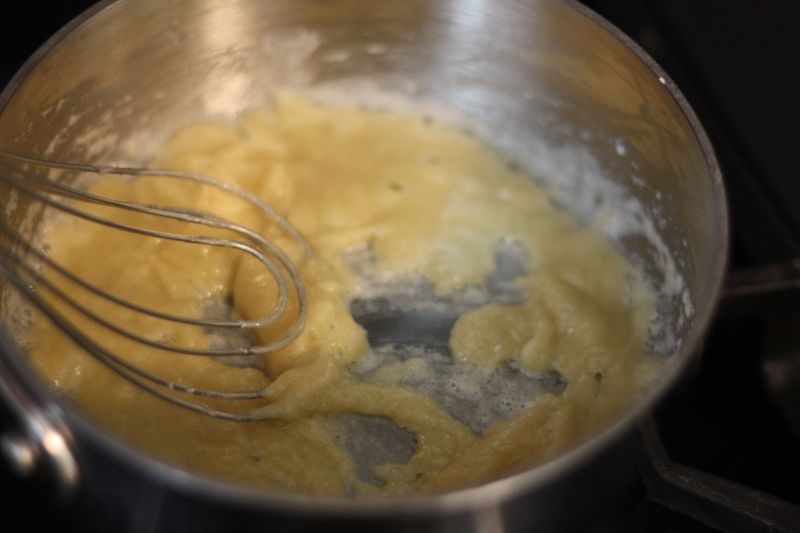
Equal parts flour and fat (usually butter) cooked together, this French foundation transforms soups and sauces from watery disappointments to silky perfection.
The longer you cook roux, the darker and nuttier it becomes—from white (for béchamel) to blonde (for velouté) to brown (for gumbo). Mastering this simple mixture is your ticket to velvety smooth gravies that coat the back of a spoon beautifully.
7. Umami
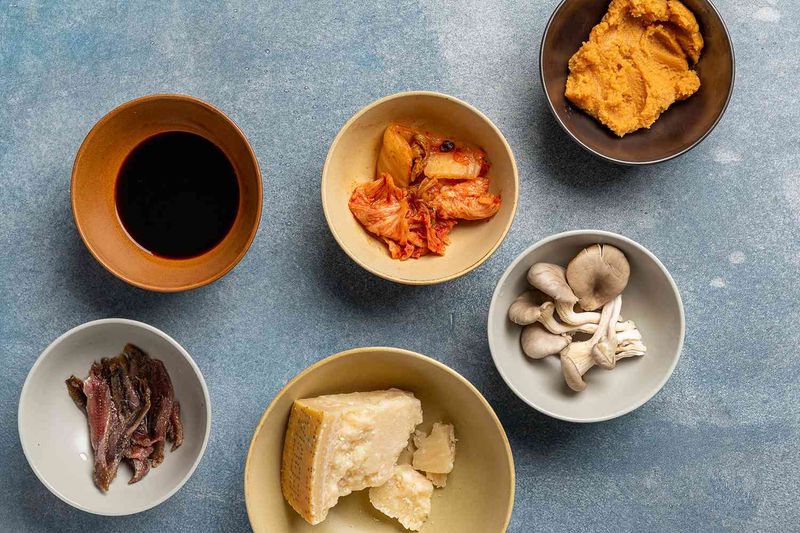
The mysterious fifth taste that eluded Western culinary vocabulary until recently. Beyond sweet, sour, salty and bitter, umami delivers that deeply satisfying, savory richness that makes food irresistible.
Found naturally in mushrooms, aged cheeses, soy sauce, and tomatoes, it's that "can't-stop-eating-this" quality. Chefs chase umami like treasure hunters, knowing it transforms ordinary dishes into memorable experiences.
8. Julienne
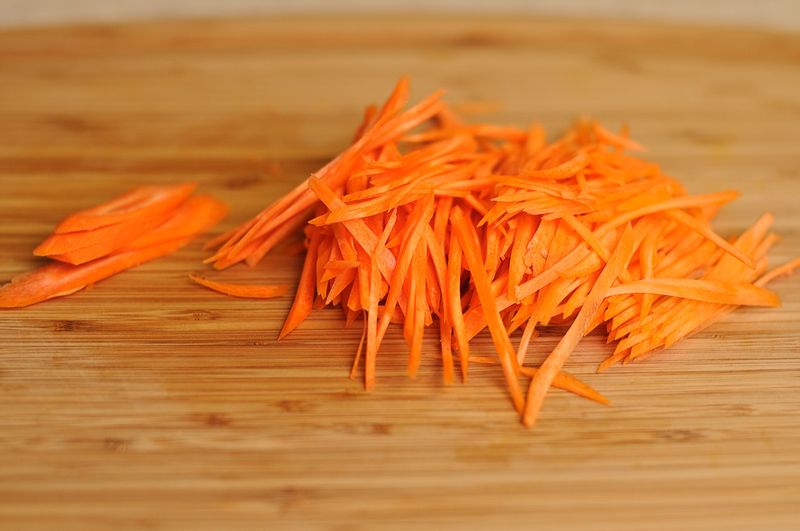
Vegetables transformed into elegant matchsticks—that's julienne in action. This precise knife technique creates uniform strips approximately 3mm thick and 5cm long.
Beyond looking impressive, julienned vegetables cook evenly and add professional flair to any plate. Practice on carrots first, focusing on consistency rather than speed. Soon you'll be julienning with the confident rhythm of a seasoned chef.
9. Sous Vide
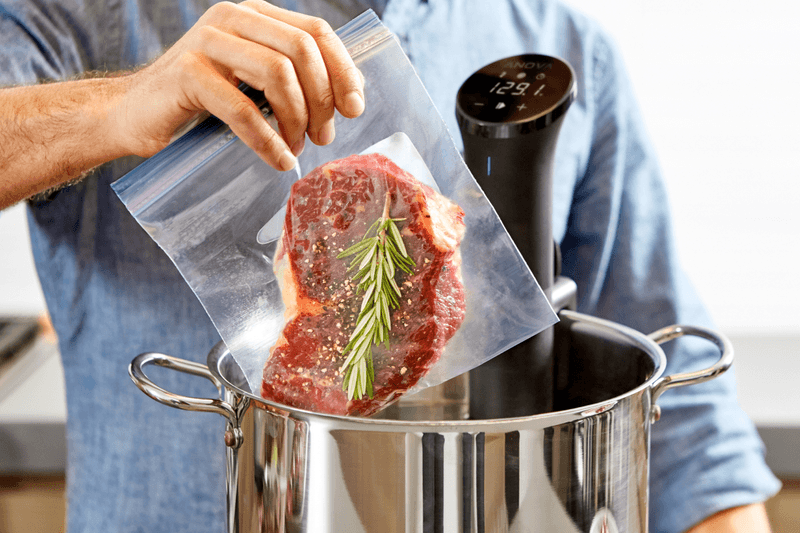
Imagine cooking with scientific precision—that's sous vide. Food sealed in bags cooks slowly in temperature-controlled water baths, resulting in perfection impossible to achieve through traditional methods.
A steak cooked sous vide at 55°C will be perfectly medium-rare from edge to edge. Once the domain of Michelin-starred kitchens, this technique has now entered home kitchens, revolutionizing how enthusiasts approach cooking proteins.
10. Emulsion
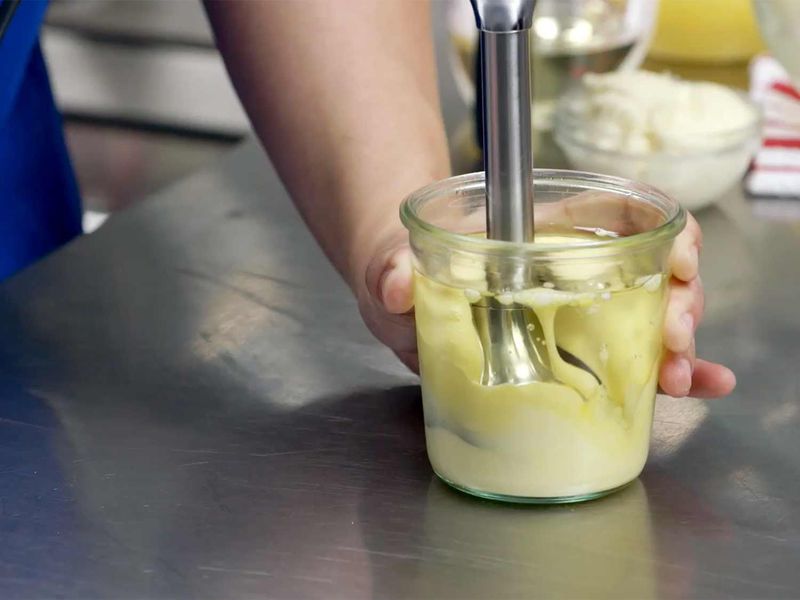
Oil and water famously don't mix—unless you create an emulsion. This culinary magic trick suspends tiny droplets of one liquid within another, creating stable, smooth mixtures.
Mayonnaise, hollandaise, and vinaigrettes all rely on this principle. The secret lies in slow incorporation and constant agitation. When your homemade mayo holds together without separating, you've mastered one of cooking's most satisfying scientific principles.
11. Caramelise
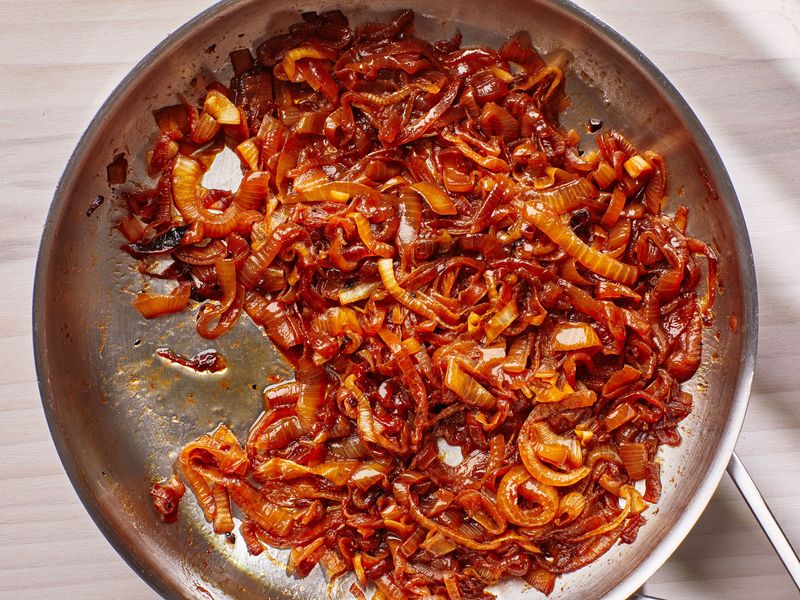
The almost magical transformation that happens when sugars brown creates complex flavors impossible to achieve any other way. Properly caramelised onions aren't just cooked—they're transformed into sweet, nutty, jammy delights over 45+ minutes.
Patience is essential; rush this process and you'll get burnt rather than caramelised results. The deep golden color and intensified sweetness make this slow technique worth every minute.
12. Bain-Marie
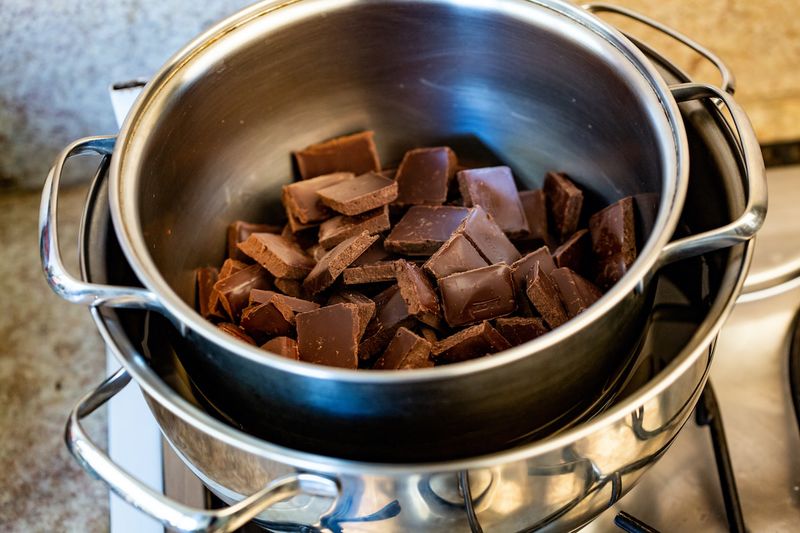
French for water bath, this gentle heating method prevents delicate ingredients from scorching. By placing a container of food (like chocolate or custard) in a larger pan of simmering water, heat transfers indirectly.
Professional kitchens use bain-maries for everything from melting chocolate to cooking crème brûlée. The technique provides insurance against the heartbreak of curdled custards or seized chocolate—a true chef's secret weapon.
13. Zest
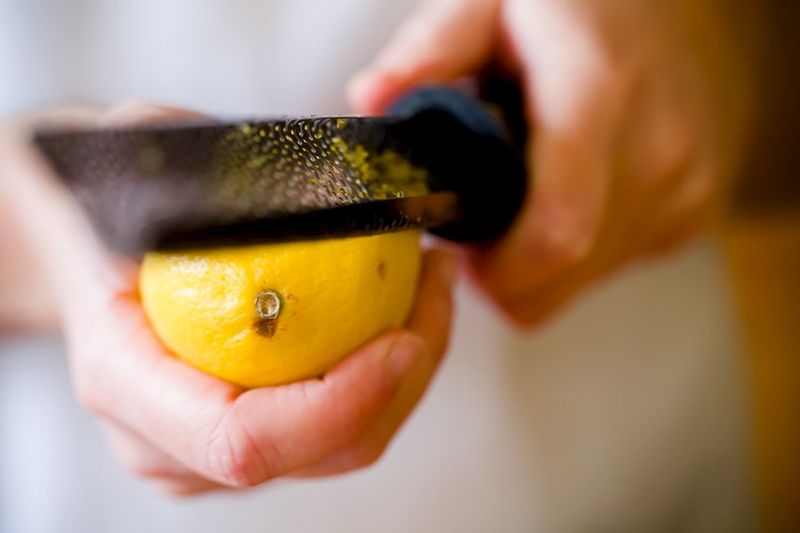
The vibrant, colorful outer layer of citrus fruits contains aromatic oils that pack more punch than the juice itself. Chefs prize this ingredient for its ability to brighten dishes with intense flavor.
Using a microplane or zester, remove only the colored portion, avoiding the bitter white pith beneath. Just a teaspoon of fresh zest can transform an ordinary dish into something extraordinary—the culinary equivalent of turning up the volume.
14. Blanch
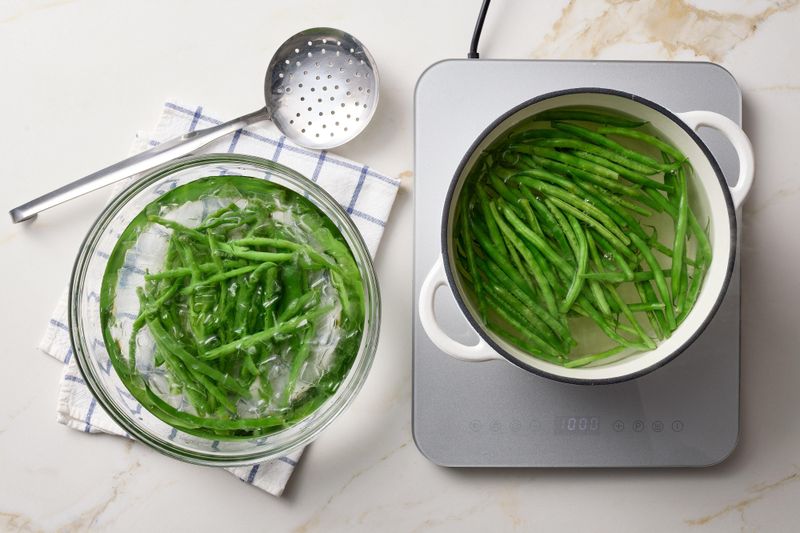
The secret behind vibrantly green vegetables in professional kitchens? Blanching. This two-step process involves briefly boiling vegetables followed by an immediate ice bath plunge—shocking them into preserving color and texture.
Beyond aesthetics, blanching halts enzyme activity, sets color, and partially cooks food. Green beans, asparagus, and broccoli particularly benefit from this technique, maintaining their brilliant color even after final cooking.
15. Crumb
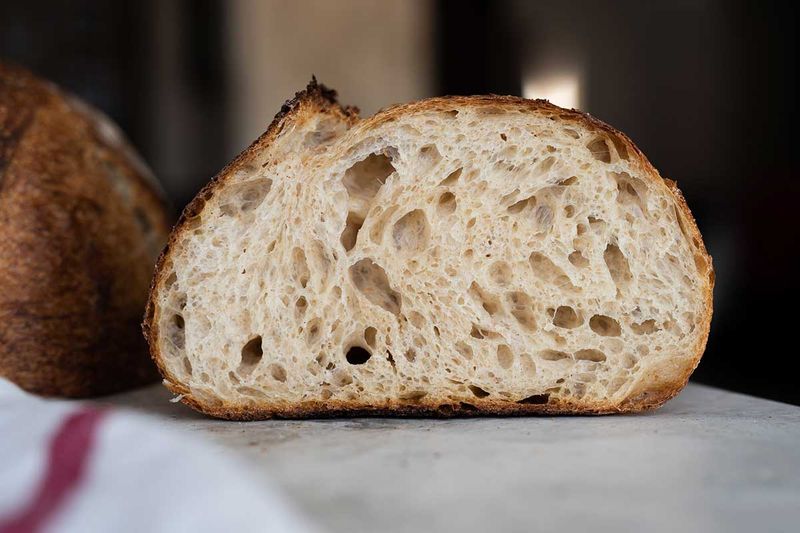
Bakers obsess over this term that describes the internal structure of bread and cakes. A good crumb might be open and airy (like ciabatta) or tight and velvety (like pound cake).
Achieved through proper mixing, proofing, and baking techniques, the ideal crumb indicates mastery. Next time you slice homemade bread, examine those little holes—they tell the story of your dough's development and your growing baking prowess.