











Chocolate, that delicious treat we all crave, has a fascinating history that spans thousands of years. It began as a bitter drink in ancient Mesoamerica and transformed into the sweet confection we love today.
The journey of chocolate from sacred beverage to global phenomenon reveals how deeply this food has become embedded in cultures worldwide.
1. The Ancient Maya And Aztecs Worshipped Cacao
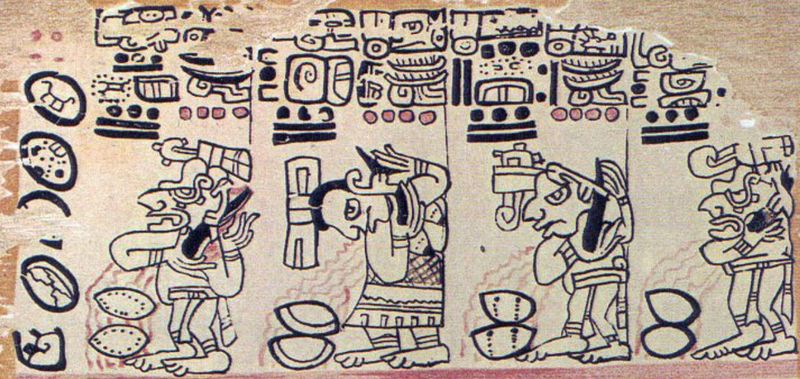
Cacao beans were so precious in ancient Mesoamerican civilisations that they doubled as currency. The Maya and Aztecs believed cacao was gifted by the gods, often using it in religious ceremonies.
The bitter liquid they prepared, called 'xocolatl', was nothing like today's sweet chocolate. Warriors drank it for strength, while royalty enjoyed it as a luxury that commoners rarely tasted.
2. Spanish Conquistadors Brought Cacao To Europe
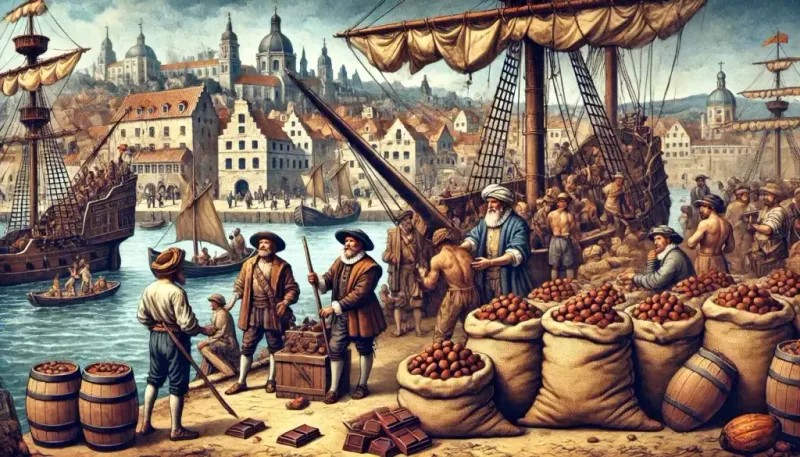
When Hernán Cortés encountered the Aztec emperor Montezuma drinking golden goblets of cacao in 1519, he recognised its potential value. Spanish ships soon began transporting this exotic bean across the Atlantic.
Europeans initially found the traditional bitter drink revolting. The genius stroke came when someone added sugar and spices to the mixture, creating a sweet sensation that captivated aristocratic palates throughout Spain.
3. Chocolate Became A European Luxury
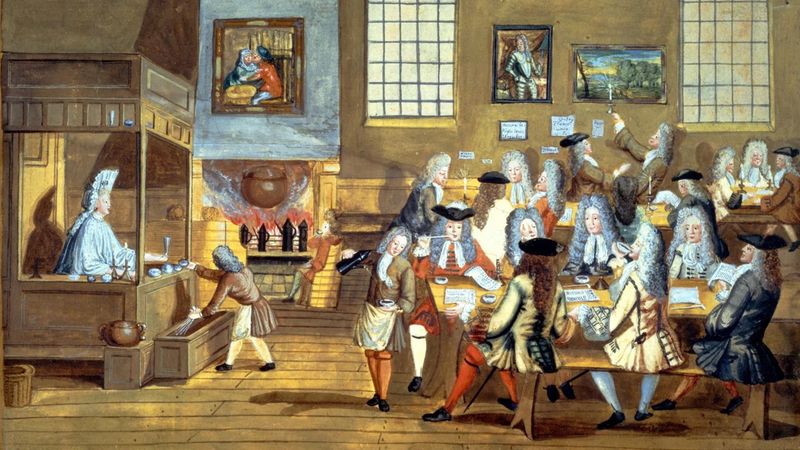
Chocolate houses sprang up across 17th century Europe, becoming social hubs where wealthy gentlemen gathered to sip the exotic elixir. In France, Louis XIV adored chocolate so much that he appointed the first royal chocolate maker.
The drink remained prohibitively expensive, with special porcelain cups designed specifically for enjoying hot chocolate. Only the elite could afford this prestigious indulgence that symbolised wealth and sophistication.
4. The Invention Of The Chocolate Bar
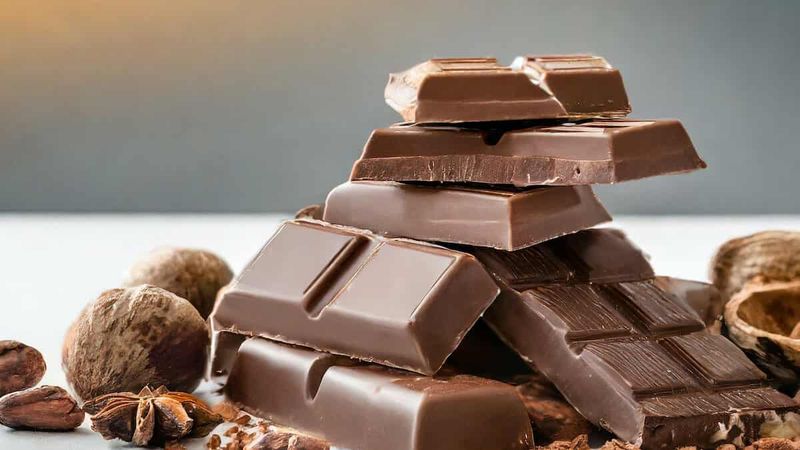
Joseph Fry's revolutionary moment came in 1847 when he discovered that adding cocoa butter back into cocoa powder created a moldable paste. This Bristol-based confectioner had unwittingly changed chocolate forever.
People could now carry, share, and bite into chocolate rather than just drink it. Fry's creation—a simple mixture of cocoa powder, sugar, and cocoa butter—launched an entirely new category of food that would transform global snacking habits.
5. Milk Chocolate Revolutionised The Industry
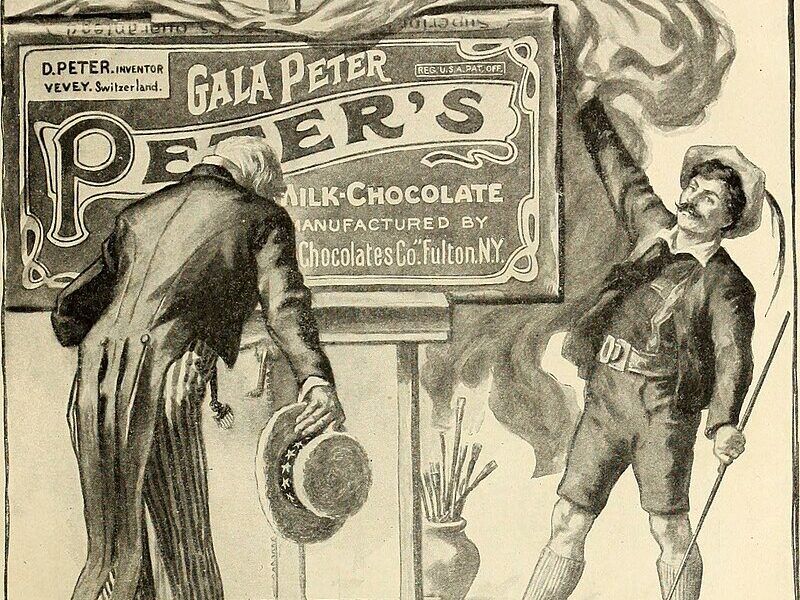
Swiss innovator Daniel Peter spent eight years perfecting his formula for milk chocolate. His neighbour Henri Nestlé had developed condensed milk, and together they created a sweeter, smoother chocolate that appealed to a broader audience.
Their 1875 creation solved the problem of mixing milk with chocolate without spoilage. This creamier version quickly became the preferred style worldwide, laying the foundation for chocolate's mass appeal and setting the stage for global chocolate empires.
6. Industrialisation Made Chocolate Affordable
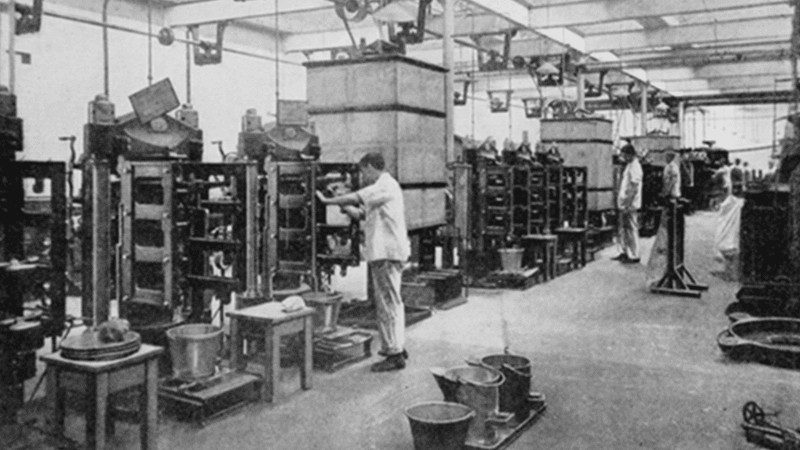
The chocolate press, invented by Dutchman Coenraad Van Houten in 1828, separated cocoa butter from cocoa solids, making production faster and cheaper. Later, Cadbury brothers in Birmingham and Milton Hershey in Pennsylvania built massive factories with assembly lines.
Suddenly, chocolate wasn't just for the wealthy. By the early 1900s, ordinary workers could afford this once-exclusive treat. Chocolate had completed its journey from royal indulgence to everyday pleasure available to the masses.
7. Chocolate Played A Role In Wars
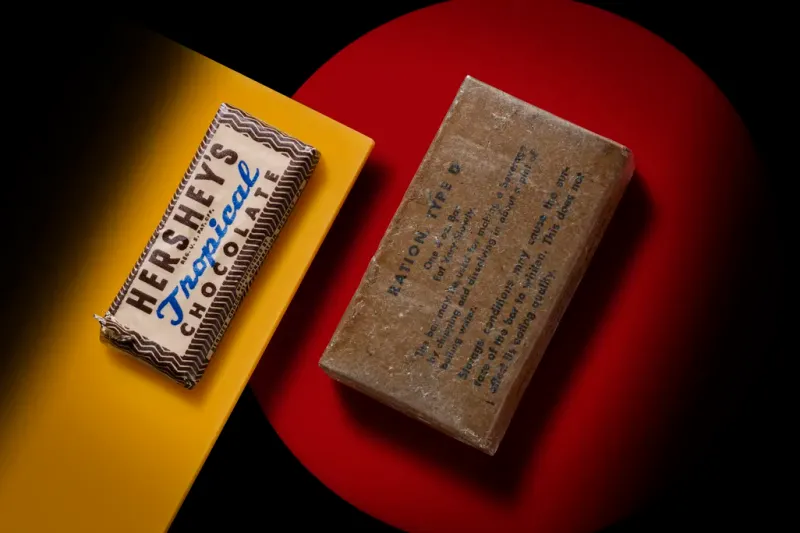
American soldiers carried D rations—chocolate bars specifically designed to withstand tropical heat without melting—during World War II. These survival chocolates weren't meant to taste good but to provide emergency calories in extreme conditions.
Chocolate companies patriotically redirected production to support troops. Hershey produced over three billion ration bars, while British soldiers received Cadbury chocolate in their supplies. For many soldiers, these sweet rations provided rare moments of comfort amid conflict.
8. Global Brands Created Sweet Empires
Forrest Mars revolutionised chocolate marketing with M&Ms in 1941, creating colourful, melt-resistant candies perfect for America's growing consumer culture. Meanwhile, Rudolphe Lindt's conching process made Swiss chocolate exceptionally smooth, establishing Switzerland's chocolate reputation.
Television advertising in the 1950s and 60s brought chocolate brands directly into homes. Slogans like 'Have a break, have a Kit Kat' became cultural touchstones. These companies built multinational empires through innovation, branding, and understanding chocolate's emotional appeal.
9. Chocolate Became A Valentine's Staple
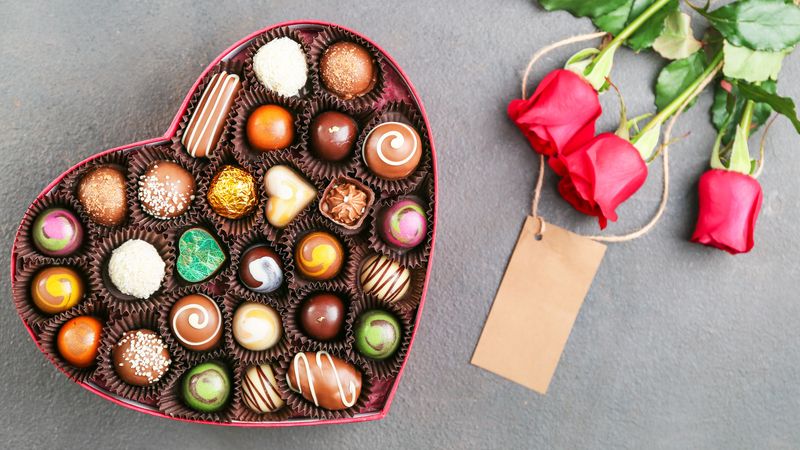
Richard Cadbury first connected chocolate with romance in the 1860s by creating beautifully decorated heart-shaped boxes for Valentine's Day. These ornate containers became keepsakes long after the chocolates were enjoyed.
Russell Stover and Whitman's later perfected the Valentine's chocolate box in America. The association between chocolate and love grew through clever marketing that positioned chocolate as the perfect gift to express romantic feelings. Today, chocolate remains the quintessential symbol of Valentine's affection.
10. The Rise Of Ethical And Craft Chocolate
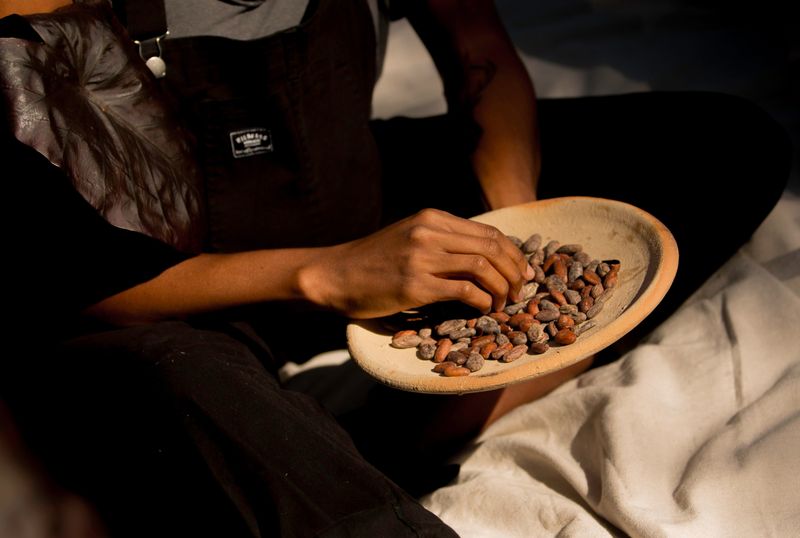
The early 2000s saw consumers becoming increasingly concerned about chocolate's darker side—child labour on West African cacao farms and environmental destruction. Pioneering companies like Divine Chocolate established farmer-owned cooperatives to address these issues.
Simultaneously, artisanal chocolatiers like Mast Brothers began creating small-batch, single-origin chocolates with transparent sourcing. This craft chocolate movement emphasizes quality, sustainability and fair pricing for farmers, representing chocolate's latest evolution from mass product back to appreciated luxury.