













Step back in time to the grand feasting halls of medieval Britain, where dining wasn't just about sustenance but a spectacular display of wealth and power.
Nobles transformed mealtimes into elaborate social performances, with every dish, utensil, and custom carefully designed to showcase their status.
These medieval feasts reveal fascinating insights about class divisions, religious observances, and the theatrical nature of aristocratic life.
1. Meals Were Grand Social Events
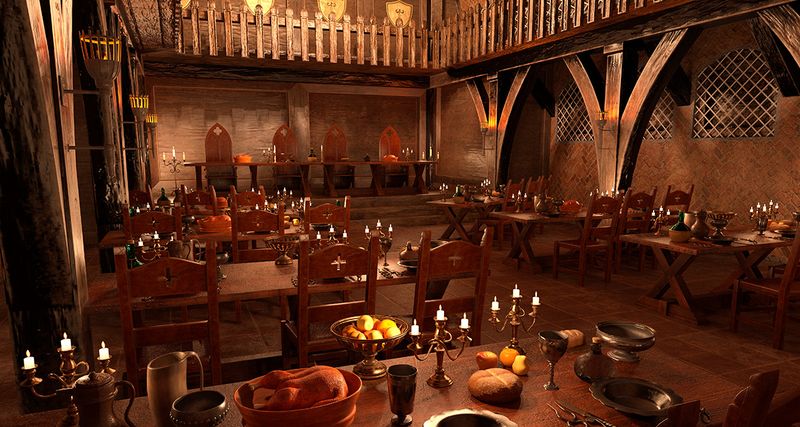
Nobles transformed dining into magnificent spectacles held in vast stone halls. Musicians played lively tunes while jesters entertained guests between courses.
The seating arrangement followed strict hierarchy—with the lord and lady at the high table on a raised dais, and lesser nobles seated according to their rank. Even the salt placement marked social boundaries, with privileged guests seated 'above the salt'.
2. They Ate Multiple Courses, But Not Like Today
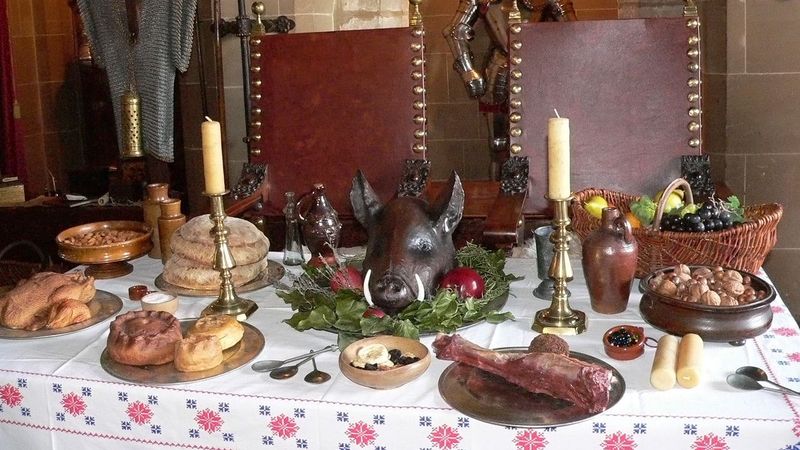
Forget sequential dining! Medieval nobles received multiple dishes simultaneously in elaborate 'removes' or courses. A single course might feature twelve different dishes, creating a table overflowing with options.
Servants arranged platters artfully across tables, allowing diners to sample whatever caught their fancy. The variety wasn't about choice but abundance—the more dishes presented, the more impressive the host appeared.
3. Meat Was A Status Symbol
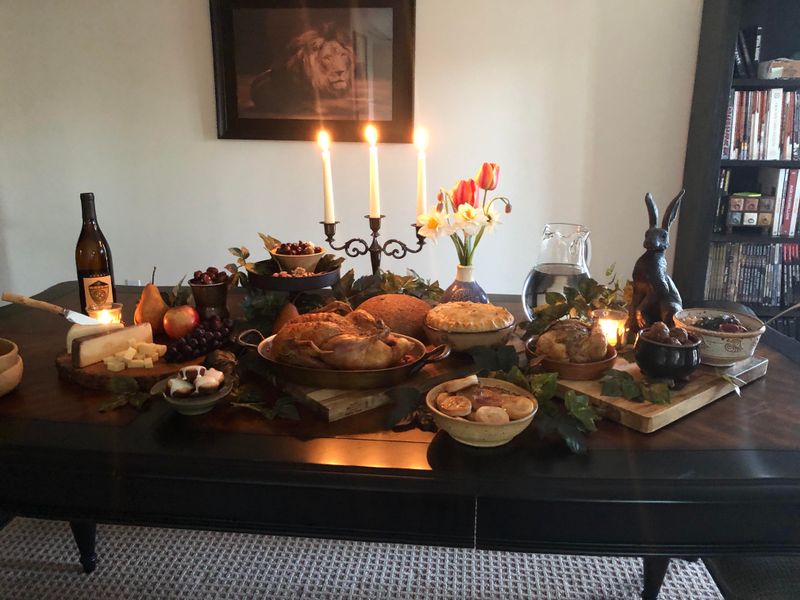
Roasted swan, peacock, venison, and wild boar graced noble tables while commoners subsisted mainly on vegetables and grain. The aristocracy's hunting privileges ensured their exclusive access to forest game.
Meat consumption reflected power—the more varieties served, the more prestigious the host. Hunting wasn't merely sport but a practical demonstration of nobility's special rights, with forest laws protecting game for aristocratic tables.
4. Spices Were A Sign Of Wealth
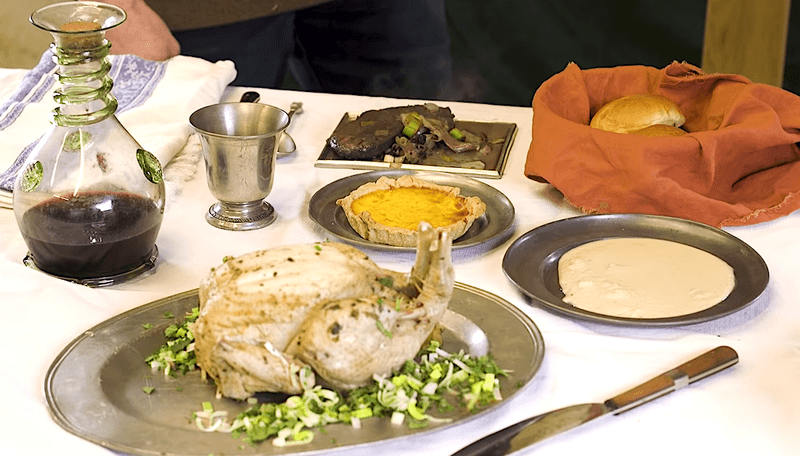
Exotic flavours from distant lands adorned noble tables at eye-watering costs. Pepper, cinnamon, cloves, and nutmeg travelled thousands of miles along treacherous trade routes before reaching Britain's shores.
A pound of saffron might cost as much as a horse! These precious seasonings weren't used subtly—nobles demanded heavy spicing to showcase their purchasing power. The more intensely flavoured the dish, the more clearly it announced the host's prosperity.
5. Bread Was Divided By Class
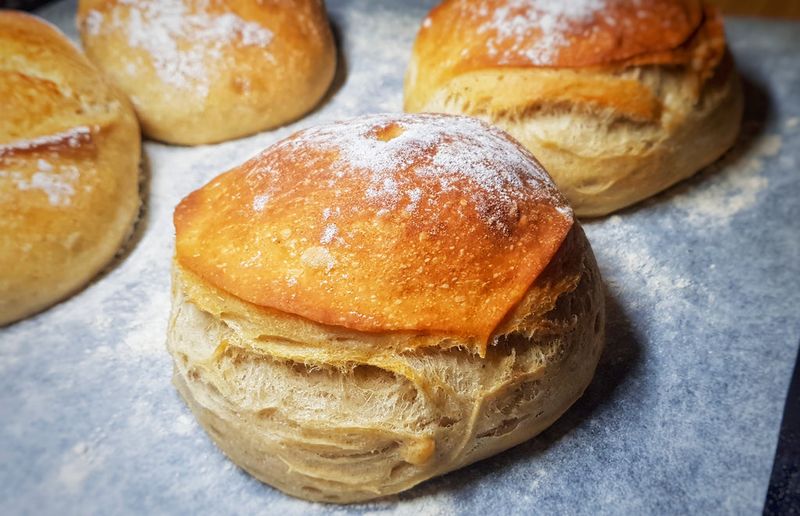
Your bread revealed your social standing at medieval tables. Lords and ladies enjoyed fine white manchet bread made from sifted wheat flour, while servants received coarser brown loaves.
The whiteness of bread directly corresponded to status—the whiter your bread, the higher your position. Nobles often used thick slices as plates, known as 'trenchers', which soaked up sauces during the meal and were later given to the poor.
6. They Didn't Use Forks
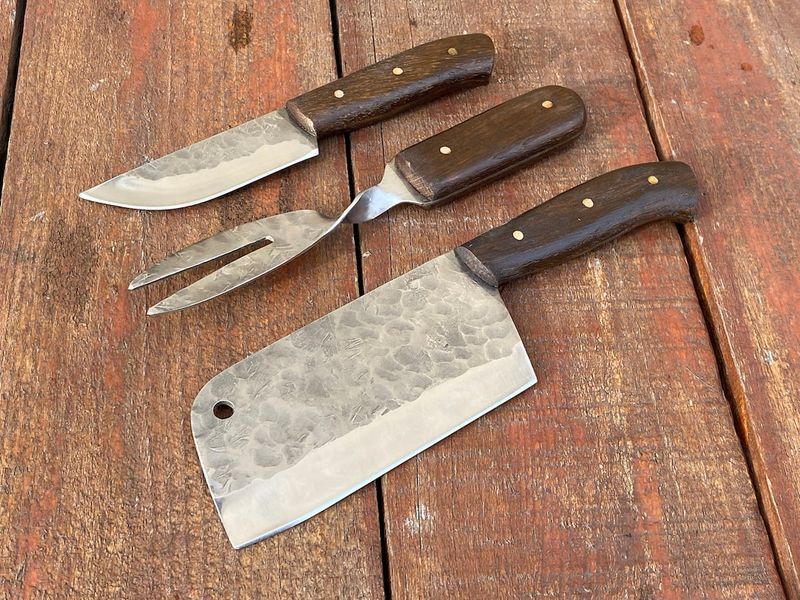
Imagine feasting without forks! Medieval nobles relied on personal knives carried in sheaths, spoons for pottage, and their well-washed fingers for most dining tasks.
Shared cups were common among lower-ranking guests, though wealthy nobles possessed individual drinking vessels. Etiquette demanded diners use three fingers only when taking food, keeping the remaining digits pristinely clean. Bread trenchers absorbed sauces before being distributed to beggars.
7. Table Manners Were Strictly Enforced
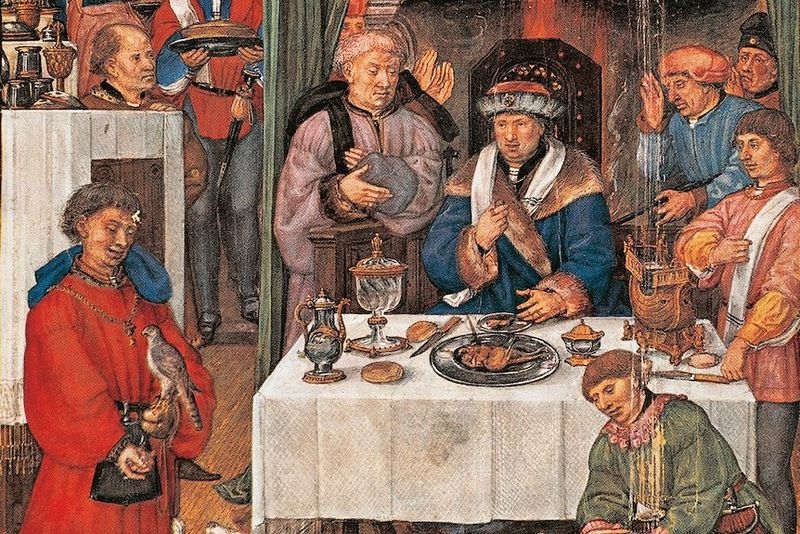
Medieval etiquette manuals outlined elaborate rules that might surprise modern diners. Belching, spitting, and nose-blowing were permitted—but only if done properly!
Nobles learned never to dip meat back into shared sauce dishes after taking a bite. Sharing drinking cups required wiping one's mouth first. Guests were expected to wash hands ceremonially before meals, with servants pouring scented water over noble fingers into basins.
8. Fish Was A Major Feature On Fast Days

Religious calendars dictated noble diets with surprising strictness. The Church prohibited meat consumption for nearly half the year, including Fridays, Lent, and various holy days.
Clever cooks developed extraordinary fish dishes to satisfy aristocratic palates during these restrictions. Pike, lamprey, and sturgeon became luxury alternatives, often prepared to mimic forbidden meats. Wealthy monasteries maintained elaborate fish ponds to ensure steady supplies for their tables.
9. Feasts Included Decorative Dishes
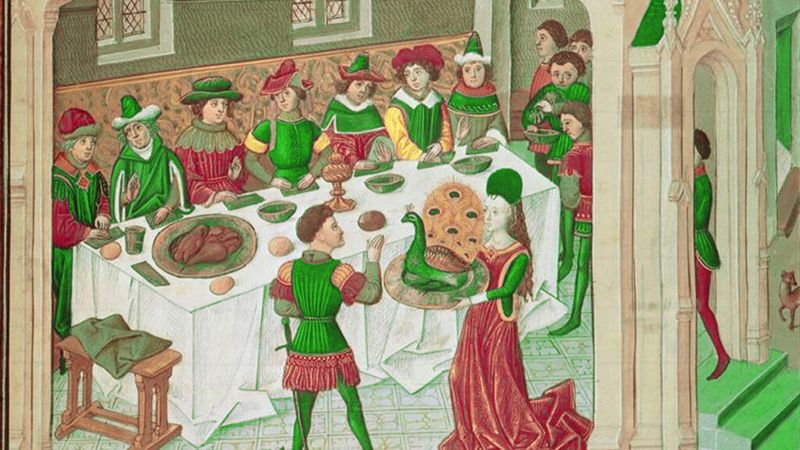
Medieval feast spectacles featured birds redressed in their plumage after cooking! Peacocks, swans, and pheasants would be carefully skinned, cooked, then reassembled with their magnificent feathers intact.
These 'subtleties' showcased the cook's artistic skills and the host's wealth. Sugar sculptures depicting castles, ships, or religious scenes appeared between courses. One famous display featured a pie containing live birds that flew out when the crust was broken!
10. Wine And Ale Flowed Freely
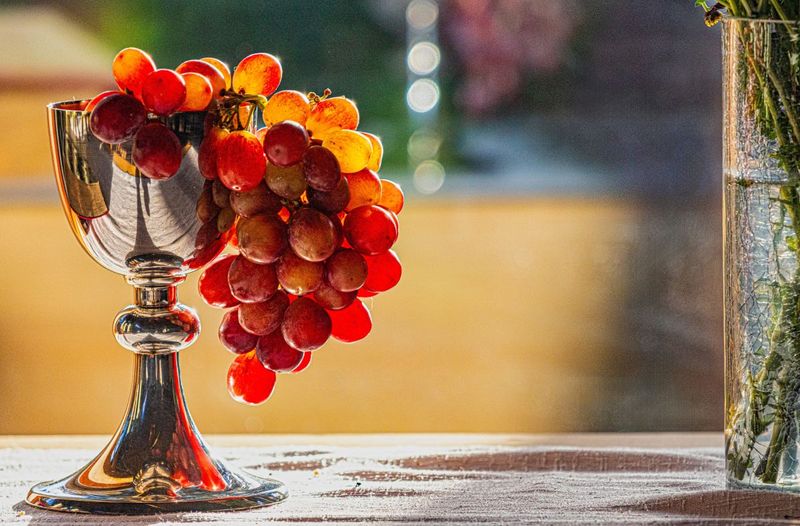
Nobles rarely drank water, considering it unsafe and suitable only for peasants. Instead, ale and wine flowed abundantly throughout meals, with children drinking watered-down versions.
French wines were particularly prized imports, while spiced wine called 'hippocras' concluded special feasts. This warming beverage combined red wine with cinnamon, ginger, and sugar. Wealthy households employed dedicated cup-bearers who ensured their lord's goblet remained perpetually filled.
11. Desserts Were Sweet And Showy

Crystallized fruits, honey pastries, and marchpane (early marzipan) delighted noble palates after heavy meals. Sugar—imported at astronomical costs—functioned more as a status symbol than merely a sweetener.
Cooks crafted intricate sweets like leech (a jelly-like confection) coloured with natural dyes and shaped into heraldic designs. Wafers pressed with family crests accompanied sweet wines. These delicacies required specialized equipment and rare ingredients, making them exclusive to aristocratic tables.
12. Leftovers Were Given To The Poor Sometimes
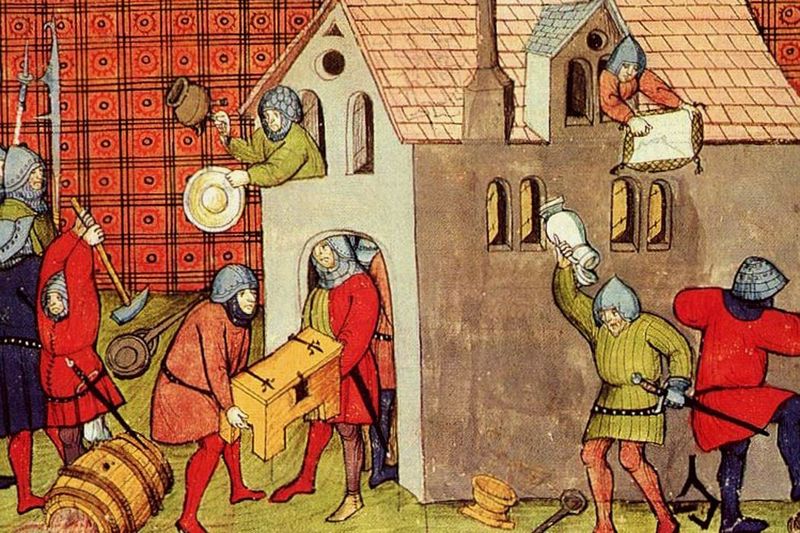
Almsgiving turned excess into virtue at medieval feasts. After nobles finished dining, servants collected uneaten food—particularly those bread trenchers soaked with meat juices—for distribution to the waiting poor.
This practice reflected both practical waste management and Christian charity. Some nobles deliberately over-ordered to ensure substantial leftovers, enhancing their reputation for generosity. Monasteries were particularly known for this practice, feeding dozens of needy individuals from their kitchen doors daily.



