The Mediterranean diet is often praised as one of the healthiest eating patterns in the world. Full of fresh vegetables, lean proteins, and heart-healthy fats, it's surprising when someone following this diet notices their waistline expanding.
But even the healthiest eating styles can lead to weight gain when certain habits creep in. Here's what might be happening if your Mediterranean journey isn't delivering the results you expected.
1. Olive Oil Overload
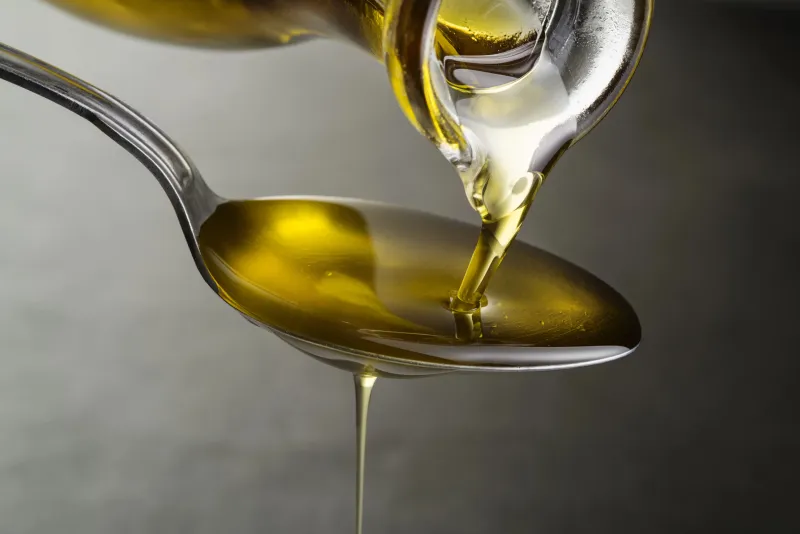
That bottle of extra virgin olive oil might be sabotaging your weight loss efforts. While packed with beneficial compounds, olive oil contains 120 calories per tablespoon.
Many people drizzle generously without measuring, easily adding 300-400 hidden calories daily. Instead, try measuring with a proper tablespoon or investing in an oil spray bottle for lighter application.
2. Nut Consumption Without Limits
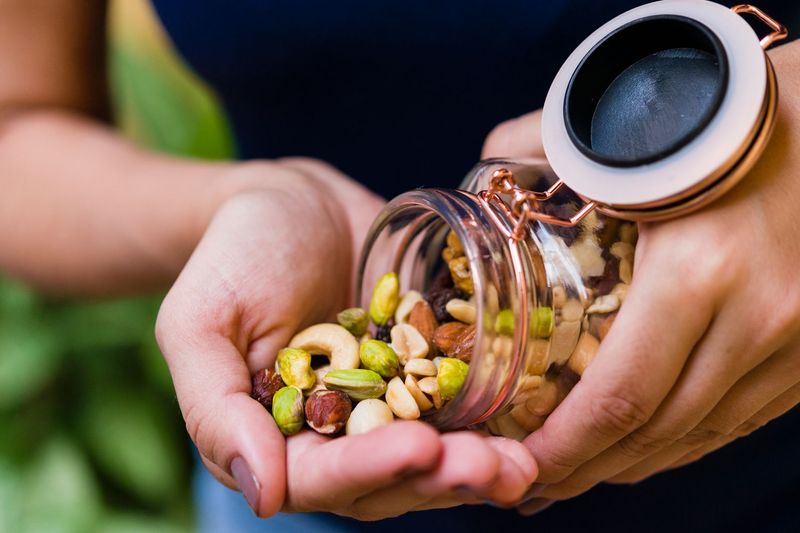
Almonds, walnuts and pistachios are nutritional powerhouses, but they're also calorie bombs. A small handful (30g) packs roughly 170-200 calories.
Mindlessly munching straight from the bag while watching telly can mean consuming 500+ calories without realising. Pre-portion your nuts into small containers or use measuring cups to enjoy their benefits without the bulge.
3. Supersized Mediterranean Meals
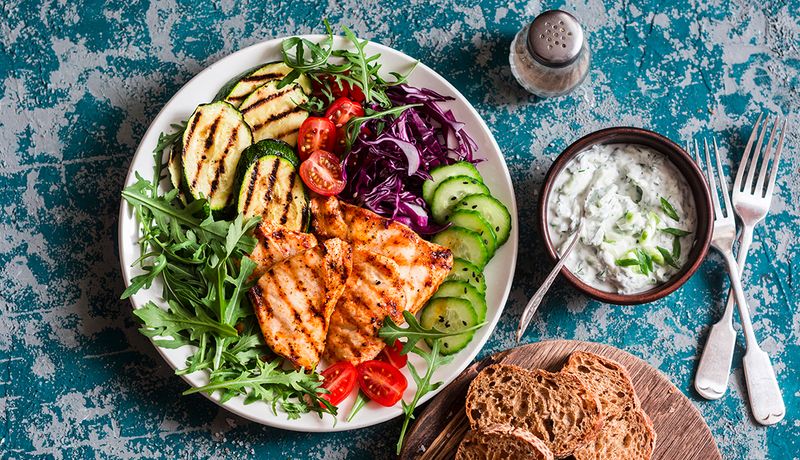
Traditional Mediterranean portions are actually quite modest compared to what most people serve themselves. Research from the University of Liverpool found we consistently underestimate proper portion sizes by 25-30%.
Even healthy foods contribute to weight gain when portions balloon. Try using smaller plates or measuring cups for grains and proteins to reset your portion perception.
4. Bread Basket Bonanza
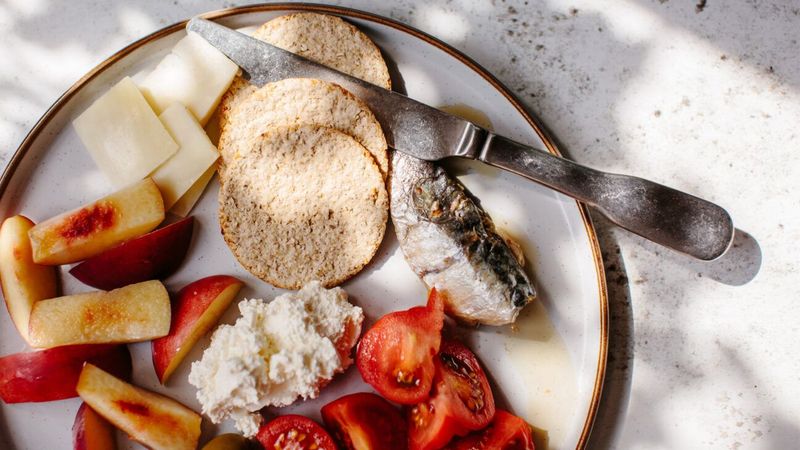
Warm, crusty bread is a Mediterranean staple, but unlimited consumption can derail your weight management. Wholegrain varieties are nutritionally superior but still calorie-dense.
Many Mediterranean restaurants in Britain serve bread with olive oil before meals, adding 300+ calories before your main course arrives. Limit yourself to one small piece, or request vegetables for dipping instead.
5. Snack Attack Amnesia
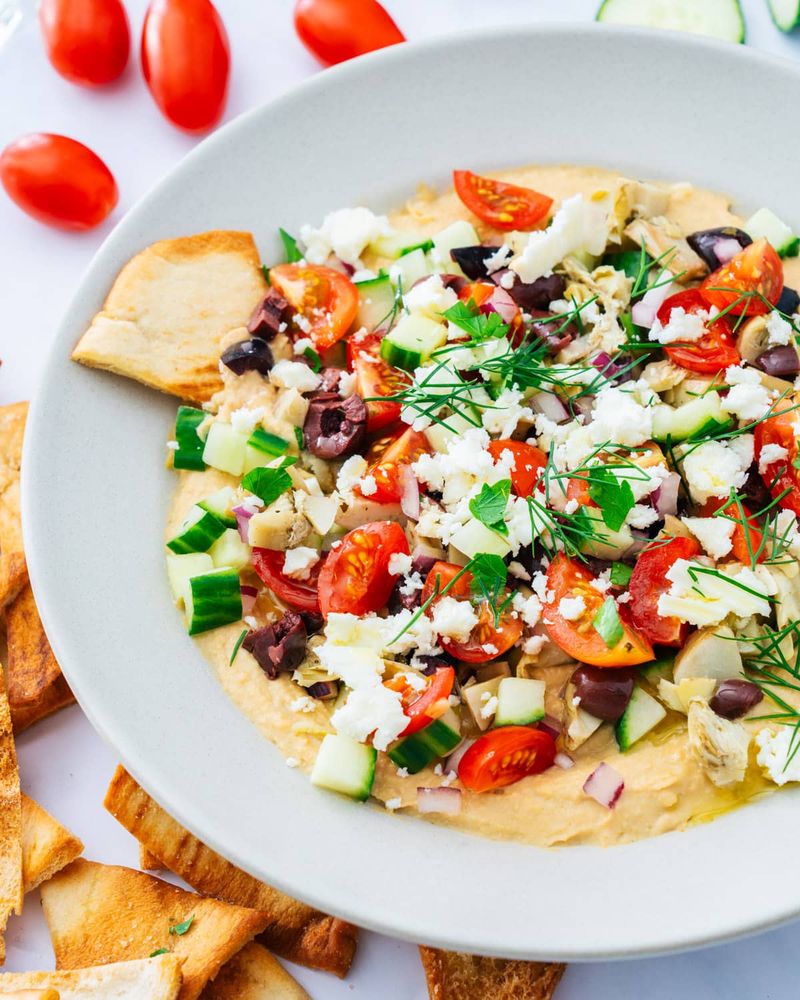
Those quick bites between meals add up faster than you'd think. A few olives here, some hummus there, a slice of cheese later – these Mediterranean-friendly snacks still contain calories.
Food diary studies show people typically forget 30% of what they eat throughout the day. Keep a food journal for a week to spot these sneaky calorie sources and become more mindful of your true intake.
6. Wine Without Boundaries
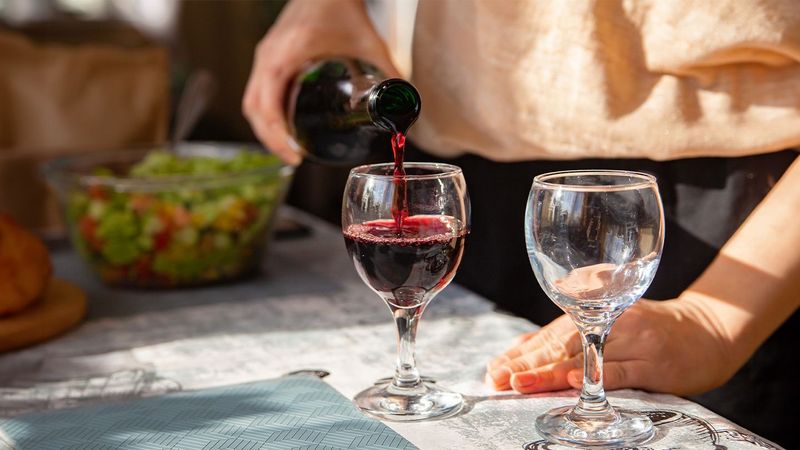
The Mediterranean approach includes moderate wine consumption – emphasis on moderate. One small glass (125ml) contains about 85 calories, but many home pours are double or triple this amount.
Dr. Michael Mosley's research shows alcohol also reduces willpower, leading to poor food choices later. Try measuring your wine with a proper measure, or alternate with sparkling water to maintain the ritual without excess calories.
7. Plate Proportion Problems
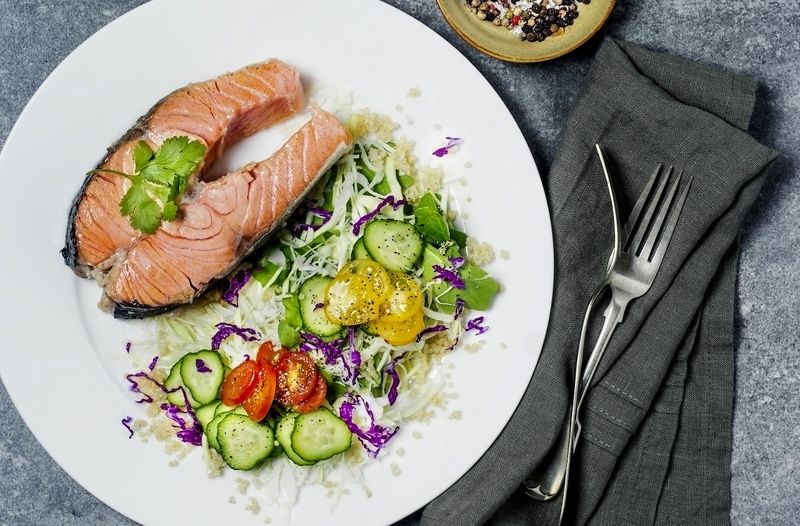
Authentic Mediterranean meals follow a specific balance: half the plate is vegetables, a quarter is protein, and a quarter is whole grains. Many people get this ratio wrong.
Loading up on pasta or rice while skimping on vegetables shifts the calorie density upward. Use the visual plate method – imagine drawing lines dividing your plate – to maintain proper proportions without measuring everything.
8. Restaurant Portions At Home
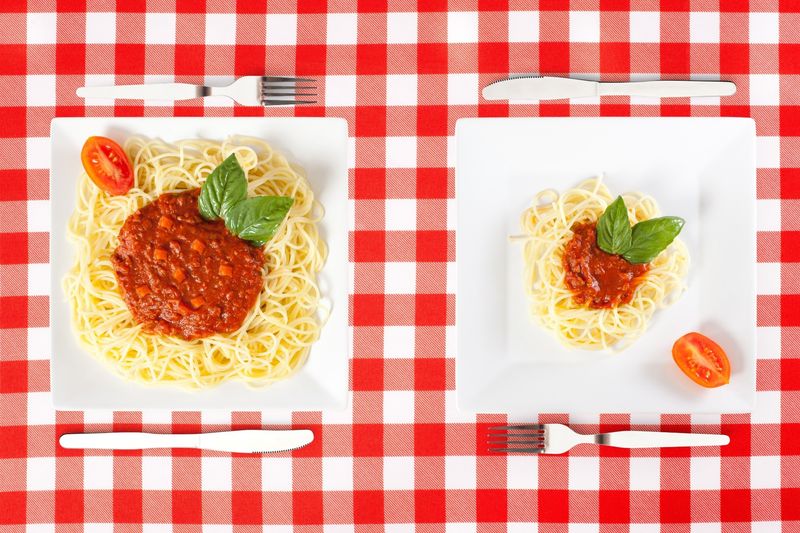
Studies from Oxford University show we tend to mimic portion sizes we see in restaurants, which are typically 2-3 times larger than traditional Mediterranean servings.
This portion distortion follows us home, where we unconsciously prepare meals far larger than necessary. Visit authentic Mediterranean countries to witness true portion sizes, or use measuring cups until your eyes adjust to appropriate amounts.
9. Movement Missing From The Equation

Mediterranean lifestyles include regular physical activity – walking to markets, tending gardens, and enjoying outdoor leisure. Many adopt the diet without this crucial movement component.
A 2021 study in the British Journal of Sports Medicine found diet alone produced 40% less weight loss than diet combined with movement. Add 30 minutes of walking daily to complete the Mediterranean lifestyle puzzle.
10. Natural Sweet Treats Trap
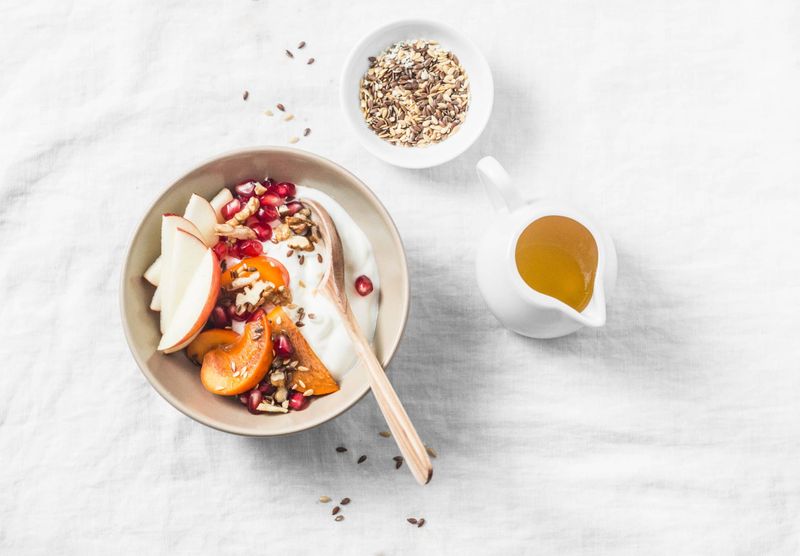
Honey-drenched baklava and date-sweetened desserts may be 'natural,' but your body processes these sugars similarly to refined ones. The glycaemic impact can trigger hunger and cravings.
Nutritionist Rhiannon Lambert notes that many 'healthy' Mediterranean desserts still contain 300-400 calories per serving. Enjoy these treats occasionally rather than daily, and consider fruit with a small yoghurt drizzle as your regular sweet finish.
11. Clean Eating Calorie Confusion
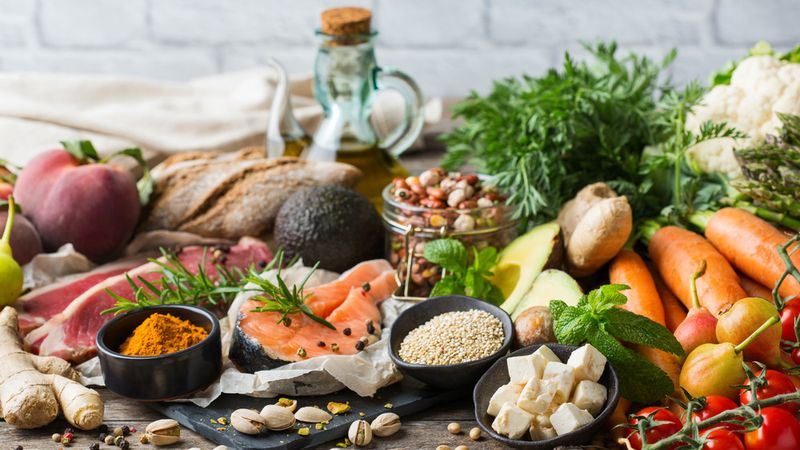
'Clean' doesn't automatically mean 'low-calorie.' This misconception leads many to overeat nutritious foods like avocados, tahini, and full-fat yoghurt.
Cambridge University researchers found people consistently underestimate calories in 'healthy' foods by up to 40%. Remember that quality and quantity both matter. Use measuring tools for calorie-dense foods like oils, nut butters, and cheeses to enjoy their benefits without excess.
12. All-Day Grazing Habit
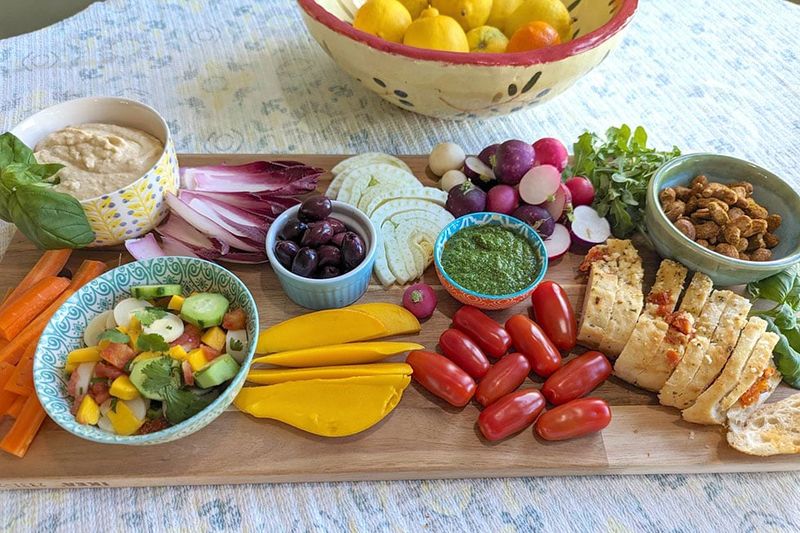
Constant nibbling, even on Mediterranean-approved foods, can interfere with hunger signals and lead to consuming more calories than your body needs.
Research from King's College London suggests eating within a 10-hour window may improve weight management. Try consolidating your eating into three satisfying meals with perhaps one planned snack, rather than continuous grazing throughout the day.