













German cuisine is famous for hearty, satisfying dishes that warm the soul. But beyond the familiar pretzels and bratwurst lies a world of foods that might raise eyebrows outside Germany's borders.
These traditional delicacies have stood the test of time in their homeland while leaving international visitors utterly bewildered.
1. Sülze (Head Cheese)
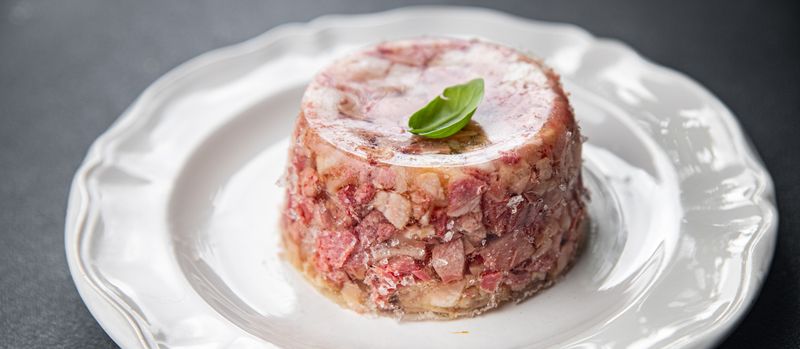
Nothing prepares foreigners for their first encounter with Sülze. Chunks of meat suspended in clear jelly create an unusual texture experience that many find challenging.
Most traditional recipes use parts from a pig's head, hence the English name. The tangy vinegar cuts through the richness, but many visitors still struggle with the wobbly, meat-filled appearance.
2. Handkäse Mit Musik
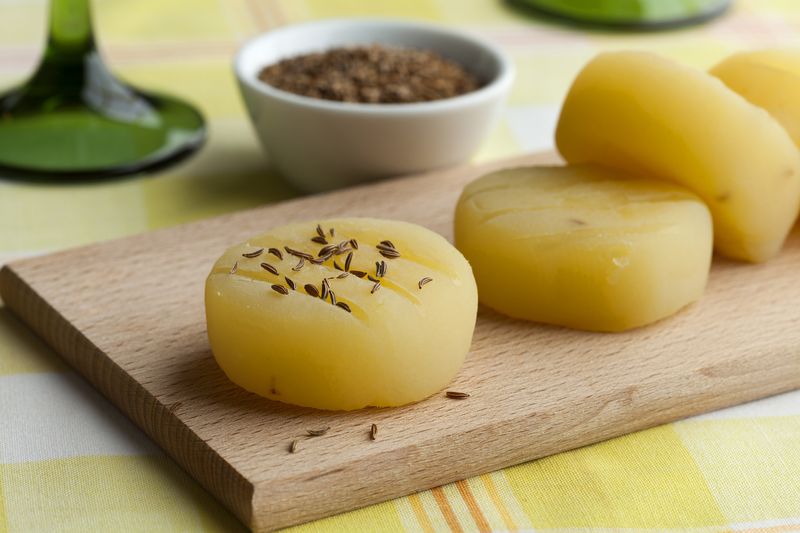
The name translates to 'hand cheese with music' – the 'music' being the symphony your digestive system plays after eating it. This small, pungent cheese has a translucent yellowish color and gets marinated in oil, vinegar, and raw onions.
Popular in Frankfurt, its strong aroma hits you before the first bite. The sour flavor profile makes it an acquired taste even for adventurous eaters.
3. Blutwurst (Blood Sausage)
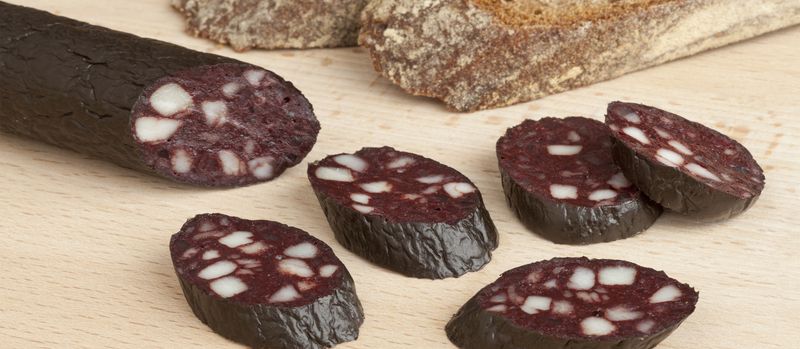
The deep, nearly black color of Blutwurst comes from its main ingredient: pig's blood. Mixed with fat, barley, and spices, this sausage has a dense, crumbly texture that surprises newcomers.
Germans enjoy it sliced on bread or fried with apple sauce. The iron-rich flavor is unmistakable. Many visitors take one look at its dark appearance and politely decline, missing out on this centuries-old delicacy.
4. Mett (Raw Minced Pork)
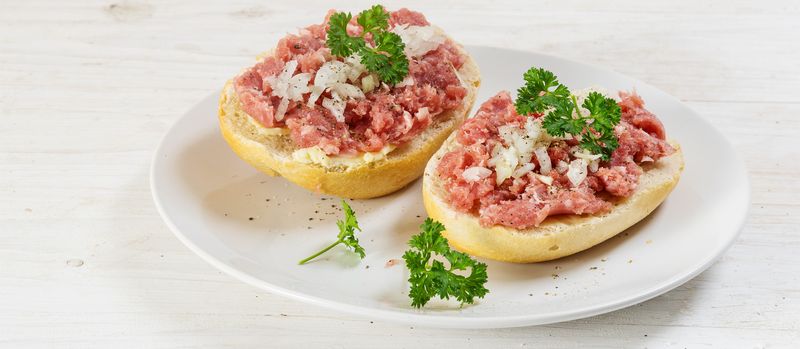
Raw pork for breakfast? Germans say 'absolutely!' Mett consists of freshly minced pork seasoned simply with salt and pepper, then spread on a bread roll and topped with raw onions.
Sometimes crafted into the shape of a hedgehog ('Mettigel') for parties. The pink, uncooked meat sends shivers down many foreigners' spines, yet Germans consume it with gusto, trusting their strict food safety standards.
5. Saumagen (Stuffed Pig's Stomach)
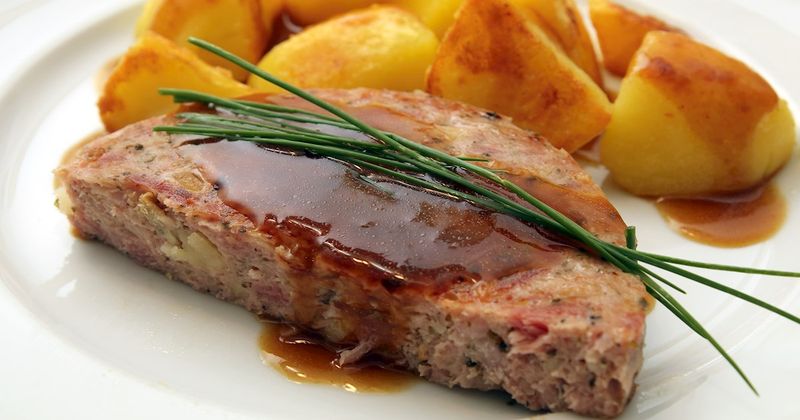
Former Chancellor Helmut Kohl famously served this specialty to visiting dignitaries, including Margaret Thatcher. The dish uses a pig's stomach as a casing, stuffed with potatoes, carrots, pork, and spices.
After simmering until firm, it's sliced like a meaty terrine. The stomach itself isn't eaten, just used as a cooking vessel. Nevertheless, the mere concept sends many international visitors reaching for something more familiar.
6. Leberknödel (Liver Dumplings)
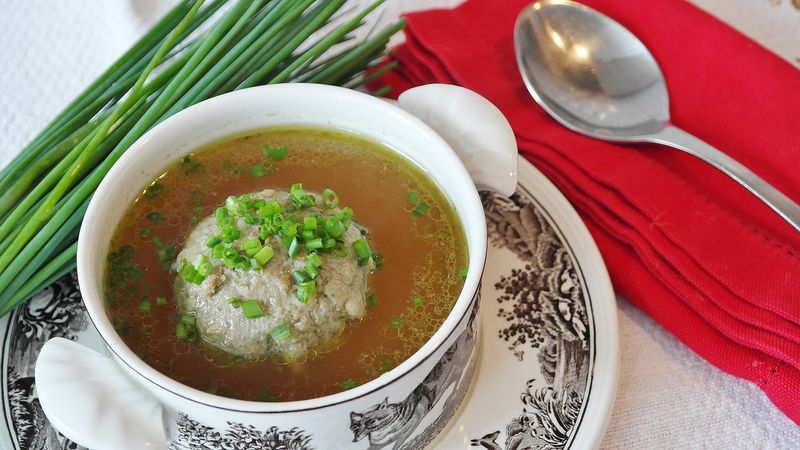
Floating in clear broth, these soft grey spheres look innocent enough until you learn what's inside. Made primarily from ground liver mixed with breadcrumbs, eggs, and herbs, these dumplings have a distinctive earthy flavor.
Bavarians consider them comfort food, especially during winter months. The smooth, liver-forward taste and somewhat grainy texture make them particularly challenging for those unaccustomed to organ meats.
7. Grüne Soße (Green Sauce)
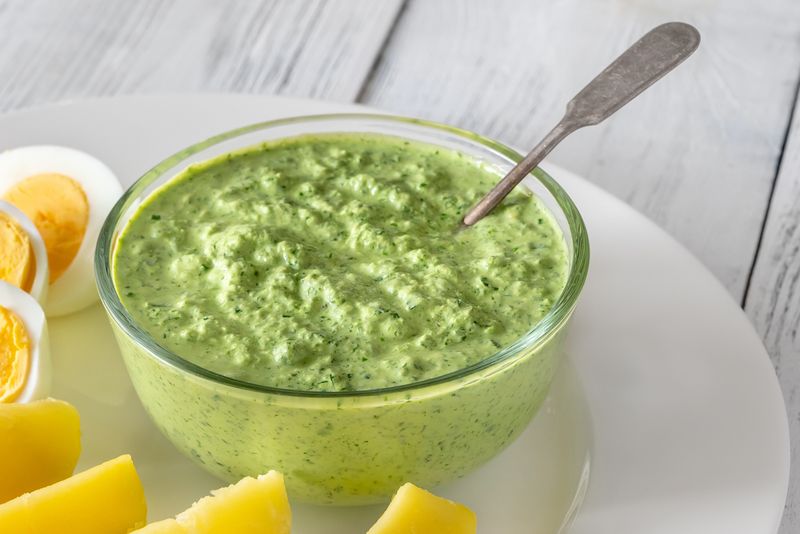
The vibrant green color of this cold herb sauce often startles first-timers. Frankfurt's pride and joy contains exactly seven herbs: parsley, chives, chervil, borage, sorrel, garden cress, and salad burnet.
Mixed with sour cream, yogurt, and hard-boiled eggs, it's traditionally served with potatoes and hard-boiled eggs. The unexpected combination of herbs creates a tangy, fresh flavor that's utterly unique in world cuisine.
8. Eisbein (Pickled Pork Knuckle)
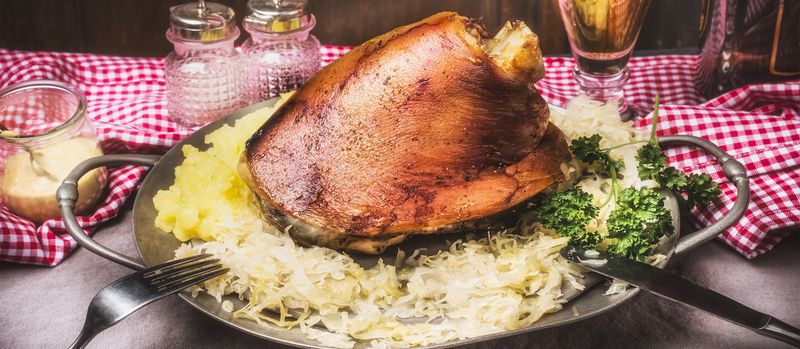
The sheer size of Eisbein can intimidate even hearty eaters. This massive pork knuckle comes to the table with gleaming skin, often accompanied by sauerkraut and mashed potatoes.
The name derives from 'ice leg' because butchers used to stand on frozen pig legs while working. The gelatinous texture beneath the crispy skin provides a unique mouthfeel that many foreigners find challenging despite the delicious pork flavor.
9. Zungenwurst (Tongue Sausage)
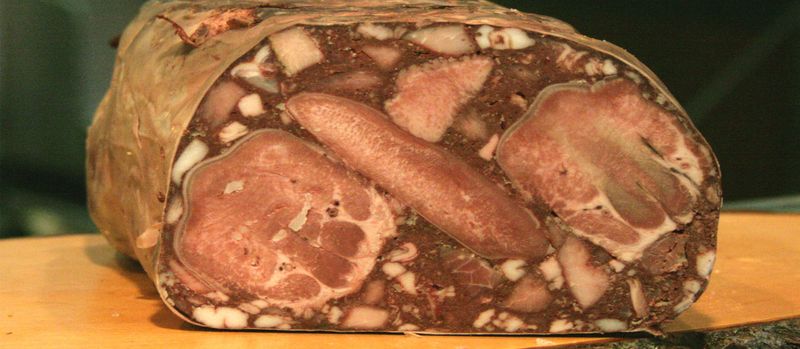
The name leaves little to the imagination – this sausage prominently features chunks of beef tongue. Mixed with pork, blood, and spices, then stuffed into casings, it creates a mottled dark sausage with visible tongue pieces.
Often served cold and sliced thin on bread. The distinctive chewy texture of tongue amidst the softer sausage filling creates a textural contrast that's beloved in Germany but perplexing to many visitors.
10. Quark
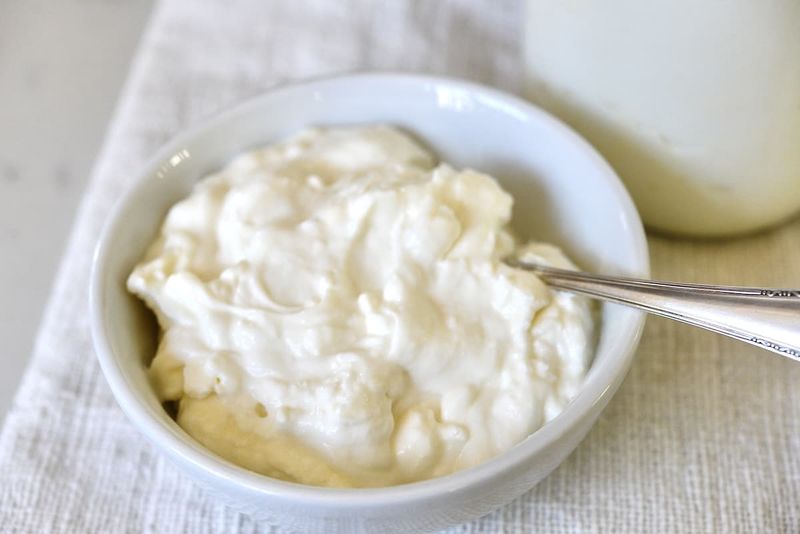
Neither yogurt nor cheese, Quark occupies a curious middle ground that confuses most non-Germans. This fresh dairy product has a mild, slightly tangy taste and creamy texture somewhere between cottage cheese and Greek yogurt.
Germans eat it with fruit, herbs, or as a base for cheesecake. While common in German households, visitors often struggle to categorize this dairy staple that's too thick for yogurt but too soft and fresh for cheese.
11. Kartoffelpuffer With Applesauce
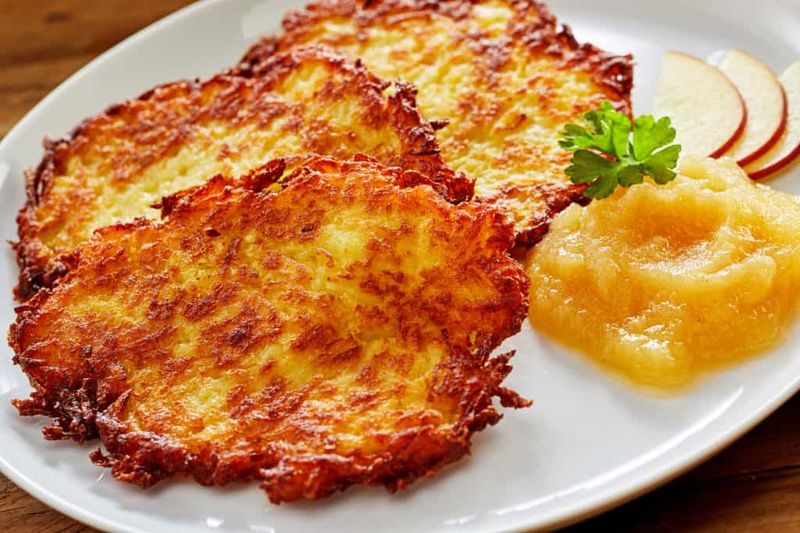
The crispy potato pancakes themselves aren't unusual – it's the sweet applesauce pairing that bewilders many visitors. These golden-brown, savory potato fritters are served piping hot, then topped with cold, sweet applesauce.
The contrasting flavors create a sweet-savory combination that Germans adore. Many international visitors expect ketchup or sour cream instead, making their first encounter with this traditional pairing quite surprising.
12. Weißwurst With Sweet Mustard
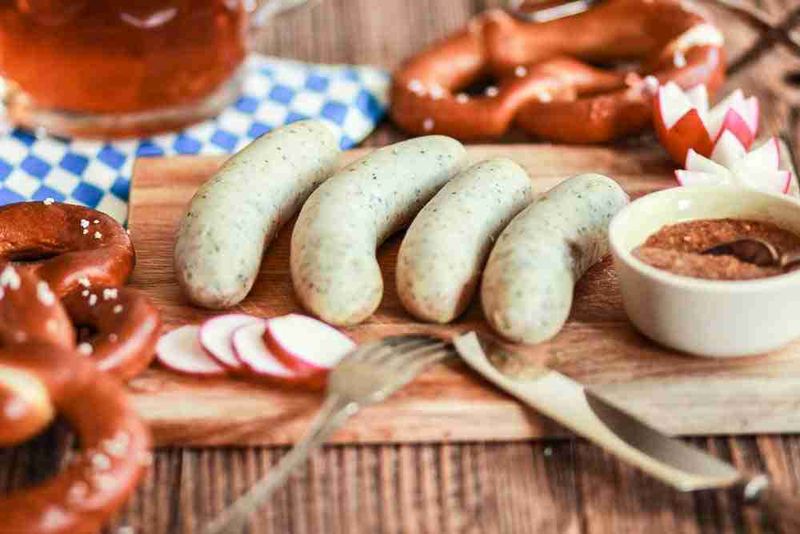
These pale, plump veal sausages come with strict eating instructions: never consumed after noon, peeled before eating, and dipped in sweet mustard. The traditional Bavarian breakfast looks oddly white and undercooked to foreigners.
The sausage casing isn't meant to be eaten. Instead, Bavarians either cut the ends and suck out the filling or carefully peel the skin away. This peculiar eating ritual, combined with their milky appearance, makes them particularly puzzling to visitors.



