













Fizzy drinks might be the sneaky culprit behind Britain's expanding waistlines. Research suggests that simply removing one sugary beverage from our daily habits could dramatically slash obesity rates across the UK.
With Britain having the third highest obesity rate in Europe, this small change could transform public health and save the NHS billions.
1. One Fizzy Drink Contains A Day's Worth Of Sugar
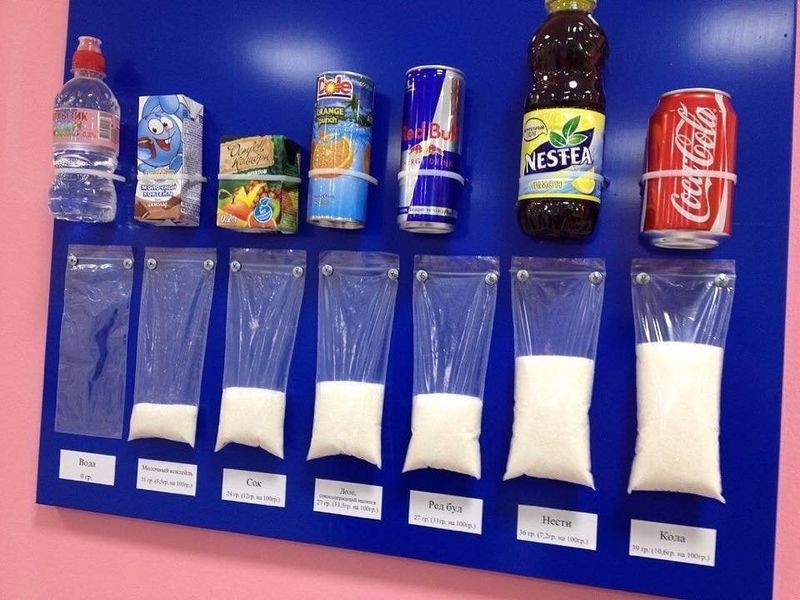
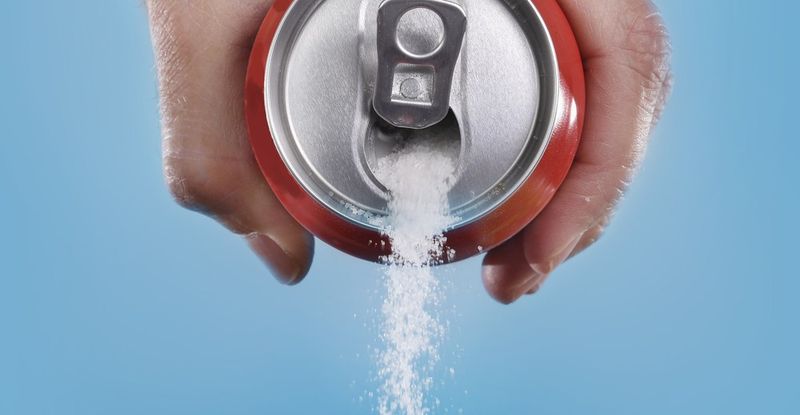
A single 500ml bottle of cola packs around 216 calories and up to 13 teaspoons of sugar. That's more than half the daily recommended sugar intake for adults!
Nutritionists at Public Health England have found that these liquid calories don't satisfy hunger, making them especially problematic. Your body doesn't register them the same way as food calories.
2. Small Changes Create Massive Results

Cutting just 50 calories daily—less than half a can of soda—could lift 340,000 children and two million adults out of obesity, according to Department of Health estimates.
Dr. Susan Jebb from Oxford University explains that small, sustainable changes work better than drastic diets. The beauty lies in the simplicity: swap your afternoon fizzy drink for water, and watch the difference over months.
3. Liquid Calories Don't Register Properly
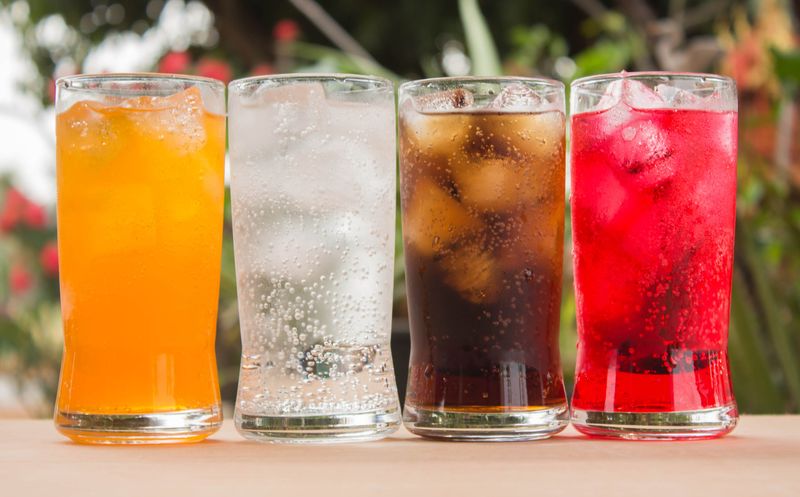
Your brain processes liquid calories differently than solid food. When you drink a sugary beverage, your body doesn't reduce hunger accordingly.
Research from Imperial College London shows we don't compensate for these drink calories by eating less later. A biscuit might make you eat less at dinner, but a sugary drink won't trigger the same fullness signals.
4. Children Are Especially Vulnerable
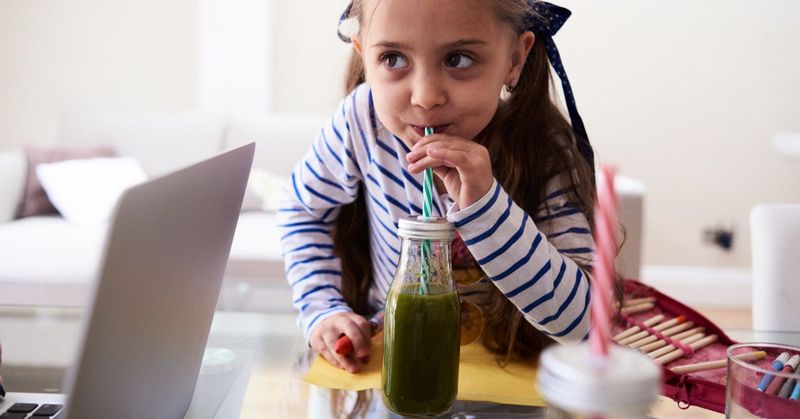
More than one in five children leave primary school obese, with sugary drinks being a major contributor. The bright colours, sweet taste and clever marketing make these drinks irresistible to young ones.
Professor Russell Viner from the Royal College of Paediatrics notes that childhood drinking habits often continue into adulthood. Many children consume their entire daily sugar allowance just through drinks.
5. Supermarkets Face New Health Standards
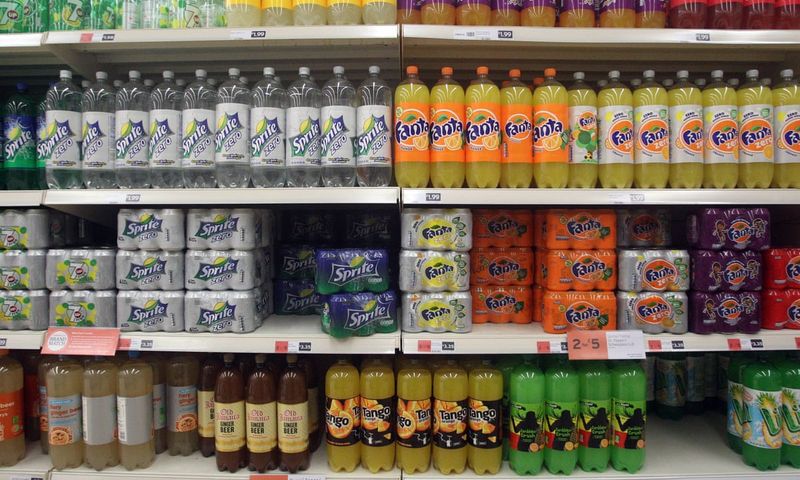
Major retailers like Tesco and Sainsbury's must now meet targets for promoting healthier food choices. Gone are the days of fizzy drink promotions at checkouts.
Both supermarket giants have backed these changes, recognising their role in public health. Store layouts are changing to make water and sugar-free options more prominent than their sugary counterparts.
6. The Shocking £11.4 Billion NHS Burden
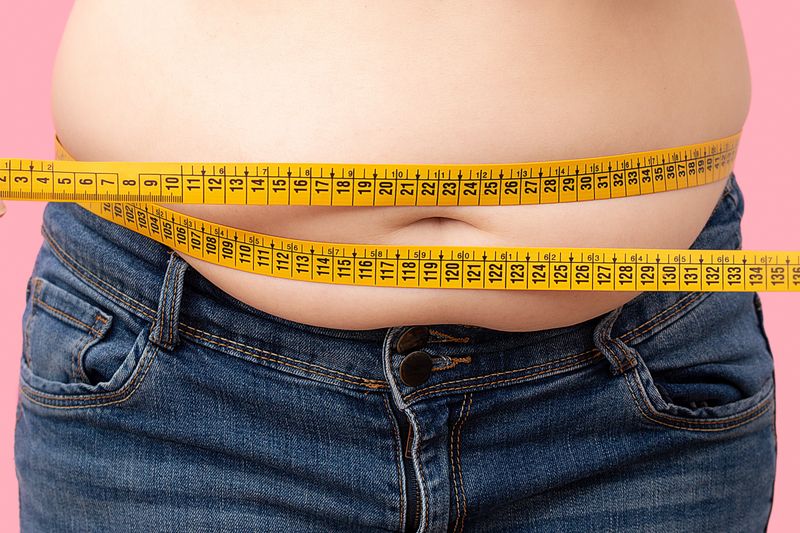
Obesity costs the NHS a staggering £11.4 billion annually—triple the entire ambulance budget! Sugary drinks contribute significantly to this financial strain.
Health economists at University College London have calculated that each fizzy drink habit costs the healthcare system approximately £415 per person yearly in related health issues. Cutting these drinks could free up resources for other critical services.
7. Cancer Risk Rises With Each Sip
According to Cancer Research UK, being overweight is now the second biggest cause of cancer in Britain. Regular sugary drink consumption is directly linked to this risk.
Dr. Emma Shields from Cancer Research UK explains that excess sugar leads to fat storage around vital organs. This visceral fat releases hormones that can trigger cell changes leading to at least 13 different types of cancer.
8. Fizzy Drinks Trigger Dangerous Insulin Spikes
The sugar rush from fizzy drinks causes dramatic insulin spikes that can eventually lead to insulin resistance and Type 2 diabetes.
Professor Roy Taylor from Newcastle University has demonstrated how these repeated spikes exhaust the pancreas over time. What's concerning is how quickly this damage can occur—even in teenagers who drink just one sugary beverage daily.
9. Artificial Sweeteners Aren't The Answer
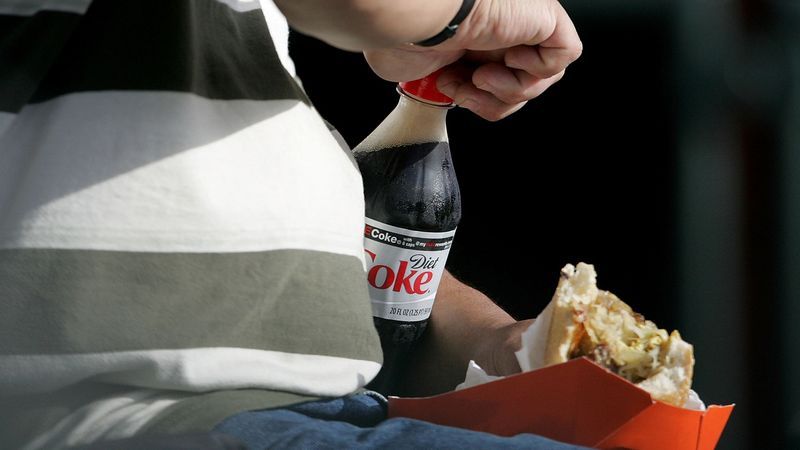
Many people switch to diet drinks thinking they're making a healthy choice, but research suggests otherwise. Artificial sweeteners may actually increase cravings for sweet foods.
Studies from King's College London show these sweeteners can disrupt gut bacteria and potentially alter metabolism. The safest bet remains plain water, herbal teas, or drinks with natural ingredients and minimal processing.
10. Tooth Decay Epidemic Linked To Fizzy Drinks
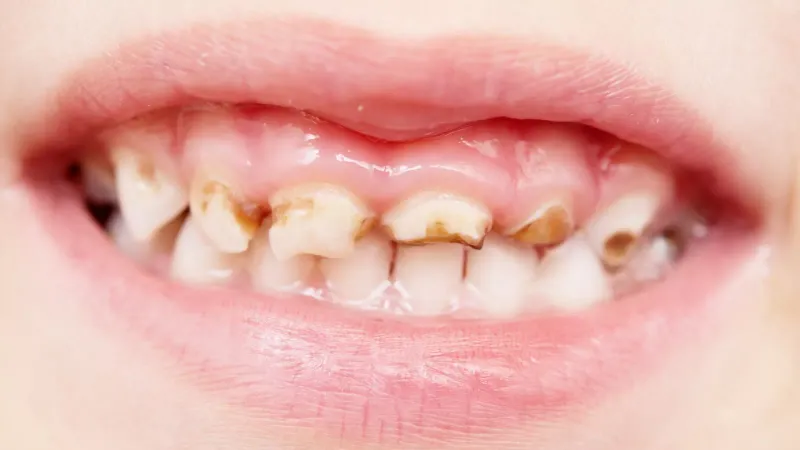
Dental surgeons are reporting unprecedented levels of tooth decay in children, with sugary drinks being the primary culprit. The acid in these beverages doubles the damage.
The British Dental Association reports that tooth extractions are now the leading cause of hospital admissions for children aged 5-9. Many parents don't realise that even drinking through a straw doesn't protect teeth from the sugar bath.
11. Water Makes You Smarter And Happier

Replacing fizzy drinks with water improves cognitive function and mood. Even mild dehydration from sugary drinks can impair concentration and increase irritability.
Research from the University of East London found that students who drank water during exams scored 5-10% higher than those who didn't. The brain is 73% water and needs proper hydration to function optimally, not the dehydrating effects of sugary beverages.
12. Government Promises Healthier Generation
The Health Secretary has boldly claimed this initiative could help raise the healthiest generation of children the UK has ever seen. Critics call it nanny state interference, but supporters see it as necessary intervention.
Public health experts from the National Institute for Health Research point out that similar measures around tobacco have saved countless lives. Sometimes a little government nudge can create massive public health improvements.



