













Wondering how to get enough protein without eating meat? Good news! Plants can pack a protein punch too.
Many plant foods contain impressive amounts of this essential nutrient while offering other health benefits like fibre, vitamins, and minerals.
Whether you're a committed vegetarian or simply trying to reduce your meat consumption, these powerful plant-based options can help keep your protein intake on track.
1. Lovely Lentils
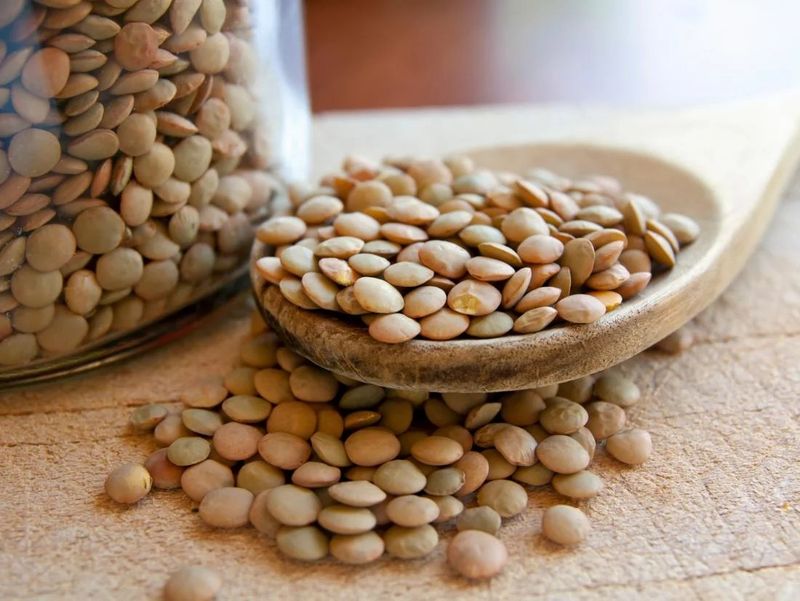
Small but mighty, lentils deliver approximately 18g of protein per cooked cup. These tiny nutritional powerhouses come in various colours including green, brown, red, and black.
Nutritionist Dr. Sarah Thompson recommends lentils for their impressive iron content alongside protein. They're incredibly versatile too – perfect in soups, salads, or as a hearty base for veggie burgers.
2. Champion Chickpeas
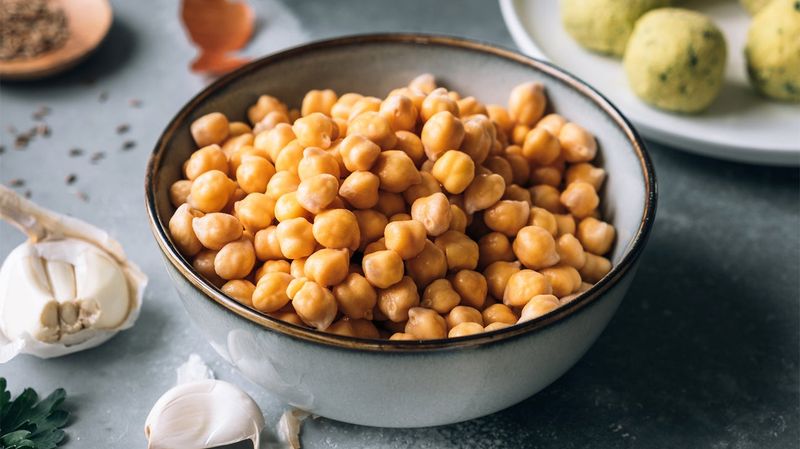
Boasting around 15g of protein per cooked cup, chickpeas have been nourishing humans for over 7,000 years. Their nutty flavour and versatility make them a favourite in kitchens worldwide.
Research from Oxford University shows chickpeas contain all nine essential amino acids. Roast them for a crunchy snack, blend into hummus, or toss them into salads and curries for a protein boost that satisfies hunger for hours.
3. Terrific Tofu
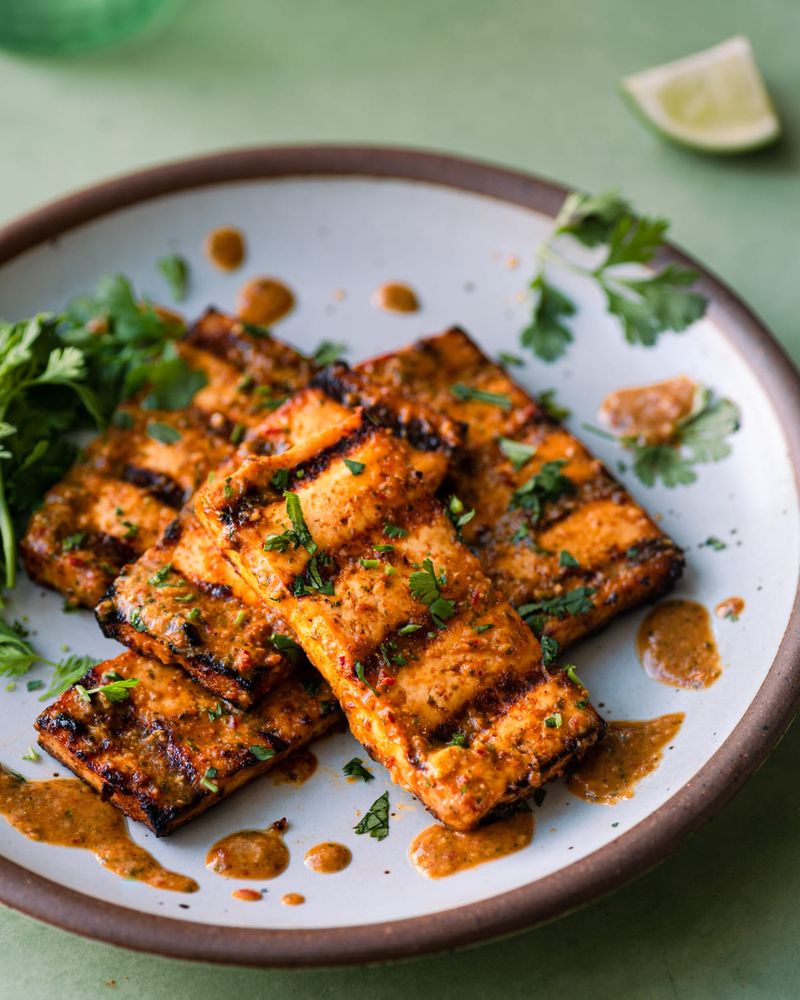
Made from condensed soy milk, tofu provides 10-20g of protein per serving depending on its firmness. This chameleon-like food absorbs whatever flavours you cook it with, making it incredibly adaptable.
According to food scientist Dr. James Chen, firmer varieties contain more protein than silken options. Marinate and grill firm tofu for a meaty texture, or blend the silken variety into smoothies and desserts for a protein-rich treat.
4. Tremendous Tempeh
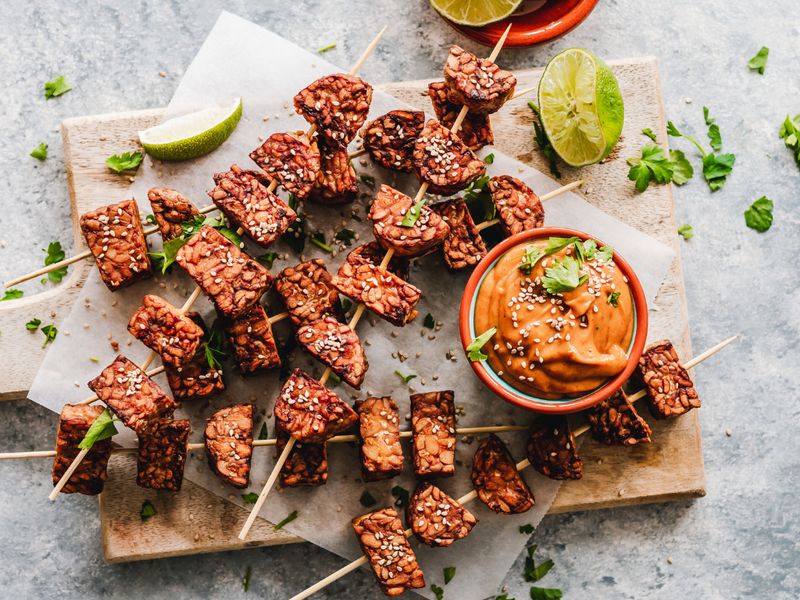
Originally from Indonesia, tempeh packs a whopping 21g of protein per 100g serving. Unlike its soy cousin tofu, tempeh is made from fermented whole soybeans, giving it a distinctive nutty flavour and firm, chewy texture.
Gastroenterologist Dr. Lisa Wong points to tempeh's probiotic benefits from fermentation. Its hearty texture makes it perfect for slicing and grilling like a steak, crumbling into tacos, or adding to stir-fries for satisfying meatiness.
5. Quintessential Quinoa
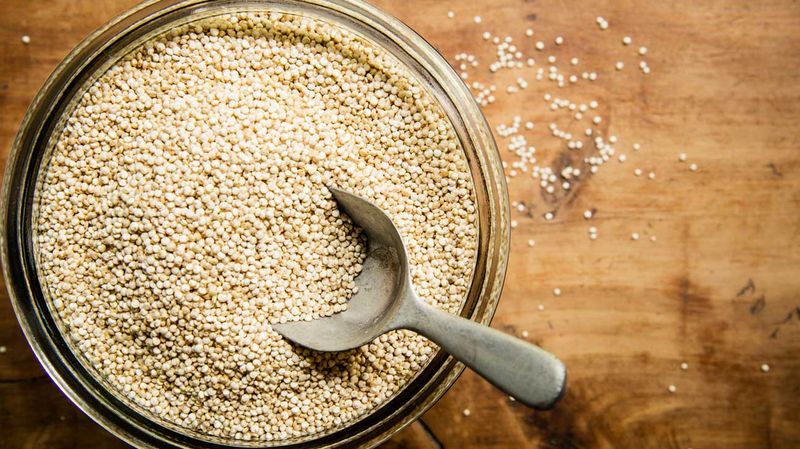
Ancient Incas called quinoa the "mother grain" for good reason. With 8g of protein per cooked cup, it's one of few plant foods containing all nine essential amino acids, making it a complete protein.
Nutritional anthropologist Dr. Miguel Fernandez notes quinoa was a staple for Andean civilisations for thousands of years. Its slightly nutty flavour works brilliantly in breakfast porridges, hearty salads, or as a protein-boosting alternative to rice in any meal.
6. Extraordinary Edamame
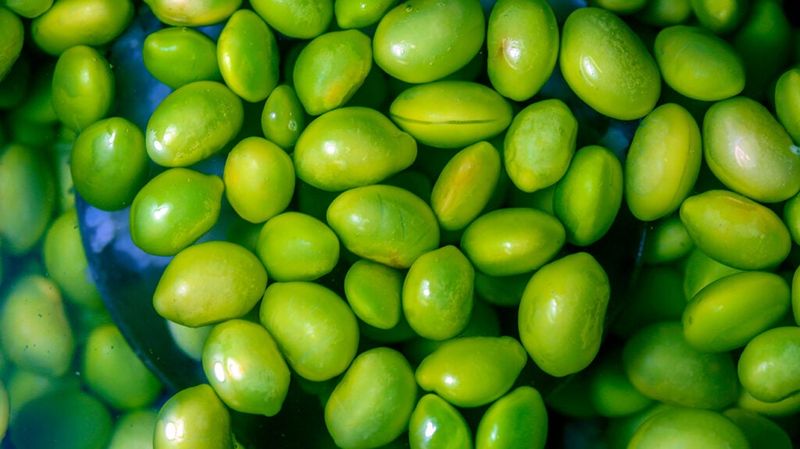
Fresh soybeans still in their pods, edamame offers 17g of protein per cup of shelled beans. These bright green gems have a sweet, mild flavour and satisfying texture that even children enjoy.
Cardiovascular researcher Dr. Akira Tanaka highlights edamame's heart-healthy compounds alongside its protein content. Simply steam the pods, sprinkle with sea salt, and squeeze the beans directly into your mouth for a fun, protein-packed snack or appetiser.
7. Clever Chia Seeds
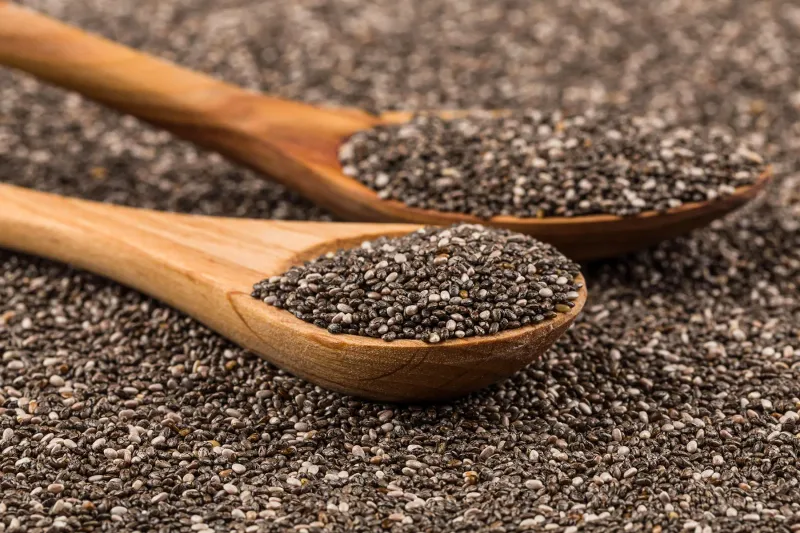
Don't be fooled by their tiny size – chia seeds contain 5g of protein in just 2 tablespoons! These ancient seeds were once a staple food of Aztec warriors, who valued them for sustained energy.
Nutritional biochemist Professor Emma Davies explains chia seeds can absorb up to 12 times their weight in liquid. This creates a gel-like consistency perfect for puddings, smoothies, or as an egg substitute in baking while delivering a remarkable protein boost.
8. Heroic Hemp Seeds
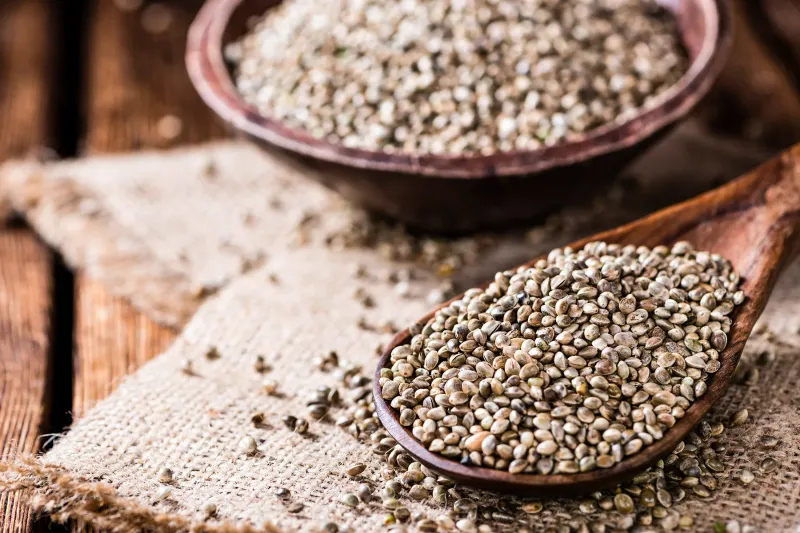
With 10g of protein per 3 tablespoons, hemp seeds offer one of the highest plant-based protein concentrations available. Their mild, nutty flavour makes them an easy addition to nearly any dish.
Botanical researcher Dr. Robert Green emphasises hemp seeds contain the perfect ratio of omega-3 to omega-6 fatty acids. Sprinkle these nutritional gems over yoghurt, blend into smoothies, or mix into homemade energy bars for a complete protein source that supports muscle recovery.
9. Beautiful Black Beans
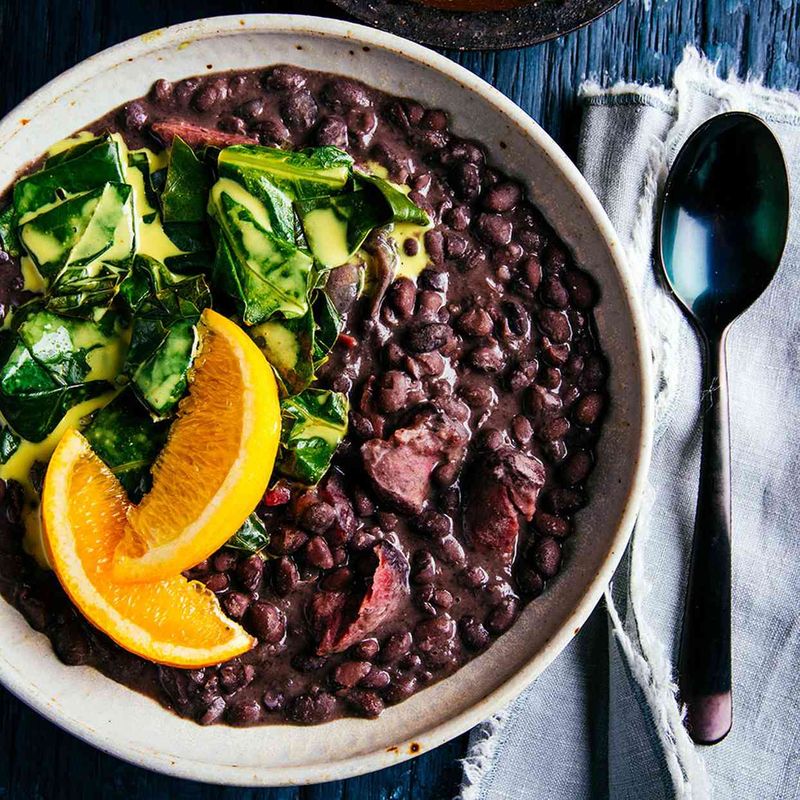
A staple in Latin American cooking, black beans deliver 15g of protein per cooked cup. Their slightly sweet flavour and creamy texture make them beloved worldwide.
Gastroenterologist Dr. Maria Rodriguez points to research showing black beans' unique antioxidant properties. They shine in Mexican-inspired dishes, veggie burgers, and hearty soups, providing substantial protein alongside fibre that promotes gut health and sustained energy throughout the day.
10. Great Green Peas
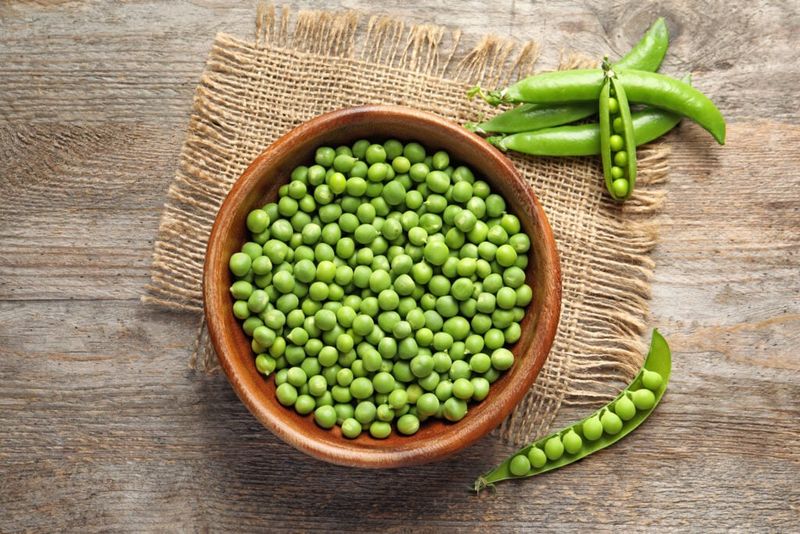
Often overlooked as a protein source, green peas contain an impressive 9g per cup. These sweet little spheres are technically legumes, not vegetables, explaining their protein prowess.
Plant physiologist Dr. Thomas Wilson notes peas have been cultivated for over 11,000 years. Their naturally sweet flavour makes them perfect for adding protein to pastas, risottos, and salads, or simply enjoyed on their own as a side dish.
11. Amazing Almonds
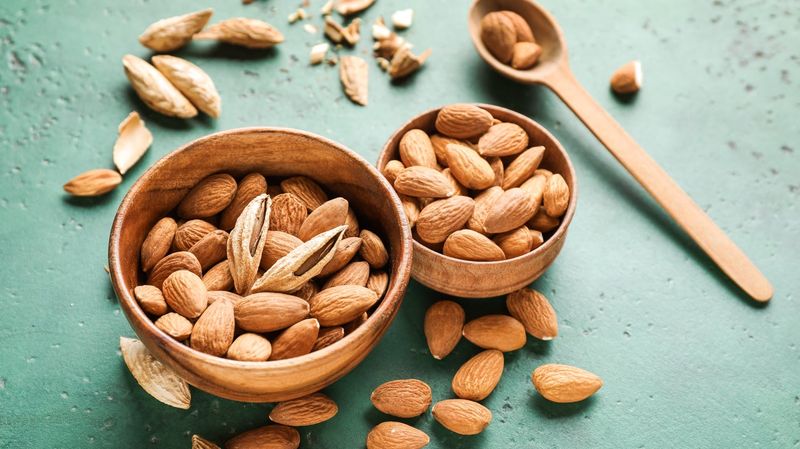
A handful of almonds (about 28g) provides 6g of protein alongside heart-healthy fats. These versatile tree nuts have been cultivated since ancient times for their remarkable nutritional profile.
Cardiologist Dr. Jennifer Adams references studies showing almonds may help lower cholesterol when eaten regularly. Enjoy them as a convenient snack, sprinkled over salads, or processed into almond butter or milk for a protein boost that supports overall health.
12. Powerful Pumpkin Seeds
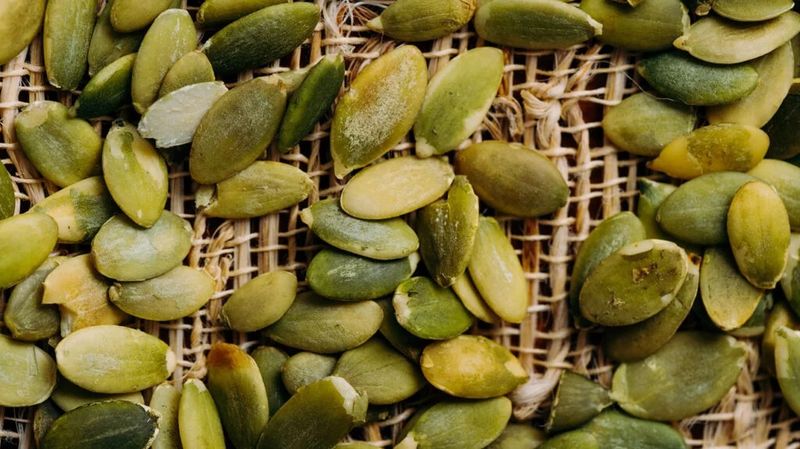
Also known as pepitas, pumpkin seeds pack around 7g of protein per 28g serving. Their subtly sweet, nutty flavour makes them a delightful snack or recipe addition.
Nutritional epidemiologist Dr. Marcus Johnson highlights pumpkin seeds' impressive zinc content alongside their protein. Roast them with spices for a crunchy snack, sprinkle over soups and salads, or incorporate into homemade granola and energy bars for a protein-rich crunch.



