











As we age, our bodies need a little extra care to stay strong, energised, and resilient. Superfoods can make a big difference, offering concentrated nutrients that support heart health, brain function, and overall vitality. From berries rich in antioxidants to leafy greens packed with fibre and calcium, these foods help seniors stay healthy and feel their best every day.
This article is for general informational and educational purposes only. Individual nutritional needs vary, and the effects of specific foods may differ by person. Always consult a qualified healthcare professional or registered dietitian before making changes to your diet or lifestyle.
1. Blueberries: Memory-Boosting Gems
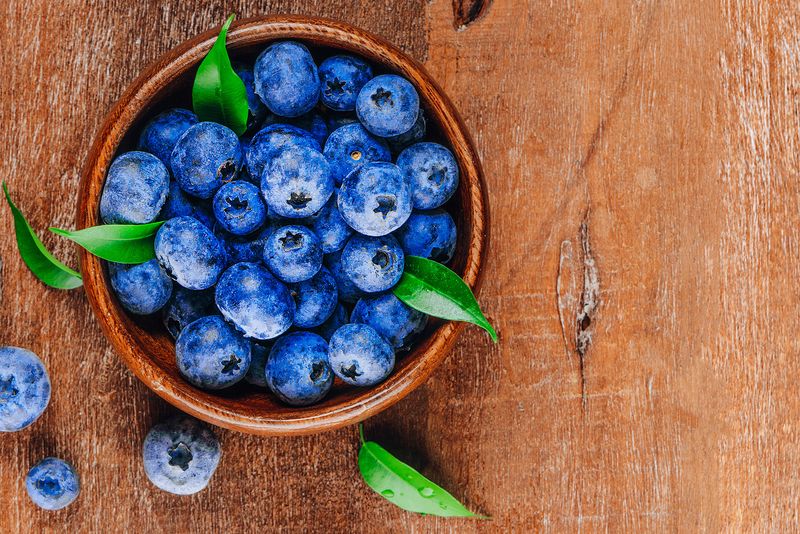
Tiny but mighty, blueberries contain more antioxidants than almost any other fruit. The natural compounds in these berries help protect brain cells from damage and may slow age-related mental decline.
Research suggests regular consumption improves memory and cognitive function in older adults. Plus, they are low in calories but high in fibre, making them perfect for maintaining a healthy weight while supporting digestive health.
2. Broccoli: Bone-Strengthening Green
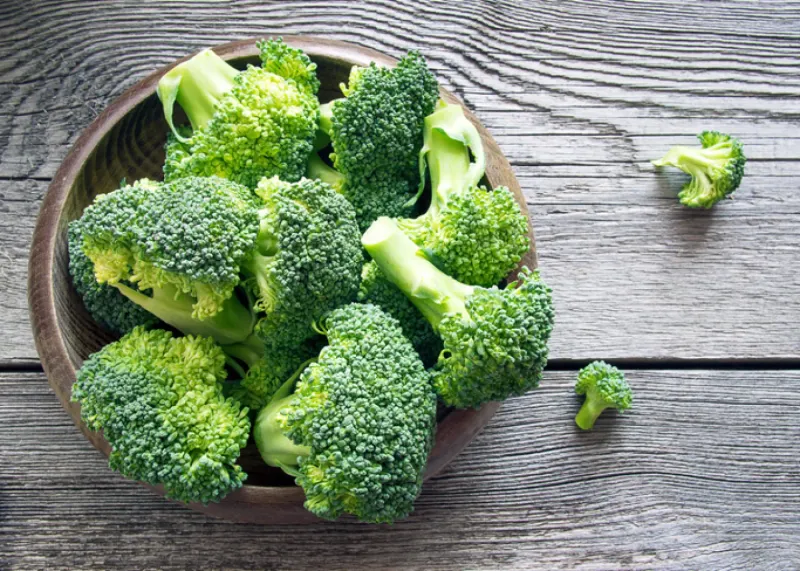
Broccoli is rich in vitamin K, calcium, and antioxidants that help strengthen bones and protect against age-related decline. It also supports immune health and may aid in reducing inflammation.
Steaming broccoli preserves most of its nutrients while keeping its flavour mild - a perfect, easy-to-digest addition to any senior-friendly meal.
3. Fatty Fish: Brain Food Supreme
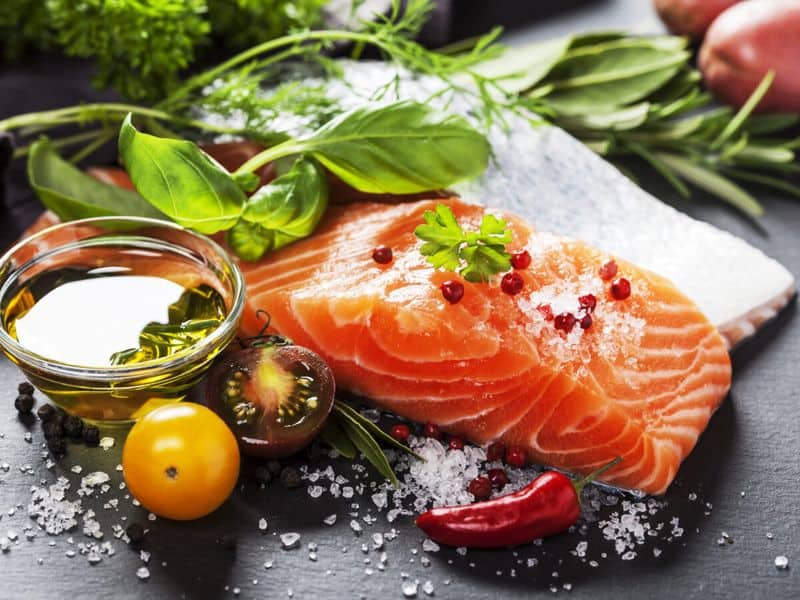
Salmon, mackerel, and sardines deliver a powerful dose of omega-3 fatty acids that your brain craves. These essential fats help reduce inflammation throughout the body and may lower the risk of heart disease, a major concern for seniors.
Omega-3s also support brain health and can help fight depression and anxiety. Just two servings weekly provides enough of these beneficial fats to make a noticeable difference in overall health.
4. Greek Yogurt: Protein Powerhouse
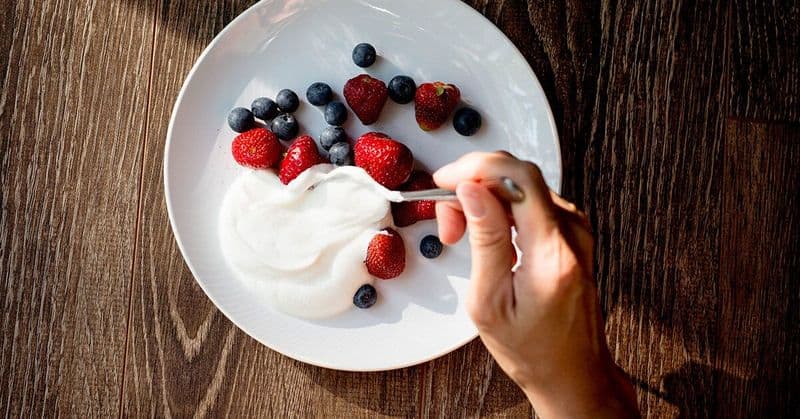
Your muscles need more protein as you age, and Greek yogurt delivers it in spades. With nearly double the protein of regular yogurt, it helps preserve muscle mass that naturally diminishes over time.
The calcium content supports bone health, while probiotics improve gut function and boost immunity. For a complete breakfast or satisfying snack, top with berries and a sprinkle of nuts for additional nutritional benefits.
5. Chia Seeds: Tiny Nutrient Powerhouses
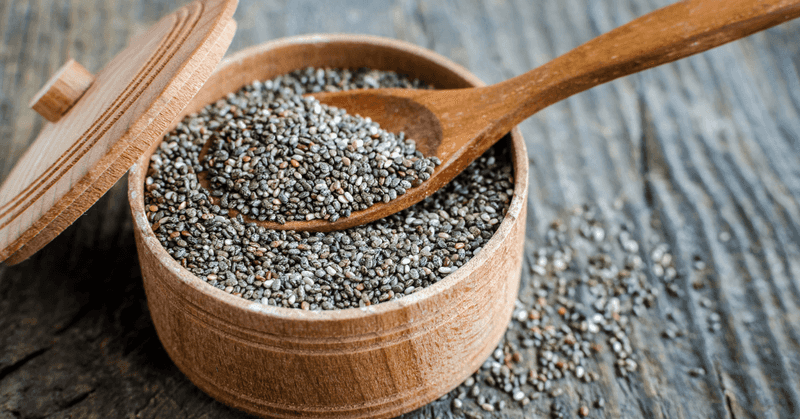
Don’t be fooled by their small size - chia seeds are packed with fibre, omega-3 fatty acids, and calcium, all of which support heart, bone, and digestive health. Their high fibre content helps maintain regularity and keeps you fuller for longer.
Soak them in milk or yoghurt overnight to create a simple pudding, or sprinkle them over porridge for a nutrient boost that benefits seniors’ overall wellness.
6. Leafy Greens: Vitamin Treasure Trove
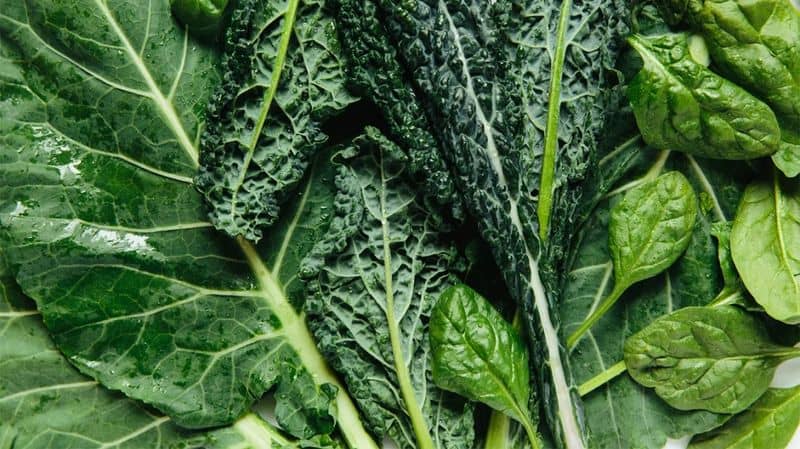
Kale, spinach, and other dark leafy greens contain lutein and zeaxanthin, compounds that protect aging eyes from macular degeneration. A single serving provides a wealth of vitamins A, C, and K, plus folate and potassium.
The high fibre content supports digestive health while helping to manage blood sugar levels. Try adding them to smoothies, soups, or pasta dishes if you find it challenging to eat them in salads.
7. Walnuts: Heart-Healthy Wonders
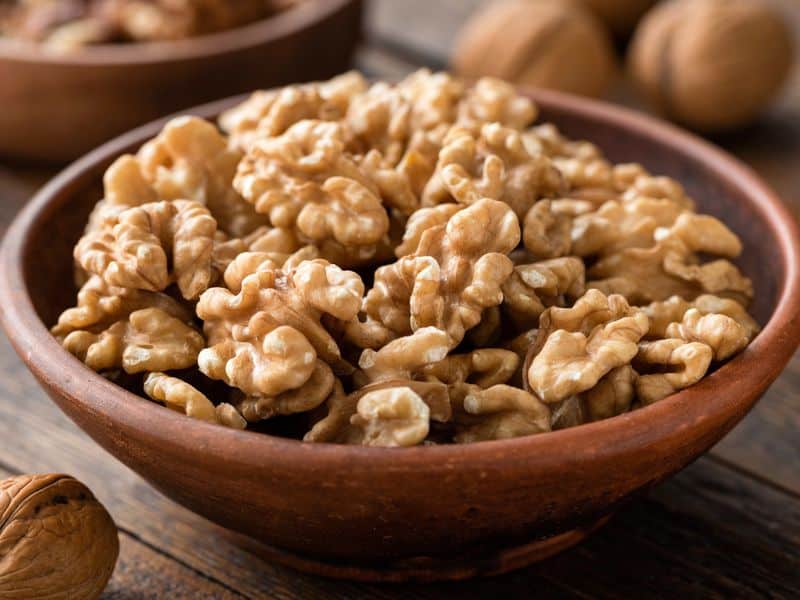
Looking like tiny brains, walnuts actually benefit your real brain significantly. They contain alpha-linolenic acid, a plant-based omega-3 that supports heart and brain health. Just a small handful daily provides protein, fibre, and essential micronutrients.
Studies show regular walnut consumption may improve cholesterol levels and reduce inflammation. Keep a small container of walnuts handy for a quick, nutritious snack that requires no preparation.
8. Sweet Potatoes: Vision Defenders
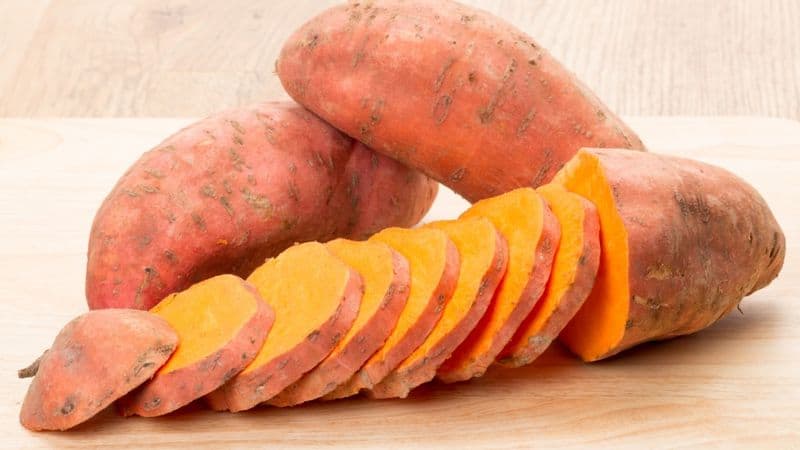
Vibrant orange sweet potatoes get their colour from beta-carotene, which converts to vitamin A in the body. This essential nutrient maintains eye health and supports immune function, particularly important for seniors.
The natural sweetness satisfies sugar cravings while providing steady energy. Fibre content helps maintain digestive regularity, often a challenge for older adults. Roast them with a touch of olive oil for a simple, nutritious side dish.
9. Beans and Lentils: Budget-Friendly Nutrition
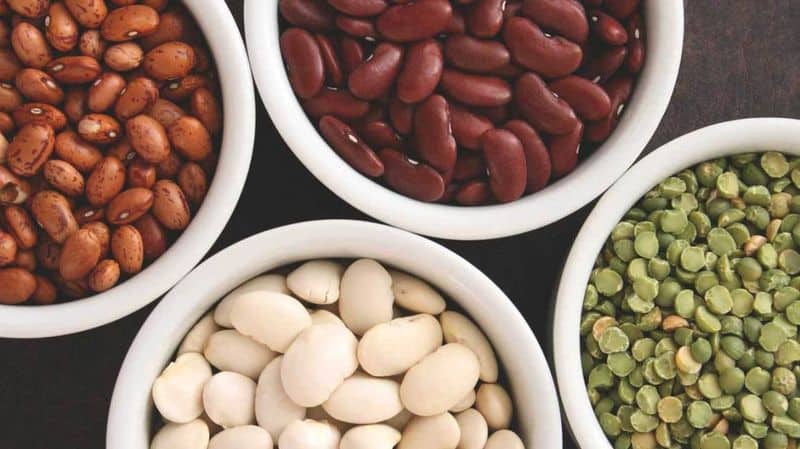
Affordable and versatile, beans and lentils provide plant-based protein without the saturated fat found in many animal sources.
Their high fibre content helps lower cholesterol and maintains steady blood sugar levels. Rich in folate, iron, and potassium, these legumes support heart health and brain function. Adding just half a cup to soups, salads, or rice dishes boosts the nutritional value of any meal while helping seniors meet their protein needs.
10. Berries: Inflammation Fighters
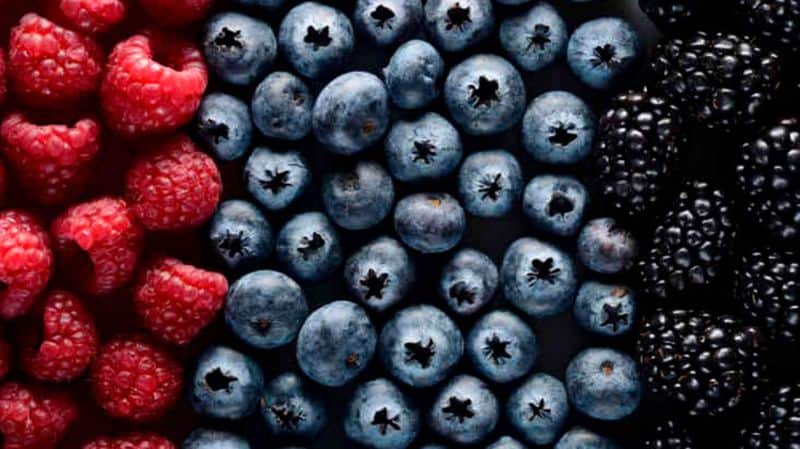
Strawberries, raspberries and blackberries contain potent antioxidants that combat cellular damage and inflammation, major contributors to age-related diseases. Their natural sweetness makes them a perfect alternative to processed sweets.
Low in calories but high in fibre, berries help maintain healthy weight and digestion. The vitamin C content supports immune function and collagen production for skin health. Fresh or frozen, they make excellent additions to breakfast or as a light dessert.
11. Avocados: Healthy Fat Champions
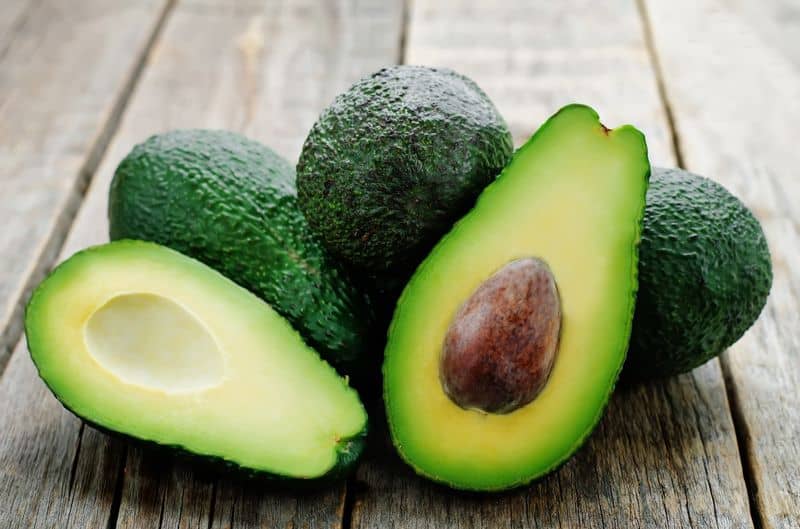
Contrary to outdated dietary advice, certain fats are essential for senior health. Avocados provide monounsaturated fats that support heart health and improve absorption of fat-soluble vitamins. The creamy texture makes them satisfying additions to meals.
Packed with potassium, folate, and vitamins C, E, and K, they support multiple body systems. For seniors watching calories, even a quarter avocado daily provides significant nutritional benefits.
12. Oats: Cholesterol-Lowering Breakfast
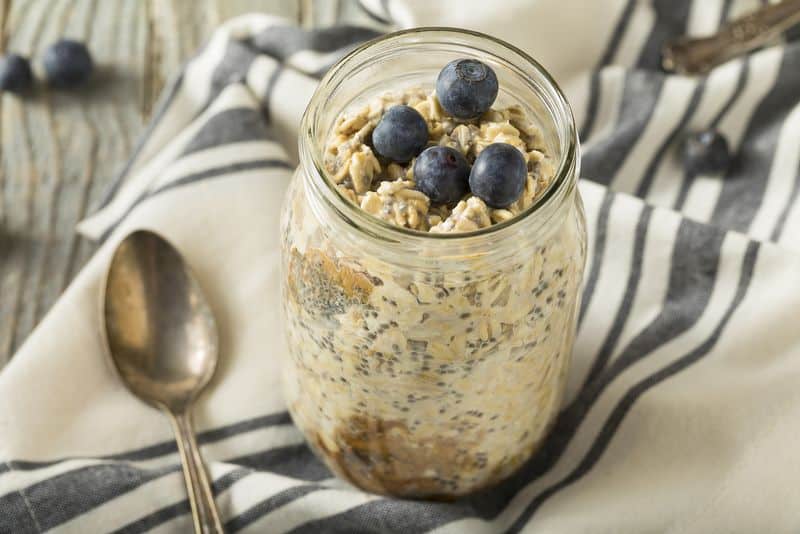
Morning porridge made from steel-cut or rolled oats delivers beta-glucan, a soluble fibre that helps lower cholesterol levels naturally. This heart-healthy grain provides long-lasting energy without spiking blood sugar.
Rich in B vitamins and minerals like magnesium and iron, oats support overall energy levels. The comfort factor makes this warm breakfast especially appealing during colder months. Top with berries and a drizzle of honey for a complete meal.
13. Turmeric: Golden Anti-inflammatory Spice
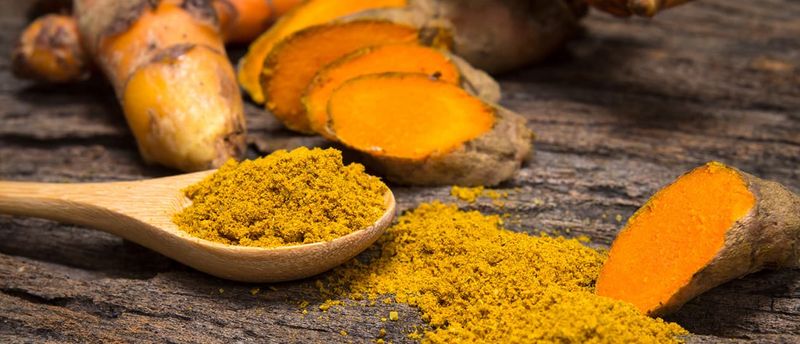
Curcumin, the active compound in turmeric, possesses powerful anti-inflammatory properties that may help manage arthritis pain and joint stiffness. This vibrant yellow spice has been used medicinally for thousands of years.
Studies suggest it may support brain health and potentially reduce Alzheimer's risk. Adding black pepper increases curcumin absorption dramatically. Try incorporating turmeric into soups, rice dishes, or a warming golden milk beverage before bedtime.
14. Olive Oil: Mediterranean Miracle
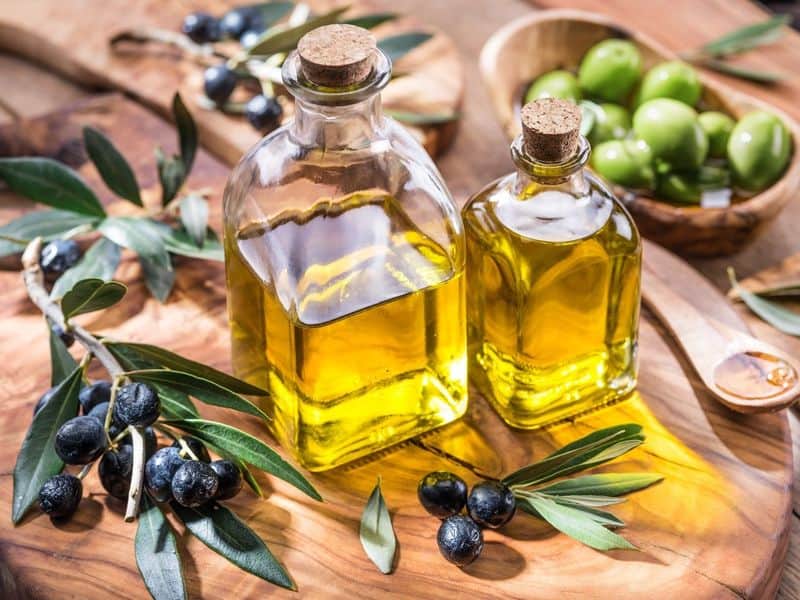
Extra virgin olive oil contains polyphenols that fight inflammation and protect heart health. The monounsaturated fats help maintain healthy cholesterol levels while supporting brain function.
Studies of Mediterranean populations show lower rates of heart disease and longer lifespans, partly attributed to olive oil consumption. Use it for low-temperature cooking or drizzle it over vegetables and salads. Even a tablespoon daily provides noticeable health benefits for seniors.
15. Eggs: Complete Protein Package
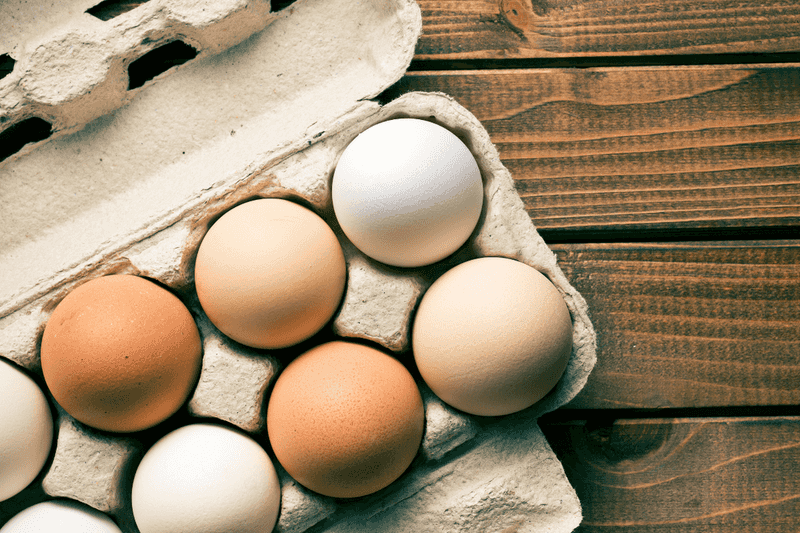
Once unfairly maligned for cholesterol content, eggs are now recognized as nutritional powerhouses perfect for senior diets. They contain all essential amino acids needed for muscle maintenance and repair. The yolks provide lutein and zeaxanthin, which protect against age-related macular degeneration.
Choline supports brain health and memory function. Soft-boiled or poached eggs make easily digestible protein sources for older adults with changing digestive needs.
16. Bell Peppers: Vitamin C Champions
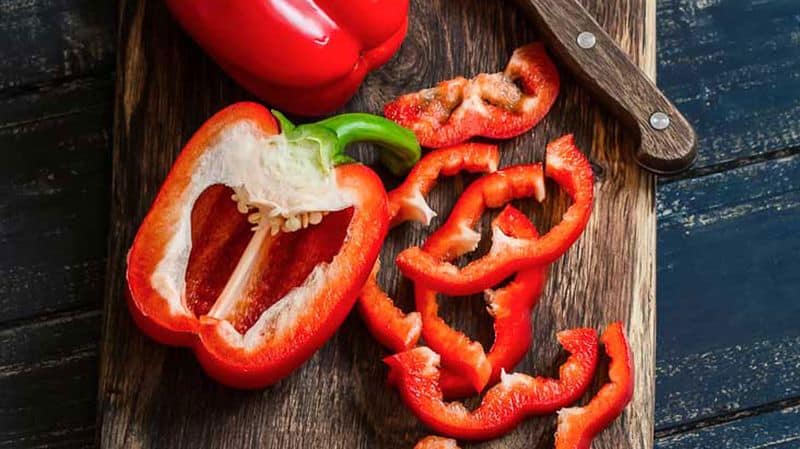
Colourful bell peppers contain more vitamin C than oranges, supporting immune function that naturally declines with age. Red varieties offer the most nutrients, including beta-carotene for eye health. Their crisp texture and sweet flavour make them enjoyable raw or cooked.
Low in calories but high in fibre, they help maintain healthy weight and digestion. Try them stuffed with quinoa and beans for a complete, nutritious meal.
17. Green Tea: Metabolism-Boosting Brew

Sipping green tea provides catechins, powerful antioxidants that may boost metabolism and support healthy weight maintenance. Research suggests regular consumption might reduce the risk of heart disease and certain cancers.
The L-theanine content promotes calm alertness without jitters, unlike coffee. For seniors watching caffeine intake, decaffeinated versions offer similar benefits. Enjoying 2-3 cups daily provides optimal health advantages while keeping you pleasantly hydrated.