













Even healthy foods can become less beneficial when eaten in excess. Nuts, avocados, and olive oil may be packed with nutrients, but they’re also high in calories that can quietly add up. Balance is key - enjoying wholesome foods in the right portions helps you get all their benefits without tipping the scales or overloading on certain nutrients.
This article is for general informational purposes only and should not be taken as medical or dietary advice. Nutritional needs vary depending on age, activity level, and health status. Always consult a qualified healthcare professional or registered dietitian before making major changes to your eating habits.
1. Hummus

Hummus, a beloved Middle Eastern dip, brings together chickpeas, tahini, and spices for a savory delight. While it's packed with fiber and protein, a small serving size is crucial. Overindulgence can result in excess calorie and fat intake, which might contribute to weight gain.
Store-bought varieties often contain extra oils and additives, upping the calorie count. Pairing with fresh vegetables instead of breads can help keep portions controlled.
2. Avocados
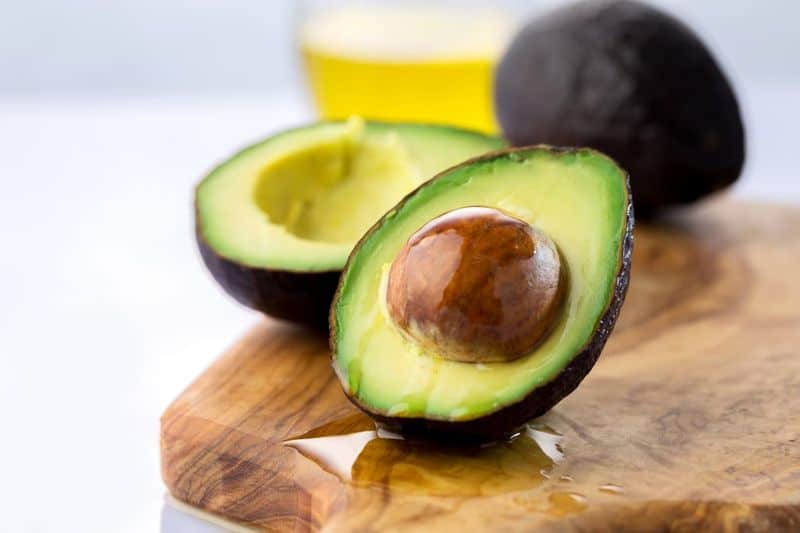
The creamy green fruit beloved by toast enthusiasts everywhere contains heart-healthy monounsaturated fats and fiber that keep you satisfied.
However, at 240 calories per avocado, these nutrition powerhouses can quickly contribute to weight gain if you're adding them to multiple meals daily. Limit yourself to half an avocado per day for balanced nutrition.
3. Granola
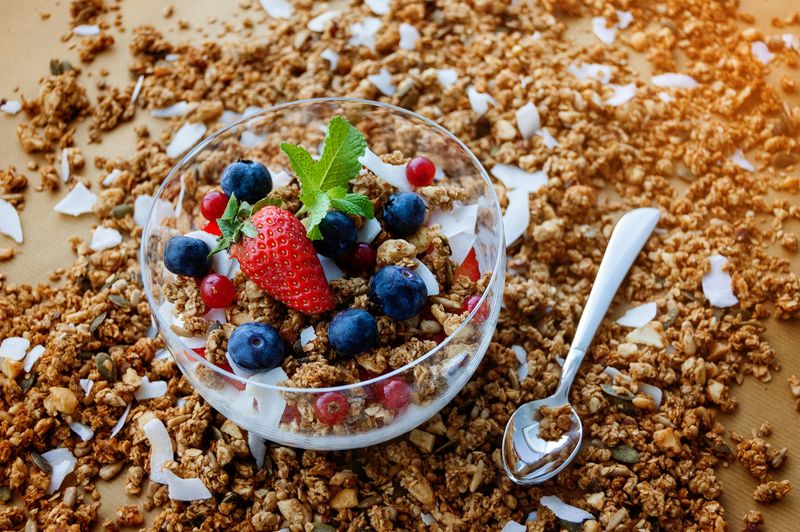
Granola is often marketed as a health food, filled with oats, nuts, and honey. Despite its wholesome ingredients, it’s incredibly calorie-dense. Just one cup can contain upwards of 600 calories, making moderation essential.
Many commercial brands are loaded with sugars and unhealthy fats, which can offset the intended health benefits. Opting for a homemade version can provide better control over ingredients.
4. Dried Fruit
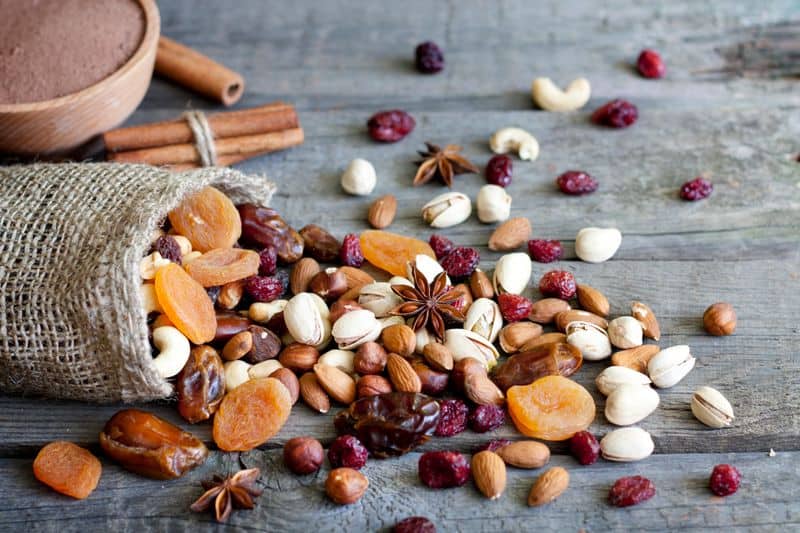
Chewy, sweet, and convenient, dried fruits pack concentrated nutrients and fiber into portable snacks. Their natural sweetness satisfies sugar cravings in a more nutritious way than candy.
The dehydration process removes water but concentrates sugars, making them calorie-dense. Just ¼ cup of dried cranberries contains about 100 calories and 22g of sugar. Pair with protein to prevent blood sugar spikes.
5. Smoothies

Vibrant and refreshing, smoothies can pack several fruit and vegetable servings into one delicious drink. They're perfect for busy mornings or post-workout recovery.
Many commercial versions contain added sugars, and even homemade ones can become calorie bombs. A 16oz berry smoothie might contain 300-400 calories, more than some meals! Keep portions reasonable and include protein to balance the natural sugars.
6. Dark Chocolate

Rich in antioxidants called flavanols, dark chocolate supports heart health and may improve mood through serotonin-boosting compounds. The intense flavor satisfies sweet cravings with less sugar than milk chocolate.
Still, a 100g bar contains around 600 calories and significant fat. Stick to 1-2 squares (about 30g) daily to reap benefits without excess calories or caffeine, which could disrupt sleep if eaten late.
7. Nuts (Almonds, Walnuts, Cashews)
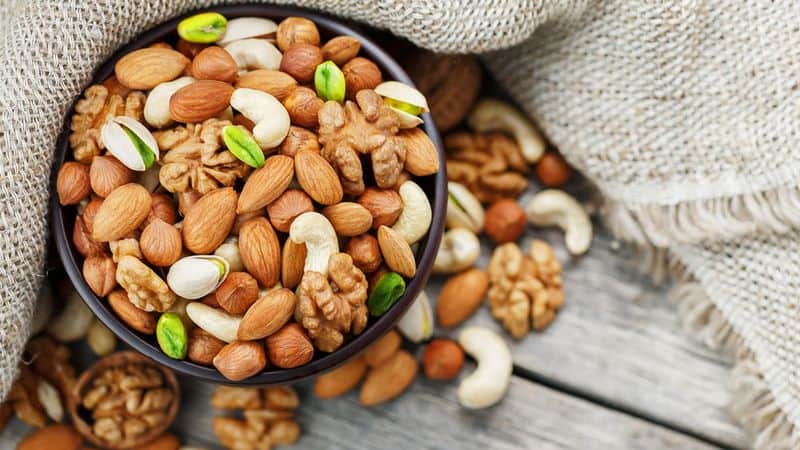
A handful of mixed nuts delivers protein, healthy fats, and minerals that support heart health and brain function. The satisfying crunch makes them irresistible!
Yet their caloric density means mindless munching can add hundreds of unexpected calories. A single ounce (about 23 almonds) provides 160-200 calories. Measure portions rather than eating straight from the container.
8. Wholegrain Bread
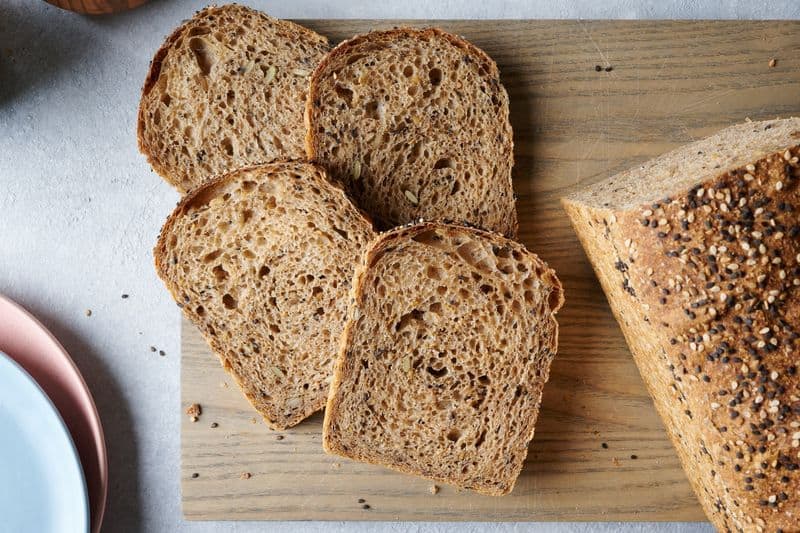
Sturdy and nutty-flavored, whole grain bread provides B vitamins, fiber, and sustained energy unlike its refined white counterpart. Those complex carbs fuel your brain and muscles effectively.
Even healthy bread contains about 80-100 calories per slice. Sandwiches with two thick slices can easily deliver 200+ calories before fillings. Consider open-faced sandwiches or limiting to 2-3 slices daily if watching weight.
9. Brown Rice
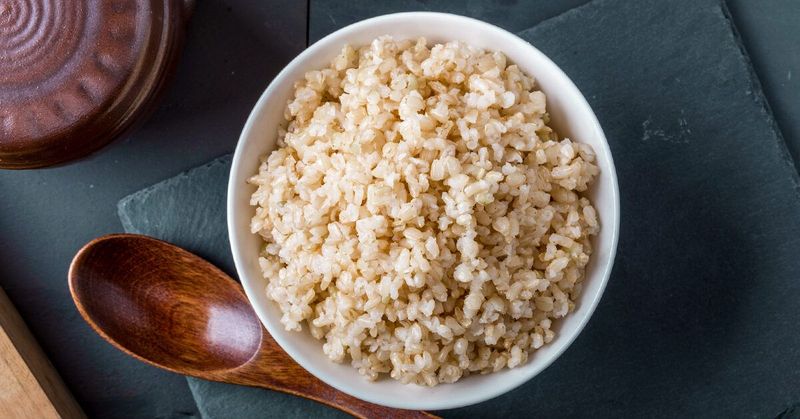
Fluffy brown rice retains its nutritious bran and germ layers, providing manganese, selenium and fiber that white rice lacks. Its nutty flavor and chewy texture make it a satisfying base for many meals.
A cup of cooked brown rice contains about 215 calories, enough to support activity but excessive in large portions. Some varieties may contain trace arsenic, so vary your grains with quinoa, barley or farro for balanced nutrition.
10. Quinoa
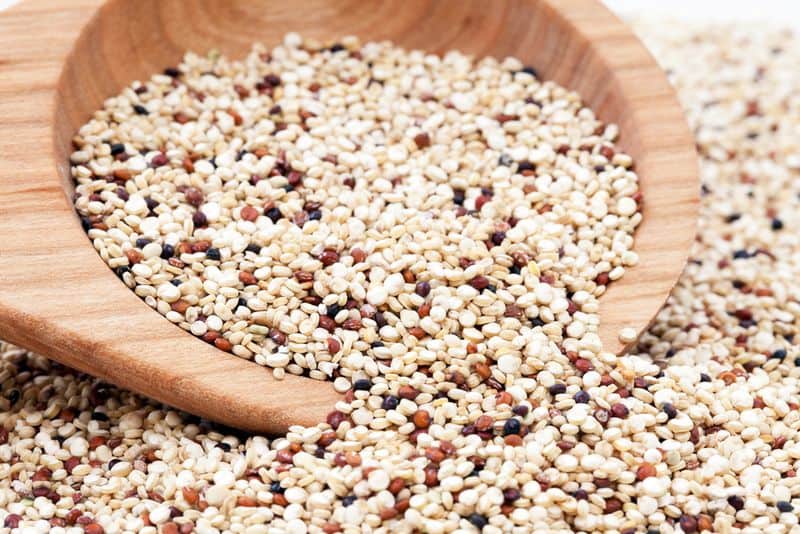
Ancient quinoa stands out as a complete protein source containing all nine essential amino acids, rare for plant foods! Its subtle nutty flavor and pleasant pop make it a versatile ingredient.
At 222 calories per cooked cup, quinoa can contribute significantly to daily intake. The tiny seeds expand dramatically when cooked, making it easy to overserve. Measure before cooking and stick to ½-1 cup portions for balanced meals.
11. Greek Yogurt

Tangy Greek yogurt delivers twice the protein of regular yogurt while supporting gut health with beneficial probiotics. Its thick, creamy texture makes it satisfying as both breakfast and snack.
Full-fat versions contain saturated fat, while flavored varieties often hide 15-20g of added sugar per serving. Choose plain, low-fat Greek yogurt and add your own fruit for sweetness. A 6-8oz serving provides plenty of nutrition without excess calories.
12. Chia Seeds
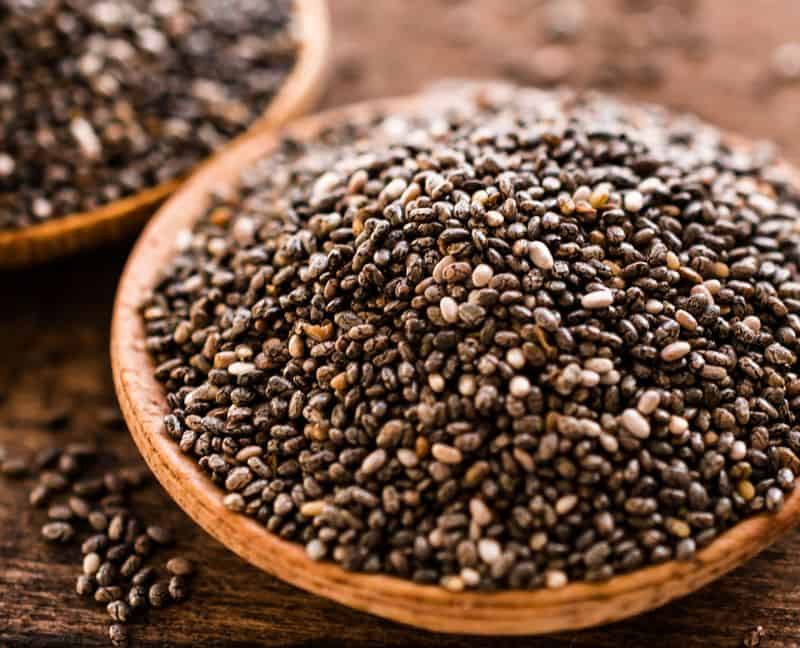
Tiny chia seeds pack an impressive nutritional punch with omega-3 fatty acids, fiber, and minerals in each tablespoon. They absorb liquid to form a filling gel that keeps hunger at bay.
Their high fiber content (10g per ounce) can cause digestive distress when consumed in large amounts. Start with 1-2 tablespoons daily and increase slowly. Remember that each tablespoon contains about 60 calories – they're small but mighty!
13. Coconut Oil

Fragrant coconut oil contains medium-chain triglycerides (MCTs) that may boost metabolism and provide quick energy. Its tropical flavor enhances both sweet and savory dishes.
With 120 calories per tablespoon, it's one of the most calorie-dense foods available. Despite trendy health claims, it's 90% saturated fat – higher than butter! Use sparingly (1-2 tablespoons daily) and balance with other healthy fats like olive oil.
14. Fruit (Especially Bananas, Grapes, And Mangoes)

Nature's candy delivers essential vitamins, minerals and fiber in deliciously sweet packages. Fresh fruits provide water content and antioxidants that processed snacks lack.
Higher-sugar fruits like bananas (14g sugar), mangoes (31g sugar per fruit), and grapes (15g per cup) can impact blood sugar levels. Balance them with protein or healthy fats, and limit to 2-3 fruit servings daily if you're watching blood sugar or weight.
15. Oily Fish (Salmon, Mackerel, Sardines)

Glistening with healthy fats, oily fish deliver omega-3 fatty acids that fight inflammation and support brain health. Their rich flavor makes them satisfying centerpieces for nutritious meals.
Larger predatory fish can contain mercury that accumulates in your body over time. Limit higher-mercury options like mackerel to twice weekly. Sardines and salmon are safer choices that can be enjoyed more frequently, aim for 2-3 servings weekly.
16. Lentils And Beans
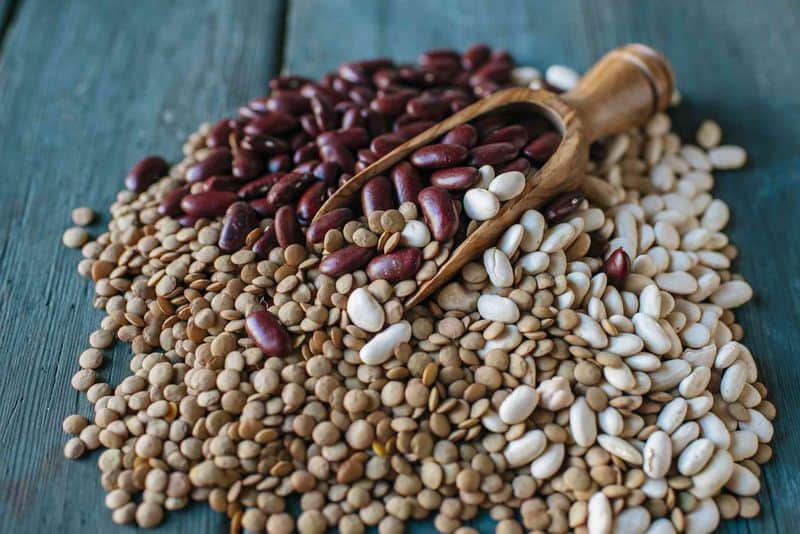
Budget-friendly protein powerhouses, legumes provide filling fiber and nutrients that support heart health and stable blood sugar. Their earthy flavors develop beautifully in soups and stews.
The oligosaccharides in beans can cause uncomfortable gas and bloating when consumed in large amounts. Start with ¼-½ cup portions and increase gradually as your digestive system adapts. Rinsing canned beans thoroughly can reduce these effects.
17. Nut Butters

Creamy nut butters spread easily on toast or apple slices, delivering protein and healthy fats that keep hunger at bay. Natural varieties without added sugar or oil offer the most nutritional benefits.
Two tablespoons of peanut butter pack 190 calories – easy to overconsume when eating straight from the jar! Measure your portions and stick to 1-2 tablespoons daily. Choose varieties with just nuts and maybe salt as ingredients.
18. Cruciferous Vegetables (Broccoli, Kale, Cabbage)
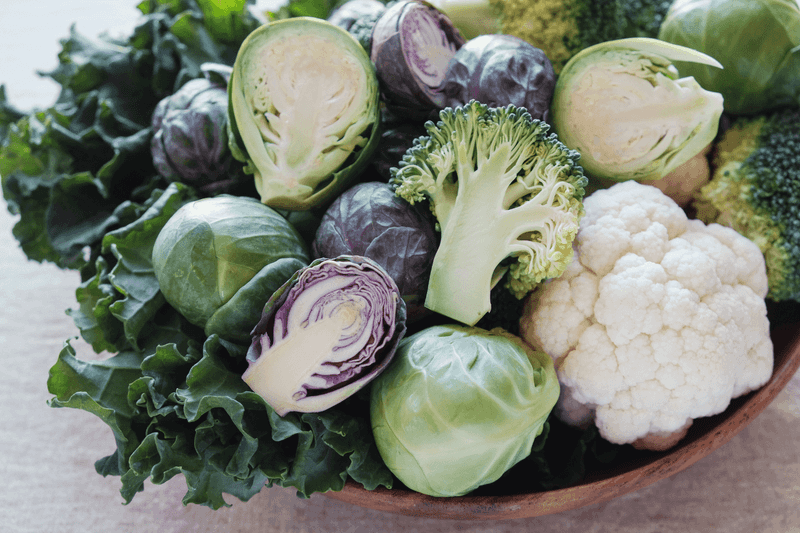
Cancer-fighting compounds called glucosinolates make cruciferous vegetables nutritional superstars. Their fiber content supports digestive health while their versatility works in everything from salads to stir-fries.
Raw cruciferous vegetables contain goitrogens that may affect thyroid function in sensitive individuals if eaten in very large amounts. Cooking reduces this effect. Some people experience bloating from their fiber content, so introduce them gradually if you're not used to them.
19. Protein Bars And Powders
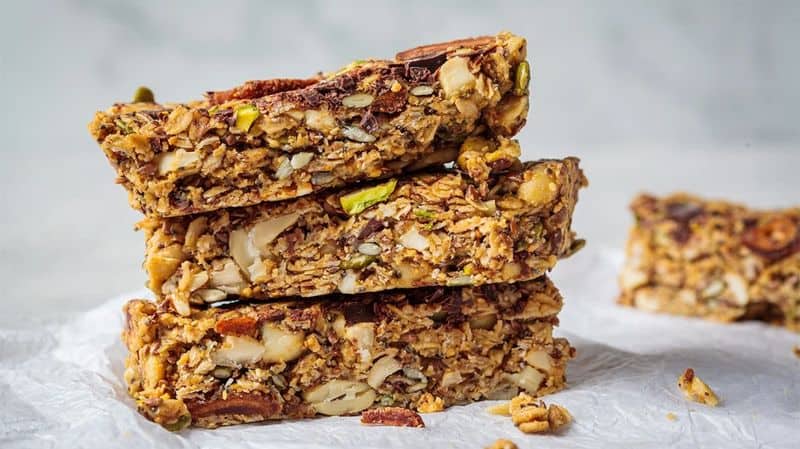
Convenient protein sources help athletes and busy people meet their nutritional needs when whole foods aren't practical. Quality options provide balanced macronutrients without excessive additives.
Many commercial protein products contain added sugars, artificial sweeteners, or processed ingredients. They're supplements, not replacements for real food. Limit to one serving daily and choose versions with minimal ingredients. Excessive protein (above 2g per kg body weight) strains kidneys long-term.



