













Food choices can influence how the body responds to everyday stress and activity.
Some foods are commonly linked in research with higher levels of inflammation, while others are often associated with more balanced, nutrient-rich eating patterns.
Looking at these foods side by side helps build a clearer picture of how everyday habits may shape overall wellbeing, without focusing on extremes or single ingredients.
All information is provided for general interest only.
Individual responses to food can vary.
For any health-related concerns or dietary changes, consult a qualified healthcare professional.
Taste, appearance, and availability may vary.
Photos are for illustrative purposes only.
Foods Commonly Linked With Higher Inflammation

This category generally refers to foods that are highly processed or rich in added sugars, salt, and saturated or trans fats.
Regularly relying on these foods is often linked in research to less balanced eating patterns, as they tend to be lower in fibre and essential nutrients.
The overall effect depends on portion size, frequency, and what makes up the rest of the diet.
1. Processed Meats

Those tasty breakfast strips come with a hidden cost.
Processed meats harbor advanced glycation end products (AGEs) and chemical preservatives like nitrates that trigger inflammatory responses in your body.
Regular consumption has been linked to increased markers of inflammation in blood tests.
Even occasional indulgence can cause noticeable reactions in sensitive individuals.
2. Sugary Beverages

That refreshing fizz masks a troubling truth.
Sodas and energy drinks flood your system with refined sugar and fructose, rapidly spiking blood sugar levels.
This triggers insulin resistance over time and promotes systemic inflammation throughout your body.
A single can contains more sugar than your body needs in an entire day!
3. Refined Carbohydrates

Behind that fluffy texture lies a stripped-down grain.
Manufacturing processes remove fiber and nutrients from refined carbs, leaving mainly empty calories that quickly convert to sugar.
Your body responds with sharp blood sugar spikes followed by inflammation.
The glycemic impact of white bread can actually rival pure table sugar in some cases.
4. Fried Foods

Crispy and irresistible on the outside, inflammatory on the inside.
Fried foods typically cook in vegetable oils that oxidize at high temperatures, creating compounds that trigger inflammation.
Many also contain trans fats despite labeling regulations.
Your body's inflammatory response to these foods can last for hours after eating that crunchy treat.
5. Trans Fats

Once marketed as heart-healthy alternatives, trans fats are now recognized as inflammatory villains.
These artificially created fats disrupt cell membrane function and directly promote inflammation throughout your body.
Though banned in many countries, they still lurk in processed foods.
Even products labeled "0g trans fat" can legally contain up to 0.5g per serving!
6. Excess Alcohol

That relaxing evening drink might be causing unseen inflammation.
Alcohol, particularly when consumed heavily, damages the protective lining of your gut, allowing bacteria to enter your bloodstream.
This triggers immune responses and raises inflammatory markers like C-reactive protein.
Your liver also becomes inflamed as it works overtime to process the alcohol.
7. Red Meat
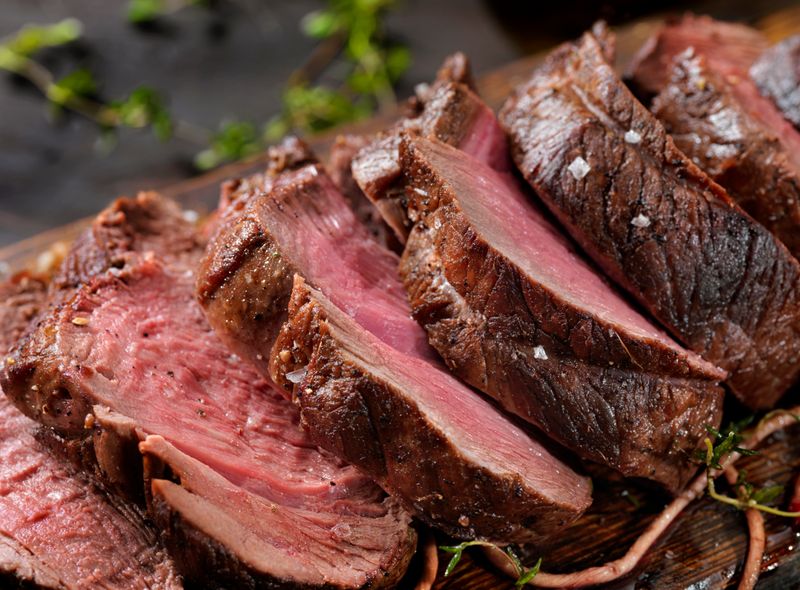
The weekend steak might be a treat, but daily servings spell trouble.
Red meat contains high levels of saturated fat and forms advanced glycation end products (AGEs) during cooking.
These compounds trigger inflammatory responses when consumed regularly.
Studies show people who eat red meat daily have significantly higher inflammatory markers than those who consume it occasionally.
8. Artificial Sweeteners
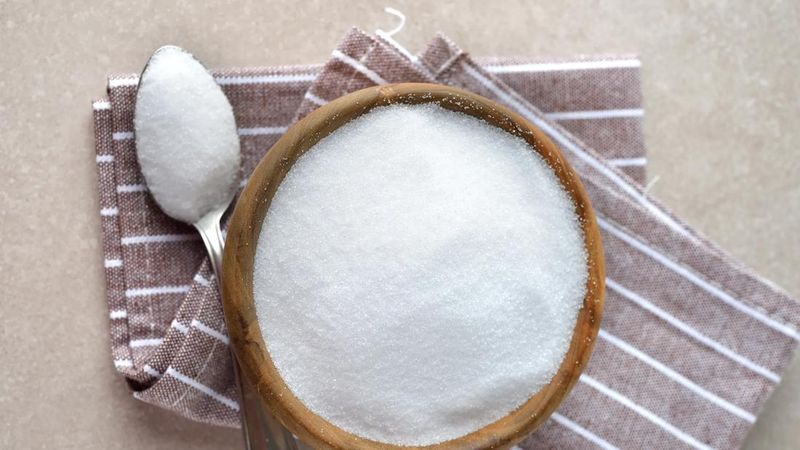
Zero calories doesn't mean zero consequences.
For many people, artificial sweeteners like aspartame and sucralose disrupt gut bacteria balance, leading to unexpected inflammatory responses.
Research suggests they may alter metabolism and trigger glucose intolerance.
The body's confusion when tasting sweetness without calories can initiate inflammatory pathways in sensitive individuals.
9. High-Fructose Corn Syrup
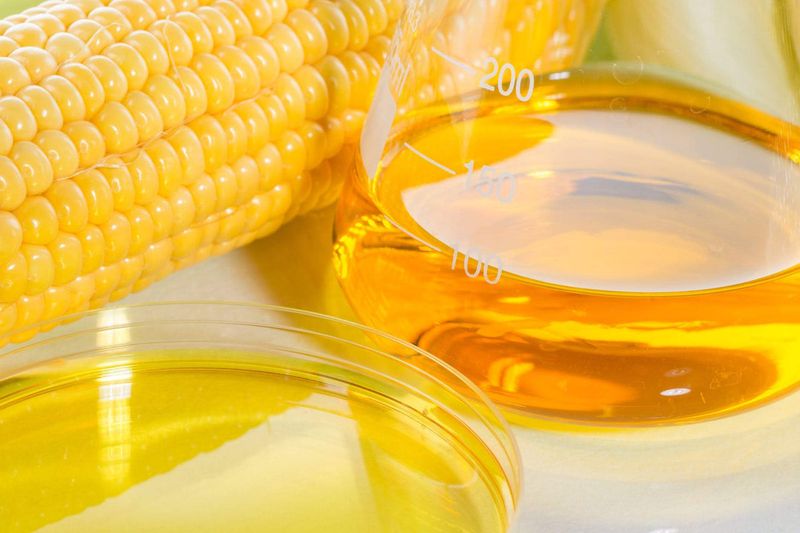
Hidden in plain sight on ingredient lists, this sweetener is particularly problematic.
High-fructose corn syrup bypasses normal digestive processes and heads straight to your liver, where it triggers fat production.
This can cause liver inflammation similar to alcohol consumption.
Found in everything from ketchup to bread, this sweetener is linked to metabolic syndrome and chronic inflammation.
10. Ready Meals High In Salt And Saturated Fat

Some ready meals are convenient and time-saving, but certain options contain higher levels of salt and saturated fat to enhance flavour and shelf life.
Eating these frequently may contribute to higher intake of ingredients that are commonly associated with inflammatory dietary patterns.
Checking labels and balancing them with fresh foods can help keep overall intake more varied.
11. Ultra-Processed Foods

Convenience comes at an inflammatory cost.
Ultra-processed foods combine multiple inflammation triggers, refined carbs, unhealthy fats, chemical additives, and preservatives, in one convenient package.
The body struggles to recognize these as actual food.
Studies show that people who consume primarily ultra-processed foods have significantly higher inflammatory markers than those eating mostly whole foods.
Foods Commonly Associated With Anti-Inflammatory Eating
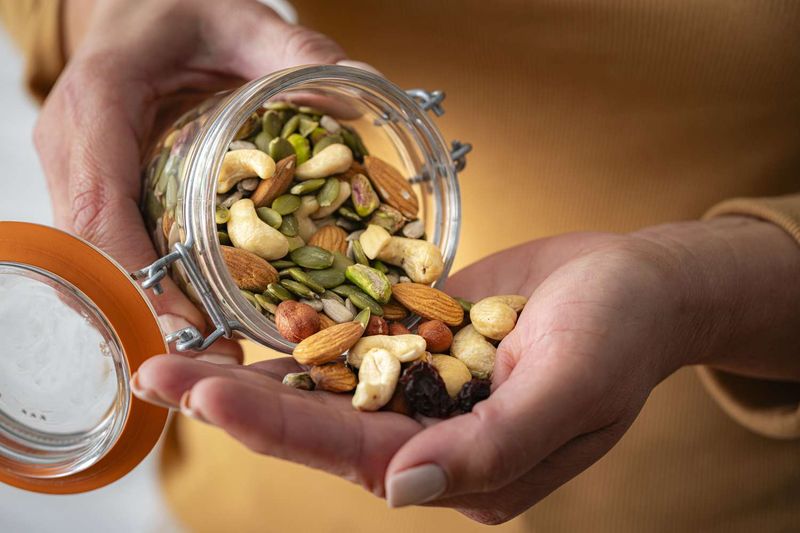
This group usually includes foods that are rich in fibre, healthy fats, vitamins, and natural antioxidants.
Fruits, vegetables, whole grains, legumes, nuts, and oily fish often appear in dietary patterns linked with lower levels of inflammation.
These foods support overall nutritional balance rather than acting as single-purpose solutions.
12. Fatty Fish
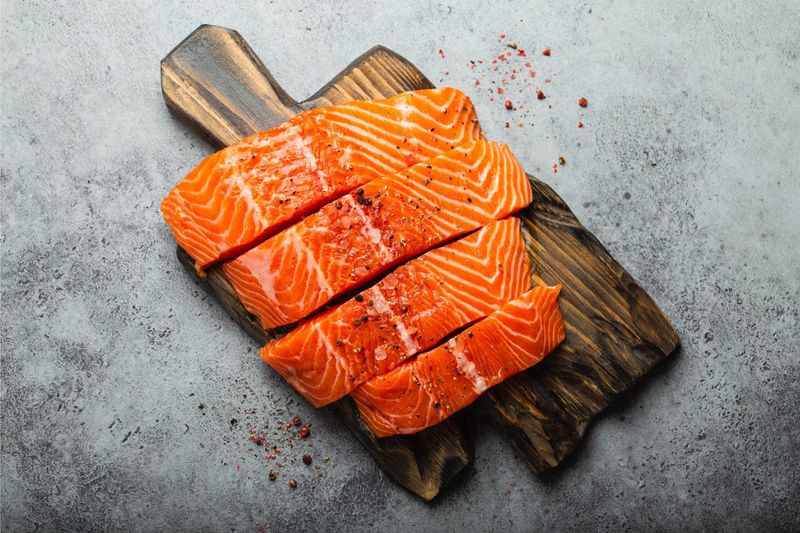
Nature's anti-inflammatory powerhouses swim in cold waters.
Fatty fish deliver potent omega-3 fatty acids that directly block inflammatory pathways in your body.
These essential fats compete with inflammatory omega-6s found in processed foods.
Just two servings weekly provides enough DHA and EPA to noticeably reduce joint pain and inflammation in many people.
13. Leafy Greens
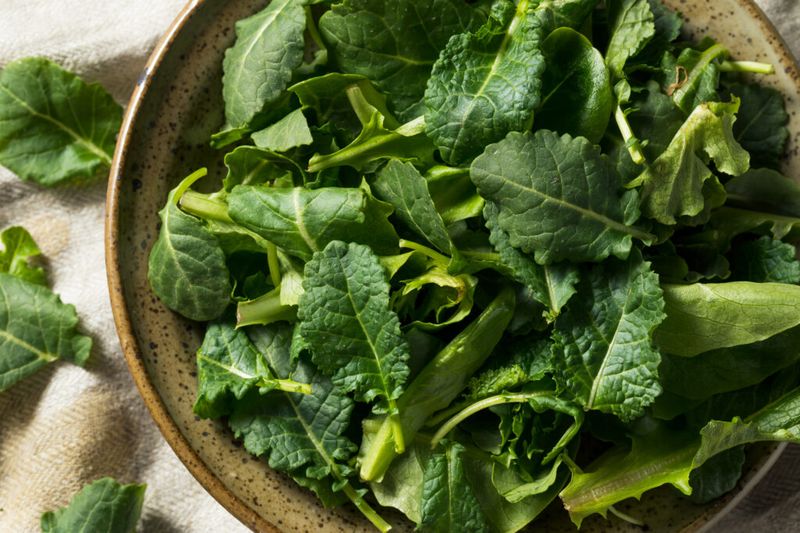
Humble leaves pack powerful anti-inflammatory compounds.
Leafy greens contain antioxidants like lutein that neutralize free radicals before they cause inflammatory damage.
Their high vitamin K content regulates inflammatory responses.
Magnesium in these vegetables helps relax blood vessels and reduce inflammation.
Just one daily serving can significantly lower inflammatory markers in your blood.
14. Berries

Tiny fruits with giant anti-inflammatory benefits!
Berries contain specialized anthocyanins, the compounds that give them their vivid colors, which directly inhibit inflammatory molecules.
Their vitamin C content repairs tissue damage and fights inflammation.
Research shows that eating berries regularly can reduce inflammatory markers by up to 25% in some individuals.
15. Extra Virgin Olive Oil
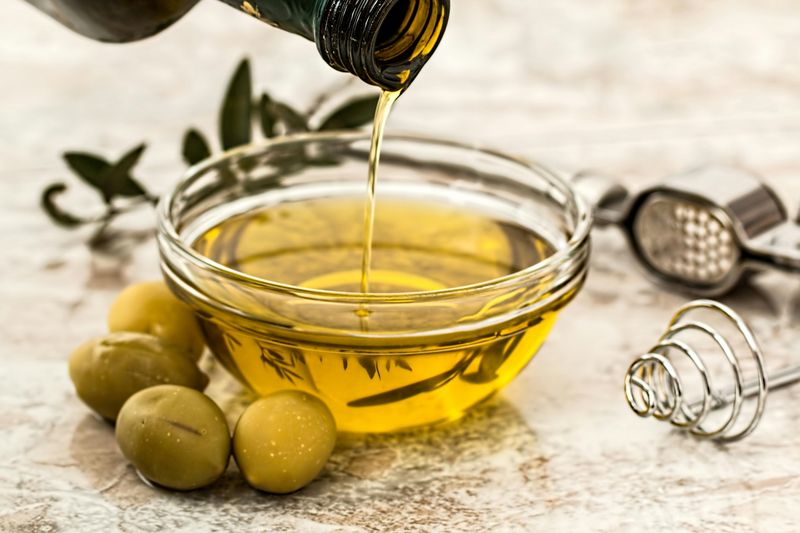
Liquid gold for fighting inflammation!
Extra virgin olive oil contains oleocanthal, a natural compound that works similarly to ibuprofen by inhibiting inflammatory enzymes.
Its monounsaturated fats also help reduce oxidative stress in blood vessels.
Studies show that consuming 2-3 tablespoons daily can lower inflammatory markers as effectively as some medications in people with chronic inflammation.
16. Turmeric
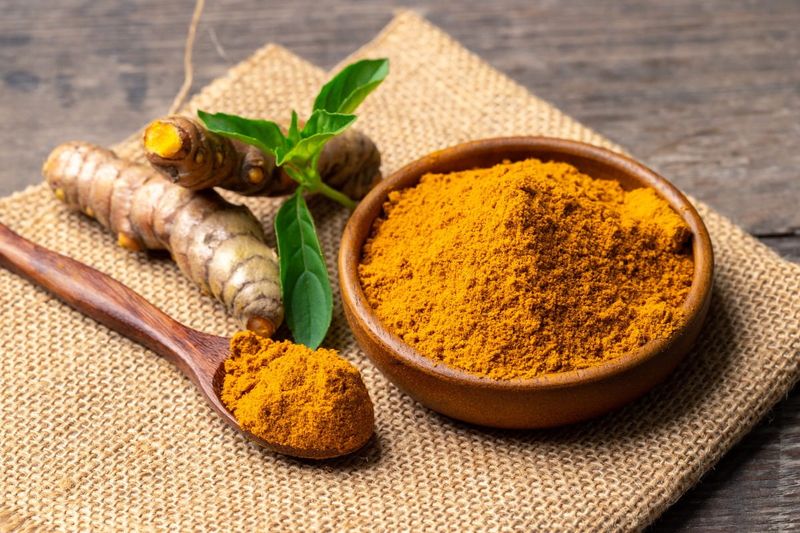
The golden spice with remarkable healing power.
Turmeric contains curcumin, which blocks NF-kB, a molecule that activates inflammatory genes in your cells.
It also enhances production of anti-inflammatory cytokines.
For maximum benefit, always pair turmeric with black pepper.
The piperine in pepper increases curcumin absorption by an astounding 2000%!
17. Green Tea

Each steaming cup delivers powerful anti-inflammatory protection.
Green tea's epigallocatechin gallate (EGCG) inhibits the production of pro-inflammatory cytokines and destructive enzymes.
It also preserves cartilage and bone.
Regular drinkers show lower levels of C-reactive protein, a key marker of inflammation.
Just 2-3 cups daily provides noticeable anti-inflammatory benefits.
18. Ginger
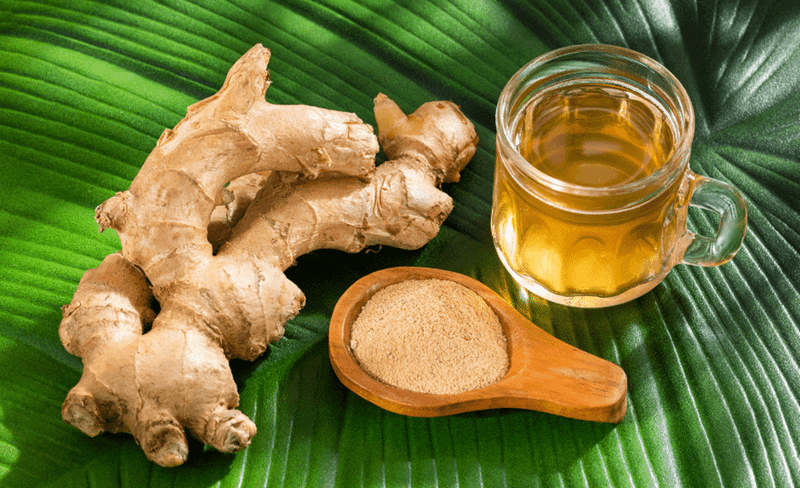
Spicy root with remarkable pain-fighting abilities.
Ginger contains gingerols and shogaols that block inflammatory pathways similar to how NSAIDs work, but without side effects.
These compounds reduce muscle pain after exercise and ease joint stiffness.
Fresh ginger is most potent, but even dried powder retains significant anti-inflammatory properties that activate within 30 minutes of consumption.
19. Tomatoes
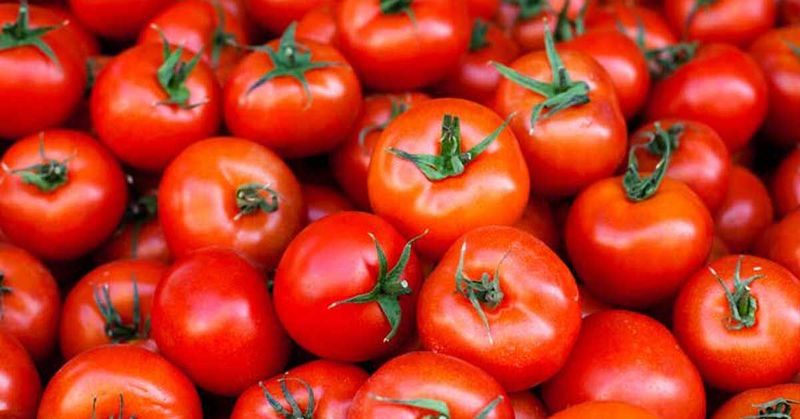
Red fruits with a secret inflammation-fighting superpower.
Tomatoes are rich in lycopene, a carotenoid that neutralizes free radicals before they trigger inflammation.
Cooking actually increases lycopene availability, making tomato sauce more beneficial than raw tomatoes.
Studies show that regular consumption can reduce inflammatory markers related to heart disease and certain cancers.
20. Nuts
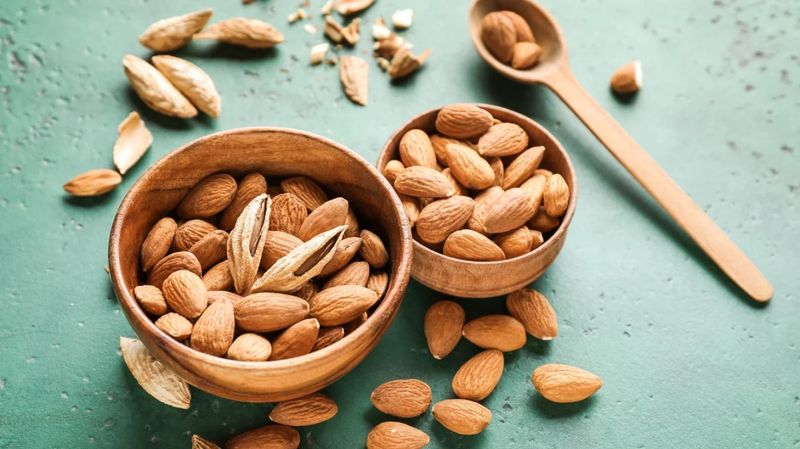
Small packages delivering powerful anti-inflammatory nutrition.
Nuts contain unique combinations of healthy fats, fiber, and vitamin E that work together to calm inflammatory responses.
Walnuts specifically provide plant-based omega-3s.
Research shows that people who eat nuts regularly have 20% lower inflammatory markers than those who rarely consume them.
Just a small handful daily delivers significant benefits.
21. Garlic

Ancient remedy with modern scientific backing.
Garlic contains sulfur compounds that inhibit enzymes involved in inflammation and boost production of anti-inflammatory messengers.
These compounds become more potent when garlic is crushed and allowed to sit before cooking.
Regular consumption strengthens immune function while reducing inflammatory responses.
Just one clove daily provides measurable anti-inflammatory effects.
22. Beans And Lentils
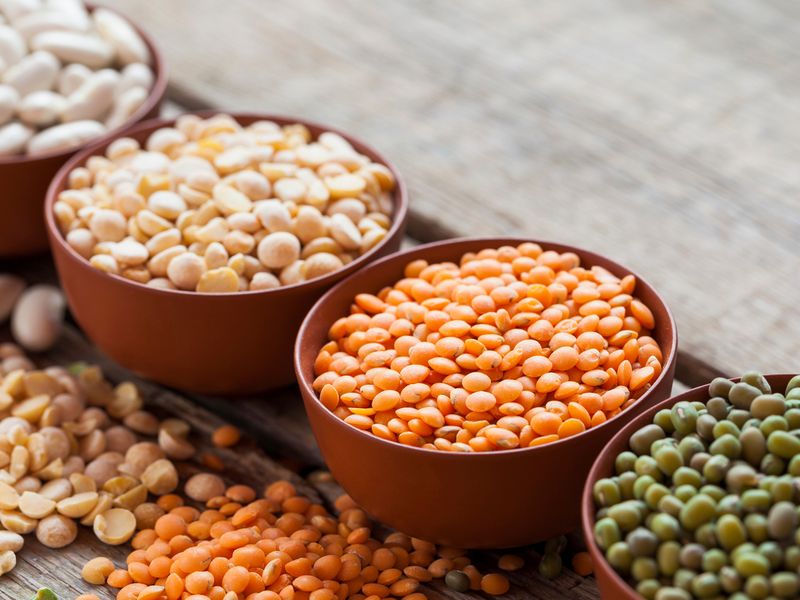
Beans and lentils are widely valued for their fibre, plant protein, and mineral content.
They are filling, versatile, and commonly used in soups, stews, salads, and curries.
Their nutritional profile means they are often included in eating patterns associated with balanced blood sugar levels and digestive health.



