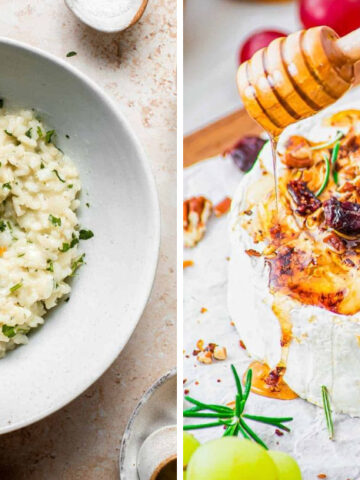




Your tongue picks up sweetness less strongly when food is cold, which is why melted ice cream tastes sickly sweet. Temperature quietly changes what your taste buds report back to your brain.
Cold also firms up fats and sets gelatine, so textures shift as well as flavours. Starch does its own trick too, tightening up as it cools overnight.
I love that the fridge does some of the cooking for you while you sleep. All you have to do is open the door and stand there in the glow.
That little midnight raid might be smarter than it looks. So which leftovers are worth skipping the microwave for?
1. Cold Pizza
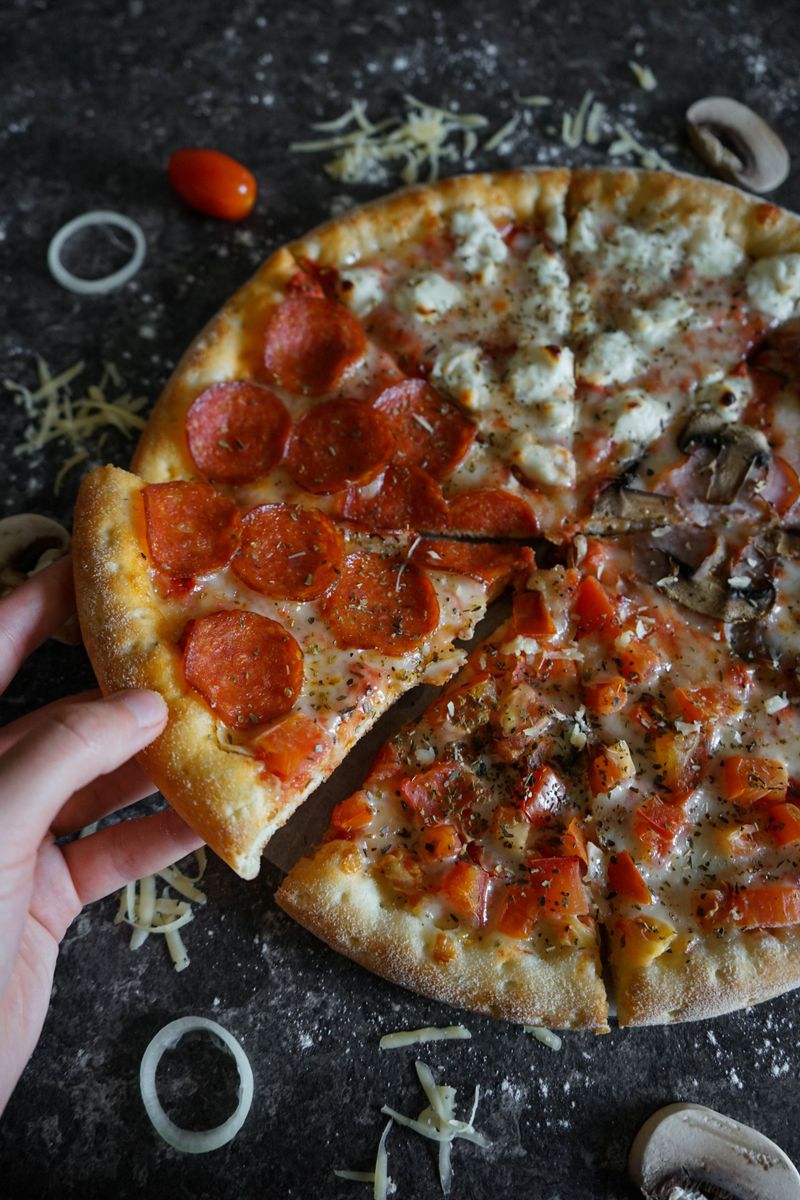
Breakfast pizza sounds like a student habit, yet the cold slice has serious fans for good reason. Once chilled, the cheese firms up and stops sliding off at the first bite.
The base changes too, turning denser and chewier rather than soft and floppy. Tomato sauce settles into a thicker layer, so the tangy flavour comes through in a more concentrated way.
Toppings with plenty of salt, such as pepperoni, olives or anchovies, hold up particularly well cold. Plain cheese and tomato is a close second, especially on a thin, crisp base.
Storage makes the difference between a treat and a sad, dry wedge. Get leftovers into the fridge within two hours of delivery and wrap slices tightly or use an airtight box.
Eat them within a couple of days for the best texture. Then stand at the counter, fold your slice in half, and enjoy one of life's finest lazy breakfasts.
2. Leftover Curry
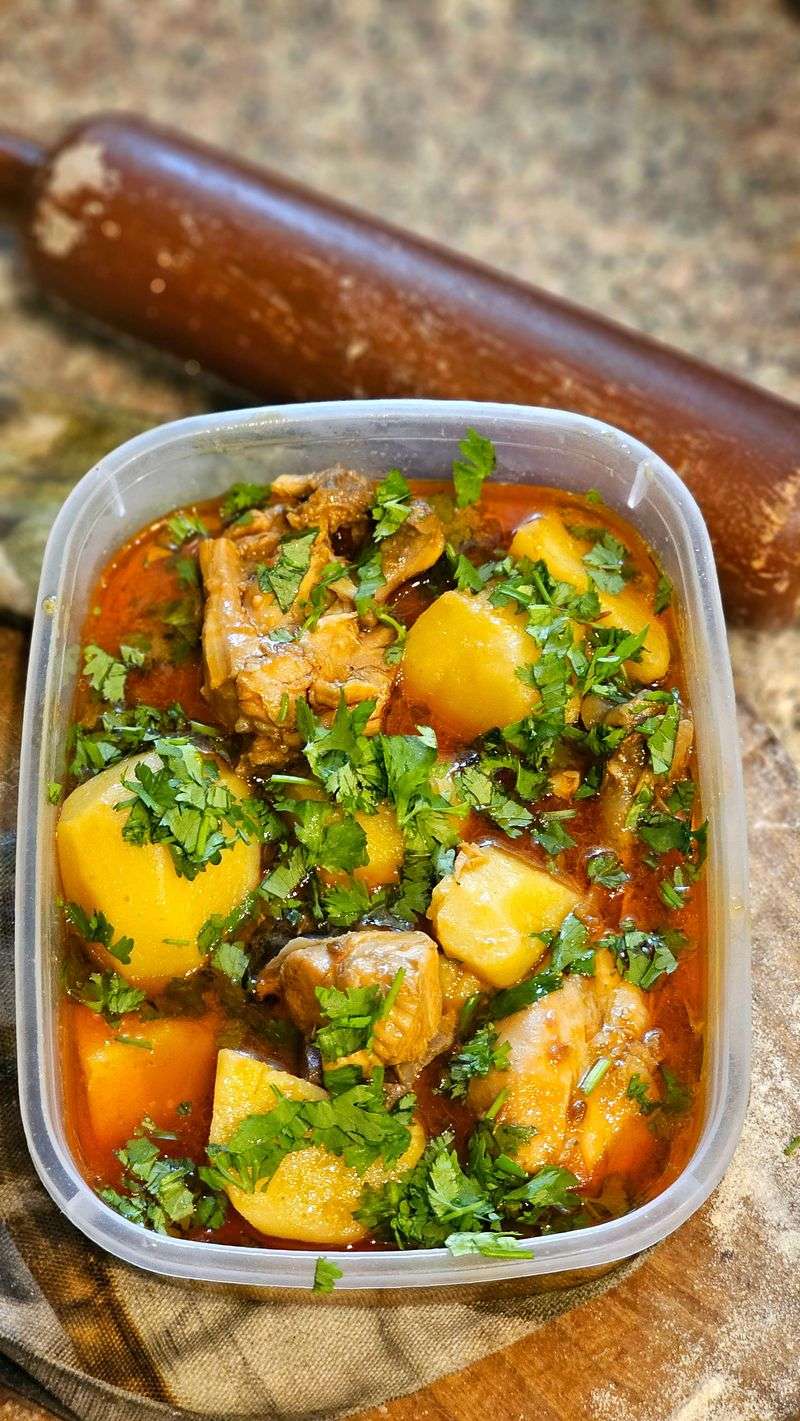
Plenty of curry lovers argue the second day beats the first, and the fridge deserves the credit. As the dish rests overnight, spices and aromatics carry on mingling through the sauce.
Sharp notes from raw garlic or ginger soften, so the flavour feels rounder and calmer. If the curry contains meat on the bone, gelatine from the cooking can set the sauce into a soft jelly.
Thick, dry-style curries and dals work best for a cold spoonful. A chickpea curry or a spiced potato dish tastes surprisingly good scooped onto a chapati straight from the box.
Food safety matters here more than most items on this list. Cool leftovers quickly, refrigerate within two hours, and eat within two days.
Rice needs extra care, so cool it within an hour, keep it in the fridge and eat it within a day.Treat it right, and Saturday's takeaway becomes a Sunday lunch with even more personality.
3. Scotch Eggs
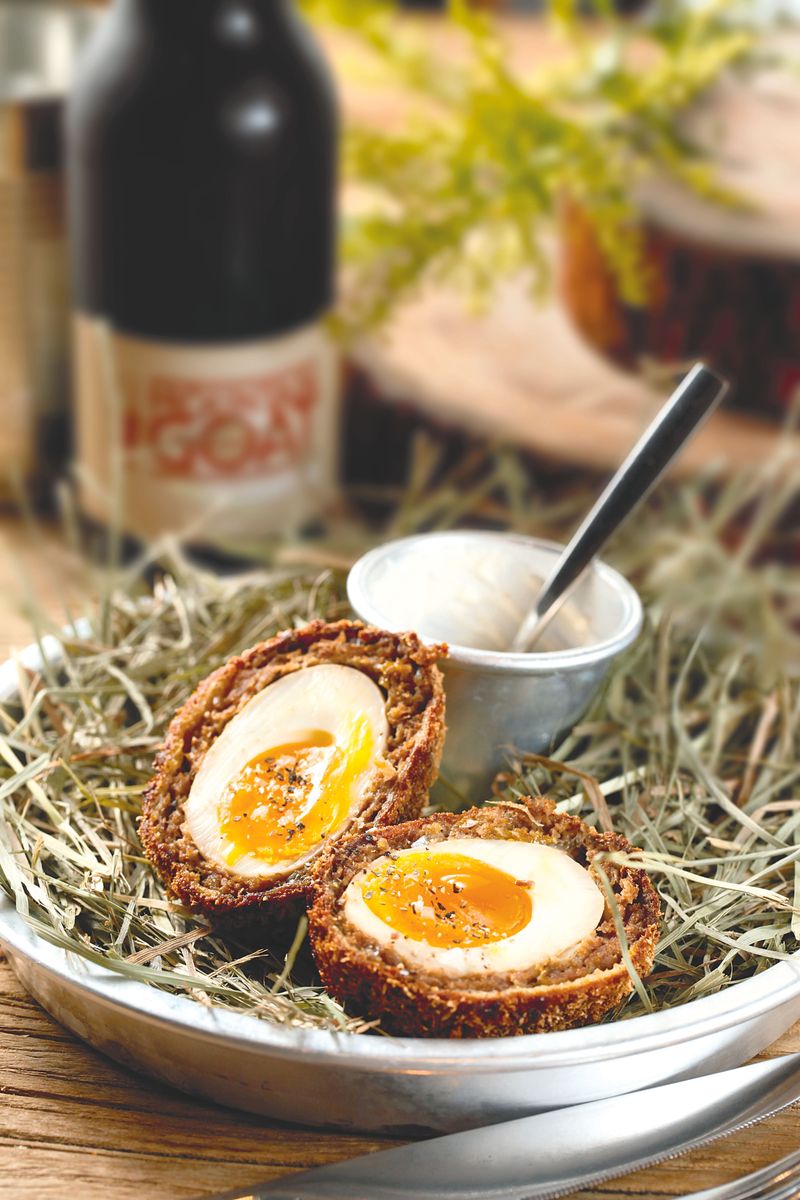
Few snacks were built for a picnic basket quite like the Scotch egg. London department store Fortnum and Mason claims to have created it in the 1730s, though the story is debated.
Served cold, the layers stay neat and separate when you cut through. You get crumb, then savoury sausage meat, then a firm white and a set yolk.
Fresh, softly boiled versions with jammy centres are lovely hot, but a fully set yolk travels better. It won't ooze across your lunchbox or your lap on a train.
Pair it with a sharp partner to cut through the richness. English mustard, piccalilli or a spoonful of brown pickle all bring the tang that sausage meat needs.
If you make your own, cool them completely before chilling and eat within two days. Pub snack, picnic star or fridge raid, it plays every role with ease.
4. Brownies
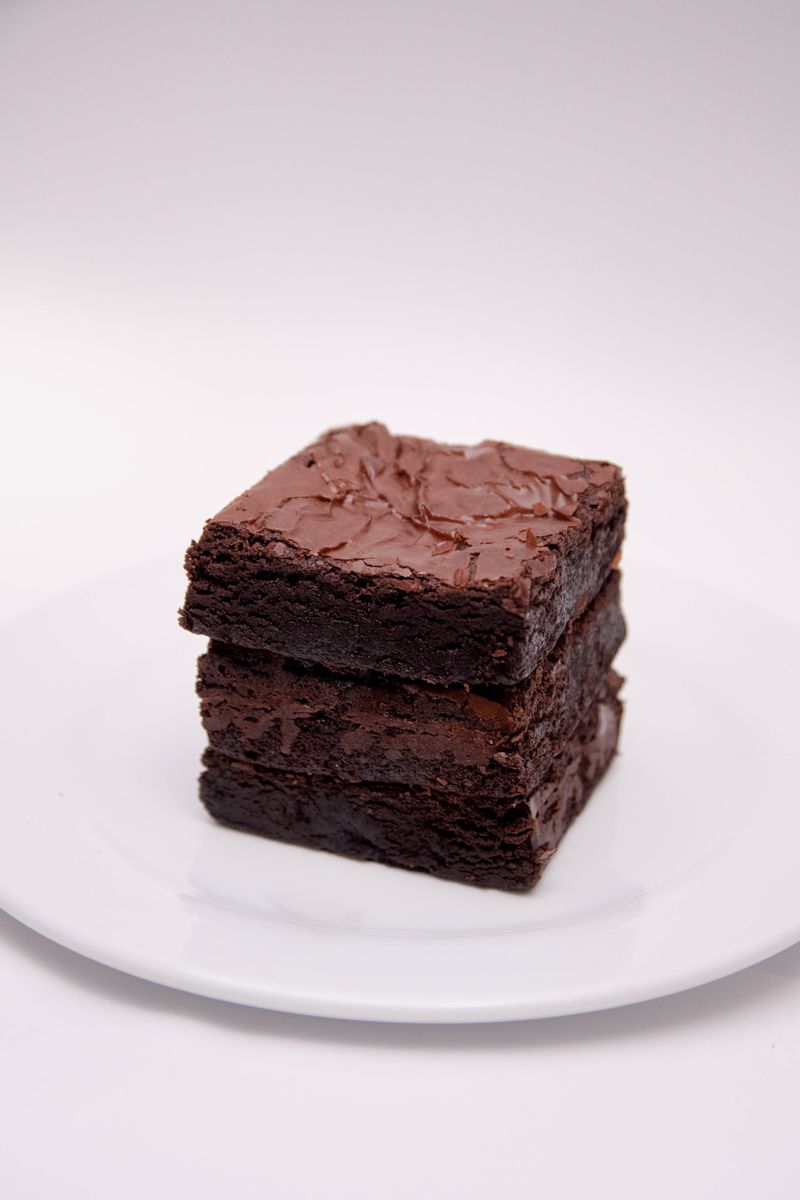
Chocolate brownies fresh from the oven get the attention, but a chilled square is a different pudding entirely. Cold firms up the butter and chocolate, so the middle turns dense and fudgy.
The texture becomes closer to a chocolate truffle than a cake. Each bite needs a proper chew, and the crackly top stays intact rather than crumbling.
A fridge also helps with cutting tidy squares. Chill the whole slab for a few hours, then use a hot, dry knife, wiping it clean between slices.
Brownies with nuts, cherries or a swirl of salted caramel are especially good this way. The add-ins hold their shape, and the caramel turns pleasingly chewy.
Keep them in an airtight tin or box so they don't pick up stray fridge smells. Mention any nuts if you're sharing, since allergies are easy to miss in a dark crumb.
5. Quiche Lorraine
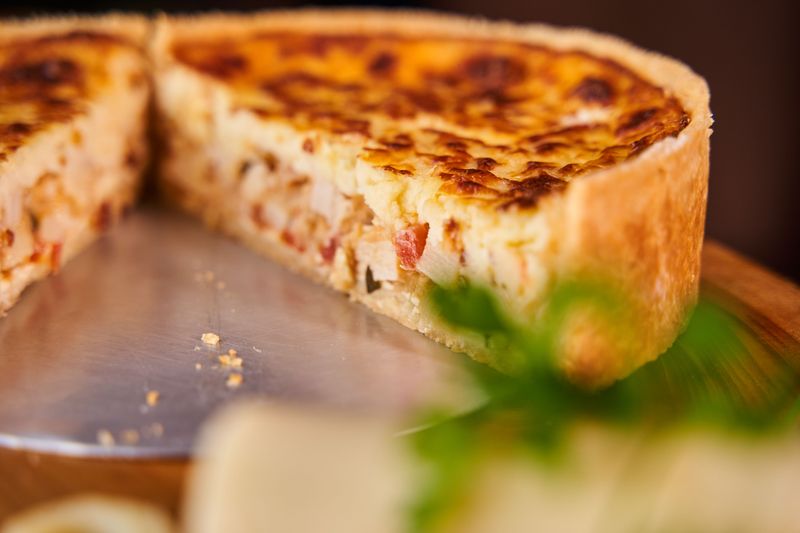
Straight out of the oven, quiche wobbles and weeps when you slice it. Give it a night in the fridge, and that custard sets into a smooth, clean-cutting filling.
Quiche Lorraine comes from the Lorraine region of north-eastern France. The classic filling is eggs, cream and smoky bacon, with cheese often added in modern versions.
Cold, the bacon tastes saltier and more pronounced against the mild custard. The pastry firms up too, so a wedge holds its shape in your hand.
Let it cool fully at room temperature for no more than about an hour before covering and chilling. That stops condensation forming and turning the base soggy.
It keeps for around three days in the fridge. Add a sharp green salad with a mustardy dressing, and you have a summer lunch that took zero effort on the day.
6. Rice Pudding
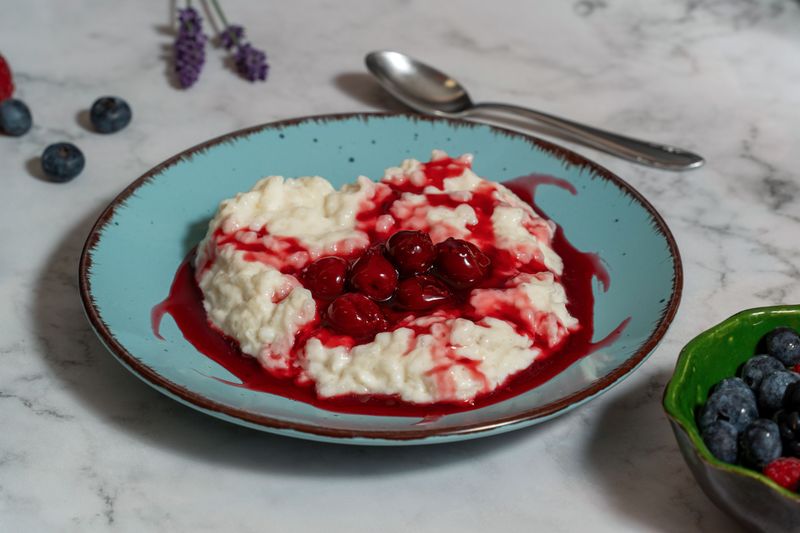
Grandparents across Britain have long kept tins of rice pudding in the cupboard, but the fridge improves it. Chilled, the starch from short-grain pudding rice thickens the whole thing into a dense, creamy spoonful.
Cold rice pudding tastes slightly less sweet, so the milky, vanilla flavours come forward. The texture lands somewhere between a custard and a soft porridge.
Homemade versions are worth the slow bake. Pudding rice, whole milk, sugar and a grating of nutmeg, cooked low at about 150°C, will give you that classic golden skin.
Toppings make it feel like a different pudding each time. A spoon of raspberry jam, stewed rhubarb, or a drizzle of golden syrup all work well.
Cool homemade rice pudding quickly and keep it covered for up to two days. Eating it from the bowl at the fridge door is, of course, entirely optional.
7. Sausage Rolls
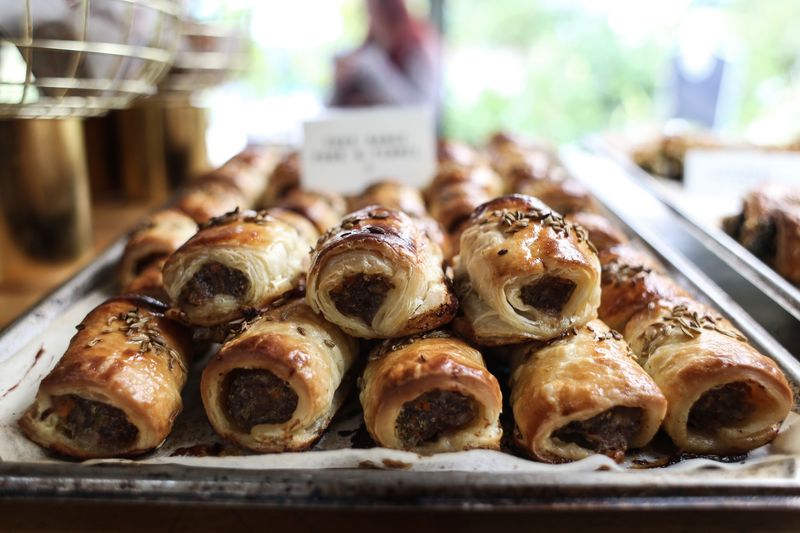
A plate of sausage rolls at a party buffet rarely waits around long enough to go warm. Cold ones have their own loyal following, especially the day after.
Chilling firms up the pork filling, so the seasoning of pepper, sage or nutmeg reads more clearly. Each bite feels meatier and more solid than a hot one.
Puff pastry softens a little in the fridge, which some people prefer for its tender chew. If you want more crunch, let them sit at room temperature for twenty minutes before eating.
Homemade versions should be baked until the filling is piping hot all the way through. Then cool them on a rack before chilling, so steam doesn't make the base soggy.
Store them in a covered box and eat within two days. A dab of brown sauce or a spoonful of tomato chutney is the finishing touch.
8. Potato Salad
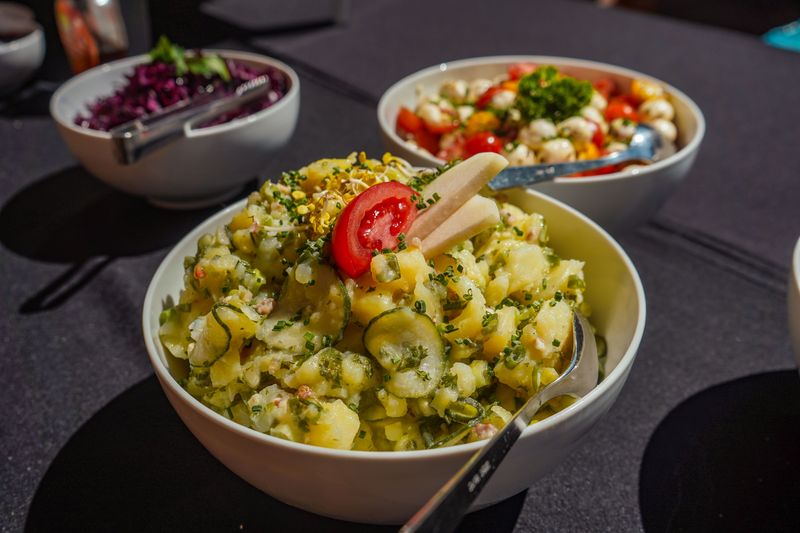
Potatoes are thirsty things, which is exactly why this salad improves after a rest. Toss them in dressing while still warm, and they soak up far more flavour.
Waxy varieties such as Charlotte or Jersey Royals hold their shape after boiling. Floury potatoes like Maris Piper tend to break up and turn mushy.
A few hours chilling lets mayonnaise, mustard and chives settle into each chunk. Cold firms the potato slightly, giving you a clean bite instead of a soft mash.
For a lighter version, swap half the mayonnaise for natural yoghurt or crème fraîche. A splash of vinegar on the hot potatoes first adds brightness too.
Keep the salad chilled and don't leave it out in the sun for long at a barbecue. Eat within two to three days, ideally beside something charred from the grill.
9. Cold Roast Chicken
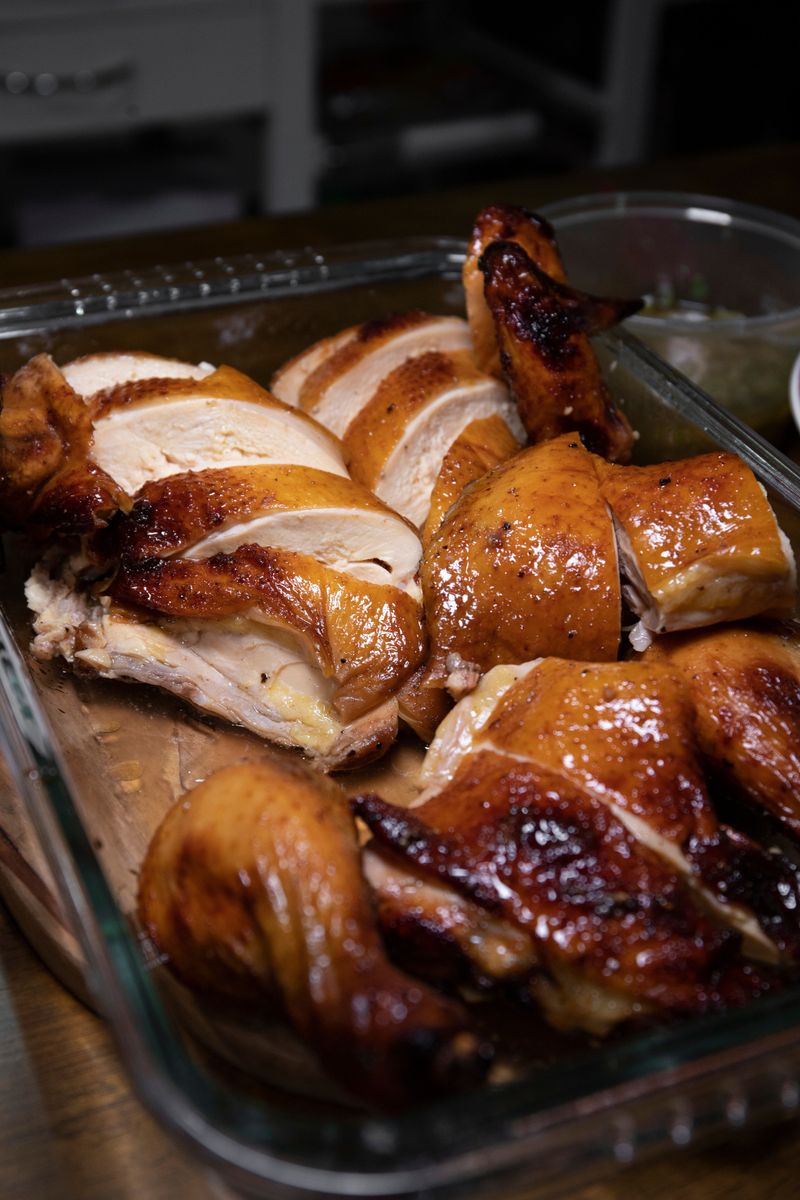
Monday lunches owe a lot to the Sunday roast. A few pieces of cold chicken, picked from the carcass, can feel like a small reward for doing the washing up.
As roast chicken chills, the meat firms and slices neatly. The flavour turns milder, so it welcomes bold partners rather than competing with them.
Try it with a punchy mango chutney, a dollop of coronation-style curried mayonnaise or a sharp piccalilli. Crusty bread and a few pickled onions round it off.
Thighs and drumsticks stay juicier when cold than breast meat, thanks to their extra fat. Breast tastes best shredded into a sandwich with plenty of dressing.
Strip the meat within two hours of serving and refrigerate it in a sealed box. Use within two days, and it rarely lasts that long.
10. Coleslaw
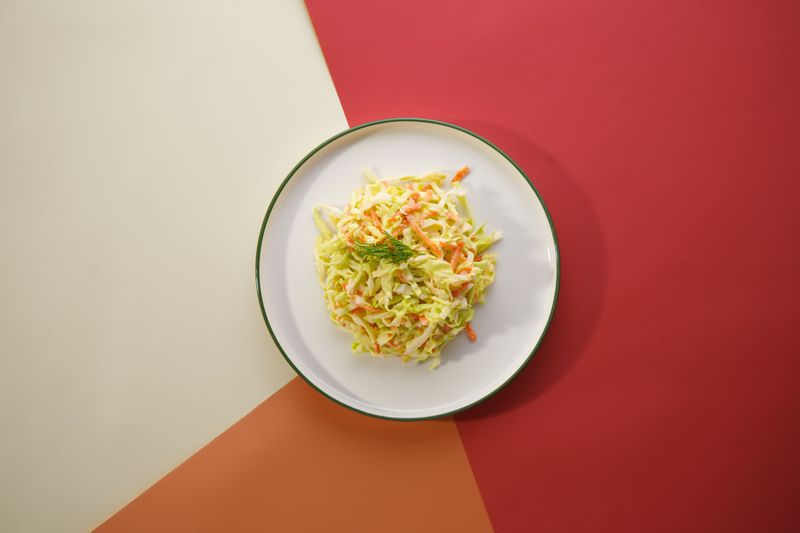
Freshly mixed coleslaw can taste like raw cabbage wearing a coat of mayonnaise. An hour or two in the fridge changes that, as the dressing draws moisture and softens the shreds slightly.
The name comes from the Dutch koolsla, meaning cabbage salad. British versions usually stick to white cabbage, grated carrot and a little onion.
Salting the shredded cabbage first and squeezing out the liquid keeps your slaw from going watery. Rinse and dry it well afterwards, so it isn't too salty.
For extra crunch, add sliced apple or a handful of toasted seeds. A spoonful of English mustard in the dressing gives a welcome kick.
Store it covered and eat within three days. It's the cool, crunchy partner that a jacket potato or a cheese sandwich didn't know it needed.
11. Spanish Tortilla
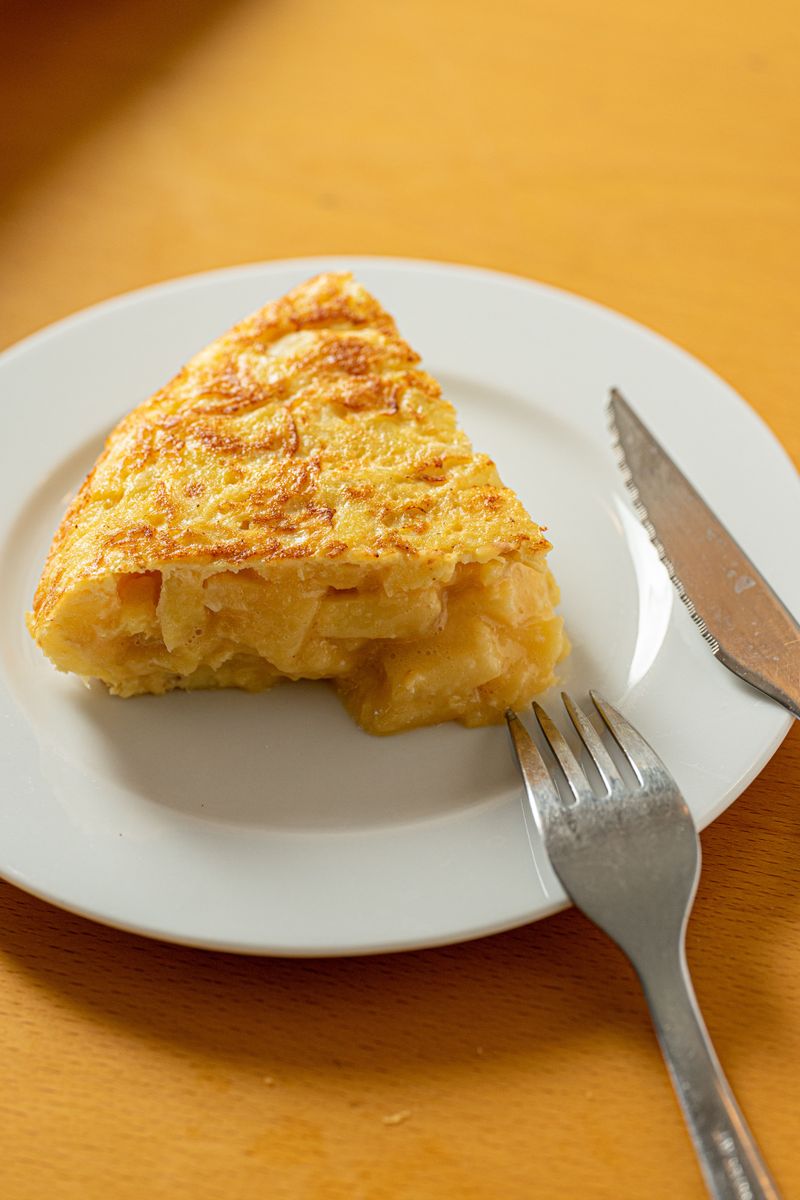
In Spain, a slice of tortilla often sits on a café counter at room temperature or cooler. That tells you plenty about how well it handles a break from the heat.
The classic version is simply eggs, potatoes, olive oil and salt, with onion if you like. Potatoes are cooked slowly in plenty of oil before the eggs go in.
Chilled, it turns firm enough to cut into neat squares or wedges. The potato slices feel tender and silky, and the flavour of the olive oil becomes more noticeable.
Cold tortilla makes an excellent sandwich filling, tucked into a crusty roll. In Spain this is known as a bocadillo de tortilla.
Make sure the egg is cooked through if you're feeding anyone vulnerable. Then let it cool, cover and enjoy it for up to three days.
12. Cold Sesame Noodles
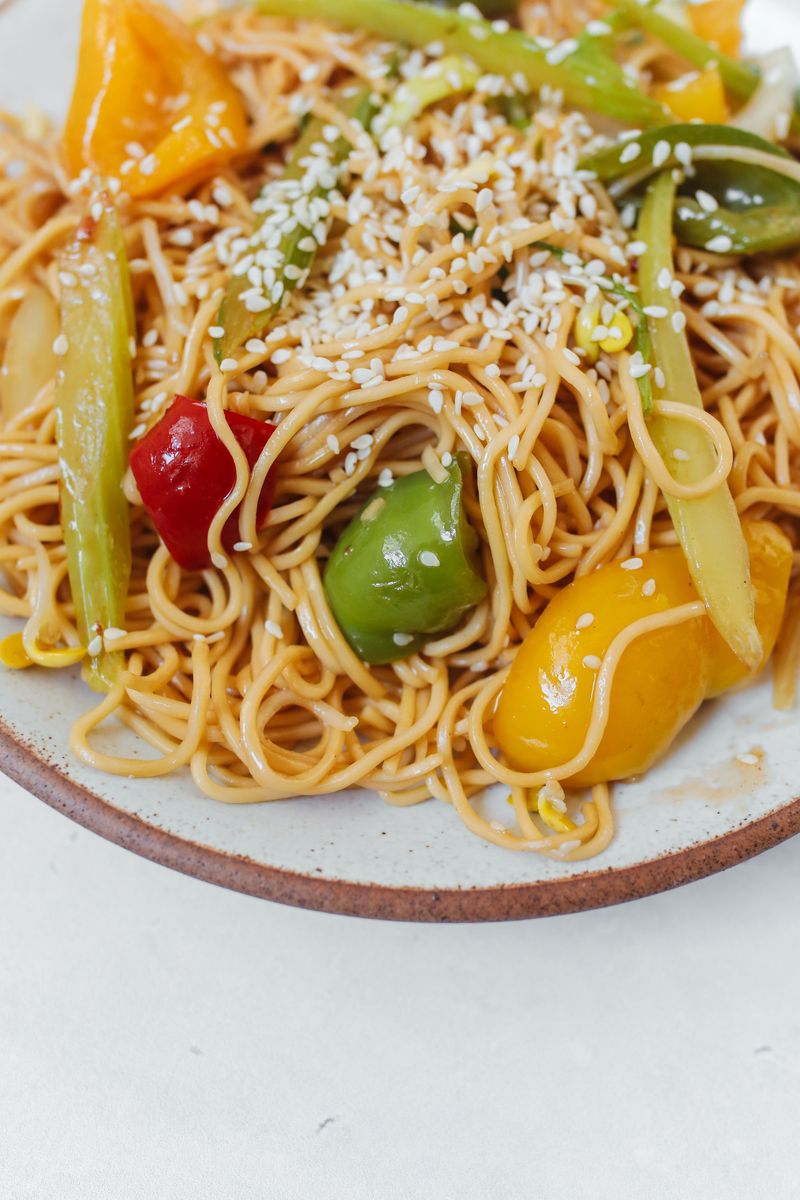
Some noodle dishes are designed to be eaten cold, and sesame noodles lead the pack. Chilled noodles stay springy and slurpable, and the nutty sauce clings to every strand.
The sauce usually blends sesame paste or peanut butter with soy sauce, vinegar and a little sugar. Chilli oil adds heat if you want it.
Rinse the cooked noodles under cold water to remove excess starch. That stops them clumping into a solid lump overnight.
Thinly sliced cucumber and spring onions add a cool crunch. Shredded leftover chicken or tofu make it more filling.
The sauce thickens in the fridge, so loosen it with a splash of water before eating. Sesame and peanuts are common allergens, so flag them before sharing a bowl.