







In Japanese, the word gohan means cooked rice, but it's also the everyday word for a whole meal. In Thai, one common way of asking whether someone has eaten translates literally as asking if they've eaten rice.
That tells you how central this grain is to the daily lives of billions of people around the world. It also explains why cooks in those kitchens get so particular about which sack or bag they reach for.
The wrong choice can turn a dish into glue, or leave it loose and dry when it should cling. I find it fascinating that a few millimetres of grain length and a bit of starch can decide dinner.
So which grains belong in which pans, and what exactly makes each of those famous pairings work so well? I've rounded up the matches worth knowing before your next trip down the supermarket rice aisle.
1. Broken Rice
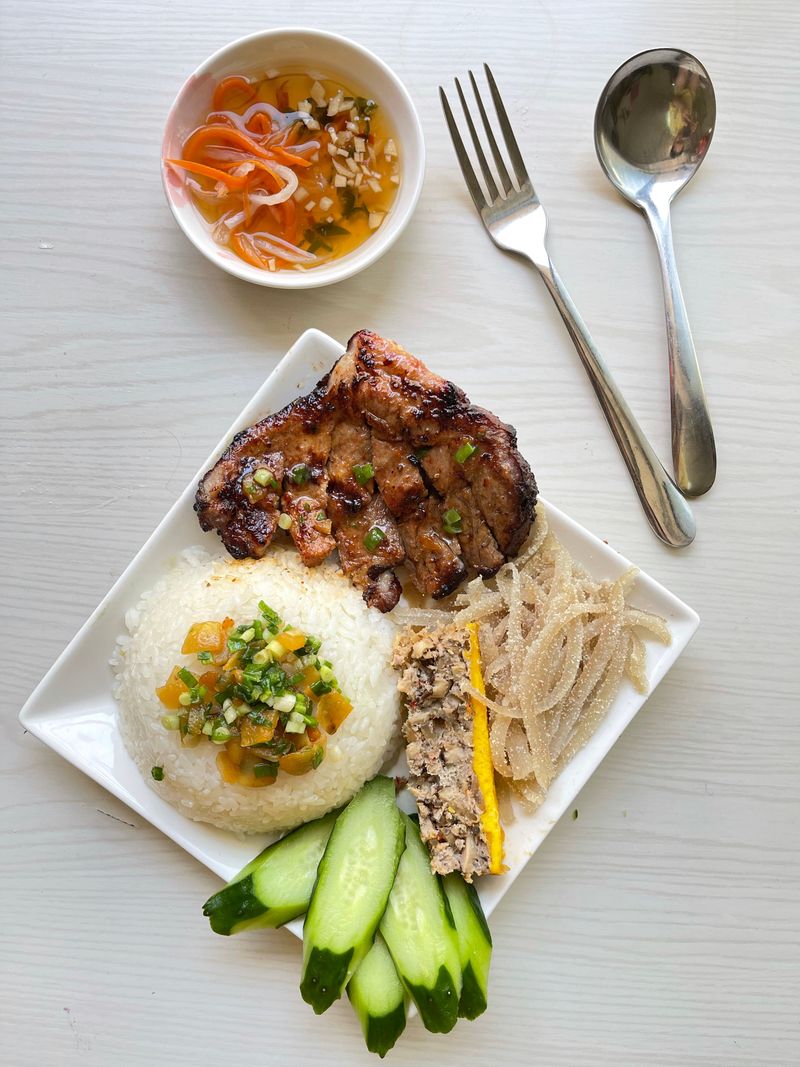
Rice millers once treated cracked grains as a nuisance, yet Vietnam turned them into a street-food star. Broken rice is simply grains that snapped during milling, sold cheaply for decades.
In Ho Chi Minh City, it's the base of com tam, usually topped with a grilled pork chop marinated in lemongrass and fish sauce. A fried egg, pickled vegetables and a little bowl of nuoc cham often come alongside.
The small pieces cook up softer and slightly fluffier than whole grains, so they soak up sauce fast. Look for it in Asian supermarkets, often labelled broken jasmine rice.
Rinse it well and use a touch less water than usual, since the fragments release starch quickly. Fish sauce contains fish, so do check with any guests who have fish allergies.
2. Bomba Rice
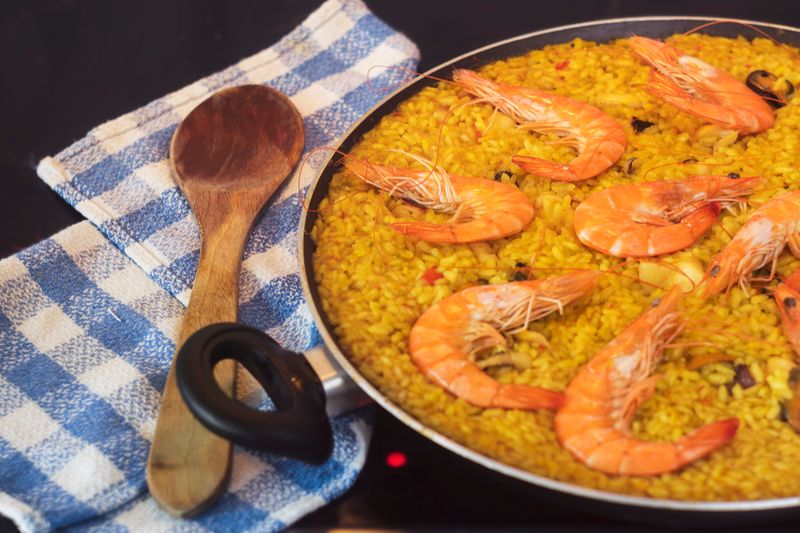
Bomba grains swell like tiny accordions, widening rather than stretching as they drink up stock. That trick lets them absorb far more liquid than most rice without splitting open.
Grown mainly around Valencia and Calasparra, it's the classic choice for paella valenciana. The traditional version uses chicken, rabbit, flat green beans, large white garrofo beans and saffron.
Once the stock goes in, put your spoon away. Stirring releases starch and turns paella creamy, which is the opposite of what you're after.
A wide, shallow pan matters as much as the rice itself. Aim for a thin layer of grains so they cook evenly from edge to centre.
Near the end, turn up the heat briefly and listen for a gentle crackle from the pan. That's the socarrat forming, a toasty crust on the base that Valencians prize highly.
3. Glutinous Rice
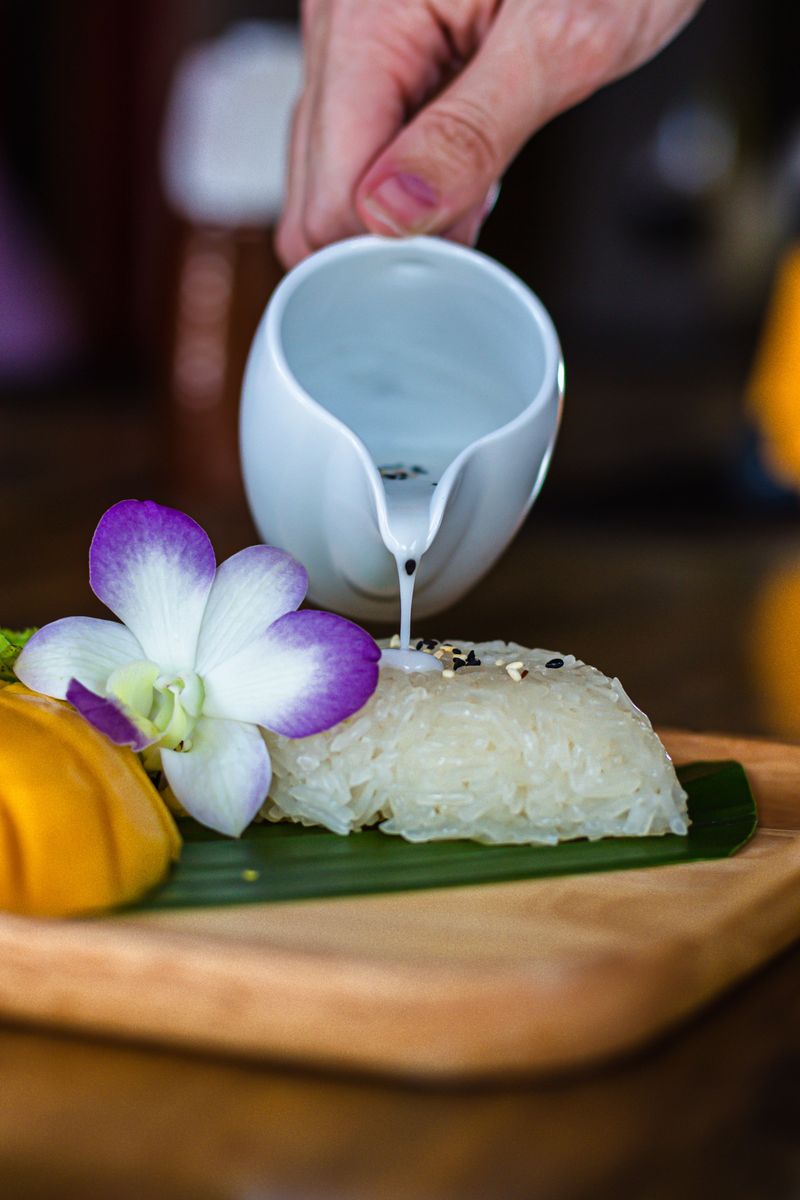
Despite the name, glutinous rice contains no gluten at all. The word refers to its glue-like stickiness, which comes from a starch called amylopectin.
In Thailand it becomes khao niao mamuang, better known here as mango sticky rice. Steamed rice is soaked in sweetened, lightly salted coconut milk, then served beside slices of ripe, fragrant mango.
The method matters more than the bag. Soak the grains for at least four hours, then steam them in a muslin-lined steamer rather than boiling them.
Boiled glutinous rice tends to go mushy, while steaming keeps each grain chewy and distinct within the sticky mass. Pour the coconut mixture over while the rice is still hot so it soaks right in.
4. Carnaroli Rice
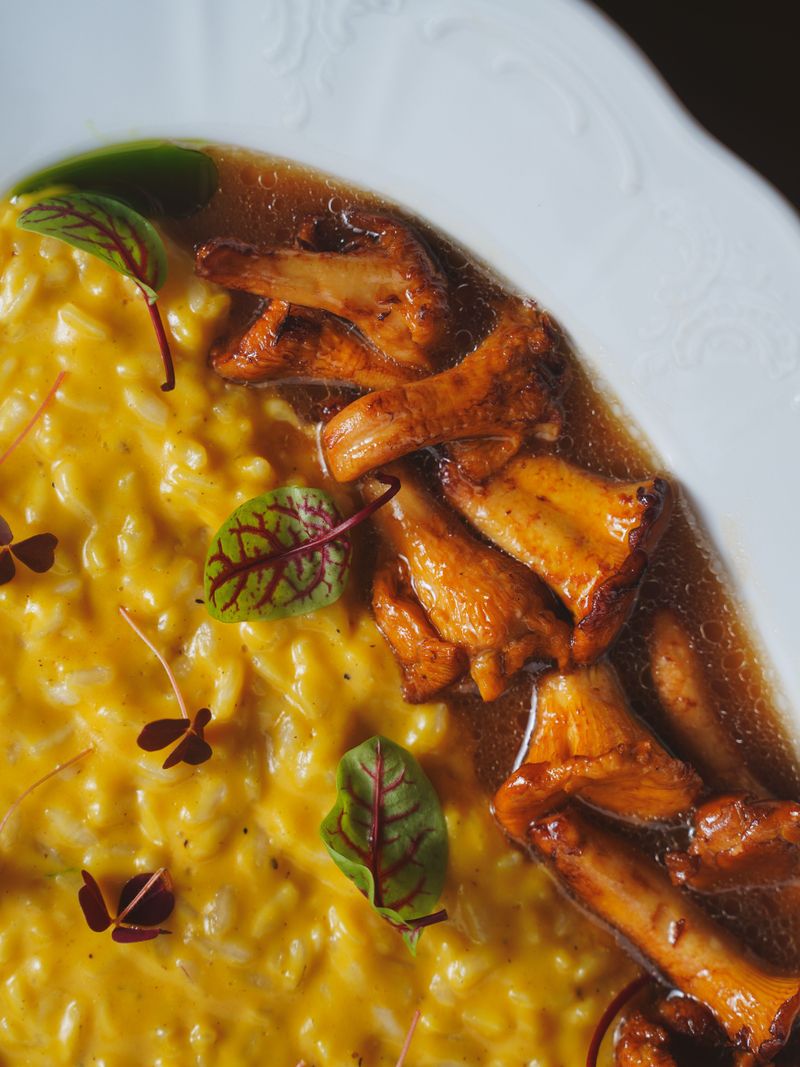
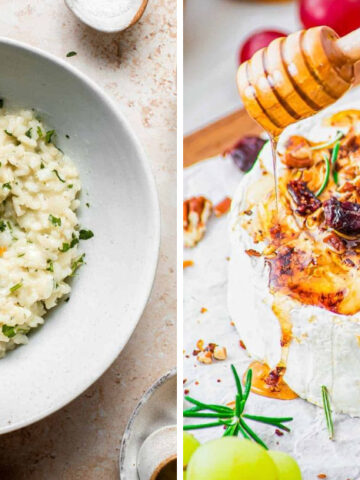
Italian cooks often call Carnaroli the king of risotto rice, and it earns that title through sheer stamina. Its grains hold their shape well, so they're harder to overcook than softer varieties.
That makes it a natural match for risotto alla milanese, the golden saffron risotto of Milan. Traditionally it's cooked in beef stock, sometimes with a little bone marrow for richness.
Toast the dry rice in butter for a minute or two before adding hot stock a ladle at a time. Crumble the saffron threads into a splash of warm stock first so the colour spreads evenly.
Finish off the heat with cold butter and grated Parmesan, beaten in hard. Italians call this step mantecatura, and it gives risotto its glossy, flowing finish.
5. Basmati Rice
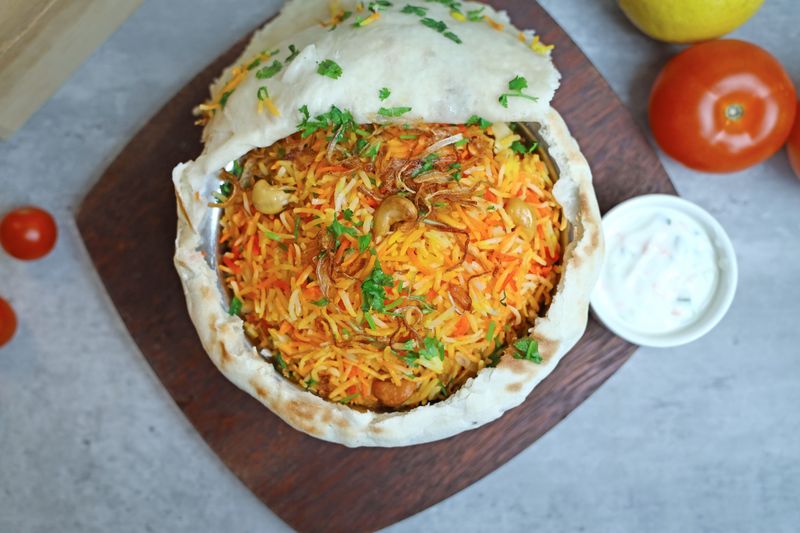
The name basmati is often linked to a Hindi word for fragrant, and one sniff of the cooking pot makes the point. Grown in the foothills of the Himalayas, its grains lengthen dramatically as they cook.
Those long, separate grains are the whole point of a layered biryani. Rice is part-cooked, then stacked over spiced meat and sealed so it finishes in its own steam.
Rinse the rice until the water runs clear, then soak it for about 30 minutes. This helps the grains stretch out rather than snap.
For the dum stage, seal the pot with a tight lid or a strip of dough and cook on very low heat. Saffron milk and fried onions scattered between the layers give that striped, golden look.
6. Jasmine Rice
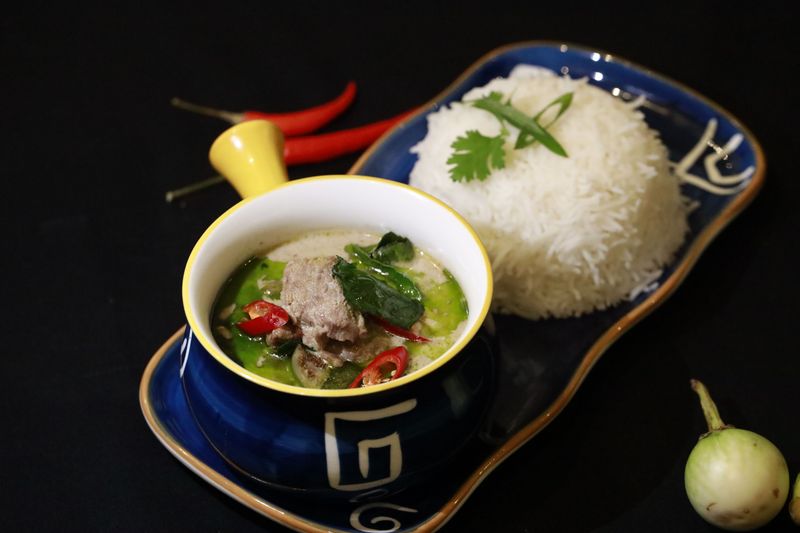
Thai hom mali rice is named after the jasmine flower, though its scent comes from a natural compound also found in pandan leaves. Newer stock tends to smell strongest, so check the packing date.
Unlike basmati, jasmine cooks soft and slightly clingy. That gentle stickiness helps it hold onto sauce, which is exactly what a Thai green curry needs.
Coconut milk, green chillies, Thai basil and fish sauce make a thin, pourable curry rather than a thick stew. Spoon it over the rice and the grains carry each mouthful neatly.
Skip the long soak and use slightly less water than you would for other long-grain rice. Around 1 part rice to 1.25 parts water by volume works well in a lidded pan.
7. Japanese Short-Grain Rice
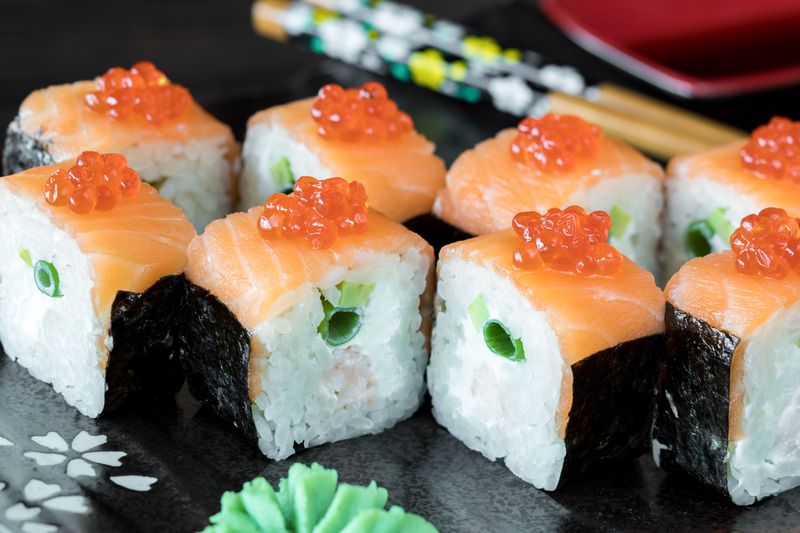
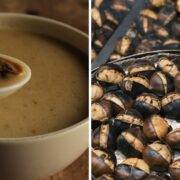
Sushi chefs in Japan often spend years training before they're trusted with the rice, never mind the fish. That should tell you how much rides on these plump, round, slightly translucent grains.
Short-grain Japanese rice cooks up sticky enough to hold a shape but still tender to bite. Sold in the UK as sushi rice, it's the backbone of nigiri, maki rolls and onigiri.
Wash it several times until the water runs almost clear, then cook and fold in seasoned rice vinegar while hot. A gentle cutting motion with a flat paddle stops the grains turning to paste.
Cooked rice can carry bacteria that thrive at room temperature, so don't leave it out for hours. Cool it quickly, chill within an hour, and use leftovers within a day.
8. Pudding Rice
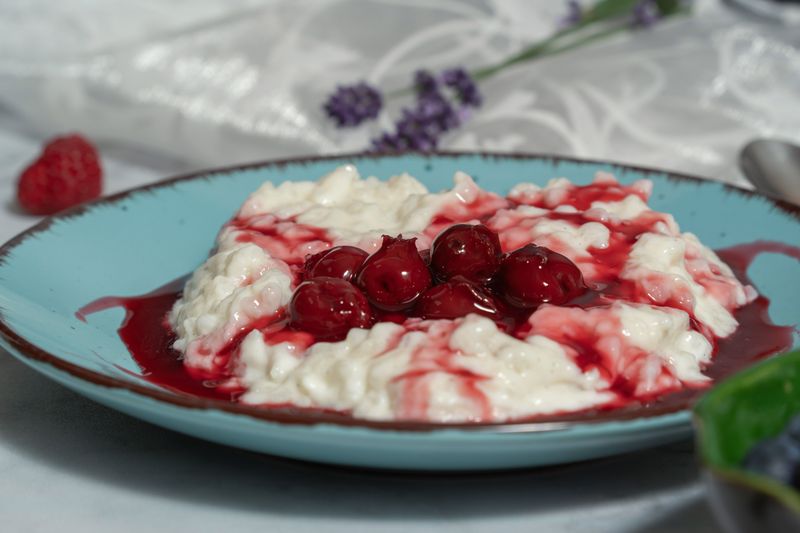
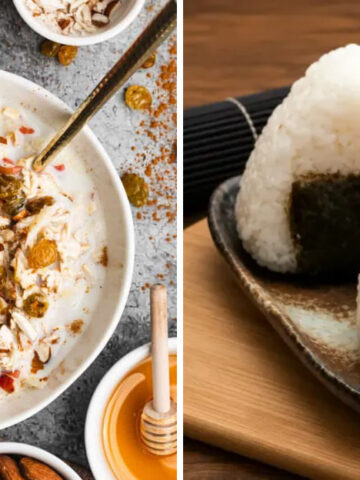
Few British puddings smell as homely as a dish of rice baking slowly with milk and nutmeg. Pudding rice, a short, round grain, was built for exactly that job.
The grains swell and release starch slowly, thickening the milk into something creamy and spoonable. Long-grain rice won't give you the same soft, rich texture.
For a classic baked version, try roughly 100g rice, 1 litre of whole milk and 50g sugar in a buttered dish. Grate nutmeg over the top and bake at about 150°C for two hours or so.
That low, slow heat gives you the famous golden skin, which households tend to squabble over politely. Serve it with a spoonful of jam, stirred in or dolloped on top.
9. Vialone Nano Rice
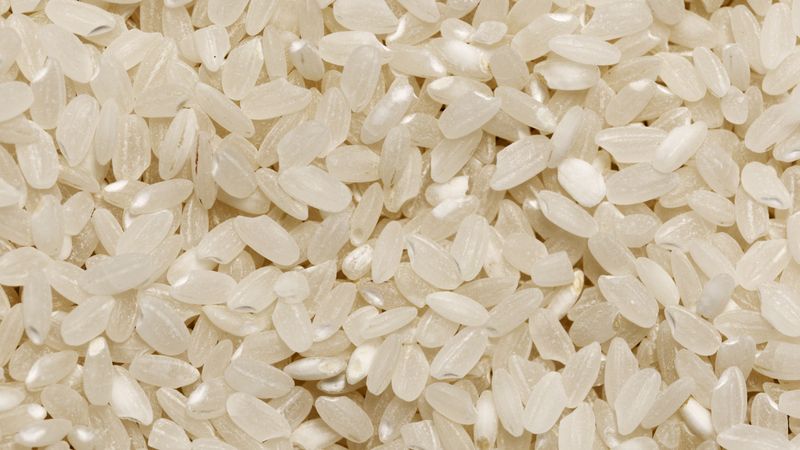
Venetian cooks like their risotto loose enough to ripple when you tilt the plate. They call it all'onda, meaning like a wave, and Vialone Nano is the grain for the job.
Grown around Verona, it has short, plump grains that soak up liquid fast and release creamy starch. The result is softer and runnier than risotto made with Carnaroli.
Its classic partner is risi e bisi, rice and peas, a Venetian spring dish that sits somewhere between risotto and soup. Cooks traditionally simmer the empty pea pods to make a sweet stock.
Frozen petits pois work well when fresh peas are out of season. Keep a close eye on timing, as this rice cooks quicker than you might expect, often in about 15 minutes.
10. Arborio Rice
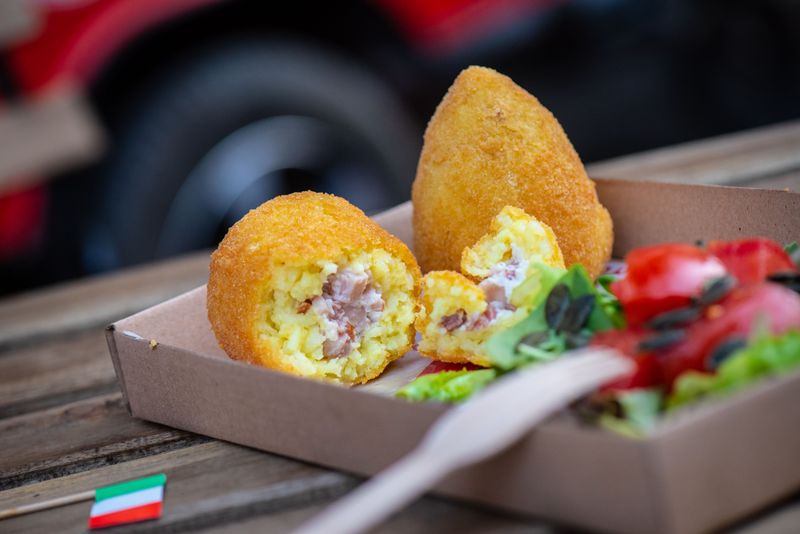
Named after a small town in Piedmont, Arborio is the risotto rice you're most likely to find in UK supermarkets. Its grains are big, plump and generous with starch.
It softens more readily than Carnaroli, which makes it brilliant for Sicilian arancini. These golden rice balls are usually stuffed with ragu and peas, or with cubes of mozzarella.
Start with cold, firm risotto that has chilled overnight. Warm rice won't hold together when you roll it.
Coat the balls in flour, beaten egg and breadcrumbs, then fry in oil heated to about 170°C. Use a deep, heavy pan, never fill it more than a third full, and keep children well back.
The name arancini means little oranges, thanks to their round shape and golden colour. Serve them hot with a simple tomato sauce for dunking.
11. Parboiled Rice
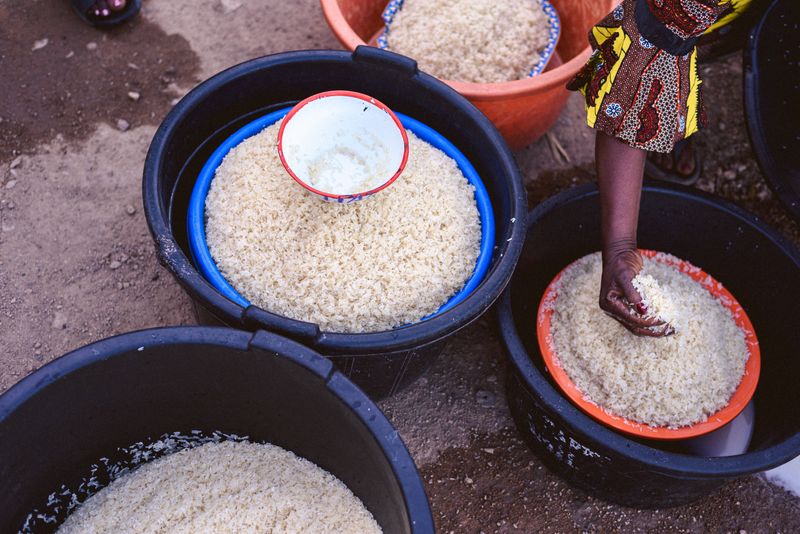
Parboiled rice is steamed while still in its husk, then dried and milled. That pre-cooking firms up the grain, so it stays separate and stands up to long simmering.
Those qualities make it a popular choice for Nigerian jollof rice, cooked right in a rich sauce of tomatoes, red peppers, Scotch bonnets and onions. Ghanaian cooks often prefer fragrant basmati, and the friendly rivalry over whose jollof is best runs deep.
Blend and fry the pepper base until it darkens and the oil rises before adding rice and stock. Cover the pan tightly with foil under the lid so the grains steam evenly.
Party jollof is known for a slightly smoky taste from the base catching gently. Leftovers keep in the fridge for a day, but reheat them only once until steaming hot.
12. Black Rice
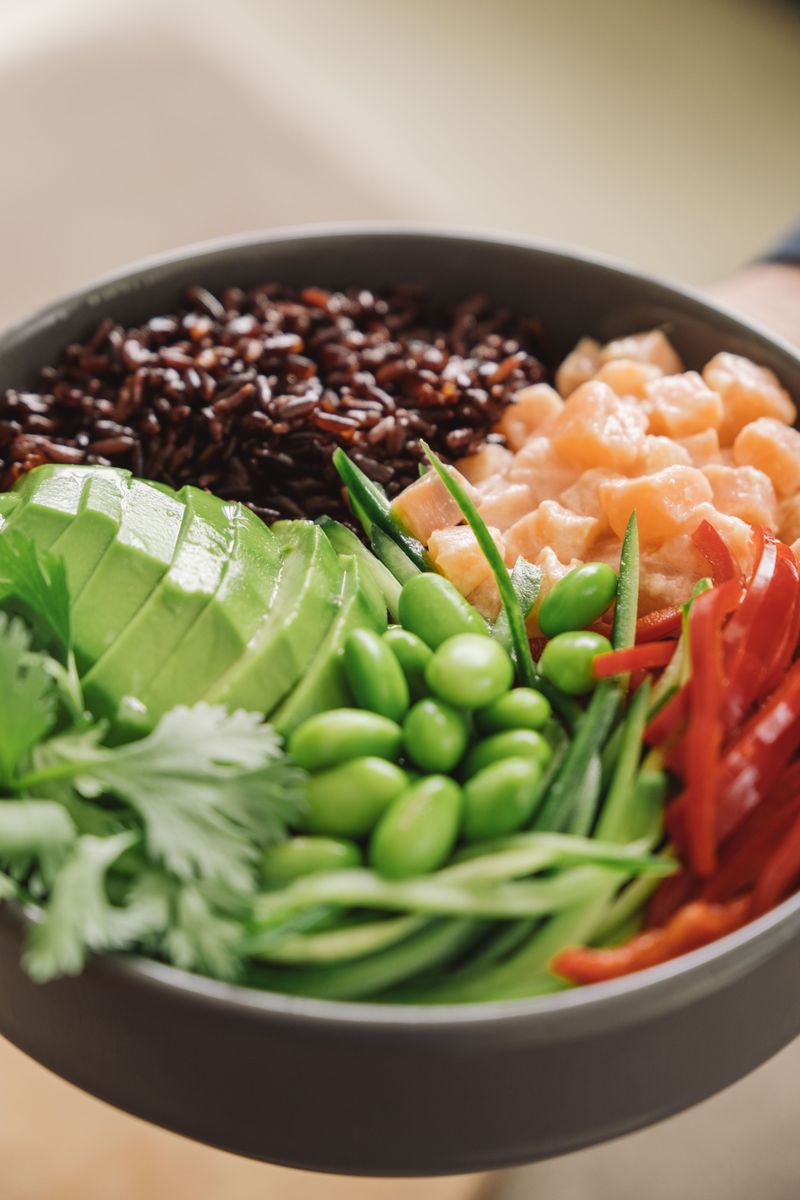
Black rice is often called forbidden rice, and the story goes that it was once reserved for Chinese emperors. Whatever the truth, its looks are certainly regal.
The dark bran is coloured by anthocyanins, the same pigments found in blackberries, and cooking turns it deep purple. It has a nutty flavour and a firm, chewy bite.
That sturdiness makes it ideal for a cold rice salad, which soggier grains can't handle. Try it with mango, edamame, spring onions, coriander and a lime and sesame dressing.
Boil it in plenty of water like pasta for around 30 to 35 minutes, then drain. Fair warning: it stains wooden spoons and chopping boards, so rinse them quickly.
Dress it shortly before serving so the herbs stay bright. Toasted cashews add crunch, but leave them out for anyone with a nut allergy.
13. Wild Rice
Here's a grain with an identity crisis. Wild rice isn't actually rice, but the seed of aquatic grasses native to North America.
Its long, dark grains have an earthy, almost tea-like flavour and a satisfying chew. Some grains split open when cooked, showing a pale inside.
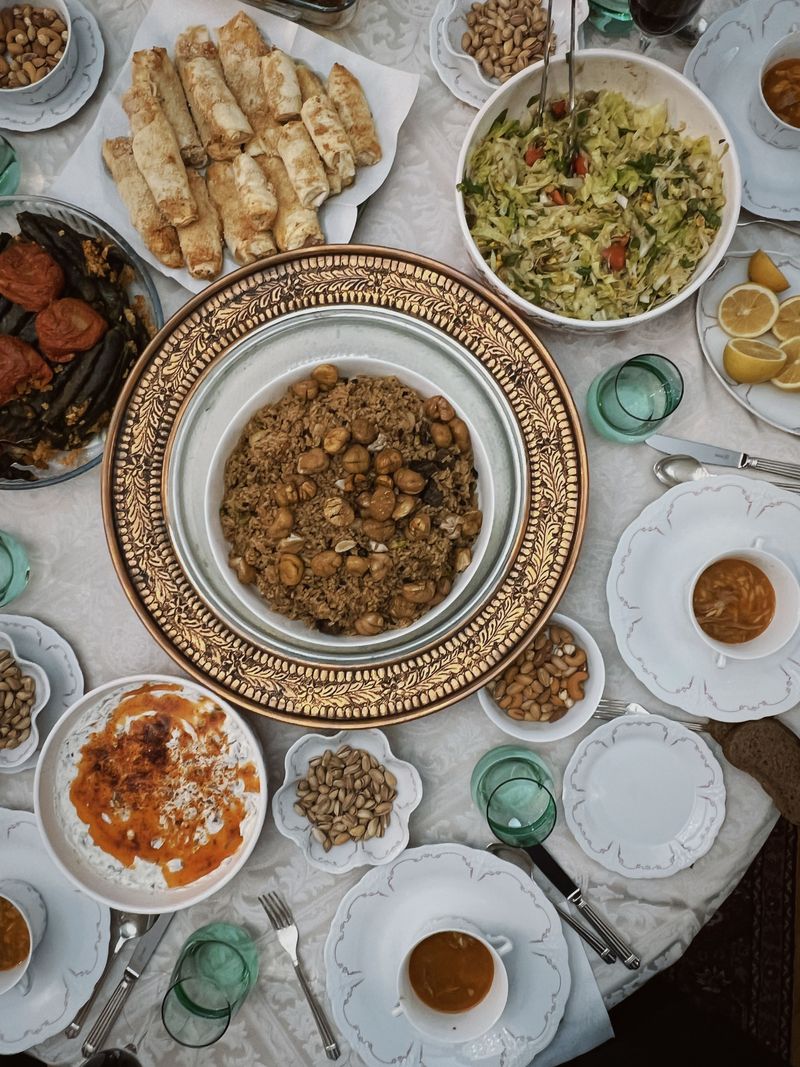
That robust texture makes it excellent in a Christmas stuffing with chestnuts, mushrooms, onions and thyme. Mixed with cooked long-grain rice, it bakes into a side that holds firm beside roast turkey.
Buying it can feel pricey, so stretching it with other rice is a sensible move. The contrast of dark and pale grains looks festive too.
Allow plenty of time, as it usually needs 45 to 60 minutes of simmering. Cook it a day ahead, chill it quickly, then bake the stuffing at 180°C until piping hot.
14. Bhutanese Red Rice
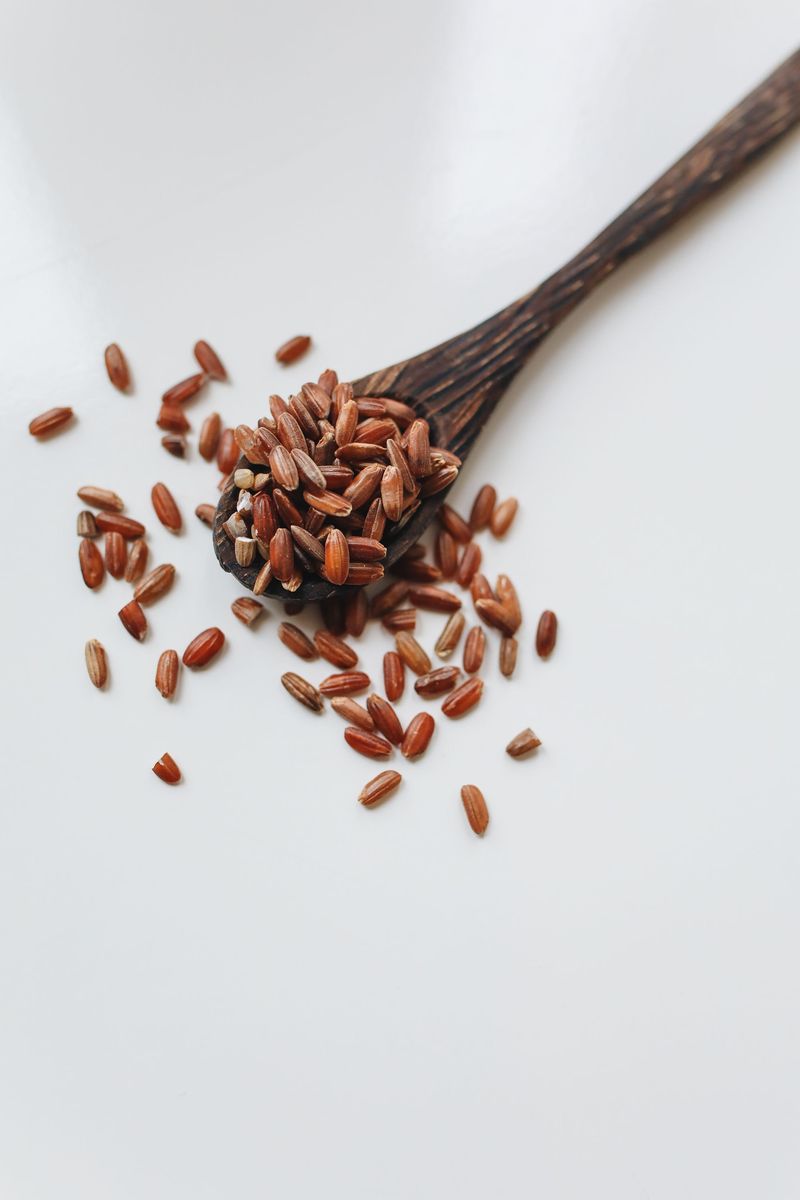
High in the Himalayas, Bhutan grows a semi-milled red rice that turns up at many meals. It's often said to be grown with glacier-fed water, which is a fine story for a humble grain.
Because some bran is left on, it cooks in about 20 minutes, faster than most brown rice. The grains turn soft and pink with a mildly nutty flavour.
Its classic partner is ema datshi, Bhutan's national dish of green chillies simmered with cheese. The mild rice balances the fiery, creamy stew wonderfully.
Add sliced onion, garlic and tomato for a fuller version. Start with fewer chillies than recipes suggest unless your household enjoys serious heat.
Feta or a mild farmhouse cheese can stand in for Bhutanese cheese if you can't find it. Wear gloves when slicing lots of chillies, and keep your hands away from your eyes.
15. Idli Rice
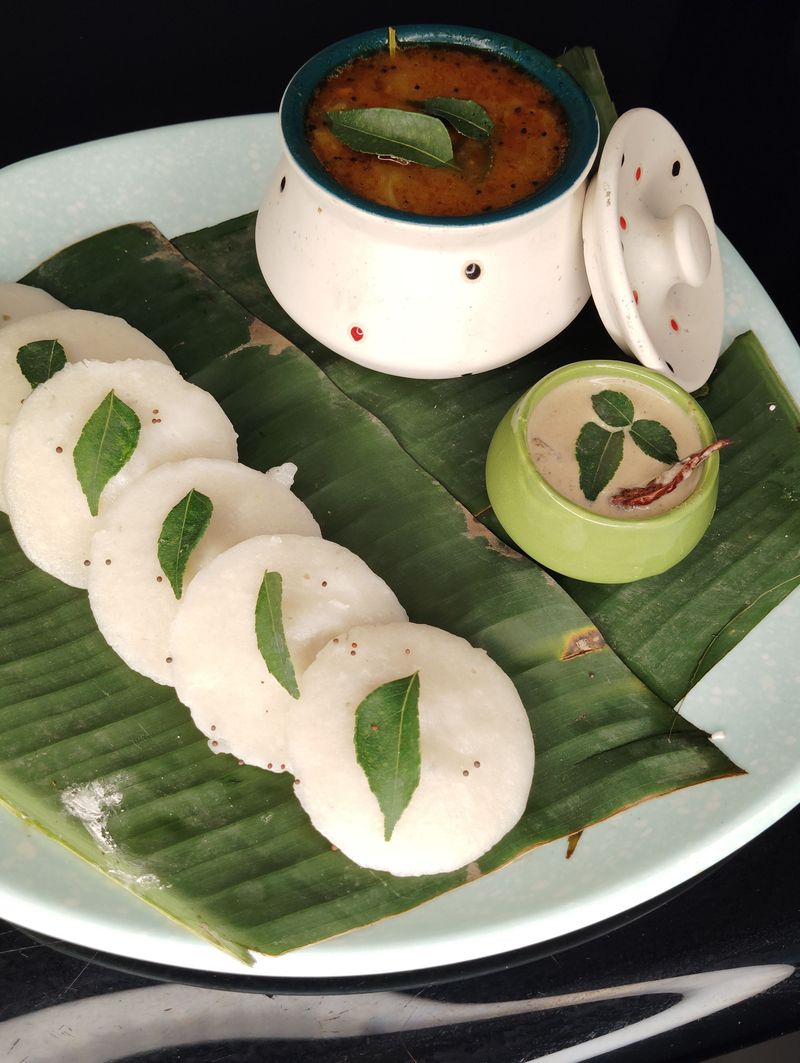
Soft, spongy idli from South India start life as a batter left overnight to ferment. The rice in that batter matters more than you might expect.
Idli rice is a parboiled short-grain variety that grinds into a slightly coarse, fluffy batter. It's soaked separately from urad dal, a split black lentil, then both are ground and mixed.
A common ratio is about three parts rice to one part urad dal by volume. Leave the batter somewhere warm until it doubles and smells pleasantly sour.
A cool kitchen slows fermentation, so an oven with just the light on can help. Look for the rice in South Asian grocers, often spelled idly rice.
Steam it in greased idli moulds for about 10 to 12 minutes. Serve the little white cakes with sambar and coconut chutney for a South Indian breakfast.
16. Sona Masoori Rice
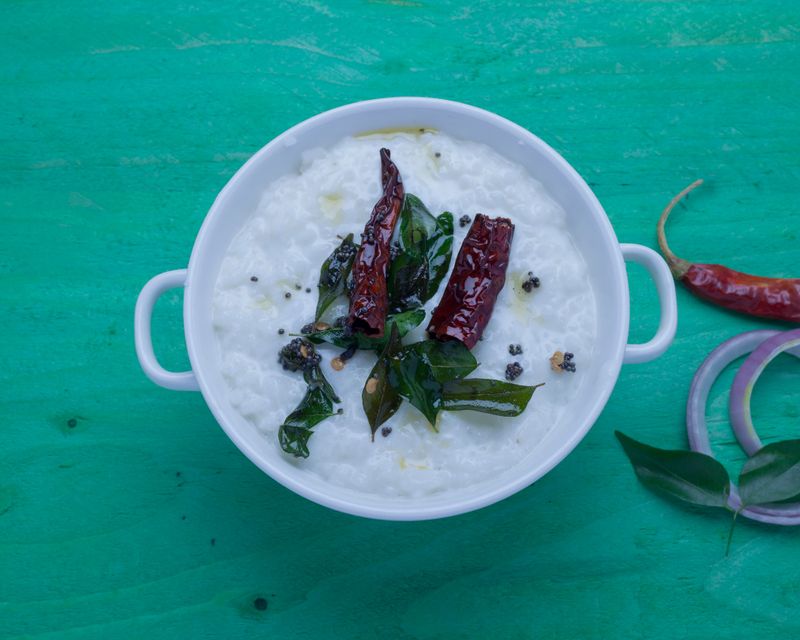
Grown mainly in Andhra Pradesh and Karnataka, sona masoori is a lightweight, medium-grain rice popular in South Indian homes. It's less perfumed than basmati, with a soft texture that blends happily with yoghurt.
That makes it ideal for curd rice, or thayir sadam, a cooling dish served at the end of a meal. Cooked rice is mashed slightly and stirred through with plain yoghurt and a pinch of salt.
The flavour comes from a quick tempering, called a tadka. Sizzle mustard seeds, curry leaves, a dried chilli and grated ginger in hot oil, then pour it over.
Let the rice cool before mixing, or the yoghurt may split. Pomegranate seeds or grated cucumber on top add crunch and freshness after a spicy curry.
17. Patna Rice
Victorian cookbooks often called for Patna rice, named after the city in Bihar where much of it was traded. It was a familiar long-grain rice in British kitchens well before basmati filled supermarket shelves.
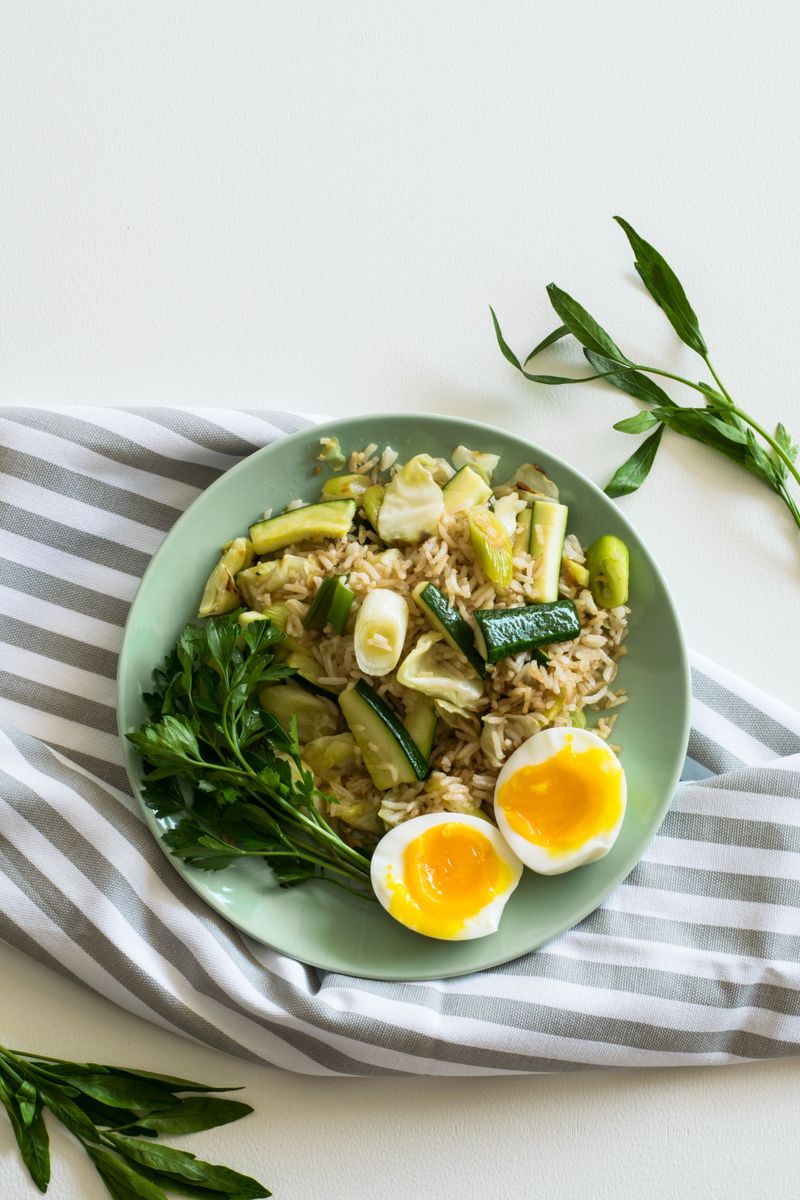
Its firm, separate grains suit kedgeree, the Anglo-Indian breakfast of smoked haddock, rice, eggs and curry powder. The dish is usually traced back to khichri, a South Asian rice and lentil meal.
Poach the haddock in milk, flake it, and fold it through buttered rice with gentle spice. Check carefully for small bones as you flake.
Halved soft-boiled eggs, parsley and a squeeze of lemon finish the plate. Proof, if you needed it, that choosing the right rice is half the cooking.