






In parts of Italy and Corsica, the sweet chestnut tree was once called the bread tree. Whole mountain villages ground the dried nuts into flour to get through winter.
That flour still turns up in Tuscan kitchens in a flat cake called castagnaccio. Corsica even uses it in polenta, cakes and fritters, which I find wonderfully stubborn.
Meanwhile, most of us only meet chestnuts in a paper cone on a cold high street. I love that tradition, but it feels like judging a whole cuisine by one snack.
Those vacuum packs in the supermarket deserve far more ambition than a quick nibble. So what happens when you let this old staple loose on soups, pastry, pasta and pudding?
1. Castagnaccio
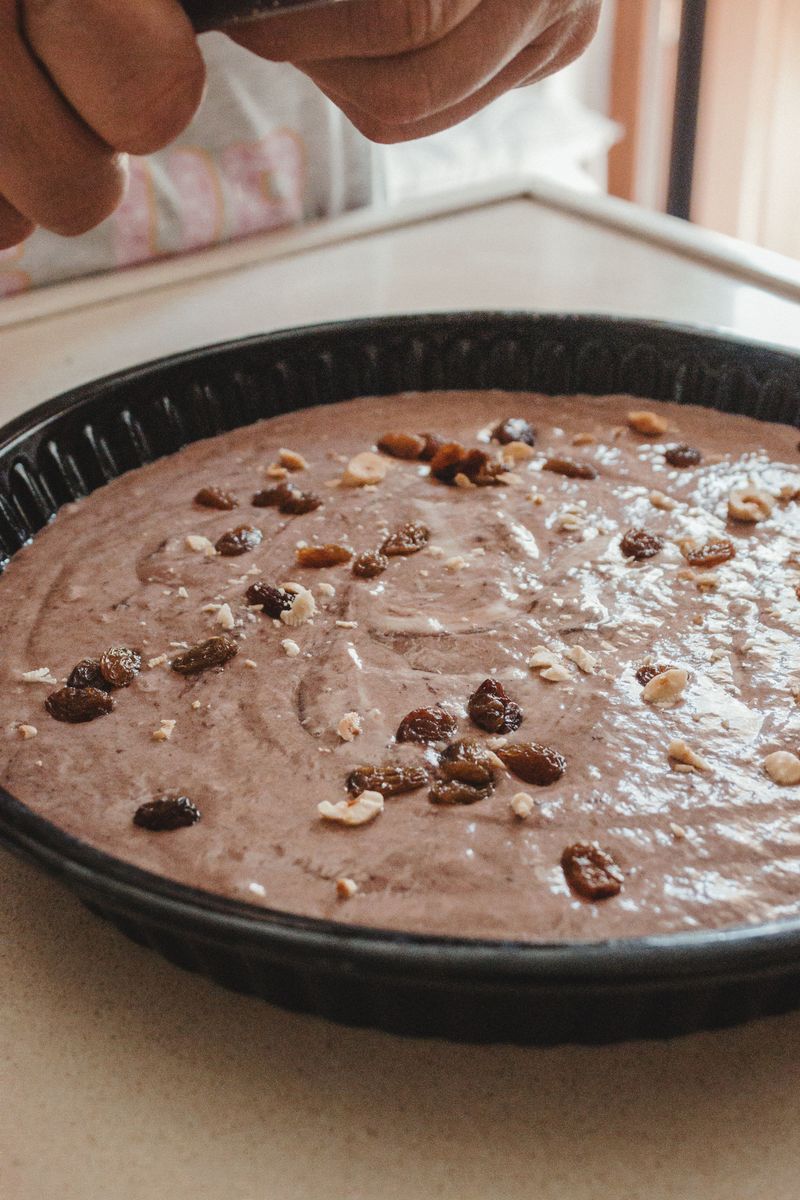
Italy's mountain cooks made a cake with no eggs, no butter and no sugar. Castagnaccio is a thin, dense Tuscan bake made from chestnut flour, water and olive oil.
Toppings are simple and old-fashioned. Rosemary needles, pine nuts and raisins go on before it heads into the oven.
The flour carries its own sweetness, so the result tastes earthy and faintly smoky. Expect a cracked top and a soft, almost fudgy middle rather than a fluffy sponge.
Sieve the chestnut flour first, because it clumps easily in the bag. Bake it in a shallow tin at around 190°C until the surface cracks.
Pine nuts are a seed, but anyone with a nut allergy should still check before tucking in.
2. Mont Blanc
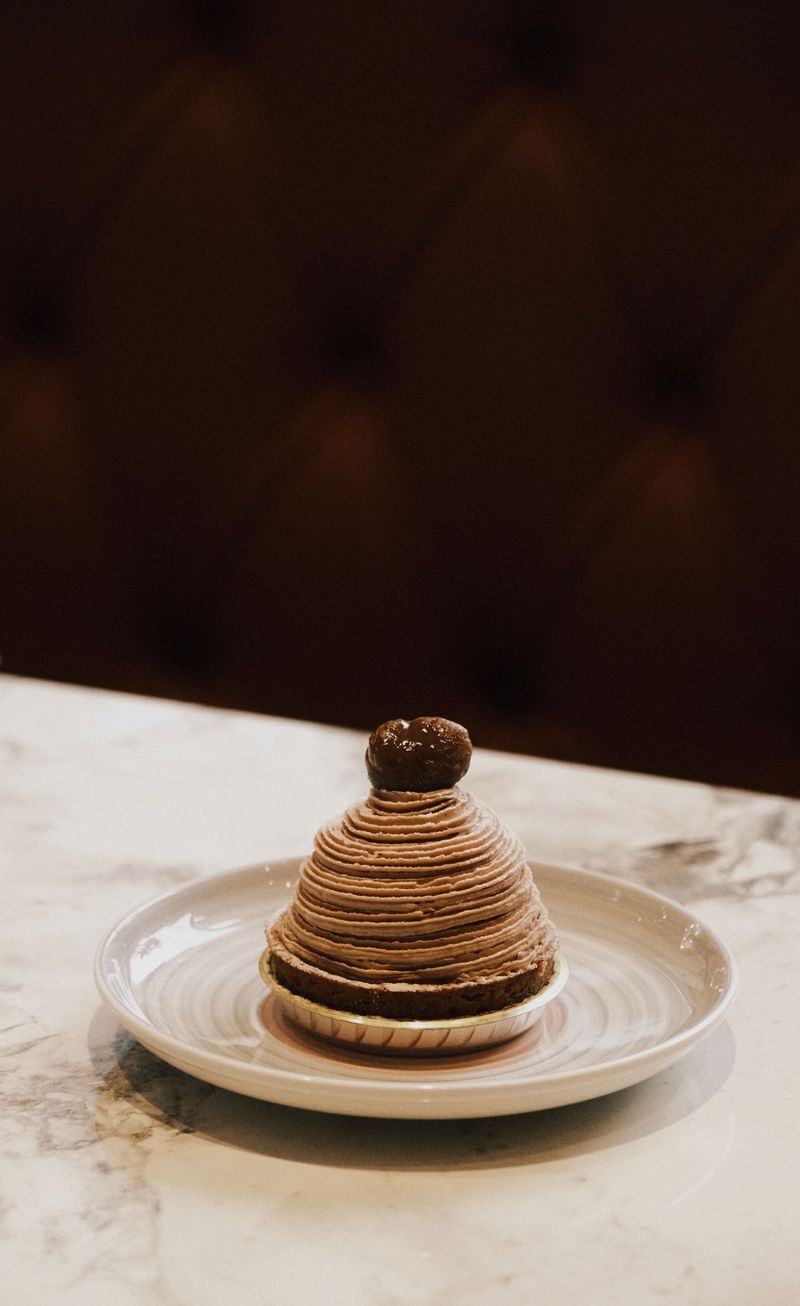
Named after the Alpine peak, this pudding looks like a snowy mountain made of brown spaghetti. Sweetened chestnut purée is piped in thin strands over meringue and whipped cream.
The contrast is the clever bit. Crisp meringue, cold cream and the soft, nutty purée all land in one spoonful.
You don't need to make anything from scratch if time is short. Shop-bought meringue nests and a tin of sweetened chestnut spread will do the heavy lifting.
A potato ricer gives you those classic noodle-like strands with almost no effort. Pipe the chestnut just before serving, since the meringue softens once it sits under cream.
A dusting of icing sugar finishes the snowy peak nicely.
3. Chestnut Gnocchi With Brown Butter and Sage
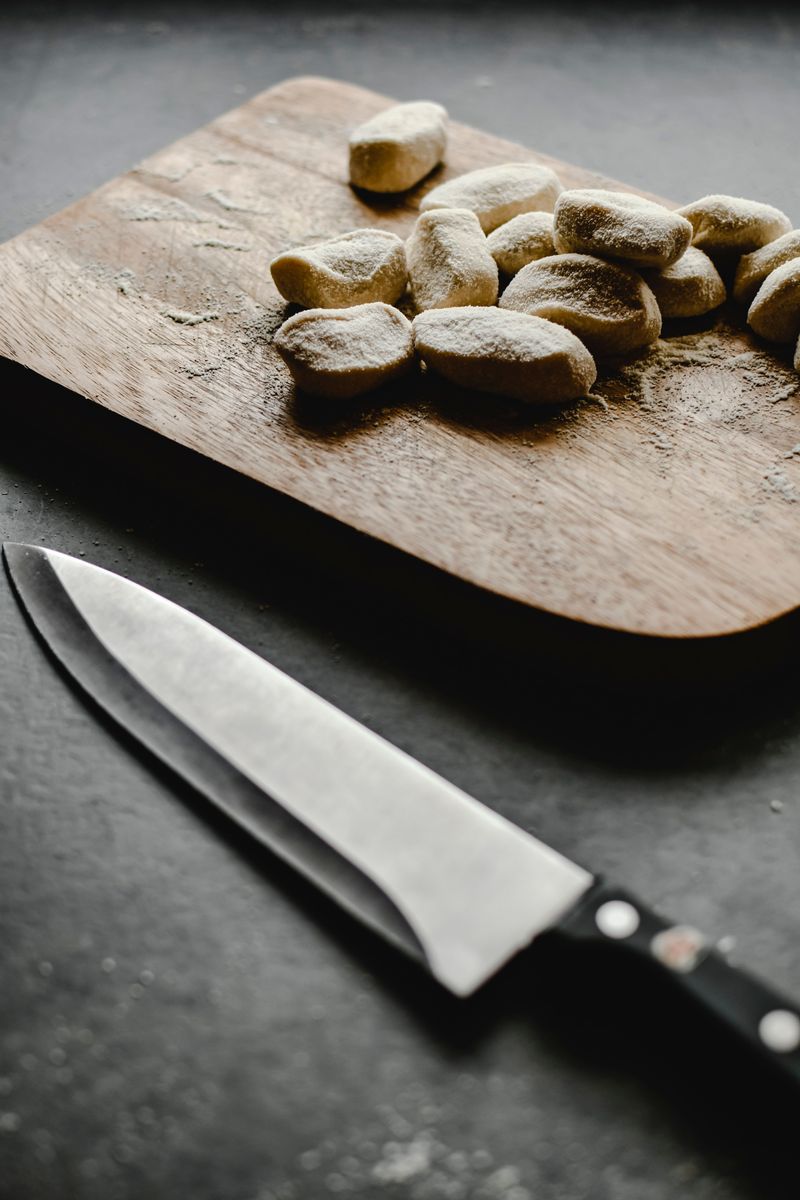
Potato gnocchi has a quieter cousin from northern Italy, and it's a darker shade of brown. Swapping some plain flour for chestnut flour gives the dumplings a gentle sweetness.
Baked floury potatoes make the best base, as they hold less water. Mix in the flours lightly, then roll and cut into little pillows.
Overworking the dough makes heavy, rubbery gnocchi, so stop once it comes together. They're cooked when they float up in simmering salted water.
Brown butter is the obvious partner here. Heat it until it smells toasty and turns golden, then add sage leaves to crisp.
Watch the pan closely, because browned butter turns burnt in seconds.
4. Chestnut and Mushroom Soup
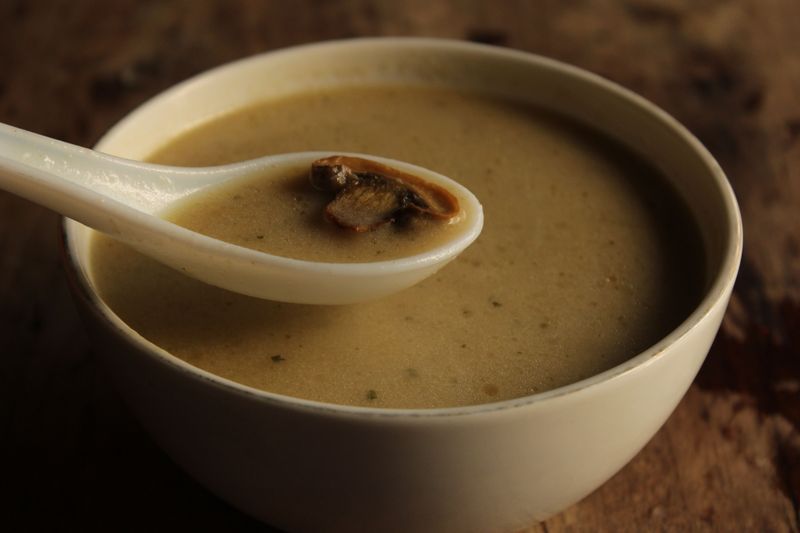
Few soups get this silky without much cream at all. Blended chestnuts thicken the pot on their own, giving a velvety body for very little work.
Start by softening onion, celery and garlic in butter. Add chestnut mushrooms, cooked chestnuts and stock, then simmer for about 20 minutes.
The mushrooms bring savoury depth while the chestnuts add a soft sweetness. A sprig of thyme in the pan keeps it from tasting flat.
Take care when blending hot soup, as the steam can force the lid off. Let it cool slightly and blend in small batches with the lid held under a tea towel.
A spoonful of crème fraîche on top gives a sharp, cooling finish.
5. Chestnut Risotto
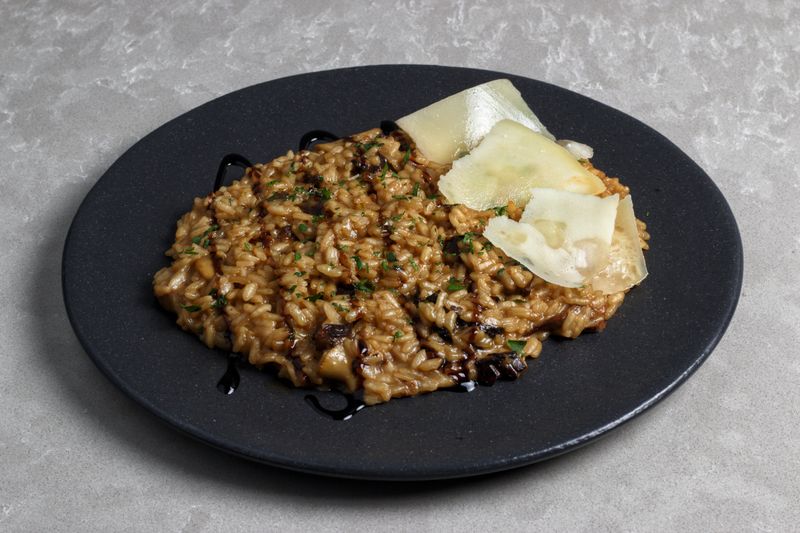
Risotto rice loves a bit of company, and crumbled chestnuts are surprisingly good guests. Their floury texture melts slightly into the creamy rice.
Fry diced pancetta first and let it crisp. Then soften shallots in the fat before toasting arborio or carnaroli rice for a minute.
Add hot stock a ladle at a time, stirring often. Fold in roughly chopped cooked chestnuts for the last five minutes so some pieces stay chunky.
Finish with a knob of butter and plenty of grated Parmesan off the heat. Italians call this step mantecatura, and it gives a glossy, flowing finish.
For a meat-free bowl, swap the pancetta for mushrooms and use a vegetarian hard cheese.
6. Brussels Sprouts With Chestnuts and Bacon
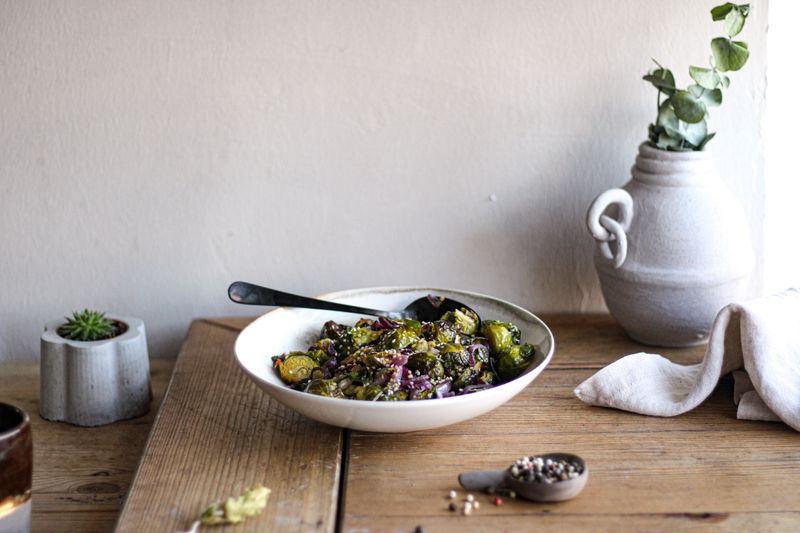
Sprouts have a reputation problem, and chestnuts are excellent at fixing it. Pan-frying the sprouts gives them crisp, caramelised edges instead of a soggy, sulphurous mess.
Halve them and blanch for three minutes, then drain well. Fry smoked bacon lardons until crisp, then add the sprouts to the fat.
Toss in halved cooked chestnuts for the last few minutes so they warm through and pick up colour. The sweet nuts calm the sprouts' bitter edge.
A squeeze of lemon or a pinch of nutmeg at the end brightens the pan. It's a natural fit beside the Sunday roast or the Christmas turkey.
Vegetarians can use smoked paprika and butter instead of bacon.
7. Sausage, Sage and Chestnut Stuffing
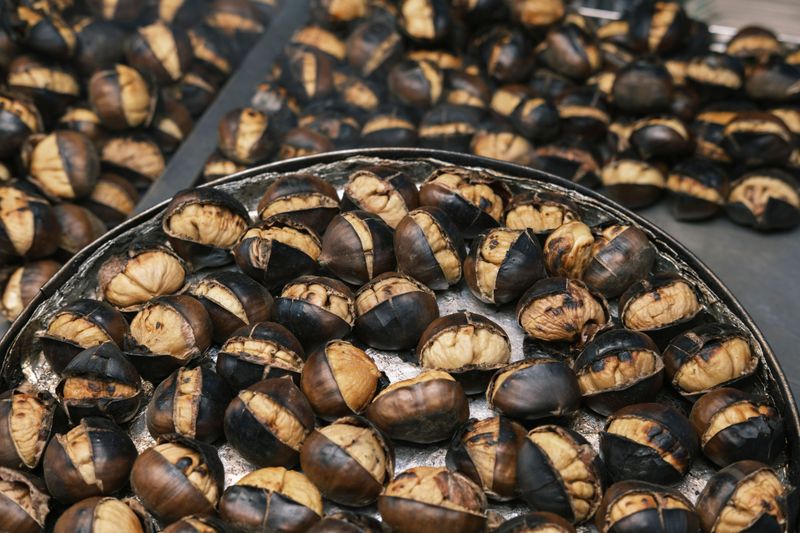
British Christmas tables have been fond of chestnut stuffing for generations, and for good reason. The nuts add bulk, sweetness and a soft crumbly bite to sausage meat.
Mix pork sausage meat with fried onion, breadcrumbs, chopped sage and crumbled cooked chestnuts. A beaten egg binds it together.
Baking it in a separate dish gives you far more crispy edges than stuffing the bird. Pop it into a buttered tin at around 190°C for 35 to 40 minutes.
Since it contains raw pork, make sure it's piping hot throughout before serving. You can shape it the day before and keep it covered in the fridge.
Leftovers make a cheeky addition to a Boxing Day sandwich.
8. Mushroom and Chestnut Wellington
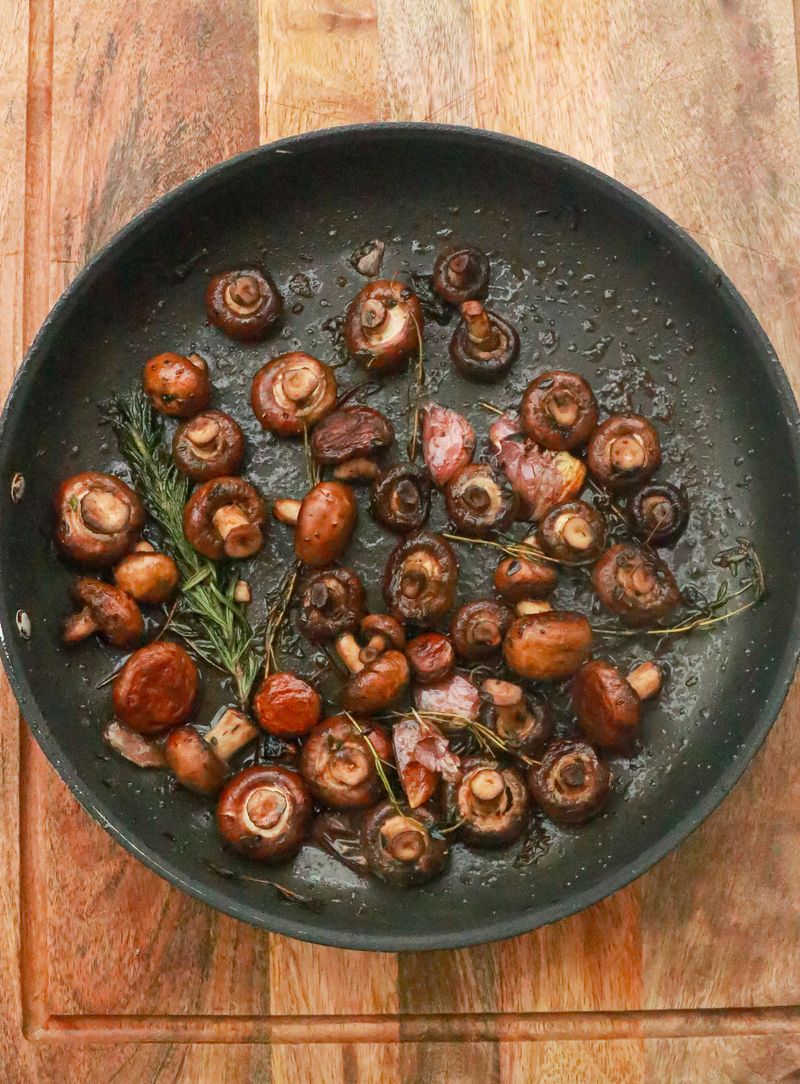
Beef doesn't get to keep the Wellington crown all to itself. A filling of mushrooms and chestnuts gives vegetarians a showpiece that slices cleanly at the table.
Cook chopped mushrooms until their liquid evaporates completely, which stops the pastry going soggy. Then mix with chestnuts, garlic, thyme and wilted spinach.
Roll the filling inside ready-rolled puff pastry and seal the seams underneath. Many ready-rolled sheets are made without butter, so check the packet if you're cooking for vegans.
Brush with beaten egg or plant milk for a glossy top. Bake at about 200°C until deep golden, roughly 35 to 40 minutes.
Let it rest for ten minutes so the slices hold their shape.
9. Pheasant and Chestnut Casserole
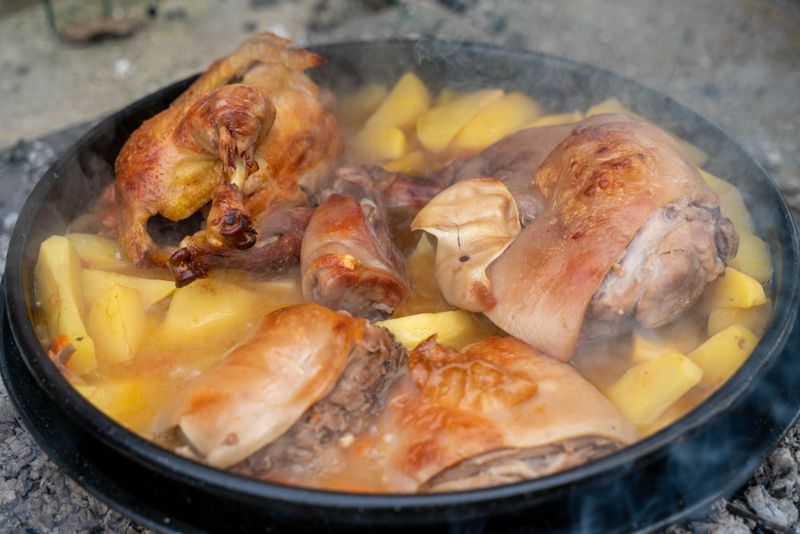
Game season and chestnut season overlap neatly in autumn, so pairing them makes good sense. Pheasant is lean, and slow braising stops it drying out.
Brown the jointed bird in batches, then set it aside. Fry shallots, bacon and celery in the same pot.
Add chicken stock, thyme, a bay leaf and a spoonful of redcurrant jelly for gentle fruitiness. Return the pheasant and simmer gently for about an hour.
Stir in whole cooked chestnuts for the final 20 minutes so they soak up the gravy without collapsing. Keep an eye out for shot in the meat, which can be tough on teeth.
Serve with buttery mash or a pile of crusty bread.
10. Mushroom, Chestnut and Leek Pithivier
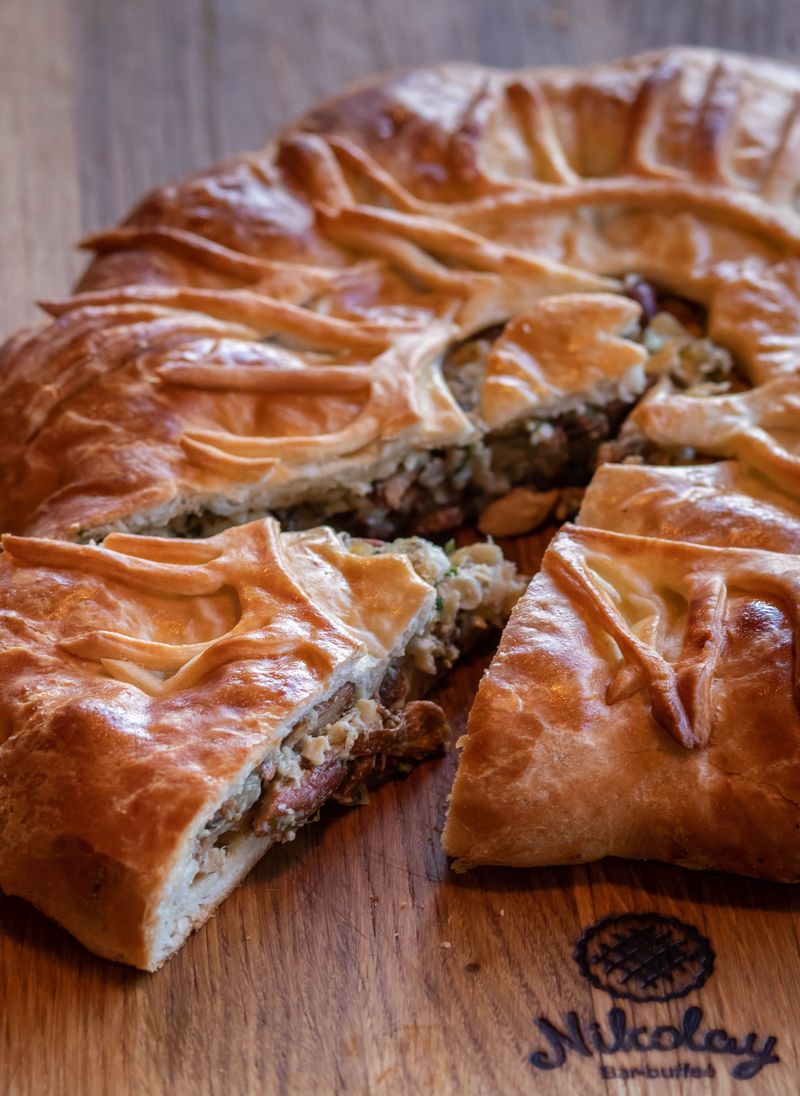
Named after a town south of Paris, the pithivier is a domed puff pastry pie with spiral scoring. It looks fiddly yet comes together with two circles of pastry.
For the filling, soften sliced leeks in butter until sweet. Add chopped chestnuts, cooked-down mushrooms, Dijon mustard and a spoonful of crème fraîche.
Let the mixture cool completely before building the pie. Warm filling melts the pastry layers and ruins the rise.
Pile it high on the base, cover, then press the edges firmly to seal. Score curved lines from the top down with the back of a knife.
A short chill in the fridge before baking helps it hold that handsome dome.
11. Chestnut Flour Crêpes
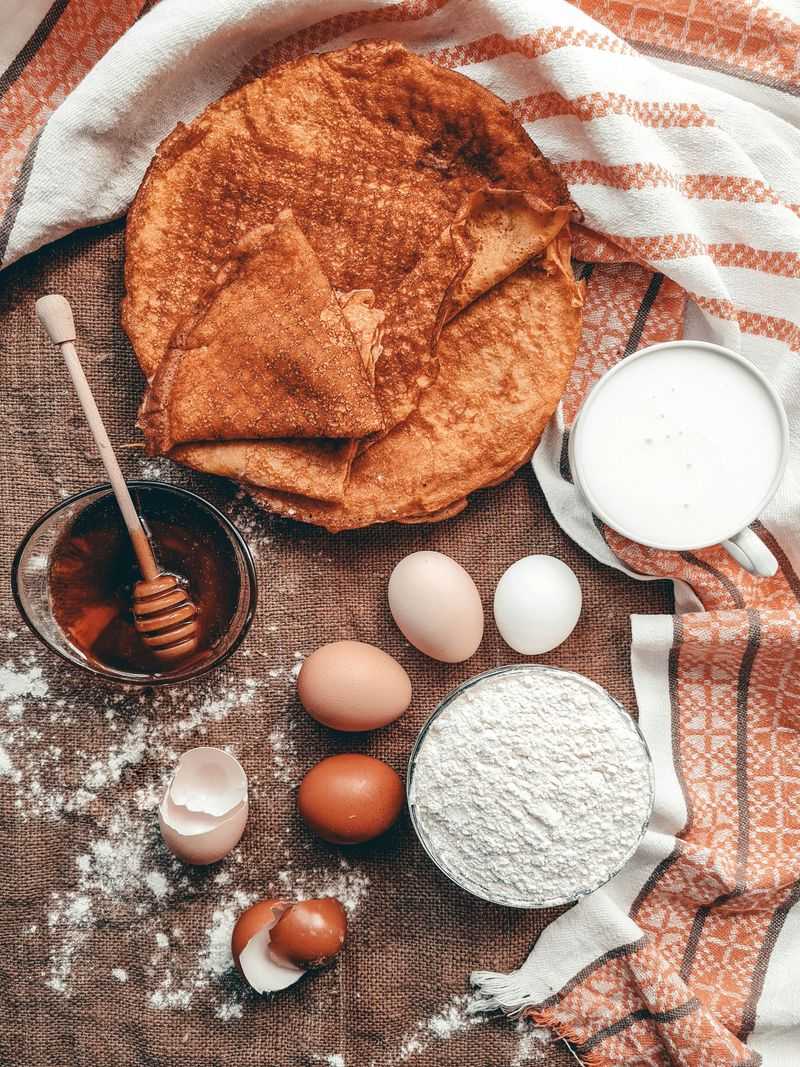
Corsica has a long love of chestnut flour, and pancakes are a delicious way to see why. Chestnut crêpes are slightly darker with a nutty, honeyed taste.
Chestnut flour has no gluten, so the batter can tear easily on its own. Mixing it half and half with plain flour gives flexible, easy-to-flip crêpes.
Rest the batter for 30 minutes to let the flour absorb the milk. Cook in a hot buttered frying pan with a thin swirl of batter.
Go sweet with honey, lemon or a smear of chestnut spread. For something savoury, fill them with ham, Gruyère and a fried egg.
Pancake Day suddenly has a very good reason to branch out.
12. Chocolate Chestnut Torte
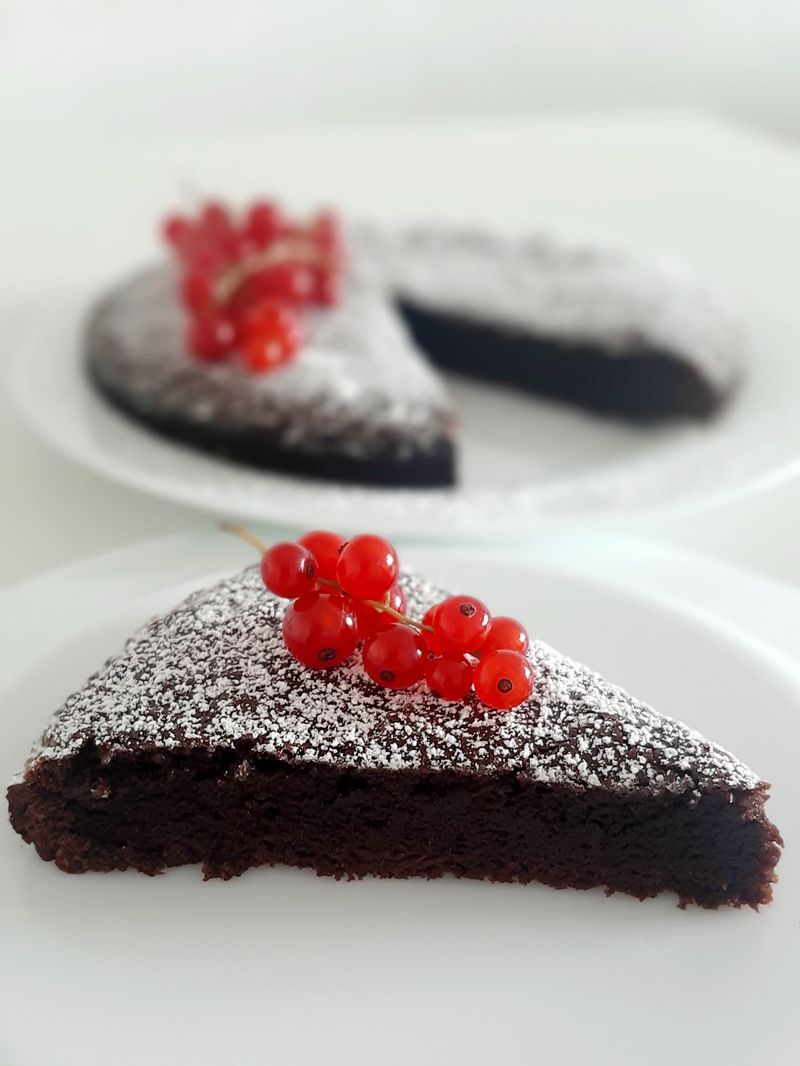
A tin of chestnut purée can replace flour entirely in a rich chocolate cake. The result is dense, moist and fudgy, closer to a torte than a sponge.
Melt dark chocolate with butter over a pan of barely simmering water. Beat in unsweetened chestnut purée and egg yolks until smooth.
Whisk the egg whites separately with sugar to soft peaks, then fold them in gently. That's what gives the torte a little lift.
Bake at around 170°C until just set with a slight wobble in the centre. It sinks as it cools, which is perfectly normal.
Since there's no wheat flour, it can suit gluten-free guests if your chocolate is labelled accordingly.
13. Marrons Glacés
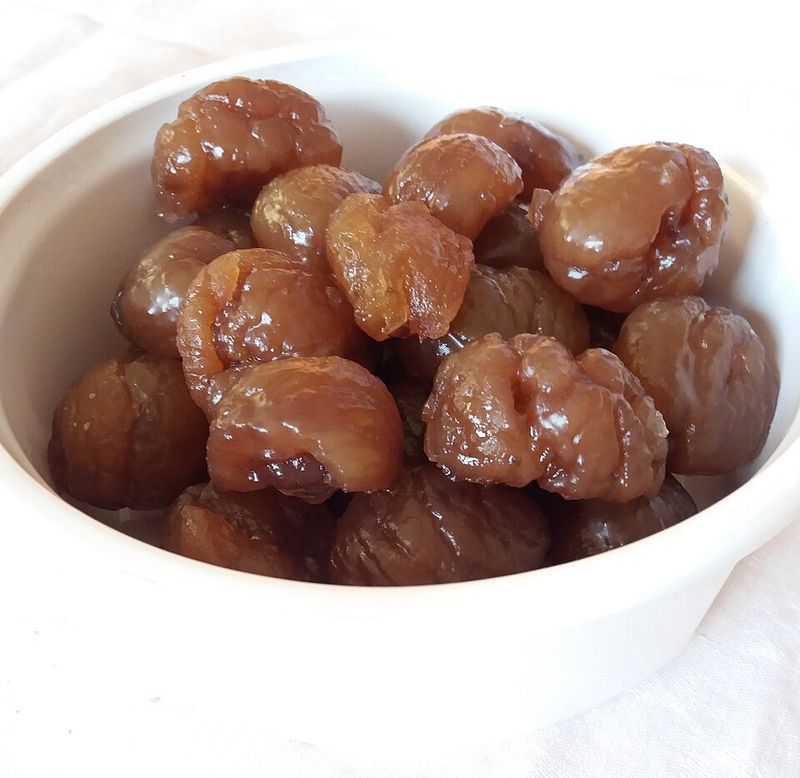
Patience is the main ingredient in these glossy French sweets. Marrons glacés are whole chestnuts candied slowly in sugar syrup over several days.
The chestnuts are gently simmered, peeled, then soaked in syrup. Each day, the syrup is brought back to the boil and the nuts left to soak again.
That gradual process lets the sugar seep in without breaking the fragile nuts. Rushing it leaves them hard and grainy instead of tender.
Many will crumble along the way, and that's fine. Broken pieces are perfect folded into whipped cream or ice cream.
Wrapped in little paper cases, the whole ones make a handsome homemade Christmas gift.
14. No-Churn Chestnut Ice Cream
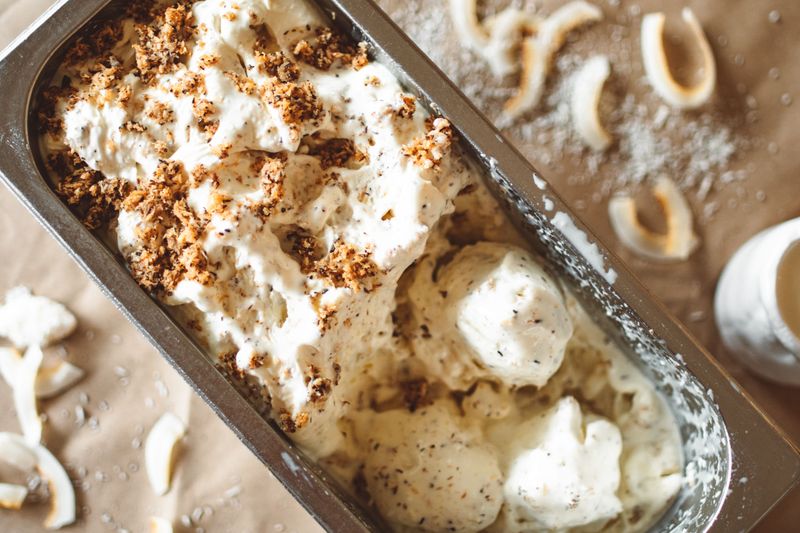
No machine, no custard, no fuss. This freezer-friendly pudding relies on whipped cream and sweetened condensed milk to stay smooth.
Whip double cream to soft peaks, then fold in condensed milk and sweetened chestnut spread. A dash of vanilla rounds out the flavour.
The high sugar content keeps ice crystals small, so the texture stays creamy. Spread it into a loaf tin, cover and freeze for at least six hours.
For crunch, ripple through crushed ginger biscuits or chunks of dark chocolate. Let it sit out for five minutes before scooping.
It's a surprising treat to bring out on Bonfire Night with hot drinks.
15. Chestnut Crème Brûlée
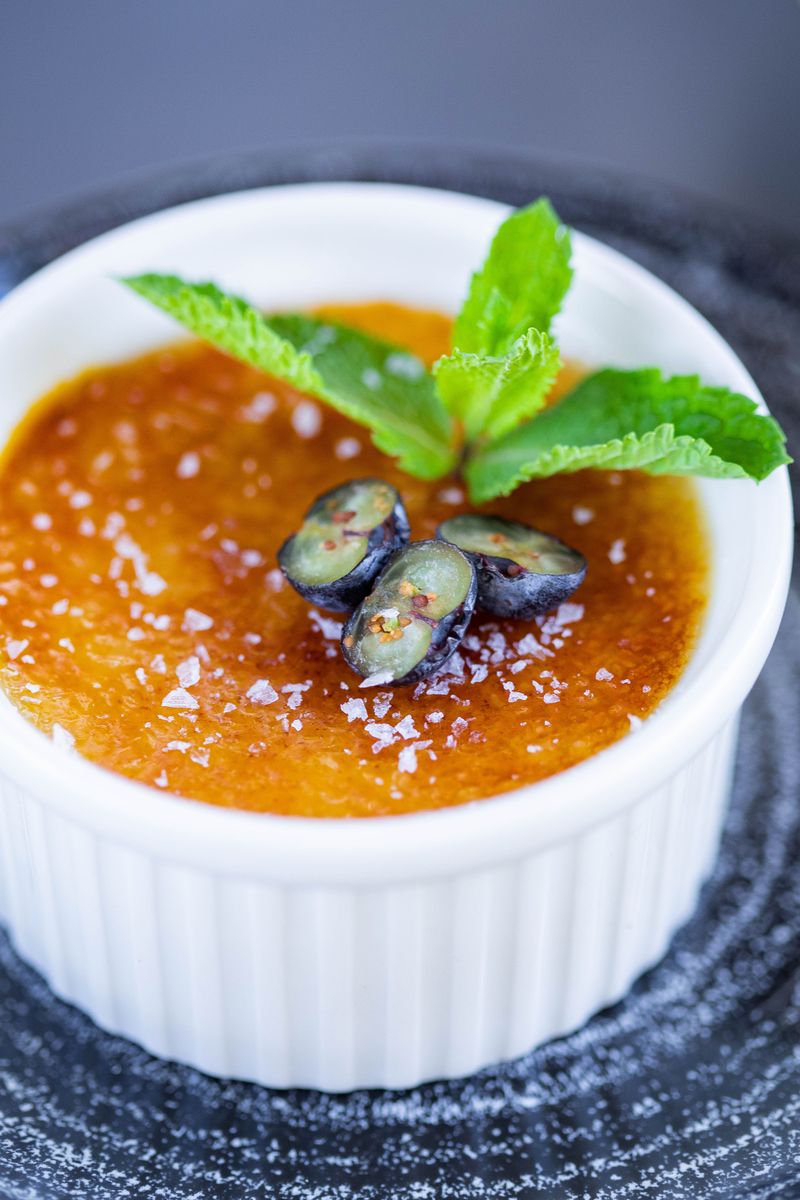
Tapping through a crisp sugar lid is half the fun of this pudding. Adding sweetened chestnut purée to the custard gives it a nutty, wintry flavour.
Warm double cream with vanilla, then whisk into egg yolks and sugar. Stir in the chestnut purée until fully smooth.
Bake the ramekins in a roasting tin of hot water at around 150°C. The water bath keeps the custard silky rather than scrambled.
Chill overnight, then sprinkle caster sugar over the tops. Melt it with a cook's blowtorch until it bubbles and turns amber.
Be careful, as molten sugar burns badly, so let it set for a few minutes before serving.
16. Apple and Chestnut Crumble
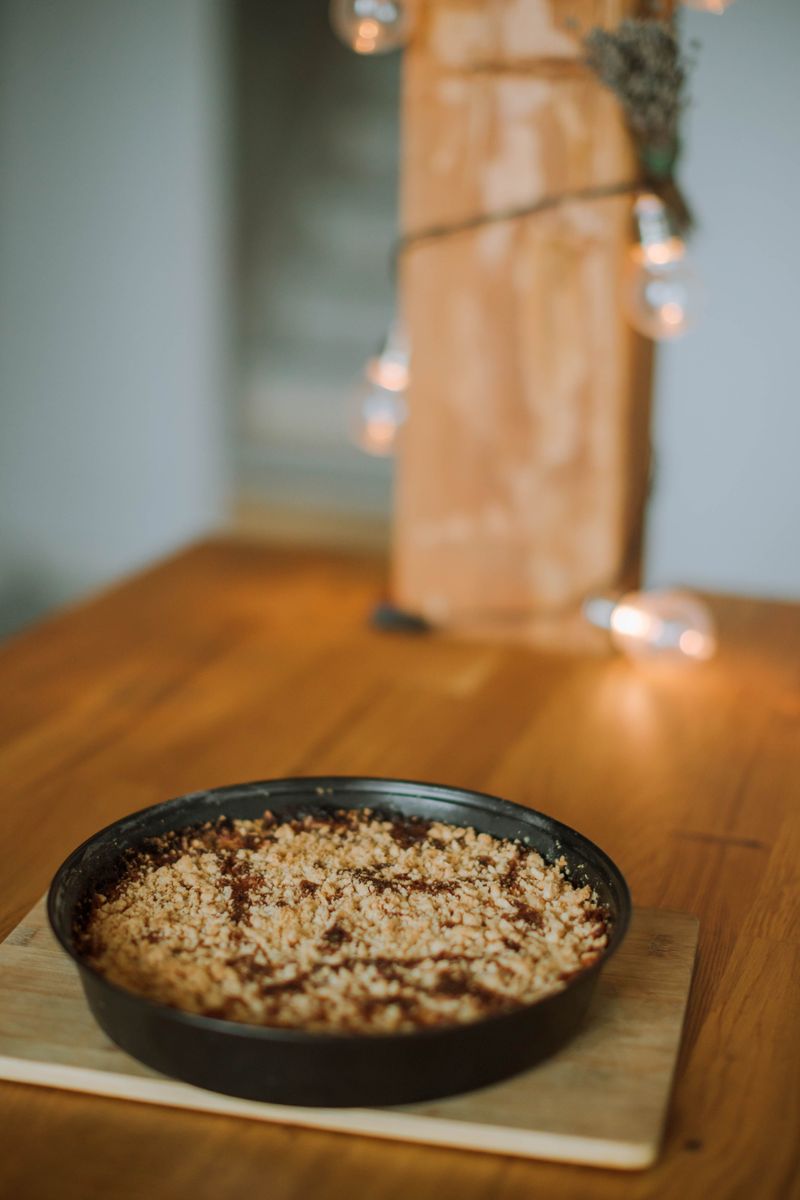
Britain's favourite humble pudding welcomes a nutty newcomer without fuss. Chopped chestnuts tucked among the apples add a soft, sweet bite.
Bramley apples break down into a sharp, fluffy filling. Toss them with brown sugar, cinnamon and a pinch of mixed spice.
Scatter roughly chopped cooked chestnuts through the fruit. For the topping, rub cold butter into flour and sugar until it looks like rough breadcrumbs.
A handful of oats in the crumble gives extra crunch. Bake at about 180°C until golden and bubbling at the edges.
Hot custard is non-negotiable, at least in our book.
17. Chestnut Hot Chocolate

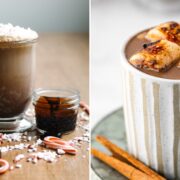
Ending with a mug feels right for a nut that's so tied up with cold weather. A spoonful of sweetened chestnut spread turns hot chocolate thick and velvety.
Heat milk gently in a pan until steaming but not boiling. Whisk in chopped dark chocolate until it melts completely.
Add two tablespoons of chestnut spread and whisk hard to smooth out any lumps. A pinch of cinnamon or sea salt sharpens the sweetness.
Top with whipped cream and a little grated chocolate if you're feeling generous. Test the temperature before handing it to younger drinkers.
Out of the paper cone and into your favourite mug, the humble chestnut finally gets the home comforts it deserves.