













Food is one of the most exciting ways to explore the world without ever leaving your seat. From sticky street snacks to elegant restaurant dishes, every culture has something truly unforgettable to offer.
Whether you're a seasoned traveler or just someone who loves trying new things, these 23 foods will make your taste buds go on the greatest adventure of their lives. Get ready to add some seriously delicious experiences to your must-eat list.
1. Peking Duck (Beijing, China)
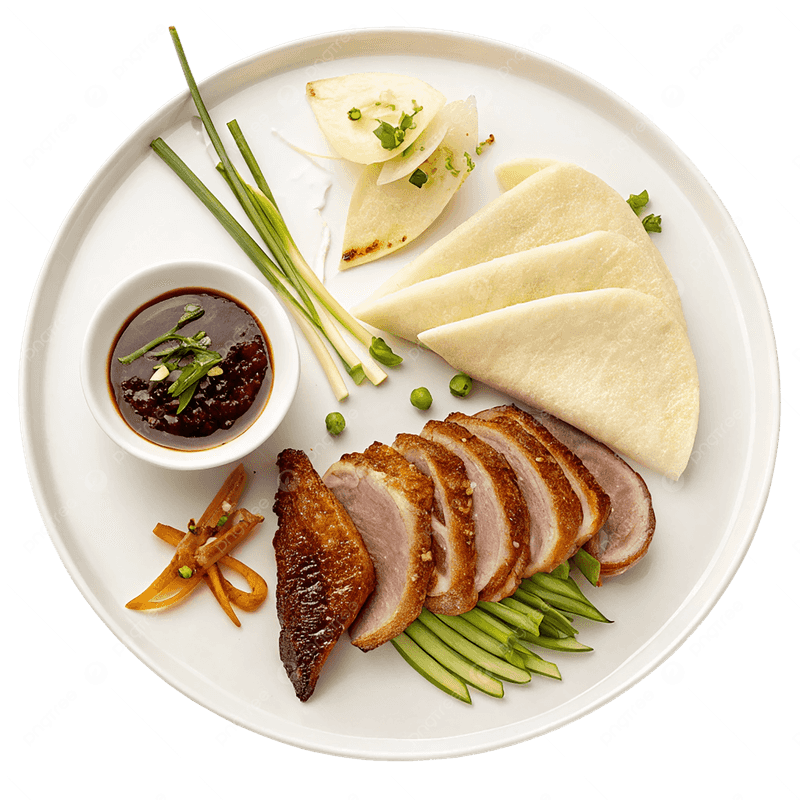
Centuries of royal tradition are packed into every single bite of Peking duck. The skin is so crispy it practically shatters, and chefs spend hours roasting the bird to get it just right.
You wrap thin slices in a delicate pancake with scallions and hoisin sauce.
Originating in imperial Beijing, this dish was once reserved for emperors. Today, you can find it in restaurants all over the world, but eating it in China is an experience unlike any other.
2. Neapolitan Pizza (Naples, Italy)
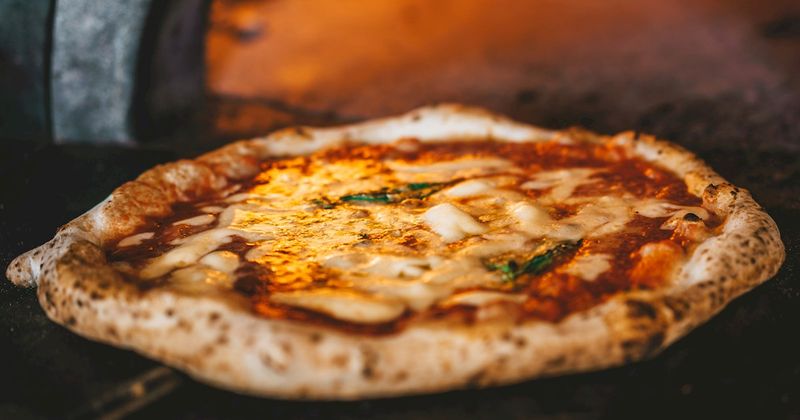
There is a reason people fly to Naples just to eat pizza. The dough is soft and chewy, the crust puffs up with beautiful char marks, and the ingredients are kept beautifully simple.
San Marzano tomatoes, fresh mozzarella, and a handful of basil leaves are all it takes.
Neapolitan pizza has UNESCO cultural heritage status, which tells you everything about how seriously Italians take it. One bite and you will completely understand why.
3. Tacos al Pastor (Mexico City, Mexico)
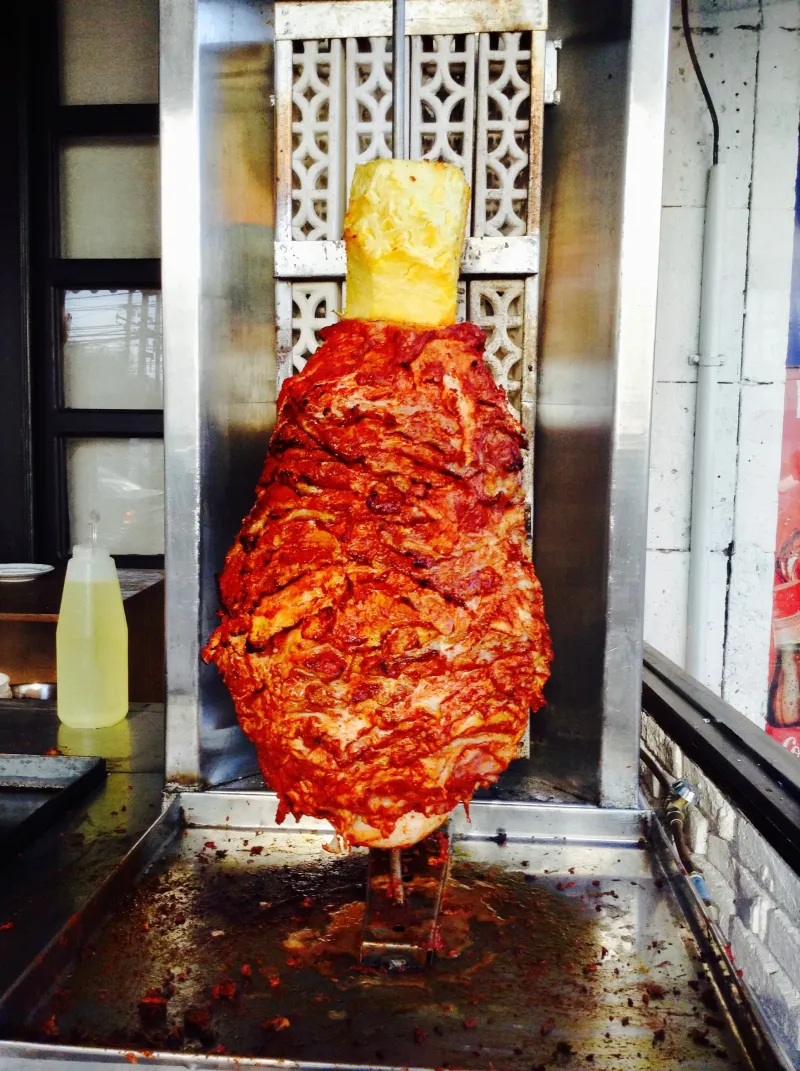
Spinning on a vertical spit like a savory carousel, the pork for tacos al pastor is one of the most mesmerizing sights in Mexican street food culture. The meat is marinated in dried chiles and spices, then shaved directly onto tiny corn tortillas.
A sliver of roasted pineapple on top takes everything to another level.
Lebanese immigrants actually inspired this cooking style in Mexico. That unexpected cultural mashup makes every taco taste even more interesting when you know the story behind it.
4. Ramen (Japan)
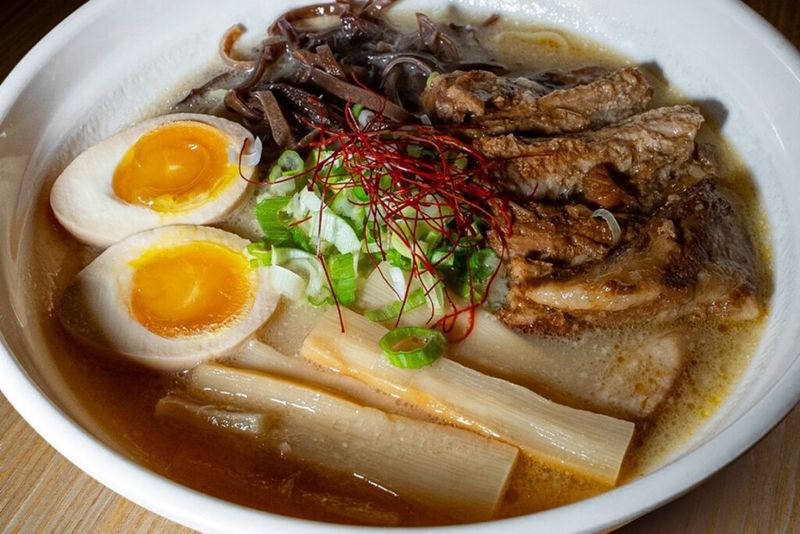
A bowl of ramen is not just soup. It is a slow-cooked masterpiece that can take a chef days to perfect.
The broth alone can simmer for 12 to 18 hours, building layers of flavor that feel like a warm hug on a cold day.
Japan has entire regional styles of ramen, from rich tonkotsu in Fukuoka to soy-based shoyu in Tokyo. Trying each style feels like meeting a totally different dish every single time.
5. Croissant (Paris, France)
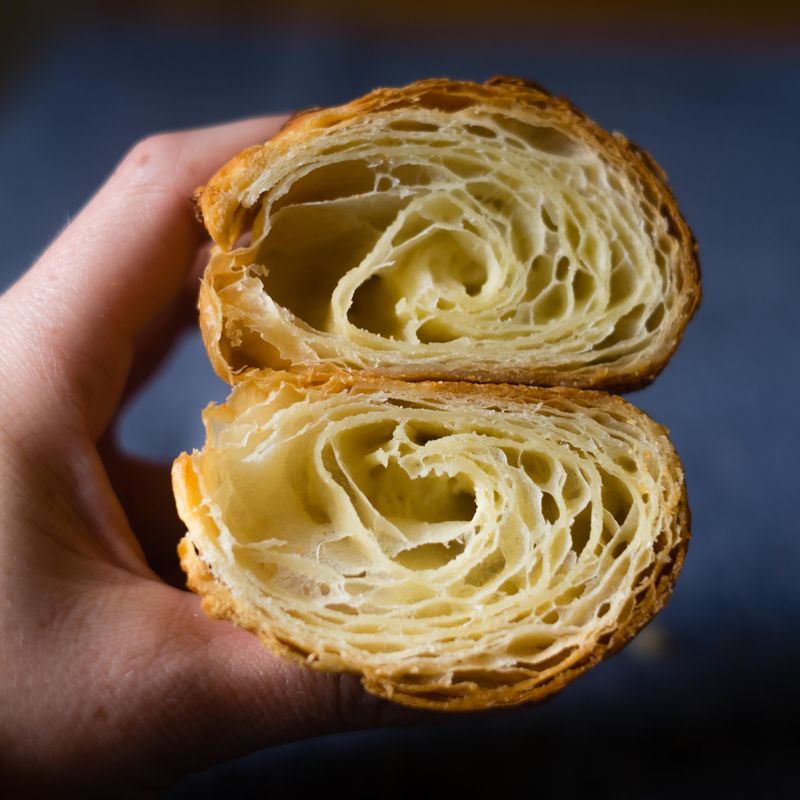
Buttery, flaky, and impossibly light, a proper French croissant is a small miracle of baking. The dough is folded dozens of times with cold butter to create hundreds of paper-thin layers that shatter when you bite in.
Most people do not realize how much work goes into something that looks so simple.
Eating one fresh from a Parisian boulangerie on a quiet morning is the kind of simple pleasure that stays with you forever. No jam required.
6. Jerk Chicken (Jamaica)
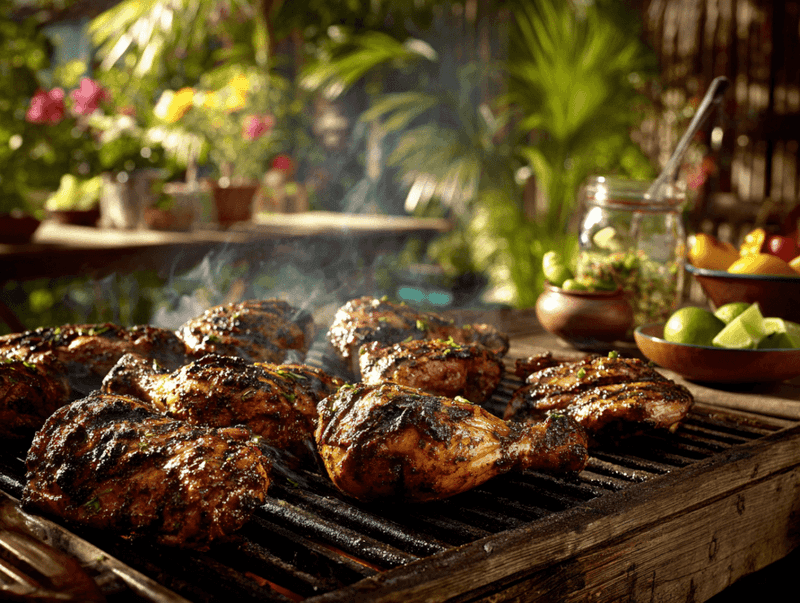
Few smells on earth are as intoxicating as jerk chicken cooking over a smoky pimento wood fire. The marinade, built on scotch bonnet peppers and allspice, soaks deep into the meat and creates a bold, fiery flavor that is completely unlike any other barbecue style in the world.
Jamaican jerk cooking dates back to the Maroon people, who developed it as a way to preserve meat. Every bite carries centuries of resilience and creativity in its smoky, spicy soul.
7. Pho (Hanoi, Vietnam)
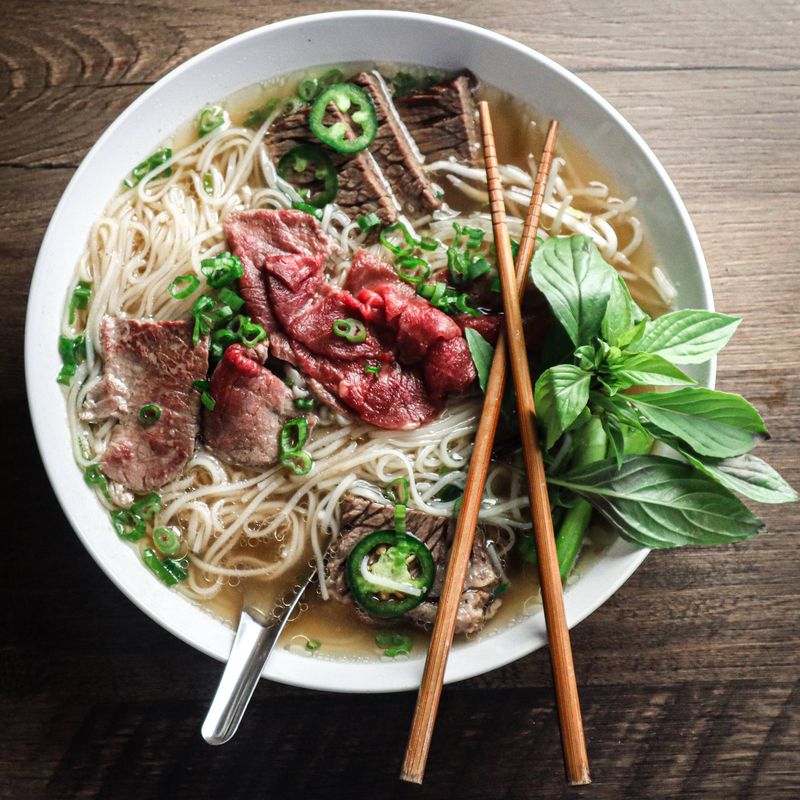
Long before the rest of the world caught on, Vietnamese families were waking up to steaming bowls of pho as their morning ritual. The broth is built from charred ginger, star anise, cinnamon, and beef bones that simmer for hours.
The result is delicate yet deeply satisfying in a way that is hard to explain until you try it.
Squeezing fresh lime and tearing basil leaves into your bowl is part of the experience. Customizing your pho is practically a form of self-expression.
8. Sushi (Tokyo, Japan)
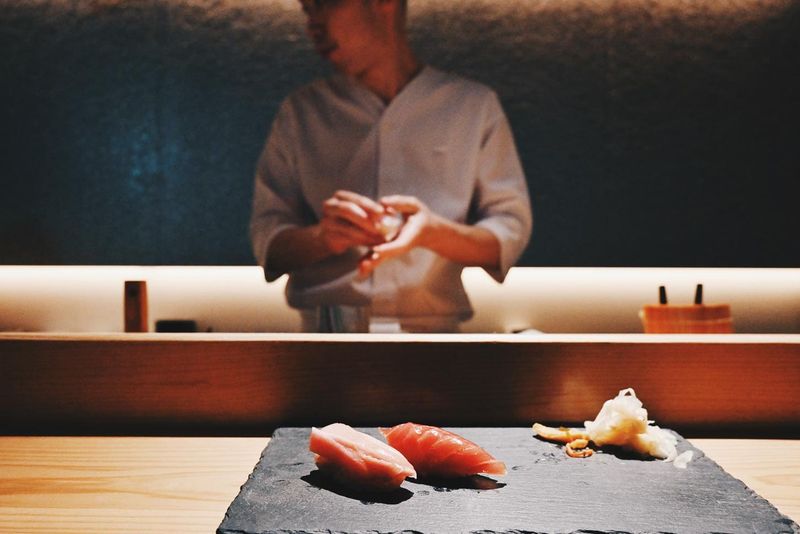
Real sushi is about restraint. A skilled sushi chef, called an itamae, trains for years just to learn how to properly season rice.
That perfectly vinegared rice, pressed by hand and topped with the freshest fish, is a lesson in how simplicity can be breathtakingly delicious.
Sitting at an omakase counter in Tokyo, where the chef decides your meal, is a bucket list experience all on its own. You trust the chef completely, and they almost never let you down.
9. Injera with Stews (Ethiopia)
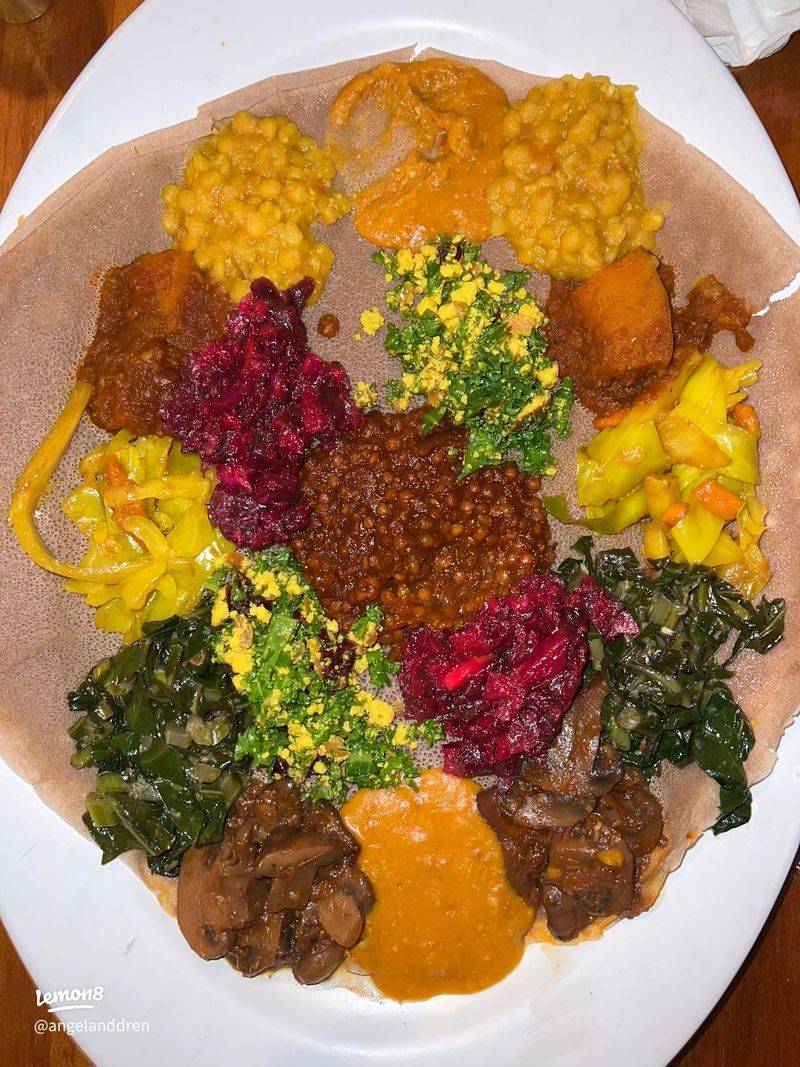
Eating injera is a full-body, communal experience. The spongy sourdough flatbread doubles as both plate and utensil, and everyone eats from the same large round together.
Tearing off pieces and scooping up rich, spiced stews is deeply satisfying in a way that fancy silverware just cannot replicate.
The slightly sour tang of injera balances the bold heat of berbere-spiced dishes perfectly. Ethiopian cuisine is wildly underrated, and this meal is proof that it deserves far more global attention.
10. Baklava (Turkey and the Middle East)
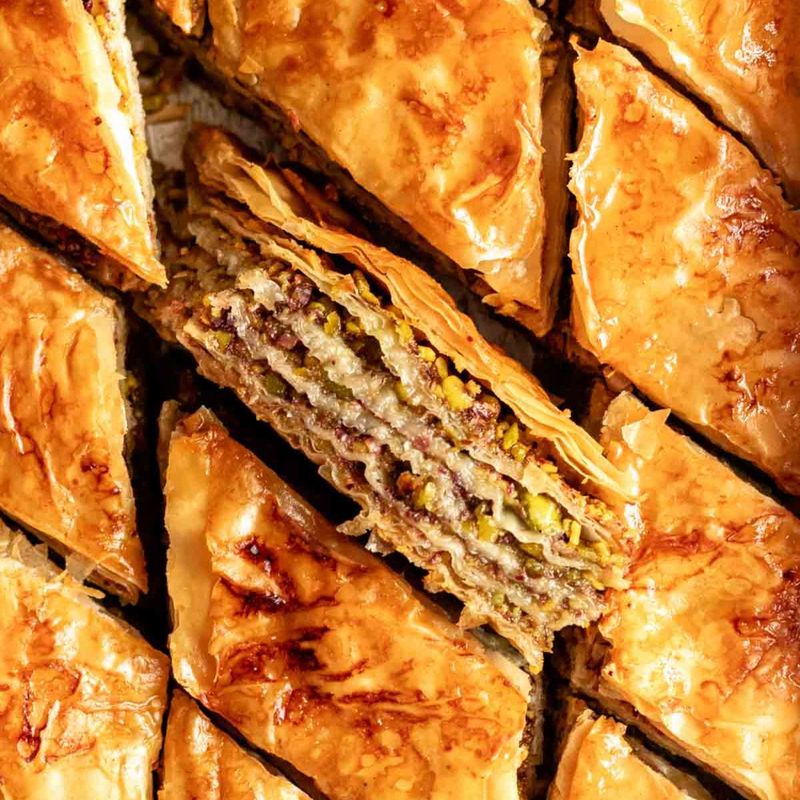
Imagine dozens of paper-thin pastry sheets, each brushed with butter, layered with crushed pistachios or walnuts, baked golden, and then drowned in fragrant syrup. That is baklava, and it is the kind of dessert that makes you close your eyes when you take the first bite.
Turkey and Greece both passionately claim baklava as their own, which just means there are twice as many great places to try it. Honestly, the debate only makes it taste sweeter.
11. Pad Thai (Bangkok, Thailand)
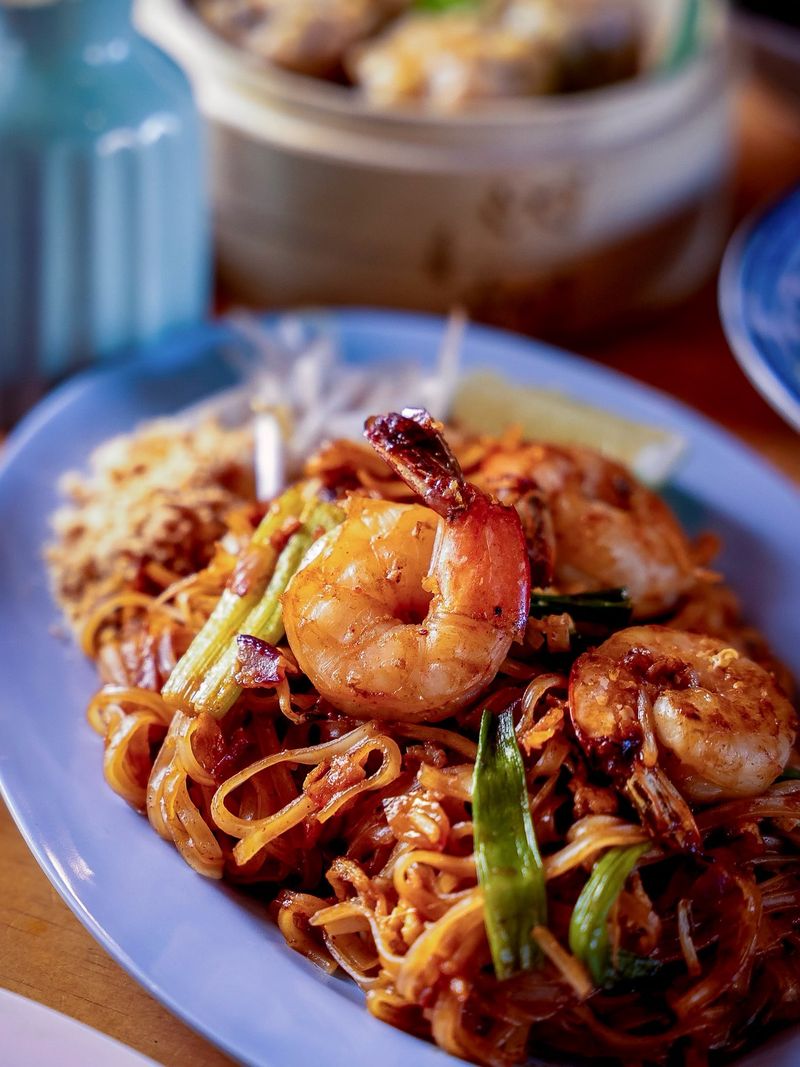
Pad Thai is Thailand's most famous street food export, but eating it fresh from a wok-fired stall in Bangkok is a completely different experience than any takeout version you have had before. The noodles get a slight char from the screaming hot wok, and the balance of sweet, sour, and savory flavors is almost perfect.
Tamarind paste is the secret ingredient that gives pad Thai its signature tangy depth. Squeezing extra lime over the top right before eating makes every bite taste even brighter.
12. Ceviche (Lima, Peru)
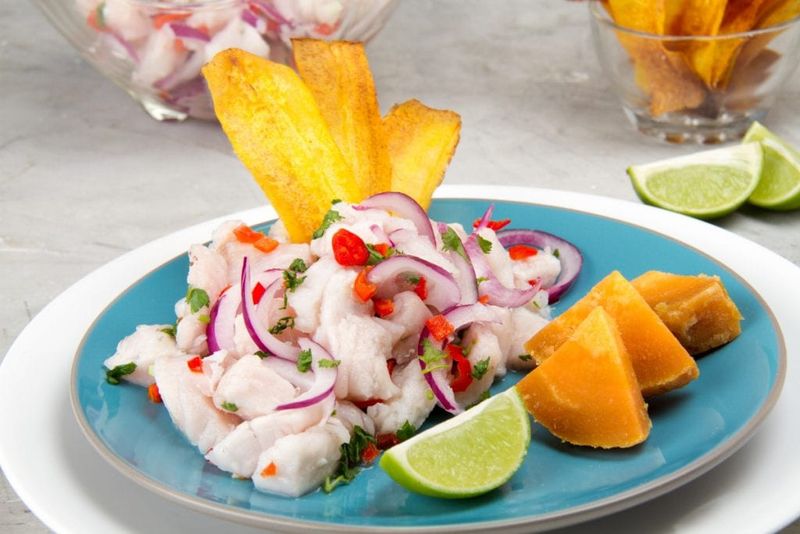
Raw fish cured in citrus juice sounds unusual until you taste it. The acid from fresh lime juice essentially cooks the fish, turning it firm and bright white while keeping it incredibly tender.
Tossed with fiery aji amarillo peppers and sharp red onion, it is one of the most refreshing dishes on the planet.
Peru takes ceviche so seriously that there is a National Ceviche Day. Eating it in Lima, steps from the Pacific Ocean, is an experience that food lovers genuinely never forget.
13. Paella (Valencia, Spain)
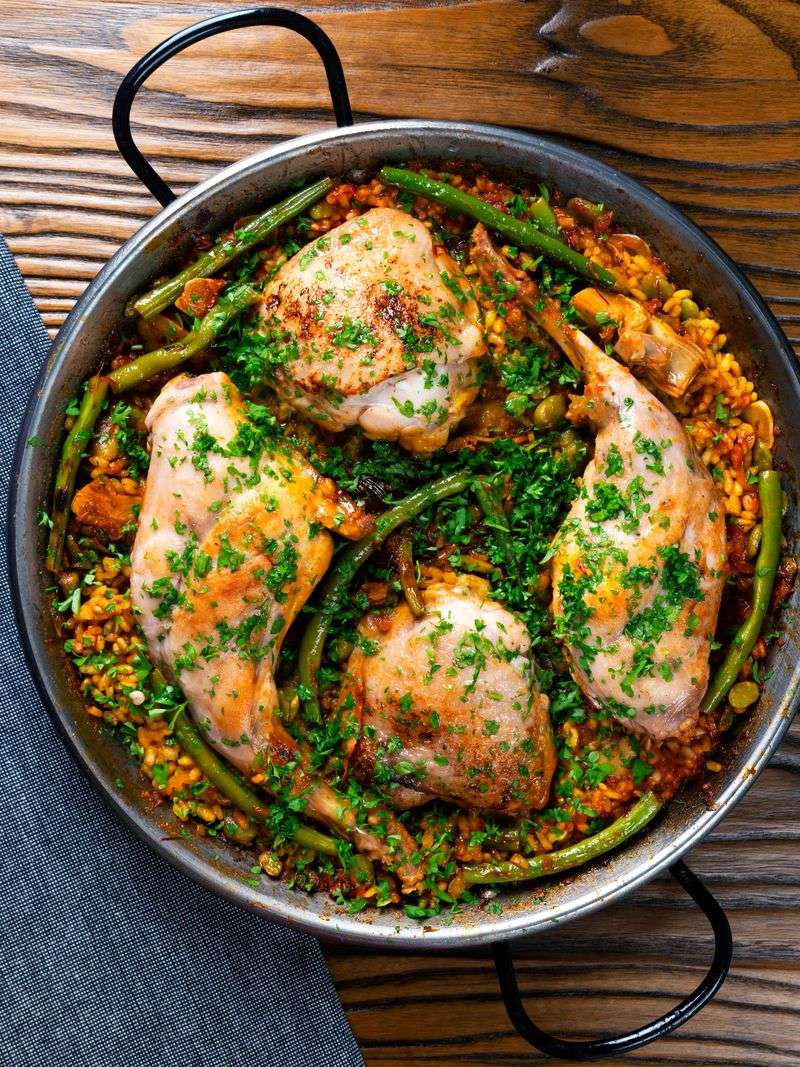
The secret to great paella is the socarrat, that crispy caramelized rice crust that forms at the bottom of the pan. Spaniards consider it the most prized part of the dish, and scraping it up is a point of pure joy.
Saffron gives the rice its gorgeous golden color and a flavor that is floral and earthy at the same time.
Valencia, where paella was born, is the only place where you will find the true original recipe. Rabbit and green beans, not seafood, are the traditional toppings.
14. Dim Sum (Hong Kong)
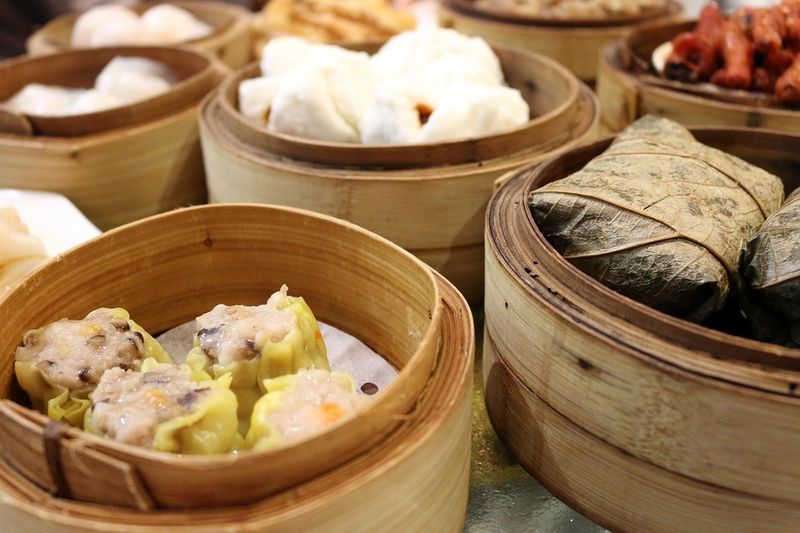
Sunday mornings in Hong Kong belong to dim sum. Families crowd into loud, cheerful restaurants for yum cha, which means drinking tea while sharing dozens of small dishes.
Delicate dumplings, fluffy steamed buns, crispy turnip cakes, and egg tarts arrive in bamboo steamers on rolling carts.
Har gow, the translucent shrimp dumpling, is often used as a benchmark to judge a dim sum chef's skill. If the wrapper is thin but does not tear, you know you are in good hands.
15. Churros with Chocolate (Spain)
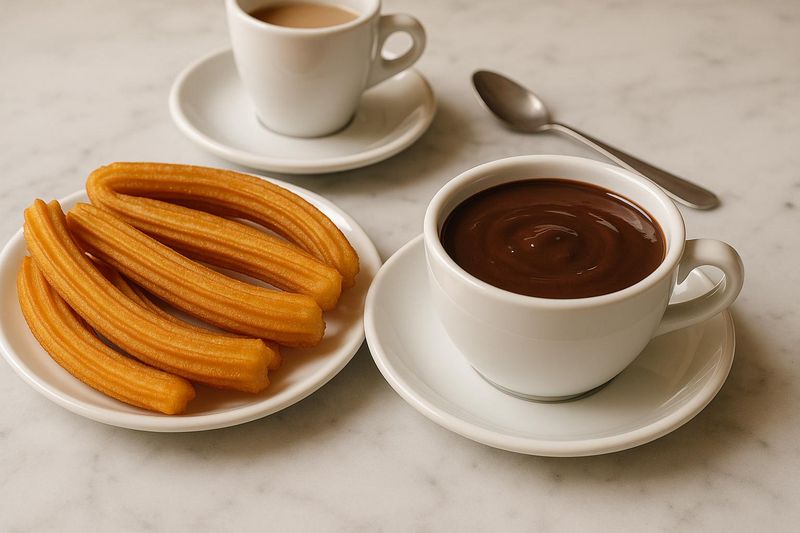
Spanish churros are nothing like the cinnamon-sugar sticks sold at theme parks. They are thicker, crispier, and meant to be dunked into a cup of chocolate so thick it barely pours.
This combination is a beloved Spanish breakfast, and yes, dessert for breakfast is completely acceptable here.
Madrid's oldest chocolate shop, Chocolateria San Gines, has been serving this exact pairing since 1894. Showing up at 3 a.m. after a night out to order churros is a local tradition worth joining.
16. Bibimbap (South Korea)
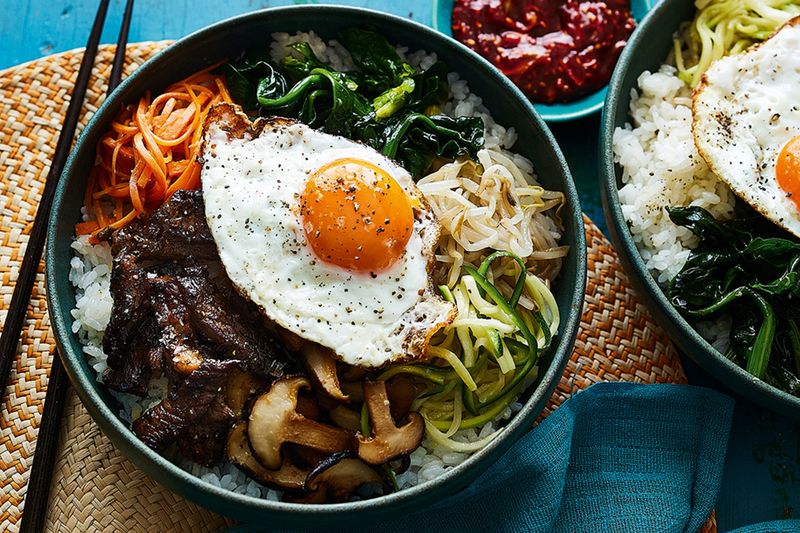
Before mixing bibimbap, take a moment to admire it. The bowl arrives with each ingredient arranged in neat, colorful sections around a bright egg yolk, looking almost too beautiful to disturb.
Then you add a spoonful of gochujang chili paste, stir everything together, and create something completely new.
The dolsot version, served in a scorching stone bowl, creates crispy rice at the bottom that rivals any socarrat. It is warm, spicy, filling, and genuinely one of Korea's greatest gifts to the world.
17. Gelato (Florence, Italy)
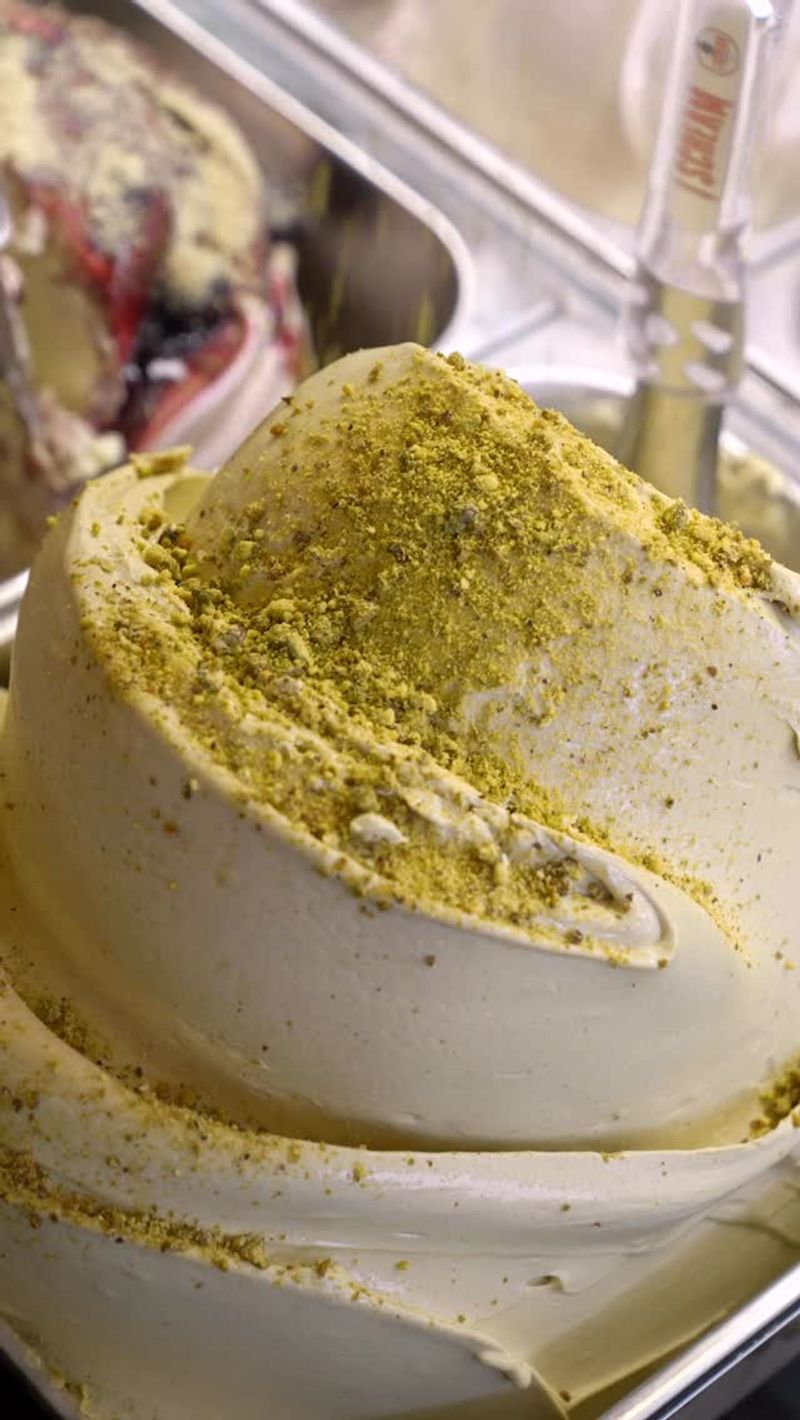
Gelato is not ice cream, and any Italian will tell you that distinction matters enormously. It is churned more slowly, contains less air, and is served at a slightly warmer temperature, which makes it denser, creamier, and far more intensely flavored.
The pistachio gelato in Florence tastes like eating a whole handful of perfectly roasted nuts in one spoonful.
Avoid gelato displayed in towering mounds. True artisan gelato is kept flat in metal containers.
That understated presentation is usually a sign of something spectacular.
18. Bunny Chow (Durban, South Africa)
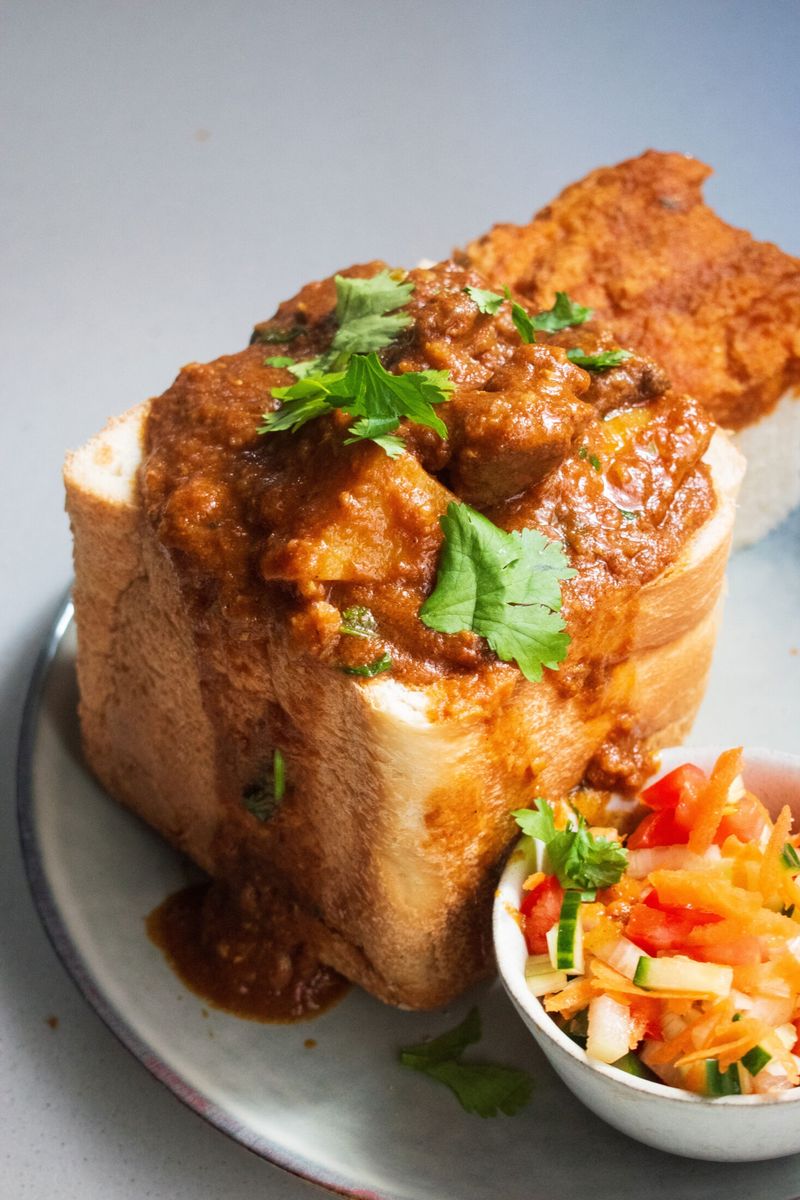
A hollowed-out loaf of bread filled with curry sounds like something a hungry genius invented on the spot, and honestly, that is not far from the truth. Bunny chow was created by the Indian community in Durban as a portable meal for workers who were not allowed to eat inside restaurants during apartheid.
The bread soaks up the curry and becomes almost as good as the filling itself.
Eating it with your hands, tearing off pieces of the bread lid to scoop up curry, is the only correct way to enjoy it.
19. Lobster Roll (Maine, USA)
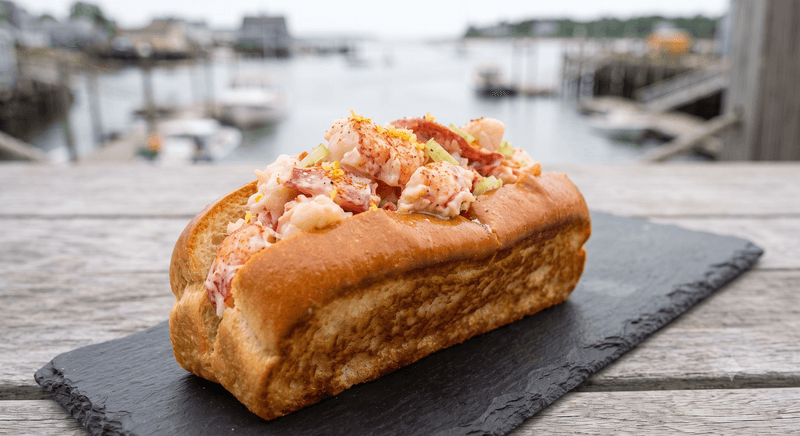
Cold lobster meat, barely dressed with a little mayo and a squeeze of lemon, piled generously into a toasted, buttered bun. That is the Maine lobster roll, and it is the kind of food that feels like a celebration even on an ordinary Tuesday.
Overcomplicate it and you ruin it completely.
Maine lobster rolls are best eaten at a weathered picnic table near the water with the smell of the ocean in the air. No fancy restaurant can fully replicate that setting, and locals will tell you the same.
20. Mole Negro (Oaxaca, Mexico)
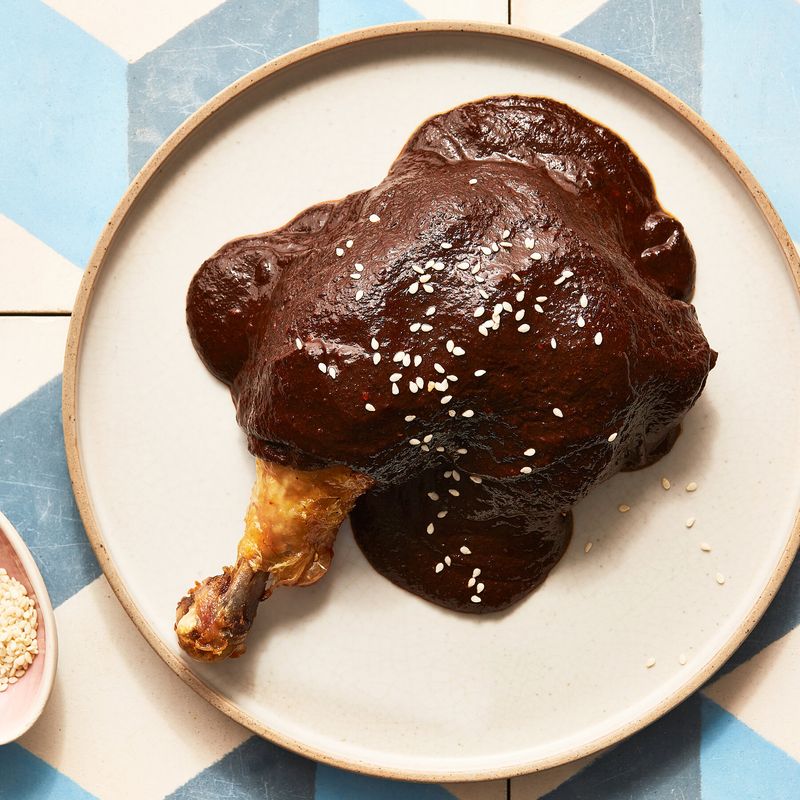
Mole negro is the kind of sauce that demands respect. It contains over 30 ingredients, including dried chilies, chocolate, tomatoes, nuts, spices, and charred tortillas, all ground together and cooked low and slow for hours.
The result is something so complex and layered that tasting it feels like listening to a full orchestra.
Oaxaca is considered the home of mole, and local cooks often guard their family recipes fiercely. Finding a grandmother's version at a small market stall is one of Mexico's greatest culinary treasures.
21. Pierogi (Poland)
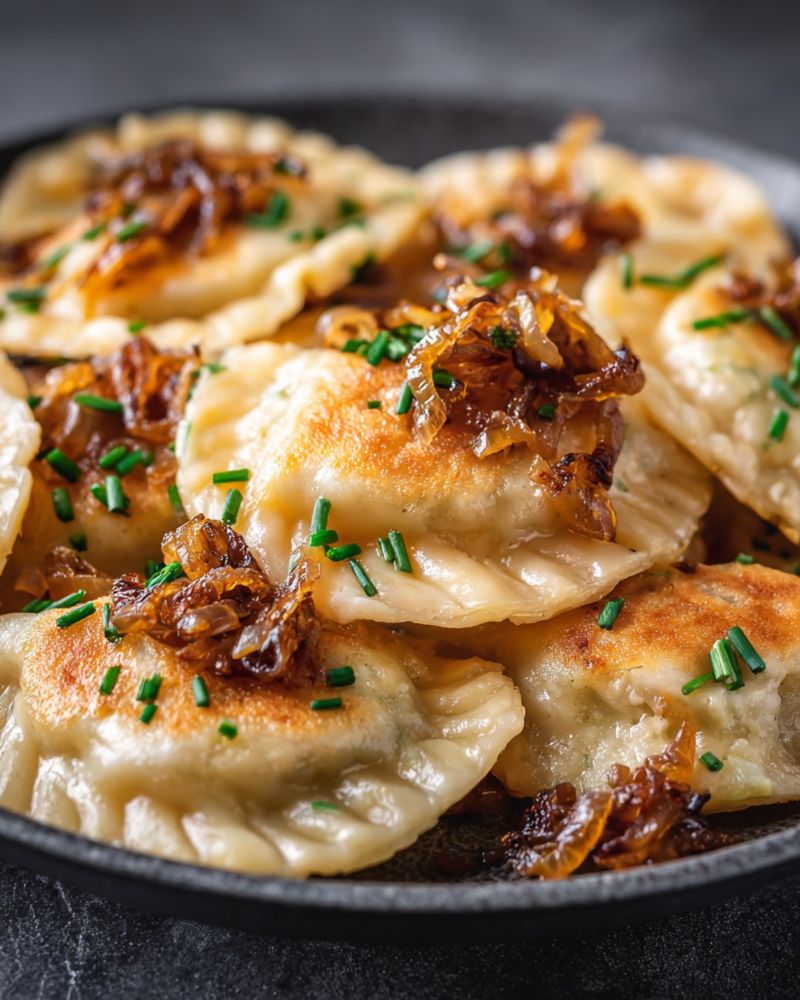
Comfort food hits differently when it has been passed down through generations. Polish pierogi are stuffed dumplings that can be boiled, baked, or pan-fried until golden and slightly crispy on the outside.
The most beloved filling is mashed potato and farmer's cheese, which is simple but deeply satisfying in every possible way.
At Krakow's Christmas market, you can find dozens of pierogi varieties, from savory to sweet. Eating them straight from the pan, burning your fingers slightly, is absolutely worth it.
22. Rendang (West Sumatra, Indonesia)
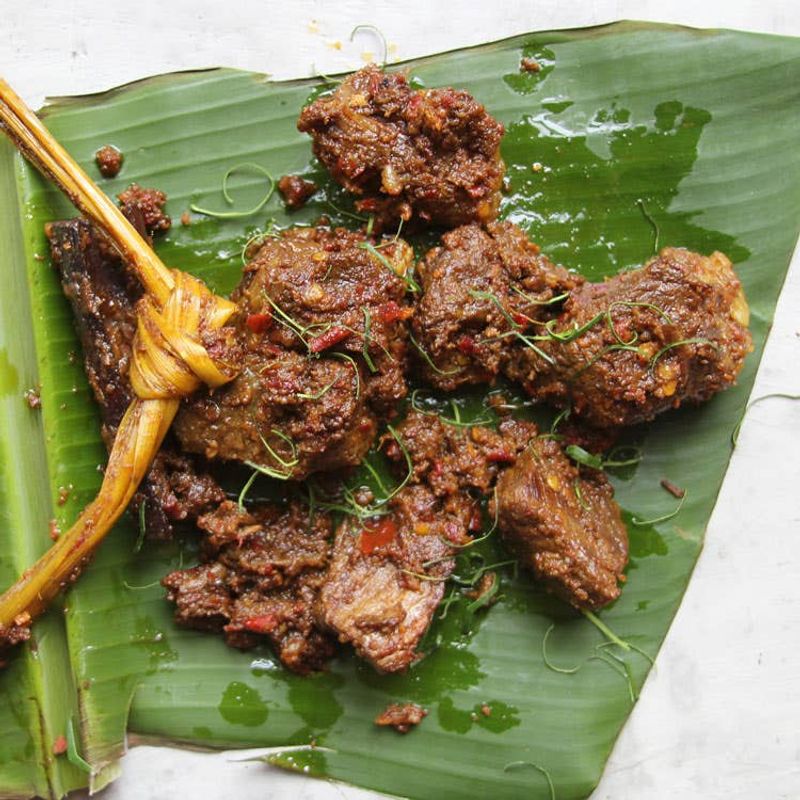
Rendang has won multiple polls as the world's most delicious food, and one taste makes that ranking feel completely fair. This slow-cooked Indonesian beef dish simmers in coconut milk and a paste of lemongrass, galangal, ginger, and chilies until the liquid evaporates completely and the meat is coated in deep, caramelized spice.
The process takes hours, but the payoff is extraordinary.
Traditionally made for celebrations and honored guests, rendang carries a sense of occasion in every bite. Eating it fresh in West Sumatra, with steamed rice on a banana leaf, is unforgettable.
23. Montreal Smoked Meat Sandwich (Montreal, Canada)
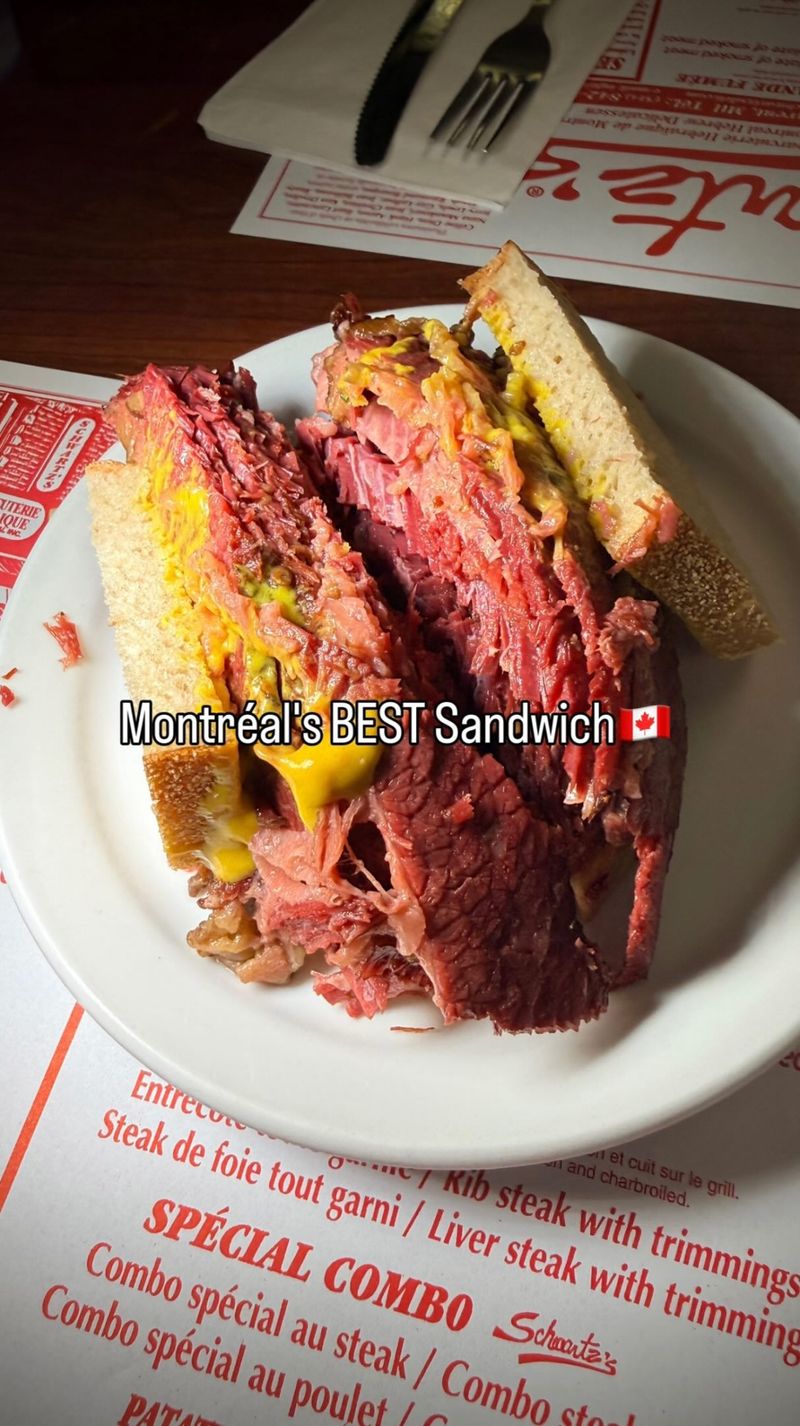
Montreal smoked meat is brisket cured in spices for up to ten days, then slow-smoked and hand-sliced into thick, peppery, impossibly tender pieces. Piled high on rye bread with yellow mustard, it is one of North America's most iconic sandwiches, full stop.
The meat practically melts, but still has enough chew to feel satisfying.
Schwartz's Deli in Montreal has been serving this sandwich since 1928, and the line outside is always worth joining. Order it medium fat for the best balance of flavor and tenderness.




Comments
No Comments