













A perfectly made omelette can feel like a luxury breakfast without ever leaving your kitchen. Most people think fancy eggs require a professional chef, but the secret is really just a few smart tricks.
Whether you enjoy a classic French fold or a fluffy American-style omelette, small upgrades make a huge difference. Read on to discover 20 easy ways to take your omelette from basic to brilliant.
1. Use Room Temperature Eggs
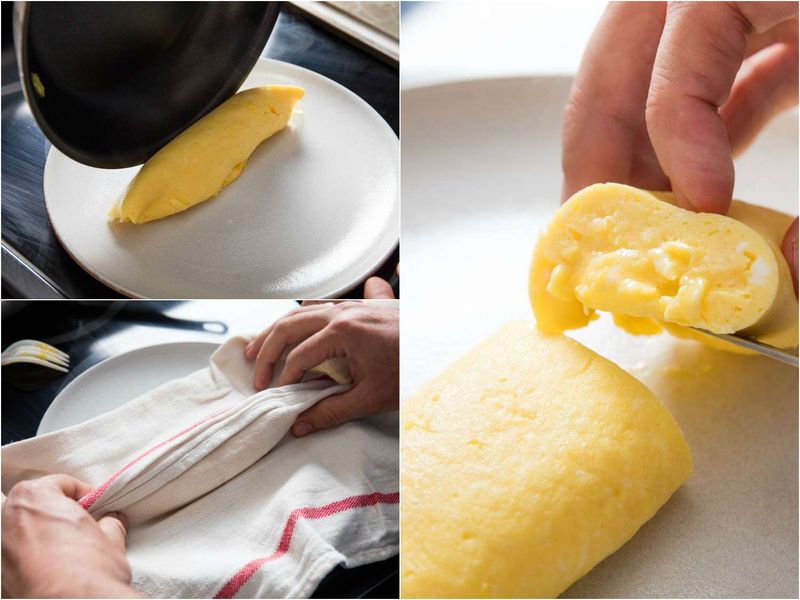
Cold eggs straight from the fridge can cook unevenly, giving you rubbery spots instead of silky layers. Letting your eggs sit out for about 15 minutes before cooking makes a surprisingly big difference.
Room temperature eggs blend more smoothly and cook more evenly in the pan.
Professional chefs swear by this simple step. It costs nothing and takes almost no effort, yet the result feels noticeably more polished and restaurant-quality every single time.
2. Whisk With Intention
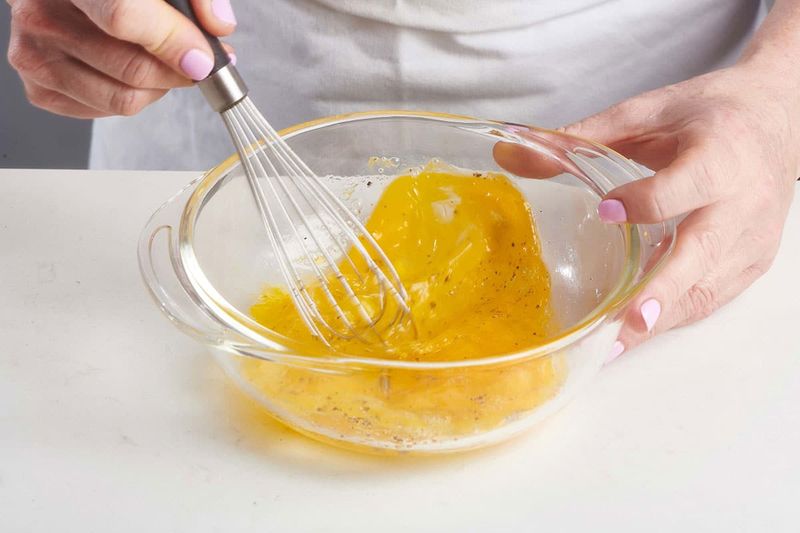
Most home cooks give their eggs a quick stir and call it done, but real whisking takes about 30 solid seconds of effort. You want the yolks and whites fully combined with tiny air bubbles throughout.
Those bubbles are what give your omelette a light, almost fluffy texture.
Try using a fork instead of a whisk for more control. Season the eggs before whisking so the salt has time to slightly tenderize the proteins for a softer bite.
3. Add a Splash of Cream or Milk
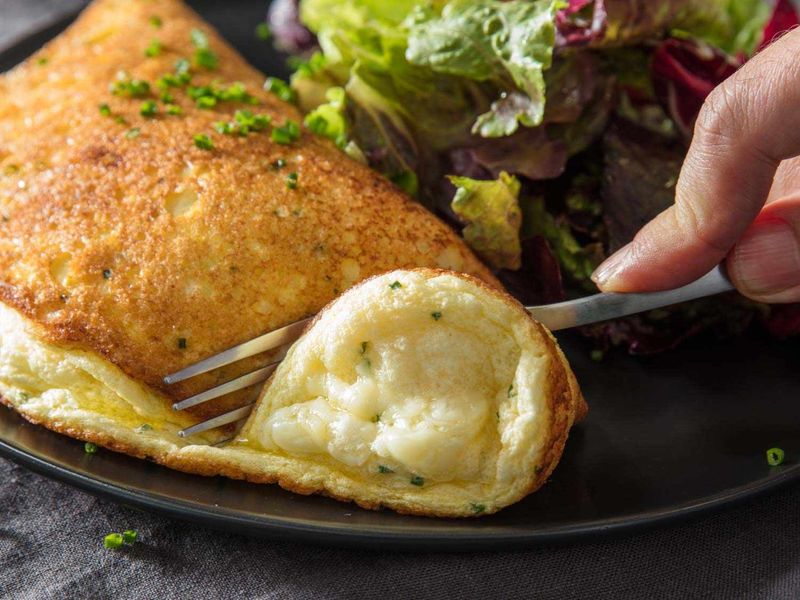
A tiny splash of cream or whole milk stirred into your egg mixture adds richness and a velvety texture that plain eggs just cannot match. You only need about one tablespoon per two eggs.
Heavy cream gives a more luxurious result, while milk keeps things lighter.
Restaurants often use this trick without mentioning it on the menu. The fat in the dairy coats the proteins and slows cooking slightly, which helps prevent overcooking and keeps the omelette tender.
4. Choose the Right Pan Size
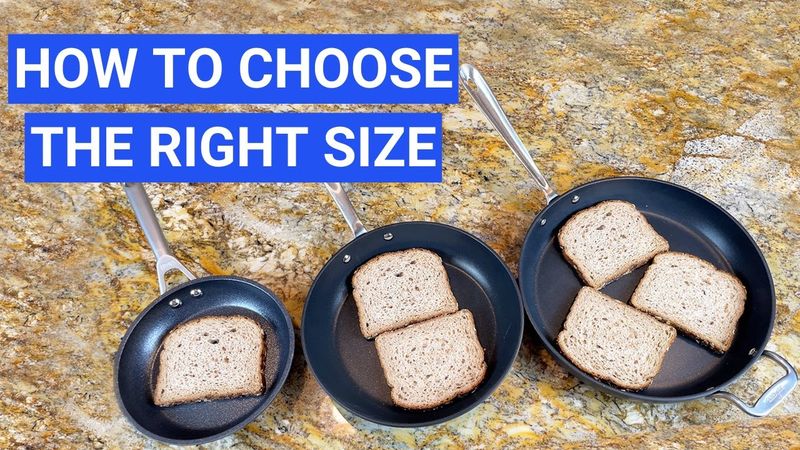
Pan size matters more than most people realize. A two-egg omelette belongs in an 8-inch pan, while a three-egg version fits best in a 10-inch pan.
Using a pan that is too large spreads the eggs too thin and leads to a dry, overcooked result.
The right size lets your eggs build up just enough height to fold beautifully. Check your pan before you crack a single egg so you are set up for success from the very start.
5. Master Medium-Low Heat
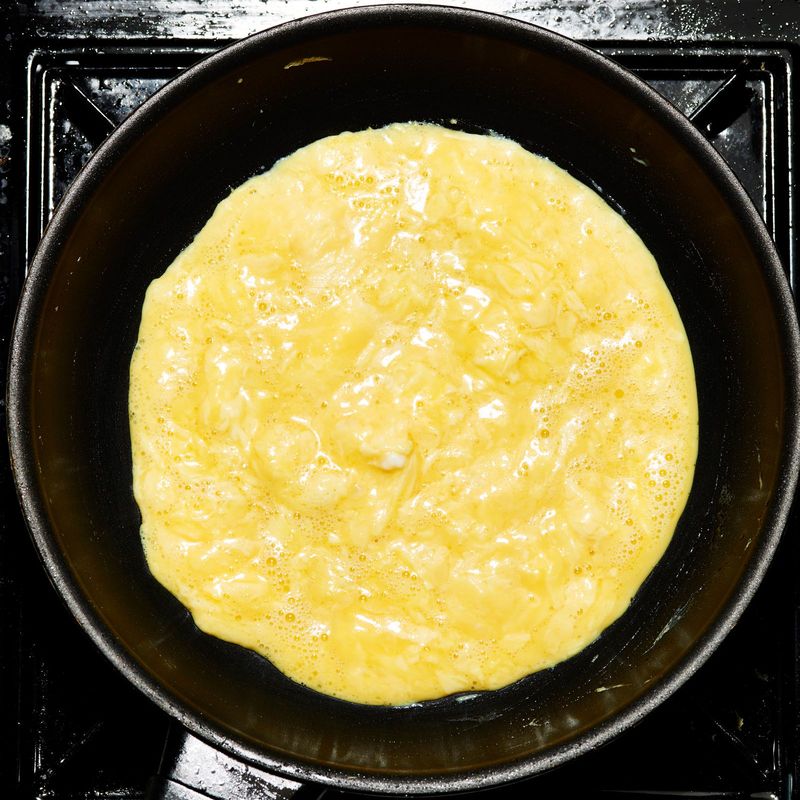
High heat is the number one reason home omelettes turn out brown and rubbery instead of pale and tender. Restaurants use medium-low or even low heat to give eggs time to set gently without scorching.
Patience here is genuinely rewarded.
Watch for the butter to foam and then calm down before adding your eggs. That foam tells you the pan is hot enough to cook but not so hot that it will destroy the delicate texture you are working to create.
6. Use Clarified Butter or Good Quality Butter
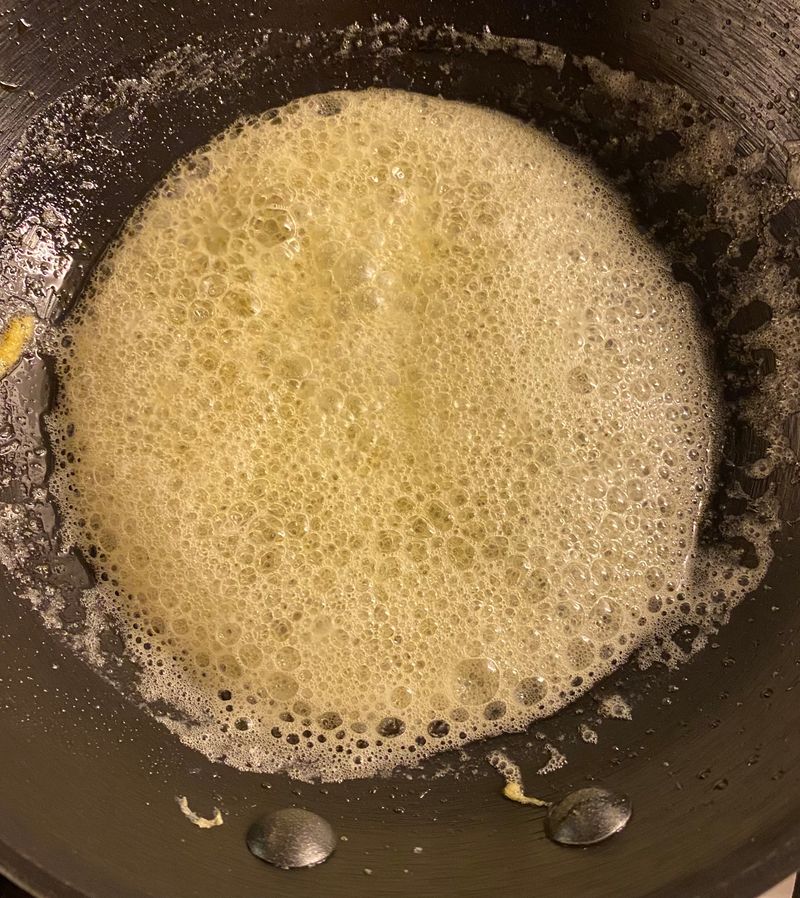
Regular butter burns faster than you might expect, leaving your omelette with dark spots and a slightly bitter edge. Clarified butter, also called ghee, has the milk solids removed so it handles heat much better.
Even a high-quality European-style butter makes a noticeable flavor difference.
The fat you cook in is the first layer of flavor your eggs absorb. Spending a little more on good butter is one of the easiest upgrades with the biggest payoff for your morning omelette.
7. Pre-Cook Your Fillings
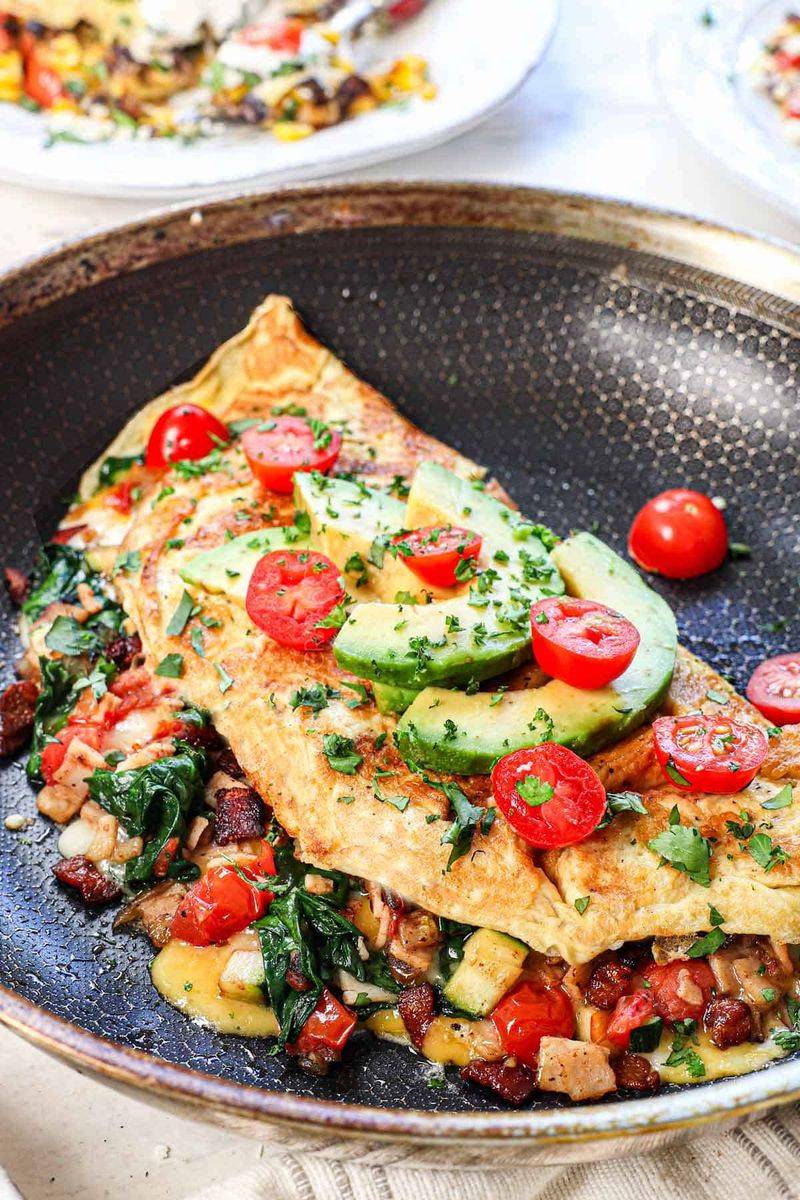
Raw vegetables release moisture as they cook, and that moisture can make your omelette soggy and watery from the inside out. Always saute or roast your fillings before they go into the eggs.
Even a quick two-minute cook in the pan makes a real difference.
Pre-cooking also deepens the flavor of your ingredients. Mushrooms become earthy and rich, peppers turn sweet, and onions caramelize beautifully.
Your omelette filling should taste amazing on its own before it ever meets the egg.
8. Season in Layers

Seasoning only at the end is a missed opportunity. Salt your eggs before whisking, season your fillings while they cook, and add a final pinch right before serving.
Each layer of seasoning builds depth and makes every bite taste balanced and intentional.
Freshly cracked black pepper added at the very end has a brightness that pre-ground pepper simply cannot match. A tiny flake of flaky sea salt on top of the finished omelette adds a little crunch and a chef-level finishing touch.
9. Try Fresh Herbs as a Filling and Garnish
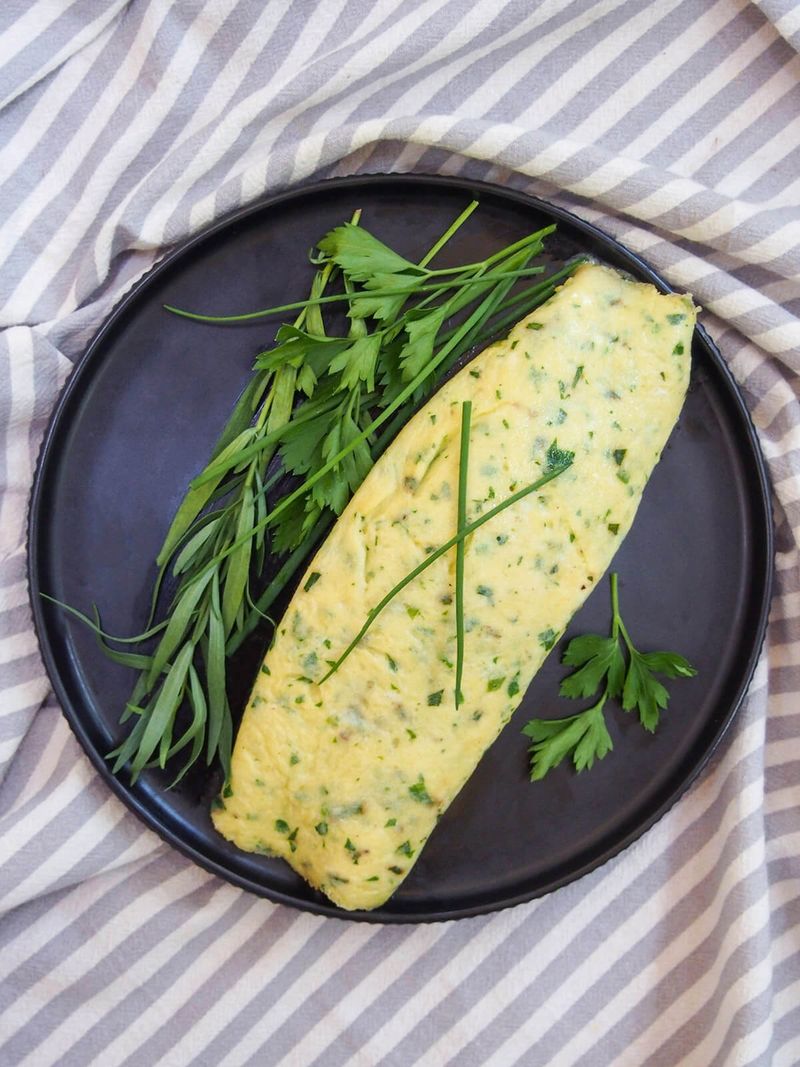
Fresh herbs are one of the most underrated omelette upgrades you can make at home. Chives, tarragon, flat-leaf parsley, and dill all pair beautifully with eggs.
Fold a small handful inside the omelette and scatter a few more on top for a pop of color and flavor.
Restaurants use this trick to make plates look vibrant and freshly made. Herbs also add a light, garden-fresh note that cuts through the richness of butter and cheese, keeping each bite feeling lively.
10. Fold Like a Pro
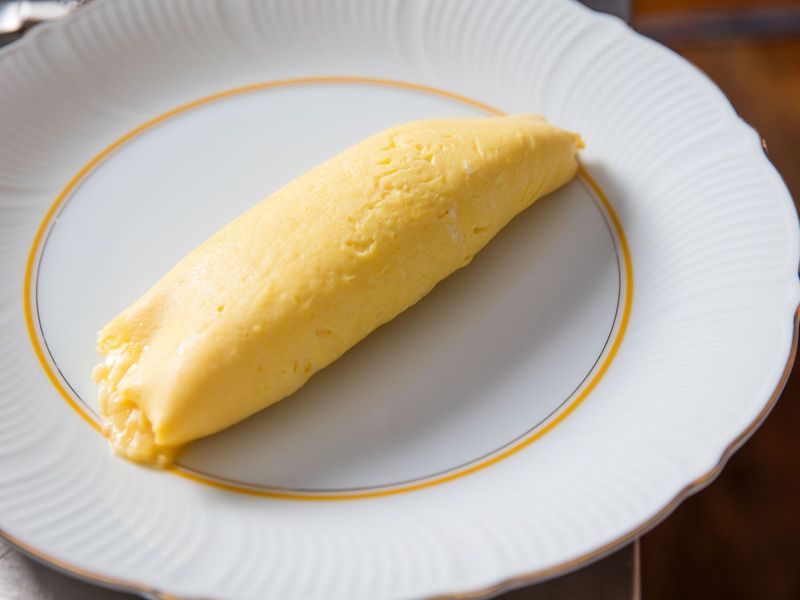
The classic French fold involves rolling the omelette over itself into a neat log shape rather than folding it in half like a taco. It takes a little practice but looks stunning on a plate.
The outside stays pale and smooth while the inside remains just barely set.
Start by tilting the pan slightly and using a spatula to coax one edge over. Keep the heat low so you have time to work.
A well-folded omelette signals skill and care, even at the breakfast table.
11. Upgrade Your Cheese Selection
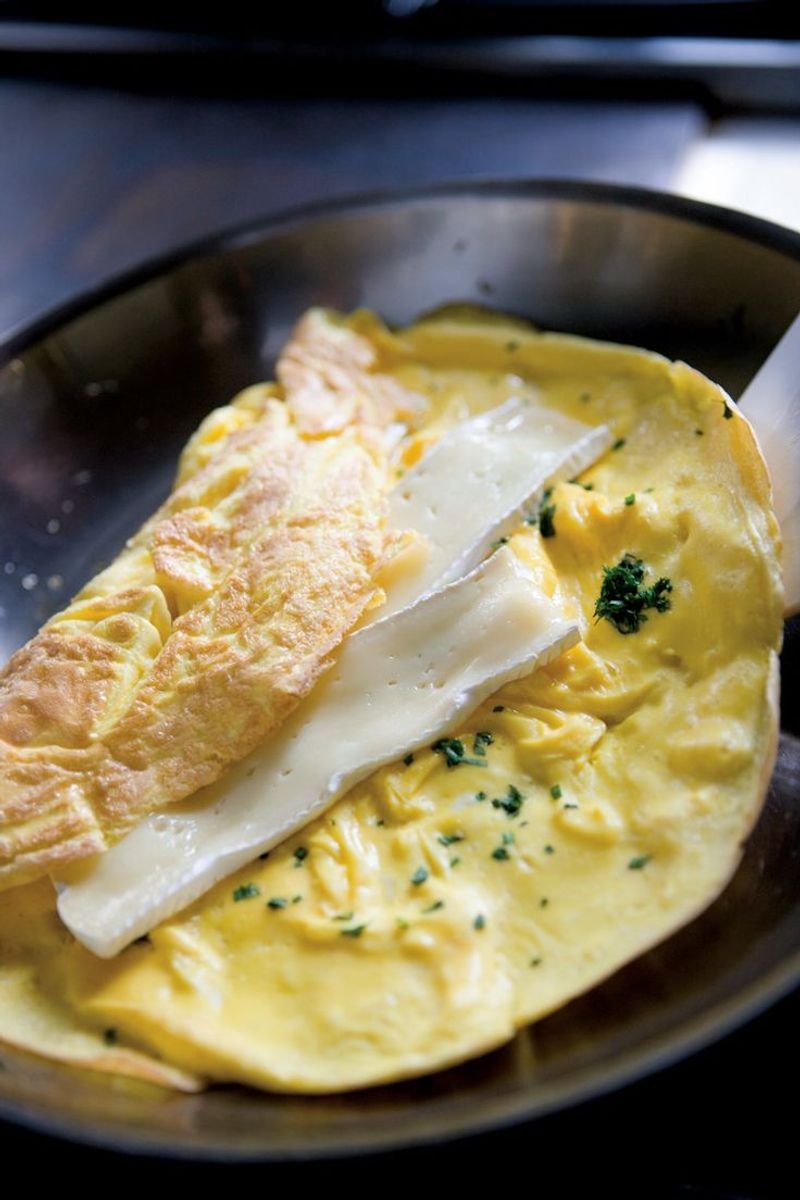
Swapping shredded cheddar for something more interesting is an instant flavor upgrade. Gruyere melts beautifully and adds a nutty, slightly sweet flavor.
Soft goat cheese crumbles inside and creates creamy pockets. Brie melts into a buttery, indulgent layer that feels genuinely special.
Use cheese sparingly so it enhances rather than overwhelms the egg flavor. About one ounce per omelette is plenty.
Add it just before folding so it melts from the residual heat without making the omelette too heavy or dense.
12. Rest the Omelette Before Plating
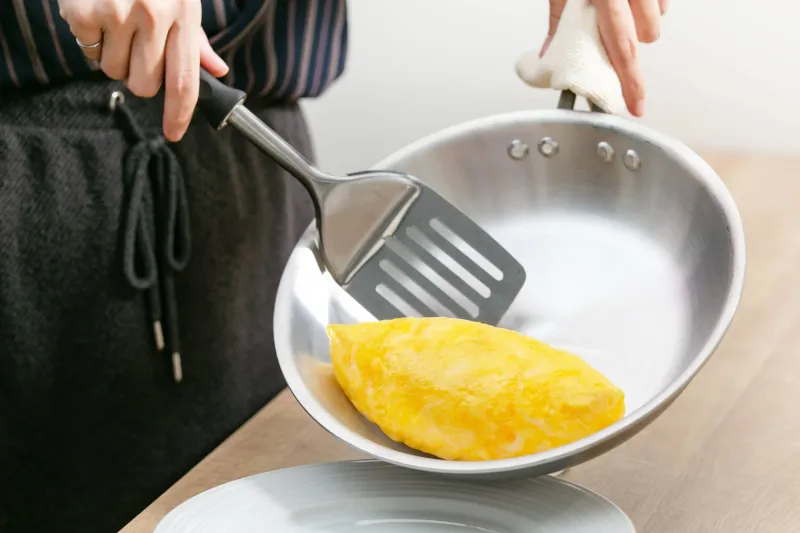
Pulling your omelette off the heat 20 to 30 seconds before it looks fully done is a technique professional cooks use constantly. The residual heat from the pan finishes the cooking gently.
This prevents the overcooking that turns eggs from silky to rubbery in seconds.
Let the omelette rest in the pan for just a moment before sliding it onto the plate. Those few seconds allow the eggs to finish setting up perfectly without drying out.
Timing like this separates good omelettes from great ones.
13. Plate With Purpose
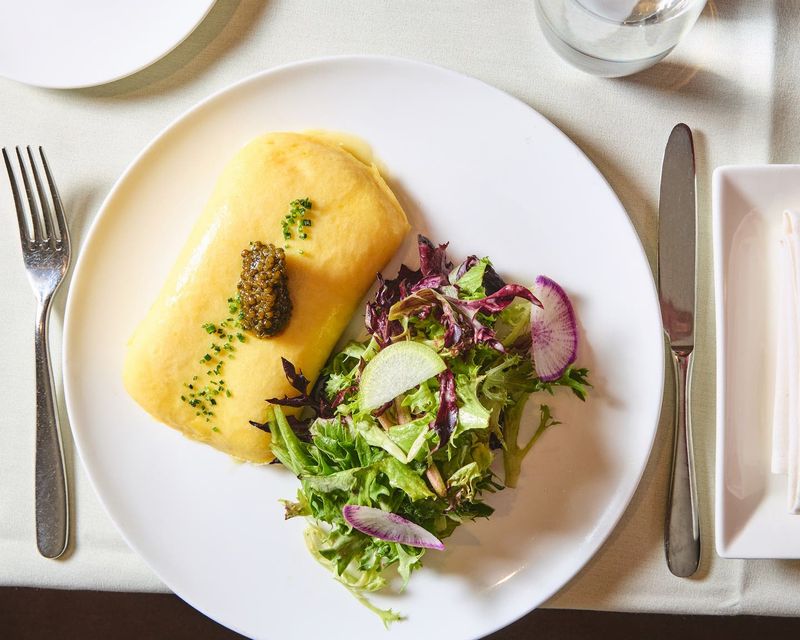
Even the most perfectly cooked omelette can look sad on the wrong plate. Use a warm, wide plate so the omelette has room to be the star.
Warm your plate in the oven for a minute or two so the food stays hot longer after plating.
Slide the omelette onto the plate seam-side down for a clean, smooth presentation. A small side of dressed greens or a few cherry tomatoes adds color and makes the whole dish look intentional, balanced, and genuinely restaurant-worthy.
14. Add a Drizzle of Finishing Oil
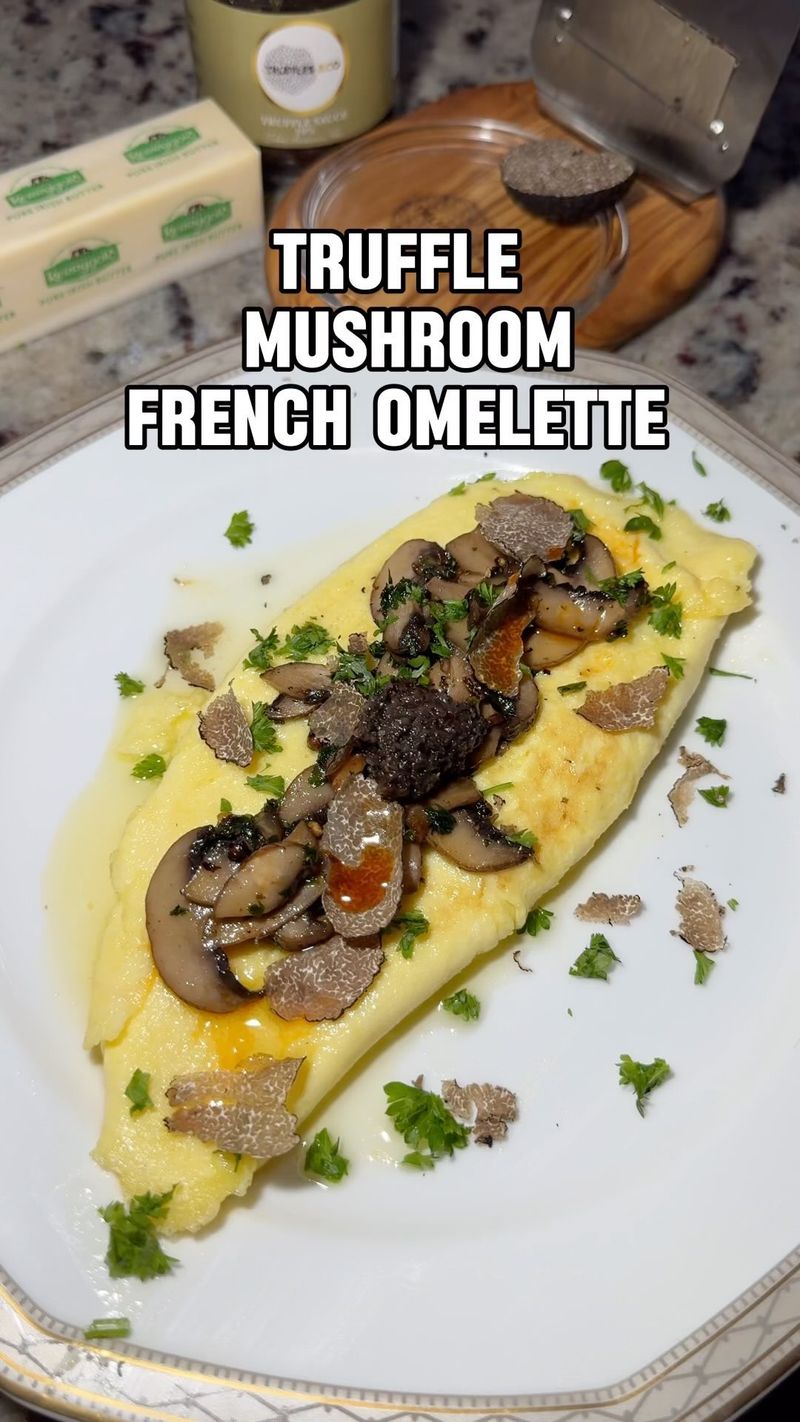
A tiny drizzle of high-quality oil right before serving adds an unexpected layer of aroma and richness. Truffle oil is the classic restaurant move, but a good herb-infused olive oil or even a chili oil works beautifully depending on your flavor direction.
Less is definitely more here. Half a teaspoon is all you need.
The oil catches the light on the plate and gives the omelette a glossy, appetizing finish that signals something special is about to be eaten.
15. Experiment With Gourmet Fillings
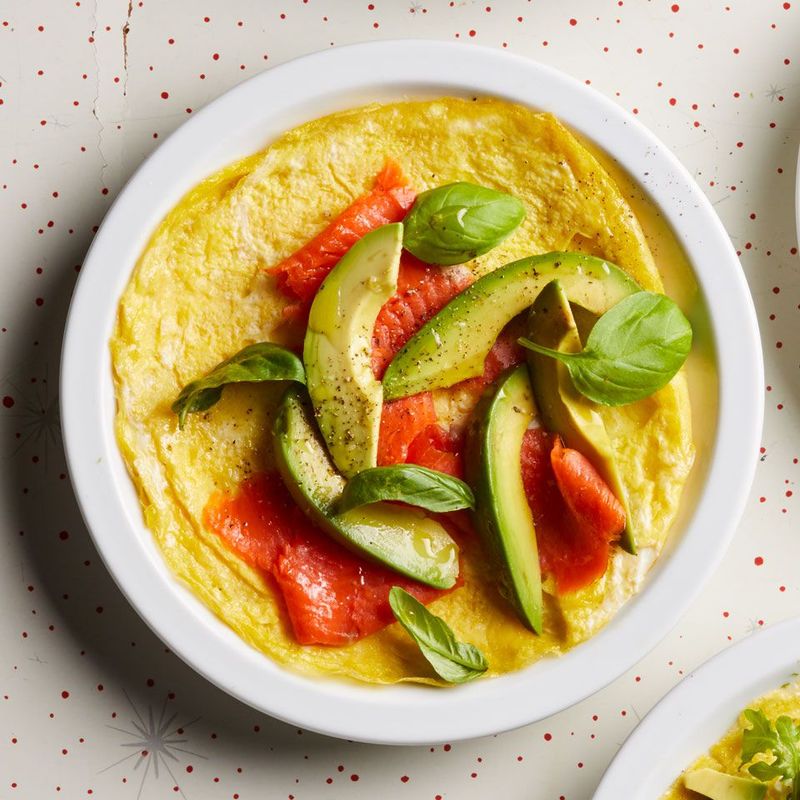
Once you have the technique down, the filling is where creativity really gets to shine. Smoked salmon with cream cheese and capers gives you a deli-style brunch feel.
Caramelized onions with blue cheese and walnuts leans rich and savory. Roasted cherry tomatoes with fresh basil is bright and summery.
Think beyond the usual ham and cheddar. Seasonal ingredients, unexpected combinations, and bold flavors turn a simple omelette into something genuinely memorable.
The egg is your canvas, so use it well.
16. Control Your Moisture
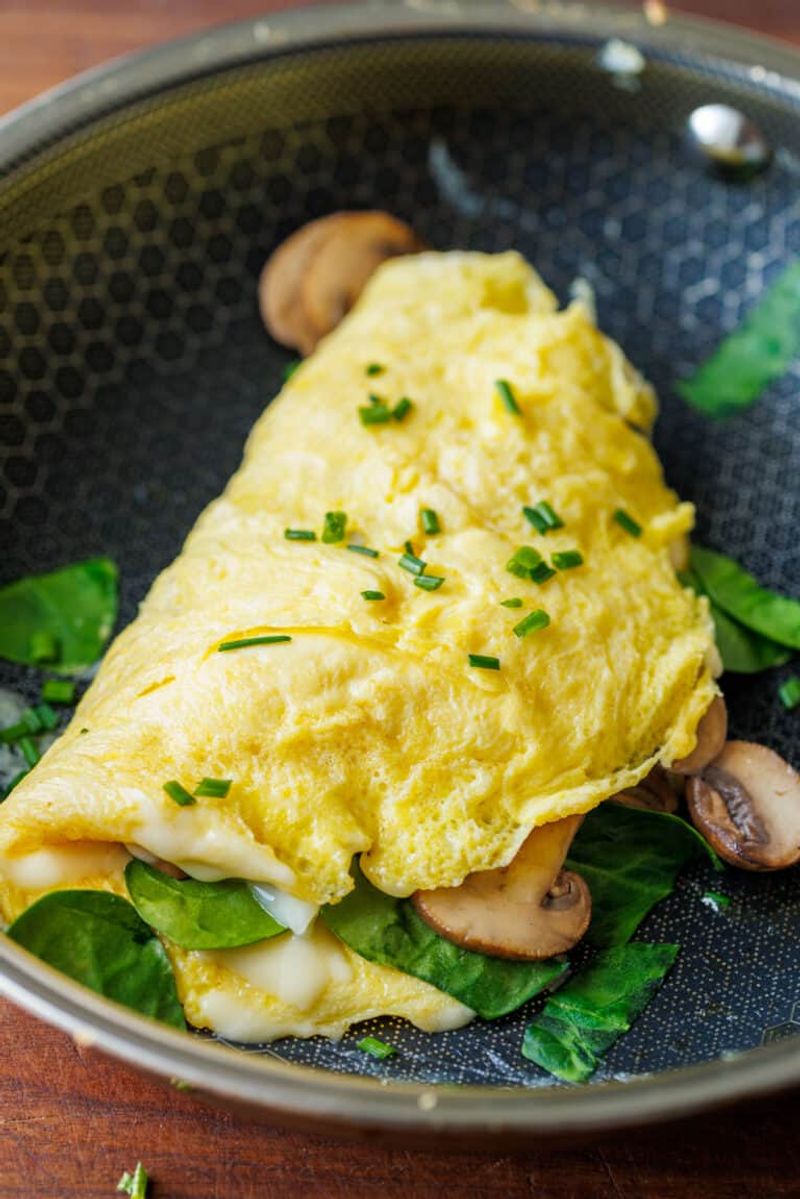
Watery omelettes are one of the most common home cook complaints, and they almost always come from wet fillings or undercooked eggs. Patting vegetables dry after washing them is a simple habit that protects your omelette from becoming a soggy mess.
Spinach is a big culprit here. It holds a shocking amount of water and should always be wilted and squeezed dry before going inside.
Controlling moisture at every step keeps your omelette looking and tasting crisp, clean, and confidently made.
17. Use a Non-Stick Pan Every Time
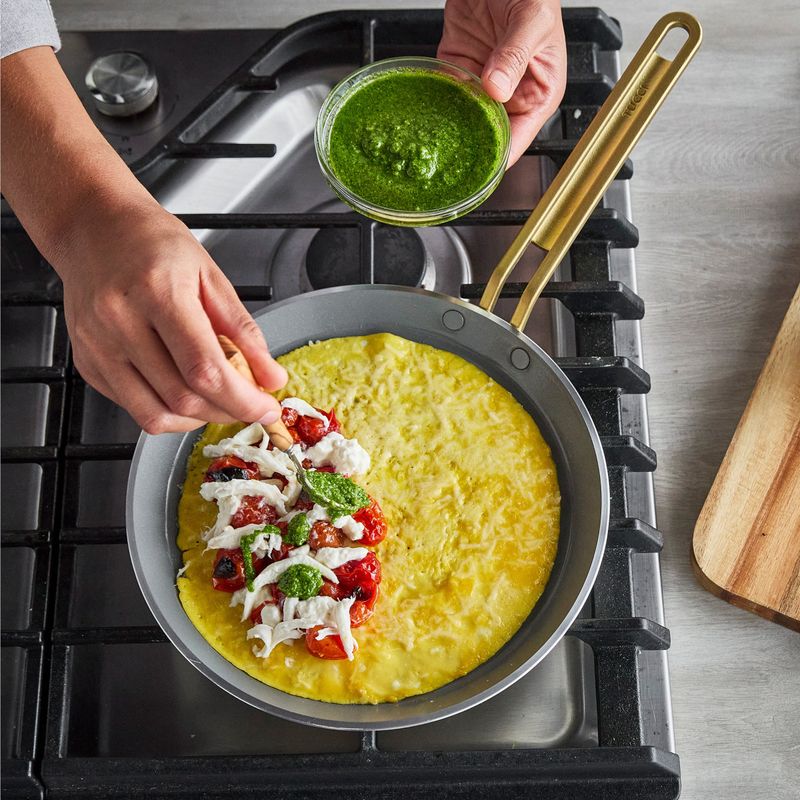
Stainless steel and cast iron are great for many things, but omelettes belong in a non-stick pan. The eggs slide freely, you need far less butter, and folding becomes much easier without the risk of tearing.
A good non-stick pan is one of the best investments a home cook can make.
Keep your non-stick pan dedicated to eggs only so it stays scratch-free and performs consistently. Replace it when the coating shows wear.
A well-maintained pan is the quiet foundation of every great omelette.
18. Add a Touch of Acid at the End
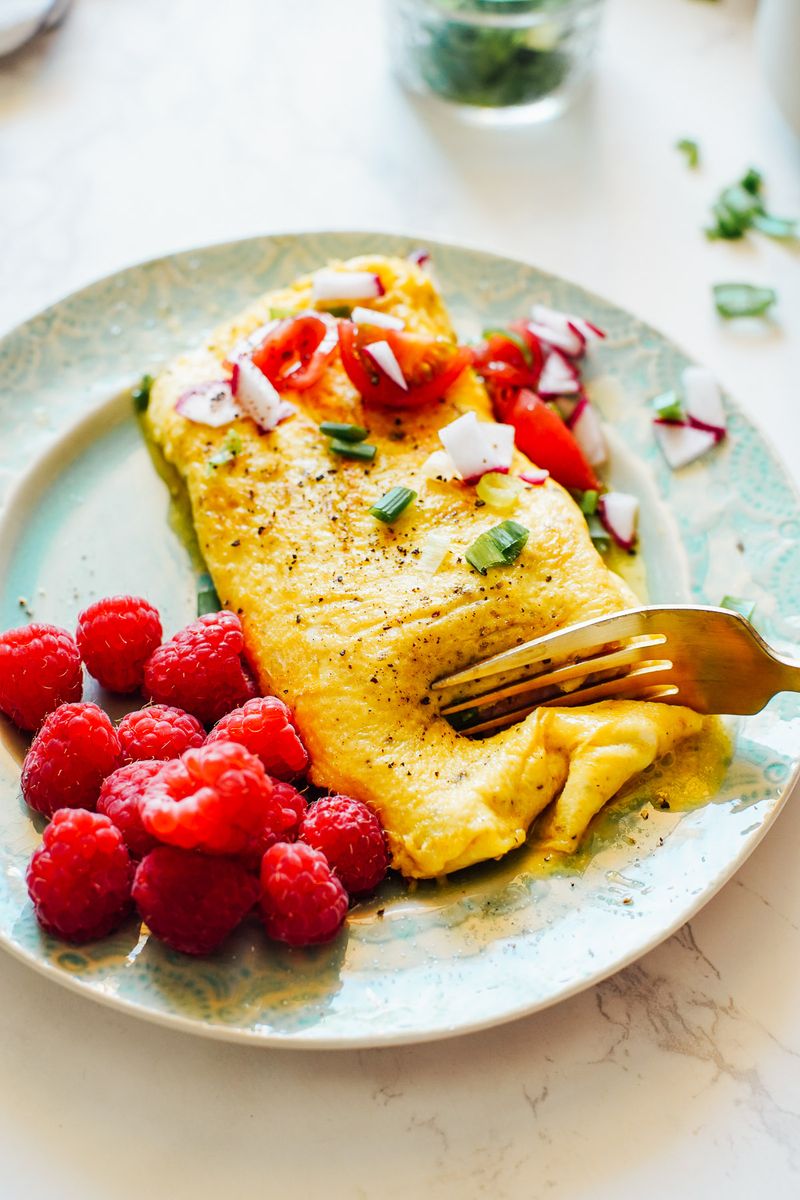
A tiny squeeze of lemon juice or a few drops of white wine vinegar added right before serving brightens all the flavors in a way that feels almost magical. Acid wakes up the palate and cuts through the richness of butter, cheese, and cream.
Restaurants use acid to balance dishes constantly, and the omelette benefits from this trick just as much as any sauce or salad. You barely taste the lemon itself.
Instead, everything else just tastes sharper, fresher, and more alive on the plate.
19. Make a Sauce to Serve Alongside
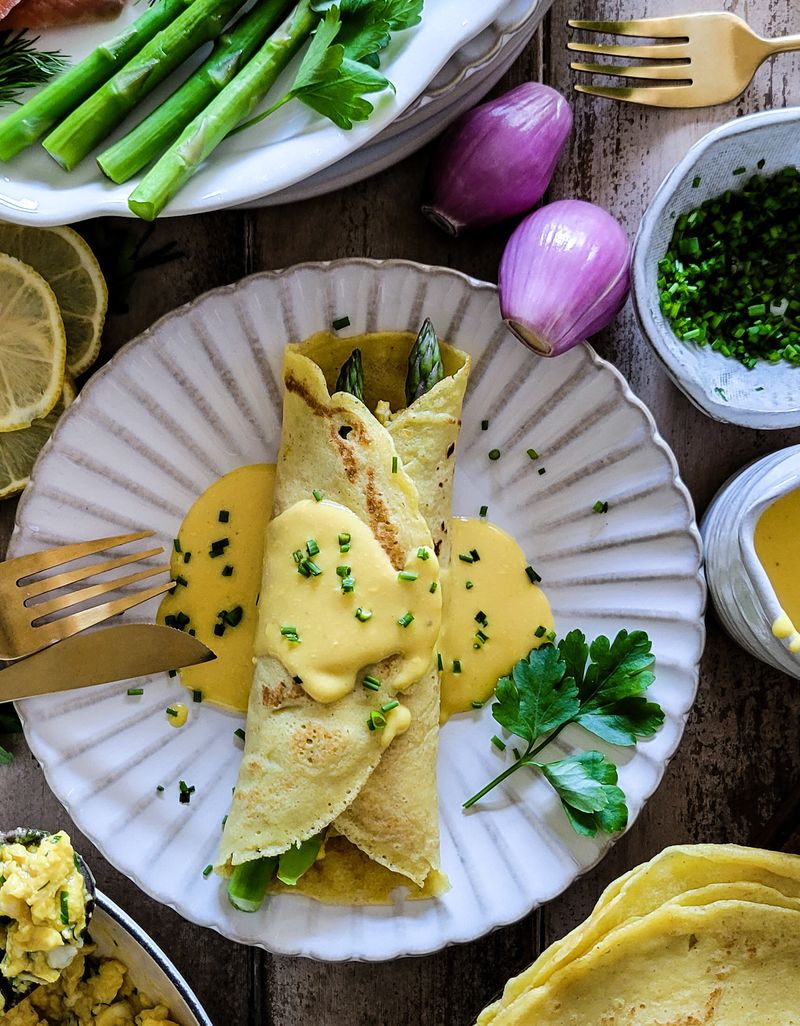
A simple sauce on the side instantly elevates any omelette from home cooking to brunch-restaurant territory. A quick herb cream sauce takes about three minutes to make with sour cream, fresh chives, and a pinch of garlic powder.
Even a spoonful of good salsa or pesto works beautifully.
The sauce adds another flavor dimension and gives the dish a visual anchor on the plate. It also shows that you thought about the whole eating experience, not just the egg in the pan.
20. Pay Attention to Texture Contrast
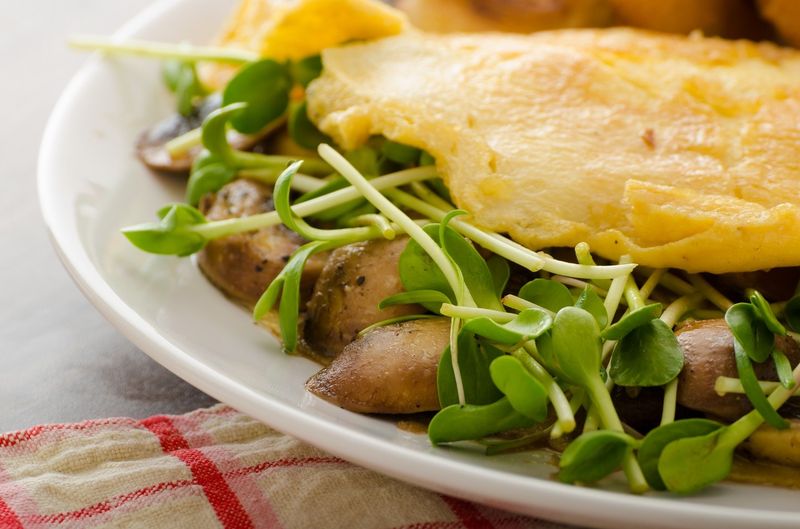
Great restaurant dishes always play with texture, and your omelette can do the same. A handful of crunchy toasted breadcrumbs, crispy prosciutto, or even some toasted pine nuts on top adds contrast that makes every bite more interesting.
Soft eggs plus something crunchy is a genuinely satisfying combination.
Microgreens scattered on top add a delicate bite and a beautiful visual layer. Think about what each element contributes to the experience.
When texture is intentional, a simple omelette becomes a thoughtfully crafted meal worth savoring slowly.




Comments
No Comments