










Italy is home to hundreds of pasta shapes, and most people only know a handful of them. Beyond spaghetti and penne, there is a whole world of unique, regional pasta waiting to be discovered.
Many of these shapes have been made by hand for centuries, each one tied to a specific town or tradition. Get ready to meet 14 incredible Italian pasta shapes that might just change the way you think about dinner.
1. Trofie
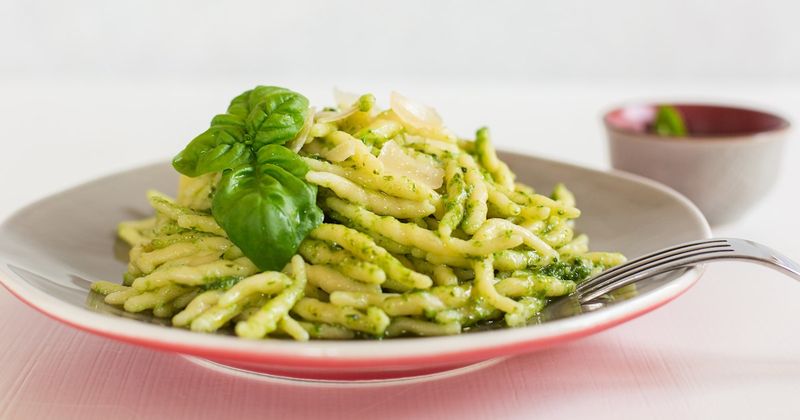
Twisted like a tiny spring, trofie is a short, hand-rolled pasta from Liguria in northwestern Italy. Each piece is rolled between the palms to create its signature spiral shape.
It is famous for being the classic partner of pesto alla Genovese, the bright green basil sauce born in the same region.
The rough, twisted surface grabs onto every drop of sauce. Try making it at home with just flour and water.
2. Pizzoccheri
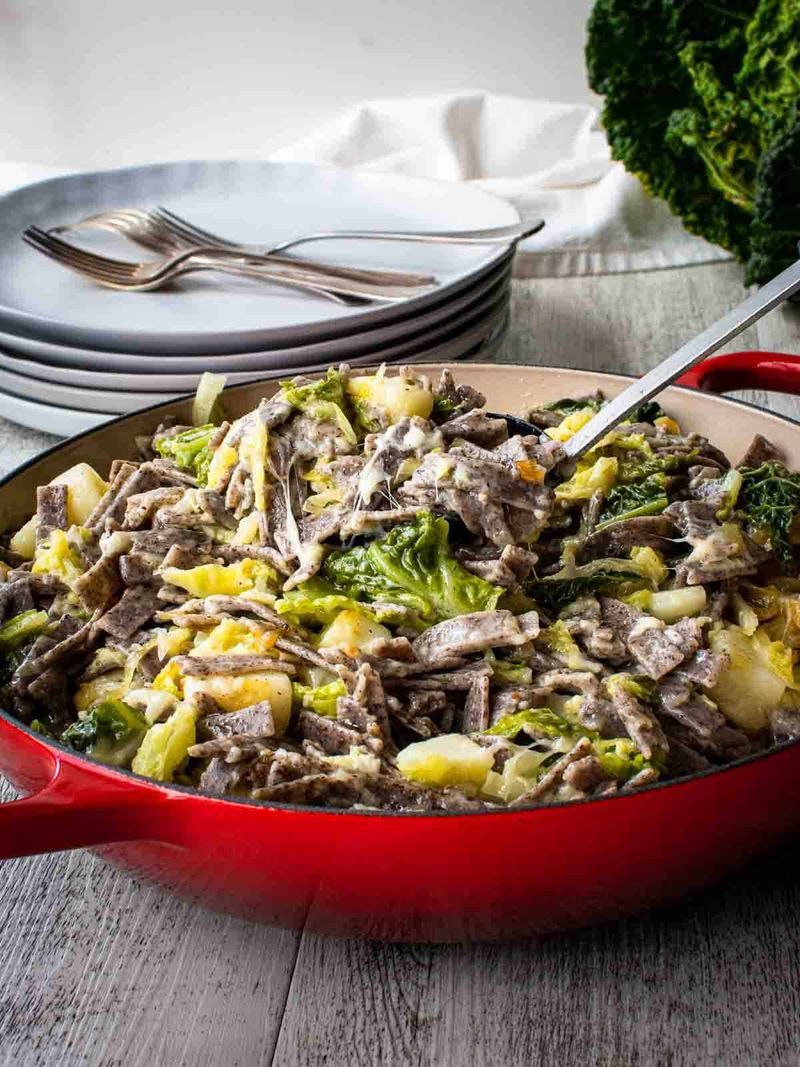
Buckwheat gives pizzoccheri its deep, earthy flavor and dark color that sets it apart from almost every other pasta you have seen. This flat, ribbon-like pasta comes from Valtellina, a valley tucked into the Alps of Lombardy.
It is traditionally baked with cabbage, potatoes, and a generous amount of melted Valtellina Casera cheese.
The combination sounds unusual but tastes absolutely comforting. Cold mountain winters inspired this hearty, filling dish.
3. Cencioni
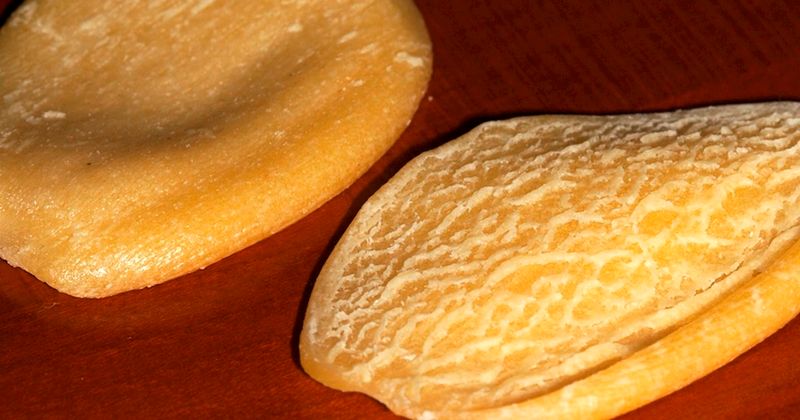
Cencioni means "little rags" in Italian, and one look at this pasta tells you exactly why. Each piece is a small, slightly ruffled oval that curls at the edges like a crumpled piece of cloth.
Originally from Tuscany, cencioni has a surface full of texture that holds chunky sauces and vegetable ragus incredibly well.
It is a playful pasta that kids tend to enjoy for its quirky shape. Pair it with a simple tomato and sausage sauce.
4. Fileja
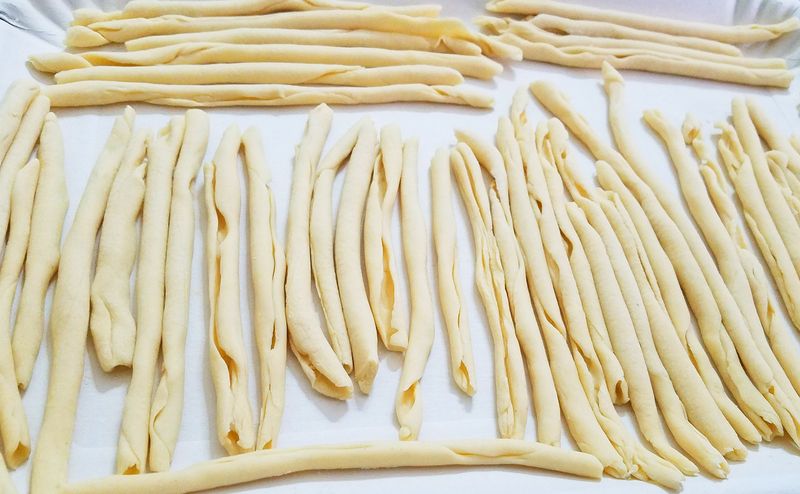
In Calabria, cooks have been wrapping dough around a thin rod for generations to create fileja, a long, thick, spiraled pasta with a hollow center. The rod used to be a knitting needle or a thin stick, making this a true peasant tradition.
That hollow core is perfect for trapping spicy nduja or rich meat sauces inside.
Fileja has a chewy, satisfying bite that feels worlds apart from store-bought pasta. It rewards patience in the kitchen.
5. Lorighittas
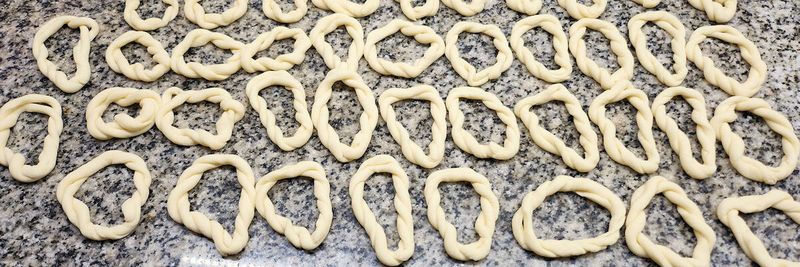
On the island of Sardinia, in the small town of Morgongiori, women gather every November 1st to make lorighittas by hand as part of a centuries-old tradition. Each piece is a delicate braided ring formed by twisting two strands of pasta together and joining the ends.
The name comes from the Sardinian word for ring.
Lorighittas are usually served with a rich chicken or tomato sauce. This pasta is a living piece of cultural history.
6. Strozzapreti
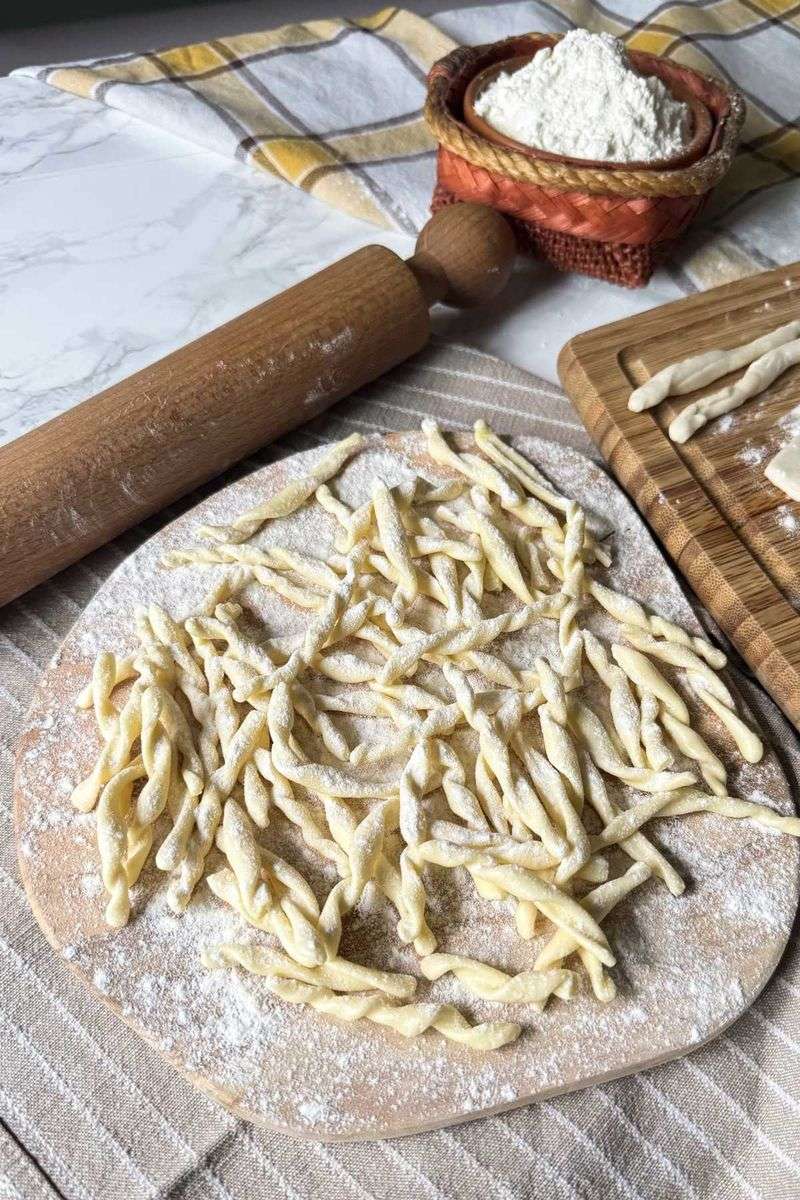
The name strozzapreti translates to "priest stranglers," which is one of the most memorable names in all of pasta history. Legend says that greedy priests ate so much of this pasta that they nearly choked.
Made by rolling and twisting small rectangles of dough, strozzapreti is popular across Emilia-Romagna and Tuscany.
Its chewy texture and twisted shape make it excellent with thick, meaty sauces. The funny backstory makes it even more fun to serve at dinner.
7. Maltagliati
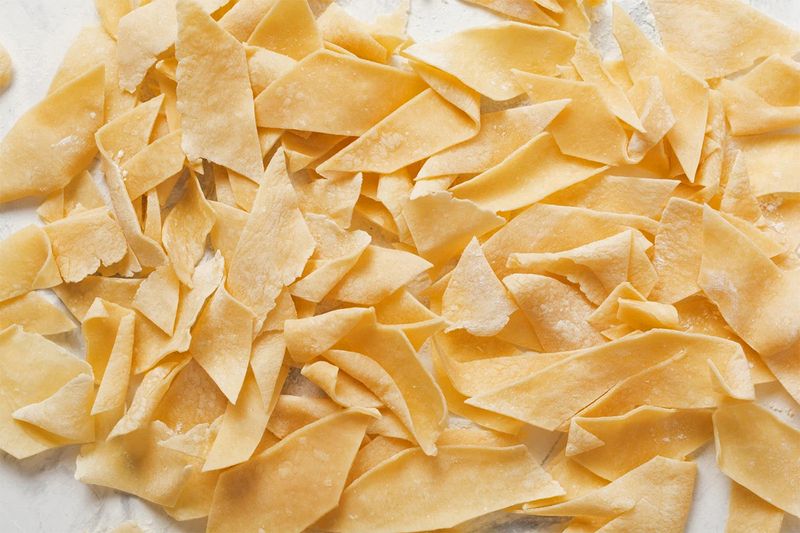
Maltagliati means "badly cut," and it wears that name proudly. This pasta from Emilia-Romagna is made by cutting pasta dough into uneven triangles and irregular shapes, originally to use up leftover scraps.
No two pieces look exactly alike, which gives every bowl a handmade, authentic character.
It works wonderfully in hearty bean soups or with simple butter and sage. Cooking maltagliati feels less like following a recipe and more like making art.
8. Busiate
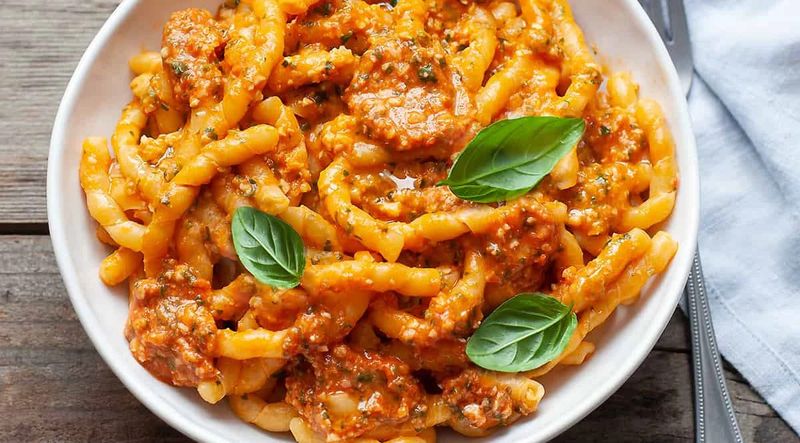
Wrapped around a thin reed or skewer in a long, loose corkscrew shape, busiate is Sicily's proudest pasta tradition. It comes from the city of Trapani on the western tip of the island, where it is paired with pesto Trapanese, a raw sauce made from tomatoes, almonds, basil, and garlic.
The spiral shape grabs the chunky sauce beautifully. Busiate has been made this way since at least the 1600s, connecting every bite to centuries of Sicilian cooking.
9. Fregola
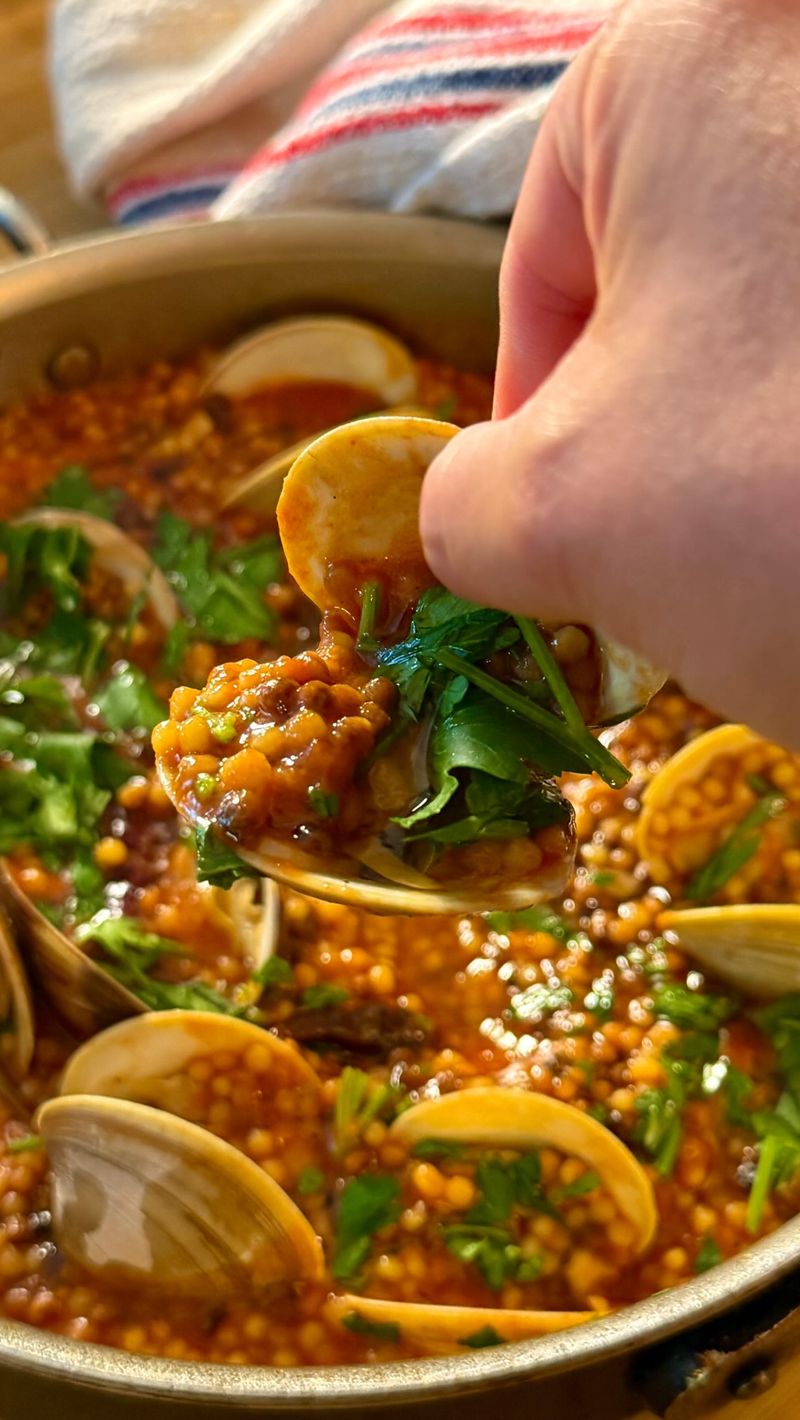
Fregola looks more like tiny toasted balls than traditional pasta, and that is what makes it so fascinating. Made in Sardinia from semolina dough rolled into small pellets and then toasted in the oven, fregola develops a nutty, slightly smoky flavor before it ever touches a pot of boiling water.
It is most famously cooked with clams in a light tomato broth. Some food historians believe fregola was influenced by North African couscous, a reminder of Sardinia's rich trading history.
10. Tacconi
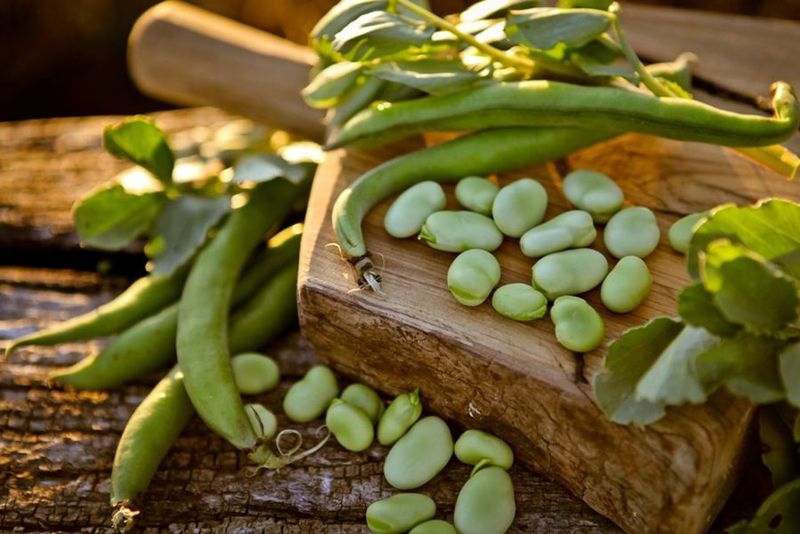
Broad, flat, and cut into large irregular squares or rectangles, tacconi is a humble pasta from Umbria and Le Marche in central Italy. Traditionally made with fava bean flour mixed into the dough, it has a slightly earthy taste that sets it apart from regular wheat pasta.
Tacconi is often served with simple sauces made from legumes or wild greens. Its thick, rustic texture makes it one of the most satisfying cold-weather pasta dishes you can find in Italian home cooking.
11. Scialatielli
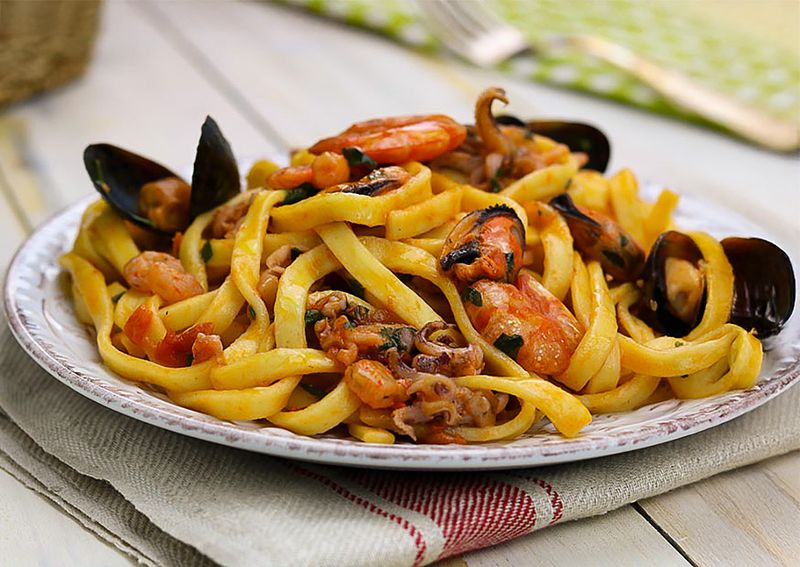
Short, thick, and slightly rough on the surface, scialatielli was invented as recently as 1978 by a chef named Enrico Cosentino on the Amalfi Coast. Despite being a newer creation, it has become deeply tied to the flavors of Campania.
The dough includes milk, basil, and sometimes local cheese, giving it a rich, aromatic character.
Scialatielli shines in seafood dishes with clams, mussels, or shrimp. Its chewy texture holds up beautifully to bold coastal flavors.
12. Corzetti
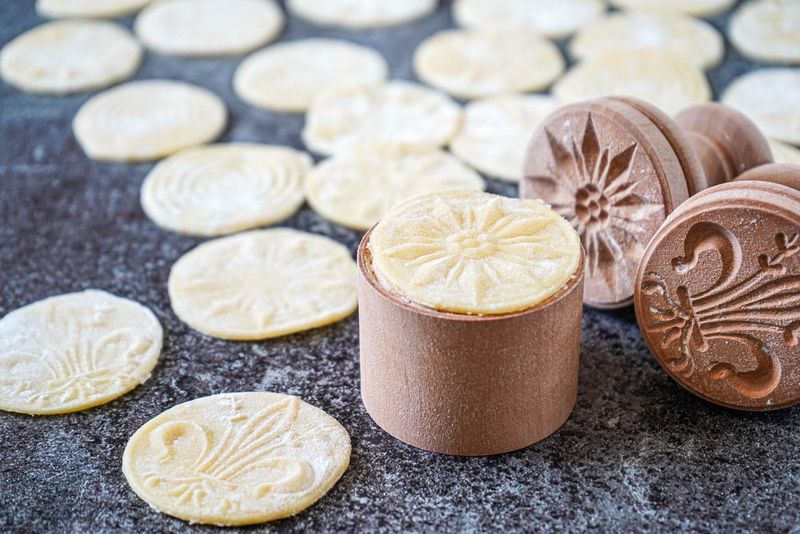
Corzetti are round, coin-shaped pasta pieces stamped with decorative patterns using a carved wooden tool passed down through families. Dating back to medieval Liguria, these edible coins were once stamped with noble family crests to show off wealth and artistry at banquets.
Today, artisans still carve beautiful wooden stamps by hand.
The patterns are not just decorative. They create texture that helps sauces cling to the pasta.
Corzetti with walnut sauce is a classic pairing worth trying.
13. Garganelli
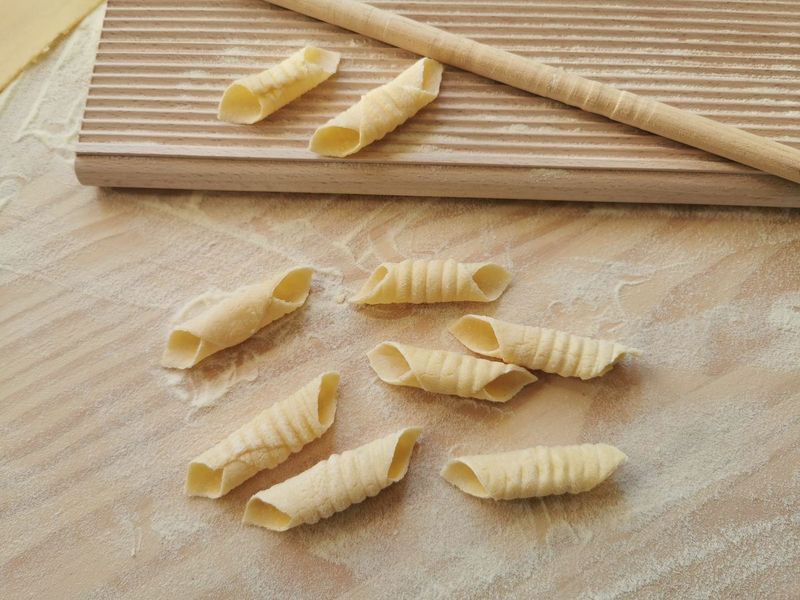
Garganelli are rolled by hand using a small comb-like tool called a pettine, which creates ridges on the outside of each tiny tube. Born in Emilia-Romagna, this pasta is said to have been created by accident when a cook ran out of filling for tortellini and decided to roll the pasta squares into tubes instead.
The ridges grip rich, creamy sauces perfectly. Garganelli with prosciutto and peas in a light cream sauce is the regional classic that put this shape on the map.
14. Cavatelli
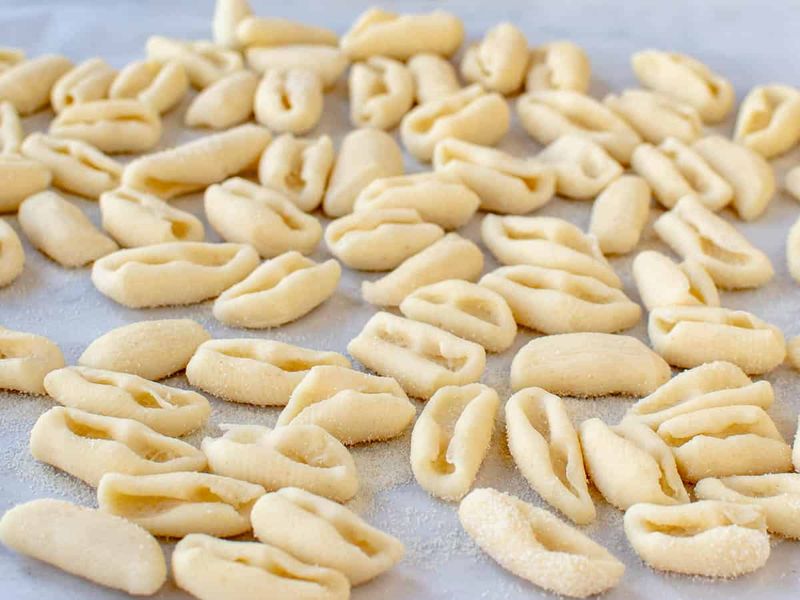
Press your thumb into a small piece of dough, drag it across the board, and you have made cavatelli, one of the most ancient pasta shapes in southern Italy. The name comes from the Italian word for "little hollows," describing the small curl each piece forms during shaping.
Cavatelli is popular across Puglia, Molise, and Basilicata.
Its hollow shape captures chunky sauces, braised greens, and hearty ragus like nothing else. Making cavatelli is a great activity to try with kids.
Comments
No Comments