













Food is one of life's greatest pleasures, and the way you cook something can completely change how it tastes. Beyond frying and boiling, there is a whole world of cooking techniques that unlock rich, deep, and surprising flavours.
Some of these methods have been used for thousands of years, while others are brand new. Get ready to discover 15 cooking methods that will seriously upgrade your kitchen game.
1. Smoking
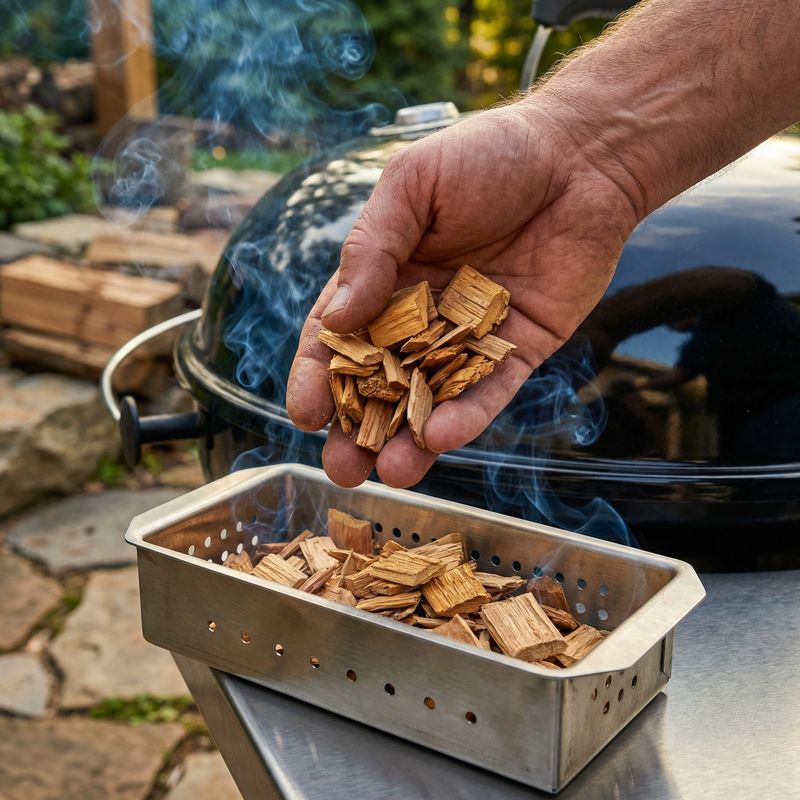
Smoking food is one of the oldest tricks in the book, and it still delivers jaw-dropping results. Wood chips like hickory, cherry, or mesquite slowly release smoke that soaks into meat, fish, or even cheese, creating layers of flavour you simply cannot fake.
Low and slow is the key. The longer food sits in that fragrant smoke, the more complex and bold the taste becomes.
Try cold-smoking butter or salt for a surprising twist on everyday ingredients.
2. Sous Vide
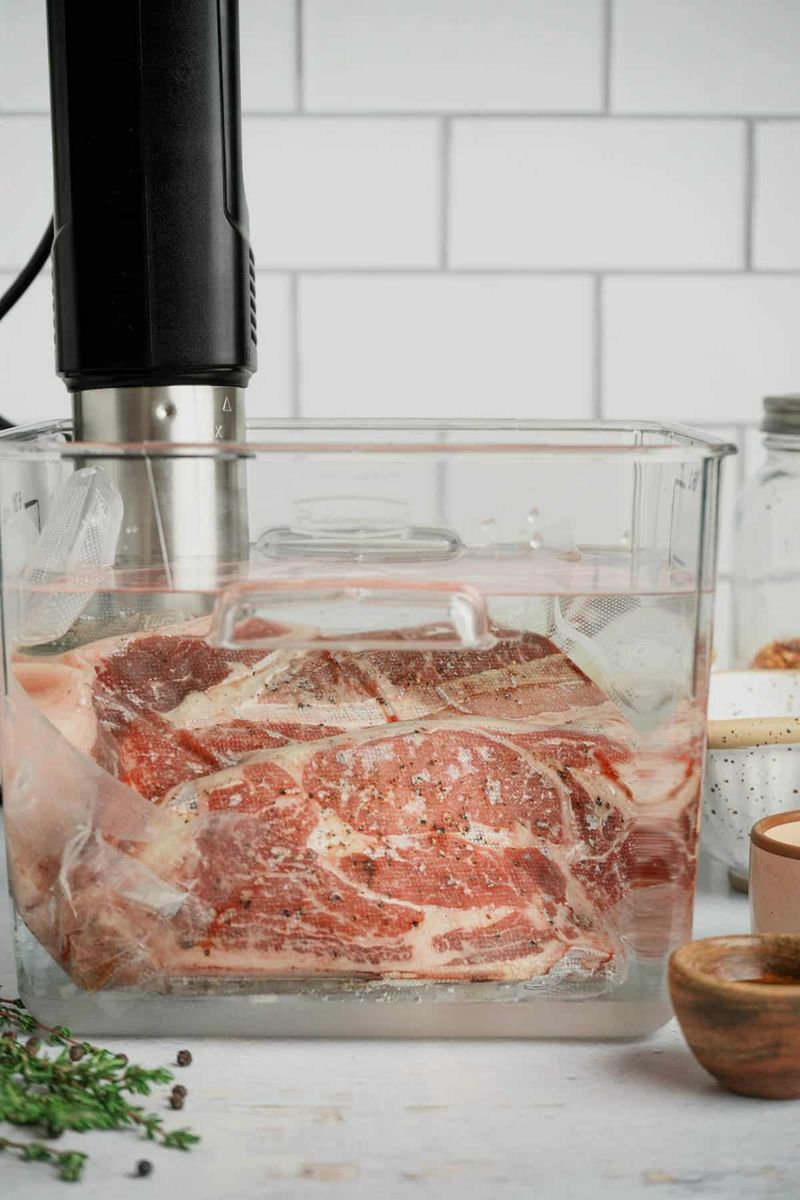
Imagine cooking a steak so perfectly that every single bite is exactly the same temperature from edge to edge. That is exactly what sous vide does.
Food is sealed in a bag and cooked slowly in a water bath held at a precise temperature.
Because nothing escapes the bag, all the natural juices and seasonings stay locked inside. The result is incredibly tender, flavour-packed food that is almost impossible to overcook.
Chefs have used this for years, and now home cooks can too.
3. Fermentation
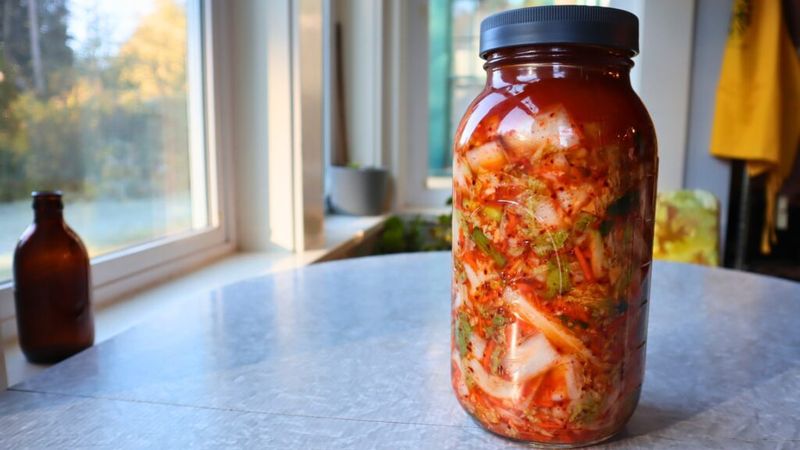
Fermentation is basically letting good bacteria do the cooking for you. Over days or weeks, microbes transform ingredients like cabbage, milk, or soybeans into tangy, complex foods bursting with flavour and gut-friendly goodness.
Kimchi, yogurt, miso, and sourdough bread are all products of fermentation. The process creates sour, umami-rich, and deeply satisfying tastes that no other method can replicate.
Starting a simple sauerkraut at home takes only cabbage and salt, making it a great beginner project.
4. Charcoal Grilling
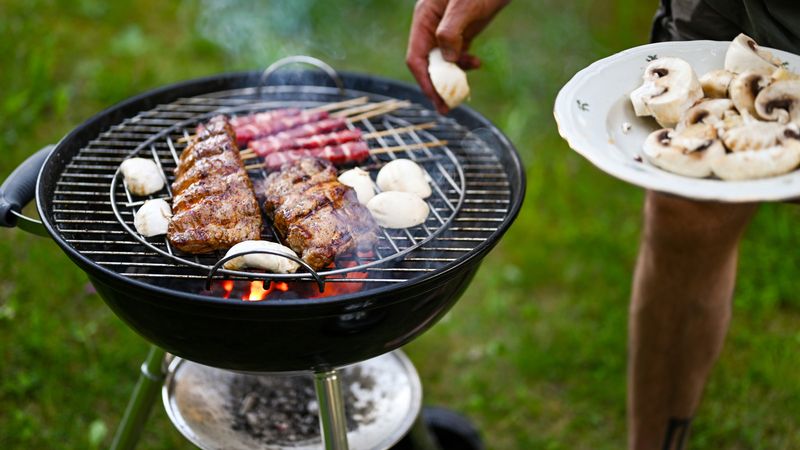
There is something almost magical about the smell of food cooking over real charcoal. Unlike gas grills, charcoal burns hotter and adds a subtle smoky char that gas simply cannot match.
Those little blackened edges are where the real flavour lives.
The Maillard reaction, a chemical process that browns food at high heat, works overtime on a charcoal grill. Vegetables, meats, and even fruits like peaches develop a caramelized crust that is sweet, savory, and completely irresistible.
Real charcoal truly earns its reputation.
5. Clay Pot Cooking
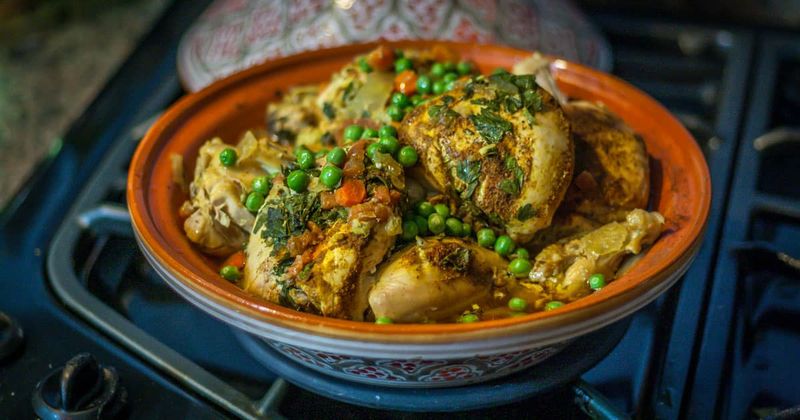
Clay pot cooking has been around for thousands of years, and cultures from Morocco to Mexico still swear by it today. The porous clay slowly absorbs moisture and releases it back into the food, keeping everything incredibly juicy and tender.
Earthenware pots also add a faint earthy note that no metal pan can offer. Slow-cooked tagines, biryanis, and bean stews made in clay pots carry a warmth and depth of flavour that feels almost ancient.
Soaking the pot in water before cooking is the key first step.
6. Salt Crusting
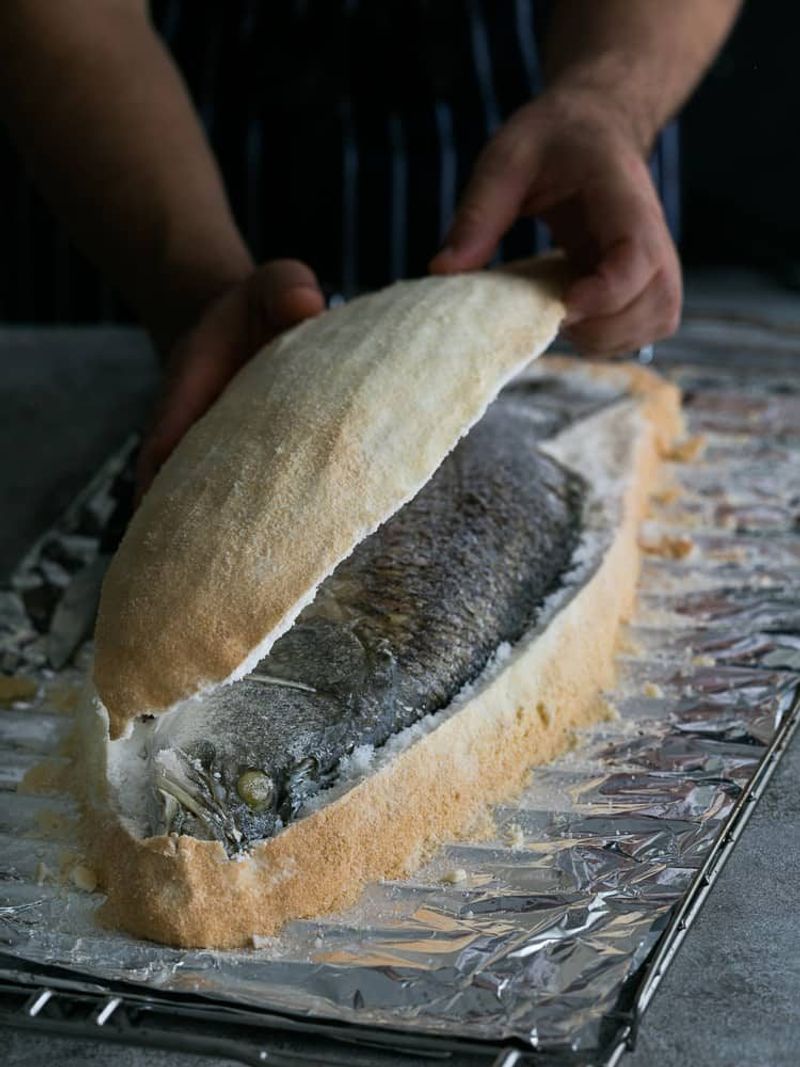
Burying food inside a thick shell of salt sounds extreme, but the results are extraordinary. The salt crust forms a sealed cocoon around the food, trapping steam and heat so everything cooks evenly and stays incredibly moist.
Whole fish, chicken, and even beets cooked this way come out perfectly seasoned without tasting overly salty. The crust absorbs excess salt and acts as a natural oven within an oven.
Cracking it open at the table is also a seriously impressive dinner party moment.
7. Wok Hei (High-Heat Wok Cooking)
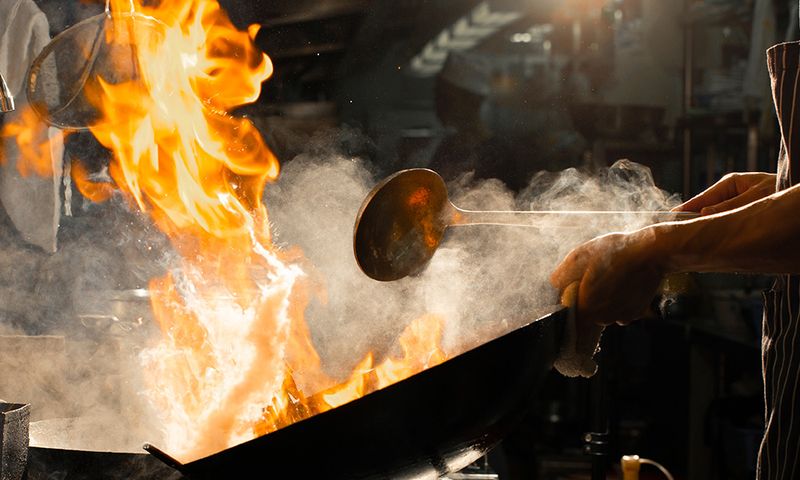
Wok hei is a Cantonese term that roughly translates to the breath of the wok, and once you taste it, you will understand why cooks obsess over it. Screaming-hot wok temperatures create a unique smoky, slightly charred flavour in seconds.
The secret is extreme heat and fast movement. Food barely touches the pan before it is tossed back up, cooking unevenly in the best possible way.
Home stoves rarely get hot enough, but a carbon steel wok over the highest burner setting gets you close to that beloved restaurant taste.
8. Pressure Cooking
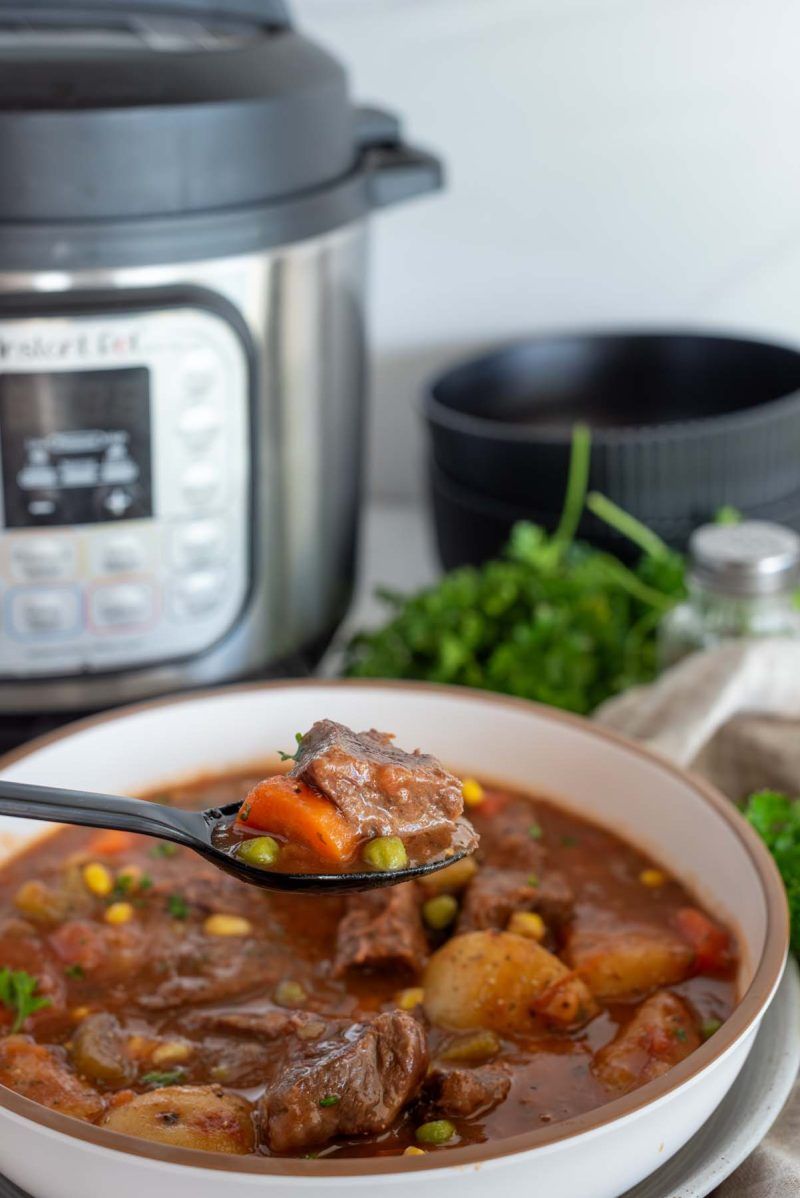
Pressure cooking is like hitting the fast-forward button on flavour. By trapping steam inside a sealed pot, pressure builds up and raises the boiling point of water, cooking food much faster than normal methods while intensifying taste.
Tough cuts of meat that usually take hours become fall-apart tender in under an hour. Beans, soups, and curries develop rich, slow-cooked depth in a fraction of the time.
Modern electric pressure cookers make this method incredibly safe and beginner-friendly, turning weeknight dinners into something special.
9. Confit
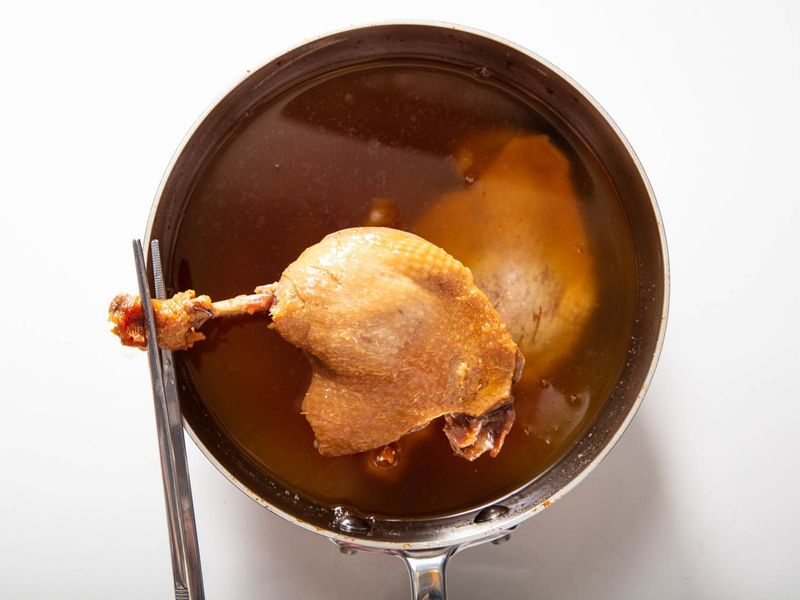
Confit is a French technique that involves slow-cooking food completely submerged in fat at a low temperature. Duck legs cooked this way for hours come out with silky, melt-in-your-mouth texture and rich, concentrated flavour that is hard to describe but impossible to forget.
The fat acts as a gentle, even cooking medium that keeps moisture locked in perfectly. Garlic confit is a brilliant beginner version, turning raw cloves into sweet, buttery, spreadable magic after just an hour in olive oil.
Simple ingredients become something truly luxurious.
10. Plancha Cooking
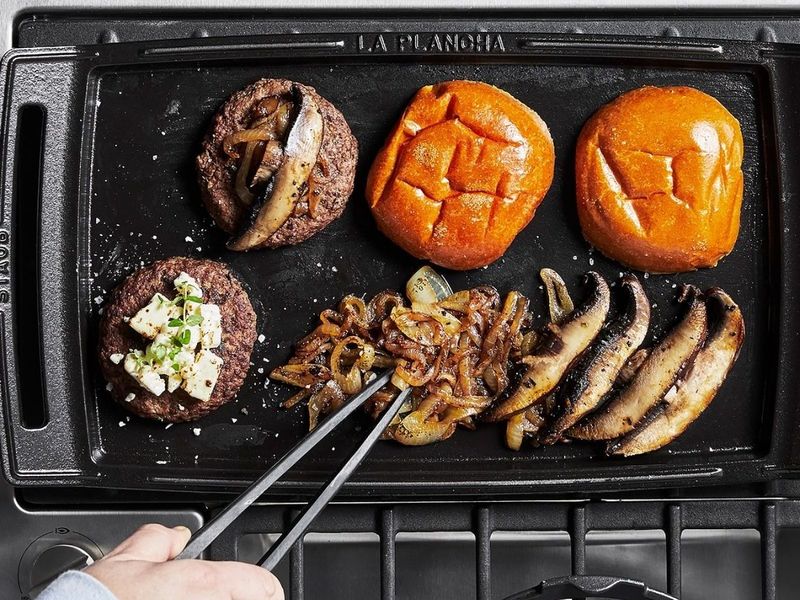
A plancha is a flat metal cooking surface, similar to a griddle, that gets blazing hot and creates an incredible sear without the fuss of an open flame. Popular in Spanish cuisine, it caramelizes the outside of food while keeping the inside perfectly juicy.
Unlike a grill, the plancha keeps all the delicious juices right on the surface, basting food as it cooks. Seafood, thin steaks, and vegetables all shine on a plancha.
Even a heavy cast iron skillet can mimic this method beautifully at home.
11. Tandoor Cooking
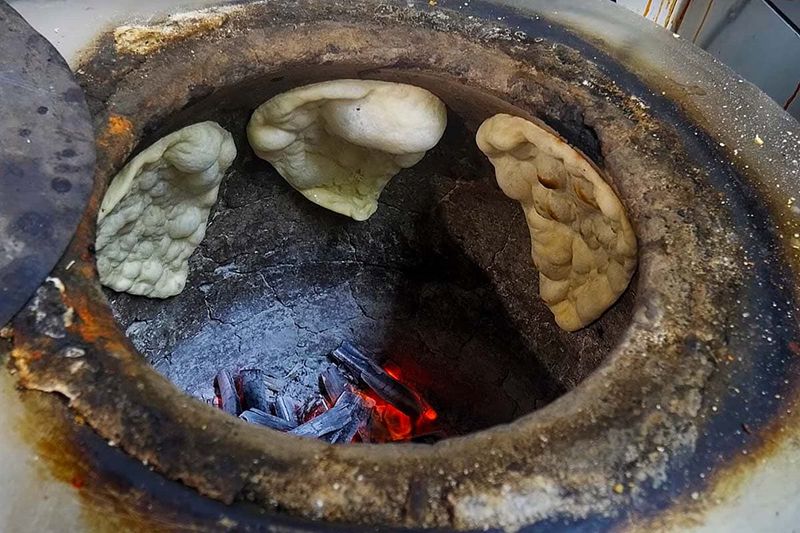
Step into any great Indian restaurant and you will likely smell the tandoor before you see it. This cylindrical clay oven reaches temperatures around 480 degrees Celsius, cooking food at a speed and intensity that a regular oven simply cannot match.
Naan bread gets blistered and chewy, while marinated meats develop a smoky char on the outside while staying juicy inside. The clay walls absorb and radiate heat evenly from all sides.
Tandoor cooking creates flavours so distinctive that many people say nothing else comes close.
12. Ceviche (Acid Cooking)
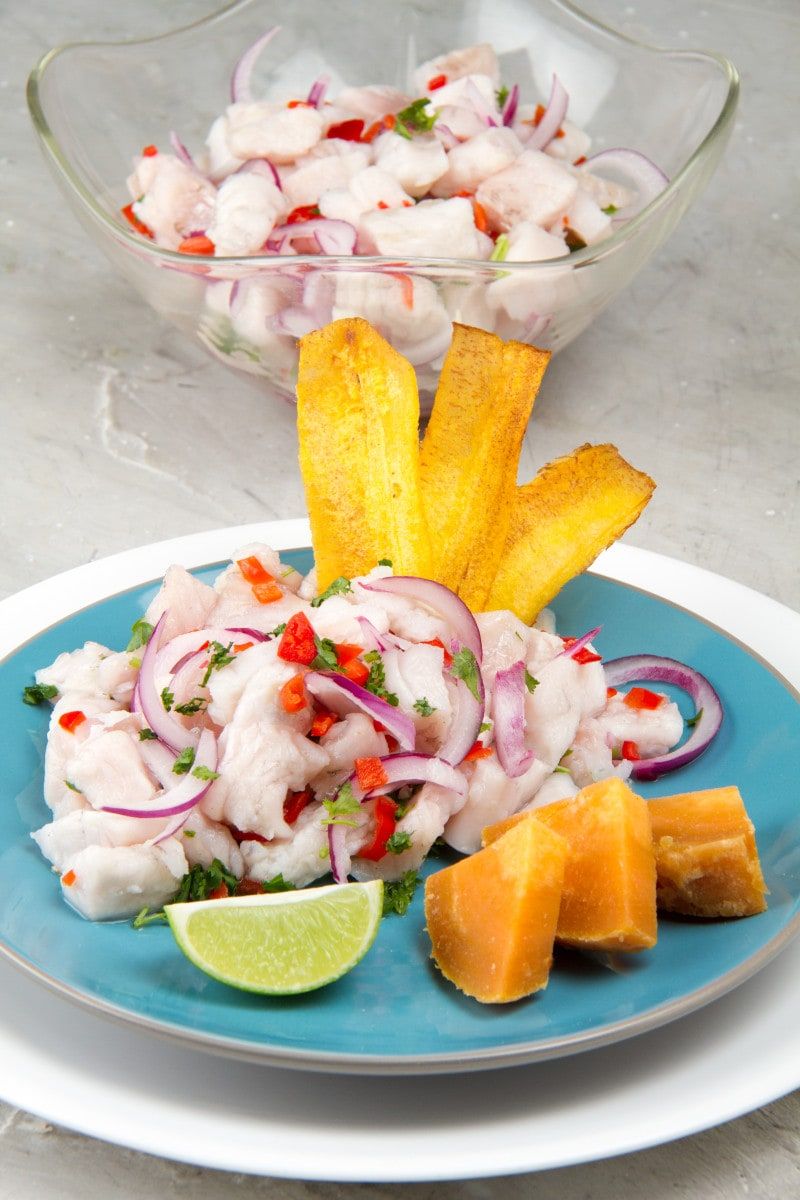
Not all cooking requires heat. Ceviche, popular throughout Latin America, uses the acid in citrus juice to chemically denature proteins in raw fish, changing its texture from translucent and soft to opaque and firm, just like heat would do.
The result is bright, fresh, zingy, and absolutely vibrant. Lime juice, chili, onion, and cilantro combine with the fish to create layers of flavour that feel alive.
Because no heat is involved, all the delicate natural taste of the seafood stays completely intact and front and center.
13. Hay Smoking
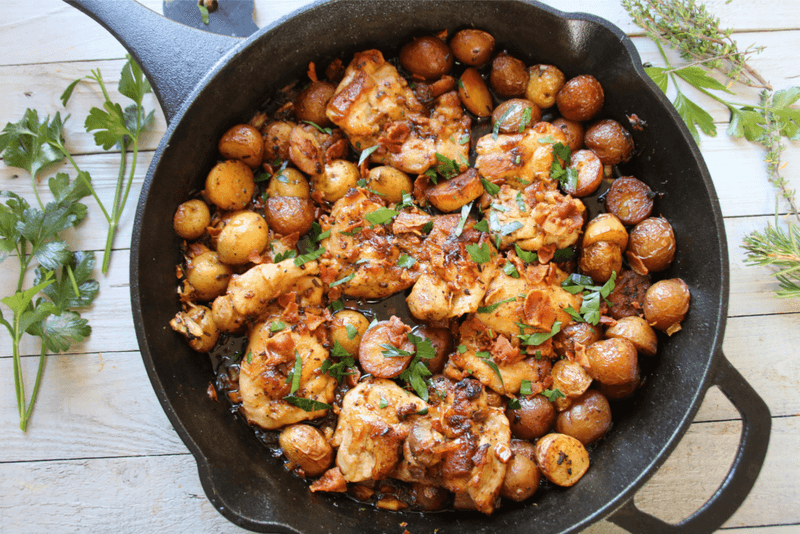
Hay smoking might sound like something from a farm rather than a kitchen, but top chefs around the world have made it a signature technique. Dry hay burns quickly and releases a sweet, grassy, almost floral smoke that is completely unlike wood smoke.
Poultry, cheese, and root vegetables cooked over or under smoldering hay take on a meadow-like aroma that is genuinely surprising. Scandinavian and Italian cuisines have embraced this method enthusiastically.
A quick hay smoke takes only minutes but leaves a flavour impression that lingers long after the meal ends.
14. En Papillote (Cooking in Parchment)
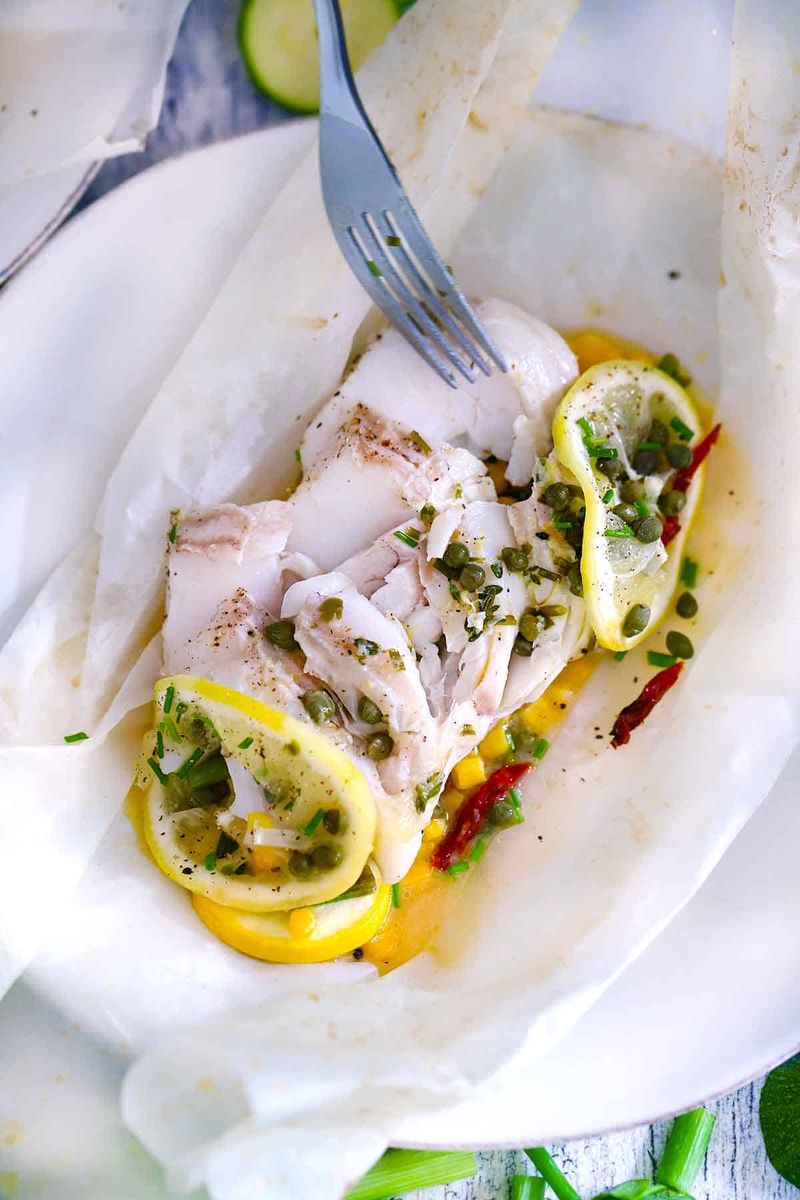
En papillote is French for in parchment, and it is one of the most elegant and foolproof cooking methods around. Food is wrapped in folded parchment paper and baked, creating a sealed pocket that traps steam and lets ingredients cook in their own juices.
Opening the parchment at the table releases a cloud of fragrant steam, which is both theatrical and delicious. Fish, vegetables, and herbs cooked this way stay incredibly moist and absorb each other's flavours deeply.
Cleanup is almost nonexistent, which makes this method a weeknight winner too.
15. Blowtorch Finishing
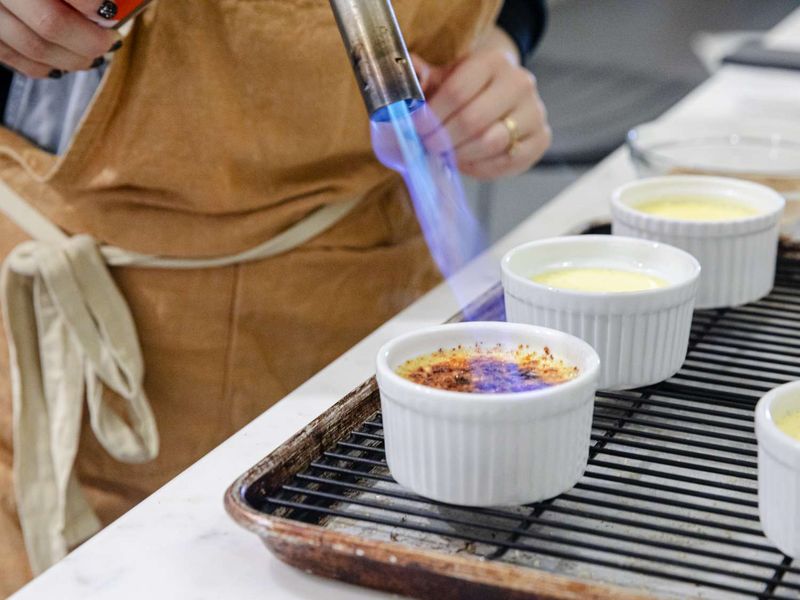
A kitchen blowtorch might look like a tool from a construction site, but in the right hands it is one of the most exciting finishing techniques in cooking. The intense, direct flame caramelizes sugars and browns proteins almost instantly, creating a deeply flavourful crust.
Creme brulee is the most famous example, with its crackly caramel top that shatters under a spoon. But blowtorches also work brilliantly on seared tuna, blistered meringue, and melted cheese.
The speed and control this method offers makes it a favourite among both professionals and adventurous home cooks.




Comments
No Comments