













Some fruits look so bizarre that most people walk right past them at the market without a second glance. But hiding beneath those spiky shells, wrinkled skins, and alien-like textures are some of the most incredible flavors on the planet.
From sweet and creamy to tangy and refreshing, these unusual fruits from around the world are worth every curious bite. Get ready to discover 16 exotic fruits that prove looks can be very deceiving.
1. Durian
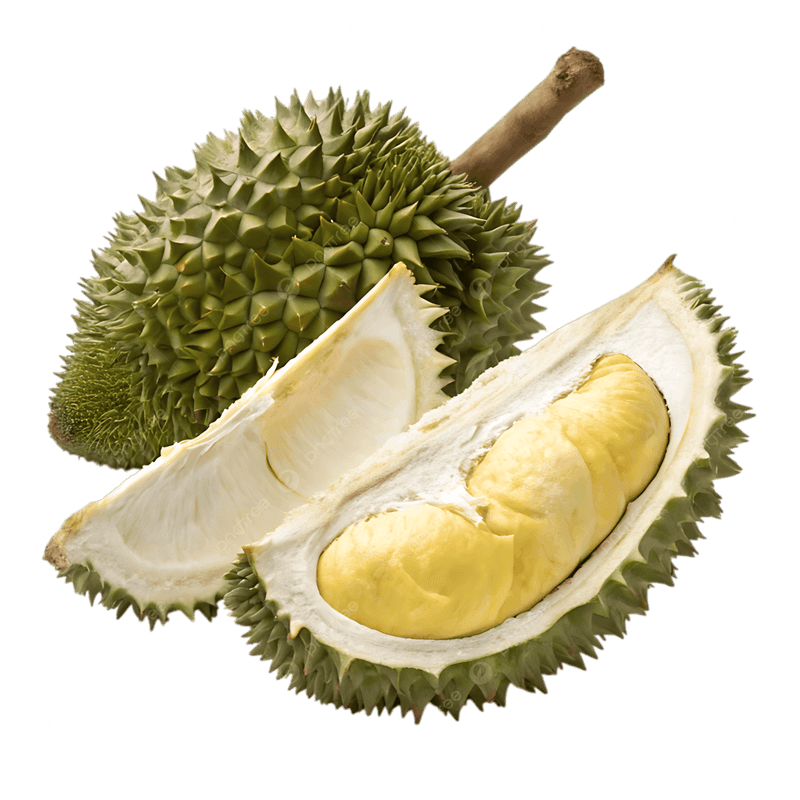
Known as the "King of Fruits" in Southeast Asia, durian is famous for one very unusual quality: it smells terrible but tastes incredible. People describe the odor as a mix of gym socks and onions.
Yet the creamy, custard-like flesh inside has a rich, sweet flavor that fans absolutely love.
It is so popular in countries like Thailand and Malaysia that hotels sometimes ban it from their buildings. Give it a chance and you might be surprised.
2. Rambutan
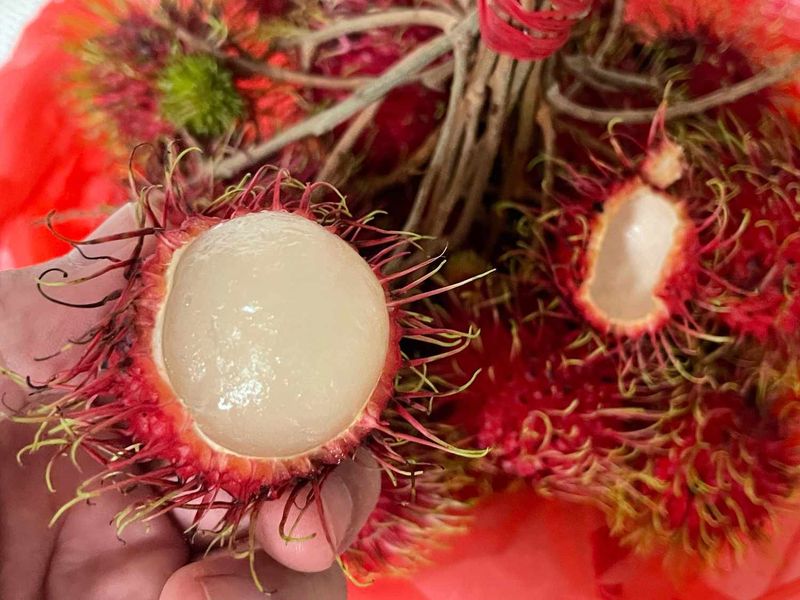
Picture a small red ball covered in soft, noodle-like spikes, and you have the rambutan. The name actually comes from the Malay word for "hair," which makes total sense once you see it.
Underneath that wild exterior is a juicy, white fruit that tastes like a sweeter version of a grape.
Originally from Southeast Asia, rambutans are now enjoyed worldwide. They are easy to peel and make a fun, refreshing snack on a hot day.
3. Dragon Fruit
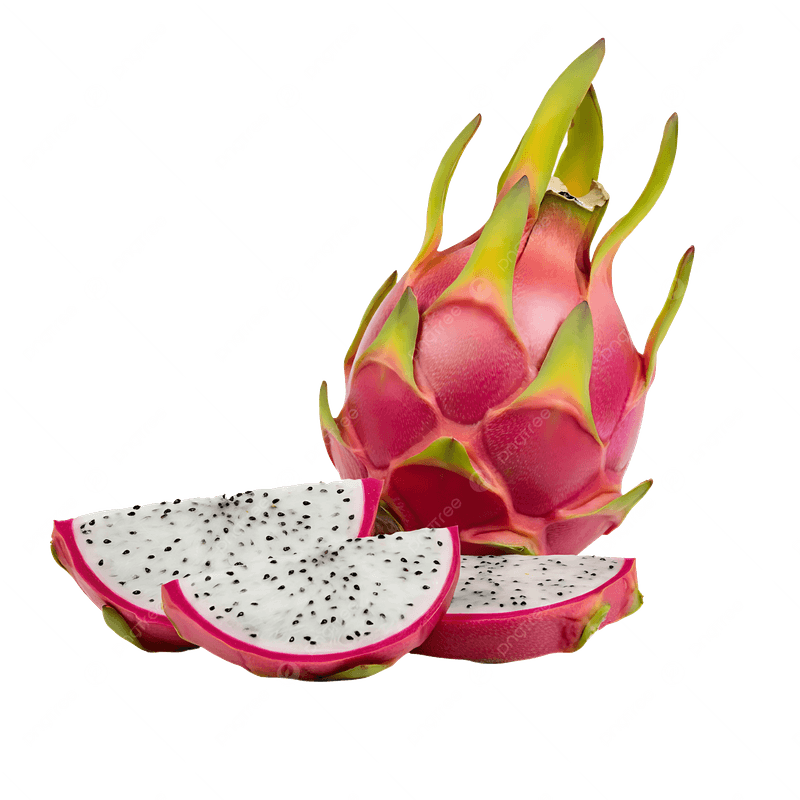
Dragon fruit looks like it belongs in a fantasy novel. Its hot-pink skin covered in green-tipped scales is almost too pretty to eat.
Slice it open and you will find a mild, slightly sweet white or red flesh dotted with tiny black seeds, similar in texture to a kiwi.
Grown in tropical regions, dragon fruit is also packed with vitamins and antioxidants. It is a favorite addition to smoothie bowls and fruit salads because of its stunning color.
4. Jackfruit
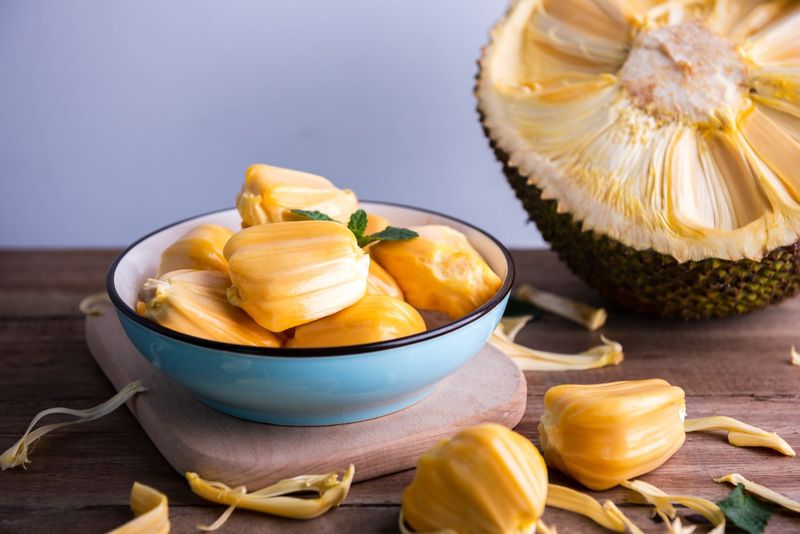
Jackfruit holds the title of the largest tree-borne fruit in the world, sometimes weighing up to 80 pounds. Its rough, bumpy green exterior looks more like a prehistoric creature than something you would eat.
But crack one open and you will find sweet, golden pods that taste like a cross between pineapple and banana.
Unripe jackfruit is also used as a meat substitute in cooking because of its chewy texture. It is truly a two-in-one fruit.
5. Mangosteen
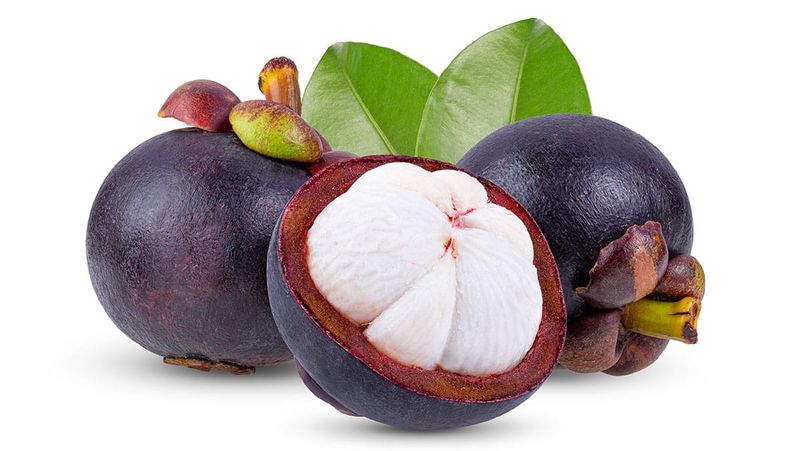
Queen Victoria reportedly offered a reward to anyone who could bring her a fresh mangosteen, which tells you just how special this fruit is. Its dark purple shell looks hard and uninviting, but inside are soft, snow-white segments with a flavor that blends sweet and tangy in the most delightful way.
Often called the "Queen of Fruits," mangosteens are grown in tropical Asia. The flavor is so unique that it is hard to compare it to anything else.
6. Cherimoya
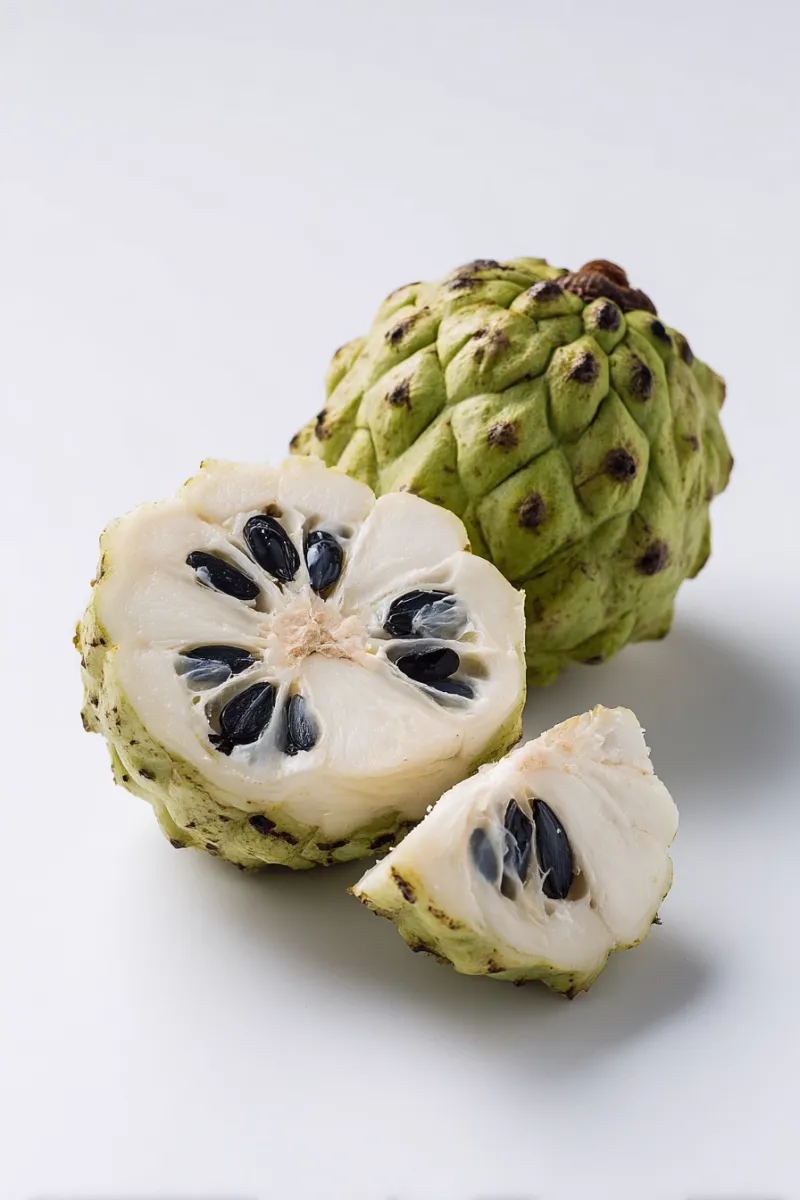
Mark Twain once called the cherimoya "the most delicious fruit known to men," and it is hard to argue with that review. This green, scale-covered fruit looks like something a dinosaur might have eaten.
But one bite of its creamy, white interior reveals flavors of banana, pineapple, and vanilla all at once.
Native to the Andean highlands of South America, cherimoya is sometimes called the "custard apple." Its soft, spoonable texture makes it feel like dessert straight from nature.
7. Salak (Snake Fruit)
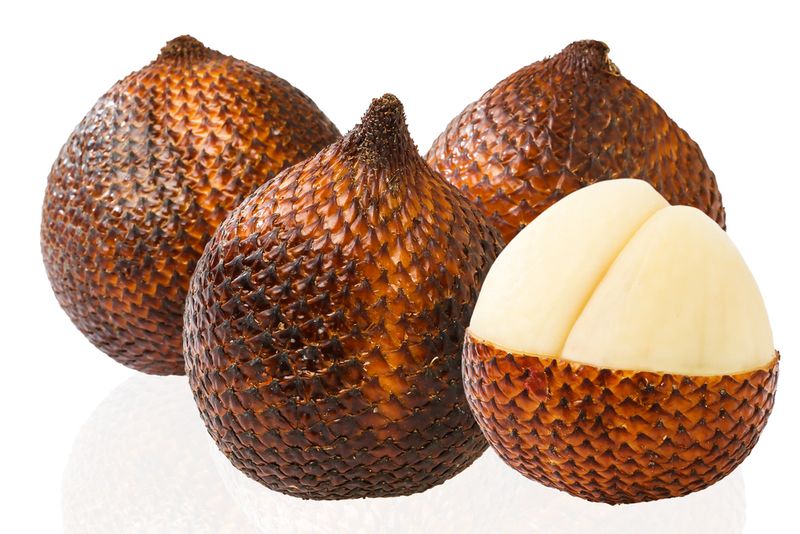
The nickname "snake fruit" is well-earned. Salak has a reddish-brown skin that looks exactly like snake scales, which can make first-timers hesitant to pick it up.
Peel it away, though, and you will find crisp, ivory-colored segments with a flavor that mixes sweet, sour, and a slight crunch all at once.
Popular in Indonesia, salak is often eaten fresh or made into chips and wine. Its unique texture is somewhere between an apple and a pear.
8. Horned Melon (Kiwano)
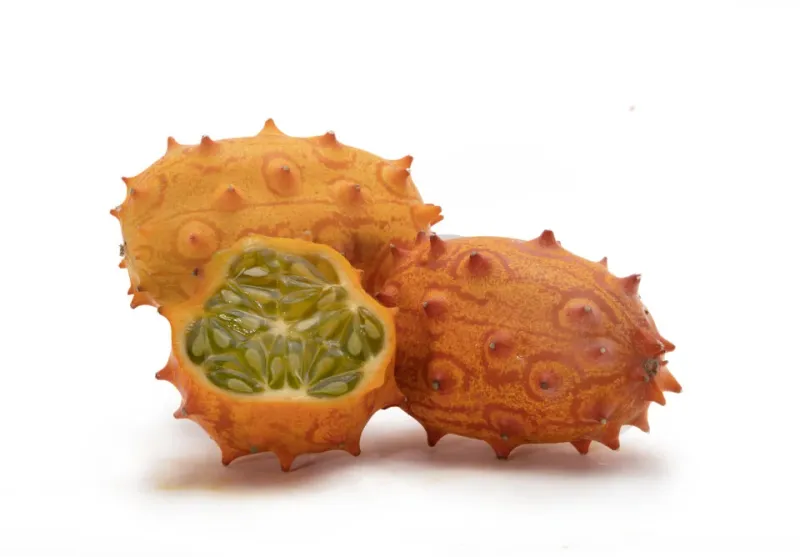
Bright orange with sharp yellow horns poking out from every side, the kiwano looks like it came straight from another planet. It is sometimes called the African horned cucumber, and it grows naturally in sub-Saharan Africa.
Scoop out its bright green, jelly-like interior and you will taste something refreshing that blends cucumber, banana, and lime.
The kiwano is also high in water content, making it a great fruit for staying hydrated. Its wild appearance makes it a showstopper at any fruit platter.
9. Buddha's Hand
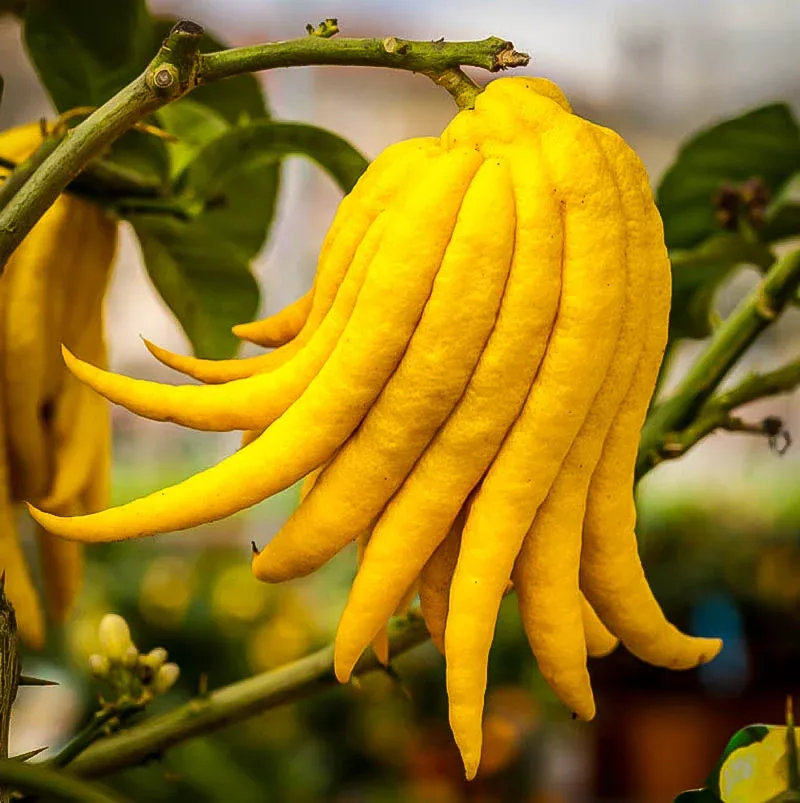
Buddha's Hand looks less like a fruit and more like a yellow alien hand reaching out for a handshake. This fragrant citrus fruit has long, finger-like segments and almost no flesh or juice inside at all.
What it does have is an incredibly powerful lemon-floral scent that fills an entire room.
Chefs love zesting it over pasta, desserts, and cocktails. In many Asian cultures, it is also used as a symbol of happiness and good fortune.
10. Ackee
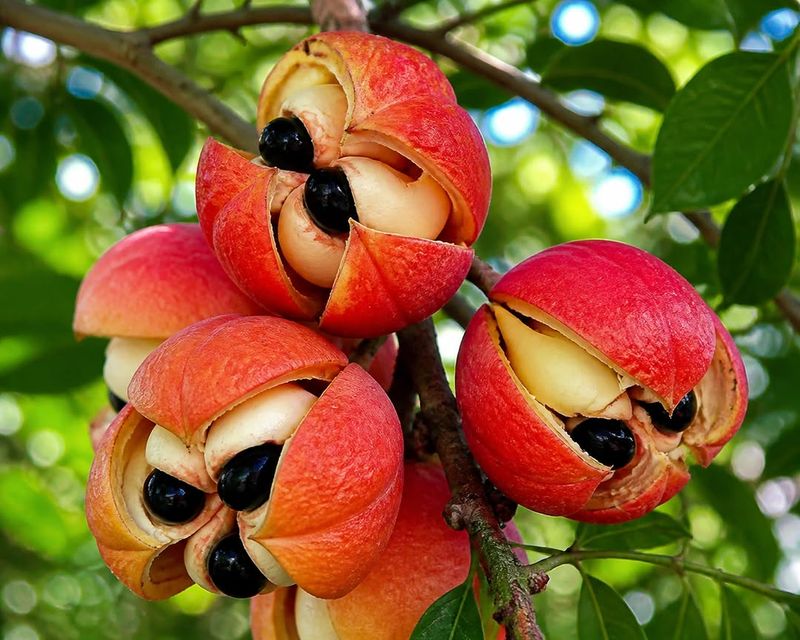
Jamaica's national fruit has a dramatic look. Ackee pods ripen to a bright red color and then split open on their own to reveal yellow, brain-shaped arils and shiny black seeds.
The edible yellow portions have a mild, buttery flavor that works beautifully in savory dishes.
Ackee must be fully ripe before eating because unripe ackee contains toxins. When prepared correctly, it is the star of Jamaica's beloved national dish, ackee and saltfish, which is hearty and delicious.
11. Finger Lime
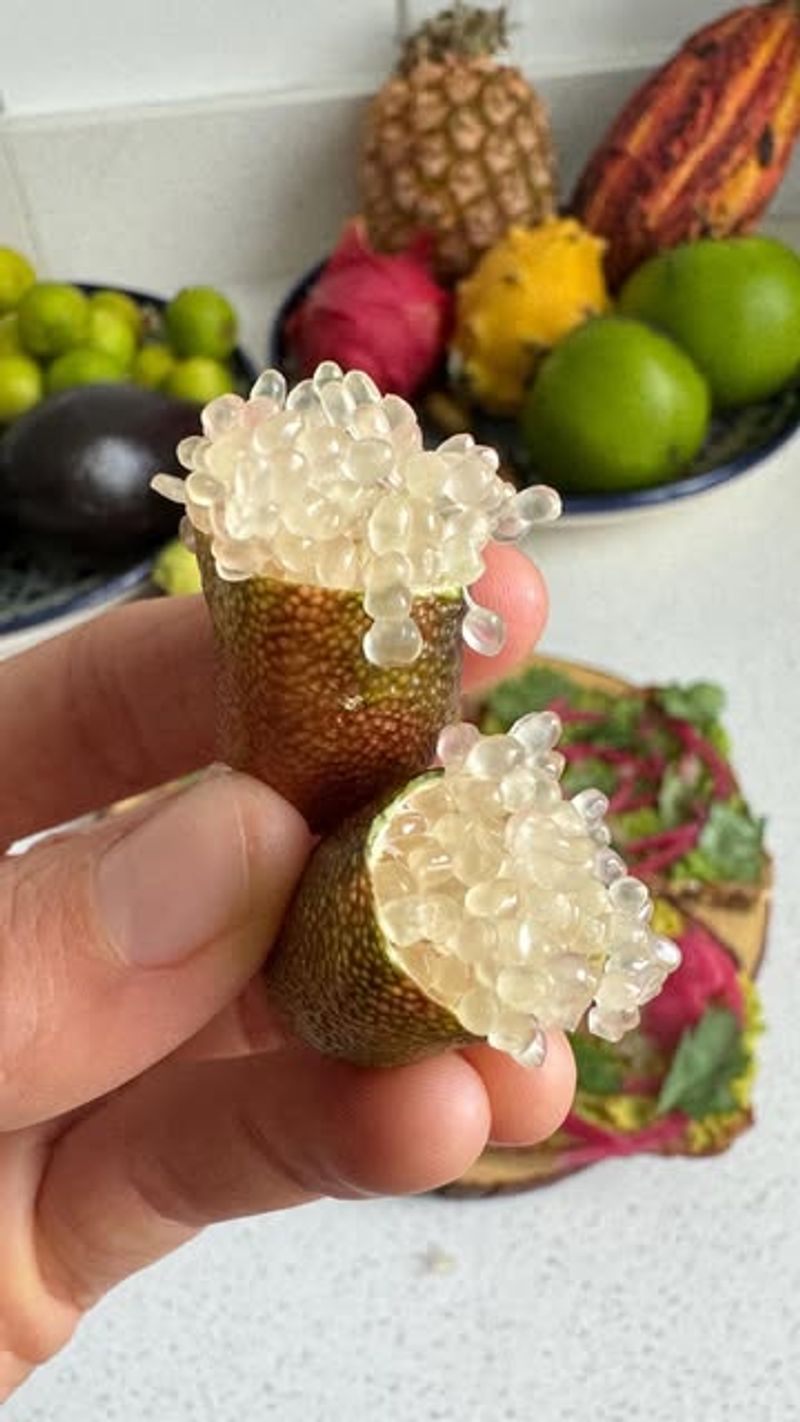
Finger limes are sometimes called "citrus caviar," and once you see them, it is obvious why. These small, cylindrical fruits are native to Australia and pack hundreds of tiny, pearl-like juice bubbles inside.
When you bite one, the little pearls pop and release a burst of tangy, lime-like flavor.
Chefs around the world prize finger limes as a gourmet garnish on seafood, tacos, and cocktails. They come in a range of colors including green, pink, and red, making every dish look spectacular.
12. Longan
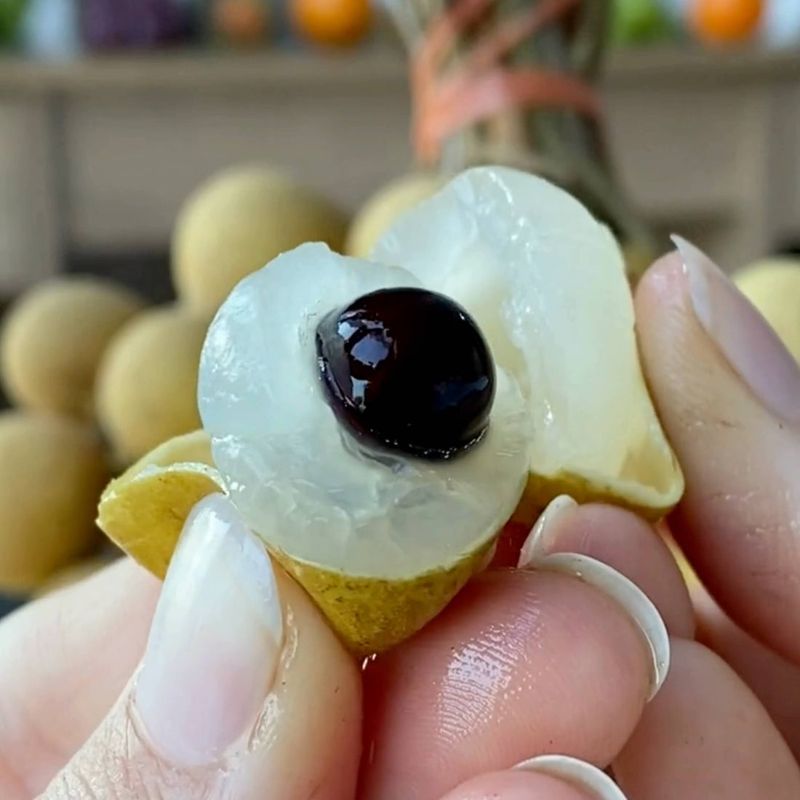
Longan means "dragon eye" in Chinese, and when you peel one open, you can see exactly why. The round, white flesh surrounds a single dark seed that looks just like an eyeball staring back at you.
Despite this slightly unsettling appearance, the taste is wonderfully sweet and floral, similar to lychee but a little more subtle.
Longans are popular across Southeast Asia and are often dried, canned, or used in herbal teas. Fresh longans are a simple, satisfying treat.
13. Feijoa
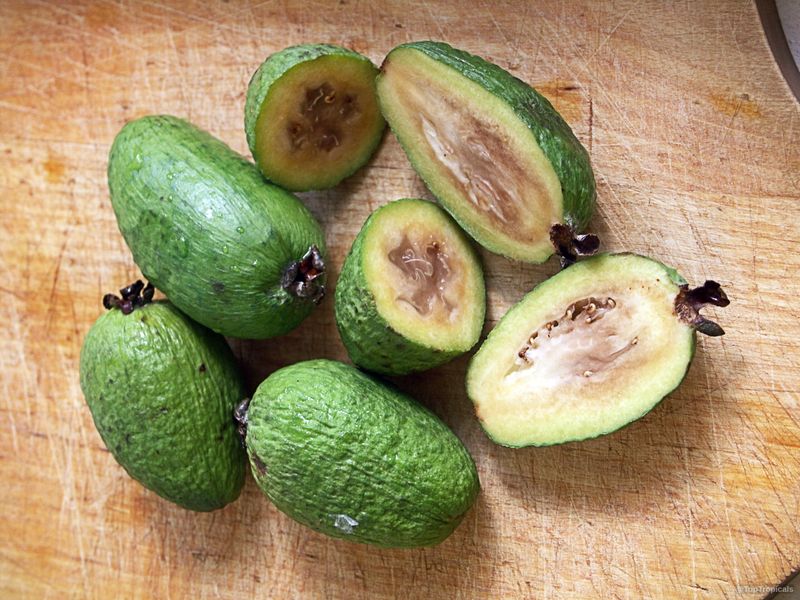
Feijoa smells so good that people sometimes use it as a natural air freshener before eating it. This small, oval green fruit is native to South America and has a scent that mixes guava, pineapple, and mint into one intoxicating aroma.
The flesh inside is creamy and slightly gritty, with a sweet-tart flavor that is hard to forget.
Popular in New Zealand and parts of Europe, feijoas are eaten by scooping the flesh with a spoon. They are also made into jams and juices.
14. Jabuticaba
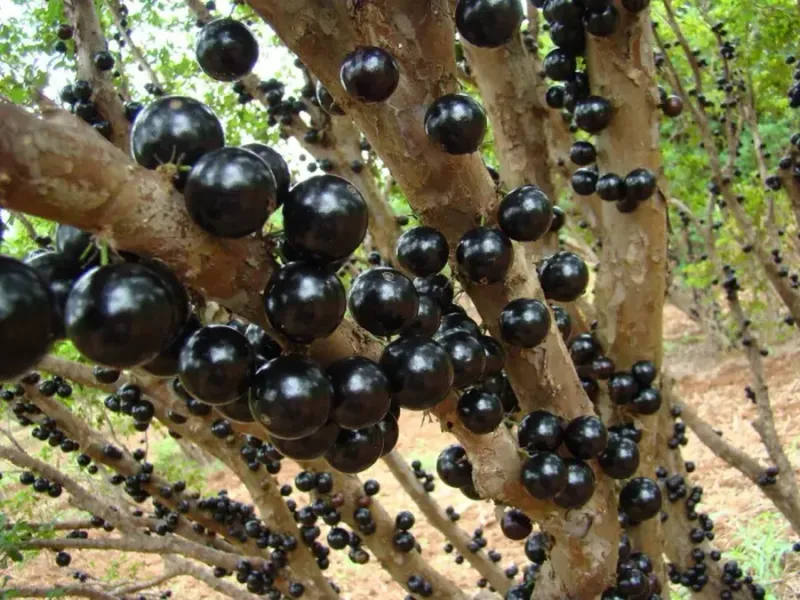
Most fruits grow on branches, but jabuticaba breaks that rule entirely. This Brazilian fruit grows directly on the trunk and main branches of its tree, making the whole tree look like it is covered in dark purple grapes.
The flavor is sweet, slightly tangy, and reminds many people of a grape crossed with a lychee.
Jabuticaba ferments quickly after picking, so it is best eaten fresh. Locals in Brazil love turning it into wine, liqueur, and jam before it spoils.
15. Pepino Melon
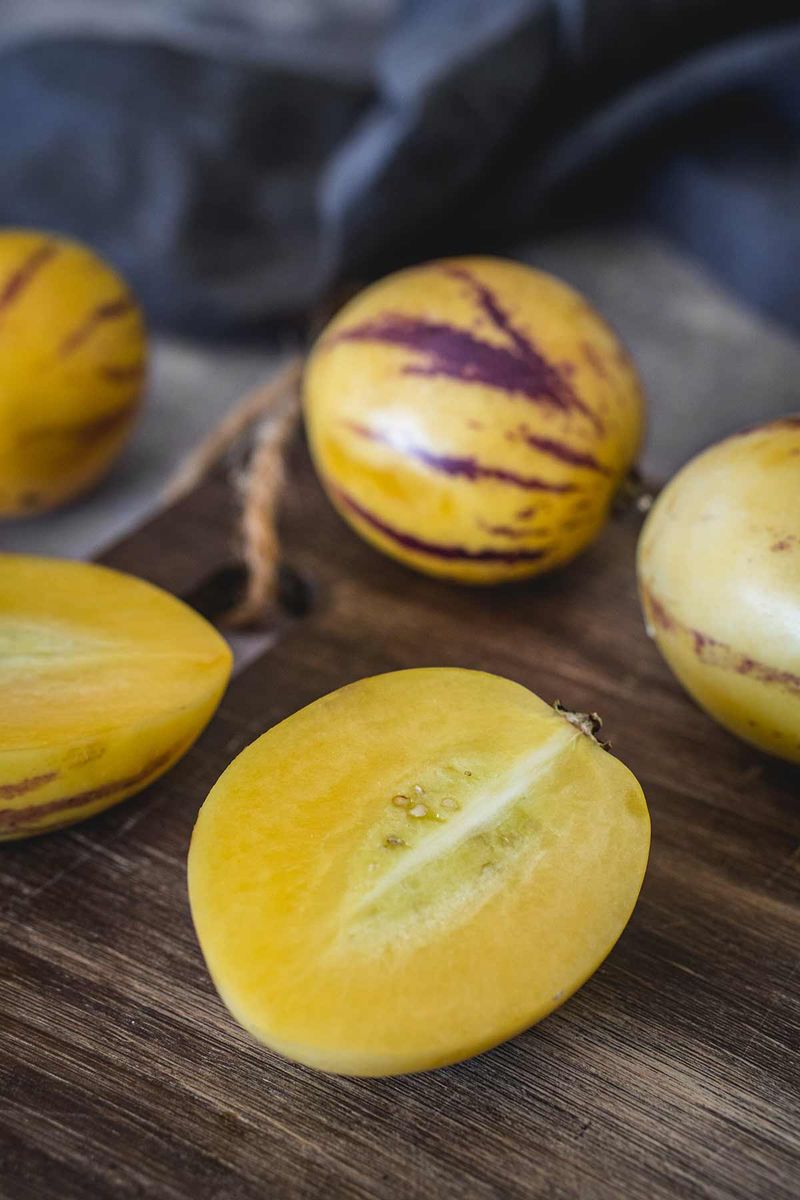
Pepino melon looks like someone took a regular melon and painted it with purple racing stripes. This eye-catching fruit from South America has smooth, golden-yellow skin with distinctive purple streaks running along it.
The pale flesh inside is mild and juicy, tasting like a gentle blend of honeydew melon and cucumber.
It is low in calories and high in vitamin C, making it a healthy and refreshing snack. Pepino melons are great eaten fresh, chilled, or added to fruit salads.
16. Black Sapote
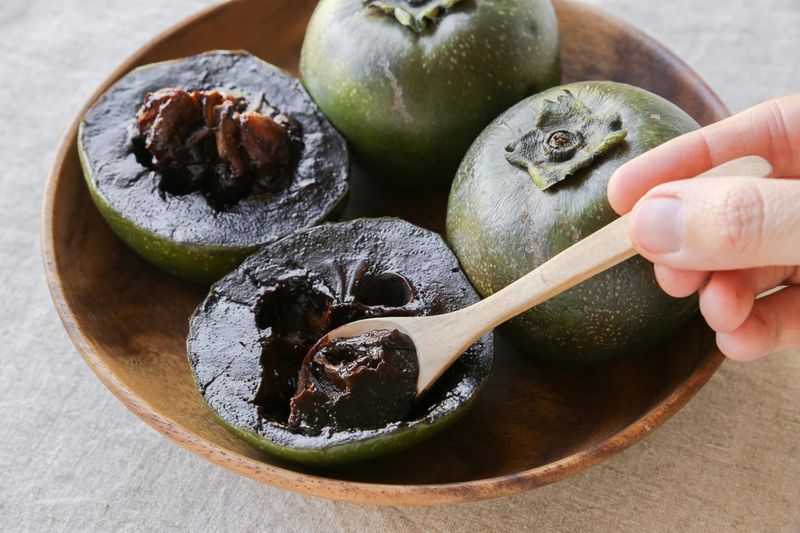
Chocolate pudding hiding inside a fruit sounds too good to be true, but black sapote delivers exactly that. The outside looks like an ordinary, dull green tomato, giving no hint of what waits inside.
Once ripe, the flesh turns a deep, dark brown and has a sweet, rich flavor that genuinely resembles chocolate pudding.
Native to Mexico and Central America, black sapote is sometimes blended with orange juice to make a naturally sweet, dairy-free dessert. No added sugar needed.




Comments
No Comments