













Shopping for groceries on an empty stomach is a recipe for chaos. Suddenly, everything looks delicious, your cart fills up fast, and your budget goes right out the window.
Science actually backs this up - hungry shoppers tend to buy more food and make impulsive choices they later regret. Knowing which decisions get trickiest when your stomach is growling can help you shop smarter next time.
1. Choosing Between Snacks and Healthy Options
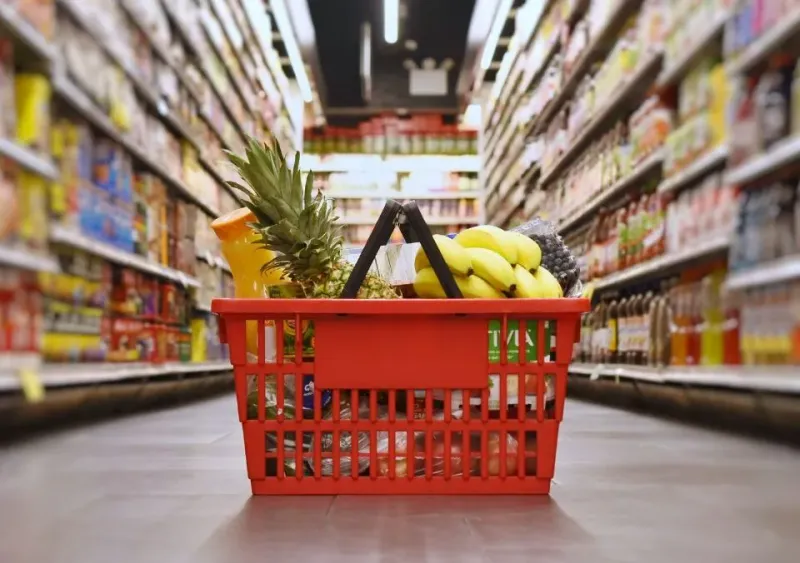
The snack aisle feels like a trap when your stomach is empty. Every crinkly bag and colorful wrapper seems to shout your name louder than usual.
Nutritious options like fruit or nuts suddenly seem boring compared to chips and cookies. Studies show hungry shoppers are three times more likely to grab high-calorie snacks.
Setting a rule before you enter the store, like "one snack only," can keep your cart from turning into a junk food parade.
2. Picking the Right Portion Size
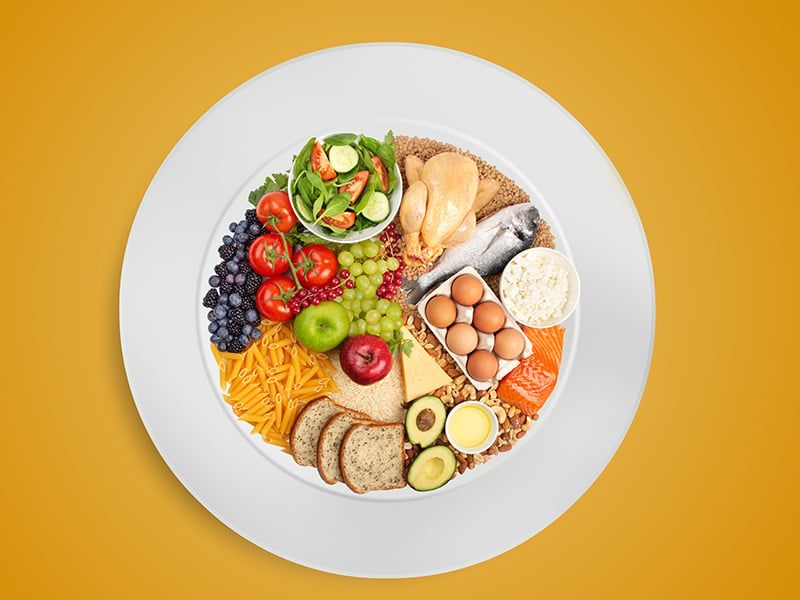
Portion sizes feel totally different when hunger is in charge. That family-size bag of pretzels suddenly seems perfectly reasonable for one person.
Buying oversized portions often leads to overspending and food waste later on. Research from Cornell University found that hungry shoppers consistently chose larger package sizes across nearly every food category.
A quick mental check - asking yourself, "Will I really finish this?" - can save both money and shelf space at home.
3. Deciding Whether to Buy Pre-Made Meals
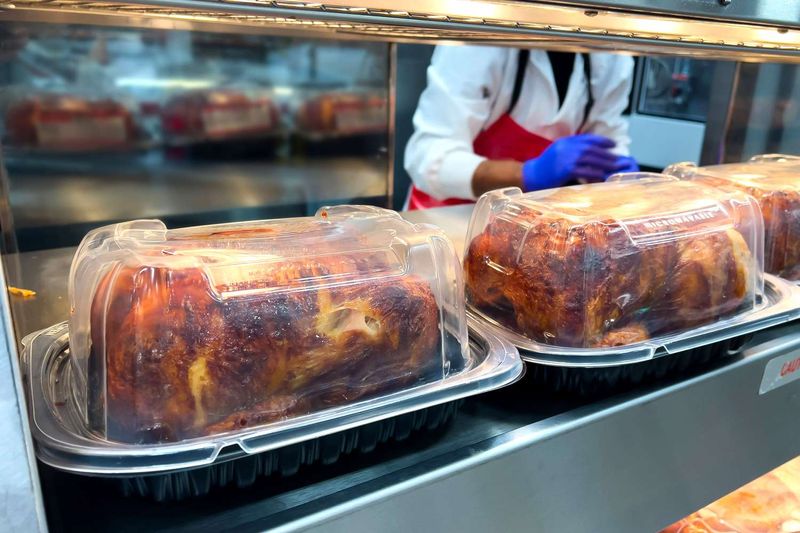
Pre-made meals are the siren song of the hungry grocery shopper. When your stomach is growling, a hot rotisserie chicken feels like the greatest invention in human history.
The problem is that convenience foods cost significantly more per serving than cooking from scratch. Hunger makes the "easy" option feel essential rather than optional.
Planning at least two or three meals before shopping helps you resist the pull of the hot food section entirely.
4. Sticking to Your Shopping List
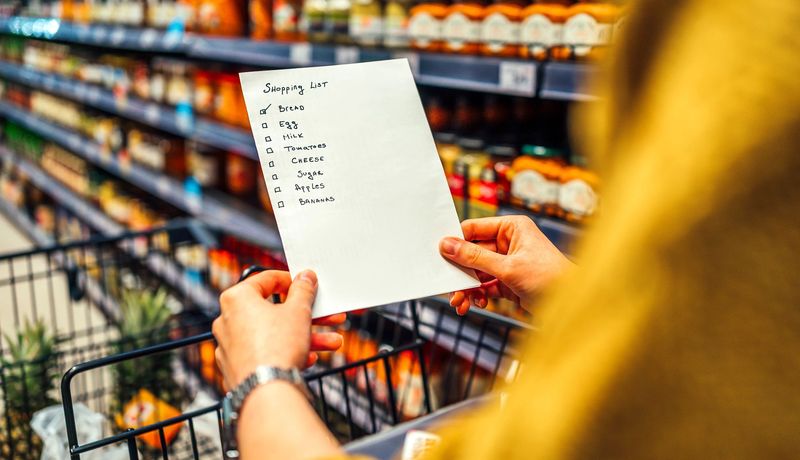
A shopping list is your best defense against impulse buying, but hunger makes it surprisingly hard to follow. Every unplanned item starts to seem like a necessity.
Psychologists call this "goal interference" - when a strong desire, like hunger, overrides a planned behavior, like sticking to a list. Writing your list in order of the store layout actually helps you move quickly and avoid lingering near tempting displays.
Speed is your friend when shopping hungry.
5. Comparing Prices Without Rushing
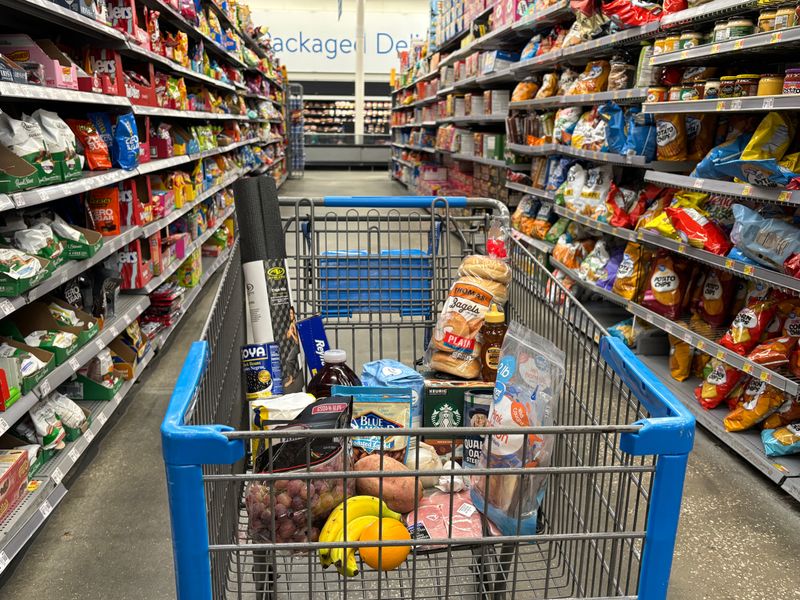
Price comparison takes patience, and hunger eats patience for breakfast. When your blood sugar is low, your brain wants the fastest possible solution, not the smartest one.
Grabbing the first item you see instead of checking unit prices can quietly drain your grocery budget over time. Even a few extra seconds spent comparing cost-per-ounce can save real money each week.
Eating a small snack before shopping is genuinely one of the best money-saving tips out there.
6. Resisting Checkout Lane Candy
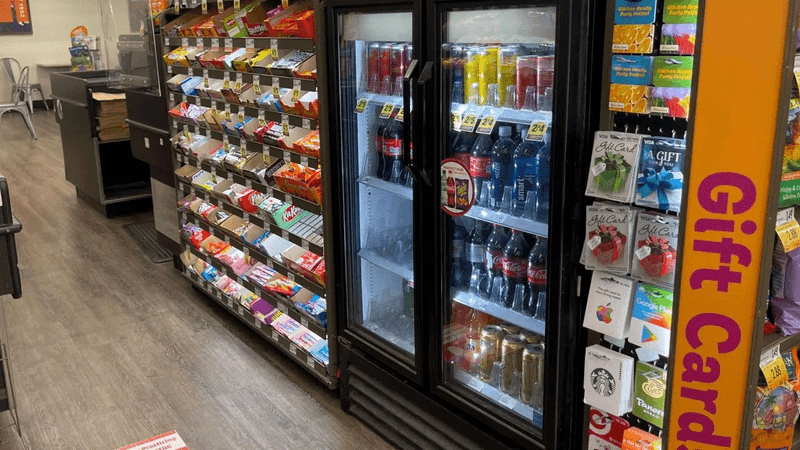
Checkout lanes are engineered to tempt you, and they work best when you are hungry. Candy bars, mints, and small bags of chips are placed at exactly the right height for maximum temptation.
Retailers know that tired, hungry shoppers near the end of their trip have the weakest willpower. Keeping a small, healthy snack in your bag, like a granola bar, to eat while waiting in line is a surprisingly effective trick.
It takes the edge off just enough.
7. Choosing Beverages Wisely
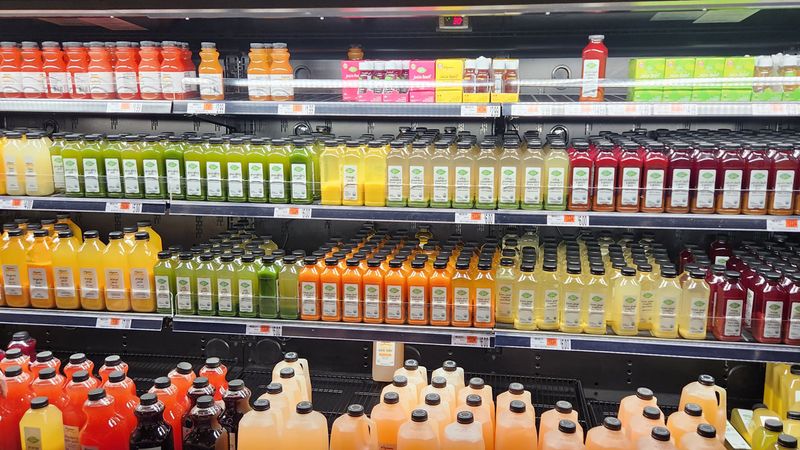
Thirst and hunger often show up together, making the drink aisle a genuinely dangerous place when you have not eaten. Sugary sodas and fancy juice bottles suddenly look incredibly appealing.
The beverage aisle has some of the highest markups in the entire store. Flavored drinks also tend to be packed with sugar and empty calories that leave you feeling worse later.
Reminding yourself that plain water handles thirst just as well, and costs almost nothing, is harder to remember on an empty stomach.
8. Evaluating Sale Items Fairly
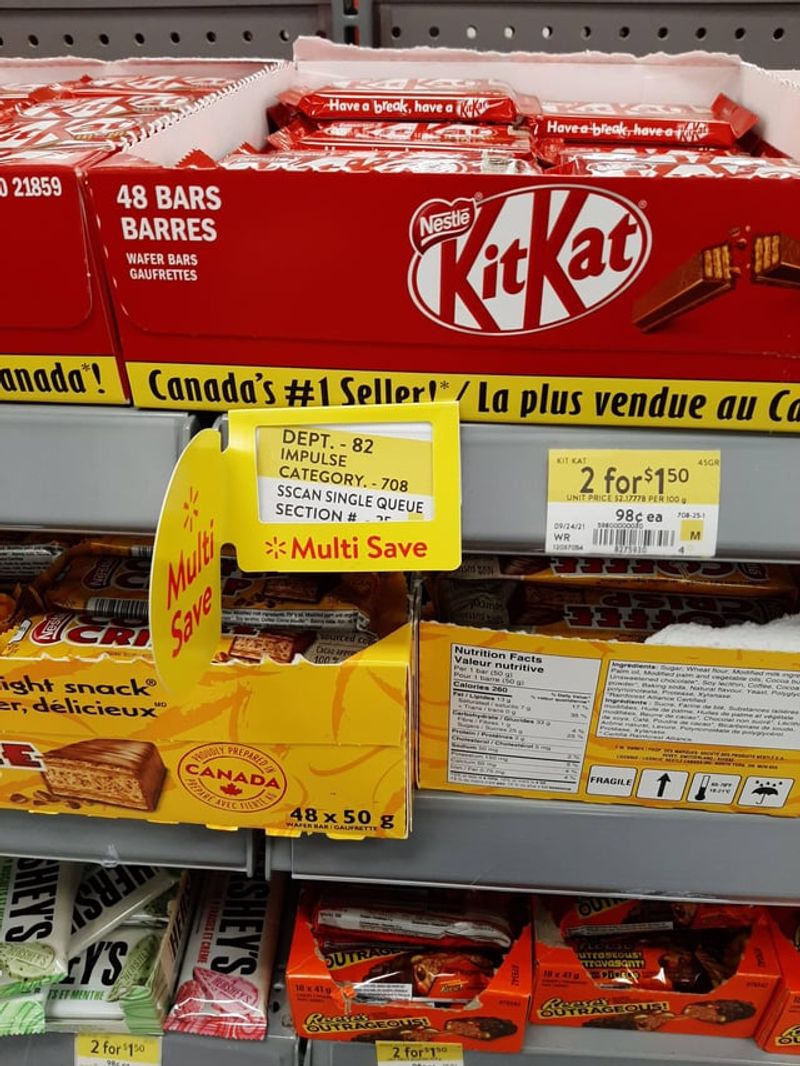
"Buy two, get one free" sounds amazing at any time, but hunger turns it into an unbeatable argument. Your brain latches onto the deal without asking whether you actually need the product.
Sales are marketing tools, and they work especially well on shoppers whose judgment is clouded by an empty stomach. Asking one simple question, "Would I buy this if it were full price?" can cut through the excitement of a sale sign fast.
If the answer is no, put it back.
9. Picking Fresh Produce Over Packaged Food
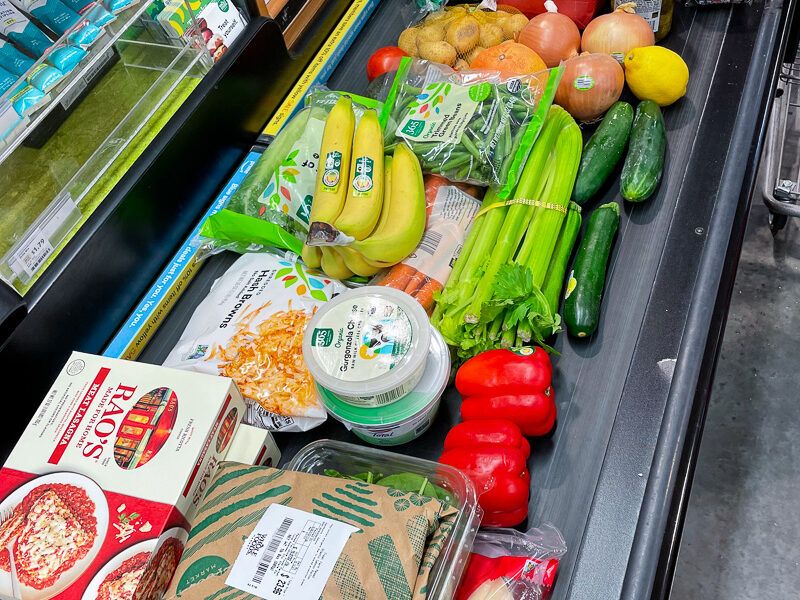
Fresh vegetables are objectively the better choice, but when hunger hits hard, a bag of shredded cheese or a box of crackers feels far more satisfying in the moment.
The produce section requires mental energy - you have to think about recipes, freshness, and prep time. Packaged food skips all that thinking.
Making a simple mental list of two or three vegetables you always use, before entering the store, removes the decision-making burden when your brain is running on empty.
10. Deciding on Meat and Protein Quantities
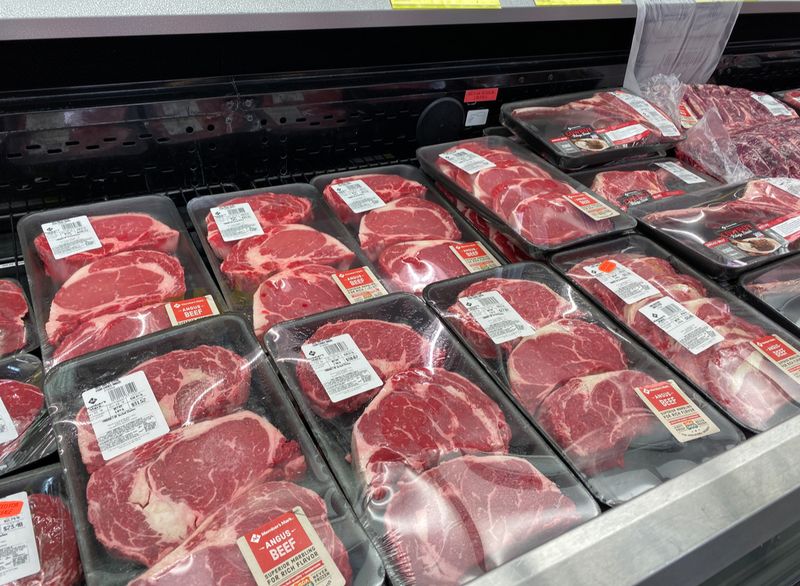
Protein decisions get genuinely tricky when you are hungry, because everything looks like it needs to come home with you. That extra-large pack of steaks feels completely justified.
Buying more meat than you can realistically use before it expires leads to waste and overspending. A practical trick is to plan proteins for specific meals, like "chicken for Tuesday, ground beef for Thursday," before you shop.
That mental anchor makes it much easier to grab only what you actually need.
11. Avoiding Fancy Bakery Items
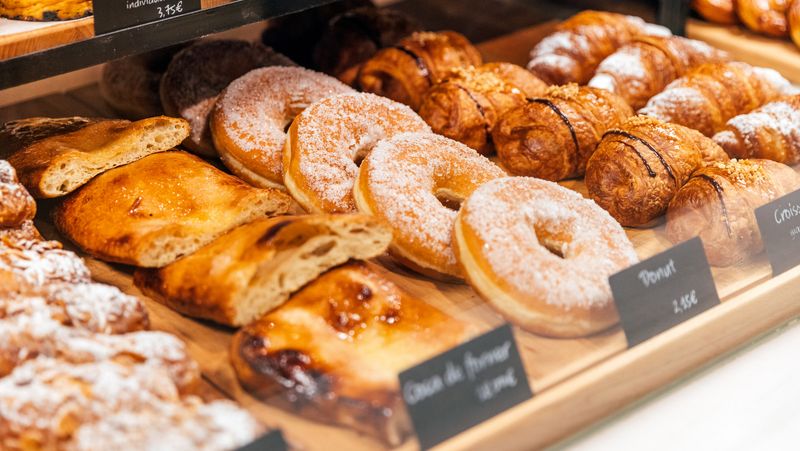
The bakery section is possibly the cruelest part of any grocery store when you are hungry. Warm bread smells travel far, and they are absolutely designed to pull you in.
Fresh pastries and decorated cakes are rarely on anyone's shopping list, yet they end up in carts constantly. The smell of baked goods triggers a strong emotional response tied to comfort and reward.
Walking a different route through the store that skips the bakery entirely is a small but genuinely effective strategy.
12. Judging Frozen Food Options
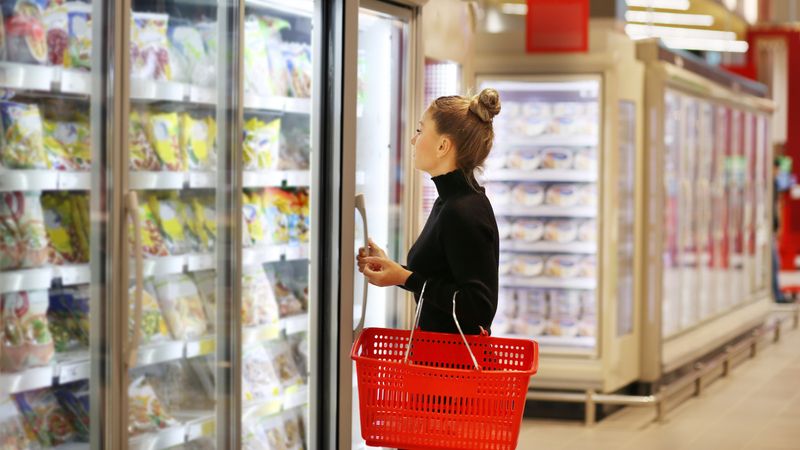
Frozen food aisles look completely different depending on how hungry you are. On an empty stomach, frozen lasagna and pizza suddenly seem like sophisticated meal planning rather than convenience shortcuts.
Not all frozen foods are created equal - some are genuinely nutritious, while others are loaded with sodium and preservatives. Hunger makes reading nutrition labels feel like homework you want to skip.
Checking sodium content takes about five seconds and can make a big difference in how you feel after eating.
13. Resisting Bulk Bin Temptations
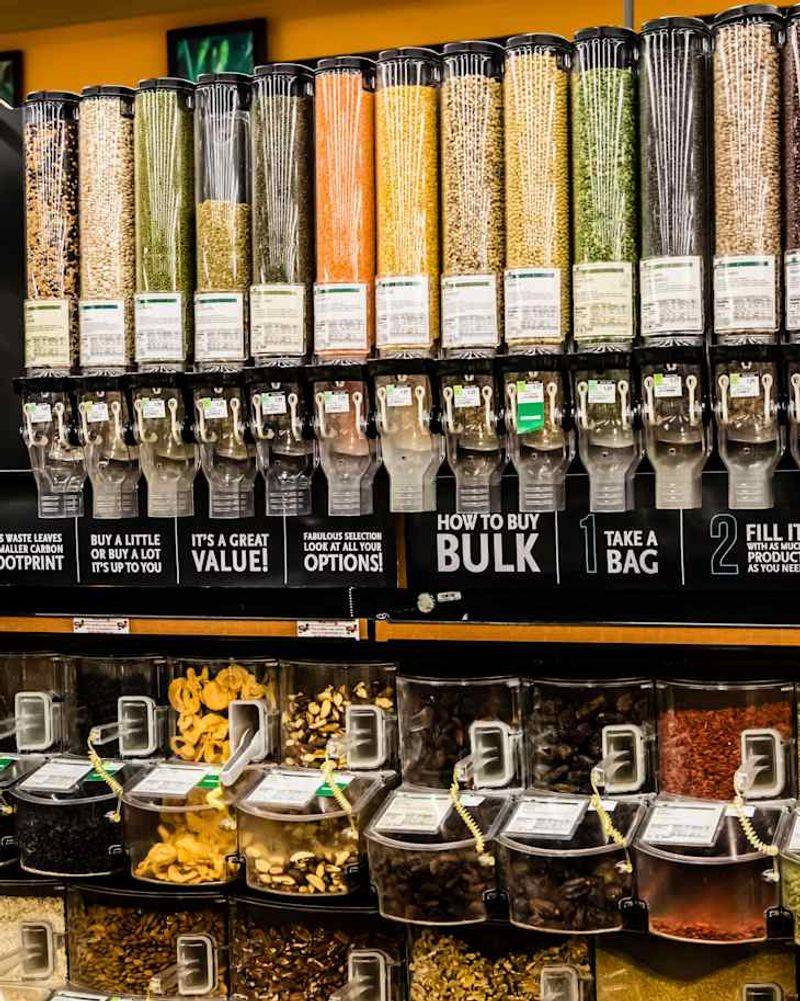
Bulk bins feel like an all-you-can-eat buffet invitation when you are starving. Scooping your own portion sounds practical, but hunger makes "a little" turn into "a lot" very quickly.
Nuts, dried fruit, and chocolate-covered snacks are all calorie-dense foods that are easy to over-scoop. Without a package telling you the serving size, it is surprisingly hard to self-regulate.
Pre-deciding a specific quantity, like "one small bag of almonds," before reaching the bulk section helps keep things reasonable.
14. Choosing Between Brand Name and Generic
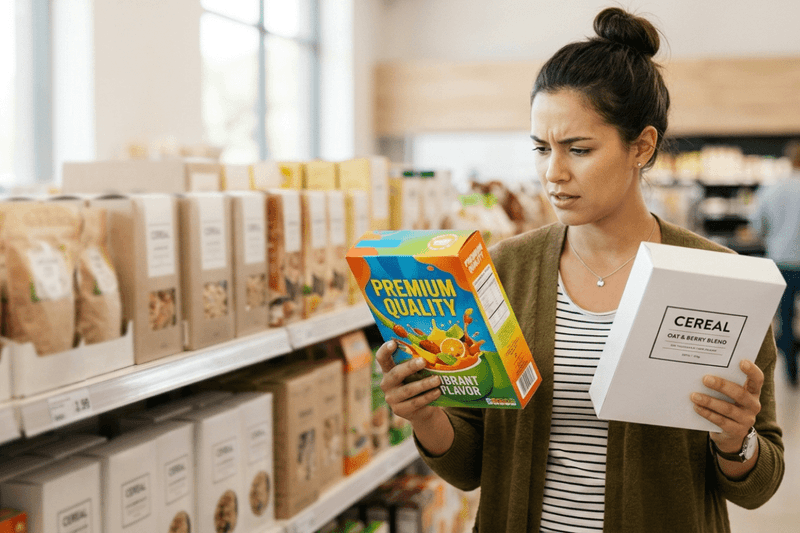
Brand loyalty gets a strange boost when you are hungry. Familiar packaging feels more comforting and trustworthy, even when the generic version is nearly identical in quality.
Store-brand products are typically 20 to 30 percent cheaper than name-brand equivalents, and many are made in the same factories. Hunger creates urgency, and urgency makes you reach for the familiar option without thinking twice.
Reminding yourself of that price difference before you shop can override the emotional pull of a recognizable logo.
15. Picking the Right Breakfast Foods
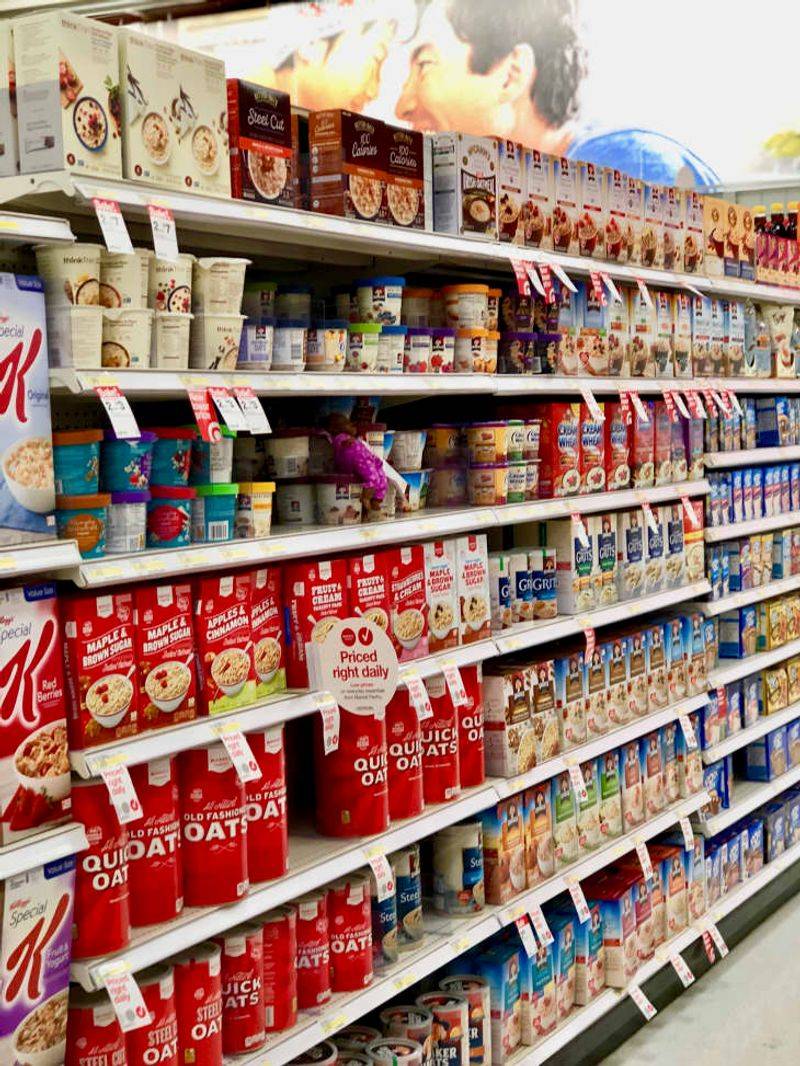
Breakfast shopping while hungry is a setup for loading up on sugary cereals and pastry products. Those brightly colored boxes practically glow when your stomach is empty.
High-sugar breakfast foods cause energy crashes that leave you feeling worse by mid-morning, which kind of defeats the whole purpose. Whole grain options and oatmeal provide steady energy but rarely come in fun packaging designed to grab your attention.
Picking breakfast foods right after a meal, when your brain is thinking clearly, leads to noticeably better choices.
16. Deciding How Much Dairy to Buy
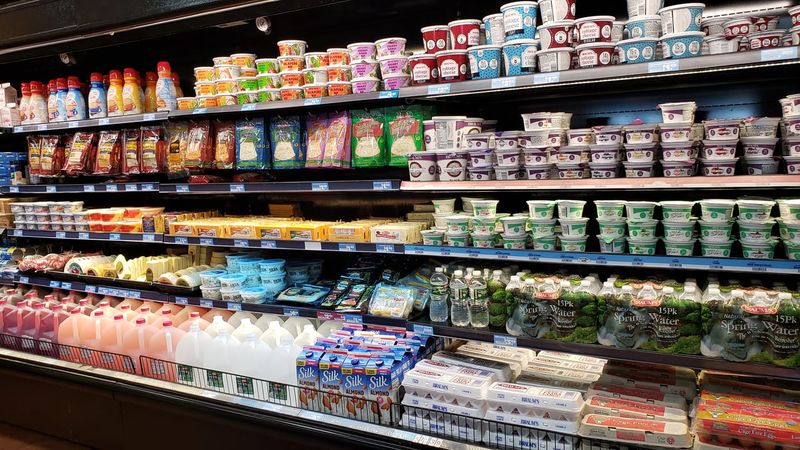
Cheese is one of those foods that seems to multiply in your cart when you are hungry. A block of sharp cheddar, a wedge of brie, and maybe some string cheese - it all feels totally necessary.
Dairy products have a limited shelf life, so overbuying leads to waste faster than almost any other category. Yogurt, milk, and soft cheeses typically last only about a week.
Checking your fridge mentally before shopping, or even snapping a quick photo of it, helps you avoid buying duplicates of things you already have.
17. Navigating the Condiment and Sauce Aisle
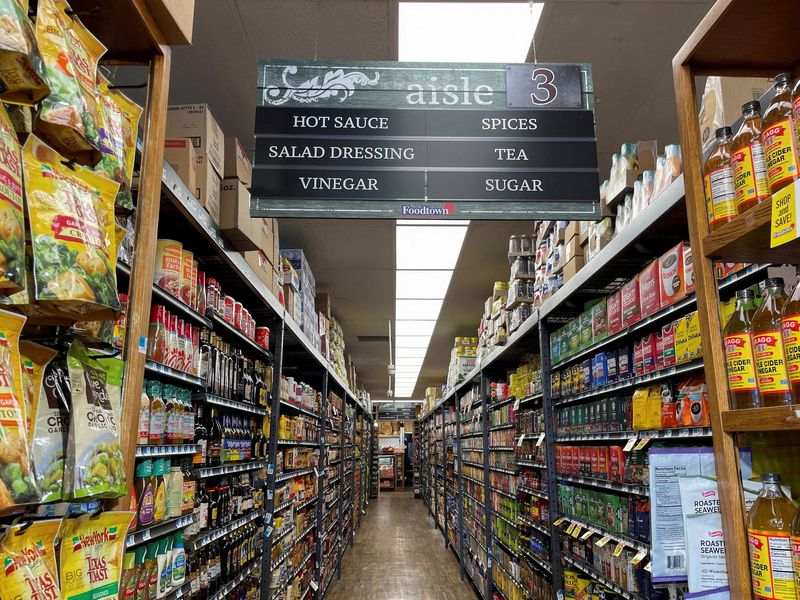
Condiments are sneaky budget-busters, and hunger makes every new sauce sound like a life-changing discovery. Smoky chipotle mayo?
Truffle ketchup? Sure, why not - at least that is how it feels on an empty stomach.
Most households already have a backlog of half-used condiment bottles in the fridge. Buying yet another specialty sauce usually means it joins the graveyard of forgotten bottles.
A quick mental inventory of what is already at home cuts down on the "ooh, that sounds amazing" purchases significantly.
18. Judging How Many Meals to Plan For
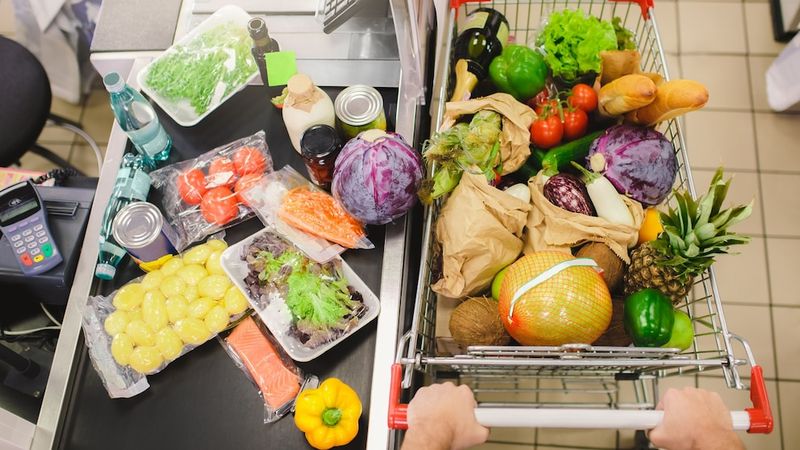
Meal planning sounds sensible, but hunger warps your sense of how much food you actually need for the week. Suddenly shopping for seven dinners feels more like shopping for twelve.
Overestimating meals leads to buying too many ingredients, some of which will inevitably go bad before you use them. Food waste costs the average American household around 1,500 dollars per year.
Writing out a specific meal plan for exactly five or six dinners before leaving home keeps your cart realistic and your wallet much happier.
19. Resisting Seasonal and Holiday Display Items

Seasonal displays are designed by marketing experts to create urgency, and hunger makes that urgency feel very real. "Limited edition" pumpkin spice everything hits differently when your blood sugar is low.
Retailers rotate seasonal items frequently to keep shoppers buying things they would not normally purchase. The fear of missing out on a holiday flavor is a surprisingly powerful motivator.
Pausing for just ten seconds to ask, "Do I genuinely want this, or am I just hungry?" is often enough to break the spell.




Comments
No Comments