













Most people run away from bitter flavors, but some of the world's most loved foods get their magic from that sharp, bold taste. Bitterness has a way of adding depth and excitement to meals that sweet or salty flavors simply cannot match.
Once you learn to appreciate it, you might find yourself craving these foods more than you ever expected. Get ready to meet 16 surprisingly delicious bitter foods that could change the way you eat forever.
1. Dark Chocolate

Here is a fun fact: dark chocolate gets its bold, slightly bitter taste from cacao, and the higher the percentage, the more intense the flavor. Many chocolate lovers actually prefer the 70% or higher varieties because the bitterness balances perfectly with natural sweetness.
Dark chocolate is also packed with antioxidants, making it one of the rare treats that is actually good for your heart. A small square after dinner can feel like a real luxury.
2. Coffee

Billions of people around the world start their mornings with a drink that is, technically speaking, quite bitter. Coffee owes its bold flavor to compounds called chlorogenic acids, which develop during the roasting process.
What makes coffee so addictive is how that bitterness wakes up your taste buds and your brain at the same time. Whether you enjoy it black or with a splash of milk, coffee proves that bitterness can be something you look forward to every single day.
3. Radicchio
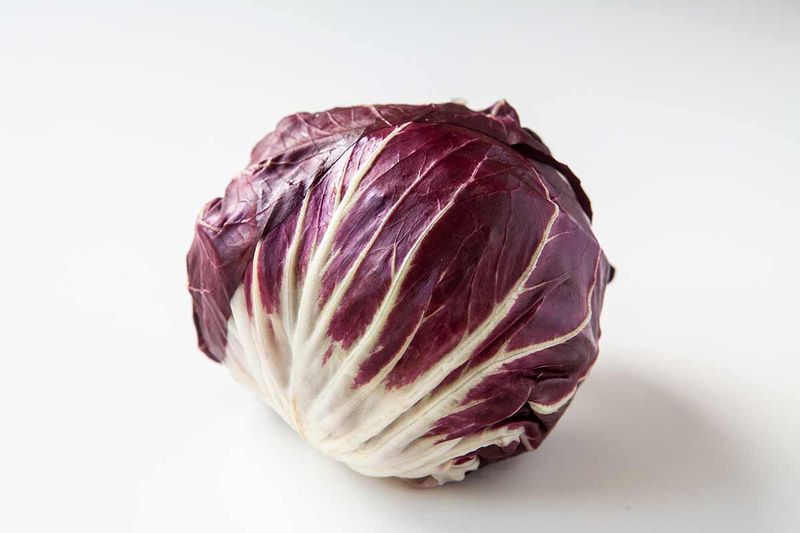
Radicchio looks like a small purple cabbage, but one bite reveals a sharp, pleasantly bitter flavor that sets it apart from most salad greens. Italians have been using it in cooking for centuries, and it shows up in everything from salads to grilled side dishes.
When you roast radicchio, something almost magical happens: the bitterness softens and a slight sweetness comes through. Tossing it with olive oil and a little balsamic vinegar makes it a crowd-pleasing dish worth trying at home.
4. Arugula
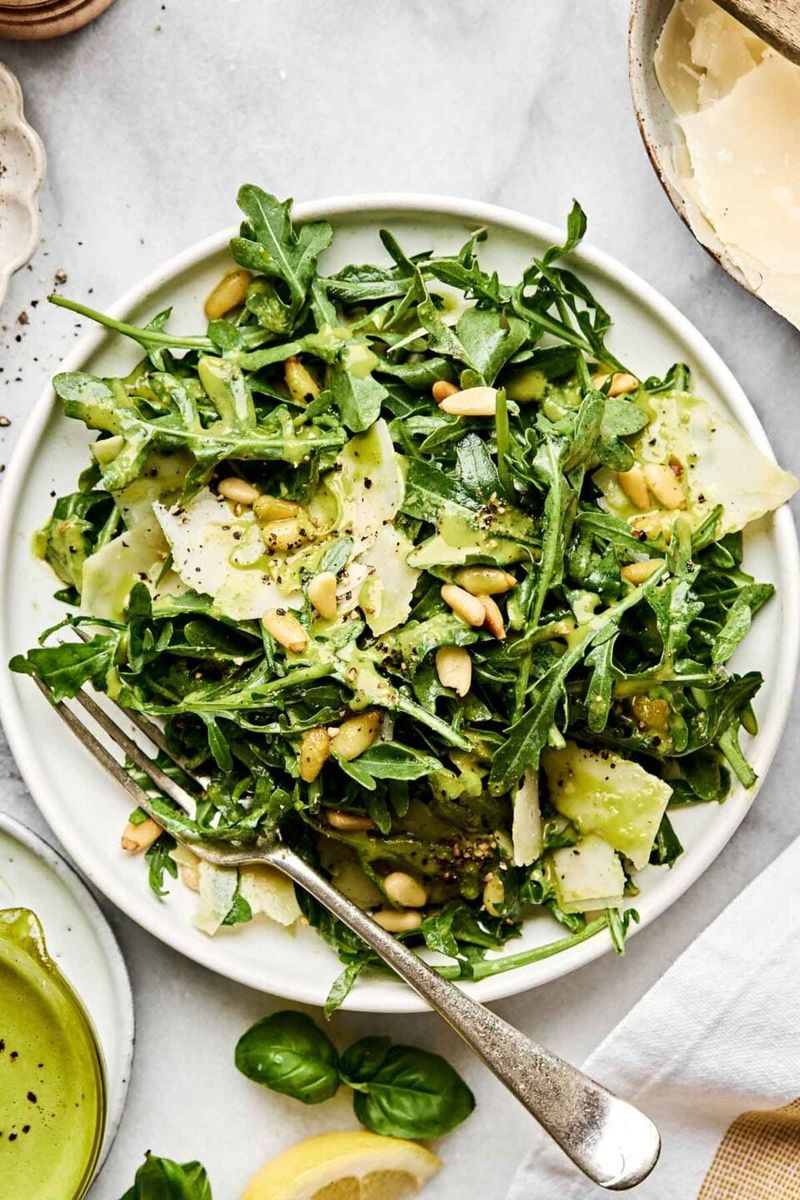
Arugula carries a peppery, slightly bitter punch that makes ordinary salads feel exciting and grown-up. Unlike plain lettuce, arugula has a personality of its own, and once you taste it, there is no going back to bland greens.
Chefs love pairing arugula with shaved parmesan, lemon juice, and olive oil because those flavors balance the bitterness beautifully. It also works great on top of pizza, where the heat wilts the leaves just enough to mellow out the sharp edges.
5. Grapefruit
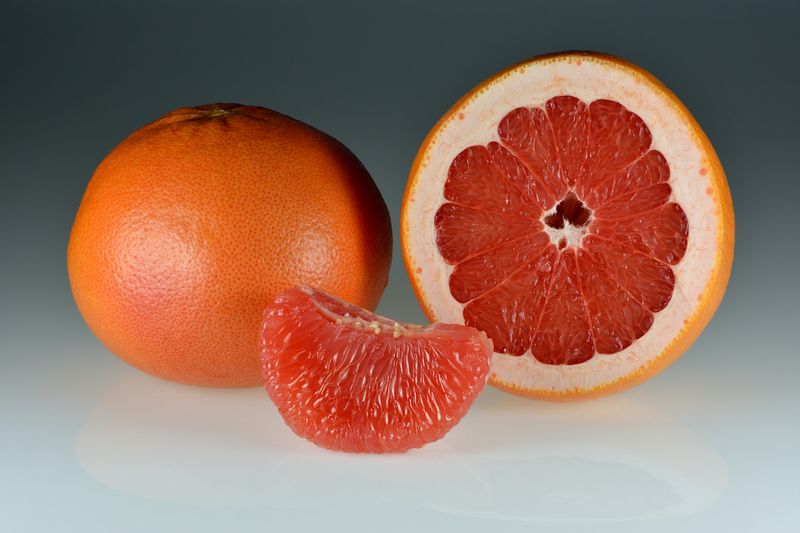
Grapefruit sits in a fascinating flavor zone between sweet and bitter, and that combination is exactly what makes it so refreshing. The compound responsible for its bitterness is called naringin, which also gives grapefruit some impressive health benefits.
Many people sprinkle a little sugar on top to soften the bite, but real grapefruit fans eat it straight up and enjoy every tangy, bitter moment. Freshly squeezed grapefruit juice in the morning is an energizing experience that coffee drinkers and non-coffee drinkers alike can appreciate.
6. Brussels Sprouts

Brussels sprouts have had a rough reputation for years, mostly because people used to boil them until they turned mushy and extra bitter. Roasting them completely changes the game, bringing out a nutty, caramelized flavor that even picky eaters tend to enjoy.
The natural bitterness in Brussels sprouts comes from glucosinolates, which are compounds that are actually great for your health. Toss them with bacon, garlic, or a drizzle of honey, and you have a side dish that might just steal the show at dinner.
7. Bitter Melon

Bitter melon is one of the most intensely bitter vegetables on the planet, and it is a beloved ingredient across Asia, Africa, and the Caribbean. Its flavor is not subtle at all, but for those who grow up eating it, the taste becomes deeply comforting and familiar.
Stuffed with spiced meat or stir-fried with eggs and soy sauce, bitter melon transforms into something surprisingly satisfying. It is also used in traditional medicine for helping manage blood sugar levels, making it a food with real nutritional purpose.
8. Dandelion Greens
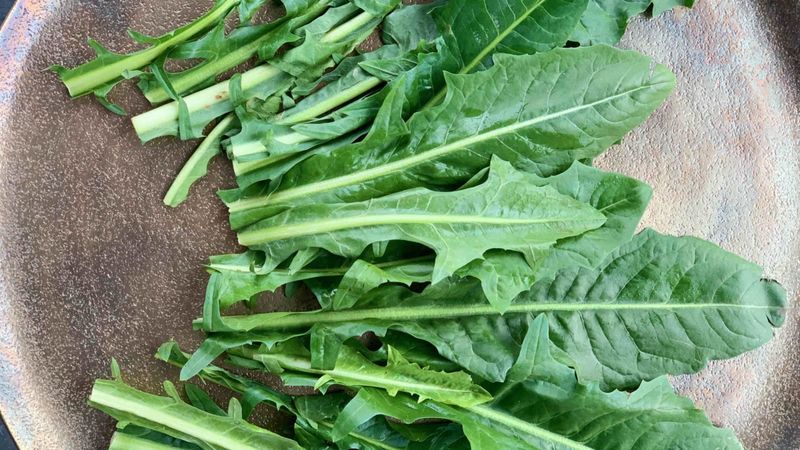
Most people see dandelions as garden weeds, but their leaves are actually a bold and nutritious food that has been eaten for thousands of years. Dandelion greens have a strong, earthy bitterness that pairs wonderfully with acidic dressings like lemon vinaigrette.
They are loaded with vitamins A, C, and K, making them one of the most nutrient-dense greens you can find. Sauteing them with garlic and olive oil tones down the bitterness and turns them into a simple, satisfying side dish worth adding to your weekly routine.
9. Tonic Water

Tonic water gets its distinctive bitter flavor from quinine, a compound originally derived from the bark of the cinchona tree. Historically, British soldiers in India drank it to prevent malaria, and they mixed it with gin to make the taste more enjoyable.That habit stuck, and the gin and tonic became one of the world's most iconic cocktails.
Even on its own, tonic water has a crisp, refreshing bitterness that many people find surprisingly satisfying, especially on a hot day over plenty of ice.
10. Kale
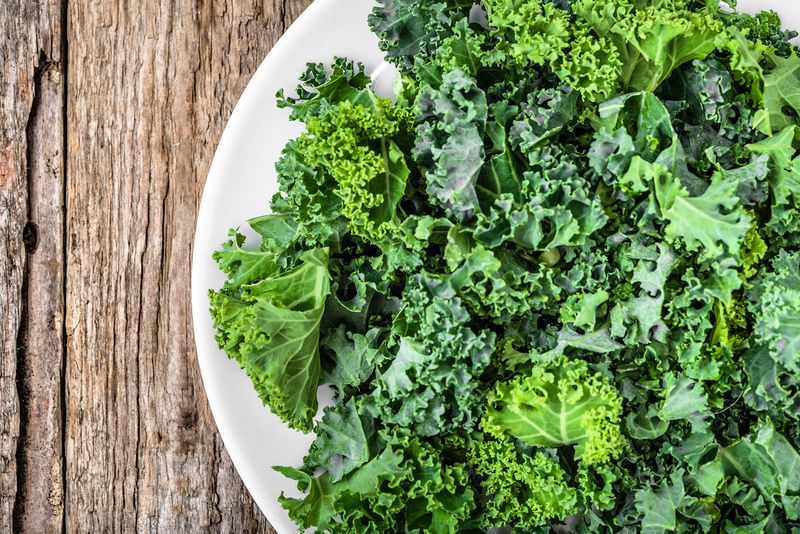
Kale became a massive food trend for good reason: it is one of the most nutritious vegetables available, and its slightly bitter, earthy flavor adds real character to meals. Raw kale in a salad can feel a little tough and sharp, but massaging it with olive oil and lemon softens both the texture and the taste.
Baked into chips, kale becomes crispy and almost addictive. Blended into smoothies with banana and mango, the bitterness nearly disappears while the nutrition stays fully intact.
11. Espresso

Espresso is coffee turned all the way up: concentrated, bold, and delightfully bitter in a way that feels sophisticated and intense. A single small shot contains a huge amount of flavor, and the crema on top adds a velvety, slightly sweet contrast to the sharp base.
Italians have an art form around drinking espresso properly, usually standing at a bar and finishing it in just a few sips. The bitterness is the whole point, and for millions of people around the world, it is pure daily joy.
12. Endive
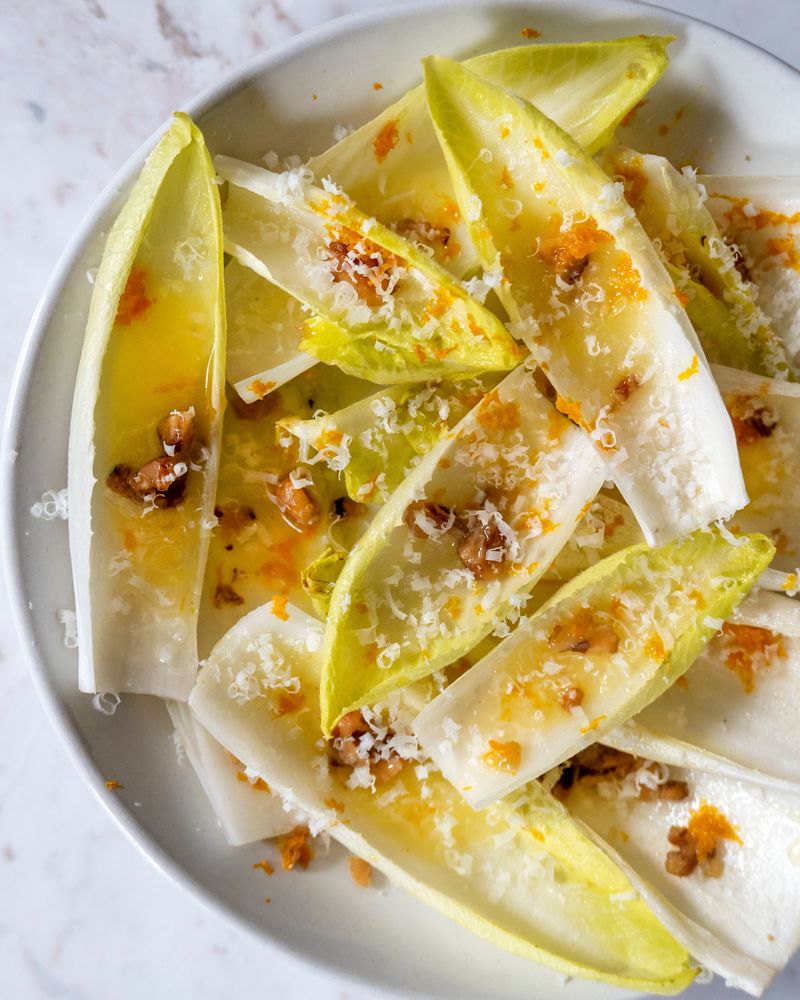
Endive is a crisp, pale vegetable with a mild but noticeable bitterness that makes it a favorite in European cuisine. Its boat-shaped leaves are perfect for scooping up creamy fillings like blue cheese and walnuts, creating a bite-sized appetizer that feels elegant and delicious.
Braising endive in butter and a little citrus juice mellows its sharp edges and brings out a tender sweetness underneath. It is one of those vegetables that rewards adventurous eaters who are willing to move past the first impression of bitterness.
13. Turmeric
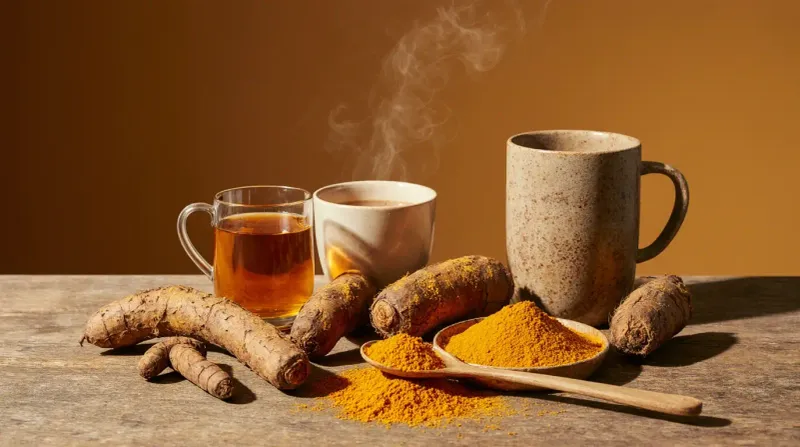
Turmeric has a warm, slightly bitter, and earthy flavor that has made it a staple in South Asian cooking for thousands of years. Its vivid orange color comes from curcumin, the same compound responsible for its impressive anti-inflammatory properties.
Golden milk, a popular drink made with turmeric, warm milk, and honey, shows how the bitterness of turmeric can become something genuinely comforting. Once you get used to its bold flavor in curries, soups, and teas, turmeric becomes a spice you reach for regularly.
14. Hops (Craft Beer)
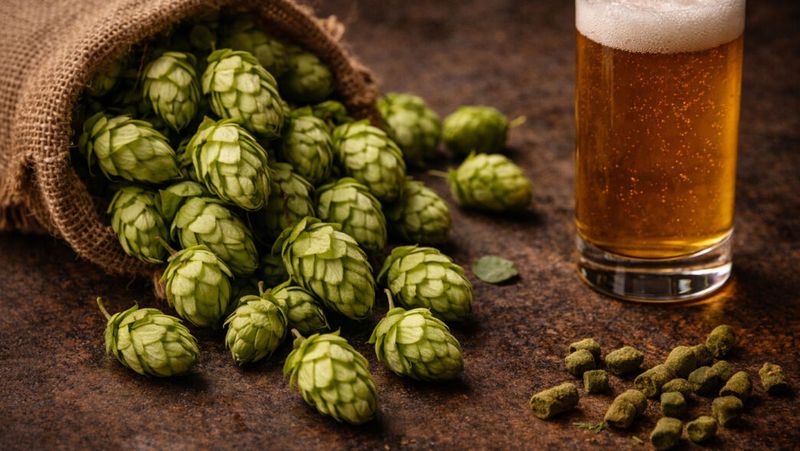
Hops are the flowers used to give beer its characteristic bitter edge, and craft beer lovers obsess over the different bitterness levels that different hop varieties can create. The bitterness in beer is measured in IBUs, or International Bitterness Units, and some enthusiasts specifically seek out high-IBU brews.
Beyond bitterness, hops add floral, citrusy, and piney aromas that make each sip complex and interesting. For adults who enjoy craft beer, the hoppy bitterness is not something to tolerate but something to genuinely celebrate.
15. Fenugreek
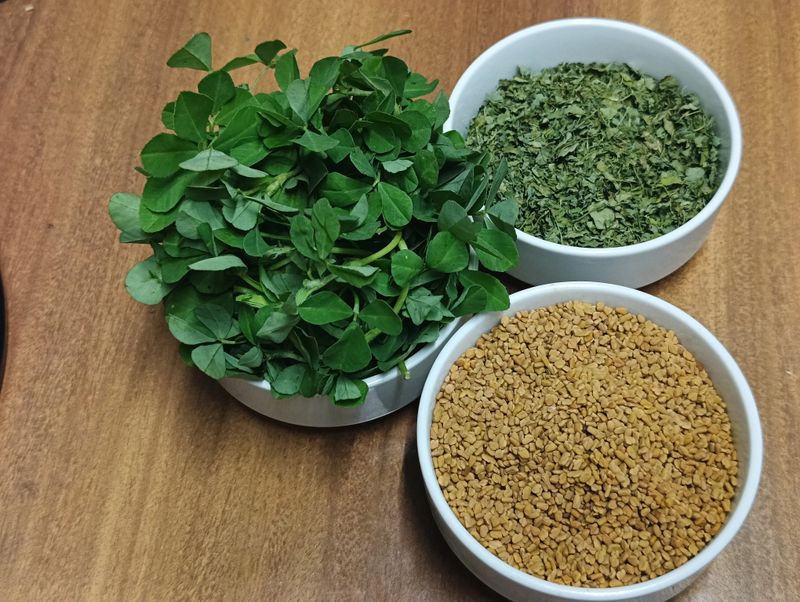
Fenugreek has a sharp, slightly bitter flavor with a hint of maple-like sweetness that makes it unlike any other spice in the kitchen. It shows up in Indian curries, Ethiopian stews, and Middle Eastern spice blends, where its bitterness adds a grounding, savory depth.
The seeds can be lightly toasted to soften the bitterness before grinding them into a spice mix. Fenugreek leaves, used fresh or dried, bring a pleasant herbal bitterness to flatbreads and lentil dishes that is hard to replicate with anything else.
16. Broccoli Rabe
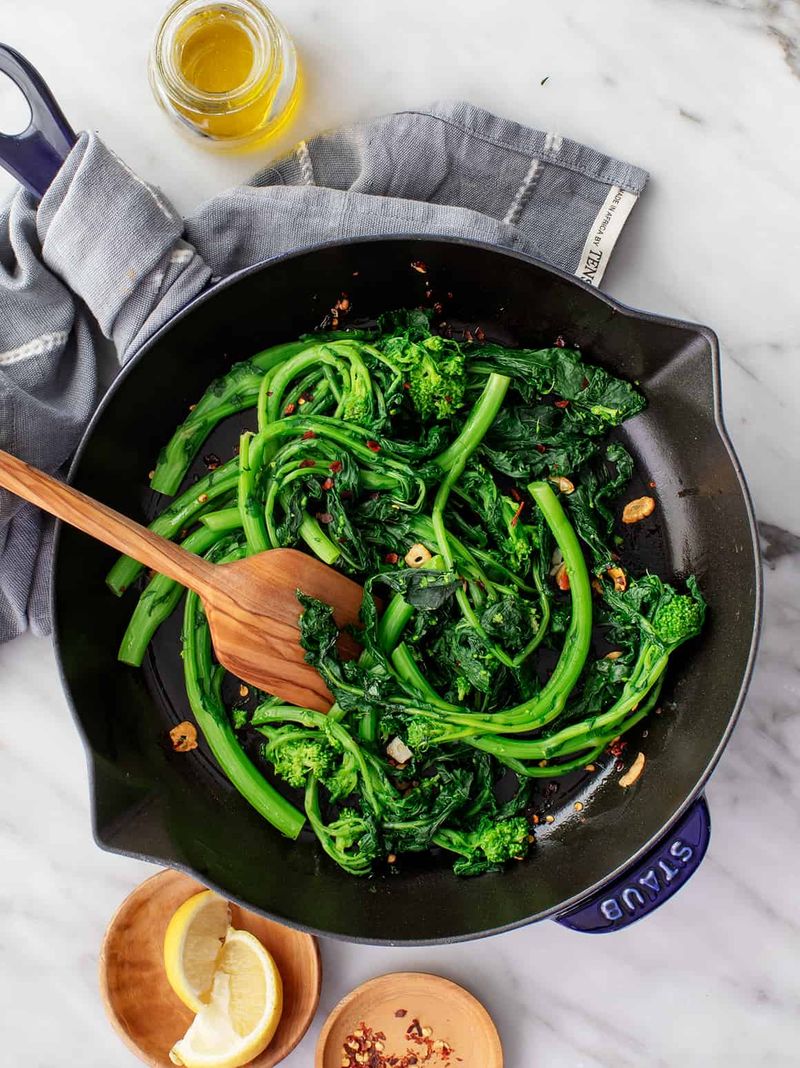
Broccoli rabe, also called rapini, is a leafy Italian vegetable with small florets and a bold, assertive bitterness that food lovers adore. It looks a little like broccoli but tastes completely different, with a sharper, more complex flavor that stands up beautifully to strong ingredients.
Blanching it in boiling water before sauteing with garlic and olive oil is the classic Italian technique for taming its bite. Served alongside sausage or tossed with pasta, broccoli rabe turns a simple meal into something genuinely memorable and deeply satisfying.




Comments
No Comments