













Caramelising is one of the most magical things you can do in a kitchen. When heat meets natural sugars in food, something incredible happens: sharp flavours soften, bitter edges mellow, and a deep, rich sweetness takes over.
The transformation can be so dramatic that you might not even recognise the ingredient. Get ready to see some everyday foods in a whole new light.
1. Onions
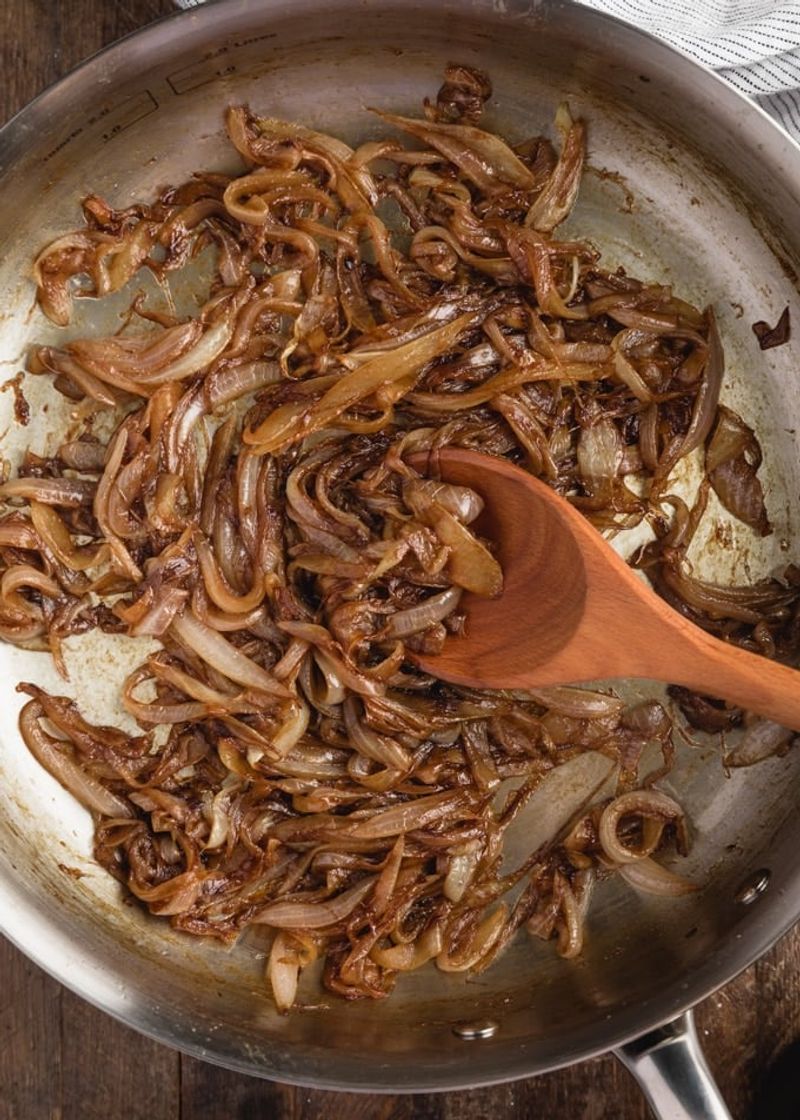
Raw onions are sharp, pungent, and enough to make your eyes water. But cook them low and slow in a pan with a little butter, and something almost unbelievable happens.
The harsh bite completely disappears.
After 40 minutes of gentle heat, onions collapse into silky, jammy strands with a deeply sweet, almost nutty flavour. They become so rich and complex that chefs use them to build incredible sauces, top burgers, or fill savoury tarts.
2. Grapefruit
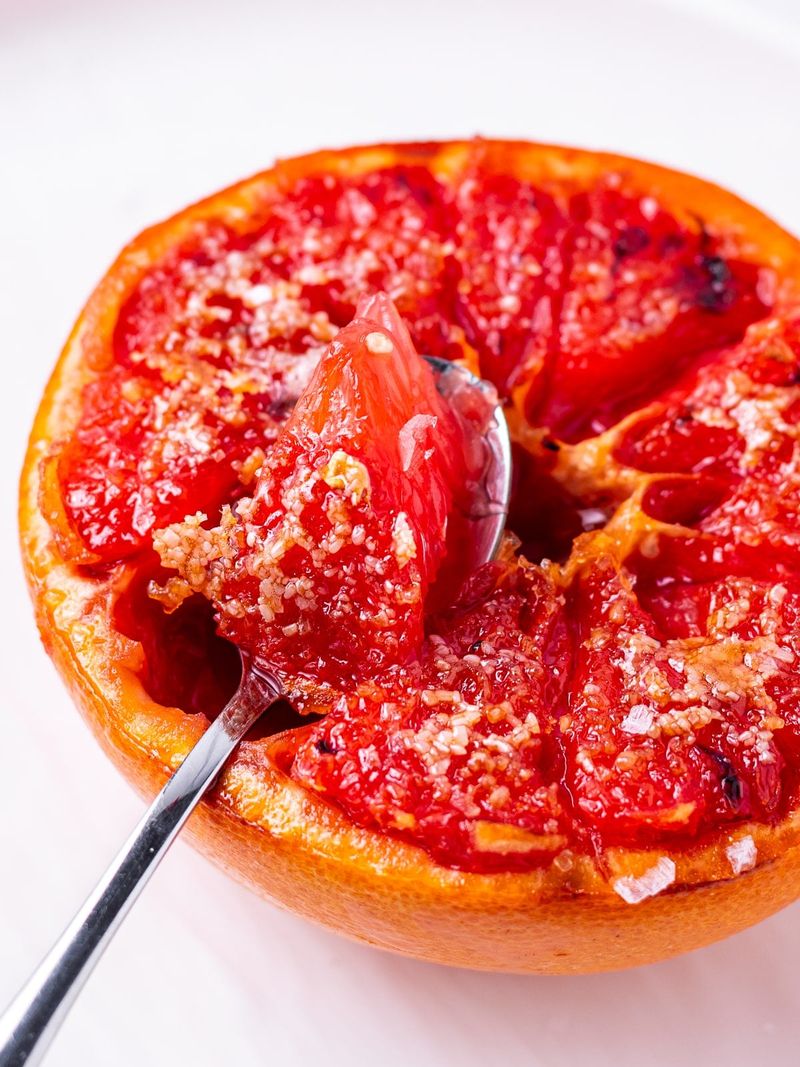
Grapefruit is famously one of the most bitter fruits you can eat straight from the fridge. Many people avoid it completely because of that intense, mouth-puckering sourness.
Caramelising changes everything.
Sprinkle a little sugar on top and hit it with a kitchen torch or a hot grill, and the surface transforms into a crackling golden crust. The heat pulls out natural sweetness hiding beneath the bitterness, creating a dessert-worthy flavour that feels totally surprising.
3. Brussels Sprouts
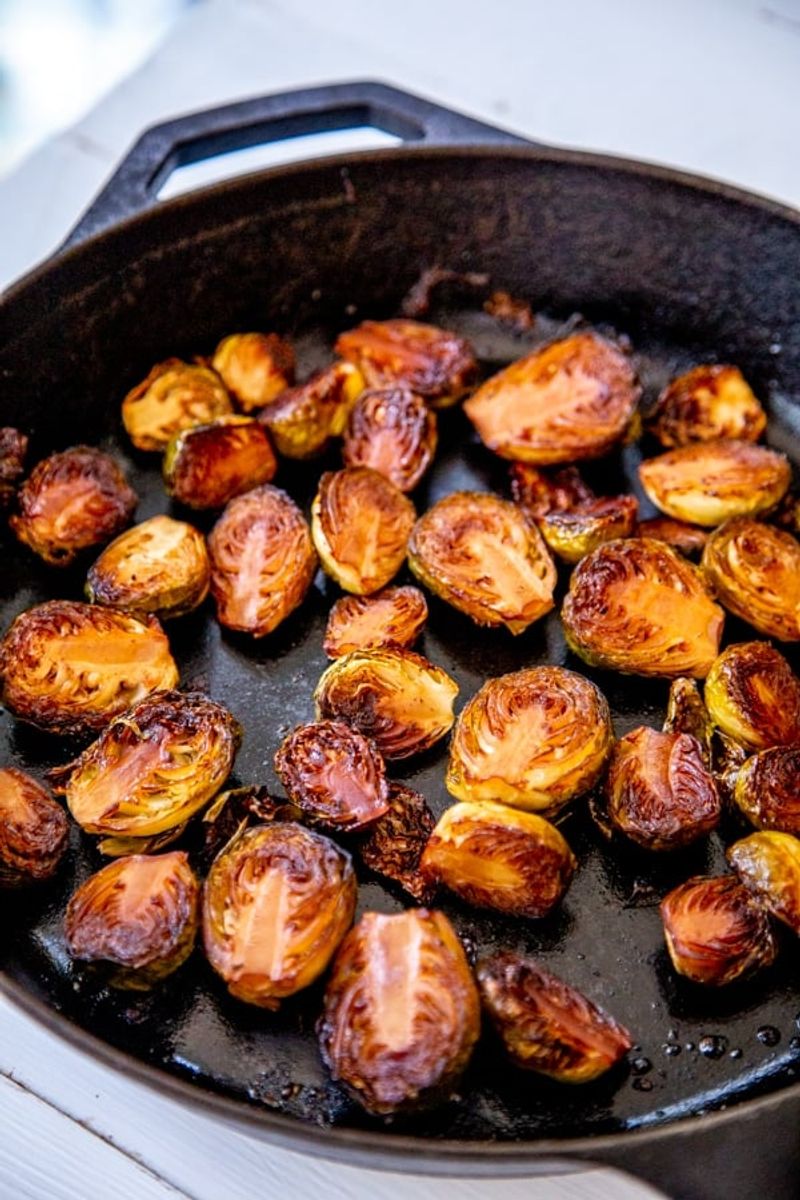
Brussels sprouts have a reputation that most kids absolutely dread. Boiled, they turn mushy and release a sulphury smell that clears the room.
Caramelising them in a hot oven is a completely different story.
High heat crisps up the outer leaves until they crunch like chips, while the inside becomes tender and nutty. The bitterness fades, and a subtle sweetness takes over.
Even the most dedicated sprout-haters have been converted by a well-roasted batch.
4. Bananas
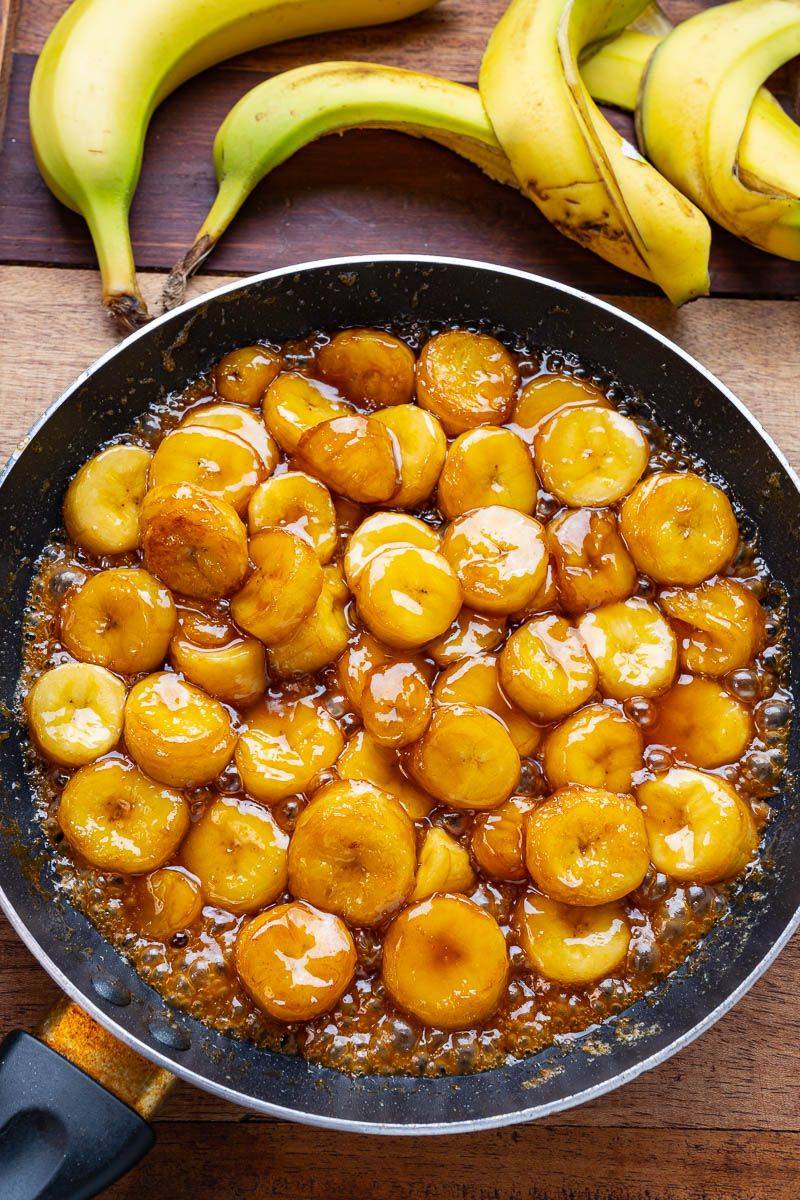
A fresh banana is sweet, sure, but its flavour is fairly one-dimensional. Toss slices into a hot pan with butter and brown sugar, and the transformation is almost instant.
The sugars bubble and deepen into a rich, toffee-like sauce.
The banana itself softens and absorbs that caramel flavour, becoming almost custard-like in texture. This is the magic behind classic Bananas Foster, a famous New Orleans dessert that turns a humble fruit into something seriously indulgent.
5. Leeks
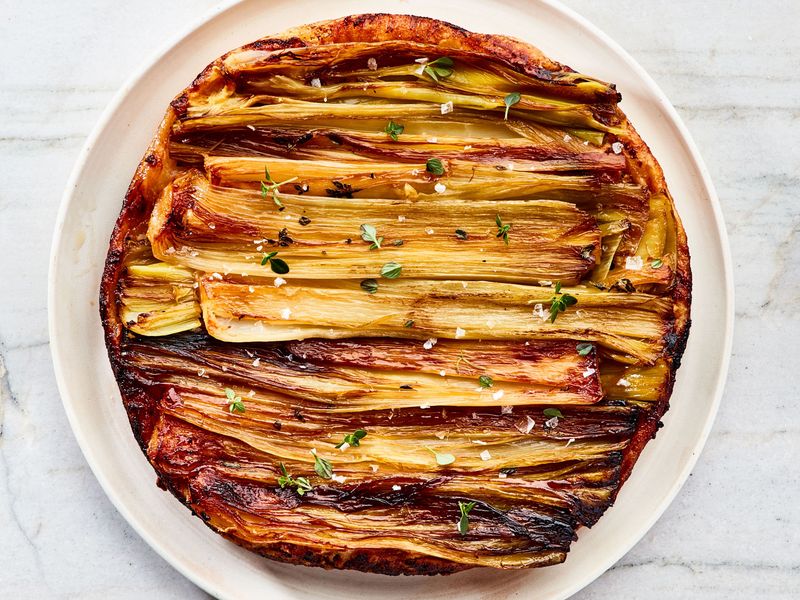
Leeks taste mild and slightly grassy when raw, with a faint onion-like quality that can sometimes feel a bit flat. Most people use them in soups without thinking twice about their potential.
Caramelising unlocks a completely different side of this vegetable.
Slow-cooked in butter over low heat, leeks melt into soft, golden ribbons with a gentle sweetness and a buttery depth that feels almost luxurious. They make a stunning topping for pizza, quiche, or creamy pasta dishes.
6. Pears
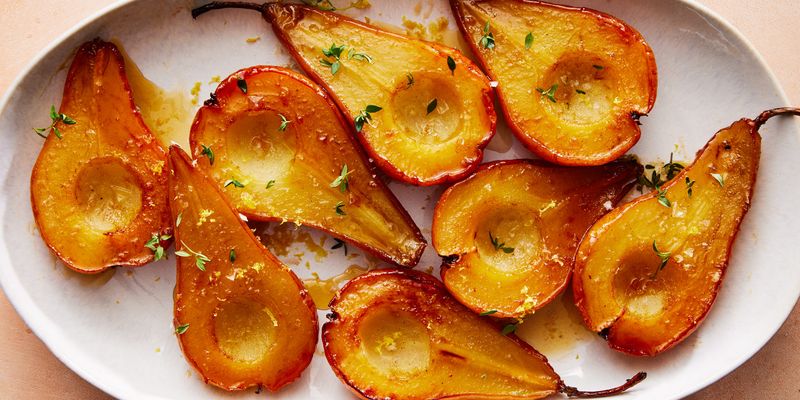
Fresh pears are delicate, lightly sweet, and sometimes a little grainy in texture. They are lovely on their own, but caramelising them adds a whole new layer of flavour that feels genuinely sophisticated.
The sugars in the flesh concentrate quickly under heat.
A hot pan turns a pear half into something with gorgeous golden edges, a jammy centre, and a rich, honeyed aroma. Pair them with blue cheese or vanilla ice cream, and you have an effortlessly impressive dessert.
7. Carrots
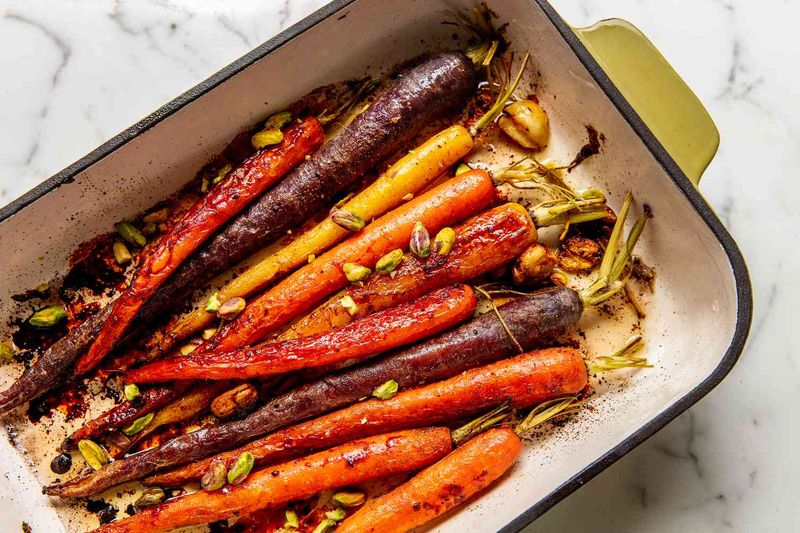
Raw carrots are crunchy and mildly sweet, a perfectly fine snack but nothing particularly exciting. Roast them in a hot oven until the edges char and the natural sugars concentrate, and they become something else entirely.
Caramelised carrots develop a deep, almost smoky sweetness with a slightly sticky surface that soaks up whatever glaze or spice you add. Honey, cumin, or miso all work brilliantly.
Suddenly, this humble root vegetable becomes the star of the dinner table.
8. Figs
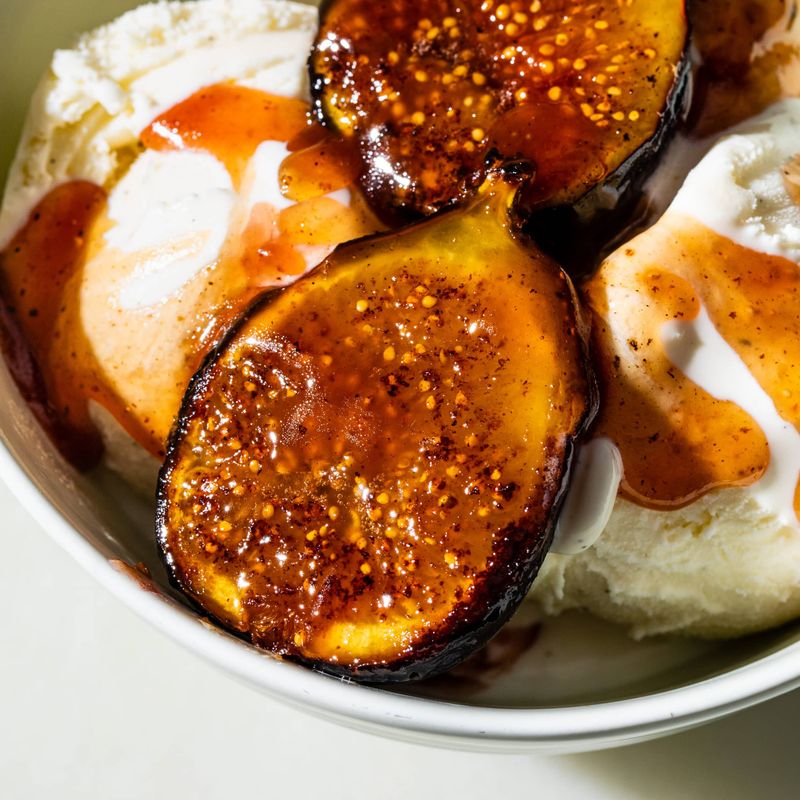
Fresh figs are soft and mildly sweet with a subtle earthiness, but their flavour can sometimes feel underwhelming if you are expecting something bolder. A few minutes in a hot pan changes that completely.
Heat causes the natural sugars to caramelise rapidly, creating deeply golden, almost jammy cut surfaces with an intensely rich, honeyed flavour. The edges turn slightly crispy while the centre stays soft.
Served with ricotta or prosciutto, caramelised figs feel genuinely restaurant-worthy.
9. Red Cabbage
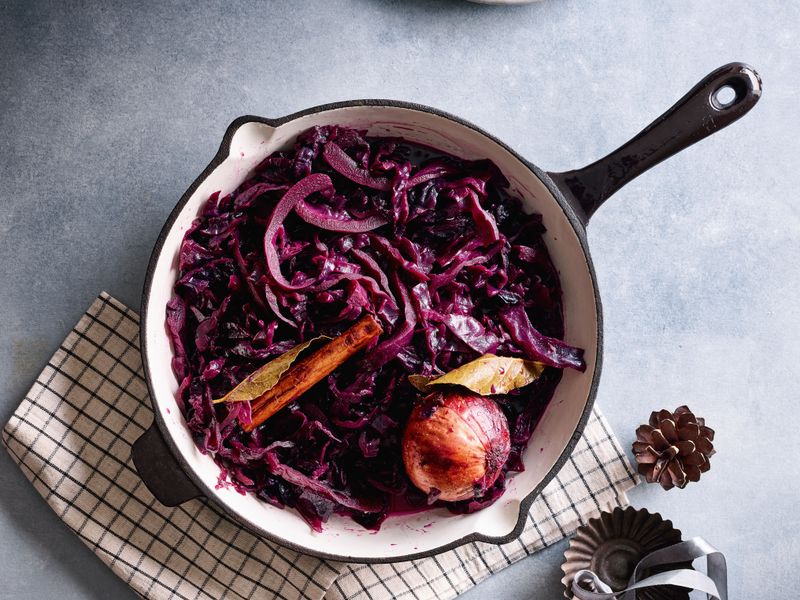
Red cabbage raw in a salad is sharp, crunchy, and slightly bitter, with a colour that is admittedly gorgeous. Cooking it down with a little sugar and vinegar transforms it into something almost unrecognisable.
The texture goes from crisp to silky.
Slow-cooked red cabbage deepens to a rich, jewel-toned purple and develops a sweet-sour flavour profile that is incredibly complex. It is a classic accompaniment to roast pork or duck and takes a budget vegetable to gourmet territory effortlessly.
10. Peaches
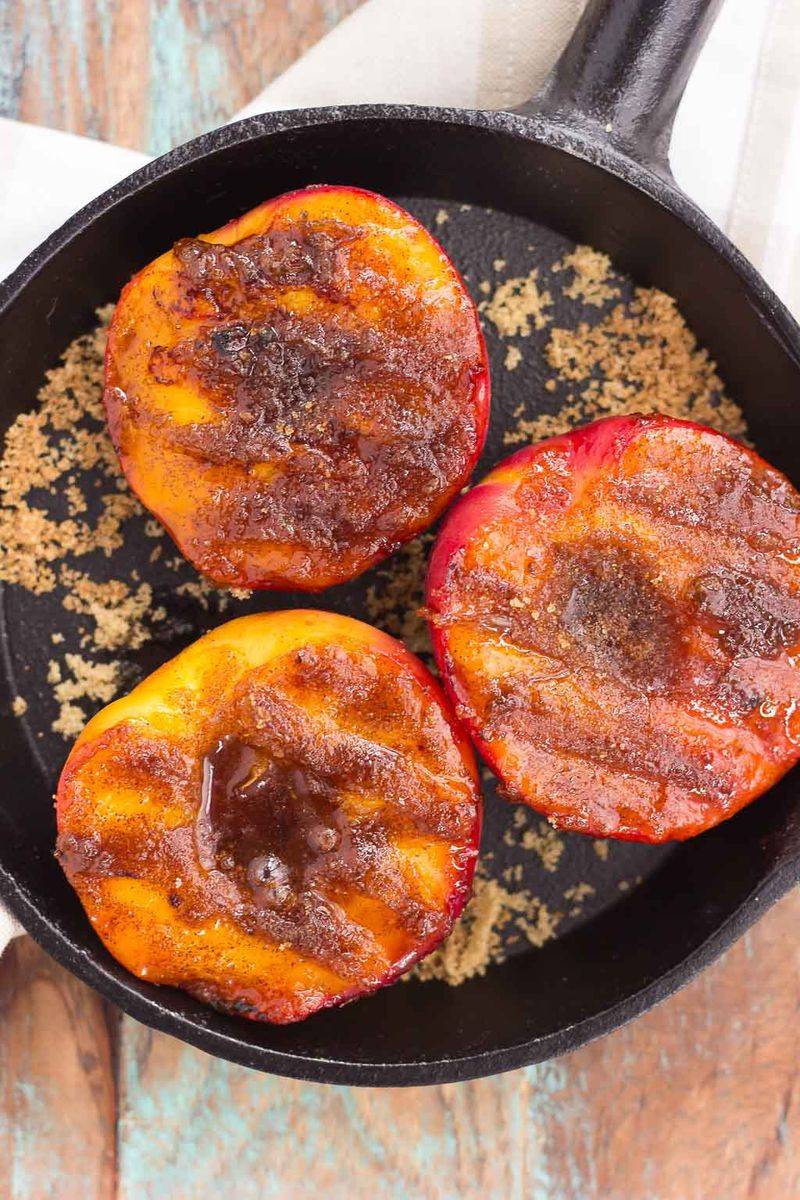
There is nothing quite like a ripe peach in summer, but an underripe or out-of-season peach can be disappointing, lacking that juicy sweetness you are hoping for. A hot skillet fixes that problem almost immediately.
Cooking peaches cut-side down in butter and a sprinkle of brown sugar draws out their juices and creates a gorgeous golden crust. The flesh softens and the flavour intensifies dramatically, turning an average peach into something that tastes like liquid sunshine.
Grilling works beautifully too.
11. Fennel
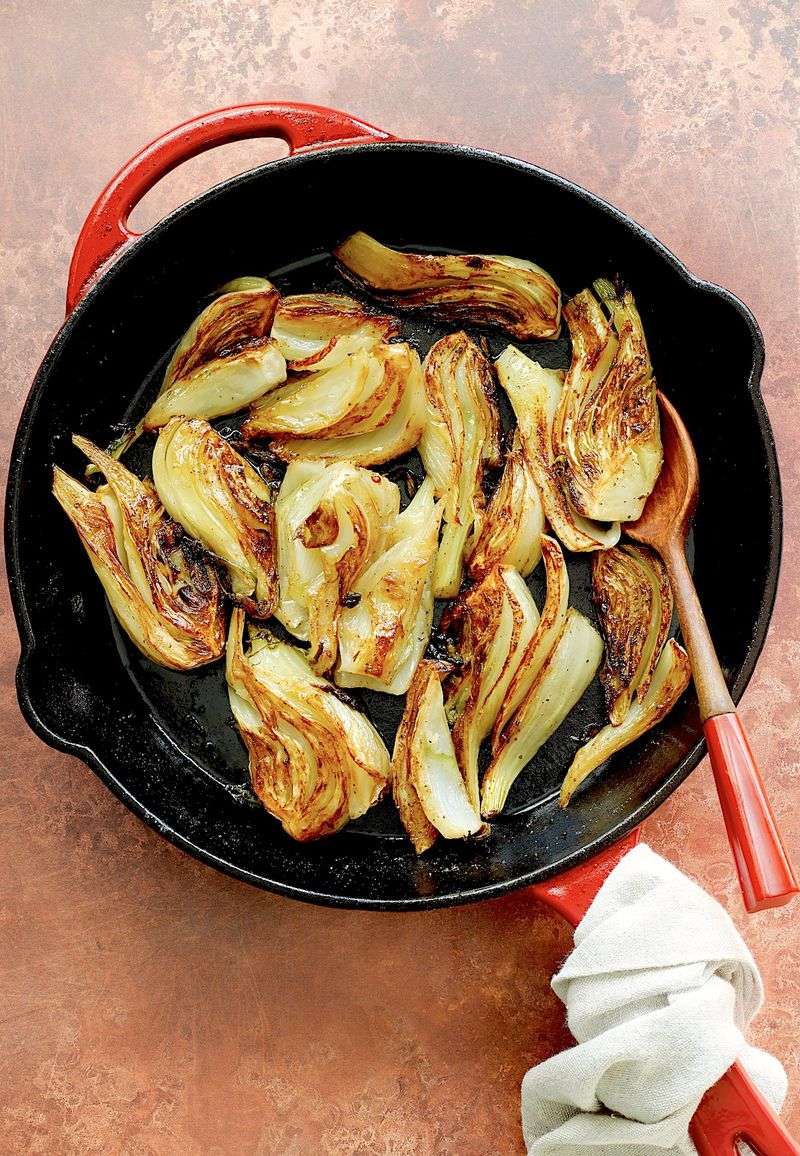
Raw fennel has a strong anise flavour that can feel quite polarising. Some people love it, while others find the liquorice-like taste too intense for regular eating.
Caramelising completely tames that bold personality.
Slow-cooked in olive oil, fennel transforms into soft, golden slices with a mellow sweetness and only a whisper of its original anise quality. The texture becomes almost buttery.
It pairs brilliantly with fish, pork, or pasta, and even dedicated fennel-avoiders tend to come back for seconds.
12. Garlic
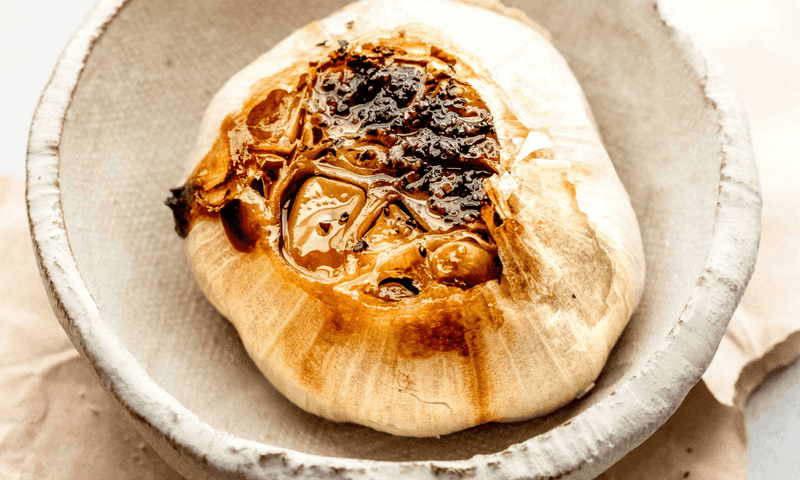
Raw garlic is aggressively pungent, sharp, and potent enough to linger on your breath for hours. It is powerful stuff, and a little goes a very long way.
Roasting a whole bulb in the oven changes its character completely.
After an hour of slow heat, the cloves turn golden, creamy, and spreadably soft, with a flavour that is mellow, nutty, and almost sweet. Squeeze them onto crusty bread like butter and you will understand why caramelised garlic has such a devoted fan base.
13. Apples
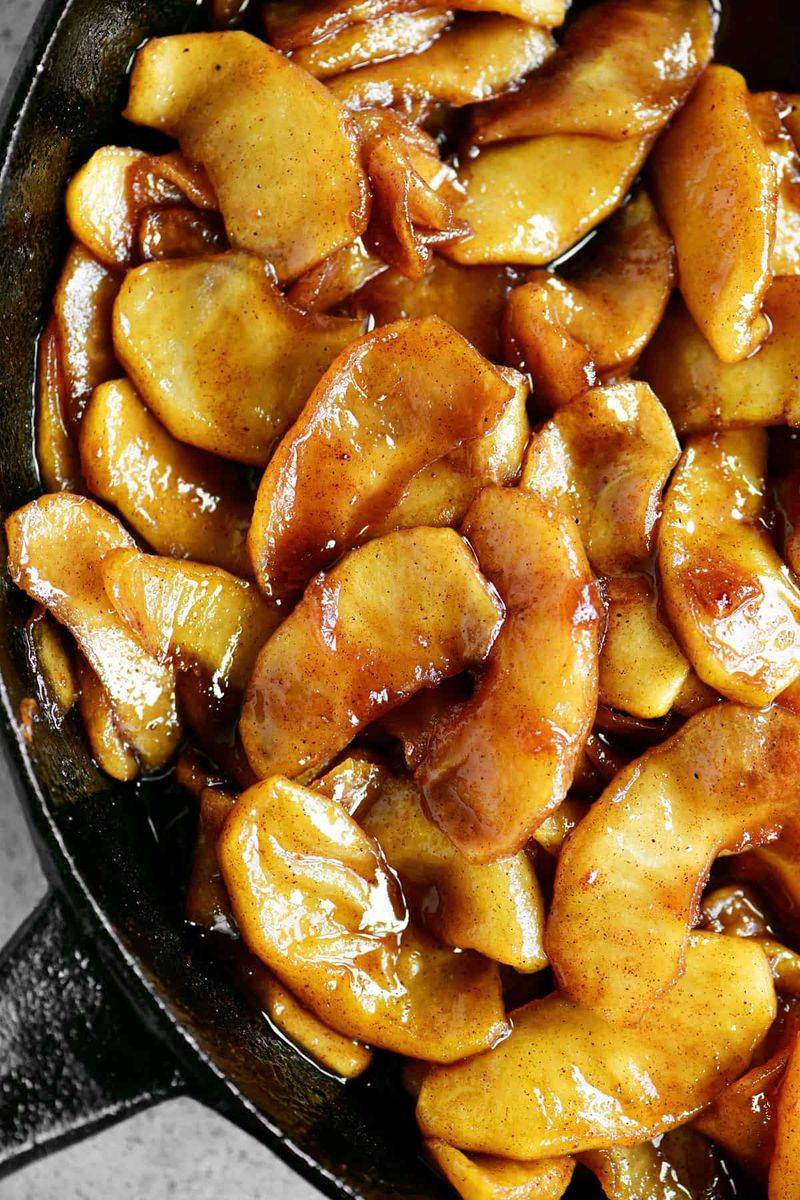
A fresh apple is crisp, tart, and refreshing, but it does not exactly scream comfort food on its own. Toss slices into a pan with butter, cinnamon, and a spoonful of sugar, and the whole atmosphere of the kitchen changes.
The slices soften and soak up the buttery caramel sauce, turning glossy and deeply flavoured with warm spice notes. The sharpness of the apple mellows into something cosy and nostalgic.
This is the filling that makes apple pie so irresistible and universally loved.
14. Tomatoes
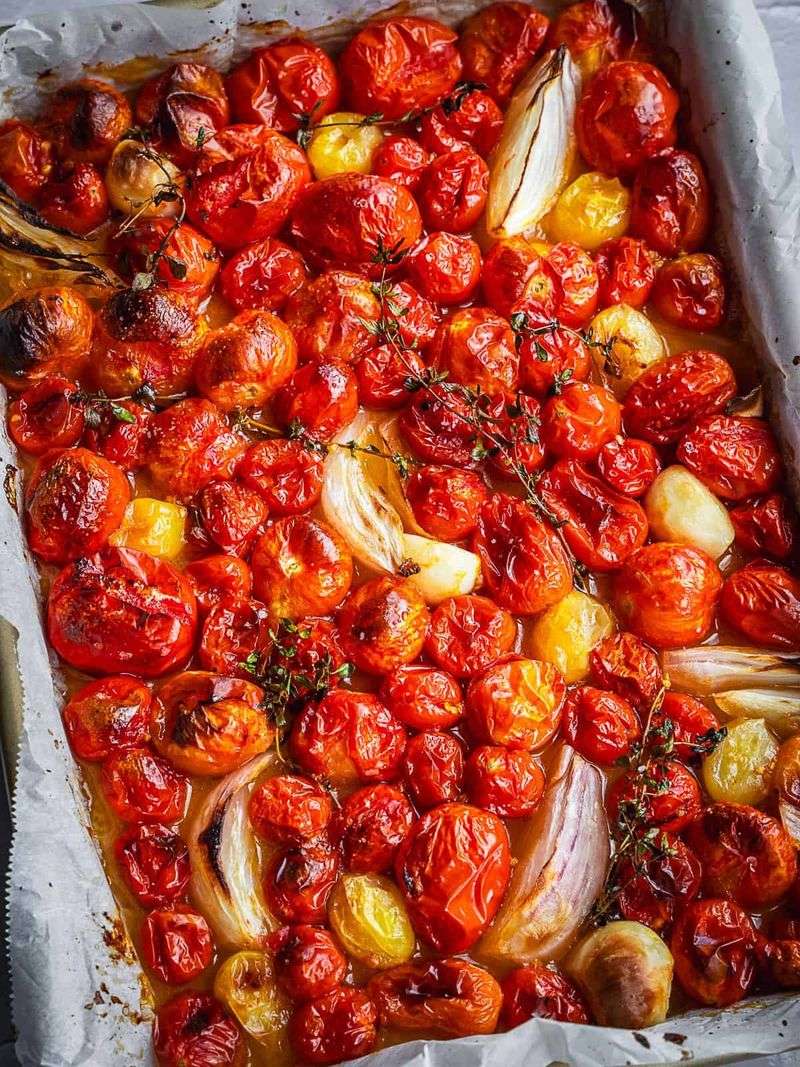
Fresh tomatoes can be watery and acidic, especially out of season when they lack that sun-ripened sweetness. Roasting them low and slow in the oven is a game-changer that professional chefs rely on constantly.
As moisture evaporates, the flavour concentrates dramatically. The natural sugars caramelise, creating intensely sweet, slightly sticky tomatoes with a deep, complex umami richness.
They taste almost like a completely different ingredient. Toss them into pasta, spread on toast, or layer onto pizza for incredible results.
15. Shallots
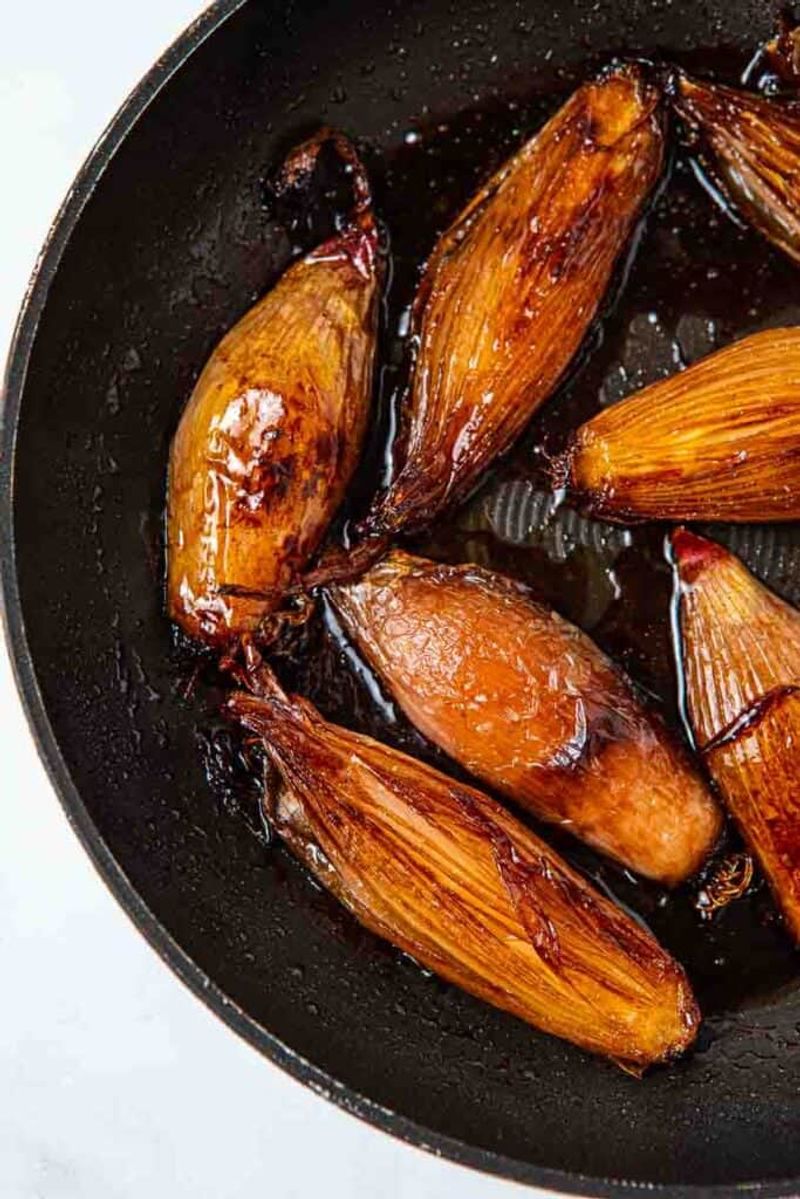
Shallots sit somewhere between onions and garlic in flavour, with a sharper bite and a slightly more complex taste when raw. They are often overlooked in favour of their more famous cousins.
Caramelising reveals exactly why chefs prize them so highly.
Whole roasted shallots turn jammy and intensely sweet, with a melt-in-your-mouth texture and a rich, savoury depth. They become almost confiture-like in consistency.
Serve them alongside roasted meats or stir into a pan sauce for an instantly elevated, restaurant-quality result.
16. Pineapple
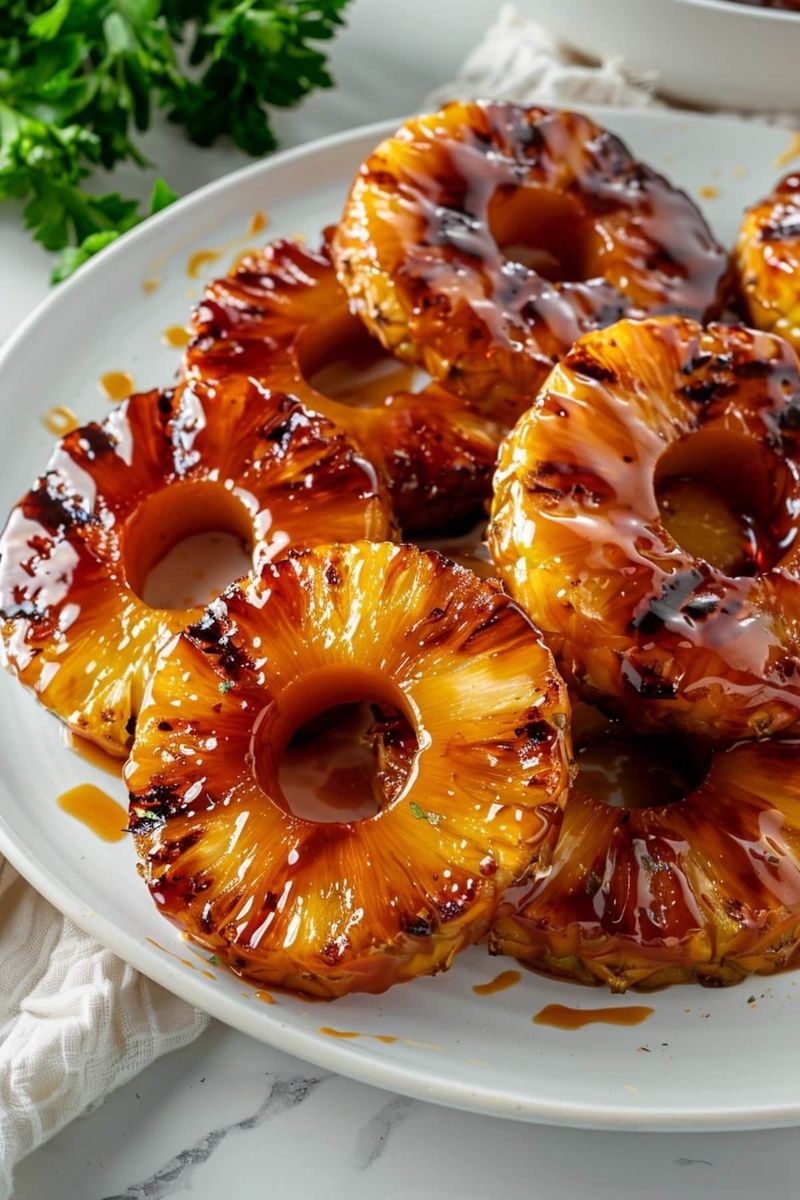
Pineapple straight from the can or even fresh can be aggressively acidic and one-note in flavour. The tropical sweetness is there, but so is a sharp, almost stinging tang that can overpower everything else.
Grilling or pan-searing fixes this beautifully.
High heat caramelises the surface sugars rapidly, creating gorgeous dark grill marks and a deeply sweet, slightly smoky flavour that balances the acidity perfectly. The texture also firms up just enough to feel satisfying.
Caramelised pineapple on a burger or with coconut ice cream is genuinely life-changing.




Comments
No Comments