













A rich, deeply savoury stock can transform an ordinary soup or sauce into something truly special. Most home cooks settle for watery, bland results without realising a few simple tricks can make a huge difference.
Whether you are simmering chicken bones or vegetable scraps, these clever techniques will help you build bold, complex flavour every single time.
1. Roast Your Bones First

Tossing your bones into a hot oven before the pot is one of the oldest tricks in the book, and for good reason. Roasting at around 200 degrees Celsius creates a deep, caramelised colour on the surface of the bones that packs enormous flavour into your finished stock.
This process, called the Maillard reaction, builds savoury complexity that raw bones simply cannot match. Give them 30 to 40 minutes until they are nicely browned.
2. Add a Splash of Tomato Paste
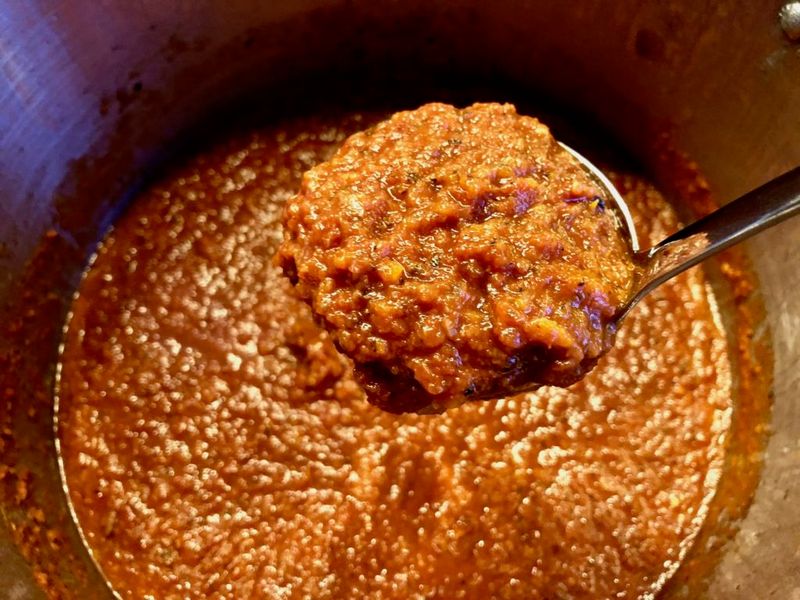
Tomato paste is a quiet powerhouse when it comes to building savoury depth. Frying a tablespoon or two directly in the pot before adding any liquid lets the sugars caramelise and the flavour concentrate beautifully.
The result is a richer, more rounded stock without any obvious tomato taste in the final product. It works brilliantly in beef and vegetable stocks especially.
Start small and taste as you go to find your sweet spot.
3. Use Kombu for Umami Depth
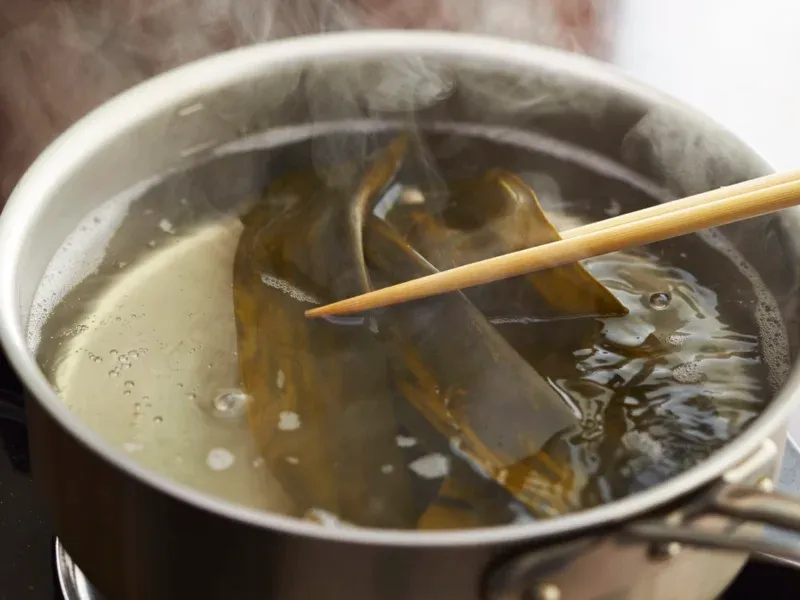
Borrowed from Japanese cooking, kombu is a dried seaweed that quietly floods your stock with glutamates, which are the natural compounds responsible for that irresistible savoury taste known as umami. You do not need much at all.
Simply add a small strip to your cold water before heating and remove it before the stock boils. Overheating kombu can make it bitter, so keep the temperature gentle.
Even a tiny piece makes a surprisingly big flavour difference.
4. Char Your Onions and Aromatics
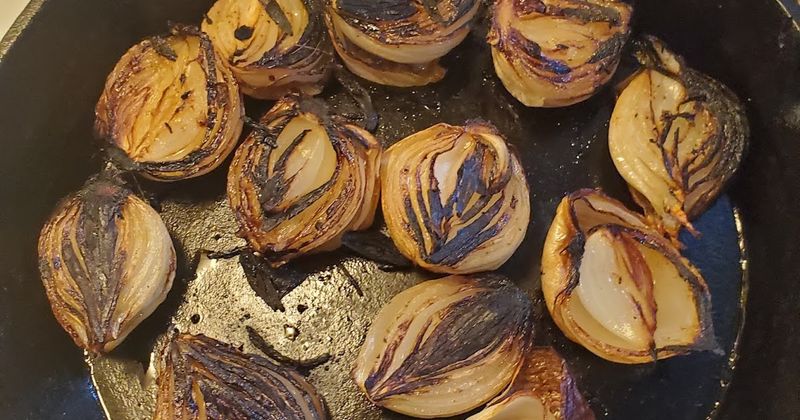
Placing onion halves and garlic cloves cut-side down onto a dry, screaming-hot pan until they are nearly black might look alarming, but the results are incredible. That charring adds a smoky, bittersweet dimension that lifts the whole stock.
Many professional chefs and traditional French cooks swear by this technique for their fond brun. The slightly bitter char balances out the richness of the other ingredients.
Try it once and you will never skip this step again.
5. Simmer Low and Slow
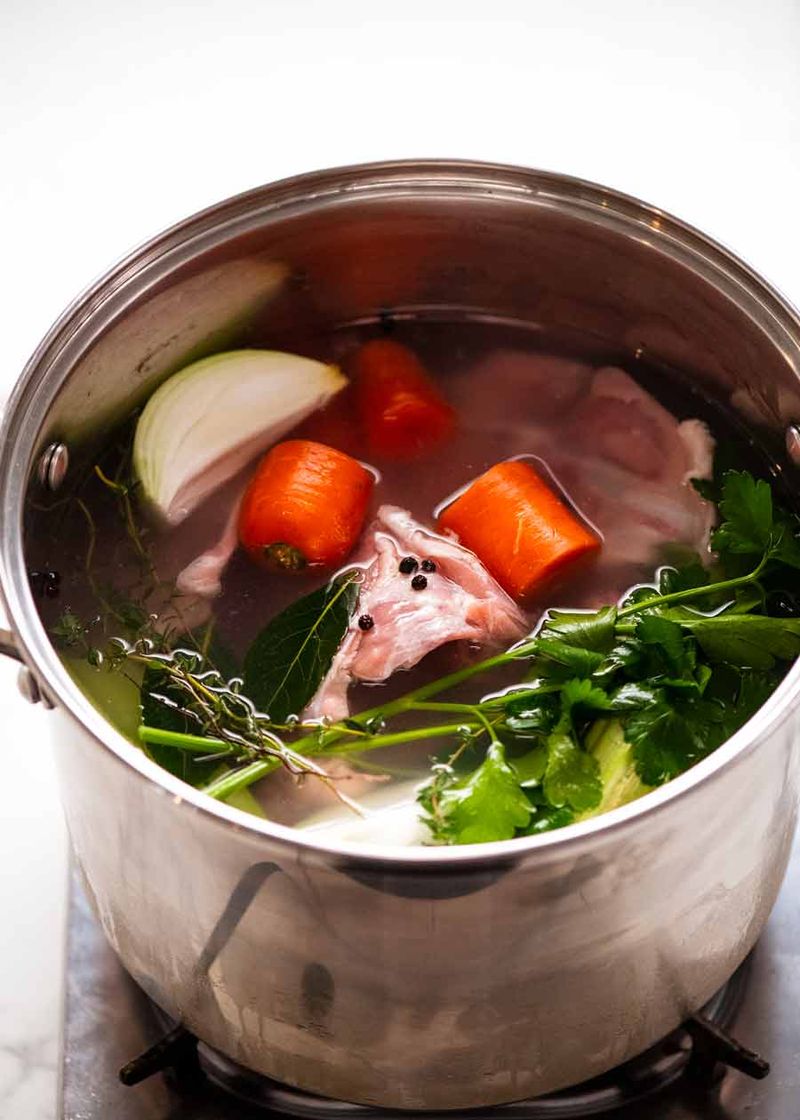
Speed is the enemy of great stock. Cranking up the heat might seem efficient, but a hard boil actually breaks down the collagen too aggressively and can make your stock cloudy and greasy rather than clear and rich.
A gentle simmer, where just a few lazy bubbles break the surface, coaxes out maximum flavour over several hours without any bitterness. For chicken stock, aim for three to four hours.
Beef bones benefit from six to eight hours of patient, low heat.
6. Throw In Dried Mushrooms

Dried mushrooms, especially porcini, shiitake, or dried ceps, are little flavour bombs loaded with natural glutamates. Even a small handful tossed into the pot can dramatically deepen the savoury character of your stock.
They rehydrate as they cook, releasing their concentrated earthy essence into the liquid. You can fish them out at the end or blend them in for extra body.
This trick works particularly well in vegetable and beef stocks where bold, earthy notes are welcome.
7. Deglaze With Wine or Vermouth
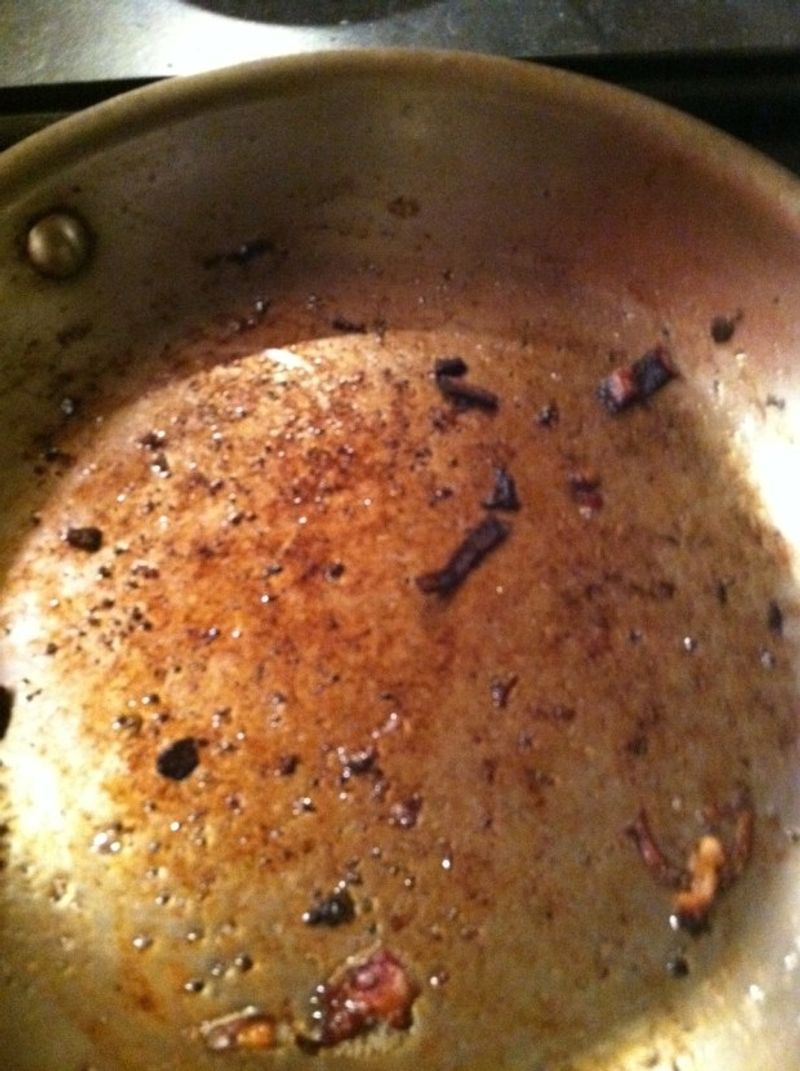
After browning your vegetables or bones, there will be sticky, golden-brown bits clinging to the bottom of the pot. These are pure flavour gold.
Pouring in a splash of dry white wine, red wine, or even dry vermouth loosens all of that goodness and incorporates it into your stock.
The alcohol cooks off quickly, leaving behind bright acidity and complexity. About half a cup is usually plenty.
This one step alone can noticeably elevate the final taste.
8. Add a Parmesan Rind

Next time you finish a block of Parmesan, do not throw away the rind. Tossing it into your simmering stock is an Italian kitchen secret that adds a salty, nutty, deeply savoury flavour without making things taste cheesy.
The rind softens as it cooks and releases proteins and salts that enrich the whole pot. Keep a bag of rinds in your freezer specifically for this purpose.
It works beautifully in vegetable, chicken, and even light beef-based stocks.
9. Reduce the Stock After Straining
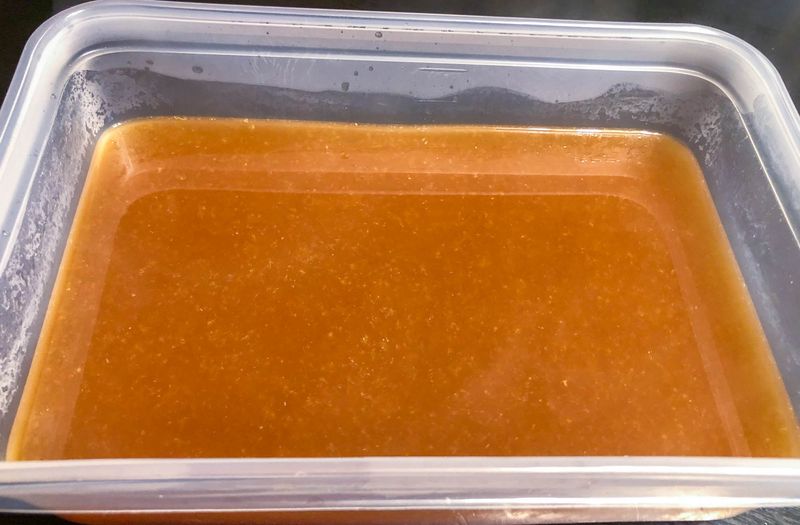
Once your stock is strained and clear, the simplest way to intensify every flavour already present is to keep cooking it. Reducing the liquid by one-third or even half concentrates the natural gelatin, minerals, and savoury compounds into a more powerful result.
This is how restaurant-quality glazes and demi-glaces are made. You can always dilute it back with water when using it in recipes.
A reduced stock stored in ice cube trays makes a convenient, flavour-packed freezer staple.
10. Include Feet, Necks, and Cartilage

Chicken feet might look unusual in a pot, but they are absolutely loaded with collagen, which converts to gelatin during cooking and gives stock that coveted, lip-coating richness. Necks, wing tips, and any cartilage-heavy parts work the same way.
A stock rich in gelatin has more body and clings to food rather than running straight off. It also tastes naturally fuller and more satisfying.
Ask your butcher for these parts - they are usually very cheap or even free.
11. Season With Fish Sauce or Soy Sauce

A tiny splash of fish sauce or soy sauce near the end of cooking is a secret weapon that many experienced cooks reach for without hesitation. Both are packed with glutamates that instantly boost the savoury depth of any stock without making the flavour obviously Asian or salty.
Start with just half a teaspoon and taste carefully before adding more. The goal is to enhance what is already there, not to overpower it.
Less is genuinely more with these powerful condiments.
12. Toast Your Spices and Herbs First
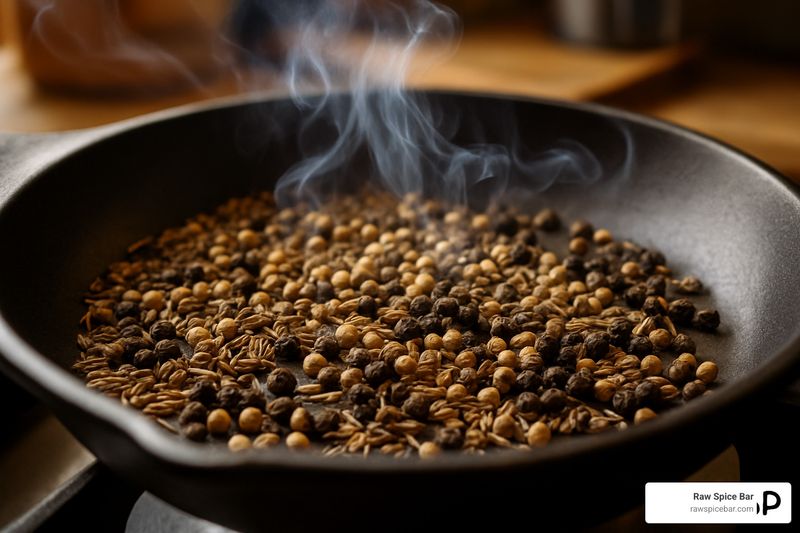
Whole peppercorns, bay leaves, dried thyme, and star anise all release far more flavour when they are briefly toasted in a dry pan before hitting the pot. The gentle heat wakes up the essential oils locked inside each spice and herb.
Just 60 to 90 seconds in a hot, dry skillet is all it takes before you tip them into your stock. You will notice a more aromatic, rounded flavour in the finished liquid.
It is a quick step that delivers a surprisingly noticeable result.
13. Use Cold Water and Start Slow
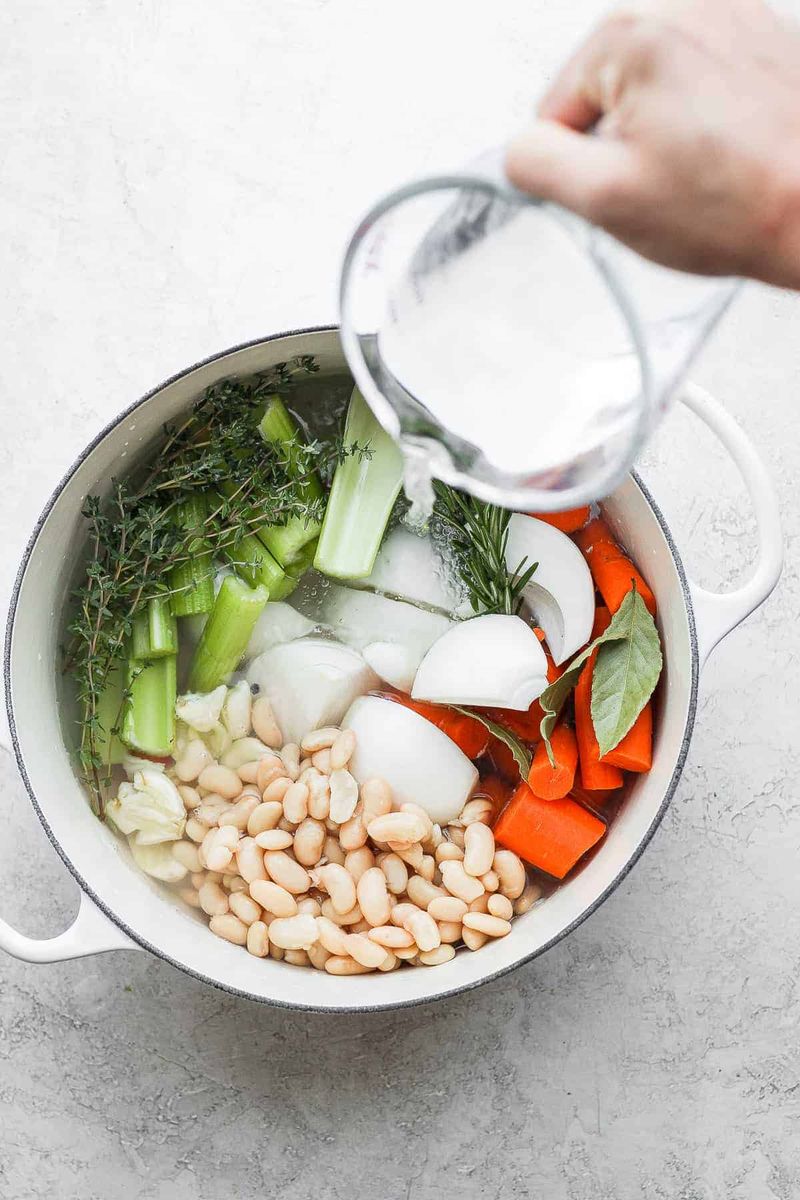
Always start your stock in cold water rather than hot. Beginning cold allows proteins and impurities to rise gradually to the surface as foam, which you can skim away easily for a cleaner, clearer result.
Starting with boiling water traps those impurities inside the liquid, which can cause bitterness and cloudiness. Slow, patient heating from cold is the professional approach for a reason.
Skim the surface during the first 20 minutes and your stock will be noticeably cleaner and brighter in taste.
14. Add Miso Paste at the End
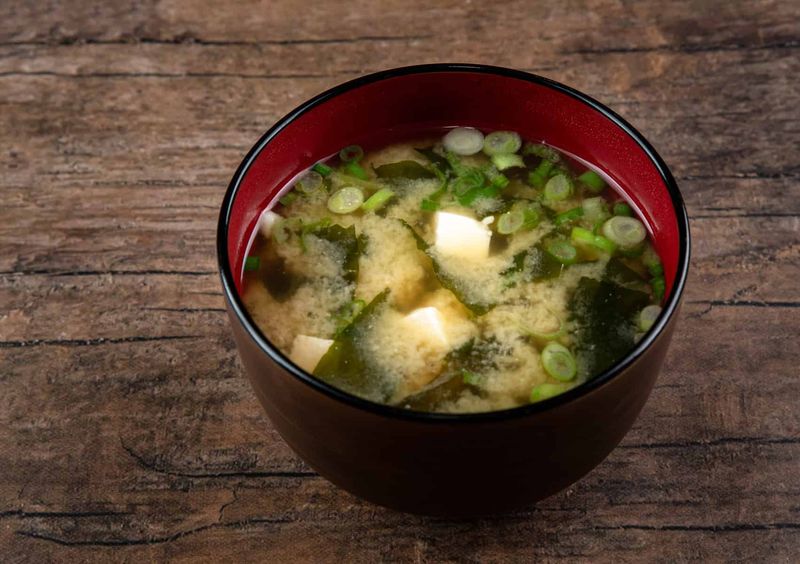
Miso paste is a fermented ingredient bursting with complex savoury flavour, but it should never be boiled or it loses much of its character. Stir a small spoonful into your finished, hot stock just before serving or using it in a recipe.
White miso is mild and slightly sweet, while red miso brings a more robust, earthy punch. Either variety adds a fermented depth that is hard to put into words but very easy to taste.
Start with one teaspoon per litre of stock.
15. Save and Use Vegetable Scraps Wisely

Not all vegetable scraps are created equal when it comes to stock. Onion skins, carrot peelings, celery leaves, leek tops, and mushroom stems are all brilliant additions that contribute real flavour.
Brassicas like broccoli or cabbage, however, can turn bitter and sulphurous, so leave those out.
Keeping a dedicated bag in the freezer for approved scraps means you always have flavourful material ready to go. Over time, you build up a deeply personalised blend of aromatics that makes every batch of stock taste slightly different and wonderfully complex.




Comments
No Comments