













Spain is a country where every city tells its story through food. From the salty coasts of the north to the sun-baked plains of the south, each region has its own flavours, traditions, and must-try dishes.
Travelling across Spanish cities means you get to eat your way through centuries of history, culture, and local pride. Pack your appetite, because these 22 regional plates are absolutely worth seeking out.
1. Pintxos in San Sebastian
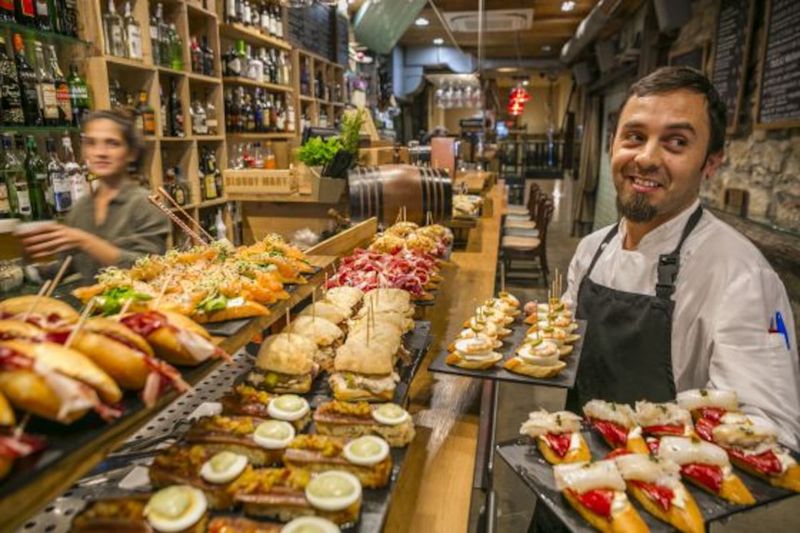
Walk into almost any bar in San Sebastian and you will be greeted by a counter piled high with pintxos. These bite-sized snacks sit on small slices of bread and are held together with a toothpick.
They look simple, but the flavour combinations are seriously impressive.
Locals treat pintxos like an art form, rotating new creations daily. Try anchovy with roasted pepper or creamy bacalao for a true Basque experience.
Budget tip: grab a small plate and a glass of local cider to keep costs down.
2. Cocido Madrileno in Madrid
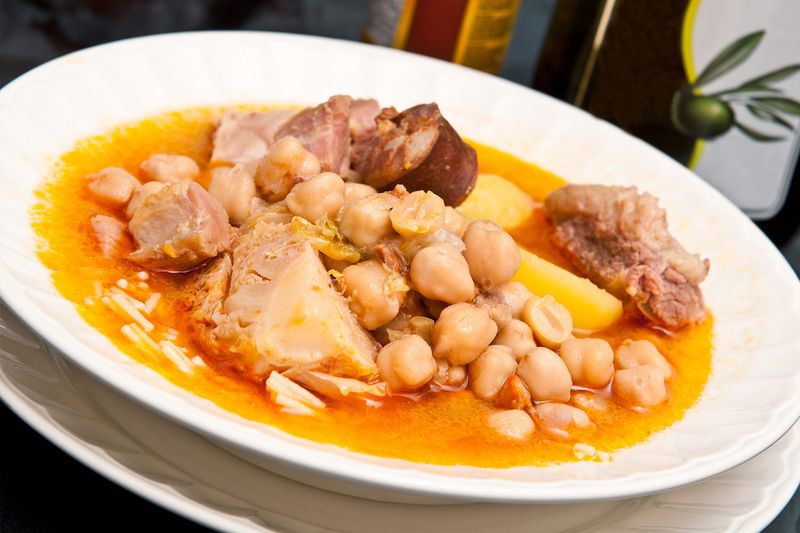
Madrid has cold winters, and cocido madrileno was practically invented to fight them off. This slow-cooked chickpea stew is loaded with chorizo, morcilla, vegetables, and various cuts of meat.
It arrives in stages at the table, starting with the broth as a soup.
Ordering cocido is almost a ritual in Madrid. The dish dates back centuries and was once considered humble peasant food.
Today, it holds a proud place on menus across the city, especially on chilly afternoons.
3. Paella Valenciana in Valencia
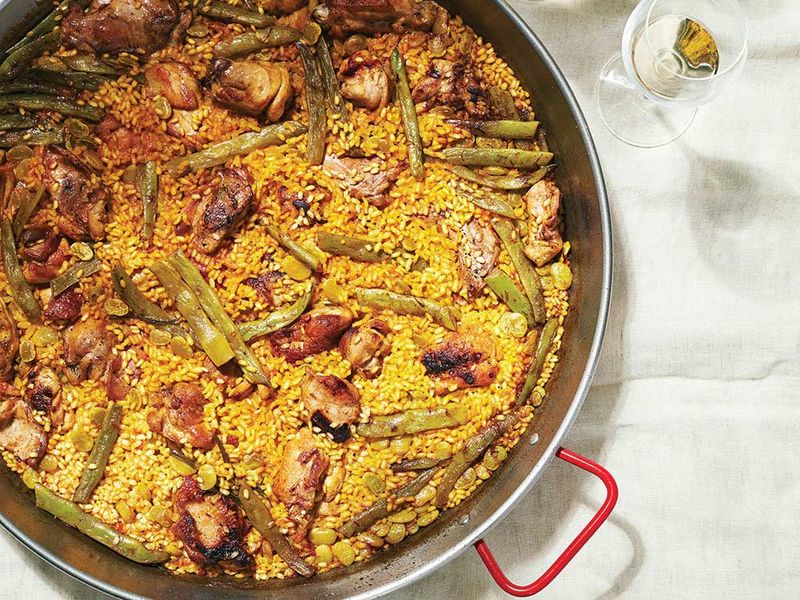
Forget what you think you know about paella. The real Valencian version has no seafood.
Instead, it is made with rabbit, chicken, green beans, and butter beans, all cooked in a wide, flat pan over a wood fire.
Valencia locals take paella very seriously, and rightly so. The dish was born in the rice fields just outside the city.
The socarrat, which is the crispy layer of rice at the bottom of the pan, is considered the best part by true fans.
4. Gazpacho in Seville
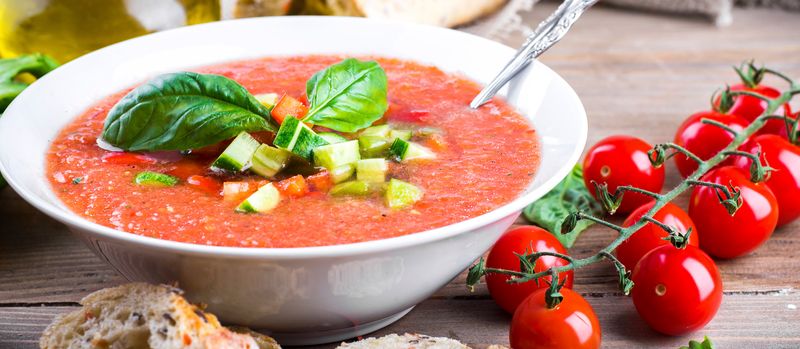
When Seville hits 40 degrees in summer, gazpacho is not just a meal, it is survival. This cold tomato-based soup is blended smooth with cucumber, peppers, garlic, olive oil, and vinegar.
It is refreshing, sharp, and absolutely addictive.
Street vendors and restaurants alike serve it in cups or glasses for sipping on the go. Gazpacho has been cooling down Andalusians for centuries.
Try it with a drizzle of good olive oil on top for the most authentic version the region offers.
5. Fabada Asturiana in Oviedo
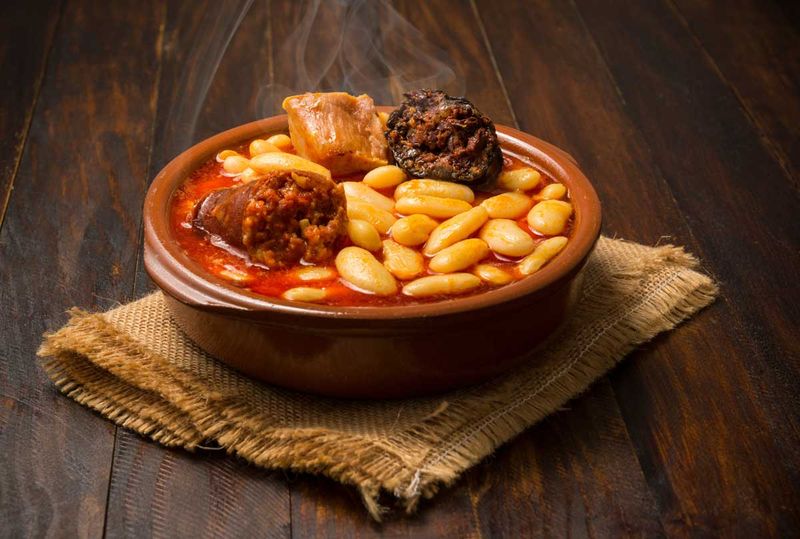
Asturias is green, rainy, and gloriously food-obsessed, and fabada is its proudest dish. Giant white fabes beans are slow-cooked with chorizo, morcilla, and cured pork until everything becomes rich, creamy, and deeply satisfying.
A single bowl of fabada is enough to fuel a full day of hiking through the Asturian mountains. The dish pairs perfectly with a glass of local sidra, the slightly tart apple cider that Asturias is equally famous for.
Oviedo is the best city to try it.
6. Pan con Tomate in Barcelona
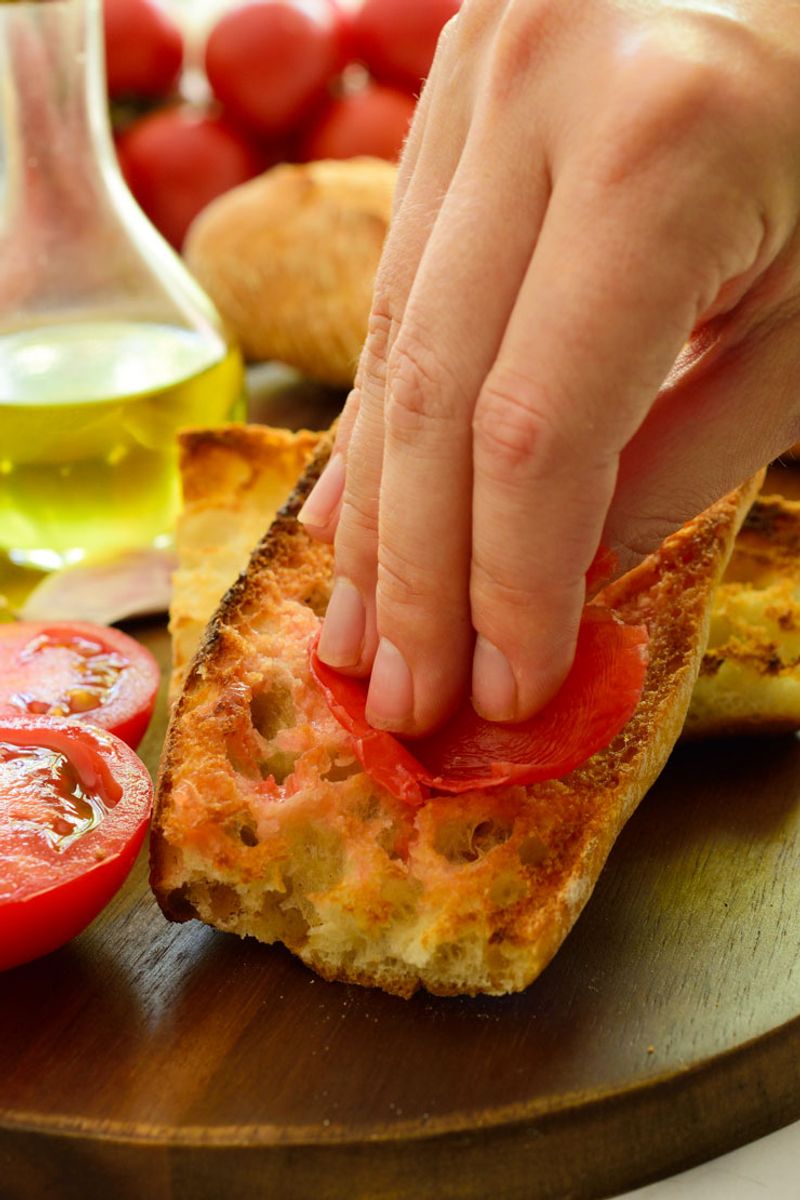
Simple food done perfectly is a Spanish superpower, and pan con tomate proves it. A thick slice of toasted bread is rubbed with a ripe tomato half, drizzled with olive oil, and finished with a pinch of salt.
That is genuinely it.
Barcelona cafes serve it at breakfast, lunch, and dinner without apology. The quality of the tomato and oil makes all the difference, so choose spots that use local Catalan produce.
It is the kind of dish that makes you question every breakfast you have ever had.
7. Pulpo a la Gallega in Santiago de Compostela
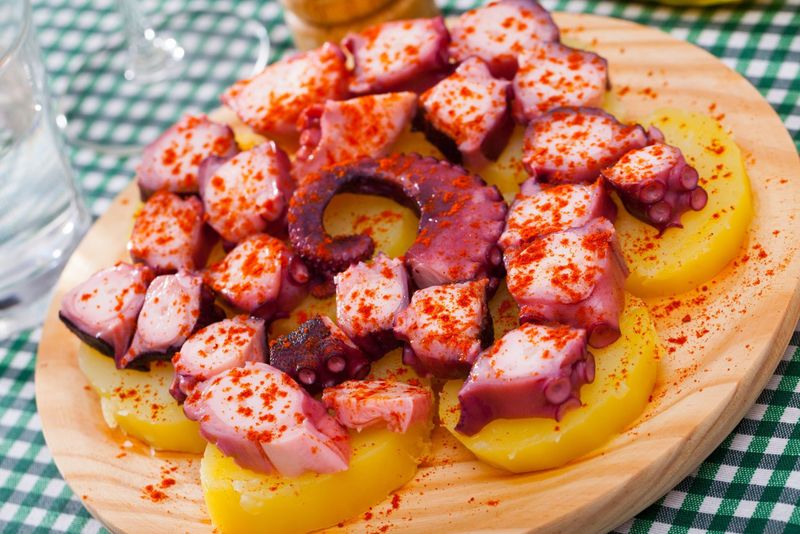
Galicia has some of the best seafood in Europe, and pulpo a la gallega sits at the top of that list. Boiled octopus is sliced onto a wooden plate, dusted with sweet and smoky paprika, drizzled with olive oil, and sprinkled with coarse sea salt.
It sounds modest, but the flavour is extraordinary. Santiago de Compostela is full of pulperias, restaurants dedicated entirely to this one dish.
Pilgrims arriving after the Camino de Santiago often celebrate with a plate of pulpo and a glass of Albarino white wine.
8. Salmorejo in Cordoba
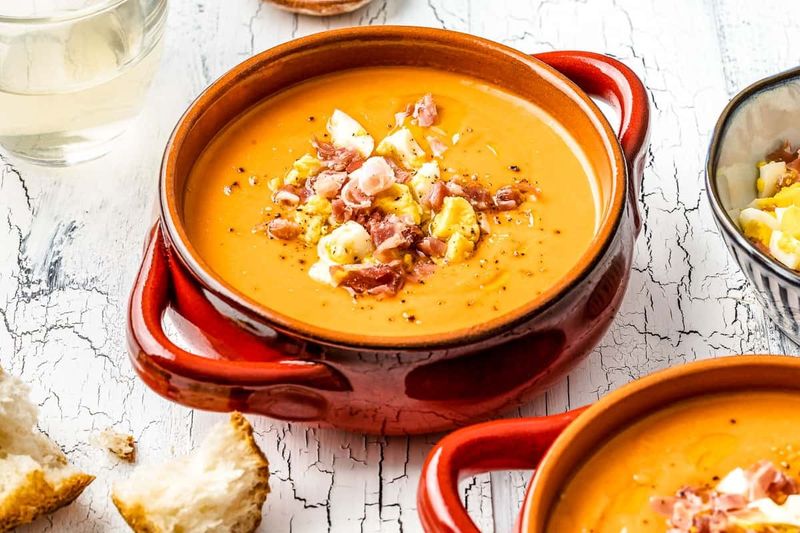
Salmorejo is gazpacho's richer, creamier cousin, and Cordoba claims it as its own. Made from blended tomatoes, bread, garlic, and olive oil, it is thicker than gazpacho and topped with crumbled egg and strips of jamón serrano.
The texture is almost like a dip, and it coats the spoon beautifully. Many locals eat it every day during summer without getting tired of it.
Cordoba restaurants often serve it as a starter, but honestly, a big bowl with crusty bread makes a perfect lunch.
9. Pintada con Pisto in Toledo
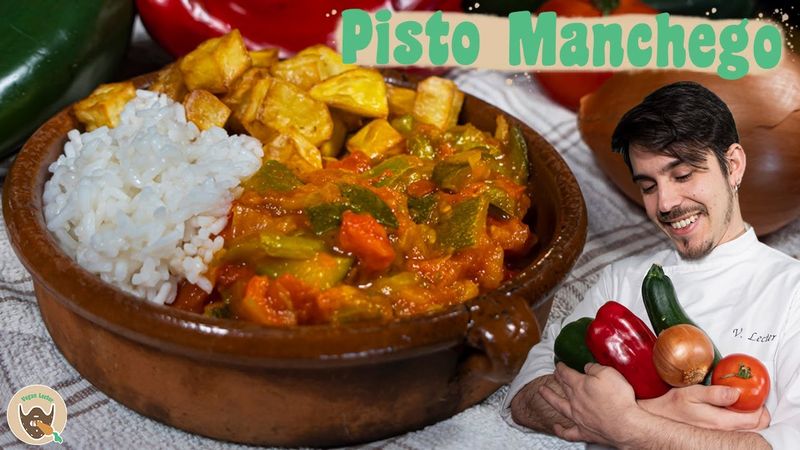
Toledo sits in the heart of Castilla-La Mancha, a region known for its earthy, game-forward cooking. Pintada con pisto pairs roasted guinea fowl with pisto, a slow-cooked vegetable medley of tomatoes, courgettes, peppers, and onions.
The result is rustic, warming, and deeply flavourful. Toledo restaurants often serve this dish in clay pots, keeping everything hot and fragrant right until the moment it hits the table.
If you are a fan of slow-cooked, honest food, this is a must-order.
10. Bacalao al Pil-Pil in Bilbao
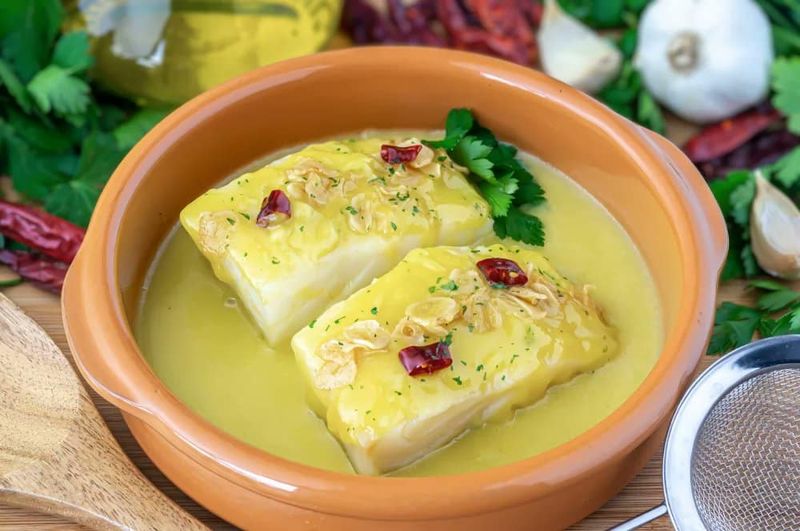
Bilbao is Basque Country's biggest city, and bacalao al pil-pil is one of its most celebrated dishes. Salted cod is gently cooked in olive oil and garlic, and the natural gelatin from the fish creates a thick, glossy sauce without any added thickener.
The technique takes patience and skill, and Bilbao chefs have been perfecting it for generations. The name comes from the bubbling sound the oil makes during cooking.
Order it in a traditional sidreria or pintxos bar for the most authentic version.
11. Migas in Extremadura
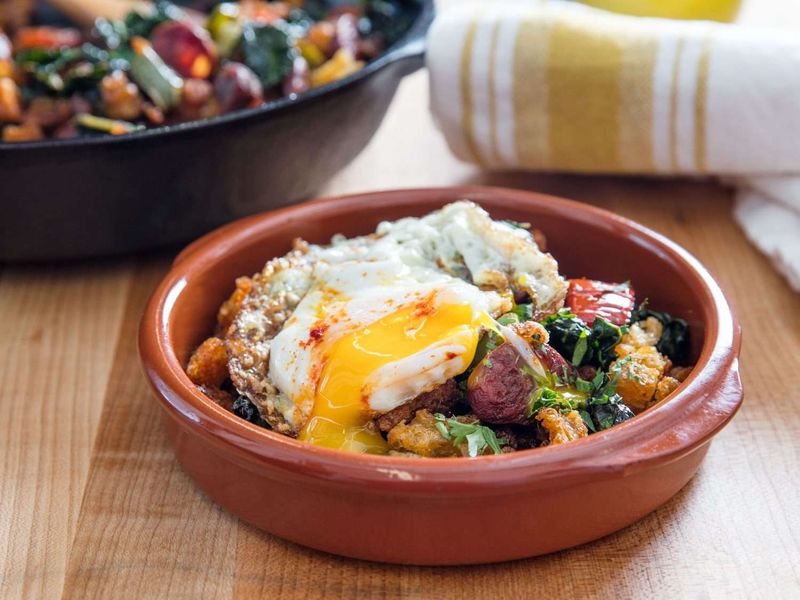
Migas started as a shepherd's breakfast, made from stale breadcrumbs fried in olive oil with garlic and chorizo. In Extremadura, it evolved into something genuinely special, often served with fried eggs, grapes, or slices of cured pork.
Every family has its own version, and debates about the right recipe are taken seriously. The texture should be slightly crispy on the outside but soft inside.
Caceres and Badajoz are the best cities in the region to find migas prepared the traditional way.
12. Tortilla de Patatas in Salamanca
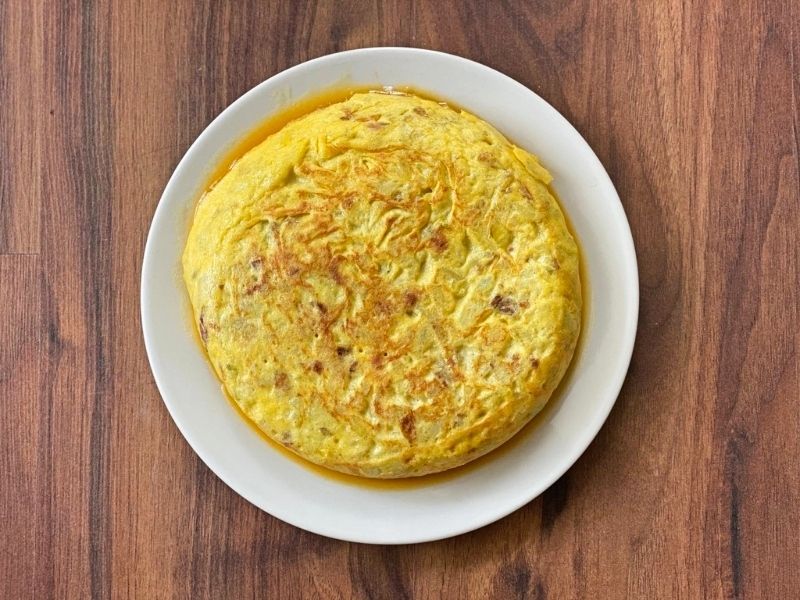
Every Spanish city claims to make the best tortilla de patatas, but Salamanca has a special claim thanks to its old university bar culture. This thick potato omelette is made with eggs, sliced potatoes, olive oil, and sometimes onion, depending on who you ask.
The onion debate divides Spain more passionately than almost anything else. In Salamanca, most bars serve the onion version, which adds a gentle sweetness.
Grab a slice at a university bar with a cold beer for the full student experience.
13. Morcilla de Burgos in Burgos
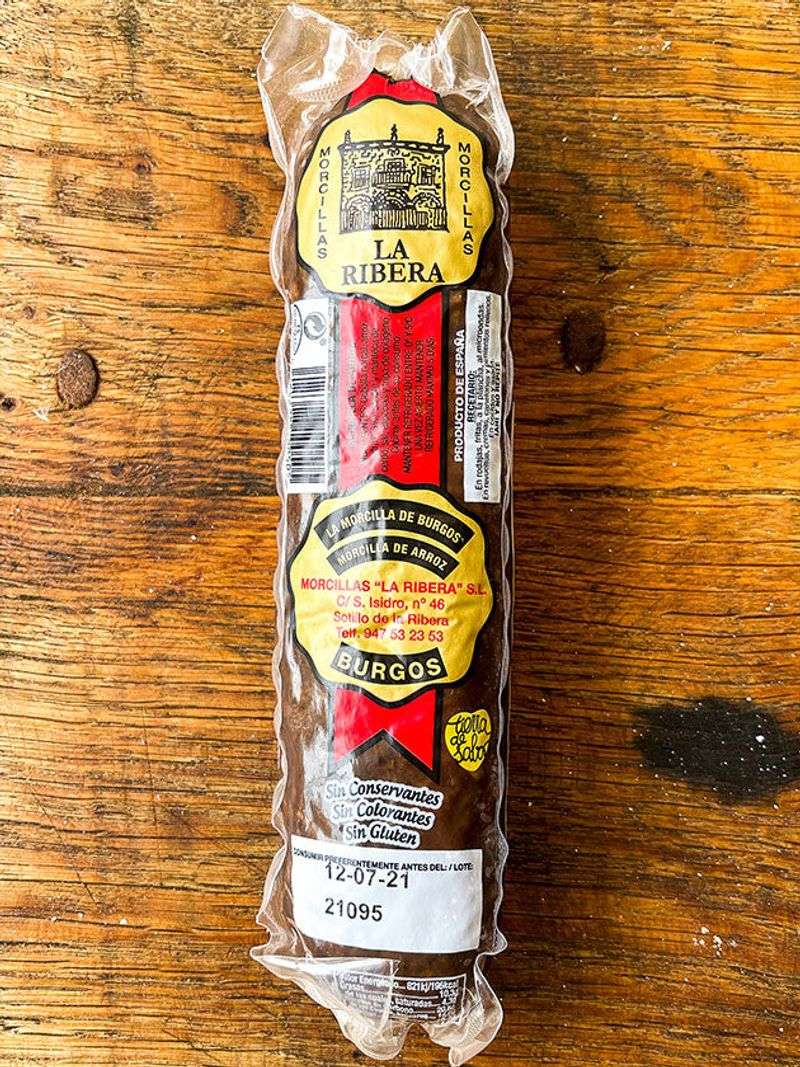
Burgos has been making its famous morcilla for centuries, and it is unlike any black pudding you have tried before. Instead of oats or barley, it is stuffed with rice and onion, giving it a softer, creamier texture that works beautifully when grilled or fried.
It is intensely savoury with a deep, earthy richness that pairs perfectly with a glass of local Ribera del Duero red wine. Order it as a tapa or alongside roasted lamb for a proper Burgos meal.
14. Arroz con Leche in Oviedo
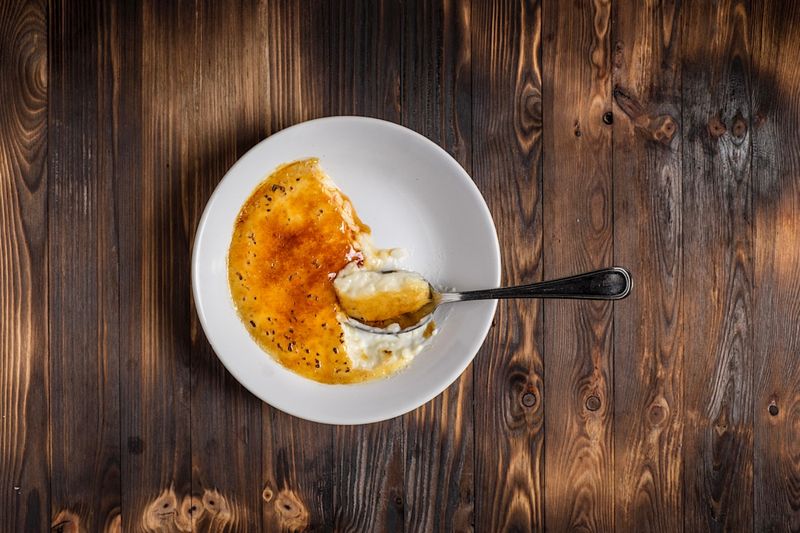
Asturias does many things brilliantly, and arroz con leche is one of its sweetest achievements. This rice pudding is slow-cooked in whole milk with cinnamon and lemon peel until it becomes thick, creamy, and impossibly comforting.
What makes the Asturian version stand out is the caramelised sugar crust on top, torched to golden perfection like a dessert creme brulee. Oviedo cafes serve it chilled, making it a wonderful end to a long afternoon of exploring the city's medieval streets.
15. Churros con Chocolate in Madrid
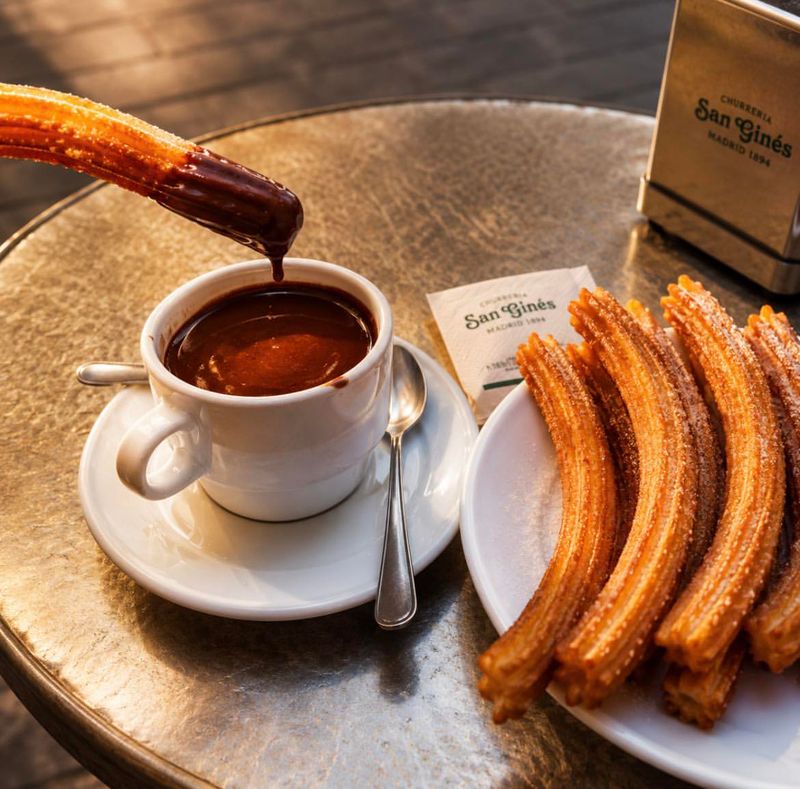
Madrid's churrerias have been frying these golden dough sticks since the early morning hours for centuries. Crispy on the outside and soft inside, churros are best when dunked into a cup of thick, dark Spanish hot chocolate that is almost more like a sauce than a drink.
Locals eat this combination for breakfast or as a late-night snack after a night out. The famous Chocolateria San Gines near Puerta del Sol has been serving churros since 1894.
Queuing outside at midnight is completely normal and absolutely worth it.
16. Fideuà in Gandia
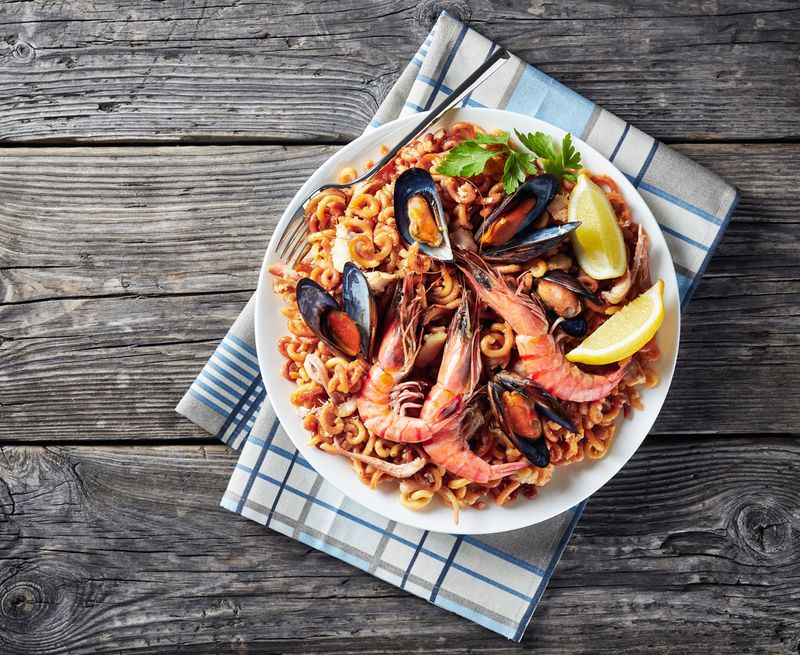
Fideuà was born in the port city of Gandia and gives paella a serious run for its money. Instead of rice, short toasted noodles are cooked in a rich seafood broth with prawns, cuttlefish, and mussels until everything absorbs those incredible flavours.
The noodles curl slightly as they cook, creating a crispy top layer that adds wonderful texture. A dollop of alioli on the side is non-negotiable.
Gandia holds an annual fideuà competition, proving how seriously the region takes this dish.
17. Lechazo Asado in Aranda de Duero
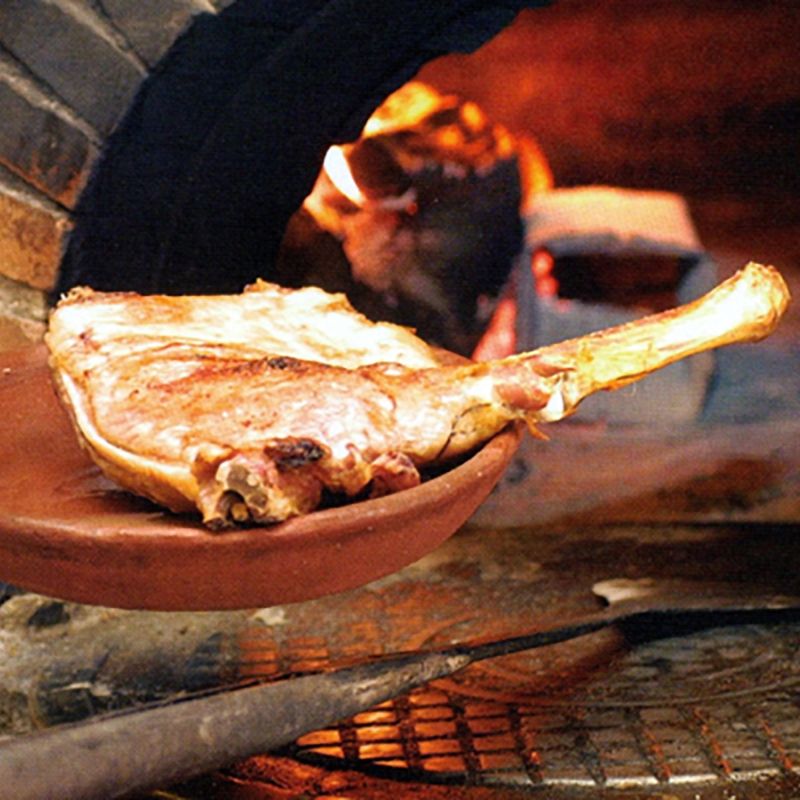
Castilla y Leon is sheep country, and lechazo asado, roasted suckling lamb, is the dish that defines it. The lamb is just a few weeks old, incredibly tender, and roasted in a traditional wood-fired clay oven until the skin turns crackling-crisp and the meat falls apart.
Aranda de Duero is the spiritual home of this dish, with restaurants that have been perfecting the recipe for generations. Pair it with a Ribera del Duero red and you have one of Spain's most unforgettable meals.
18. Caldo Gallego in A Coruna
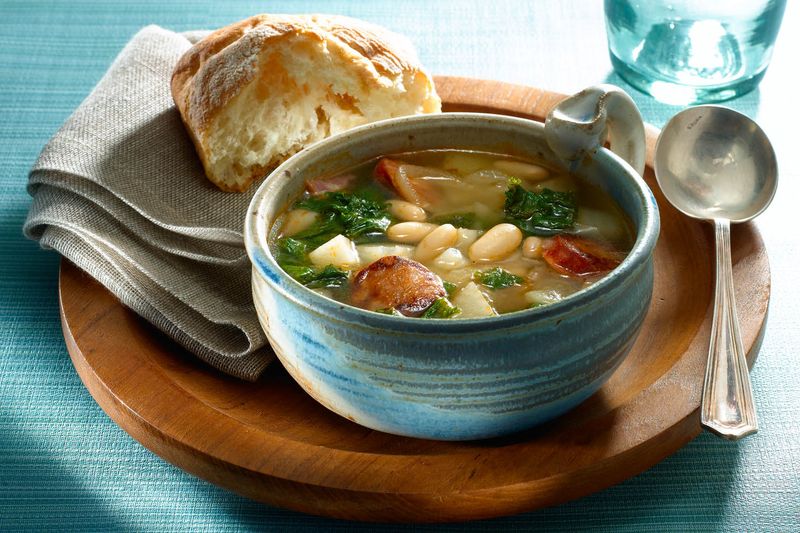
A Coruna sits on Galicia's wild Atlantic coast, and caldo gallego is the soup that warms its residents through the long, grey winters. White beans, turnip greens, potato, and various cuts of pork swim together in a clear, deeply flavoured broth.
It is humble food with enormous soul. Galician grandmothers have been making it forever, and the best versions are still found in family-run restaurants far from the tourist trail.
A big bowl with crusty bread is the kind of lunch that makes everything feel right.
19. Rabo de Toro in Ronda
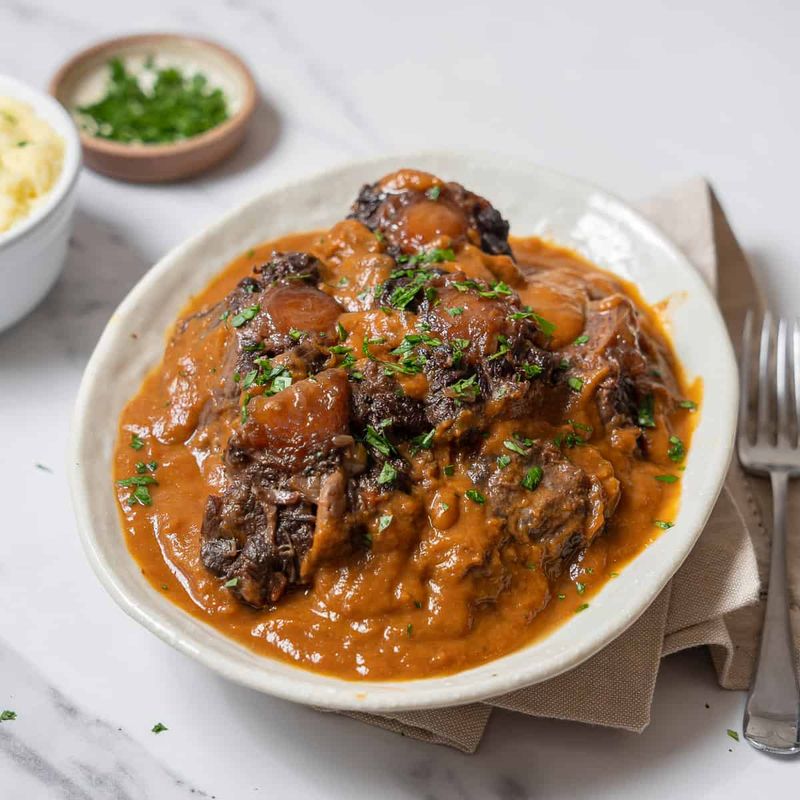
Ronda is a dramatic clifftop city with a famous bullfighting ring, and rabo de toro, braised oxtail, has a history tied directly to that tradition. The tail from the bull would be slow-cooked in red wine, vegetables, and spices until the meat fell from the bone.
Today it is a celebrated Andalusian classic found across the region. The sauce is deep, sticky, and rich with wine and herbs.
Served with mashed potato or crusty bread to soak everything up, it is one of Andalusia's most rewarding dishes.
20. Pimientos de Padron in Padron
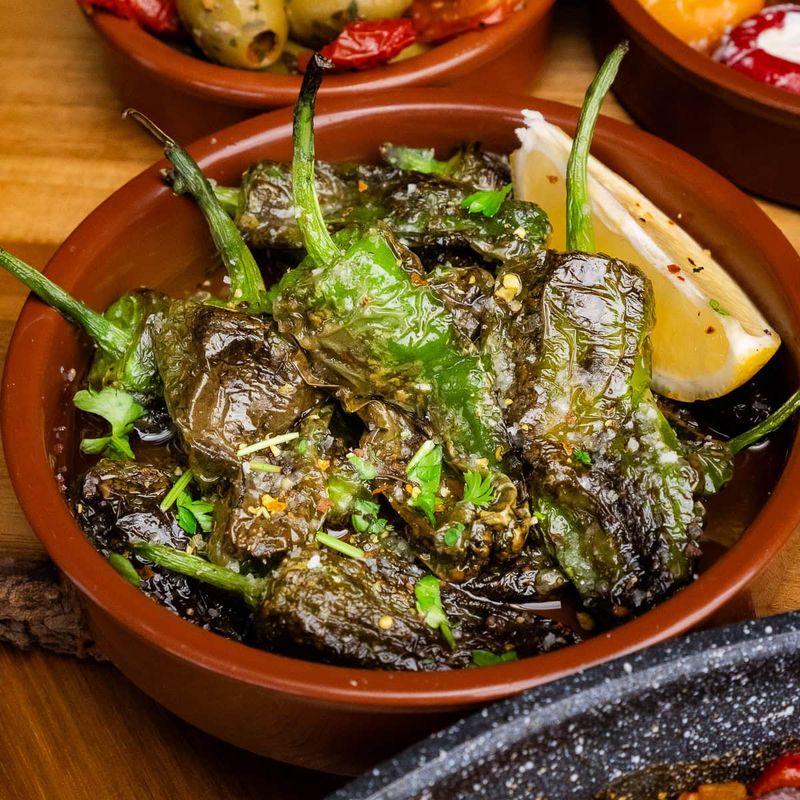
There is a famous saying about Pimientos de Padron: some are hot, most are not. These small green peppers from the Galician town of Padron are fried in olive oil, salted generously, and served blistered and slightly charred.
Most are mild and sweet, but occasionally one packs a surprising kick, which makes eating them a genuinely fun experience. They are found across Spain as a tapa, but eating them in their hometown of Padron gives you the freshest, most flavourful version possible.
21. Crema Catalana in Barcelona
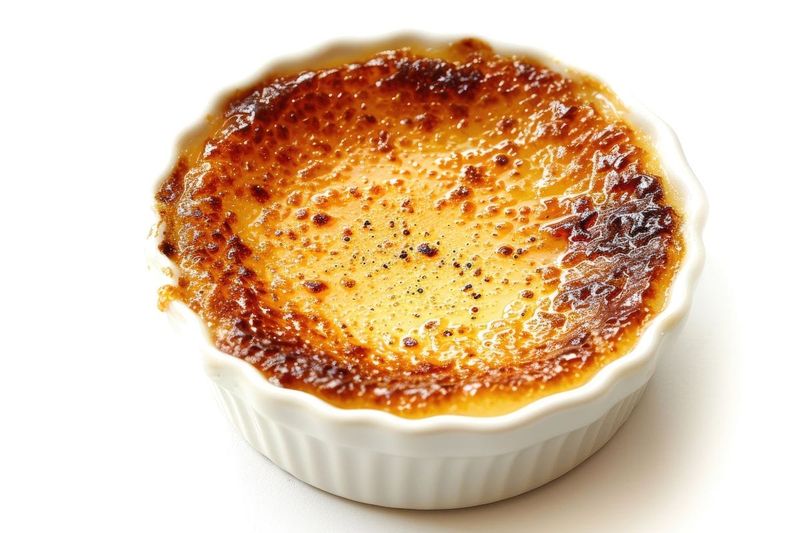
Long before creme brulee became a French favourite, Catalonia was already caramelising custard. Crema catalana is made with egg yolks, milk, sugar, and flavoured with cinnamon and lemon zest, giving it a distinctly different character from its French cousin.
The sugar crust on top is torched to a crisp amber shell that cracks satisfyingly with a spoon. Barcelona restaurants serve it year-round, but it is traditionally associated with Saint Joseph's Day in March.
One taste and you will understand why Catalonia claims this dessert as its own.
22. Ajo Blanco in Malaga
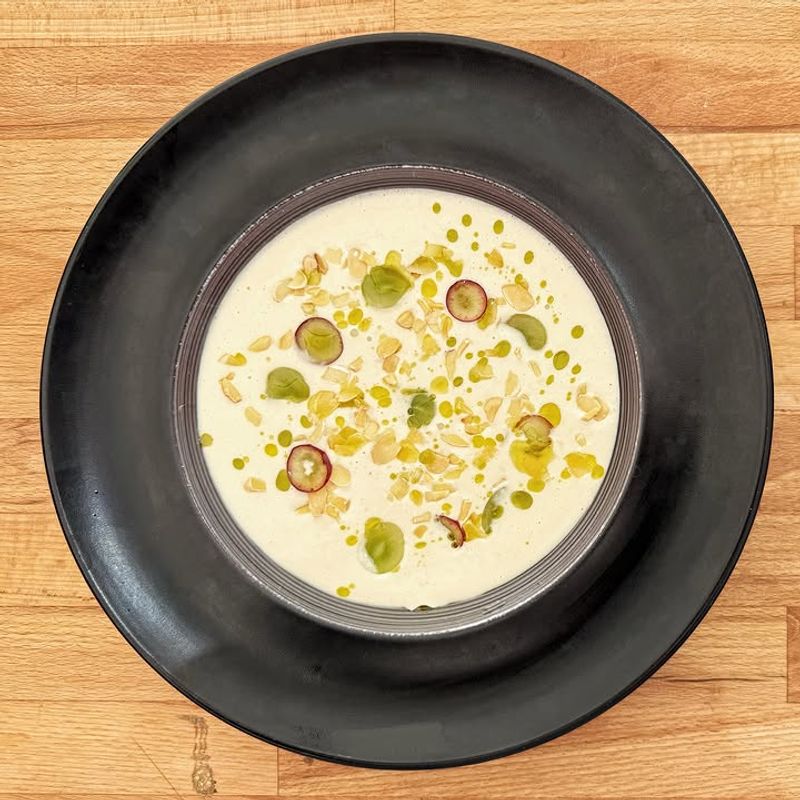
Before tomatoes arrived from the Americas, Andalusia already had its own cold soup tradition. Ajo blanco is made from blended almonds, stale bread, garlic, olive oil, and vinegar, creating a pale, creamy soup with a sharp, nutty punch.
It is traditionally garnished with green grapes or melon, which adds a sweet contrast to the savoury base. Malaga is the best city to try it since the region grows the almonds used in the recipe.
Served ice cold on a hot day, it is genuinely refreshing.

Comments
No Comments