













Noodles have a magical way of making almost any bad day feel a little better. From steaming bowls of broth-soaked strands to chewy, sauce-coated tangles, noodle dishes exist in every corner of the world and carry centuries of tradition with them.
Whether you grew up slurping ramen on cold nights or are brand new to exploring global cuisines, there is always a new noodle dish waiting to surprise you. Get ready to discover 20 unusually comforting noodle dishes that deserve a permanent spot on your must-try list.
1. Taiwanese Beef Noodle Soup
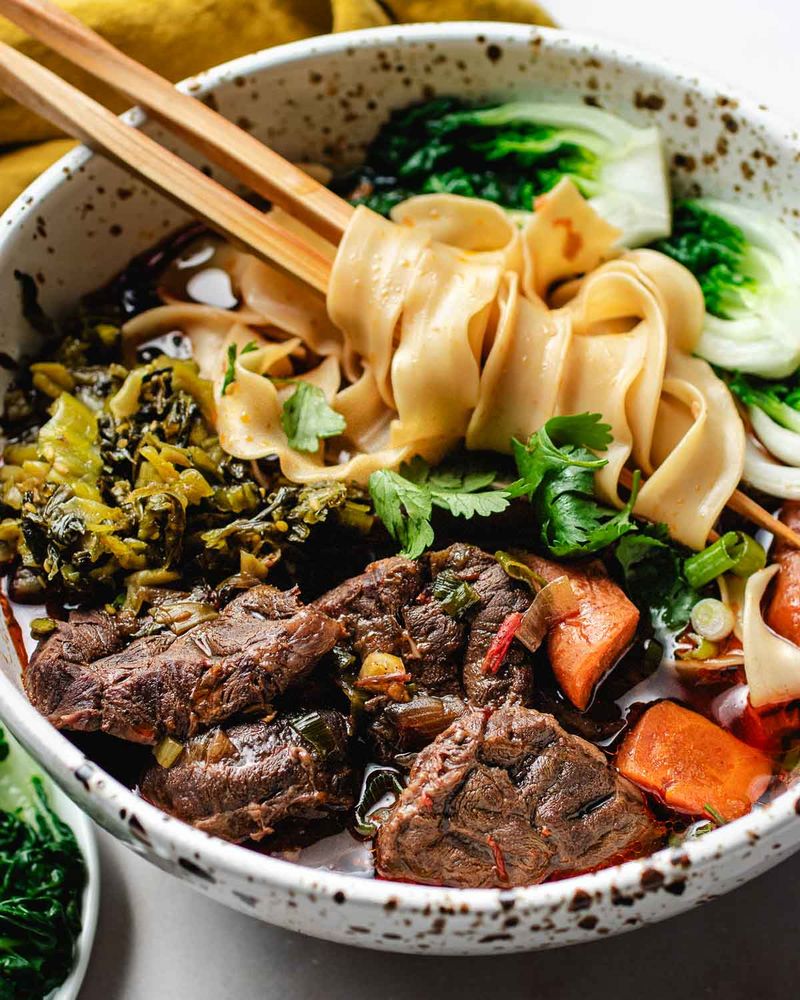
Braised low and slow for hours, the beef in this Taiwanese classic practically melts before it even hits your tongue. The broth carries deep soy, star anise, and chili bean paste flavors that feel like a warm hug from the inside out.
Thick, chewy wheat noodles soak up every drop of that dark, aromatic liquid. Taiwan holds an annual Beef Noodle Soup Festival celebrating this dish, proving its legendary status is very well earned.
2. Japanese Tsukemen (Dipping Ramen)
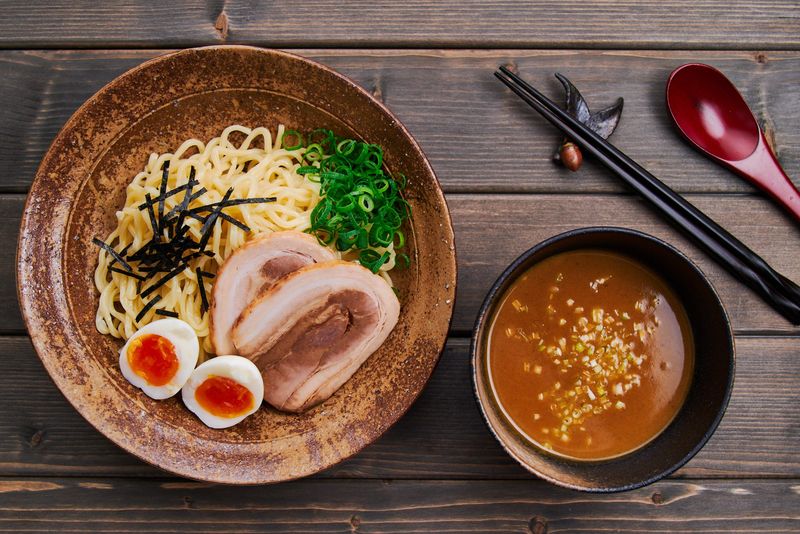
Instead of swimming in soup, tsukemen flips the script entirely. You dip cold, thick noodles into a small bowl of ultra-concentrated hot broth, which means every single bite is an explosion of flavor without the noodles getting soggy.
The broth is often pork-and-fish based, intensely rich, and deeply savory. It became wildly popular in Tokyo during the 1960s and has since grown a passionate fanbase worldwide.
Tsukemen is ramen reimagined, and it is absolutely worth the hype.
3. Korean Jajangmyeon (Black Bean Noodles)
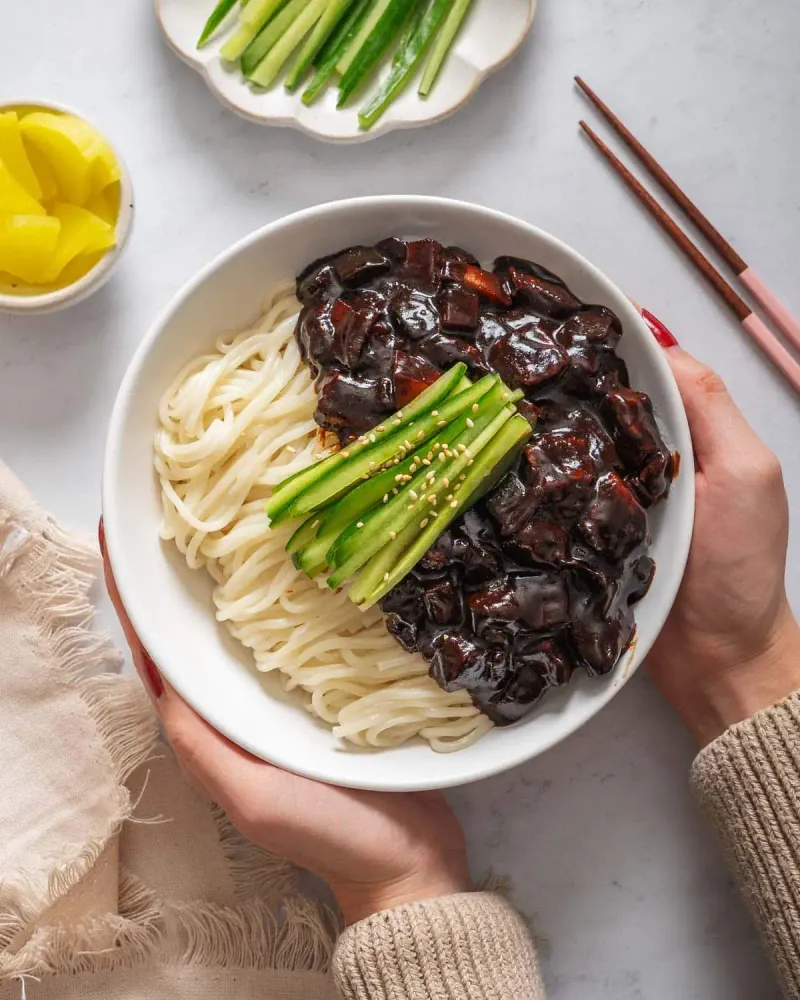
Pitch-black sauce on noodles sounds unusual, but one taste of jajangmyeon and you will completely understand why Koreans celebrate it on Black Day, April 14th, every year. The fermented black bean paste is stir-fried with pork and vegetables into a thick, savory, slightly sweet sauce.
Chewy wheat noodles get tossed generously in this glossy mixture. Crisp cucumber slices on top add a refreshing crunch.
It is deeply satisfying, affordable, and oddly hard to stop eating once you start.
4. Vietnamese Bun Bo Hue (Spicy Beef Noodle Soup)
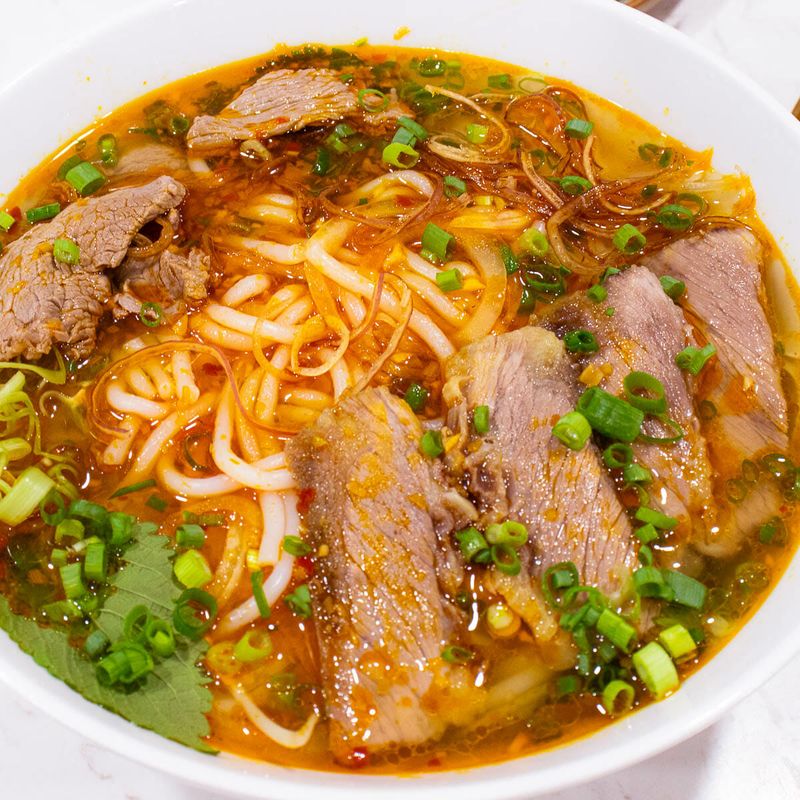
Pho often steals the spotlight, but bun bo hue is the spicier, bolder sibling that serious noodle lovers adore. Originating from Hue in central Vietnam, this soup gets its distinctive color and heat from lemongrass, shrimp paste, and dried chilies simmered together in beef broth.
Round, thick rice noodles replace the flat ones found in pho. Sliced beef shank and pork knuckle make it hearty and filling.
Fresh herbs and a squeeze of lime brighten every spoonful beautifully.
5. Chinese Dan Dan Noodles
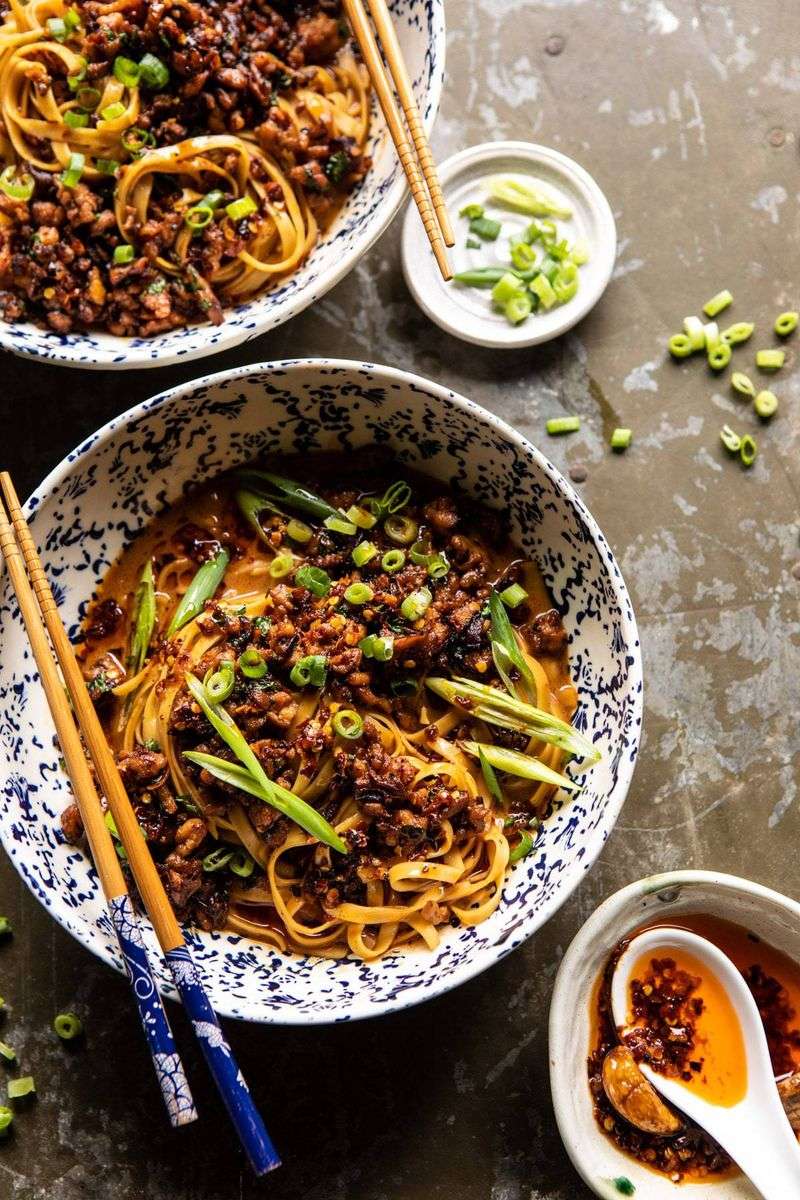
Street vendors in Sichuan, China, once carried these noodles in baskets balanced on shoulder poles, which is exactly how dan dan got its name. The sauce is a fiery, nutty combination of sesame paste, chili oil, soy sauce, and Sichuan peppercorns that creates a tingly, mouth-numbing sensation.
Minced pork and preserved mustard greens sit on top of thin noodles, adding savory depth. It is bold, spicy, and completely addictive.
Fair warning: one bowl rarely feels like enough.
6. Thai Boat Noodles (Kuay Teow Reua)
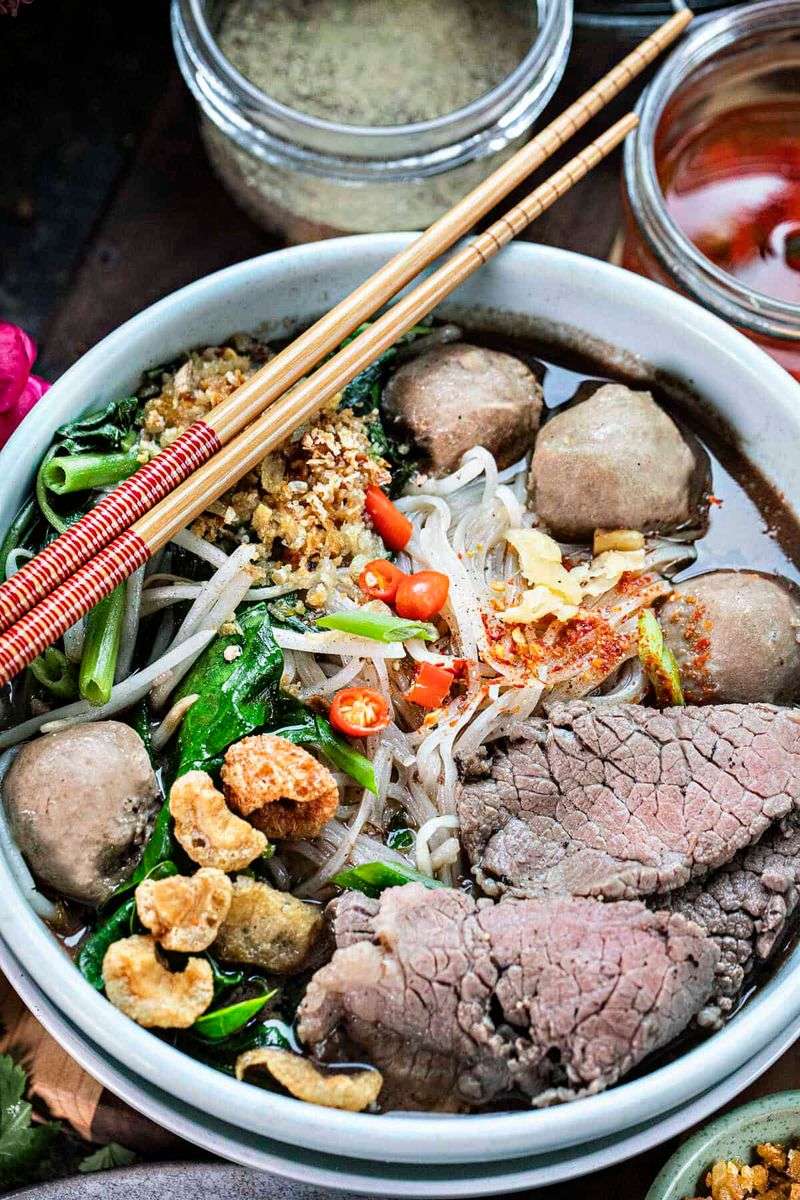
Historically served from wooden boats floating through Bangkok's canals, boat noodles pack an incredible amount of flavor into a surprisingly small bowl. The dark broth is made with pork or beef blood, giving it a rich, almost velvety texture that is unlike any other noodle soup you have tried.
Meatballs, sliced meat, and crispy garlic float alongside thin rice noodles. Most people order several small bowls in one sitting.
The stacked empty bowls at the end become a badge of honor.
7. Filipino Pancit Palabok
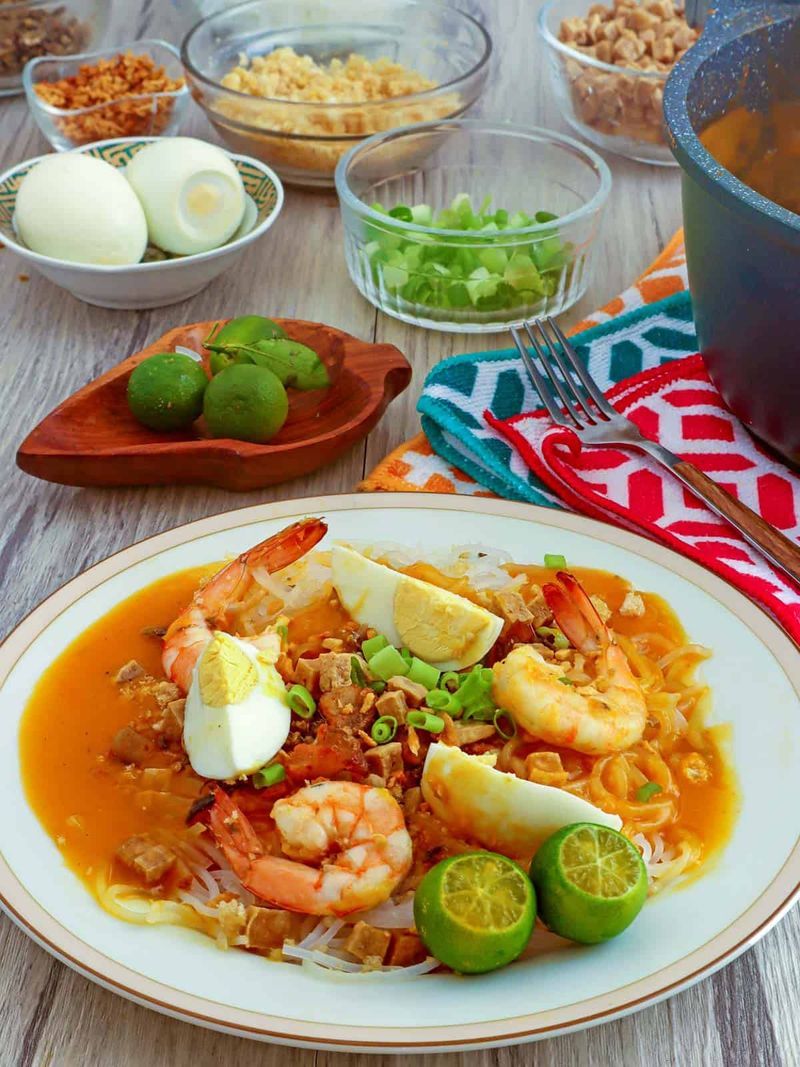
Bright orange, layered with toppings, and served at nearly every Filipino celebration, pancit palabok is a dish that tastes like a party. The sauce gets its vivid color from annatto seeds and is made with shrimp broth, giving it a uniquely seafood-forward flavor.
Thin rice noodles sit beneath a mountain of crushed chicharron, boiled eggs, shrimp, and green onions. A squeeze of calamansi adds citrusy brightness.
In Filipino culture, noodles symbolize long life, making this dish meaningful as well as delicious.
8. Uzbek Lagman (Hand-Pulled Noodles)
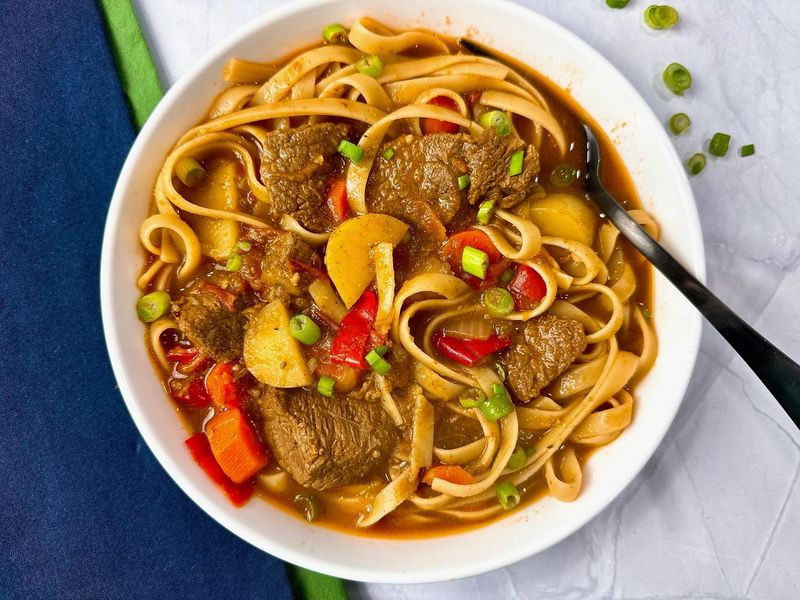
Hand-pulling noodles is an art form, and lagman proves it beautifully. These thick, chewy wheat noodles are stretched by hand before being topped with a hearty lamb and vegetable stew fragrant with cumin, coriander, and paprika.
The result feels rustic, warming, and deeply nourishing.
Popular across Central Asia, lagman has roots tracing back to Chinese and Uyghur culinary traditions. Each region puts its own spin on the stew.
Sharing a big pot of lagman around a table is a genuinely joyful experience.
9. Malaysian Curry Laksa
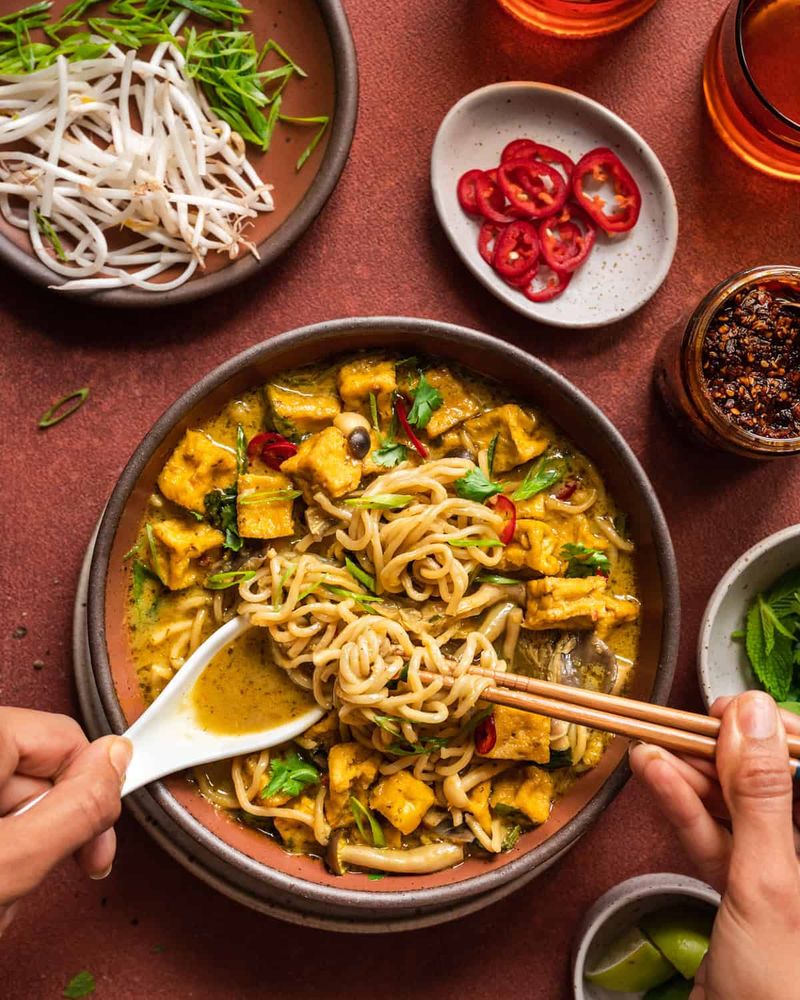
Creamy, spicy, and deeply aromatic, curry laksa is the kind of bowl that demands your full attention from the very first sip. A coconut milk-based curry broth is loaded with lemongrass, galangal, and dried shrimp paste, creating layers of flavor that feel almost impossibly complex.
Rice vermicelli and yellow egg noodles are often used together. Tofu puffs soak up the broth like little flavor sponges.
Adding a spoonful of sambal paste on top takes the heat to a whole exciting new level.
10. Italian Bigoli in Salsa
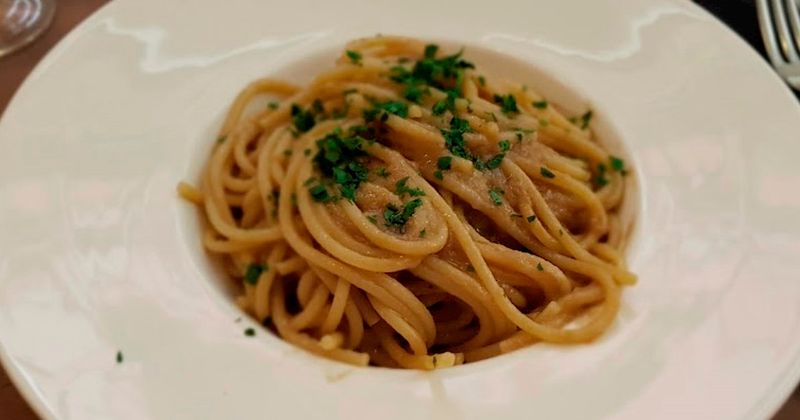
Bigoli in salsa is Venice's humble, centuries-old answer to comfort food. Thick, rough-textured whole wheat noodles are paired with a simple sauce of slow-cooked onions and salted anchovies that melt into a savory, deeply umami mixture.
It sounds simple, but the flavor is shockingly complex.
This dish was traditionally eaten on fasting days in Venetian households. The anchovies dissolve completely, so even people who think they dislike fish often love this dish.
Ancient, unpretentious, and truly satisfying.
11. Tibetan Thukpa (Noodle Soup)
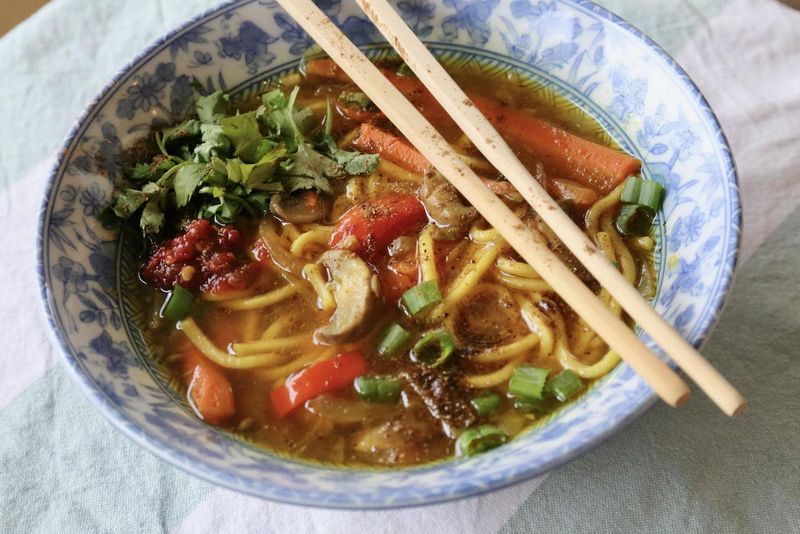
High up in the Himalayas, a bowl of thukpa is practically essential survival. This hearty noodle soup features hand-rolled wheat noodles simmered in a rich broth with vegetables, meat, and warming spices like ginger and turmeric that heat you from the inside out.
Thukpa is eaten across Tibet, Nepal, and northern India, with each region adjusting the recipe slightly. The noodles are thick and toothsome, soaking up the spiced broth wonderfully.
On a cold mountain evening, nothing on earth feels more comforting.
12. Japanese Hiyashi Chuka (Cold Ramen Salad)
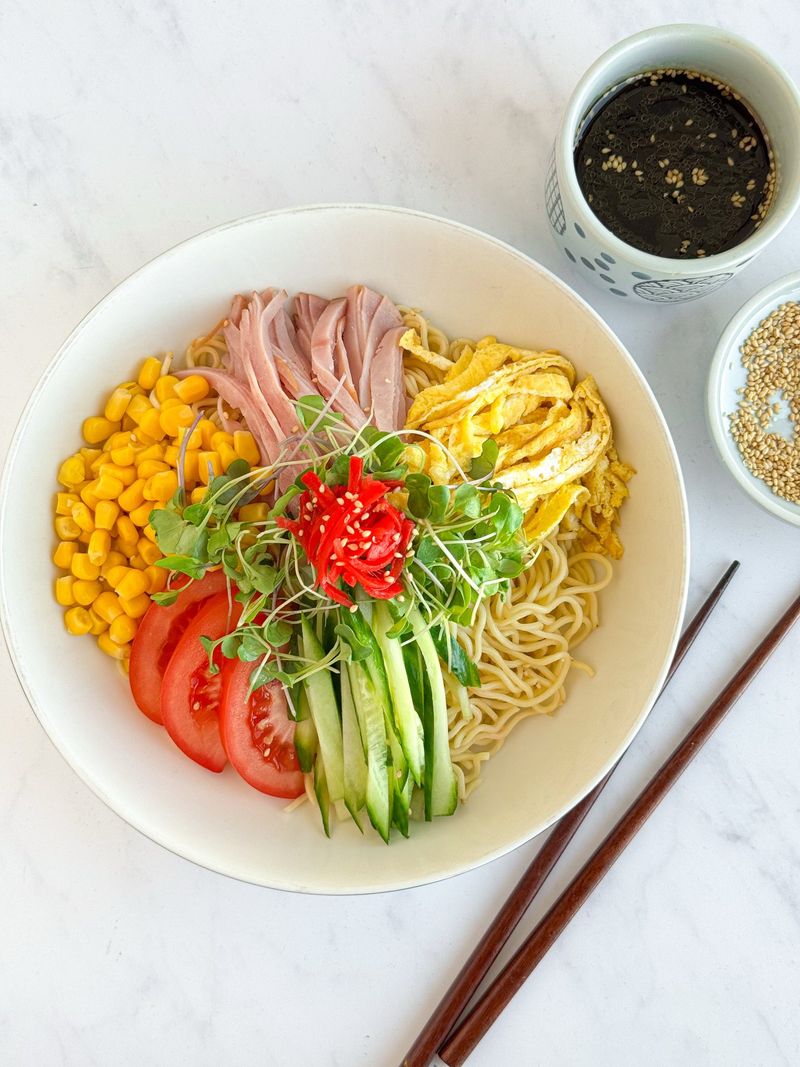
When summer temperatures rise in Japan, hiyashi chuka appears on restaurant menus like a delicious seasonal signal. Cold ramen noodles are arranged beautifully in a bowl and topped with colorful strips of egg, cucumber, ham, and crab sticks, then drizzled with a tangy sesame or soy-based dressing.
It is refreshing, light, and almost too pretty to eat. The toppings are always arranged in neat, colorful sections.
Hiyashi chuka proves that noodle dishes are not just for cold-weather comfort.
13. Burmese Mohinga (Fish Noodle Soup)
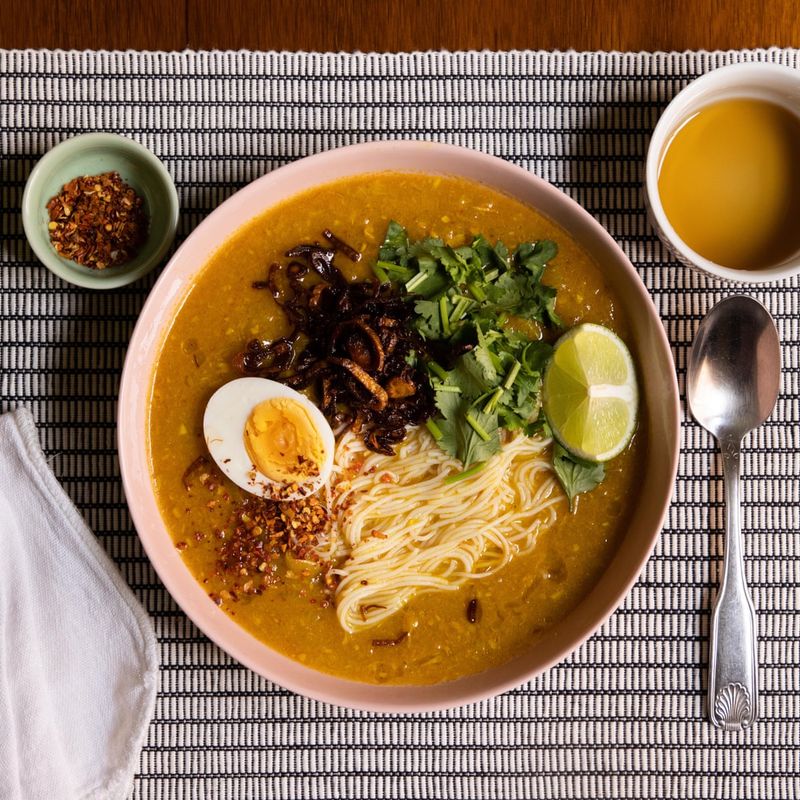
Myanmar's unofficial national dish starts the day for millions of people every morning. Mohinga is a warm, fragrant catfish broth thickened with toasted rice powder and lemongrass, poured over delicate thin rice noodles.
It is earthy, slightly tangy, and wonderfully filling.
Crispy fritters, a hard-boiled egg, and fresh cilantro go on top, adding texture and brightness. Vendors sell it from large clay pots on street corners at dawn.
Starting your day with mohinga is a tradition worth borrowing.
14. Greek Kritharaki (Orzo with Tomato and Feta)
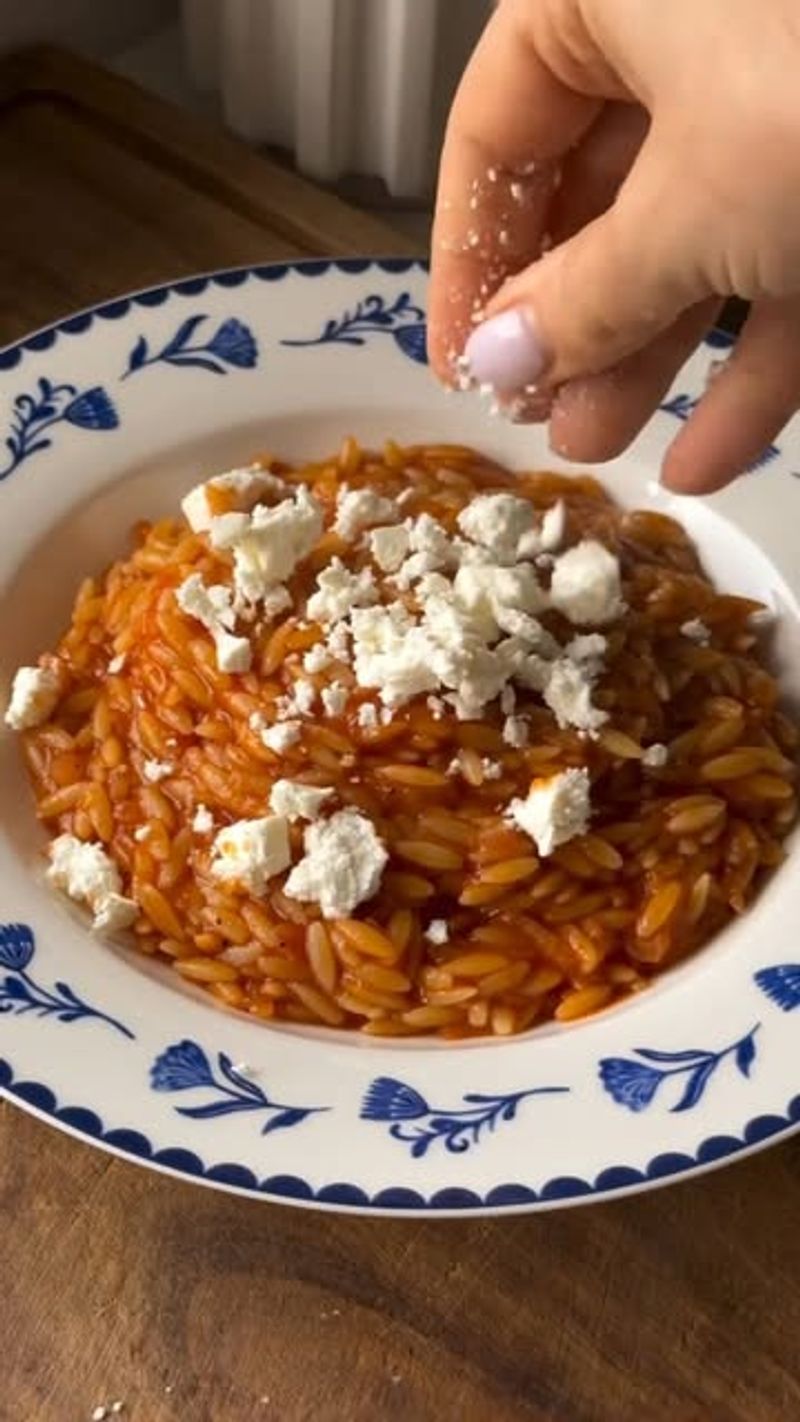
Orzo might look like rice, but it is absolutely a pasta, and Greeks have been cooking it masterfully for generations. Kritharaki, also called giouvetsi, is baked in a clay pot with lamb or beef, tomatoes, and warm spices until the orzo absorbs all the rich, meaty juices.
Crumbled feta scattered on top adds a salty, creamy contrast. The edges of the casserole get slightly crispy, which is the part everyone secretly fights over.
It is oven-baked comfort in the most Mediterranean way imaginable.
15. Ethiopian Pasta Tibs (Spiced Noodles with Stir-Fry)
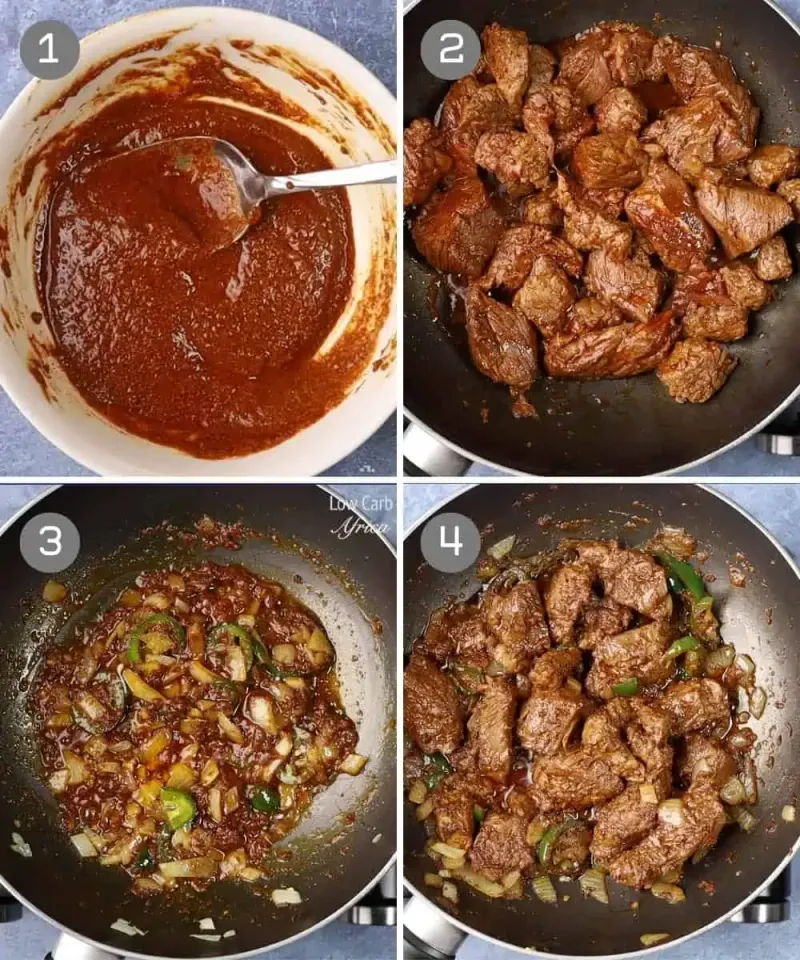
Italian colonization left an unexpected culinary gift in Ethiopia: pasta. But Ethiopians made it entirely their own by tossing spaghetti with tibs, a boldly spiced stir-fry of beef or lamb cooked with onions, jalapeños, tomatoes, and the fiery berbere spice blend.
It is unexpected, vibrant, and outrageously flavorful.
This fusion dish feels simultaneously foreign and deeply local. Street restaurants in Addis Ababa serve it piled high and steaming.
Pasta tibs is living proof that culinary cross-pollination creates something genuinely wonderful.
16. Singaporean Hokkien Mee
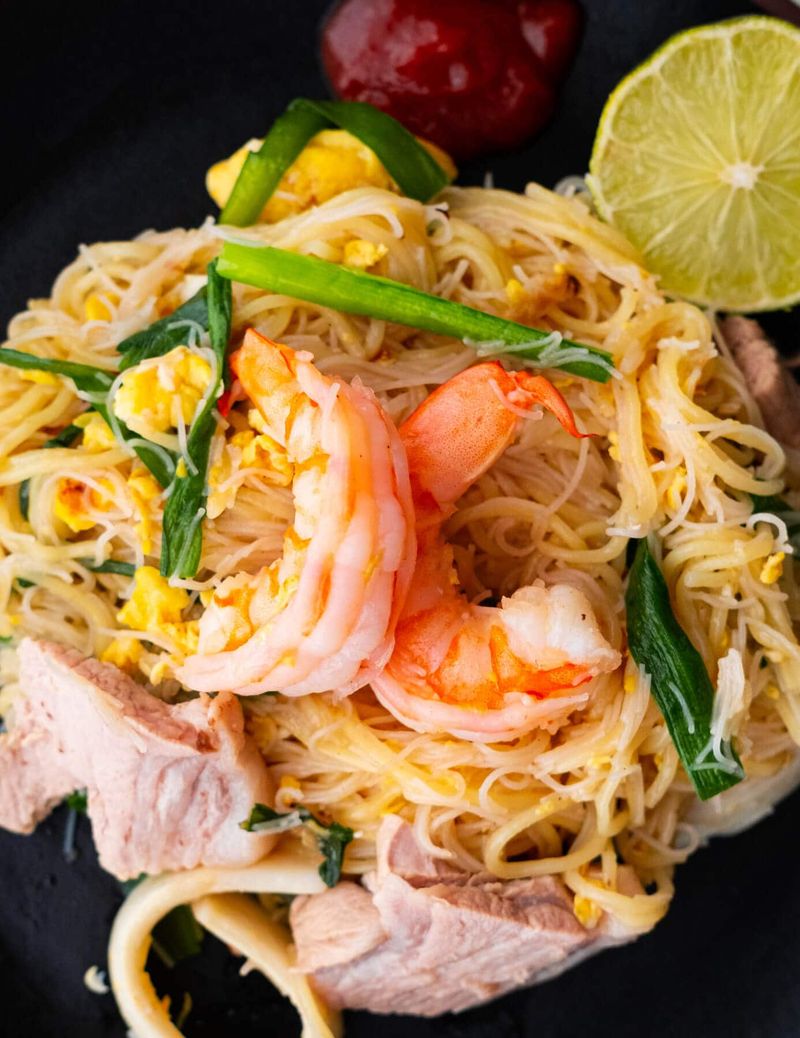
Born in the hawker centers of Singapore, Hokkien mee is a wok-fried masterpiece of two noodle types cooked together. Thick yellow noodles and thin rice vermicelli are stir-fried in prawn and pork lard stock until they absorb maximum smoky, seafood flavor from the blazing hot wok.
Prawns, squid, and egg complete the dish, while sambal chili and lime add punchy contrast on the side. The secret ingredient is good wok hei, that signature smoky breath of a fiercely hot wok.
Absolutely irreplaceable.
17. Peruvian Tallarin Verde (Green Noodles)
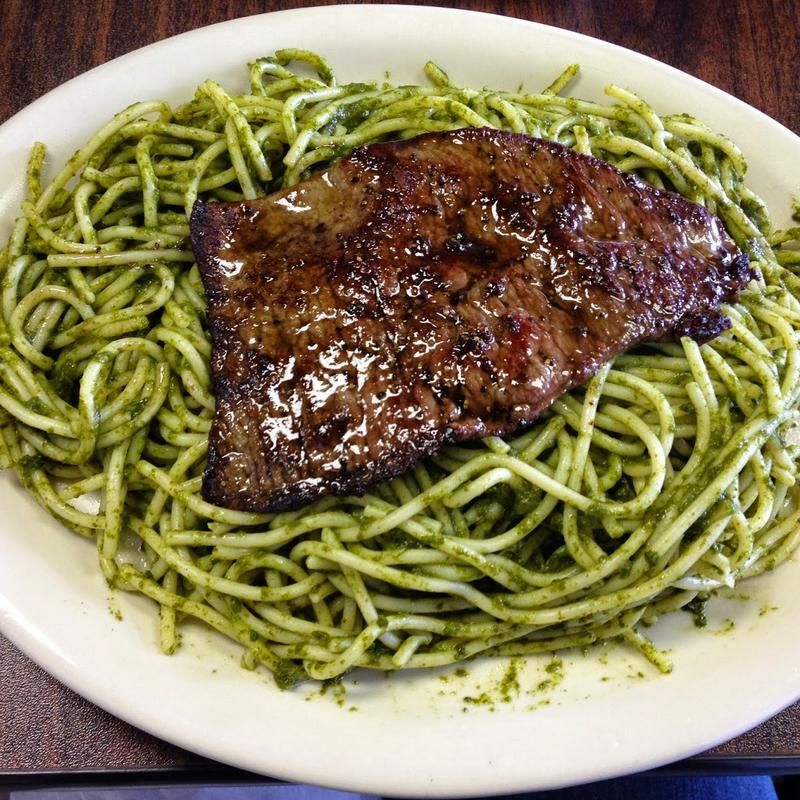
Italian immigrants brought pasta to Peru in the 19th century, and Peruvians transformed it into something spectacular. Tallarin verde features spaghetti dressed in a bright green sauce made from basil, spinach, queso fresco, and walnuts, creating a Peruvian spin on pesto that is creamier and bolder than the original.
A pan-fried breaded steak called milanesa often sits right on top. The combination of creamy green noodles and crispy meat is pure genius.
It is homey, colorful, and completely unique to Peru.
18. Hungarian Nokedli with Paprika Chicken
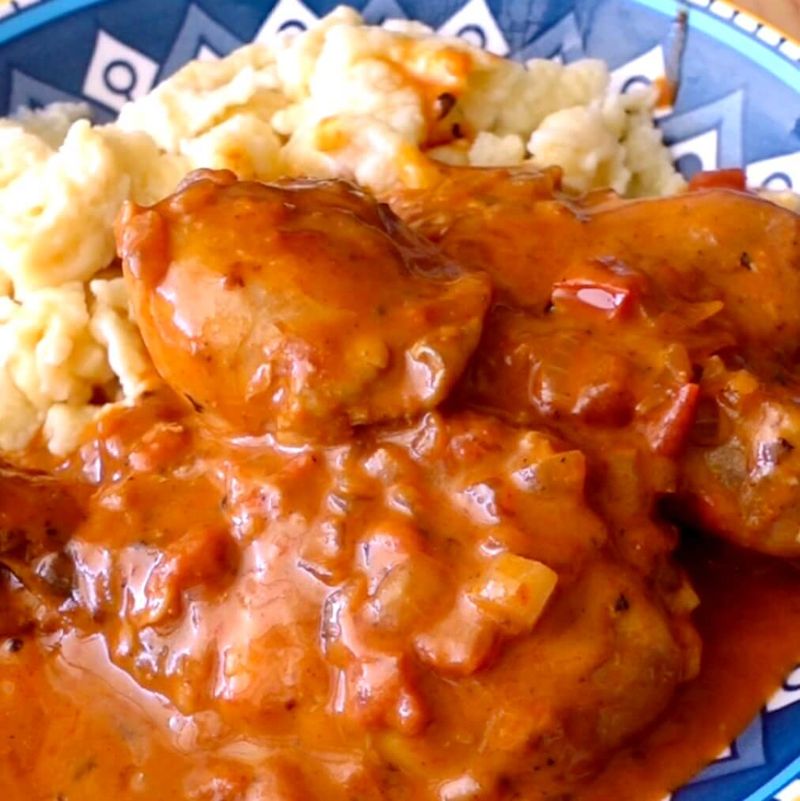
Nokedli are tiny, soft egg dumplings pressed through a colander directly into boiling water, creating irregular little pillows that soak up sauce like nothing else. Paired with chicken paprikash, a rich stew of chicken thighs, onions, and sweet Hungarian paprika finished with sour cream, the combination is pure Central European comfort.
The red paprika sauce turns everything it touches into something magnificent. Hungarian grandmothers have been making this dish for centuries.
One plate and you will completely understand why.
19. Nepali Thukpa with Yak Butter
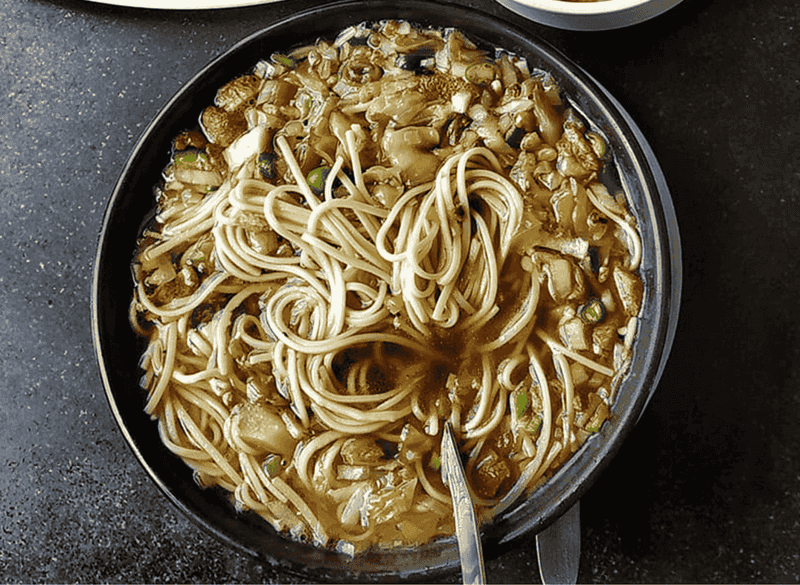
Similar to its Tibetan cousin but with its own Nepali personality, this version of thukpa features handmade noodles floating in a deeply savory yak meat broth enriched with a small knob of golden yak butter melting on top. The butter adds a rich, grassy flavor that is hard to describe but impossible to forget.
Eaten in teahouses along trekking routes in Nepal, this soup is fuel and comfort wrapped into one warm bowl. Altitude makes everything taste more intense, and thukpa thrives at high elevation.
20. Japanese Nabeyaki Udon (Hot Pot Udon)
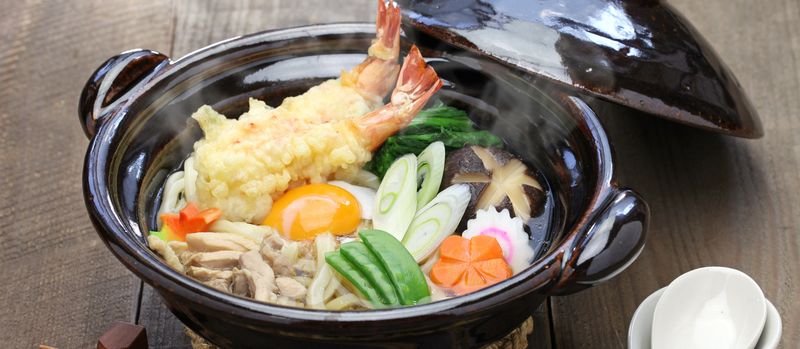
Served bubbling hot in its own individual clay pot, nabeyaki udon is the Japanese equivalent of the world's coziest one-pot meal. Thick, pillowy udon noodles bob in a delicate dashi broth alongside tempura shrimp, fish cake, mushrooms, and a softly poached egg that breaks open when stirred.
The clay pot keeps everything piping hot throughout the entire meal. Every bite offers a different combination of textures and flavors.
Cold winter nights and nabeyaki udon were practically made for each other.

Comments
No Comments