













Eating a rainbow of fruits and vegetables is one of the best things you can do for your health. Each colour in nature's produce aisle signals a different set of vitamins, minerals, and antioxidants your body craves.
From deep purple eggplants to bright orange mangoes, colourful foods are as delicious as they are good for you. Get ready to discover 22 vibrant picks that will make your plate pop and your body thrive.
1. Red Bell Pepper

Crunch into a red bell pepper and you get a burst of sweetness that feels almost like nature's candy. What most people do not know is that red bell peppers have nearly three times more vitamin C than oranges.
That makes them a serious immune-boosting superstar.
Slice them raw into salads, stir-fry them with garlic, or stuff them with rice and cheese for a hearty meal. They also contain lycopene, an antioxidant linked to heart health.
2. Purple Cabbage
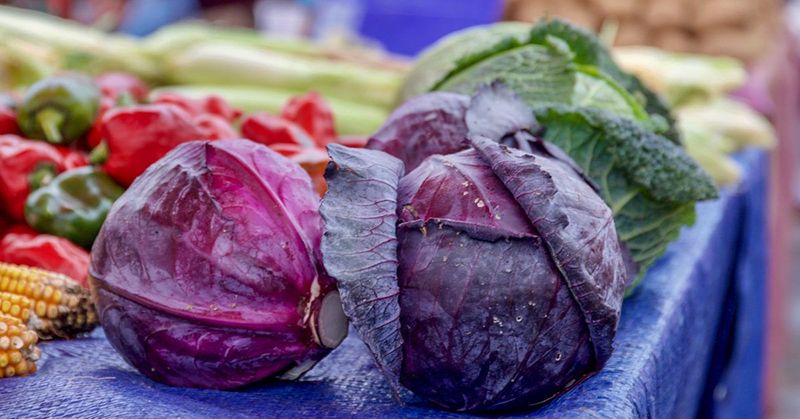
Purple cabbage looks like it belongs in a fairy tale, but its real magic is what it does inside your body. Packed with anthocyanins, the pigments that give it that striking violet hue, this veggie fights inflammation and supports brain health.
It is also loaded with vitamin K and vitamin C.
Shred it into coleslaw, add it to tacos, or roast it for a caramelized treat. Its bold colour actually deepens when you cook it with a splash of vinegar.
3. Mango
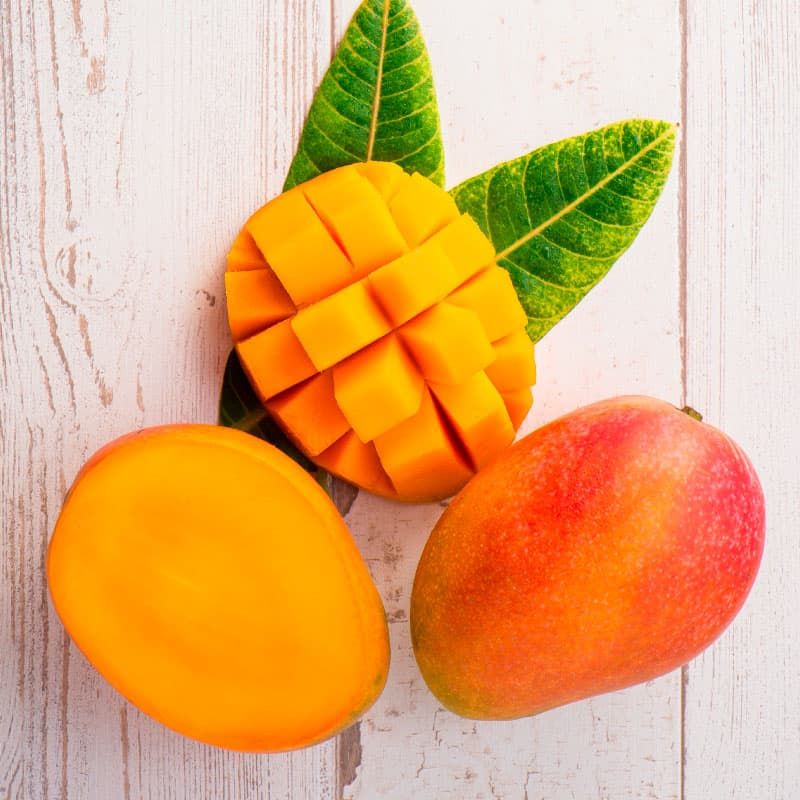
Few fruits carry the kind of joy a perfectly ripe mango does. Native to South Asia, mangoes have been cultivated for over 4,000 years, making them one of the oldest cultivated fruits in the world.
That golden-orange flesh is bursting with vitamin A, which supports healthy eyesight and skin.
Blend them into smoothies, toss cubes into a salsa, or eat them straight off the pit. One cup of mango provides nearly 70 percent of your daily vitamin C needs.
4. Spinach
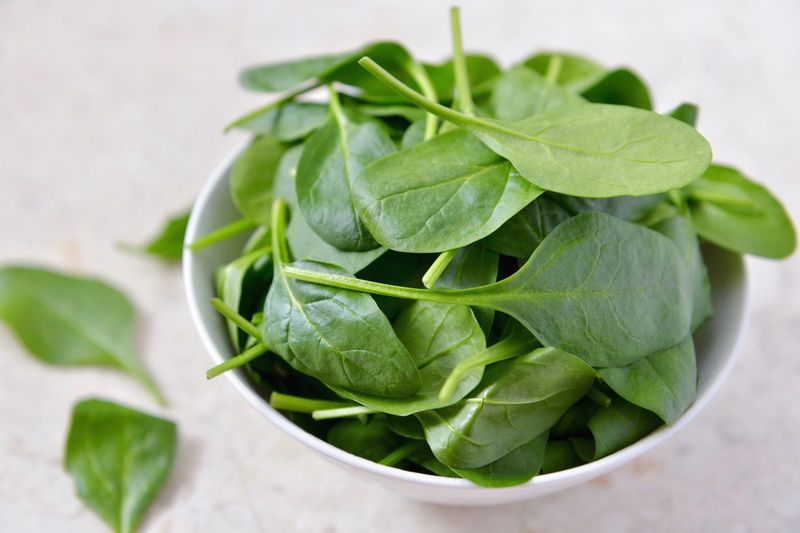
Popeye was onto something with his spinach obsession. This deep green leafy vegetable is loaded with iron, magnesium, folate, and vitamins A, C, and K.
It is one of the most nutrient-dense foods you can eat per calorie.
Toss a handful into scrambled eggs, blend it into a morning smoothie where you will barely taste it, or saute it with olive oil and garlic. Spinach wilts down significantly when cooked, so use more than you think you need.
5. Blueberries
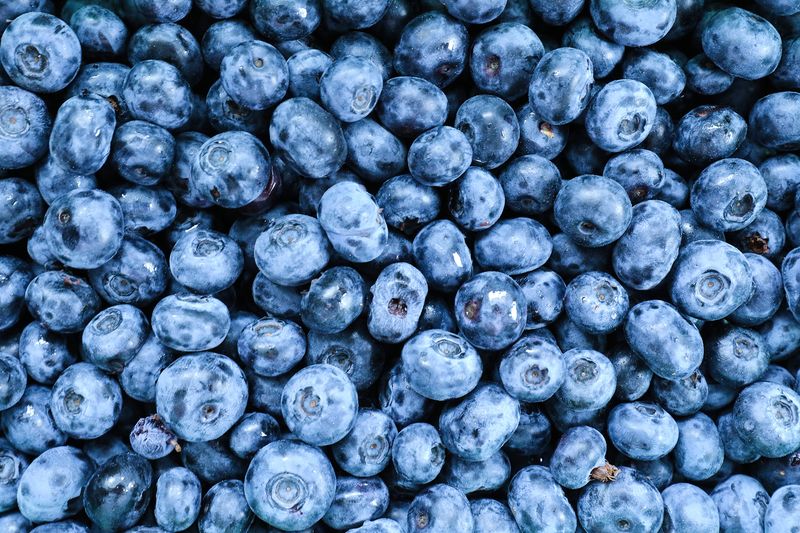
Tiny but absolutely mighty, blueberries are often called a superfood for good reason. They rank among the highest antioxidant-rich foods on the planet, thanks to those deep blue pigments called anthocyanins.
Research links regular blueberry consumption to improved memory and sharper focus.
Sprinkle them on oatmeal, mix them into yogurt, or freeze them for a cool snack on hot days. A single cup has about 84 calories and delivers a solid dose of vitamin C and manganese.
6. Carrot
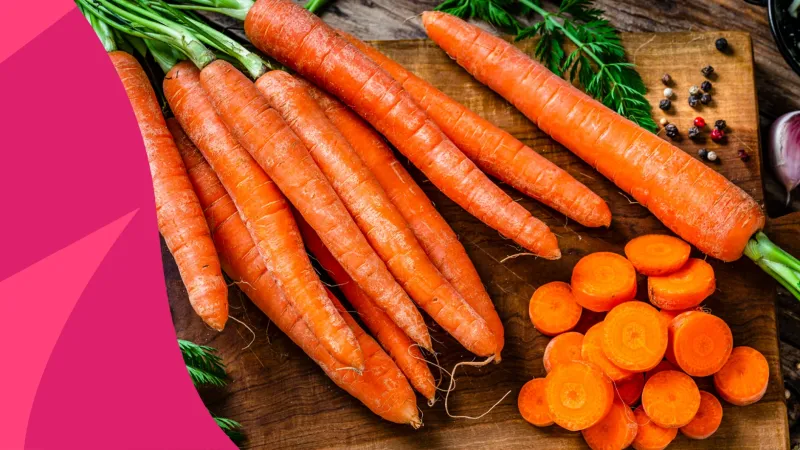
Carrots were originally purple and white before orange varieties became popular in the 17th century. Today, their bright orange colour comes from beta-carotene, which your body converts into vitamin A, essential for good vision, especially night vision.
Munch them raw with hummus, roast them with honey and thyme, or shred them into muffins and cakes. They add natural sweetness to almost any dish.
Cooking carrots actually makes beta-carotene easier for your body to absorb.
7. Watermelon
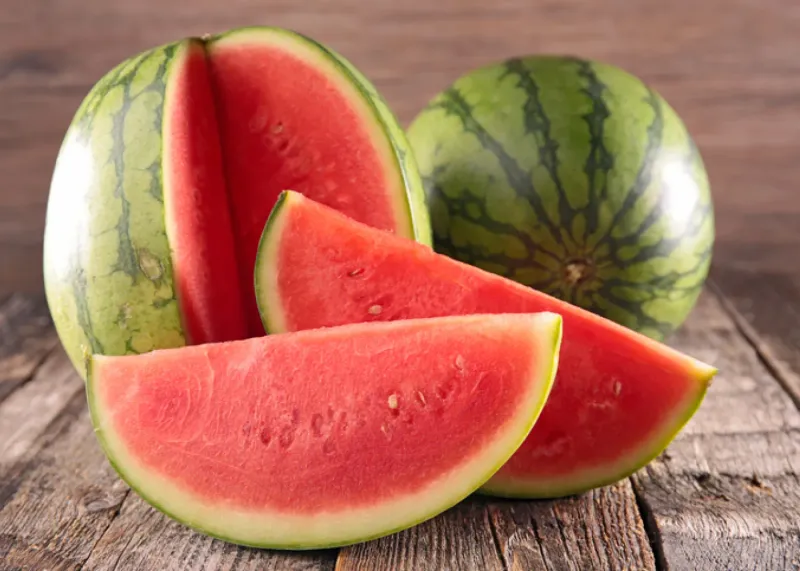
Nothing says summer quite like biting into a cold, dripping slice of watermelon. About 92 percent of a watermelon is actually water, making it one of the most hydrating foods you can eat.
It also contains lycopene, the same antioxidant found in tomatoes, which may help protect against certain cancers.
Cube it into a fruit salad, blend it into a refreshing agua fresca, or grill thick slices for a smoky-sweet surprise. The rind is edible too and full of citrulline.
8. Beets
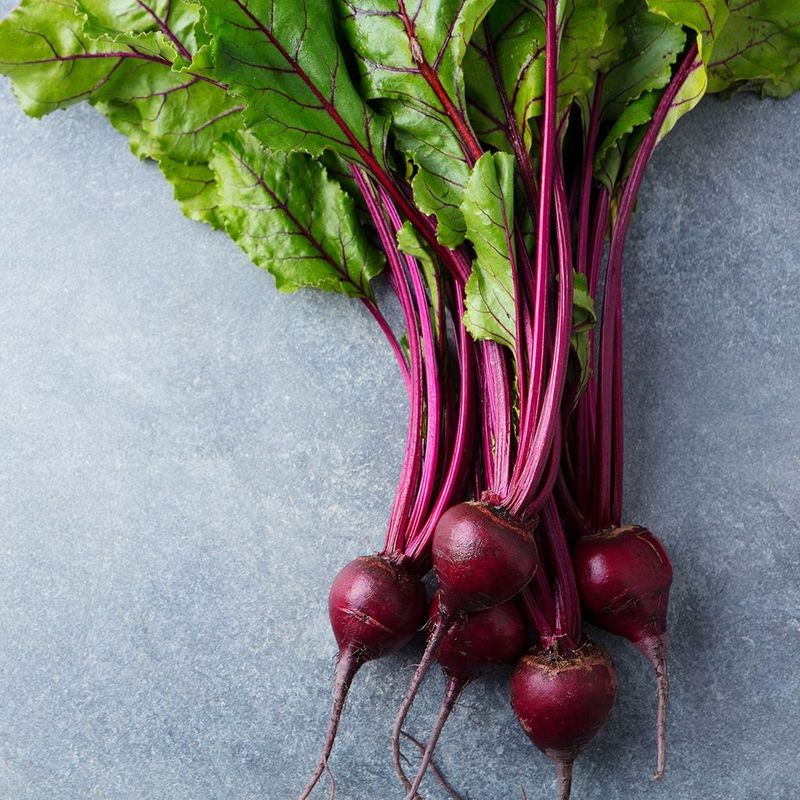
Beets bleed a rich, jewel-toned crimson that stains everything it touches, including your fingers, your cutting board, and apparently your urine, which is completely harmless. That deep red comes from betalains, powerful antioxidants that reduce inflammation.
Beets are also rich in folate and natural nitrates that can boost athletic performance.
Roast them with olive oil and balsamic vinegar, shred them raw into salads, or blend them into a vibrant smoothie. Pickled beets are a classic crowd-pleaser too.
9. Kale
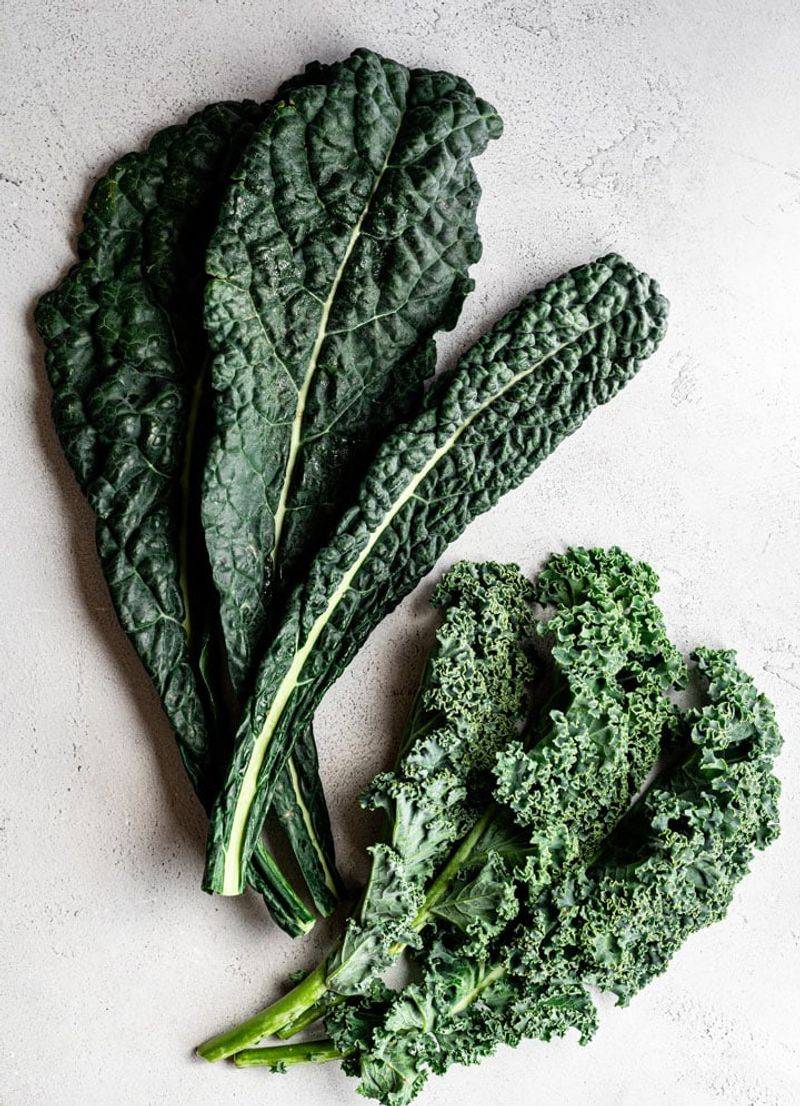
Kale went from being a forgotten garnish on salad bars to one of the most celebrated vegetables of the modern era. This leafy green is extraordinarily rich in vitamins K, A, and C, plus calcium that rivals dairy products.
One cup of raw kale delivers more vitamin C than an orange.
Massage it with lemon juice and olive oil to soften its texture for salads, bake it into crispy chips, or blend it into soups. Its slightly bitter edge mellows beautifully with heat.
10. Papaya
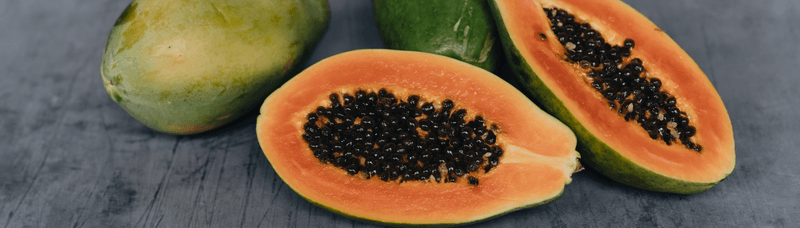
Papaya has a reputation for being polarising, but once you taste a perfectly ripe one, it is hard to go back. Christopher Columbus reportedly called it the fruit of the angels.
Rich in vitamin C, vitamin A, and an enzyme called papain that aids digestion, papaya is a nutritional powerhouse.
Scoop it fresh with a squeeze of lime, blend it into a tropical smoothie, or toss green unripe papaya into a Thai-style salad. The seeds are peppery and edible too.
11. Purple Eggplant
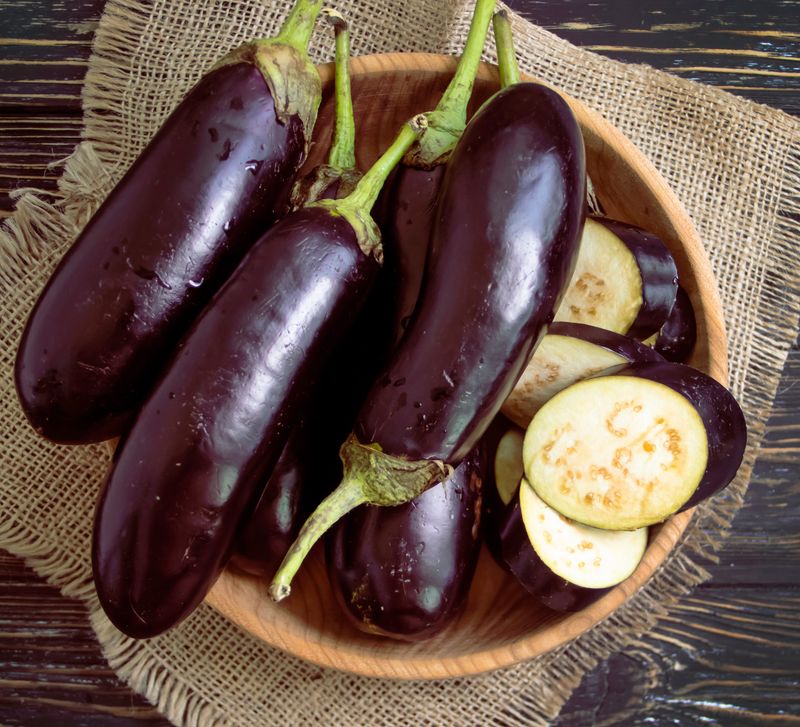
That deep, glossy purple skin on an eggplant is more than just beautiful. It contains nasunin, a potent antioxidant that protects brain cell membranes from damage.
Eggplant is also low in calories and high in fibre, making it a filling, guilt-free addition to meals.
Grill thick slices and layer them in a sandwich, bake them into a classic eggplant parmesan, or blend roasted eggplant with tahini for a smoky baba ganoush. Its spongy texture soaks up flavours brilliantly.
12. Golden Pineapple

Pineapple is basically a tropical party in fruit form. Its bright yellow flesh is packed with bromelain, a unique enzyme that helps your body digest protein and reduce swelling after injuries or surgery.
Pineapple is also rich in vitamin C and manganese, which supports bone strength.
Add chunks to a stir-fry for sweet contrast, grill rings for a caramelized dessert, or blend fresh pineapple into a tangy salsa for fish tacos. Canned versions work well too, just choose ones packed in juice, not syrup.
13. Tomato
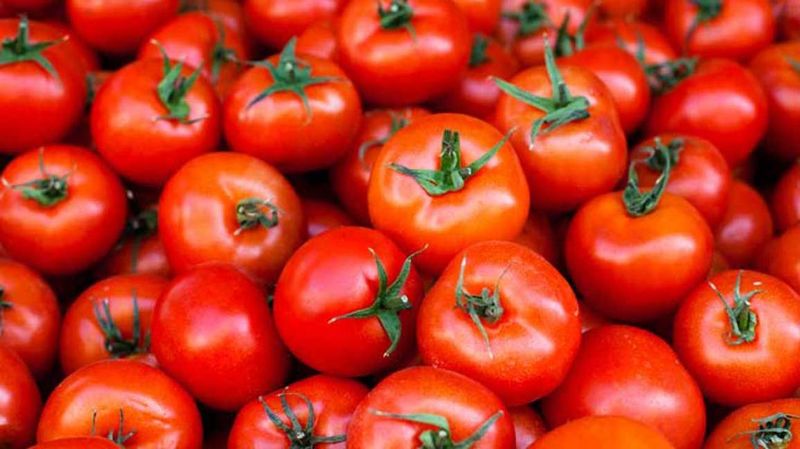
Botanically a fruit, culturally a vegetable, and nutritionally a champion, the tomato manages to spark debate and delight in equal measure. Tomatoes are one of the richest dietary sources of lycopene, especially when cooked or processed into sauce, which actually increases lycopene availability.
They also deliver potassium and vitamin C.
Roast them until they shrivel and sweeten, blend them into a fresh gazpacho, or slice them thick with mozzarella and basil for a classic caprese. Sun-dried tomatoes pack an even more concentrated punch.
14. Orange Sweet Potato
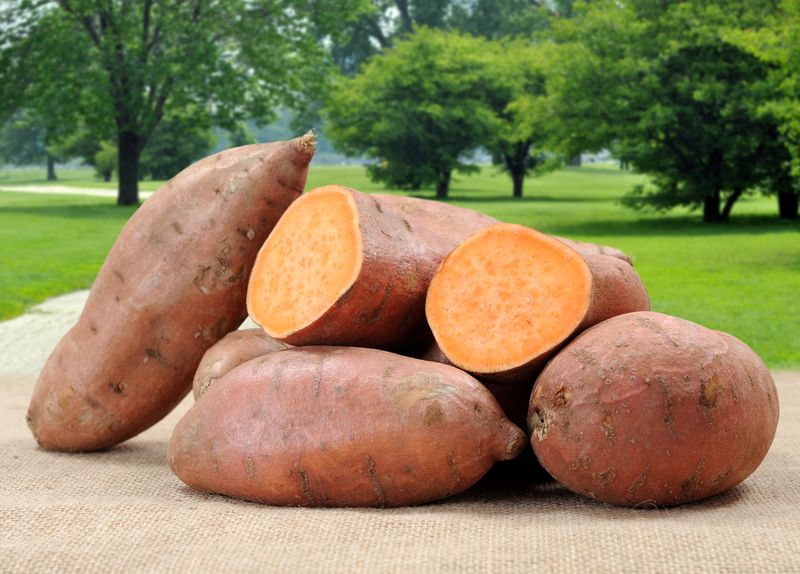
Sweet potatoes are the kind of comfort food that also happens to be incredibly nutritious. One medium sweet potato provides over 100 percent of your daily vitamin A needs, thanks to its rich beta-carotene content.
They are also a great source of potassium, which helps regulate blood pressure.
Bake them whole and top with black beans and salsa, mash them with a little cinnamon and butter, or cut them into wedges and roast until crispy. Their natural sweetness means they need very little added sugar.
15. Pomegranate
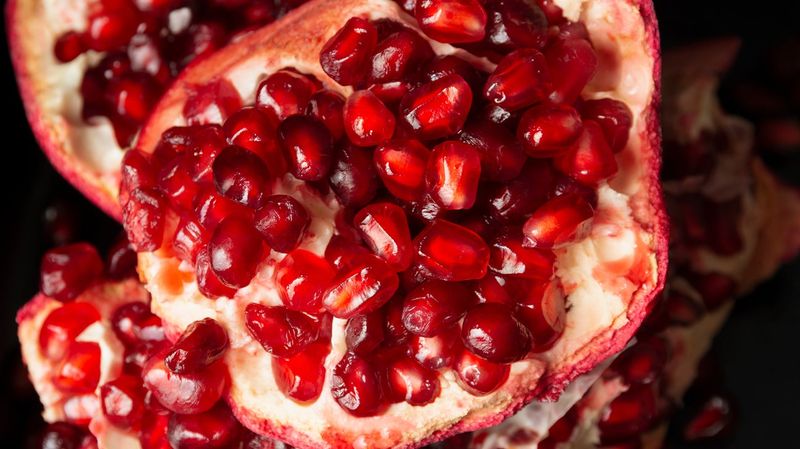
Pomegranates look like nature hid a treasure inside a fruit. Those hundreds of ruby-red seeds, called arils, are bursting with juice and loaded with punicalagins, some of the most powerful antioxidants found in any food.
Ancient civilisations prized pomegranates as symbols of health and abundance.
Sprinkle the arils over salads, stir them into yogurt, or press them for a tart, ruby-coloured juice. Studies suggest pomegranate juice may help lower blood pressure and support heart health over time.
16. Green Avocado
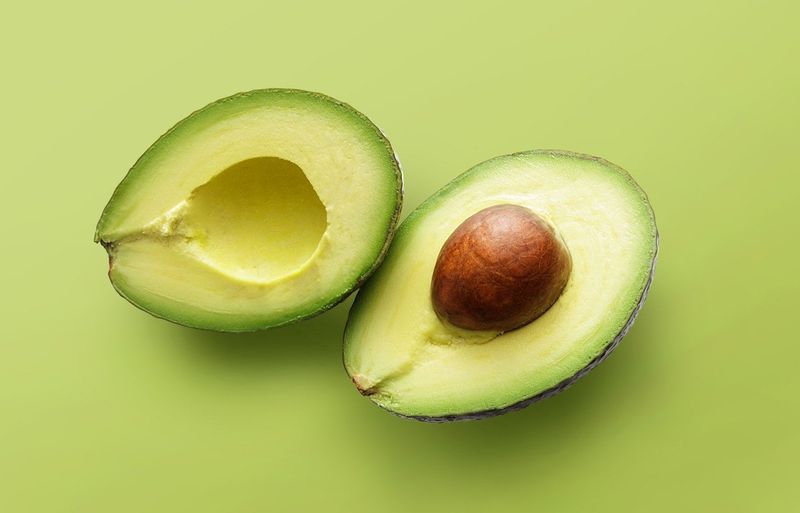
Avocados are one of the few fruits that are rich in healthy fats rather than sugars. Those creamy green layers are full of monounsaturated fats, the same heart-friendly kind found in olive oil.
They also pack potassium, folate, and vitamins K, C, B5, and B6 in impressive amounts.
Mash them onto toast with a pinch of chilli flakes, blend them into a silky chocolate mousse, or slice them into a grain bowl. Adding avocado to salads helps your body absorb fat-soluble nutrients from other vegetables.
17. Kiwi
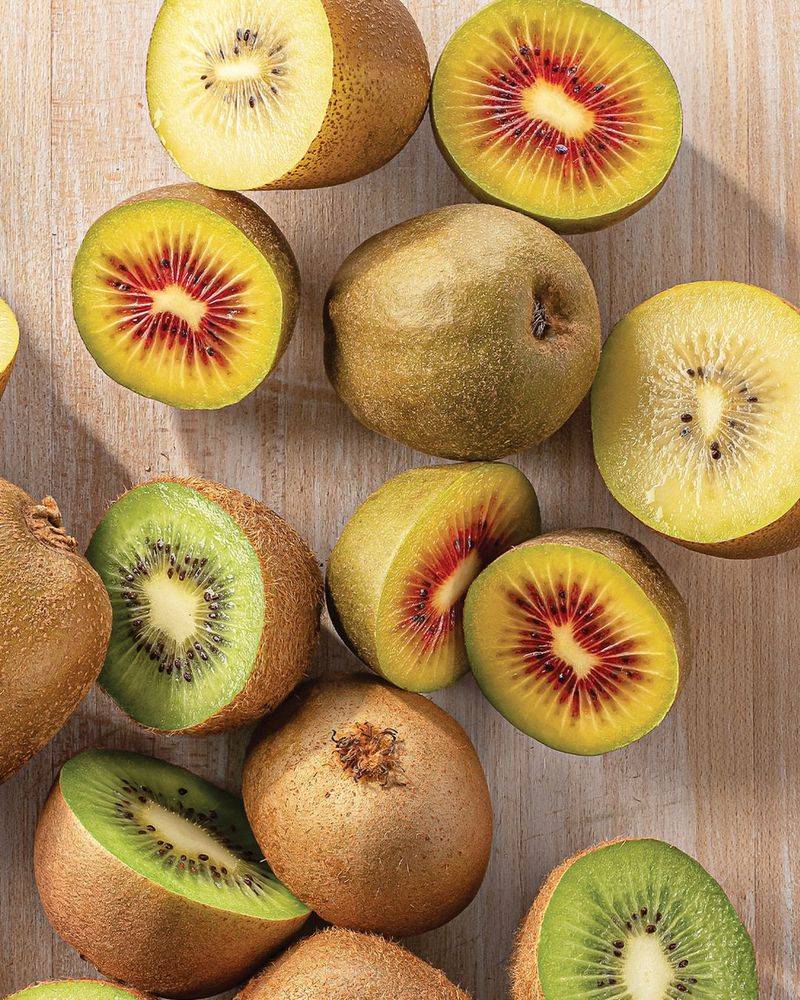
Do not let the small size fool you. One kiwi contains more vitamin C than an orange, making it one of the most vitamin C-dense fruits available.
Kiwis also contain actinidin, an enzyme that helps break down proteins and ease digestion. They are a favourite bedtime snack in some studies because they may improve sleep quality.
Slice them in half and scoop with a spoon, toss into a fruit salad, or blend into a green smoothie. The fuzzy brown skin is actually edible and fibre-rich.
18. Red Radish
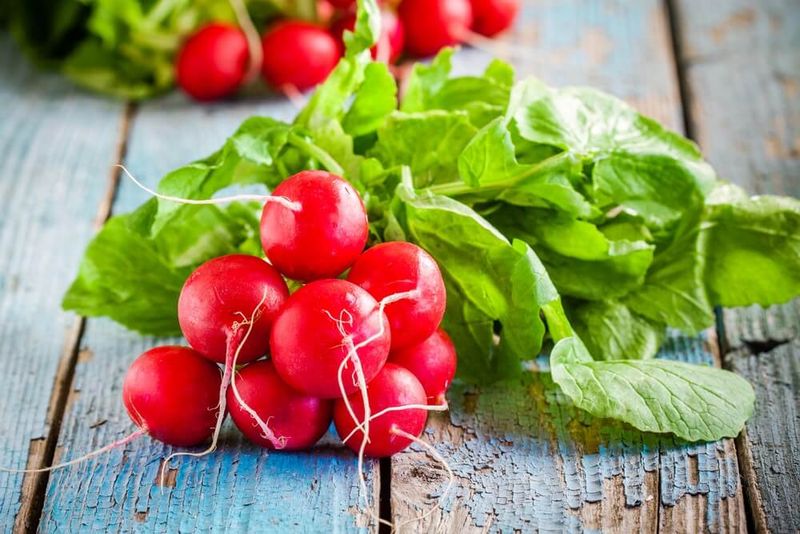
Radishes get overlooked far too often in the produce aisle. These little crimson globes are low in calories but surprisingly high in vitamin C and folate.
They also contain compounds called isothiocyanates that research suggests may have cancer-fighting properties. Their peppery crunch adds a lively kick to almost any dish.
Slice them thin onto tacos for a fresh bite, pickle them overnight in vinegar and sugar for a tangy topping, or roast them to mellow their sharpness into something almost sweet and buttery.
19. Yellow Corn
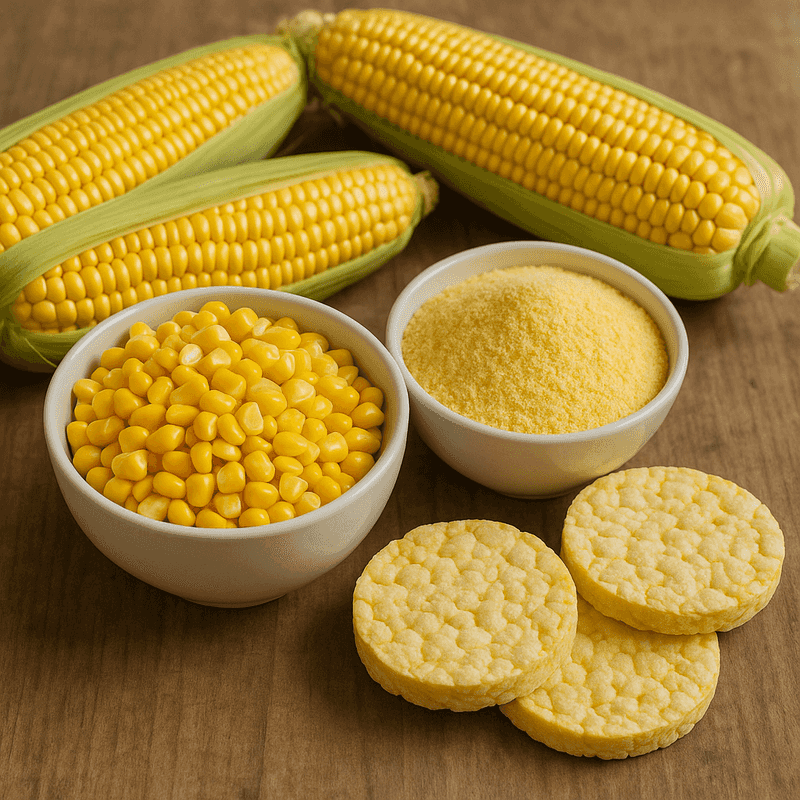
Sweet corn has a cheerful energy that matches its sunny yellow colour. It is a good source of fibre, B vitamins, and two powerful antioxidants called lutein and zeaxanthin, which are specifically linked to protecting your eyes from age-related damage.
Corn is also one of the world's most widely consumed grains.
Grill it on the cob with butter and lime, pop kernels into a colourful succotash, or blend corn into a creamy summer chowder. Fresh corn picked at peak season is noticeably sweeter than anything from a can.
20. Dragon Fruit
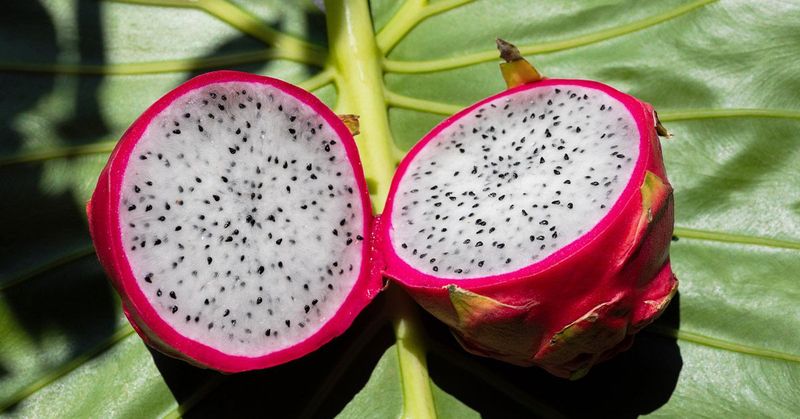
Dragon fruit looks like something from another planet, and its nutritional profile is just as impressive as its appearance. The hot pink skin and speckled white interior contain vitamin C, iron, magnesium, and prebiotic fibres that feed the good bacteria in your gut.
Its flavour is mild and slightly sweet, like a cross between a pear and a kiwi.
Cube it into a fruit bowl, blend it into a smoothie for a stunning pink colour, or freeze it and blend into a sorbet. The pink-fleshed variety contains even more antioxidants.
21. Broccoli
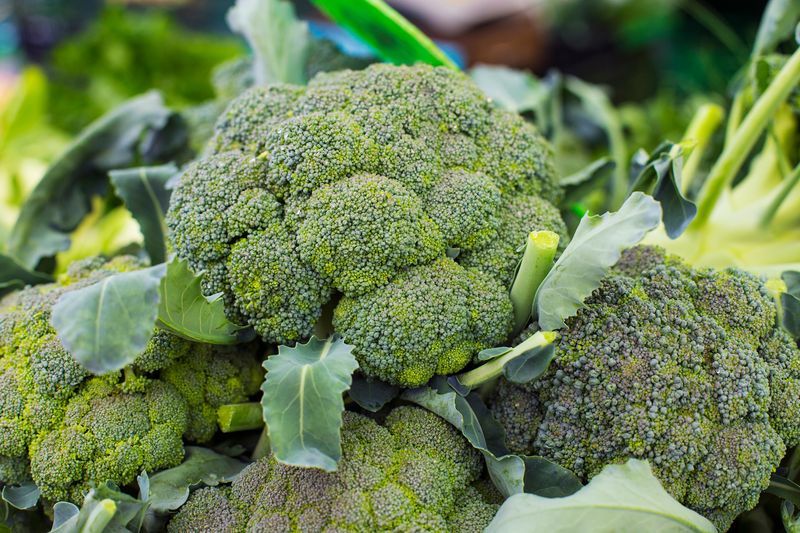
Broccoli has been called one of the most nutrient-dense vegetables on Earth, and the numbers back that up. A single cup of cooked broccoli delivers over 100 percent of your daily vitamin K and vitamin C needs.
It also contains sulforaphane, a compound that researchers are actively studying for its potential role in reducing cancer risk.
Steam it lightly to preserve nutrients, roast it at high heat until the edges get crispy and almost nutty, or stir-fry it with sesame oil and soy sauce. Overcooking broccoli destroys many of its beneficial compounds.
22. Passion Fruit
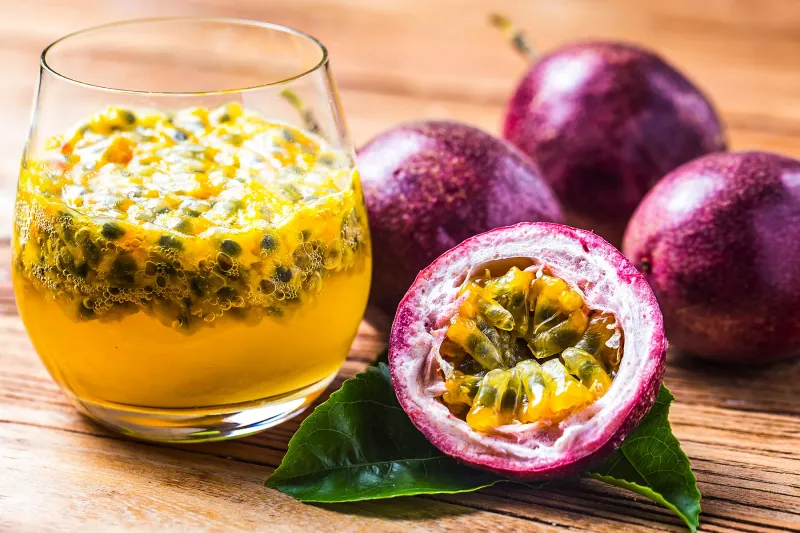
Wrinkled on the outside but extraordinarily vibrant within, passion fruit is one of those produce picks that rewards the curious eater. The golden, seedy pulp inside a ripe passion fruit is intensely fragrant and tart, loaded with vitamin C, vitamin A, iron, and potassium.
Its high fibre content also helps keep digestion running smoothly.
Spoon the pulp straight from the shell, swirl it through yogurt or cheesecake batter, or strain it into a tropical cocktail or mocktail. A wrinklier skin actually signals a riper, sweeter fruit.




Comments
No Comments