













Cooking dinner every night can feel like a lot of work, especially when you're tired and hungry. But what if a few simple tricks could save you time, reduce the mess, and make your food taste even better?
People all over the internet have been sharing cooking hacks that actually work, and we rounded up the best ones. Get ready to change the way you cook forever.
1. Use a Wooden Spoon to Stop Pasta Water from Boiling Over
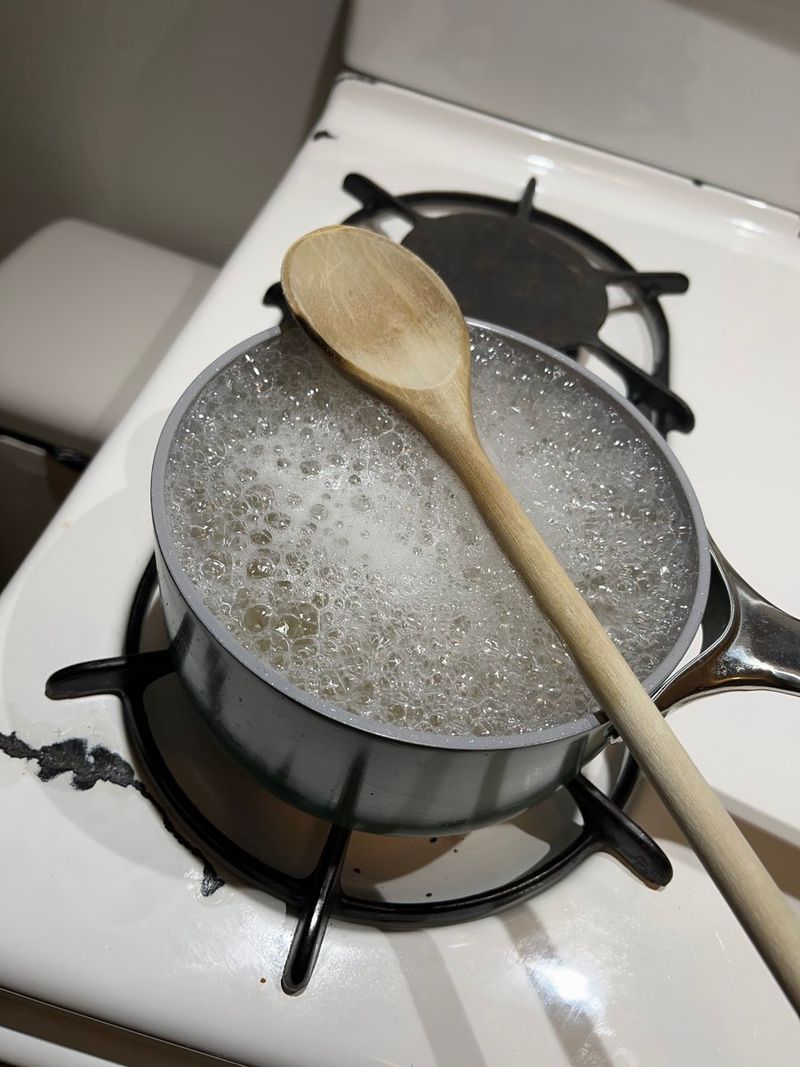
Nobody likes cleaning up a stove covered in starchy, boiling water. Here is a trick that sounds too simple to be real: lay a wooden spoon across the top of your pot.
The spoon breaks the surface tension of the bubbles before they spill over.
It works because wood does not conduct heat the way metal does. This one small move saves you from a messy cleanup every single time.
2. Freeze Fresh Herbs in Olive Oil Using an Ice Cube Tray
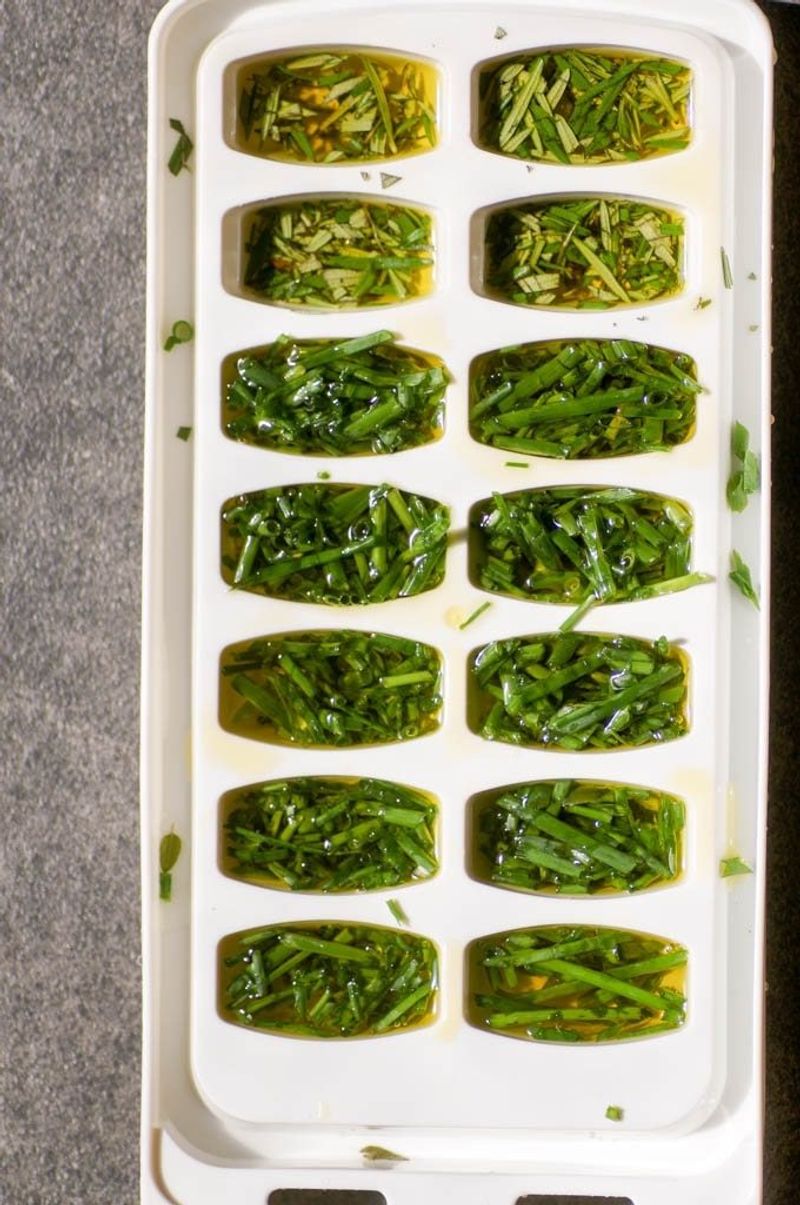
Fresh herbs add amazing flavor to food, but they go bad so fast. Chopping them up and freezing them in olive oil inside an ice cube tray is a total game-changer.
You pop out a cube whenever you need it, and it goes straight into the pan.
No more throwing away wilted herbs or buying new ones every week. This hack saves money and makes weeknight cooking feel almost effortless.
3. Peel Garlic Instantly by Shaking It in a Jar
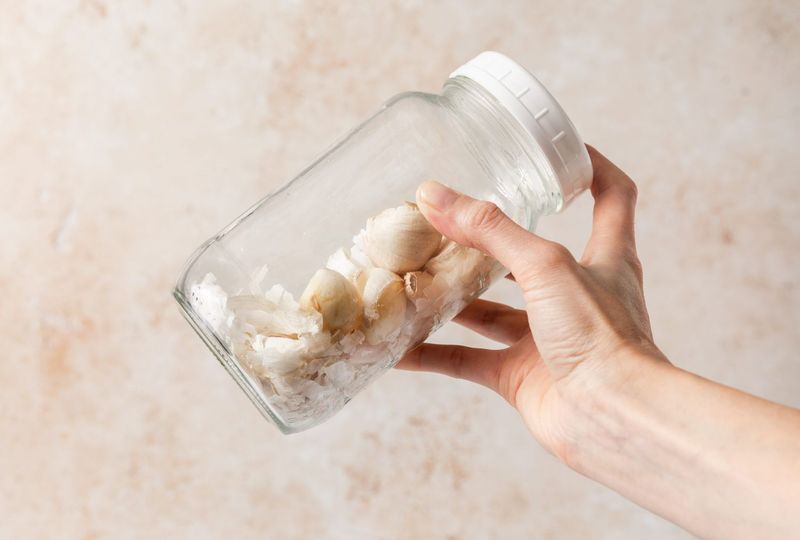
Peeling garlic one clove at a time is one of the most annoying kitchen tasks known to home cooks. Try this instead: put your garlic cloves between two bowls or inside a jar, seal it up, and shake it hard for about ten seconds.
The skins fall right off.
Chefs and food bloggers have gone wild over this trick online. It genuinely works, and your fingers will thank you for skipping the peeling struggle.
4. Microwave Lemons Before Juicing to Get Way More Juice
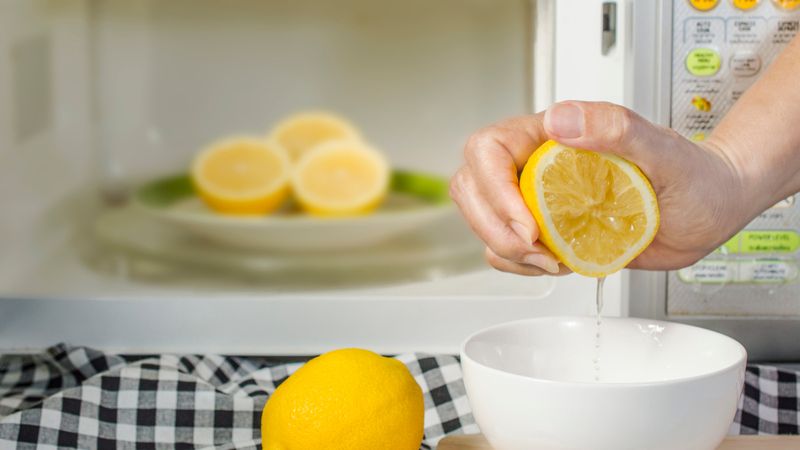
Rolling a lemon on the counter before cutting it is old news. Microwaving it for about 15 to 20 seconds before you squeeze it takes things to a whole new level.
The heat loosens the juice inside and breaks down the membranes a little.
You end up getting nearly twice as much juice from the same lemon. For recipes that call for fresh citrus, this small step makes a noticeable difference in flavor and yield.
5. Cook Rice with Less Starch by Rinsing It First
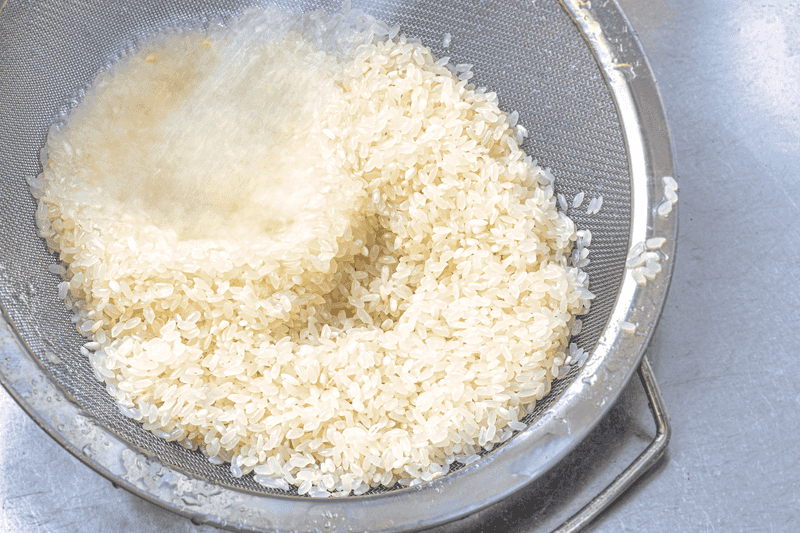
Fluffy, separated rice grains are the goal, but mushy clumps are what many people end up with. Rinsing your rice under cold water before cooking washes away extra surface starch, which is the main culprit behind sticky, gummy texture.
Just put the rice in a strainer and run water over it until the water runs mostly clear. It only takes a minute, and the results are noticeably better every single time you cook it.
6. Use a Potato Masher to Brown Ground Meat Faster
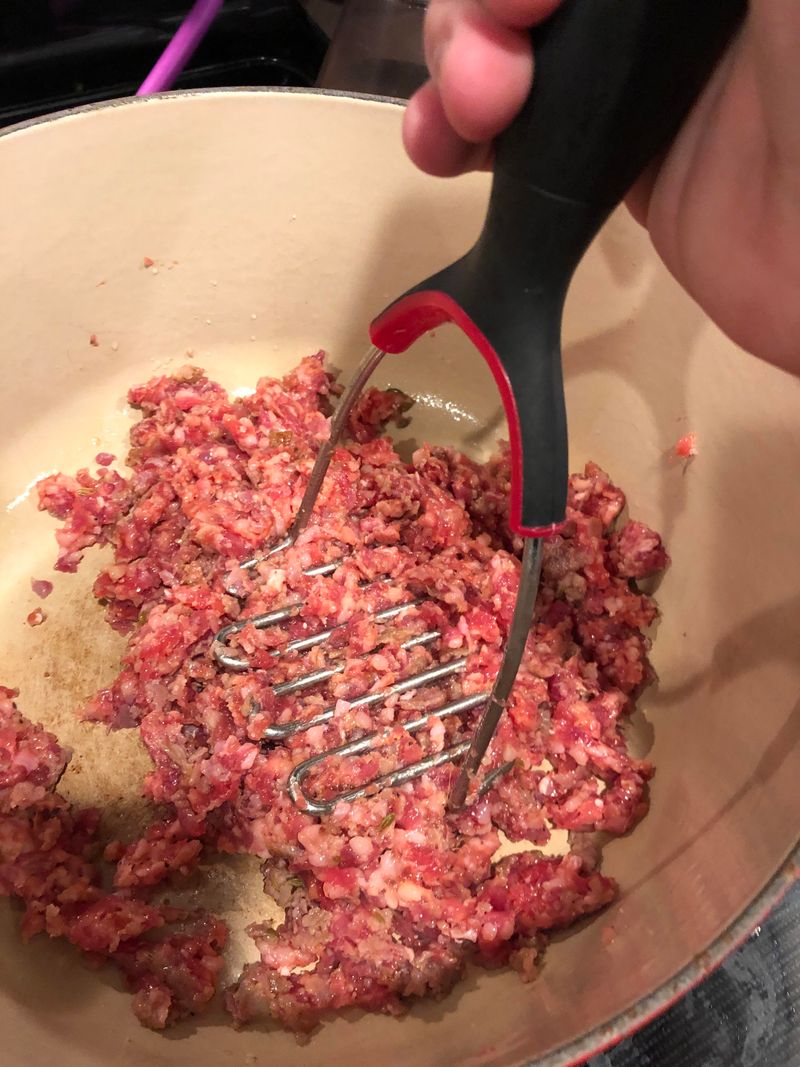
Ground beef that cooks in big, uneven chunks is not ideal for tacos, pasta sauce, or any dish that needs fine, crumbly meat. A potato masher pressed down into the pan breaks the meat apart into tiny, even pieces super quickly.
You get perfectly browned, crumbled meat in a fraction of the time it would take using a spatula alone. It is one of those hacks that makes you wonder why you ever did it the old way.
7. Grate Frozen Butter for Flakier Biscuits and Pie Crusts
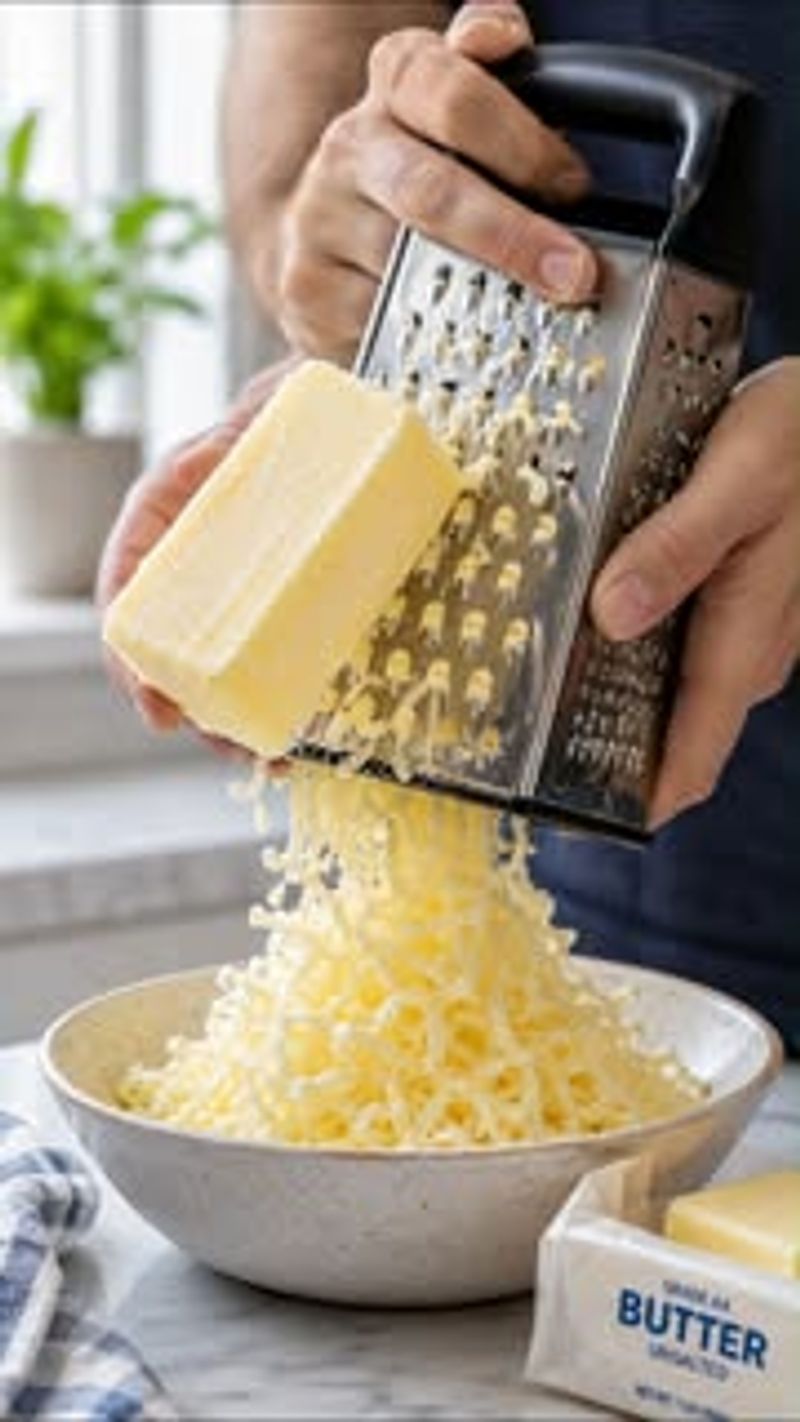
Pastry recipes always say to use cold butter, but grating it from frozen takes that advice to another level entirely. When you grate frozen butter directly into your flour mixture, you get tiny, even shreds that distribute perfectly without warming up from your hands.
The result is an incredibly flaky, layered texture in biscuits, scones, and pie crusts. Bakers who tried this for the first time say they will never go back to cutting butter in by hand.
8. Put a Damp Paper Towel Under Your Cutting Board to Stop It from Sliding
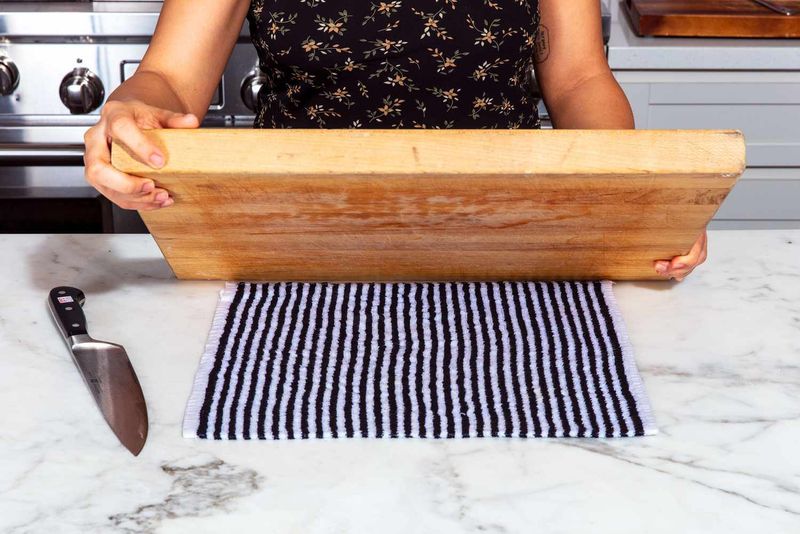
A cutting board that slides around while you are chopping is not just annoying, it is genuinely dangerous. Placing a damp paper towel flat on the counter before setting your board down creates enough friction to keep it perfectly still.
No special equipment needed, and it takes about two seconds to set up. Once you start doing this, you will notice how much more confident and controlled your chopping becomes during meal prep.
9. Save Pasta Water to Make Sauces Silky and Rich
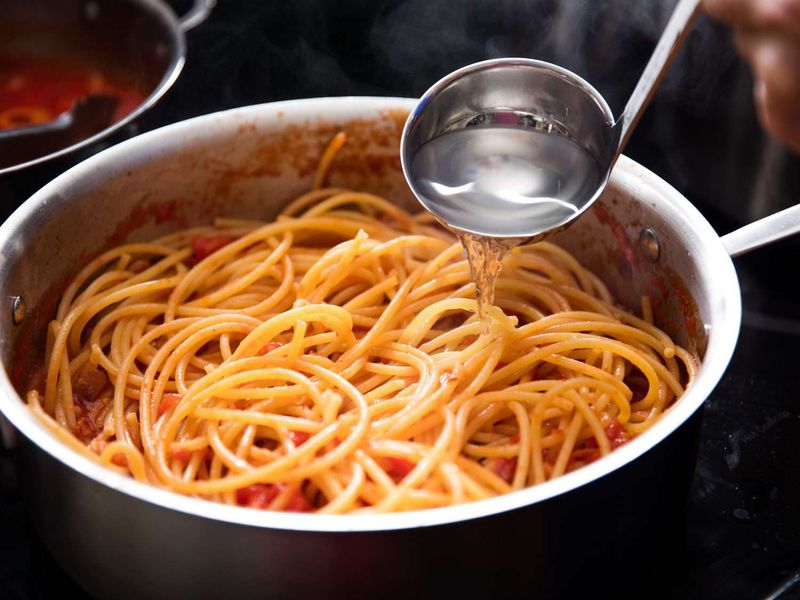
Before you drain your pasta, scoop out a cup of that cloudy cooking water and set it aside. That starchy water is basically liquid gold for pasta sauces.
Stirring a splash into your sauce helps it cling to every strand of noodle instead of pooling at the bottom.
Italian cooks have known this trick for generations. The starch acts as a natural thickener and emulsifier, giving your homemade pasta dishes that restaurant-quality silkiness everyone loves.
10. Slice Cherry Tomatoes in Seconds with Two Lids
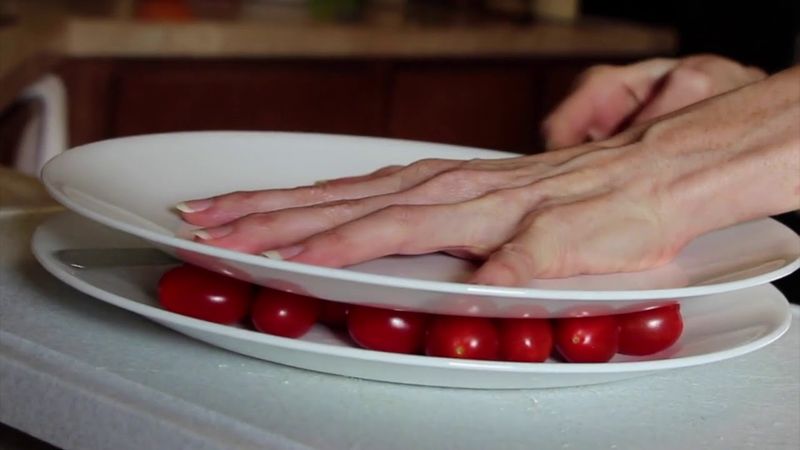
Cutting cherry tomatoes one at a time is slow and kind of maddening. Place a bunch of them between two flat plastic lids or plates, press down gently with one hand to keep them steady, and slice through the whole batch in one single cut.
You can halve a dozen tomatoes in under five seconds using this method. Food prep videos showing this trick have racked up millions of views online, and for very good reason.
11. Use a Spoon Instead of a Peeler to Peel Ginger
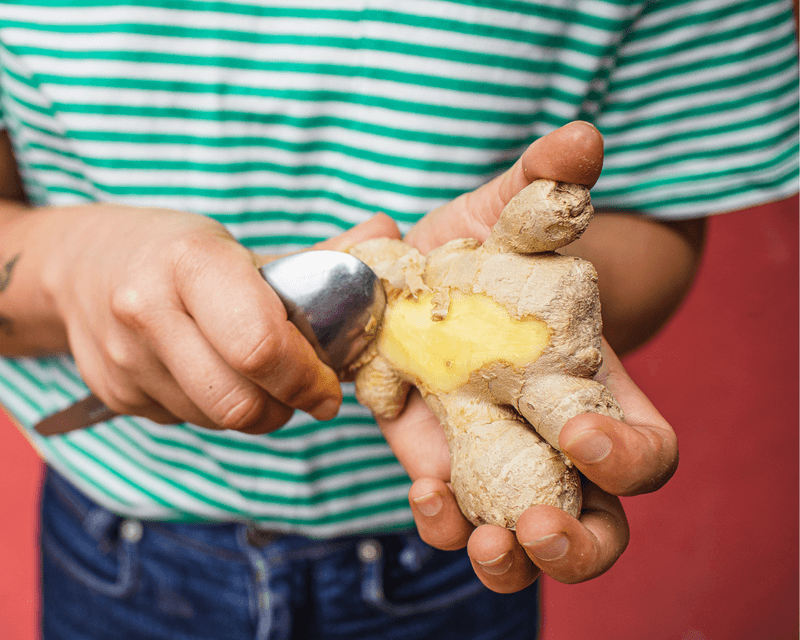
Ginger has all those bumpy edges and weird curves that make a vegetable peeler completely useless. Grab a regular spoon instead and scrape the skin off with the edge.
It follows the shape of the root perfectly and wastes almost none of the actual ginger.
This trick is especially handy when you are working with small, knobby pieces. Professional chefs have used this method for years, and now home cooks everywhere are catching on to how smart it really is.
12. Line Your Baking Sheet with Foil for Zero Cleanup
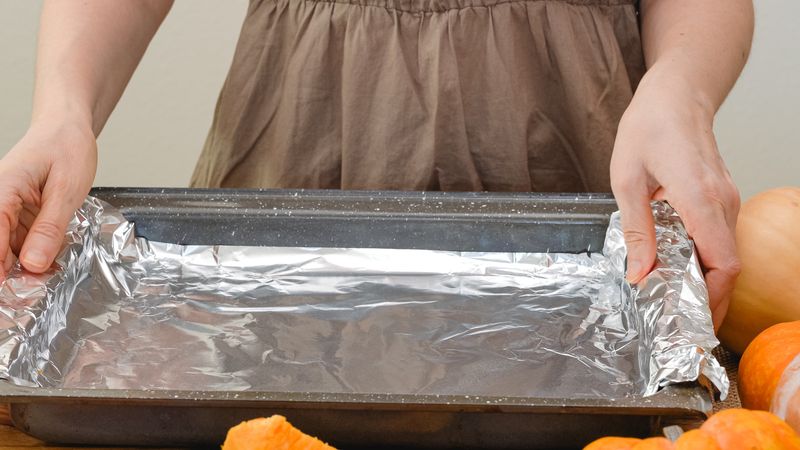
Scrubbing a baked-on, greasy baking sheet is one of those kitchen chores that nobody wants to deal with after a long day of cooking. Lining your pan with aluminum foil before roasting means you just lift and toss the foil when dinner is done.
Your pan stays practically spotless underneath. For sheet pan dinners, which have become massively popular lately, this trick makes the whole concept even more appealing because cleanup becomes almost nonexistent.
13. Crack Eggs on a Flat Surface Instead of the Bowl Edge

Cracking an egg on the edge of a bowl pushes shell fragments inward into your food, which is the opposite of what you want. Tapping the egg firmly on a flat, hard surface instead creates a clean, controlled crack with fewer broken shell pieces.
From there, open the egg over your bowl with both thumbs. This method is taught in culinary schools and cuts down on the annoying shell-fishing experience that ruins otherwise smooth cooking moments.
14. Warm Up Plates in the Oven Before Serving Dinner
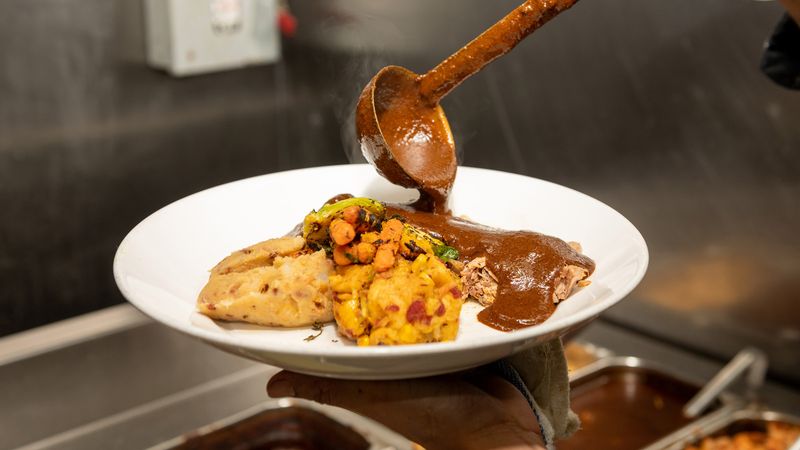
Hot food served on cold plates cools down way faster than it should. Popping your plates into the oven at around 170 degrees Fahrenheit for a few minutes before plating your meal keeps everything warm longer at the table.
Restaurants do this every single service, and it makes a real difference in how the meal feels. Your pasta stays steaming, your steak keeps its temperature, and everyone gets to enjoy a properly warm dinner from first bite to last.
15. Store Leafy Greens with a Paper Towel to Make Them Last Longer
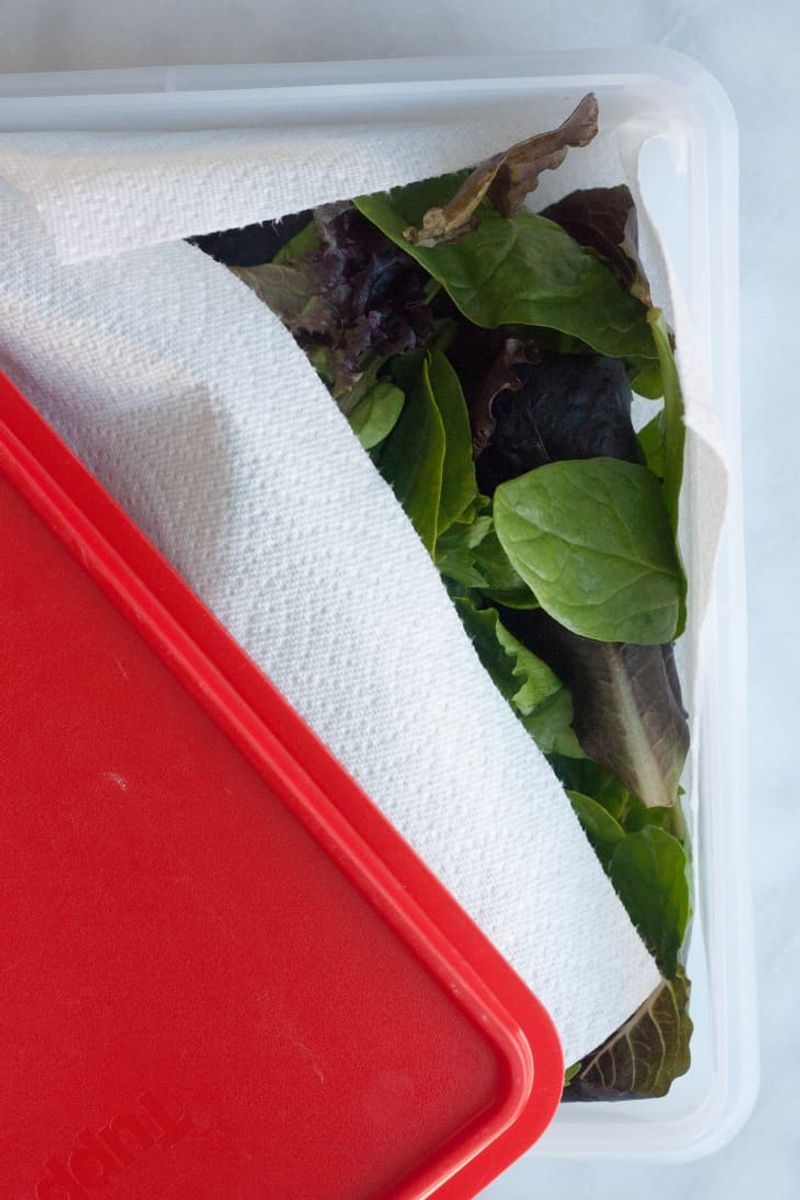
Salad greens turn slimy and wilted so fast it feels like a waste of money every single week. Tucking a dry paper towel into the bag or container with your greens absorbs the extra moisture that causes them to break down quickly.
Swap the towel out every couple of days and your lettuce, spinach, or arugula can stay crisp and fresh for up to two weeks. It is a ridiculously easy habit that saves both food and money.




Comments
No Comments