













Washing your ingredients before cooking might seem like a small step, but it can make a big difference in both safety and flavor. Dirt, bacteria, pesticides, and other residues can hide on the surface of many foods we eat every day.
Taking a few extra seconds to rinse things properly helps protect your family and makes your meals taste better. Here are 15 ingredients you should always rinse before they hit the pan.
1. Rice
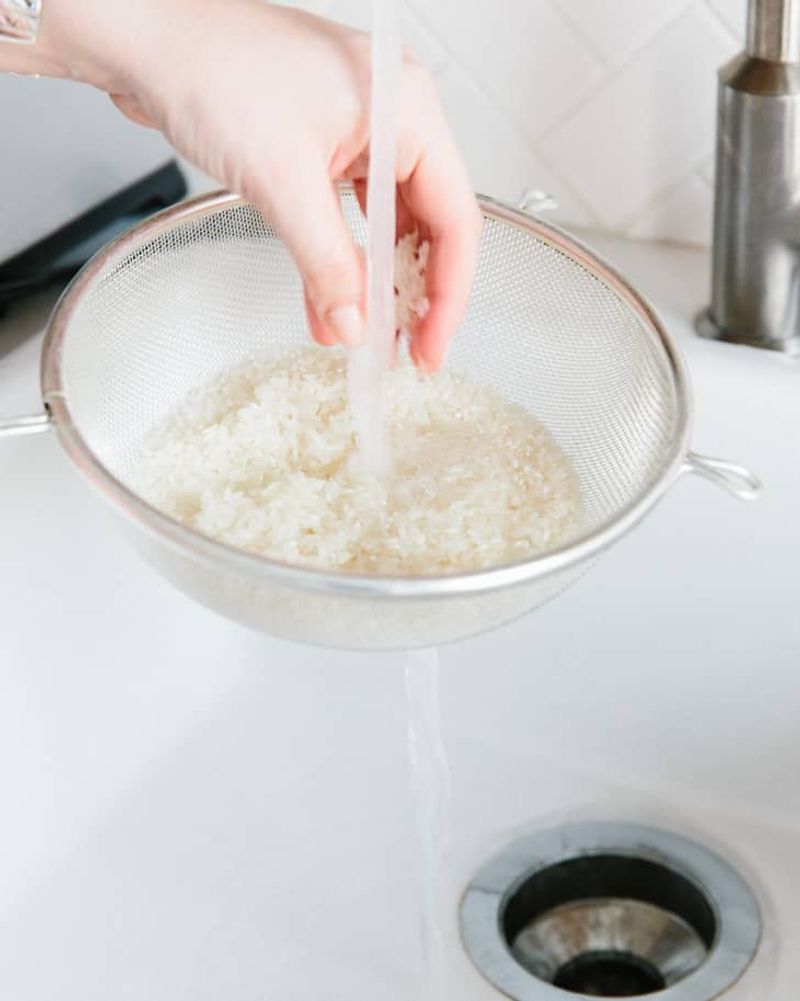
Ever wonder why your rice turns out sticky and clumpy? That excess starch on the surface is usually the culprit.
Rinsing rice under cold water until the water runs clear removes that starchy coating and helps each grain cook up fluffy and separate.
It also washes away any dust or small debris that may have collected during processing or packaging. Give it two to three good rinses for the best results.
2. Fresh Vegetables
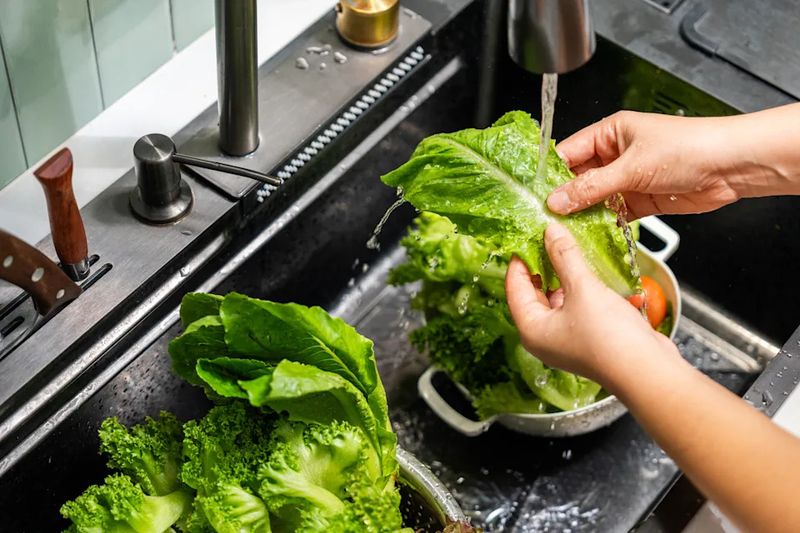
Straight from the garden or the grocery store, vegetables carry more than just vitamins. Soil, pesticide residue, and tiny insects can cling to the surface of even the freshest-looking produce.
Running them under cool water and gently scrubbing with a brush helps remove what you cannot see.
Leafy greens especially need a thorough rinse since their folds trap dirt easily. Make rinsing a habit before every meal prep session.
3. Chicken

For years, rinsing raw chicken was standard kitchen advice. Food safety experts now recommend skipping the rinse for chicken specifically, because water splashing off raw poultry can spread bacteria like Salmonella to nearby surfaces.
Proper cooking temperatures kill those germs far more effectively than water ever could.
Instead, pat the chicken dry with paper towels before seasoning. Keeping your sink area clean after handling raw poultry is still absolutely essential for safe cooking.
4. Canned Beans
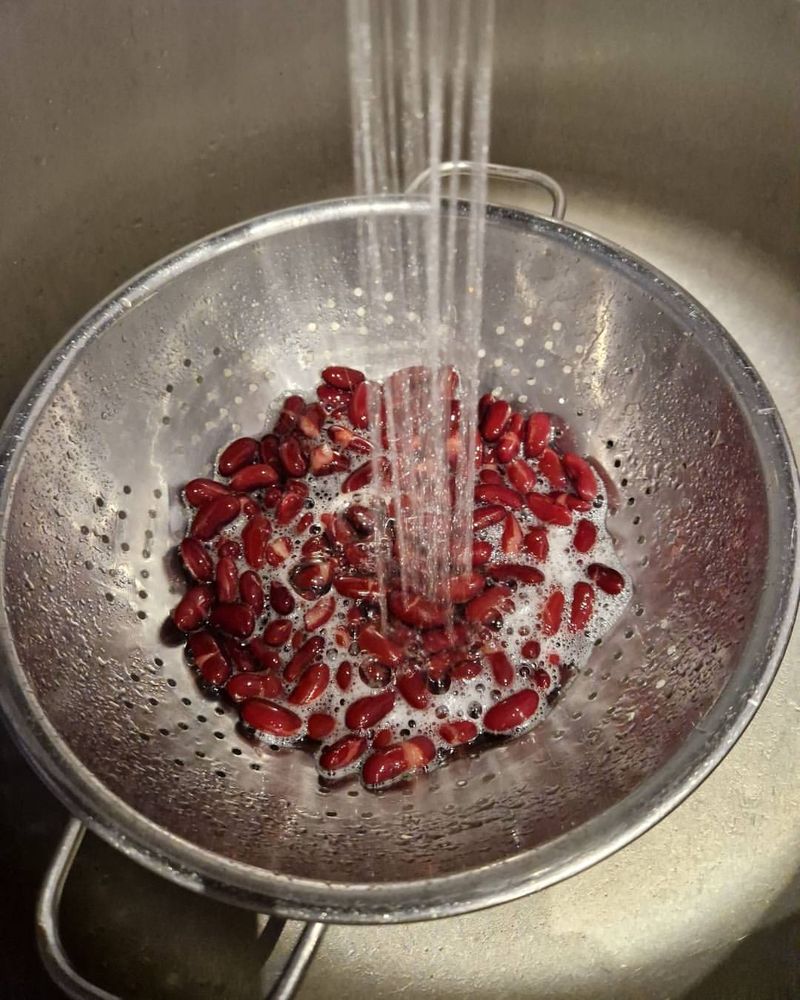
Canned beans are a weeknight dinner hero, but that thick liquid they come packed in? Not so great for your meals.
The brine in canned beans is high in sodium and can give your dish a metallic, tinny flavor if used straight from the can.
Rinsing them thoroughly under cold water reduces the sodium content by up to 40 percent and improves the overall taste. It takes only about 30 seconds and makes a noticeable difference in your cooking.
5. Quinoa
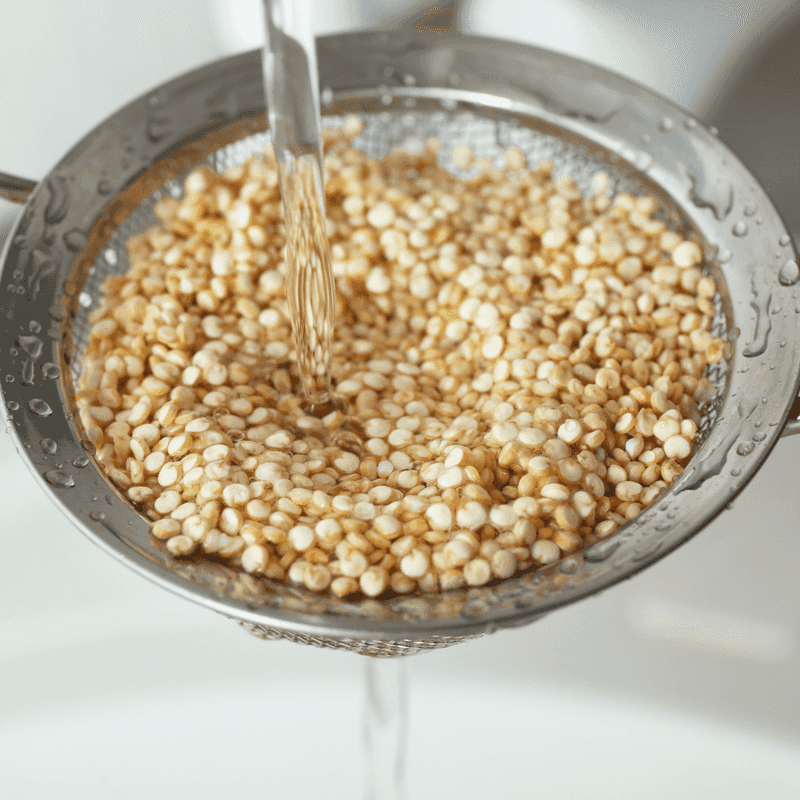
Quinoa has a natural coating called saponin, and if you skip rinsing, your dish will taste bitter and soapy no matter how well you season it. Most packaged quinoa is pre-rinsed, but giving it an extra wash never hurts.
Use a fine mesh sieve since quinoa seeds are tiny and will slip through a regular colander. Rinse for about a minute under cold water, rubbing the grains gently with your fingers to remove any remaining coating.
6. Fresh Herbs
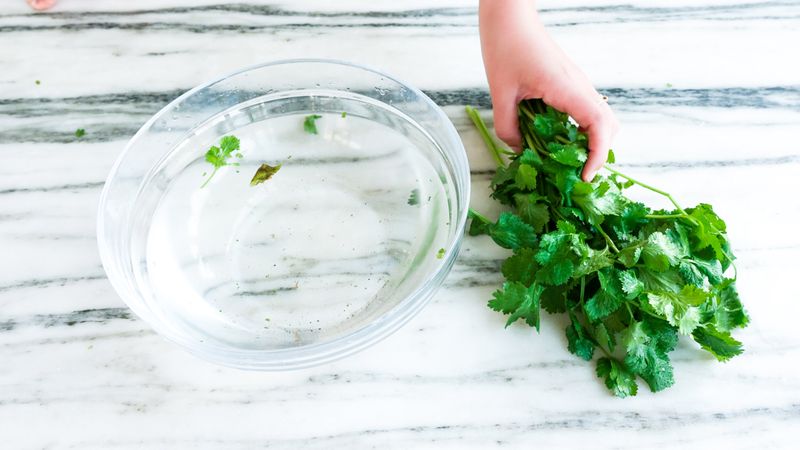
Fresh herbs like cilantro, parsley, and basil look clean but can harbor sand, small insects, and pesticide traces between their delicate leaves. A quick rinse in cold water wakes them up and makes them taste brighter, too.
Fill a bowl with cold water, submerge the herbs, and swish them around gently. Lift them out and let them dry on a clean towel or use a salad spinner.
This method is gentler than holding them directly under a forceful stream.
7. Lentils
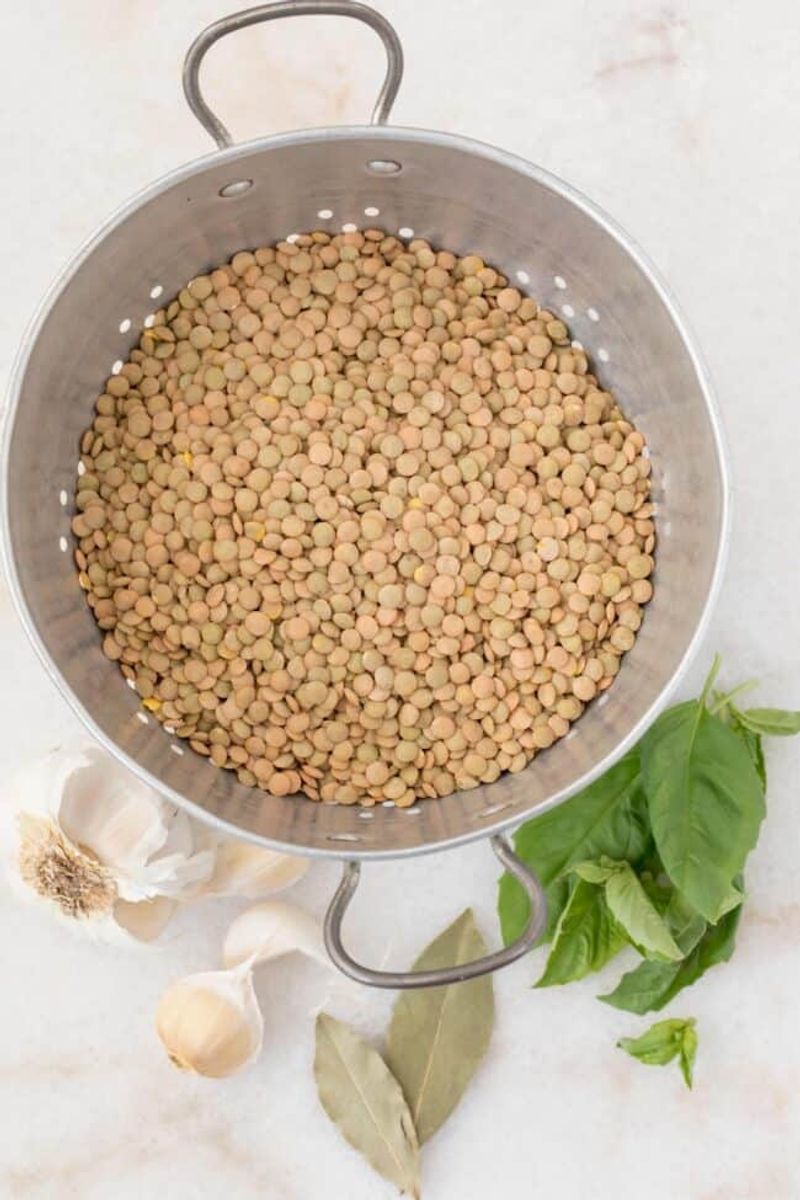
Lentils cook fast, which makes them a go-to for busy cooks, but they need a good rinse before hitting the pot. Dried lentils often contain small stones, dust, and plant debris from the harvesting process.
Skipping this step means you could be biting into grit mid-meal.
Spread them out first to pick out any visible debris, then rinse under cold water in a colander. This quick step also helps remove any natural surface compounds that can cause digestive discomfort.
8. Strawberries
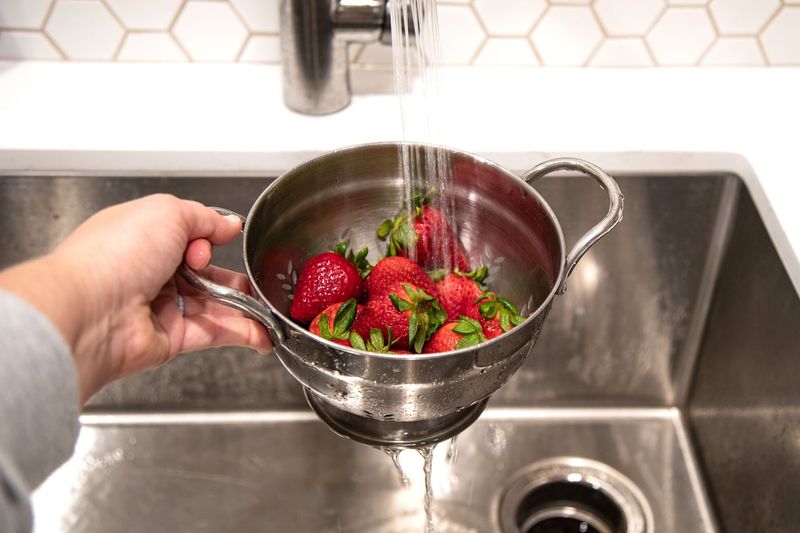
Strawberries consistently rank among the most pesticide-heavy fruits on the market. Their soft, textured skin makes it easy for residues to cling on and sink into tiny crevices.
A thorough rinse under cool running water right before eating or cooking helps reduce that exposure significantly.
Do not soak strawberries in water ahead of time, though. Soaking makes them absorb water and turn mushy fast.
Rinse them just before use and keep the tops on until after washing to preserve freshness.
9. Potatoes
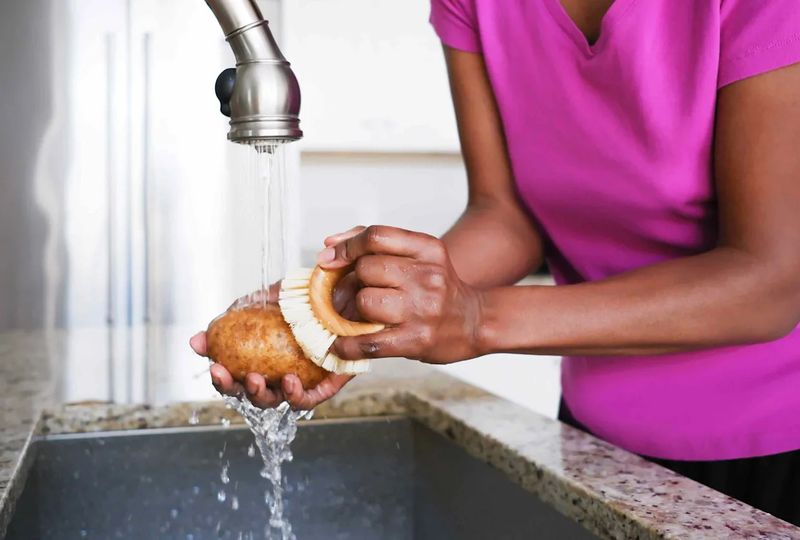
Potatoes grow underground, so they arrive covered in actual dirt. Even if you plan to peel them, rinsing and scrubbing first is smart.
When you drag a peeler across an unwashed potato, you push surface bacteria and dirt into the flesh you are about to eat.
Use a firm vegetable brush and scrub under running water to clean every crevice. For recipes where you keep the skin on, like roasted potatoes, this step becomes even more important for both taste and safety.
10. Grapes
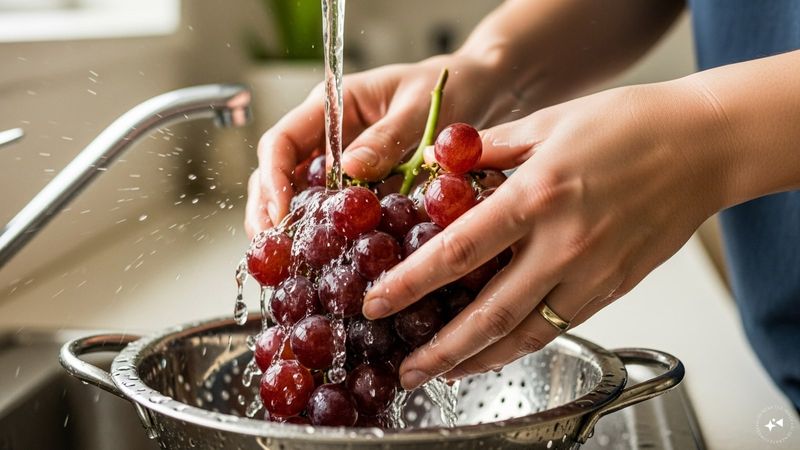
Grapes look shiny and ready to eat right off the bunch, but that glossy surface can carry pesticide residue, yeast, and bacteria from handling. Studies have found that grapes are one of the most pesticide-laden fruits available in supermarkets.
Rinse them under cold running water for at least 30 seconds while gently rubbing the surface. For an extra clean, soak them briefly in a mix of water and a small splash of white vinegar, then rinse again.
Dry before serving.
11. Leafy Greens
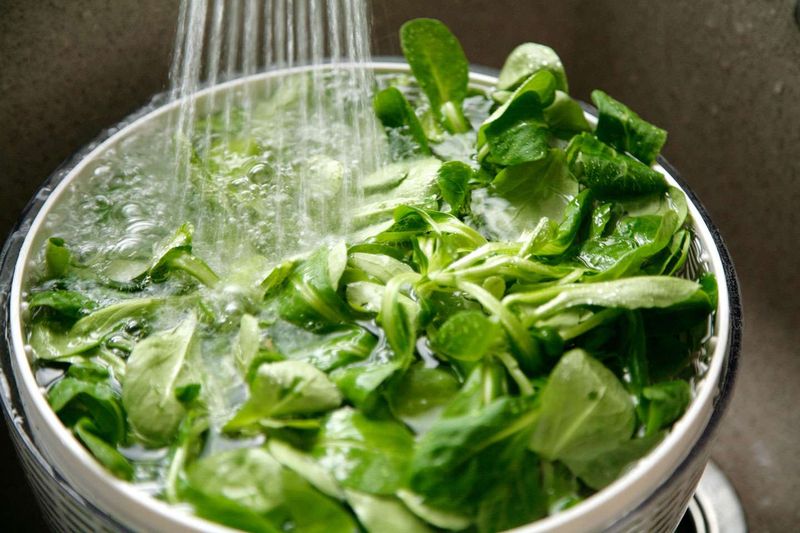
Spinach, kale, romaine, and other leafy greens are notorious for hiding grit and soil between their folds and stems. Even bags labeled pre-washed benefit from a second rinse at home.
Outbreaks of foodborne illness have been linked to leafy greens more than almost any other produce.
Submerge the leaves in a large bowl of cold water and swish them around. Lift them out and repeat with fresh water until no grit remains at the bottom of the bowl.
12. Mushrooms
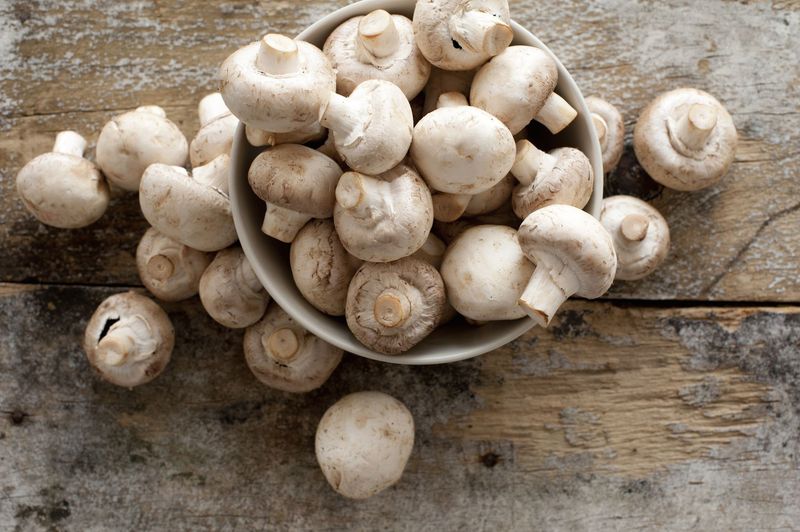
Mushrooms and water have a complicated relationship. These spongy fungi absorb moisture quickly, which can make them soggy and hard to brown properly if soaked.
Still, a quick rinse is better than eating the dirt and growing medium they are cultivated in.
The trick is to rinse them briefly under a gentle stream of water and dry them immediately with a clean paper towel. Never soak mushrooms.
Cook them right after rinsing for the best texture and flavor.
13. Dried Pasta
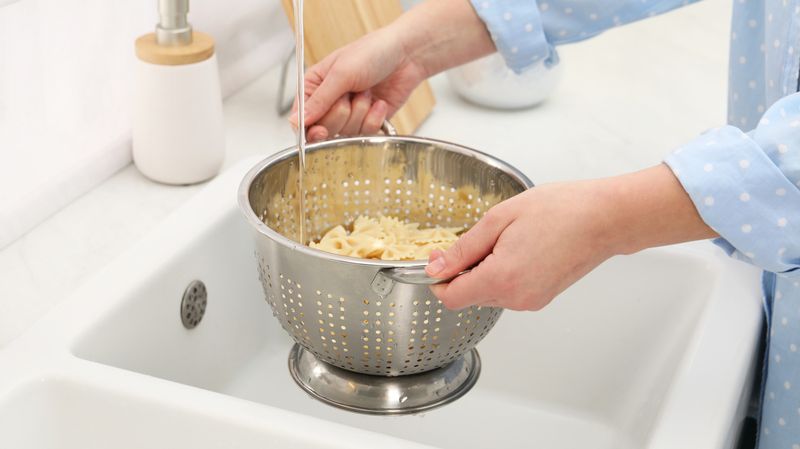
Rinsing dried pasta is actually a step that depends entirely on what you plan to do with it. Right after cooking, rinsing stops the cooking process quickly and is helpful when making cold pasta salads.
However, for hot dishes with sauce, skip the rinse entirely.
That starchy surface left on cooked pasta is what helps sauce cling to every strand. Rinsing it away creates a slippery noodle that refuses to hold onto flavor.
Know when to rinse and when to hold back.
14. Seafood and Shellfish
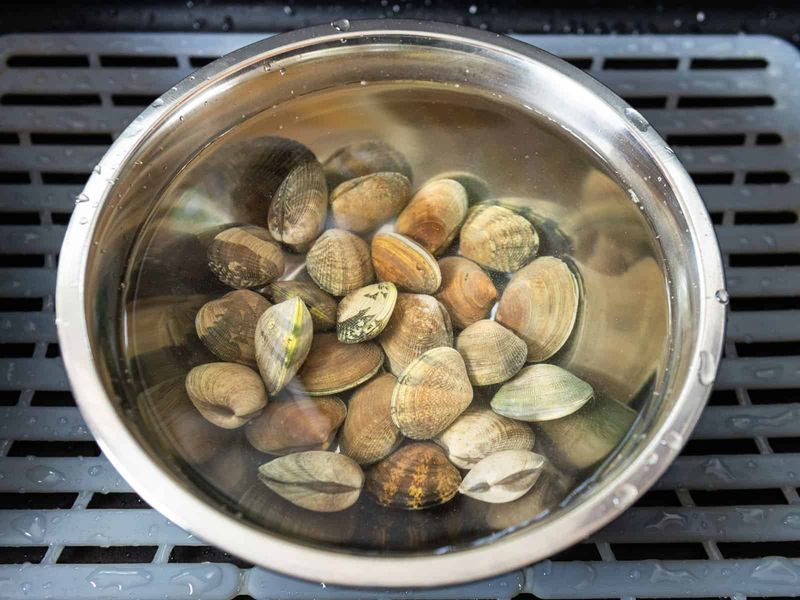
Clams, mussels, and other shellfish live in sandy ocean environments, which means they bring a little of that environment home with you. Sand inside a shellfish dish is a fast way to ruin an otherwise impressive meal.
Rinsing and scrubbing under cold water removes grit from the shells.
For clams especially, soaking in salted cold water for 20 minutes helps them purge internal sand naturally. Scrub each shell with a stiff brush and discard any that are already open and do not close when tapped.
15. Apples
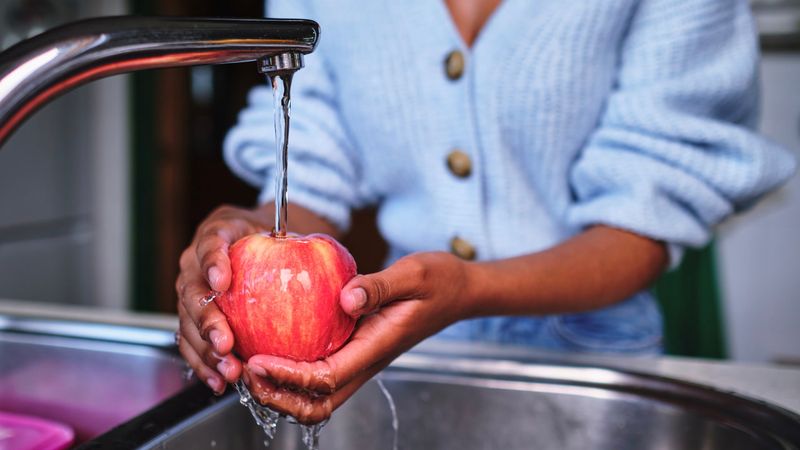
Apples often come coated in a thin layer of food-grade wax applied after harvest to keep them looking fresh longer in stores. While the wax itself is considered safe, it can trap pesticide residue and bacteria underneath.
A quick rinse alone is not always enough to remove it.
Rubbing the apple firmly under running water with your hands or a soft brush breaks through that coating more effectively. Some people use a diluted baking soda solution for an even deeper clean before eating or cooking.




Comments
No Comments