













Cooking at home is one of the most useful skills you can learn, and it doesn't have to feel overwhelming. Whether you're making your first scrambled eggs or trying a simple pasta dish, knowing a few key basics can make all the difference.
Starting with the right foundation helps you build confidence, save money, and enjoy the process. These 22 kitchen basics will set you up for success before you ever open a fancy cookbook.
1. How to Hold a Knife Properly
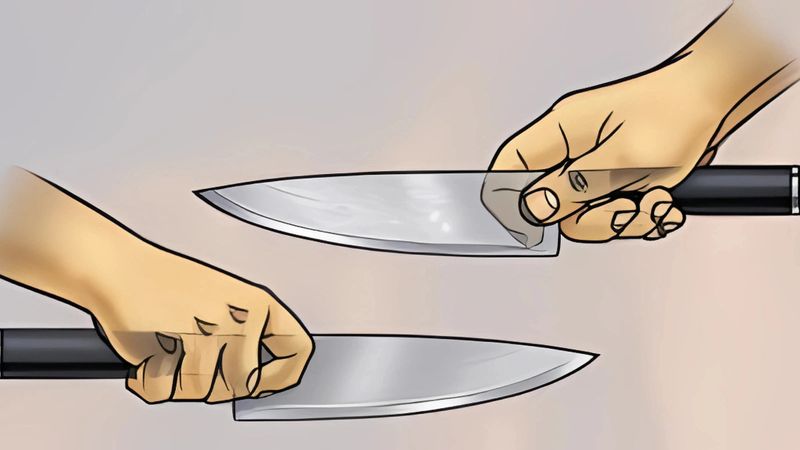
Most beginner cooks overlook this one, but your grip on a knife changes everything. Holding the blade between your thumb and index finger — called the pinch grip — gives you more control and helps prevent slipping.
Your other fingers should curl under, keeping your knuckles forward as a guide.
Practice this slowly before cutting anything fast. It feels awkward at first, but after a few tries, it becomes second nature and makes chopping much safer.
2. Understanding Basic Knife Cuts
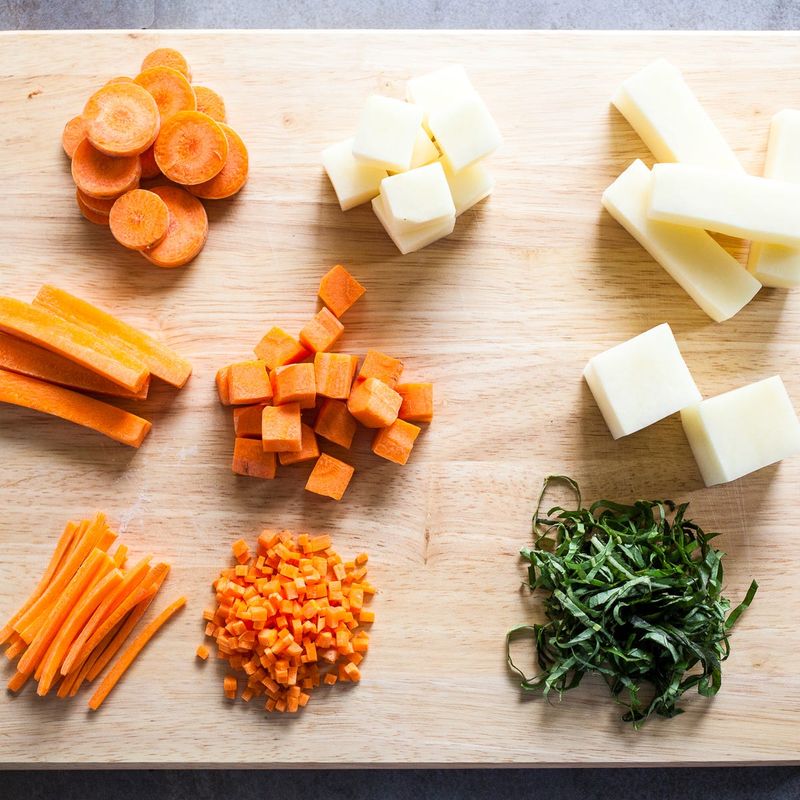
Knowing a few basic cuts makes cooking smoother and more fun. A dice means cutting food into small, even cubes.
A julienne cut gives you thin matchstick strips, great for stir-fries. A chiffonade is used for leafy herbs, creating delicate ribbons.
Even cuts matter because they cook at the same speed, so nothing ends up burnt while the rest is still raw. A little practice with these three will level up your cooking fast.
3. How to Measure Ingredients Accurately
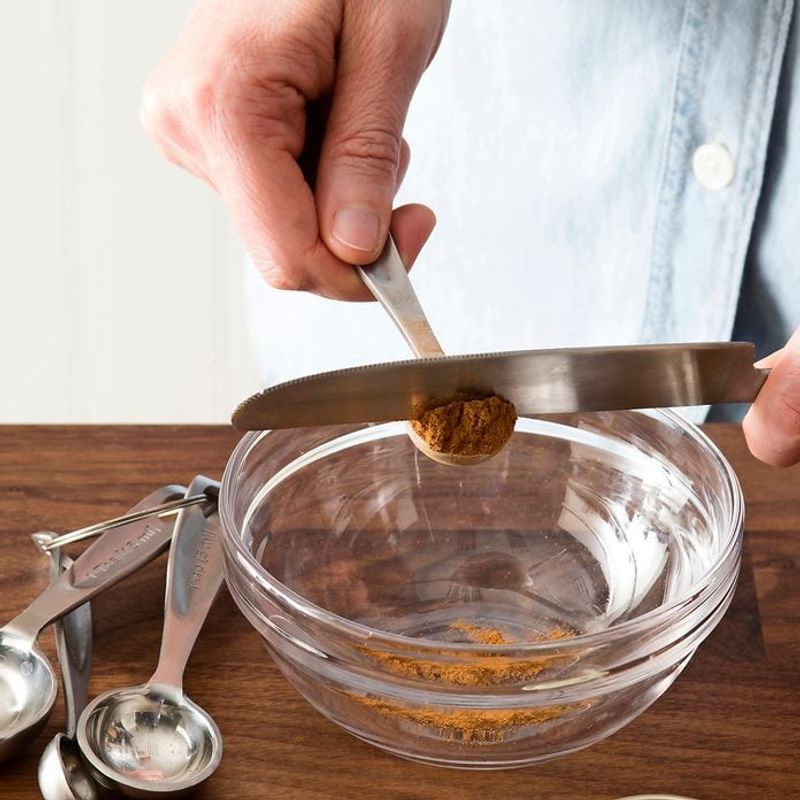
Baking especially punishes guesswork. Too much flour can make cookies dry and crumbly, while too little baking powder means your cake won't rise.
Using the right measuring cups and spoons — and leveling them off with a flat edge — keeps recipes consistent.
For liquids, always use a clear measuring cup and check at eye level. It sounds like a small thing, but accurate measurements are what separate a good dish from a great one.
4. Learning to Read a Recipe Before You Cook
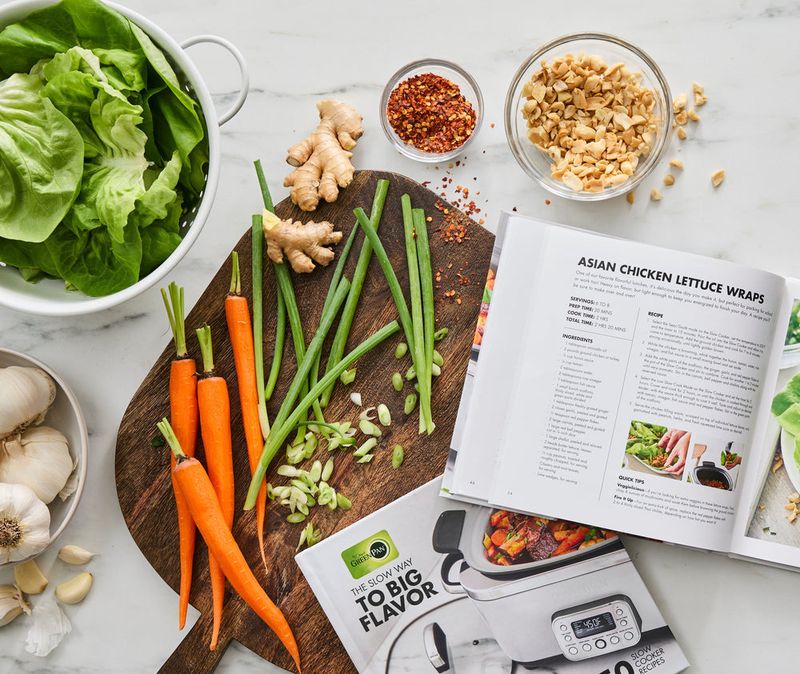
Reading a recipe all the way through before you start is one of the smartest habits you can build. It helps you spot steps that take extra time, ingredients you might be missing, and techniques you may need to look up first.
Cooking pros call this "mise en place" — French for having everything in its place. Getting familiar with the full recipe means no surprise moments halfway through, like realizing your butter needed to be softened an hour ago.
5. Mastering the Art of Boiling Water
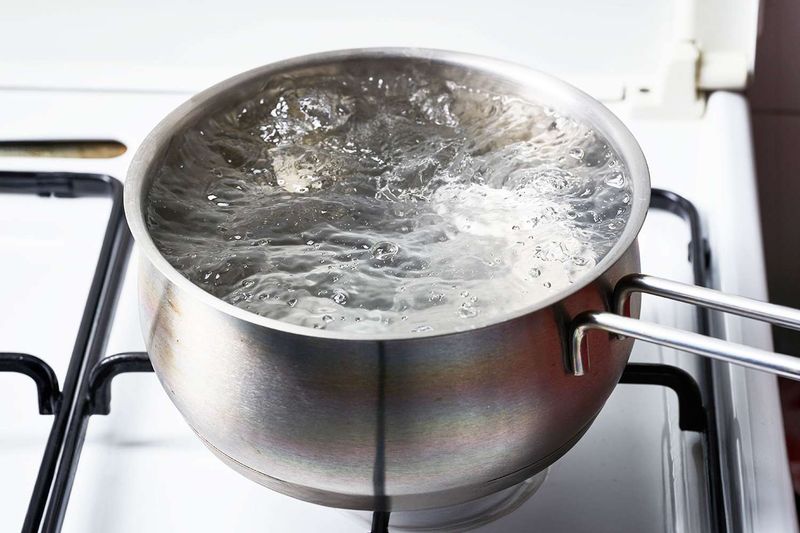
Boiling water sounds almost too simple to mention — but doing it right actually matters. A full rolling boil means large, vigorous bubbles breaking the surface nonstop.
That's the right temperature for cooking pasta or blanching vegetables.
Always add salt to pasta water after it boils, not before — salted water takes slightly longer to boil. Using a lid speeds things up and saves energy.
These small habits make a real difference in your final dish.
6. How to Sauté Vegetables the Right Way
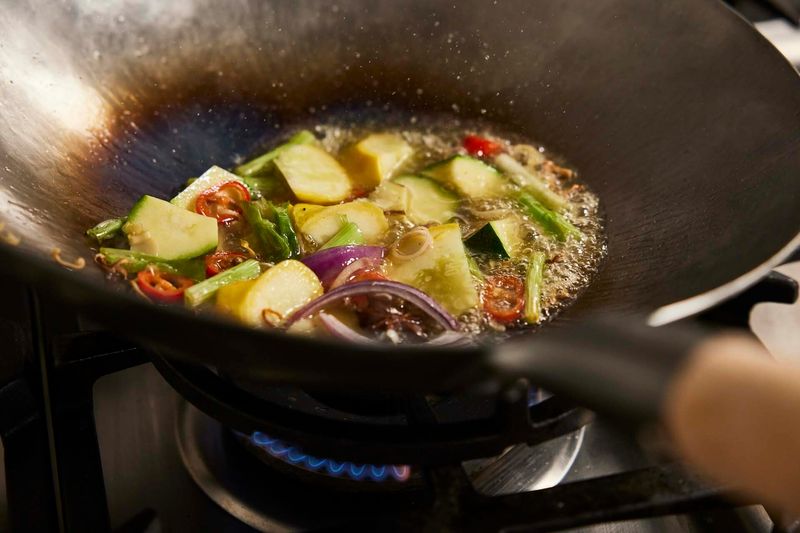
Sautéing is one of the most useful cooking methods you'll ever use. The word comes from the French word "sauter," meaning to jump — and that's exactly what food does in a hot pan.
High heat, a little oil, and constant movement create that golden, slightly crispy texture everyone loves.
Don't crowd the pan, or the vegetables will steam instead of brown. Give them space, keep the heat steady, and resist the urge to stir too often.
Patience here pays off deliciously.
7. The Basics of Seasoning with Salt and Pepper
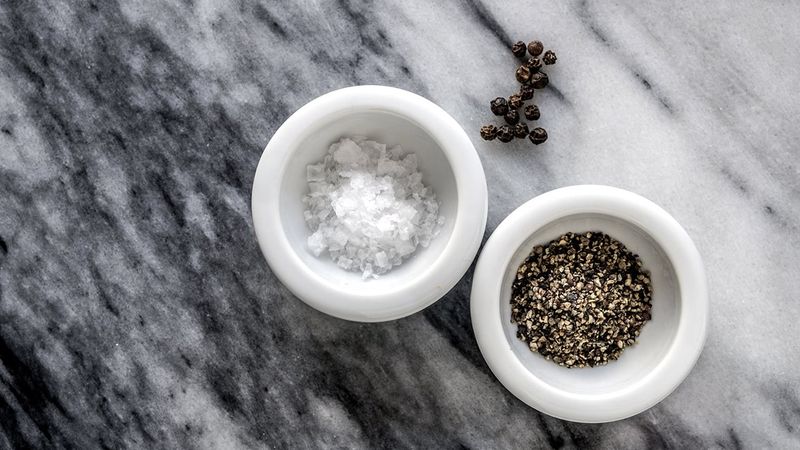
Salt doesn't just make food salty — it wakes up every other flavor in the dish. Adding it in layers as you cook, rather than all at once at the end, builds depth and complexity.
Black pepper adds a gentle heat that balances richness.
Taste as you go. That's the golden rule.
Your palate is the best tool in the kitchen. Learning when food needs more seasoning — versus more cooking — takes practice, but it's a skill that transforms average meals into memorable ones.
8. How to Crack and Cook an Egg
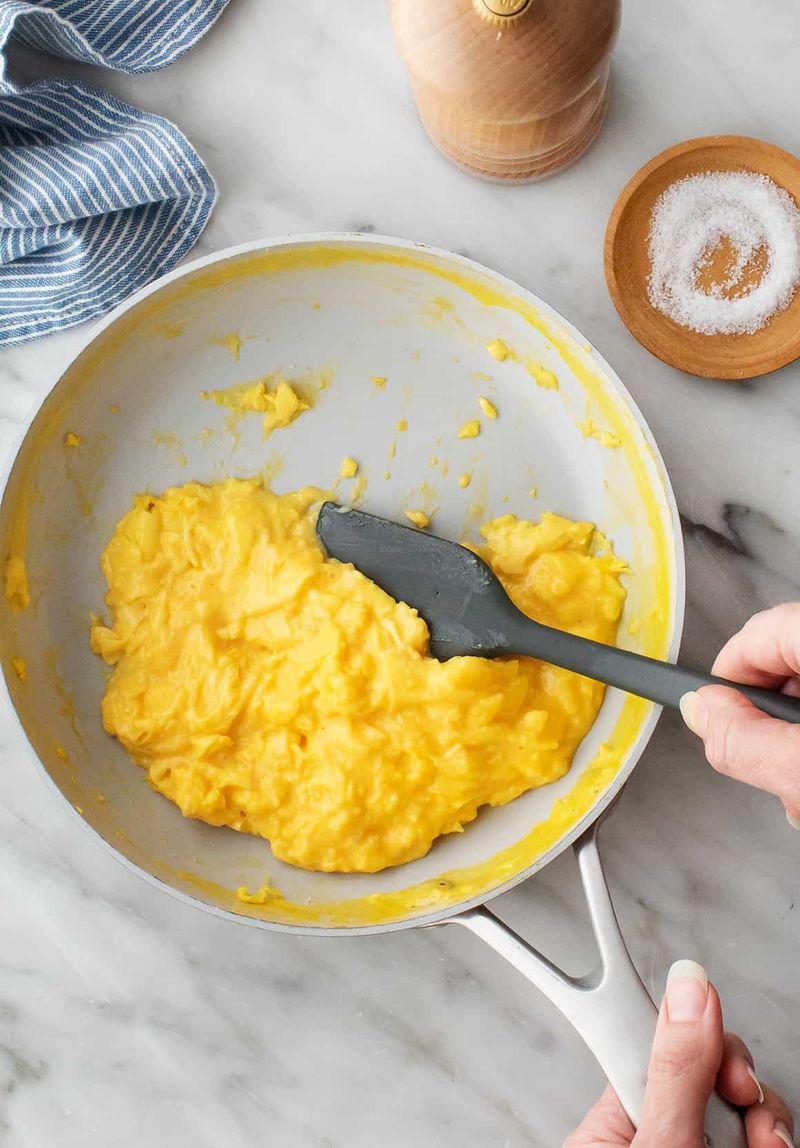
Eggs are one of the most versatile ingredients in any kitchen. Scrambled, fried, poached, or boiled — each method produces a completely different result.
Start by cracking eggs on a flat surface rather than the bowl's edge to avoid shell fragments falling in.
For scrambled eggs, low heat and slow stirring create creamy, soft curds. High heat makes them rubbery.
Mastering eggs early gives you a quick, protein-packed meal you can make any time of day.
9. Understanding Heat Levels on the Stove
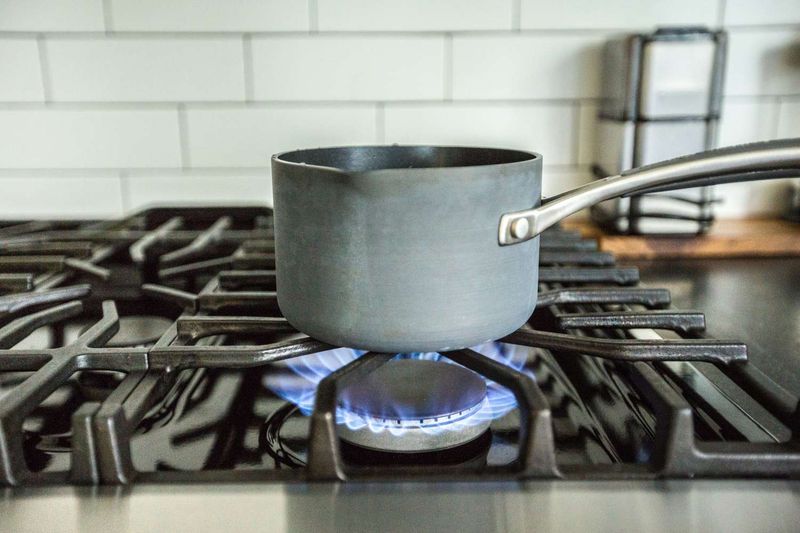
Not everything cooks on high heat, and figuring that out early saves you from a lot of burnt dinners. Delicate sauces, eggs, and melted chocolate need low heat.
Sautéing and searing work best on medium-high. Boiling water calls for high heat to get going fast.
Every stove is different, so treat heat levels as a starting point and adjust from there. Watching how food reacts — sizzling, browning, or steaming — tells you when to turn it up or down.
10. Learning to Make a Simple Sauce
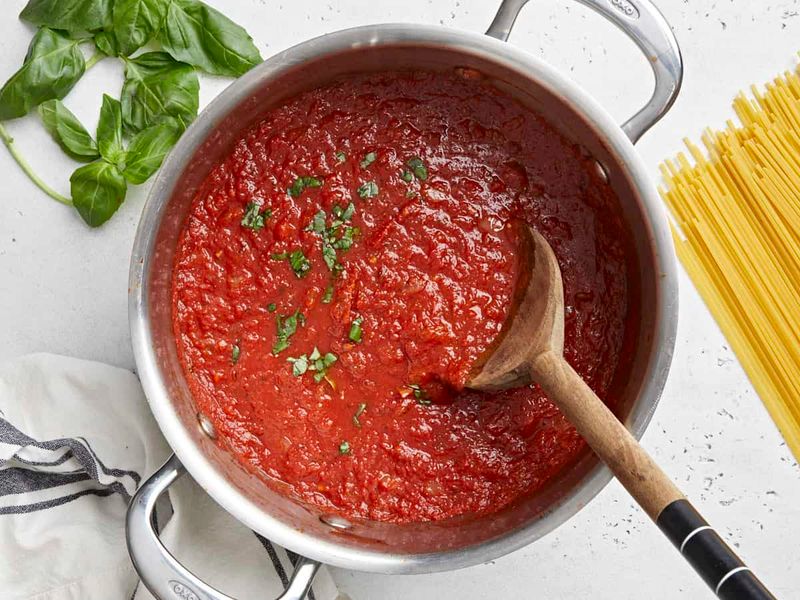
A good sauce can completely transform a plain dish. Tomato sauce, for example, starts with just garlic, olive oil, crushed tomatoes, and a pinch of salt.
Simmer it low and slow, and it develops a deep, sweet flavor that store-bought jars can't match.
Once you learn the basic formula — fat, aromatics, liquid, seasoning — you can make countless variations. White sauce, pan sauce, and stir-fry sauce all follow the same logic.
Sauces are where beginner cooks start sounding like real chefs.
11. How to Cook Pasta Correctly
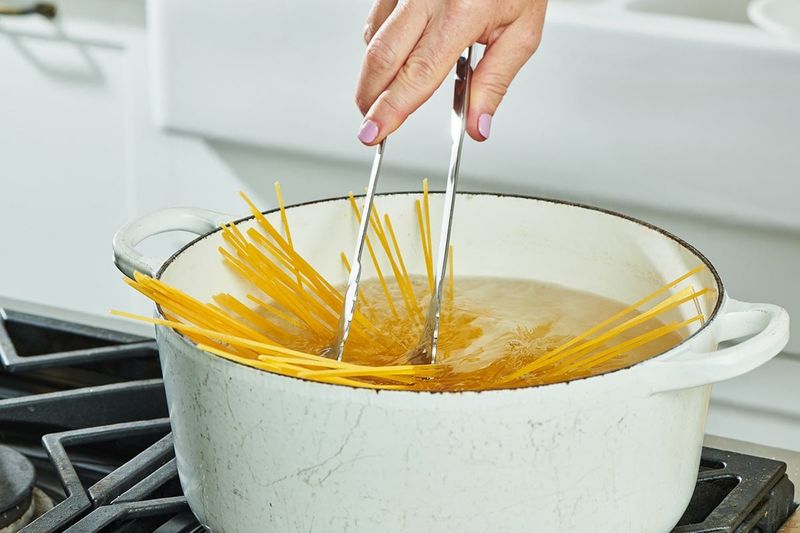
Pasta is one of the first things most people try to cook — and one of the most commonly overcooked. Al dente means the pasta still has a slight bite to it, and that's the goal.
Start checking it a minute or two before the package says it's done.
Reserve a cup of starchy pasta water before draining. That cloudy liquid is liquid gold — it helps sauces cling to noodles like nothing else.
Toss the drained pasta straight into your sauce for the best result.
12. The Importance of Preheating the Oven
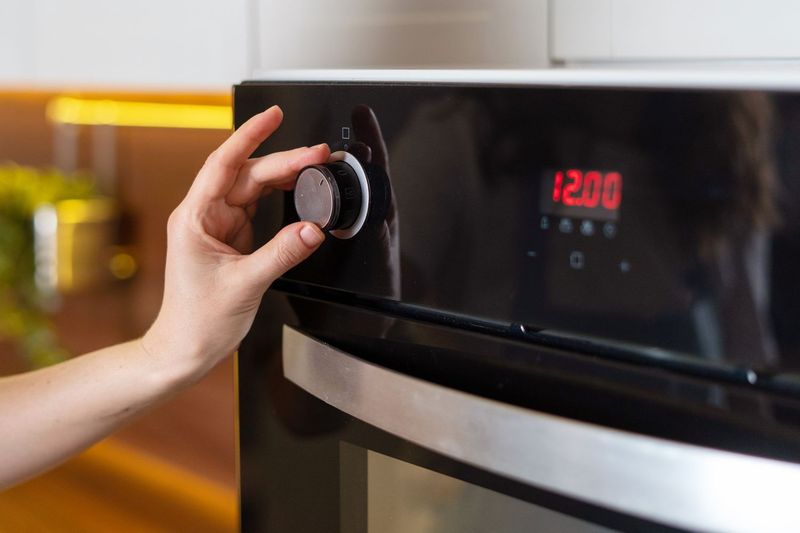
Sliding food into a cold oven is a recipe for uneven cooking. Preheating gives the oven time to reach the right temperature so your food starts cooking correctly from the moment it goes in.
This matters most for baking, where precise heat affects texture and rise.
Most ovens take 10 to 15 minutes to preheat fully. Some models have a beep or indicator light when ready.
Make preheating the very first step whenever you plan to bake or roast anything at all.
13. How to Properly Thaw and Handle Raw Meat
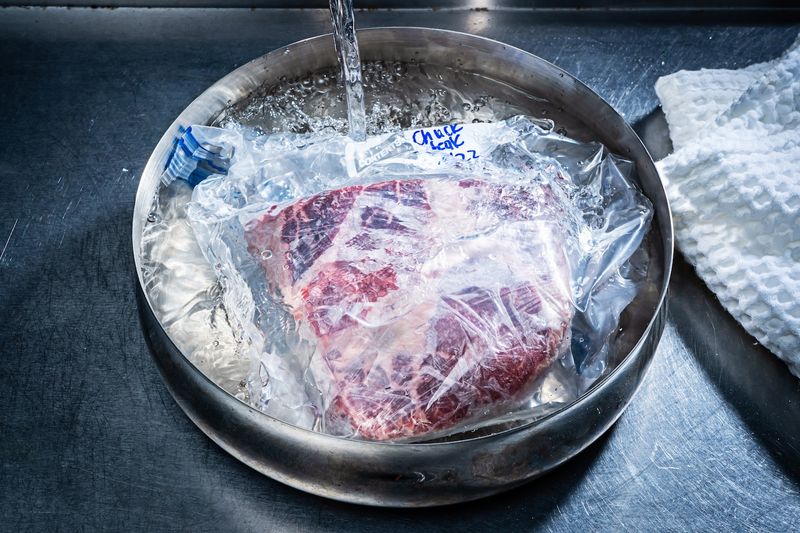
Raw meat can carry bacteria that cause food poisoning if handled carelessly. Never thaw meat on the counter at room temperature — bacteria multiply rapidly in the danger zone between 40°F and 140°F.
The safest methods are thawing in the refrigerator overnight or in cold water.
Always wash your hands and any surfaces that touched raw meat. Use a separate cutting board for meat and vegetables.
These habits aren't just good cooking — they protect everyone who eats what you make.
14. Getting Comfortable with a Cutting Board
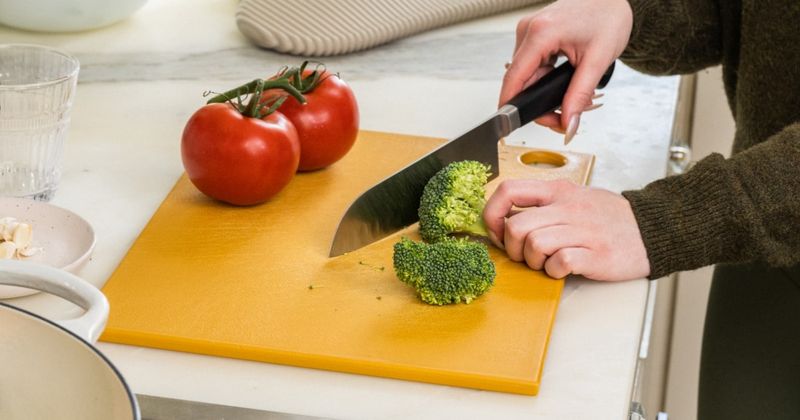
A wobbly cutting board is a safety hazard waiting to happen. Place a damp kitchen towel or a rubber mat underneath to keep it from sliding around while you chop.
Bigger boards give you more working space and make cooking feel less cramped.
Wood and plastic are the two most common materials. Plastic is easier to sanitize for raw meat.
Wood is gentler on knife blades over time. Keeping your board clean and dry between uses extends its life and keeps your food safe.
15. How to Taste and Adjust Food as You Cook
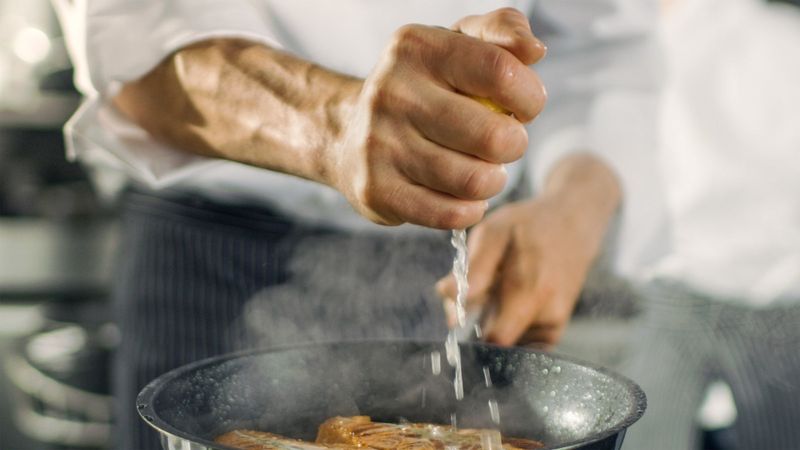
Tasting your food while cooking is how professional chefs work — and it's the fastest way to improve. Your senses tell you what a recipe can't: whether the dish needs more acid, more salt, more spice, or just more time on the heat.
Try small bites at different stages. If something tastes flat, a squeeze of lemon or a pinch of salt often fixes it.
If it's too salty, adding a starchy ingredient like potato or extra pasta can help balance things out.
16. Understanding the Difference Between Baking and Roasting
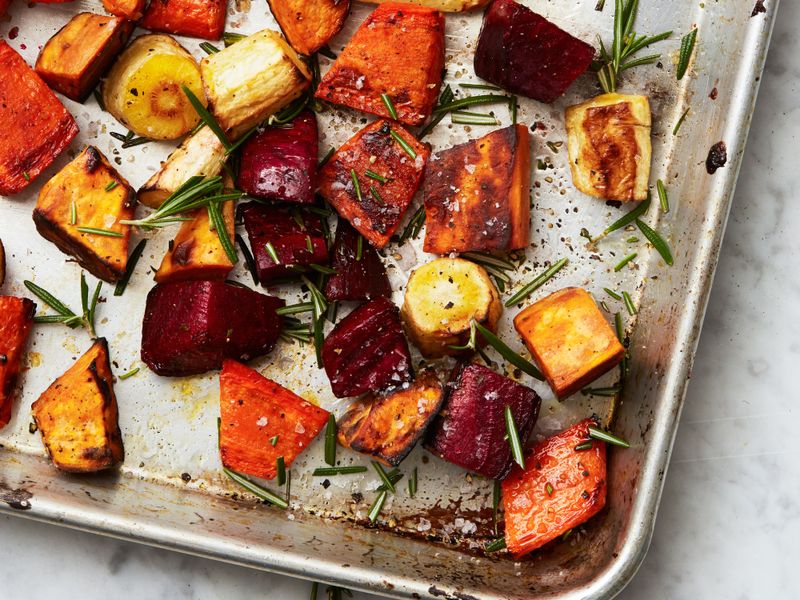
Both baking and roasting use dry oven heat, but the difference lies in what you're cooking and at what temperature. Baking typically refers to bread, cakes, and pastries — foods that transform from liquid batter or dough into solid structures.
Roasting usually means cooking vegetables or meats at higher temperatures to get caramelized edges.
Knowing which method to use helps you choose the right pan, temperature, and timing. Roasting brings out natural sweetness in vegetables.
Baking requires precise measurements to get the chemistry right.
17. How to Store Leftovers Safely
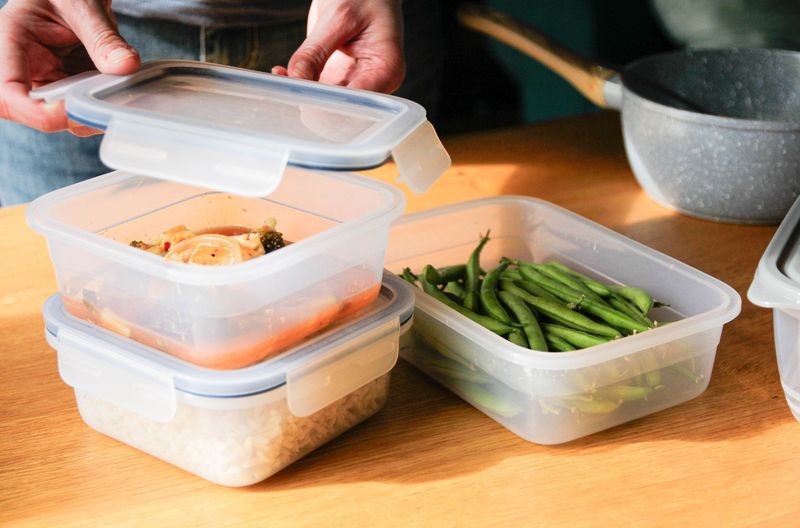
Leftovers are a gift — but only if you store them correctly. Food left out for more than two hours enters the temperature danger zone where bacteria thrive.
Cool hot food quickly and transfer it to airtight containers before refrigerating.
Label containers with the date so you know when to toss them. Most cooked food stays good in the fridge for three to four days.
Freeze anything you won't eat within that window. Good storage habits mean less waste and safer meals every time.
18. The Basics of Cooking Rice on the Stove
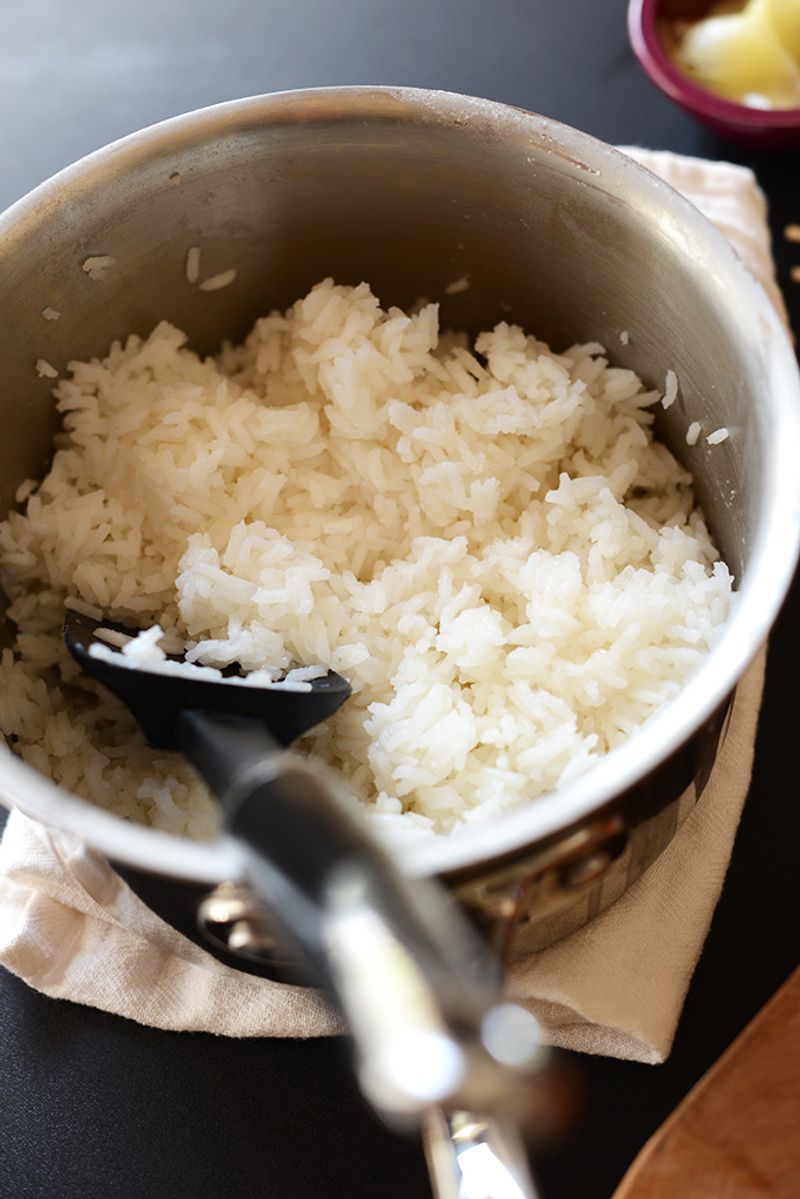
Rice might seem simple, but it trips up a surprising number of beginners. The standard ratio for white rice is one part rice to two parts water.
Bring it to a boil, then reduce to the lowest heat, cover tightly, and let it steam undisturbed for about 18 minutes.
Resist lifting the lid — you'll let the steam escape and end up with uneven cooking. Once the time is up, fluff it gently with a fork.
Perfectly cooked rice is fluffy, separate, and never mushy.
19. Learning to Use a Timer
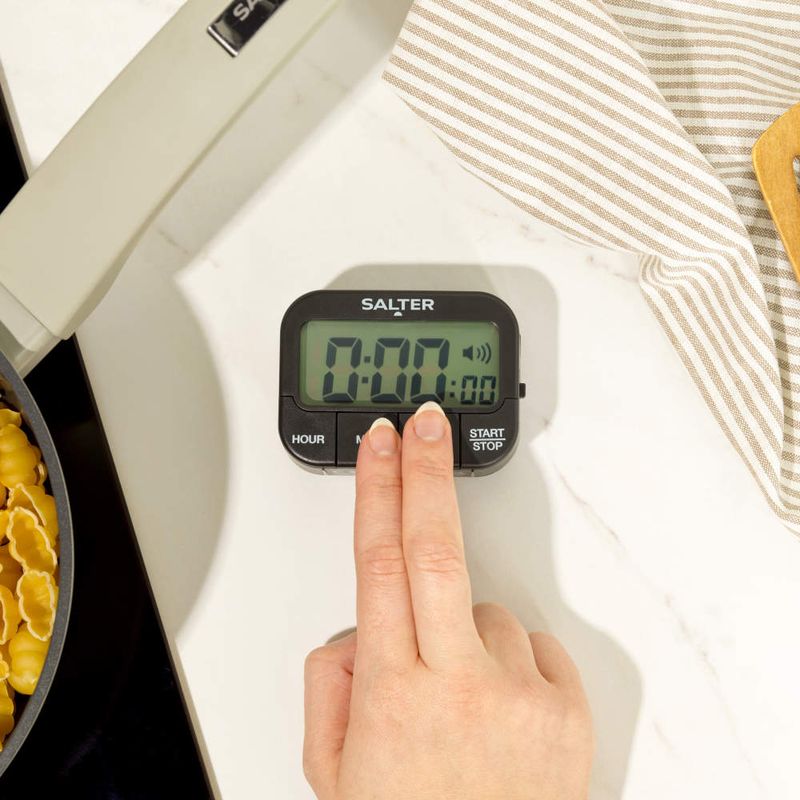
Distraction is every beginner cook's biggest enemy. You walk away for "just a minute" and come back to smoke and a burnt pan.
A timer eliminates that risk entirely. Set it every single time — even for something as short as toasting bread.
Most phones have a built-in timer, so there's no excuse not to use one. Some experienced cooks use multiple timers at once when managing several dishes.
Getting into this habit early makes multitasking in the kitchen so much less stressful.
20. How to Clean as You Go
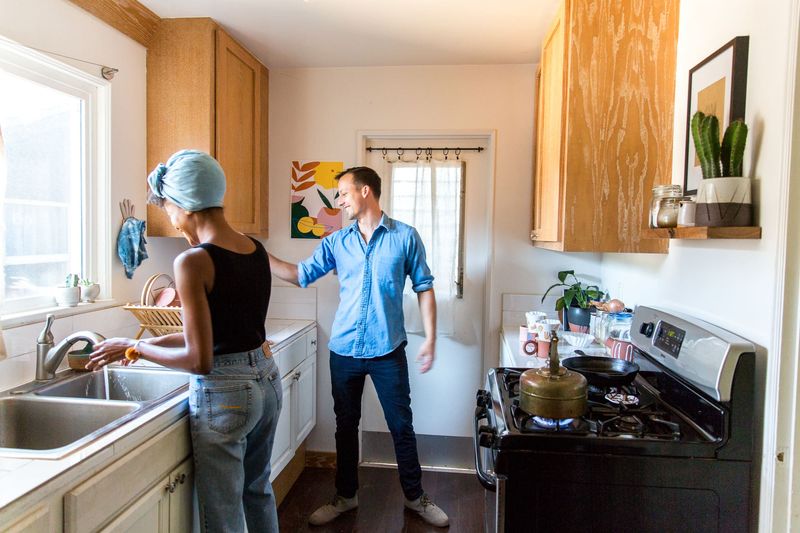
Cleaning as you go is one of those habits that separates relaxed cooks from overwhelmed ones. Wiping down the counter, rinsing used bowls, and tossing scraps while things simmer keeps your workspace manageable and your mind clear.
A messy kitchen makes it harder to find what you need and easier to make mistakes. Plus, finishing dinner to find a mountain of dirty dishes is demoralizing.
Spending 30 extra seconds here and there during cooking means you get to enjoy your meal instead of dreading cleanup.
21. Understanding Cooking Oils and When to Use Them
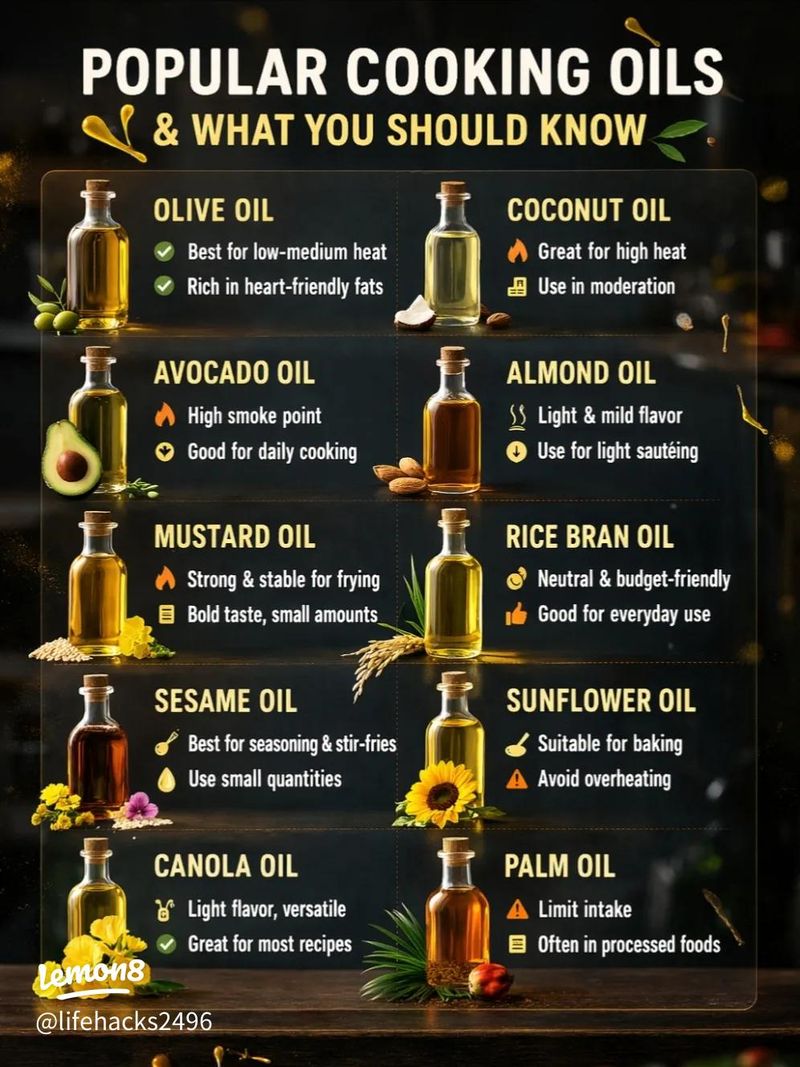
Not all cooking oils behave the same way under heat. Olive oil has a lower smoke point, meaning it burns at lower temperatures — making it perfect for sautéing and salad dressings, but not deep frying.
Vegetable or canola oil handles high heat better.
Sesame oil adds a nutty, aromatic flavor but should be added at the end of cooking rather than used as a base. Knowing which oil to grab and when makes your food taste better and prevents that acrid, burnt-oil smell in your kitchen.
22. Building a Basic Pantry from Scratch
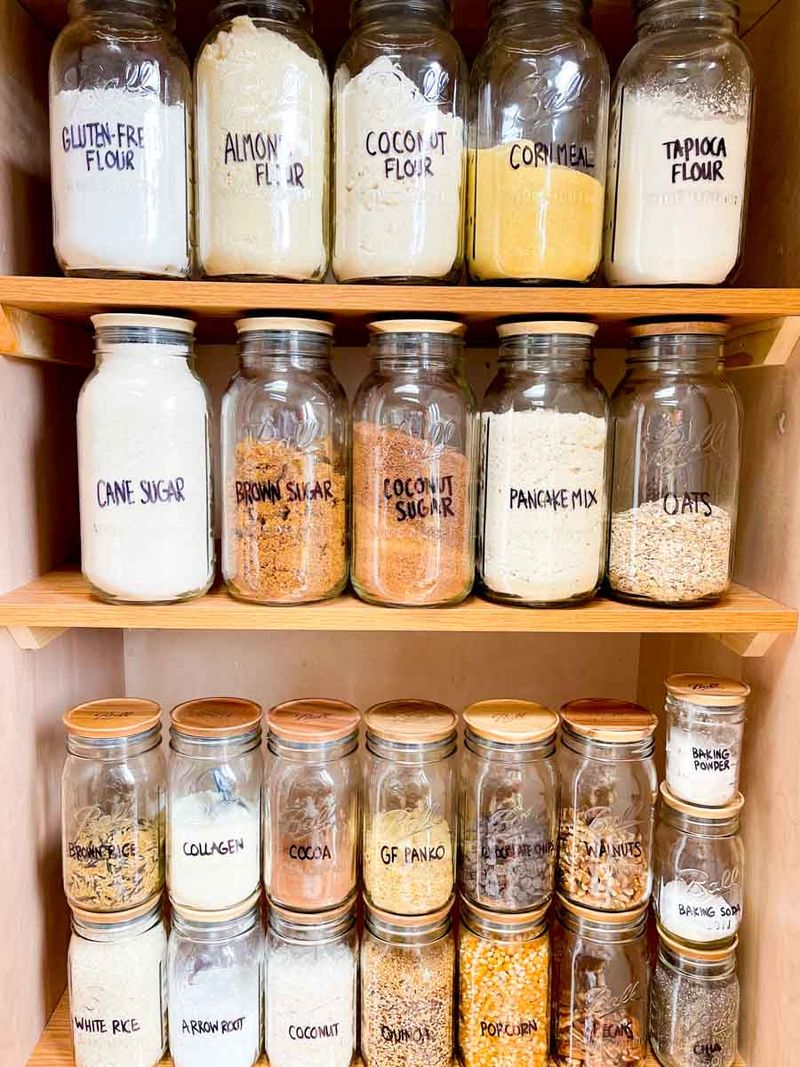
A well-stocked pantry means you're never starting from zero. Keep dried pasta, canned tomatoes, olive oil, garlic, onions, rice, and a handful of spices on hand at all times.
With just those basics, you can put together dozens of satisfying meals without a grocery run.
Building a pantry takes time and a few dollars per shopping trip. Start small — buy one or two staples each week.
Over a month, you'll have a solid foundation that makes cooking easier, faster, and a whole lot more creative every single day.
Comments
No Comments