













Feeding backyard birds is one of the most rewarding hobbies you can pick up, and the best part is that you probably already have the right foods in your kitchen. Many common household foods are perfectly safe for birds and can give them a welcome energy boost, especially during cold months or nesting season.
Before tossing out leftovers, check this list first. You might just turn your yard into the most popular bird hangout on the block.
1. Apples
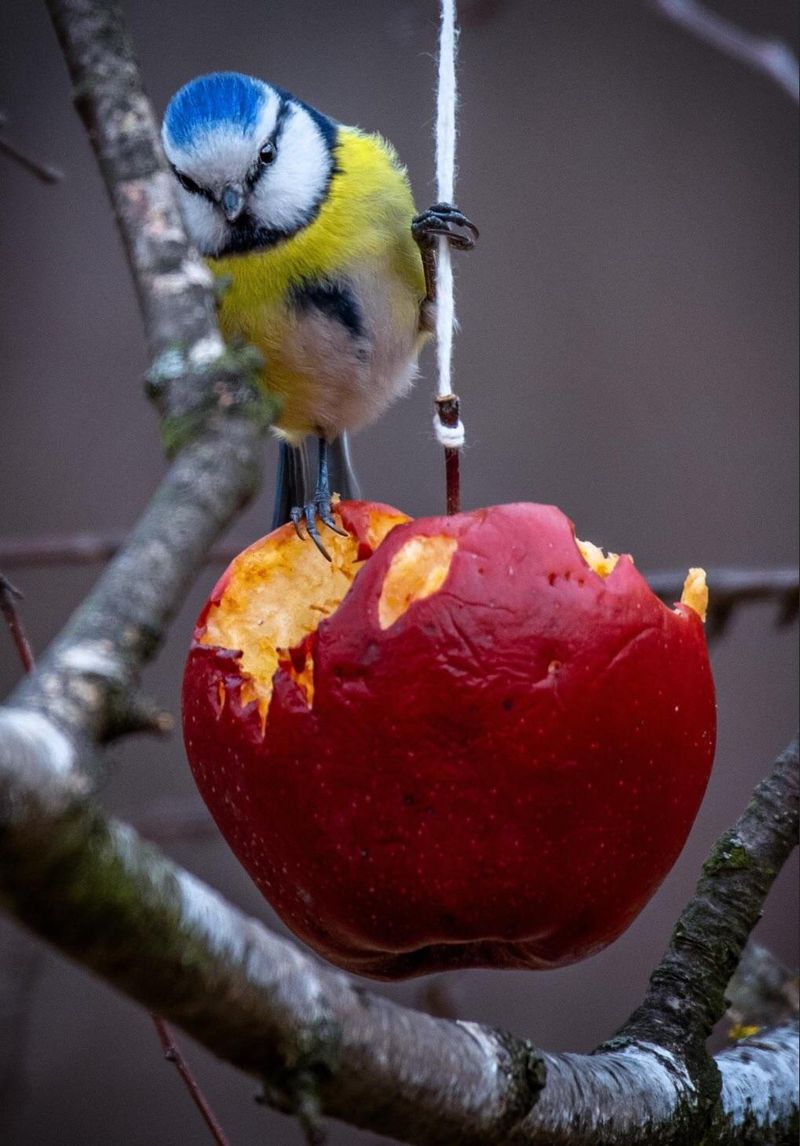
Crisp, sweet, and packed with natural sugars, apples are a backyard bird favorite that many people overlook. Robins, thrushes, and waxwings absolutely love them.
Simply cut an apple into slices or halves and place them on a flat feeder or even a tree stump.
Remove the seeds before serving since apple seeds contain trace amounts of cyanide that can be harmful. Fresh or slightly overripe apples both work great for attracting a colorful crowd to your yard.
2. Bananas
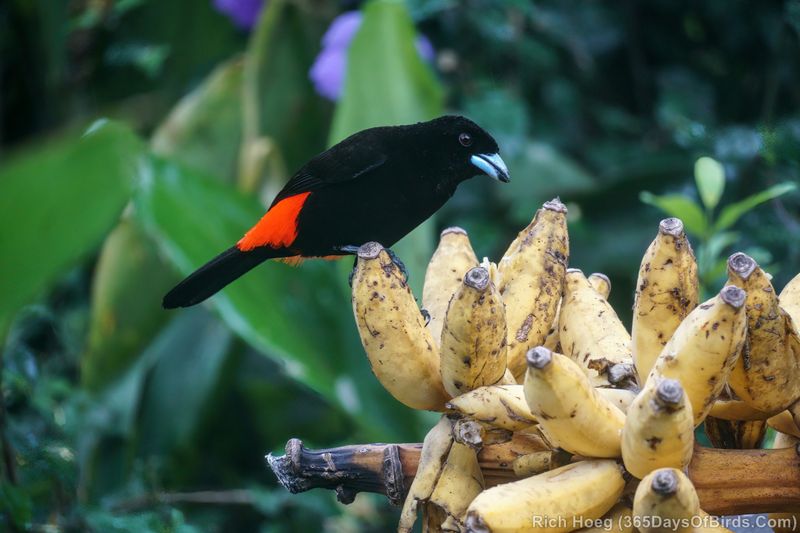
Got a banana that has gone too soft and spotty for your taste? Hand it over to the birds.
Overripe bananas are actually sweeter and easier for birds to eat, making them a hit with orioles, mockingbirds, and even robins.
Peel the banana and mash it slightly or just cut it in half and lay it flat on a feeder. The soft texture makes it simple for smaller birds to enjoy without any trouble.
3. Cooked Rice
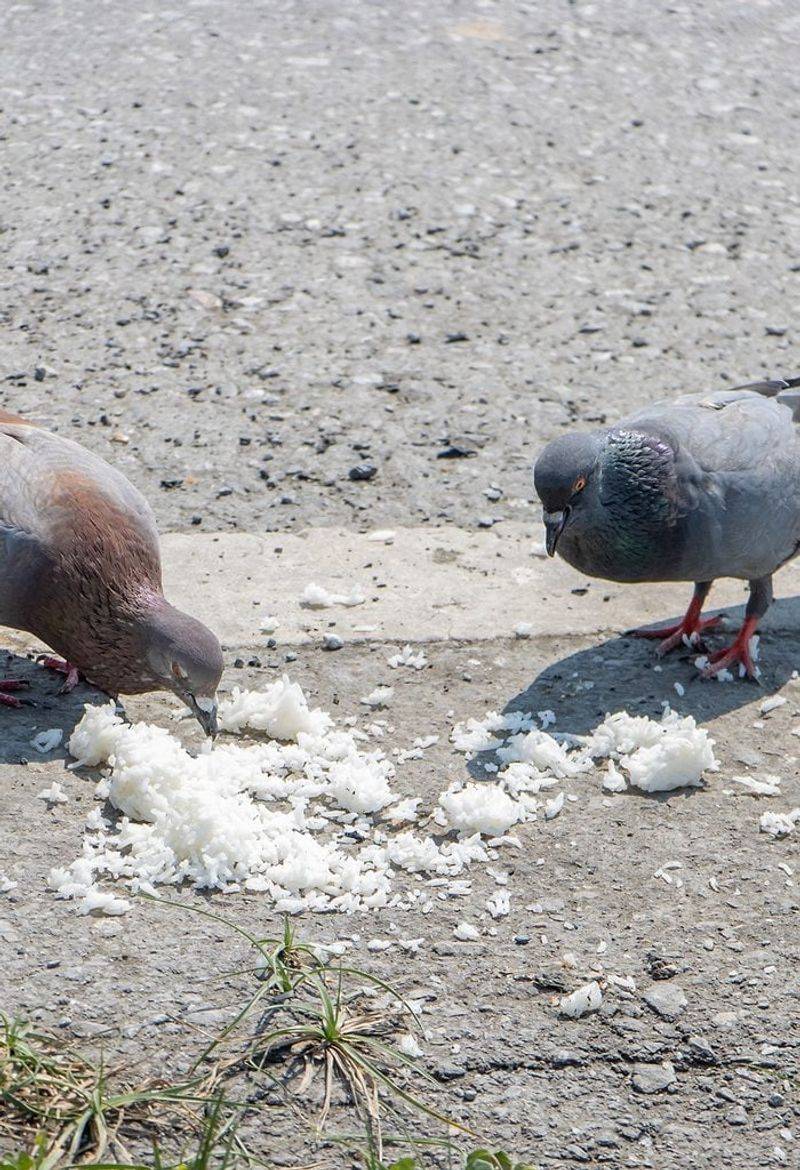
Plain cooked rice is a surprisingly solid snack for backyard birds, especially house sparrows, pigeons, and doves. Unlike the old myth, both cooked and uncooked rice are safe for birds.
Cooked rice is just easier for smaller birds to swallow and digest.
Skip any seasoning, butter, or sauces entirely. Plain is always the way to go when feeding wildlife.
Leftover rice from dinner works perfectly, just let it cool down completely before setting it out.
4. Oats
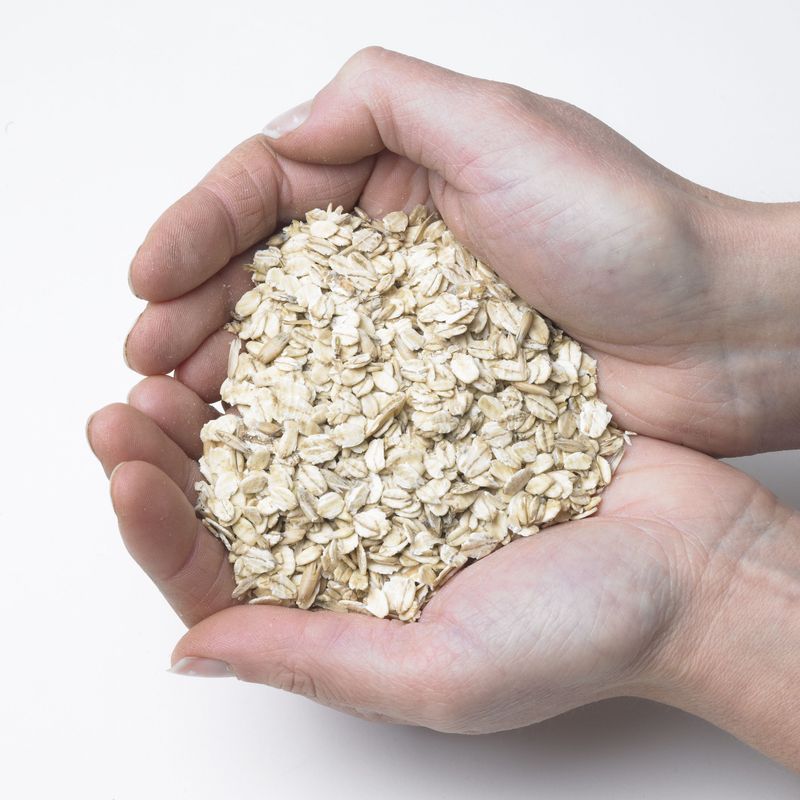
Oats are one of the most budget-friendly foods you can offer backyard birds. Rolled oats, also called old-fashioned oats, are safe and nutritious for many species including robins, blackbirds, and wrens.
Always offer dry or lightly moistened oats rather than cooked ones, since cooked oats can become sticky and potentially harden around a bird's beak. Scatter a small handful on a flat feeder or the ground and watch the morning crowd show up fast.
5. Unsalted Peanuts
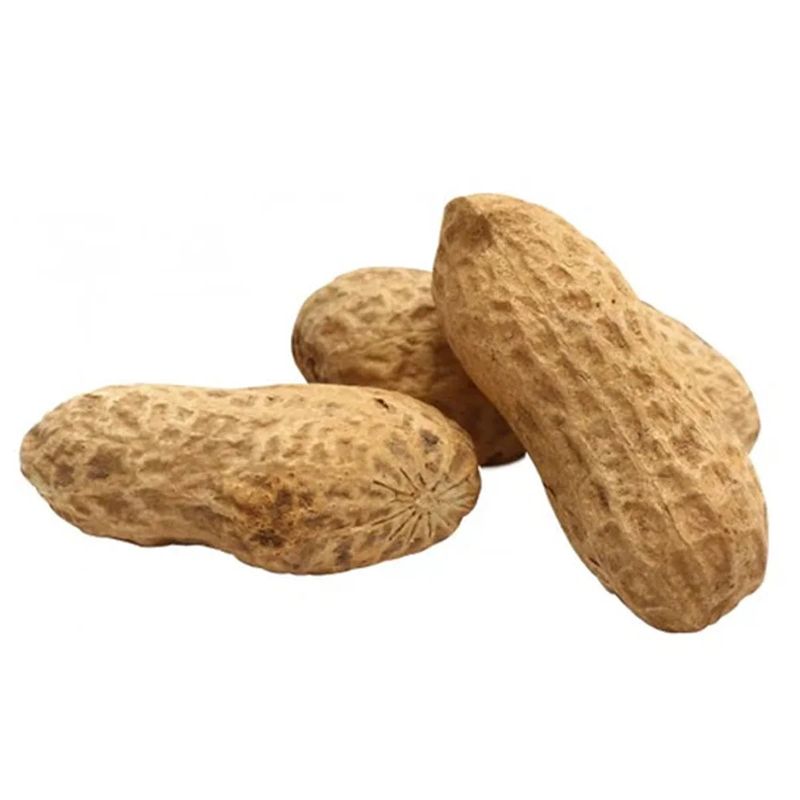
Peanuts are basically the gold standard of backyard bird snacks. Blue jays, woodpeckers, nuthatches, and chickadees go absolutely wild for them.
They are loaded with fat and protein, making them especially valuable during winter when birds need extra energy to stay warm.
Always choose unsalted, unflavored peanuts. Salt is dangerous for birds and can cause serious health problems.
Crushed peanuts work well for smaller birds who might struggle with whole ones.
6. Sunflower Seeds
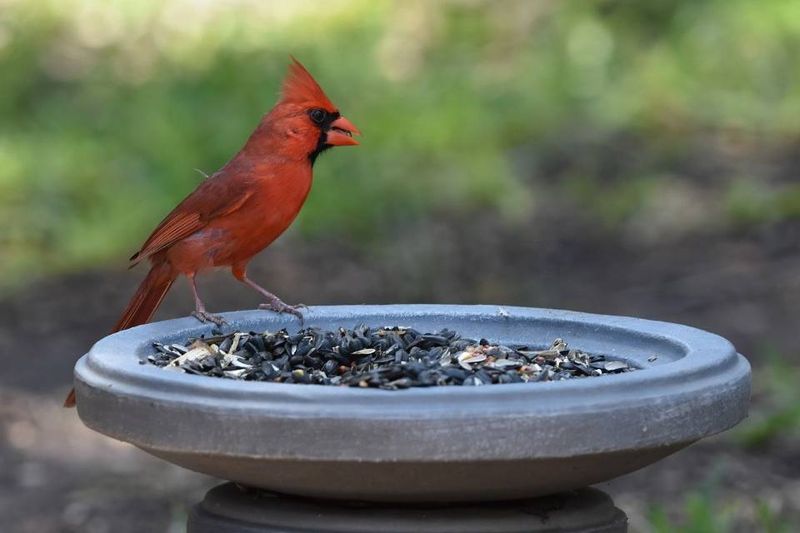
If there is one food that almost every backyard bird loves, it is sunflower seeds. Cardinals, finches, chickadees, and grosbeaks all flock to sunflower seeds with impressive enthusiasm.
Black oil sunflower seeds are especially popular because the shells are thinner and easier to crack open.
You can offer them in a tube feeder, a hopper feeder, or even scattered on the ground. They are widely available and very affordable, making them a staple for any bird-friendly yard.
7. Grapes
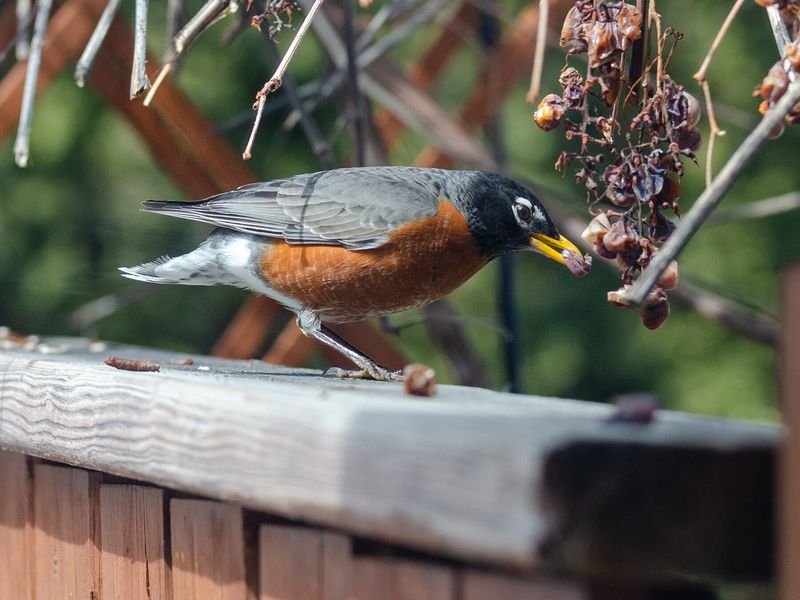
Orioles and mockingbirds have a well-known sweet tooth, and grapes are one of their all-time favorites. Grapes are hydrating, sweet, and easy for birds to eat when sliced in half.
Even robins and bluebirds will stop by for a grape snack on a warm afternoon.
Always cut grapes in half to prevent any choking risk and remove any seeds if possible. Seedless grapes are the most convenient option and require very little prep work before placing them on the feeder.
8. Cheese
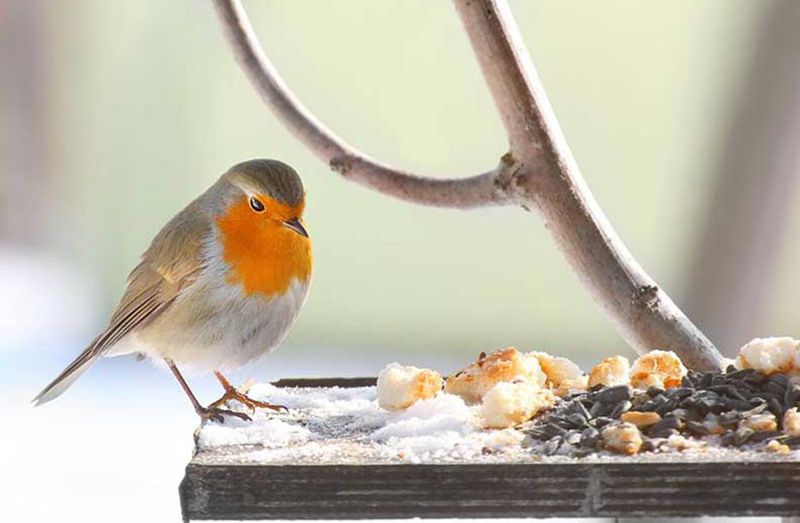
Believe it or not, birds love cheese. Mild, hard cheeses like cheddar are a fantastic high-fat treat that gives birds a serious energy boost.
Robins and wrens are especially fond of it during colder months when food sources are scarce.
Stick to mild, unsalted varieties and offer only small crumbled pieces. Avoid soft cheeses, processed cheese slices, or anything with added flavors and salt.
A tiny sprinkle of grated cheddar on a flat feeder is all it takes to draw a crowd.
9. Cooked Pasta
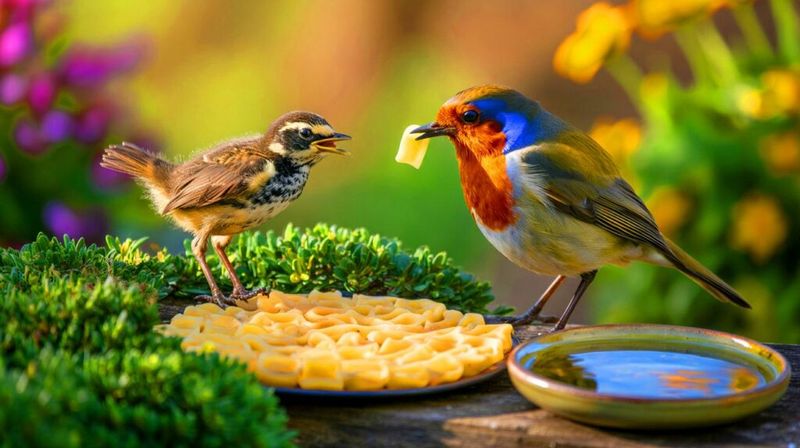
Leftover plain pasta is something most households have on a regular basis, and your backyard birds will happily take it off your hands. Cooked pasta provides carbohydrates that give birds a quick energy source, which is especially handy during migration season.
Break it into small pieces and make sure it is completely plain with no sauce, salt, or seasoning of any kind. Avoid pasta with garlic or onion, as both are toxic to birds.
Cool it down before placing it outside.
10. Berries
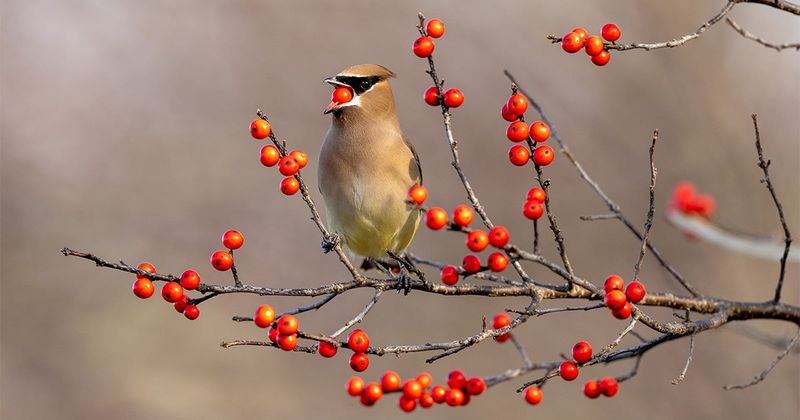
Cedar waxwings are practically built for berry-eating, but they are far from the only birds that love a good berry. Blueberries, strawberries, raspberries, and blackberries are all safe and nutritious options for a wide variety of backyard species.
Fresh or thawed frozen berries both work well. If using frozen, let them thaw fully before setting them out so birds are not trying to peck at a solid frozen lump.
Place them on a flat surface where multiple birds can access them easily.
11. Hard-Boiled Eggs
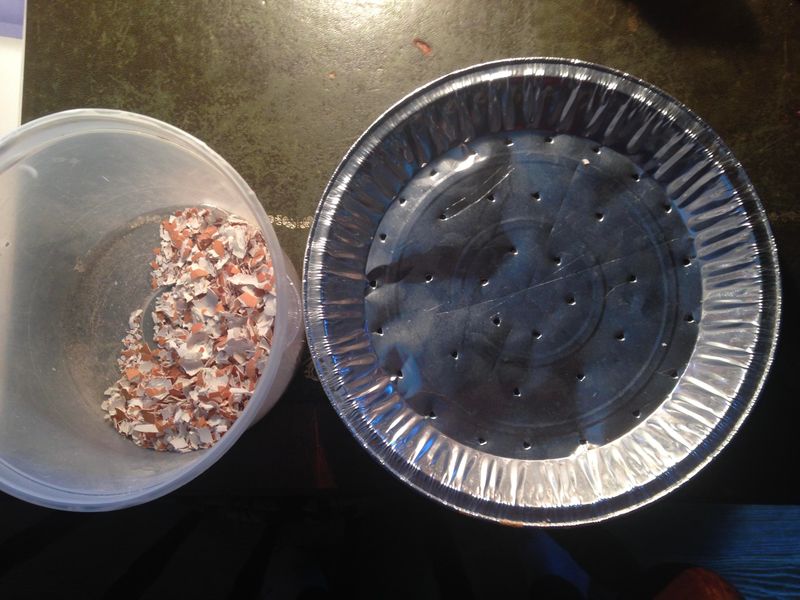
Here is a fun one that surprises most people: birds can eat eggs. Hard-boiled eggs, crumbled into small pieces, are a protein-packed treat that many birds enjoy.
This is especially useful during spring nesting season when birds need extra protein to support egg production and raising chicks.
Offer the egg without any salt or seasoning and crumble it finely so even small birds can manage it. You can include the crumbled shell too, which provides a valuable calcium boost for nesting females.
12. Melon Seeds
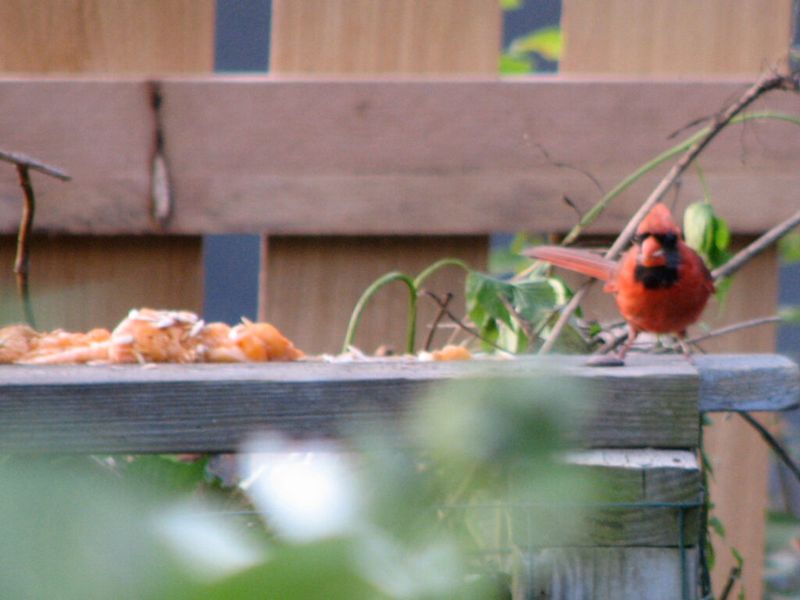
Next time you cut open a watermelon or cantaloupe, do not throw those seeds away. Melon seeds are a nutritious, fat-rich snack that many backyard birds will eagerly snap up.
Finches, sparrows, and cardinals are among the top fans of these little seeds.
Rinse the seeds and let them dry out slightly before offering them. You can also offer small scooped-out pieces of melon flesh alongside the seeds for a double treat that birds will find hard to resist on a hot summer day.
13. Corn
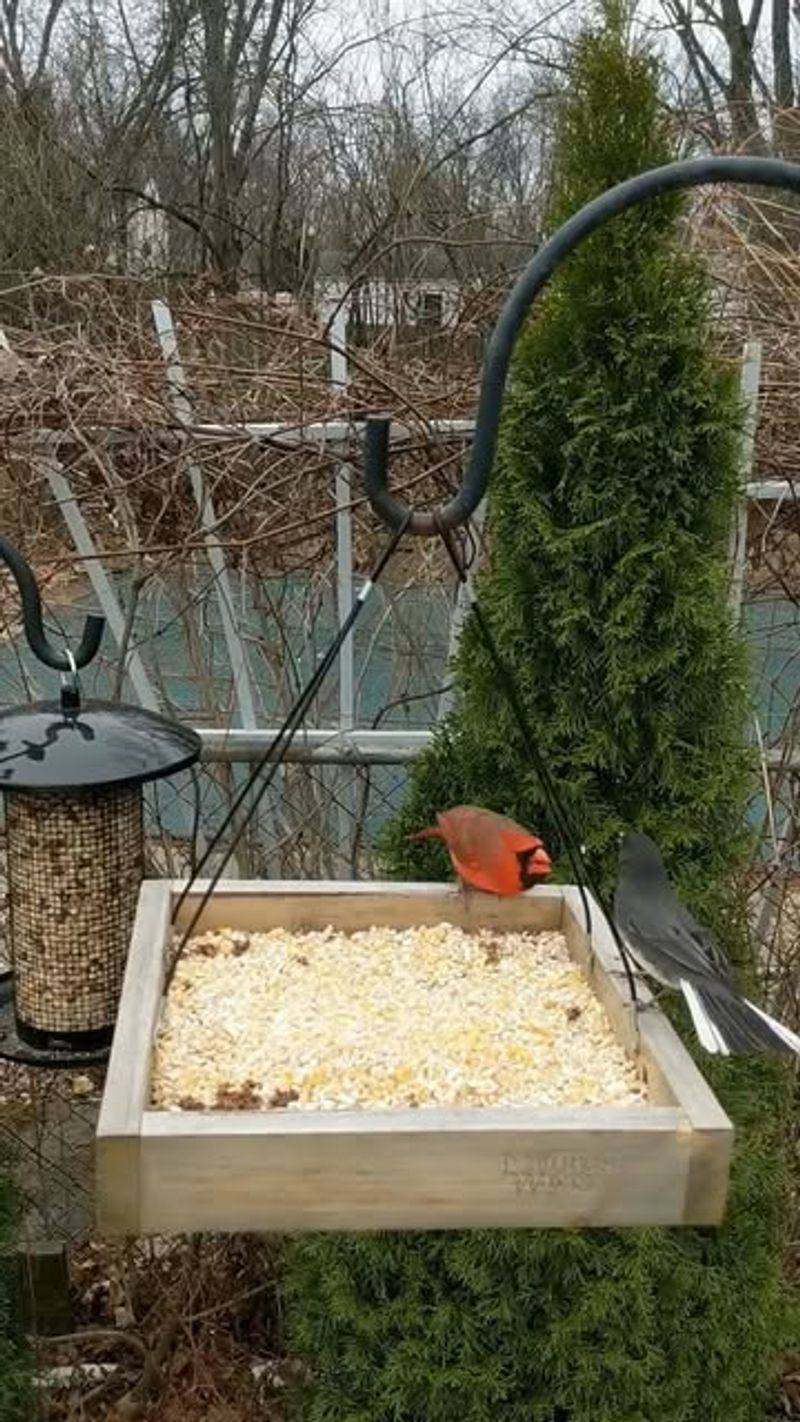
Corn is a classic backyard bird food that works in several forms. Cracked corn is especially popular with ground-feeding birds like doves, juncos, and towhees.
Fresh corn kernels cut from the cob are also a hit with larger birds like blue jays and grackles.
Avoid canned corn with added salt. Fresh or frozen corn that has been thawed is the safest bet.
Scatter cracked corn on the ground or on a low platform feeder to attract the widest variety of bird species to your yard.
14. Pumpkin Seeds
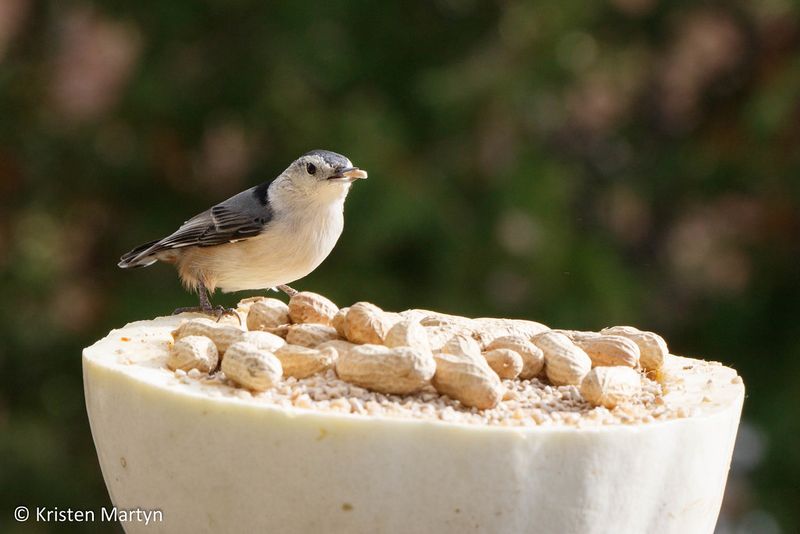
After carving a pumpkin or cooking one up in the kitchen, save those seeds for your feathered neighbors. Raw pumpkin seeds are rich in fat and protein, making them a powerhouse snack that woodpeckers, nuthatches, and finches enjoy tremendously.
Rinse the seeds to remove any pulp and let them air dry before offering them. You can roast them lightly without any oil or salt if you prefer.
Either way, spread them on a flat feeder and watch the autumn bird activity pick up considerably.
15. Raisins
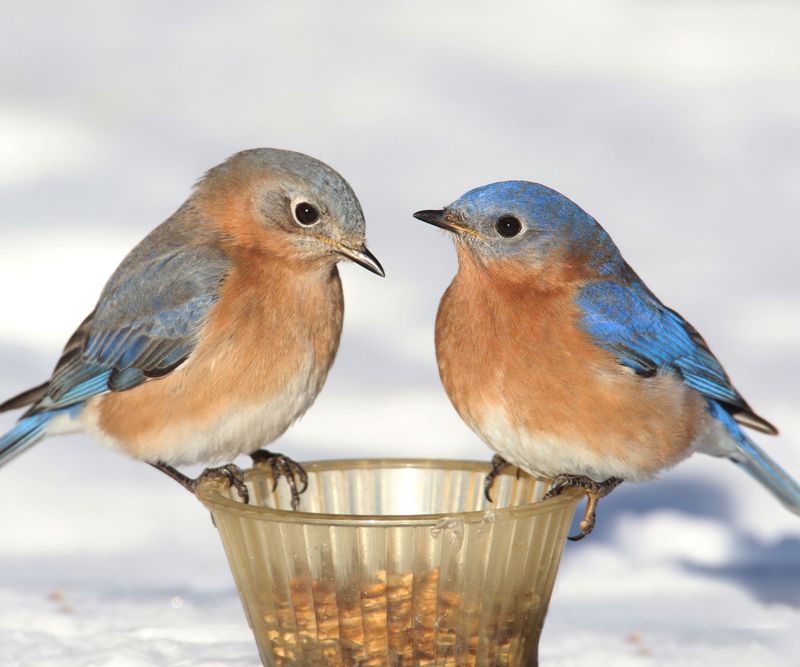
Robins and bluebirds have a particular fondness for raisins, and offering them is a great way to draw these beautiful birds closer to your home. Raisins are essentially concentrated fruit, so they are packed with natural sugars and energy that birds really benefit from.
Soak raisins in warm water for about 30 minutes before putting them out. This softens them up and makes them much easier for birds to eat and digest safely.
Plain raisins only, nothing coated in sugar, chocolate, or any kind of flavoring.
16. Coconut
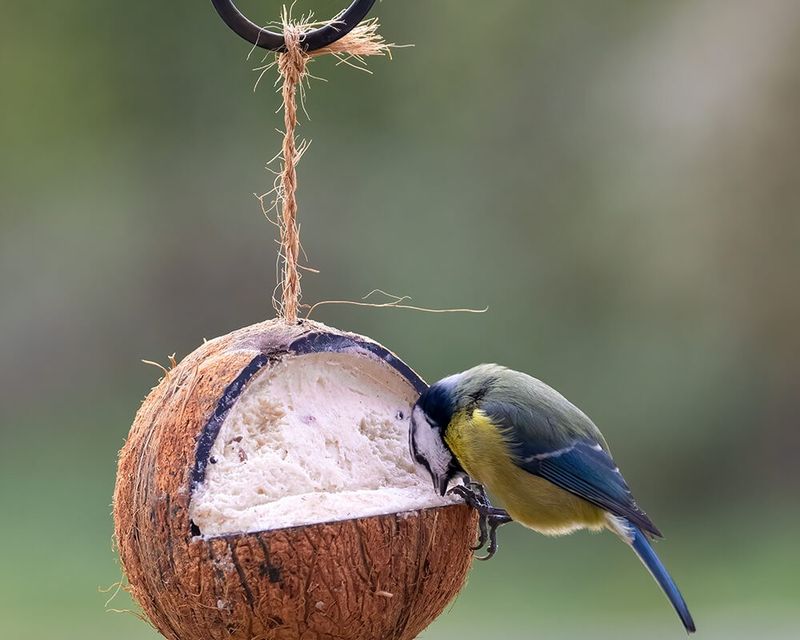
Coconut is a wonderfully rich food that small birds like blue tits and great tits absolutely adore. The high fat content makes it a premium winter treat that helps birds maintain their body heat during freezing temperatures.
It is almost like offering them a natural energy bar.
Offer fresh coconut cut in half and hung shell-side up so rain does not collect inside. Never offer desiccated or shredded coconut, as it can swell inside a bird's stomach and cause serious digestive issues.
Fresh is always the right choice here.

Comments
No Comments