













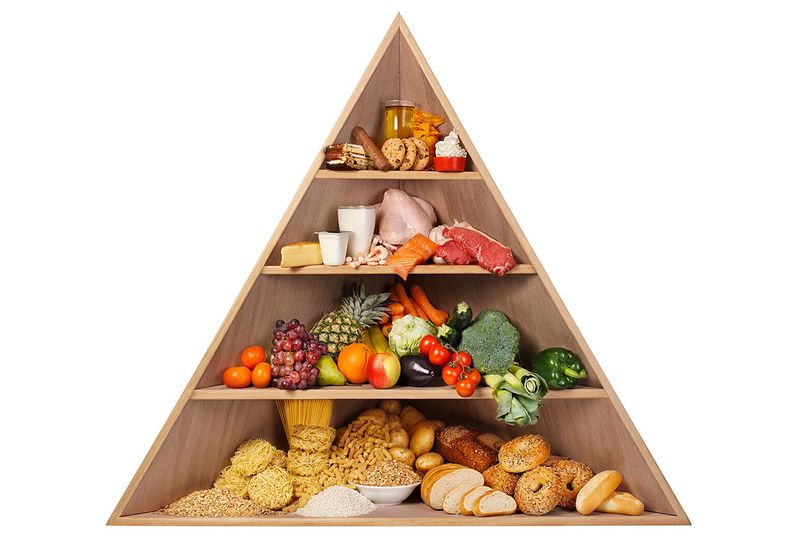
Eating well does not have to be complicated or overwhelming. The food pyramid is a simple, time-tested guide that helps you understand what to eat and how much of it to include in your daily meals.
Whether you are trying to feel more energized, maintain a healthy weight, or just build better habits, these tips will make healthy eating feel easy and achievable. Get ready to transform the way you think about food, one simple step at a time.
1. Fill Half Your Plate With Fruits and Vegetables
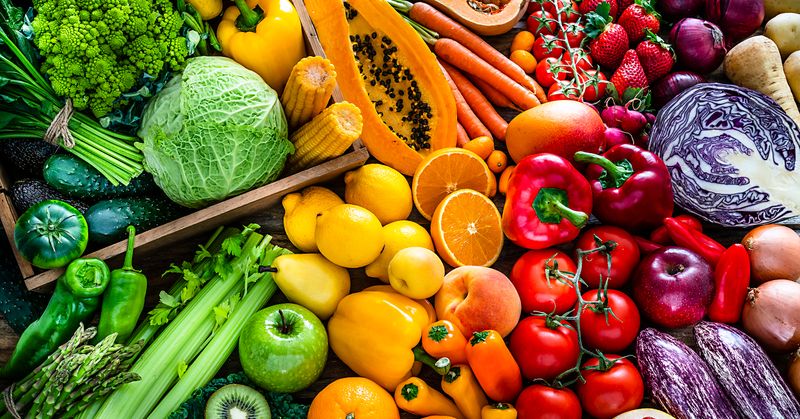
Fruits and vegetables are the real superstars of the food pyramid. They are packed with vitamins, minerals, and fiber that keep your body running smoothly every single day.
Aim to eat a rainbow of colors at every meal. Red peppers, leafy greens, orange carrots, and purple grapes each offer different nutrients your body craves.
The more colorful your plate, the better nourished you will be. Start small by adding just one extra serving today.
2. Make Grains Work Harder for You
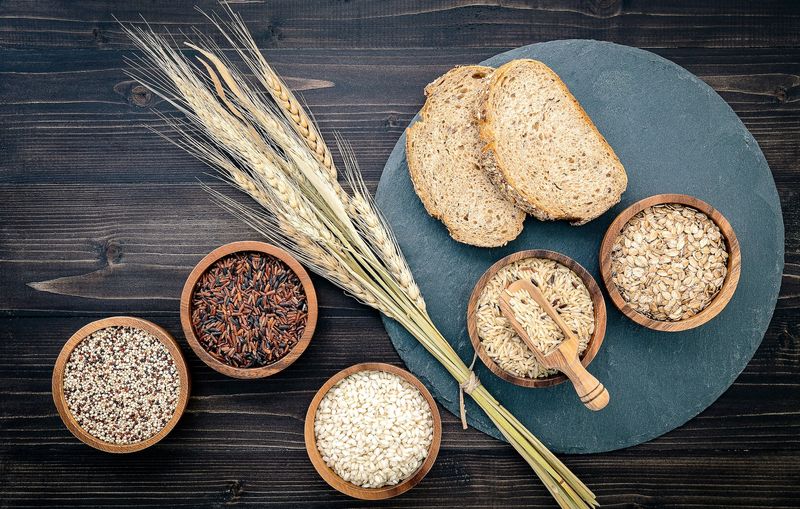
Not all grains are created equal, and your body knows the difference. Whole grains like oats, brown rice, and whole wheat bread are loaded with fiber and keep you feeling full much longer than refined white bread or sugary cereals.
Swapping white rice for brown rice or choosing whole grain pasta is a surprisingly easy upgrade. These small changes add up fast.
Did you know whole grains can also help lower your risk of heart disease over time?
3. Choose Lean Proteins at Every Meal
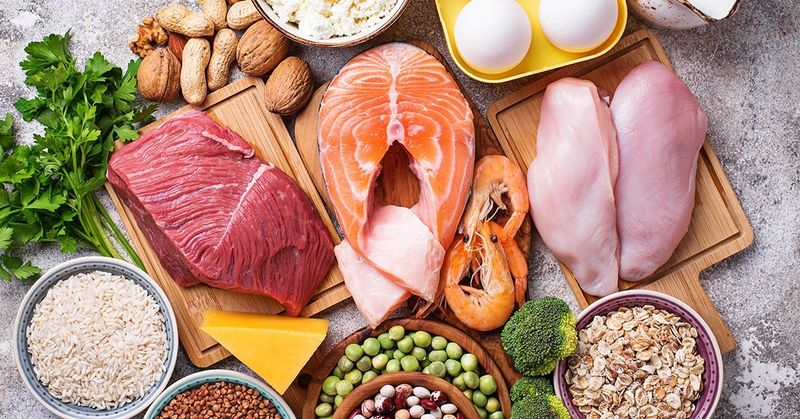
Protein is the building block your muscles, skin, and organs depend on every day. Lean proteins like chicken, fish, eggs, and beans give your body what it needs without loading you up with unhealthy saturated fats.
Try swapping fatty cuts of red meat for grilled fish or a hearty bean stew a few times a week. Your heart will thank you.
Variety matters here too, so rotate your protein sources to keep meals exciting and nutritionally balanced.
4. Drink Plenty of Water Throughout the Day

Water is the unsung hero of healthy eating, and most people simply do not drink enough of it. Your body is made up of roughly 60 percent water, and staying hydrated helps with digestion, energy levels, and even concentration at school or work.
Carry a reusable water bottle everywhere you go as a simple reminder to sip throughout the day. Swap sugary sodas and juice drinks for water whenever you can.
Your skin, brain, and stomach will all feel the difference quickly.
5. Cut Back on Added Sugars Smartly
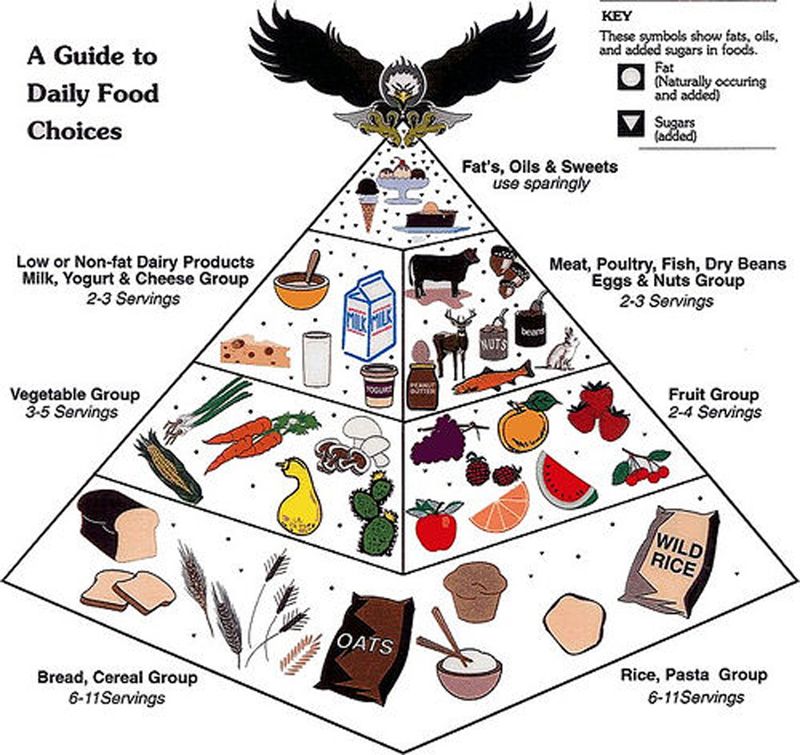
Added sugars sneak into foods you might not even suspect, from pasta sauce to salad dressing and flavored yogurt. Eating too much added sugar can lead to weight gain, energy crashes, and an increased risk of type 2 diabetes over time.
Reading nutrition labels is your secret weapon here. Look for words like high-fructose corn syrup, cane sugar, or dextrose on ingredient lists.
Choosing whole fruit over candy or swapping soda for sparkling water are quick wins that seriously add up.
6. Add Dairy or Dairy Alternatives for Strong Bones
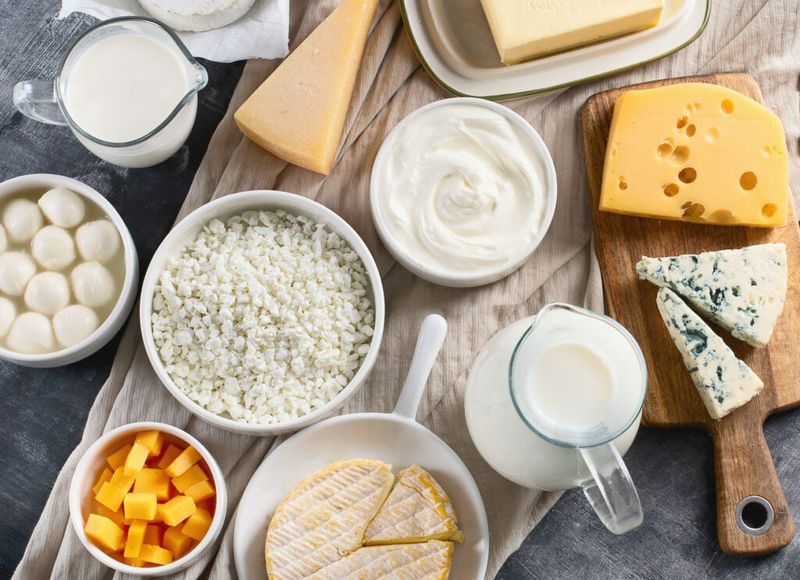
Calcium is essential for building strong bones and teeth, especially during your growing years. Dairy products like milk, yogurt, and cheese are some of the richest sources of calcium you can find in everyday foods.
Not a fan of regular milk? No problem at all.
Fortified almond milk, soy milk, and oat milk offer solid calcium content too. Greek yogurt is especially great because it doubles as a protein source.
Aim for two to three servings of dairy or alternatives daily.
7. Watch Your Portion Sizes Carefully

Even the healthiest foods can lead to weight gain if you eat too much of them. Portion control is one of the most overlooked but powerful tools in the food pyramid approach to eating well.
A good trick is to use smaller plates, which naturally trick your brain into feeling satisfied with less food. Pay attention to serving sizes listed on packaging too.
Eating slowly and mindfully also helps your body recognize when it is genuinely full before you overeat.
8. Limit Saturated and Trans Fats in Your Diet
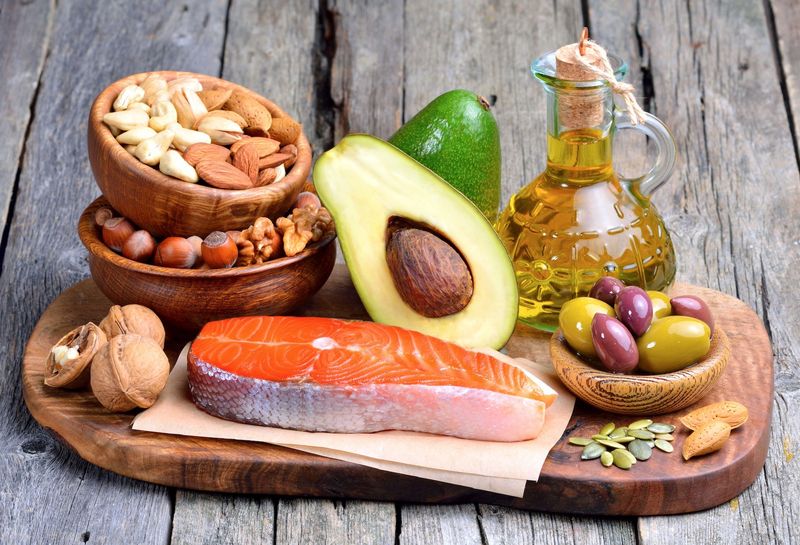
Not all fats are bad, but saturated and trans fats found in fried foods, packaged snacks, and fatty meats can seriously harm your heart over time. These fats raise bad cholesterol levels and increase the risk of cardiovascular disease.
Healthy fats found in avocados, nuts, seeds, and olive oil are a much smarter choice for your body. Baking, grilling, or steaming your food instead of frying it is one of the easiest swaps you can make starting today.
9. Never Skip Breakfast If You Can Help It
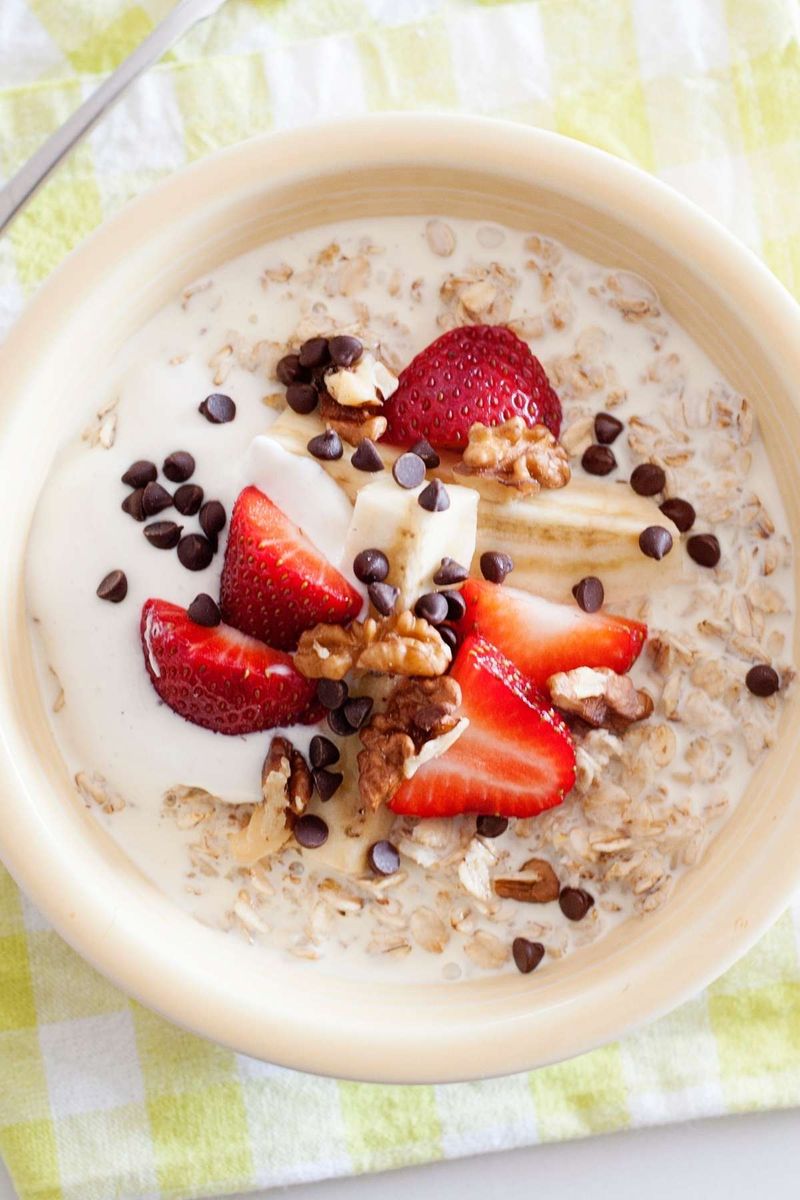
Breakfast really is the most important meal of the day, and science backs that up. After a full night of sleep, your body needs fuel to kick-start your metabolism and sharpen your focus for whatever the day brings.
Skipping breakfast often leads to overeating later in the day when hunger becomes hard to control. A bowl of oatmeal with fruit, a yogurt parfait, or whole grain toast with peanut butter are all fast, filling, and genuinely nutritious ways to start your morning right.
10. Snack Smart Between Meals
Snacking gets a bad reputation, but it does not deserve it when done right. Smart snacking between meals keeps your energy steady, prevents blood sugar dips, and stops you from arriving at dinner absolutely starving.
Choose snacks that combine protein and fiber for the best staying power. Apple slices with almond butter, carrots with hummus, or a small handful of mixed nuts are all solid choices.
Avoid mindlessly grabbing chips or cookies when hunger hits between meals.
11. Reduce Sodium to Protect Your Heart
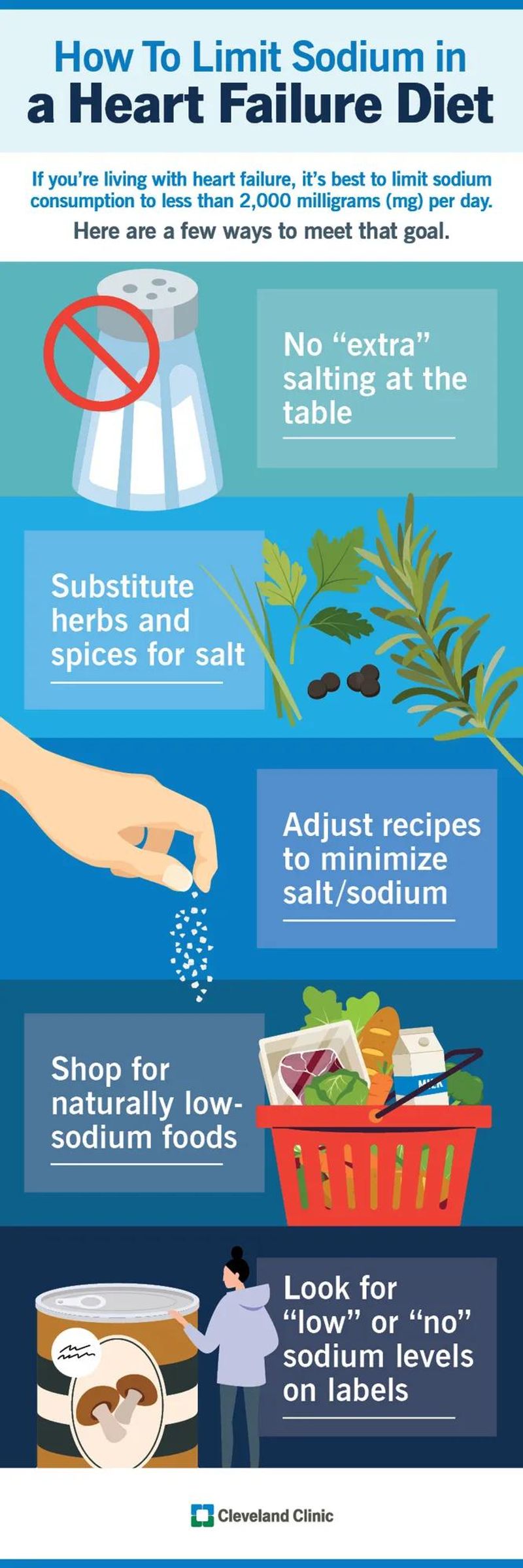
Most Americans consume way more sodium than their bodies actually need, often without realizing it. Excess sodium raises blood pressure, which puts extra strain on your heart and increases stroke risk over time.
Processed foods, canned soups, fast food, and deli meats are the biggest sodium offenders in most diets. Try seasoning your food with fresh herbs, lemon juice, garlic, or spices instead of salt.
Cooking at home more often gives you total control over exactly how much sodium ends up on your plate.
12. Eat Mindfully and Without Distractions

Eating while scrolling through your phone or watching TV is something almost everyone does, but it quietly leads to overeating more often than you might think. When your brain is distracted, it misses the signals your stomach sends to say it is full.
Try sitting down to eat without screens for even just one meal a day. Chew slowly, savor each bite, and pay attention to how the food actually tastes.
Mindful eating is one of the most effective habits for managing portions naturally and enjoying food more.
13. Plan Your Meals Ahead of Time
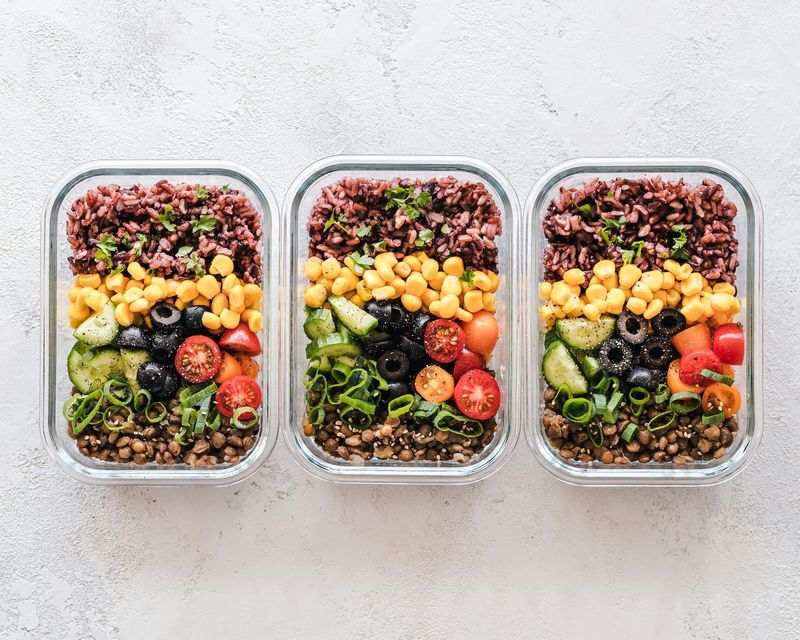
Meal planning might sound like something only super-organized people do, but it is actually one of the simplest ways to eat healthier without much extra effort. When you know what you are eating ahead of time, you are far less likely to grab fast food or junk in a moment of hunger.
Spend just 20 minutes on Sunday planning your meals for the week. Prep ingredients in advance to save time on busy nights.
You will save money, reduce food waste, and consistently make better choices throughout the week.
14. Balance Your Macronutrients at Every Meal
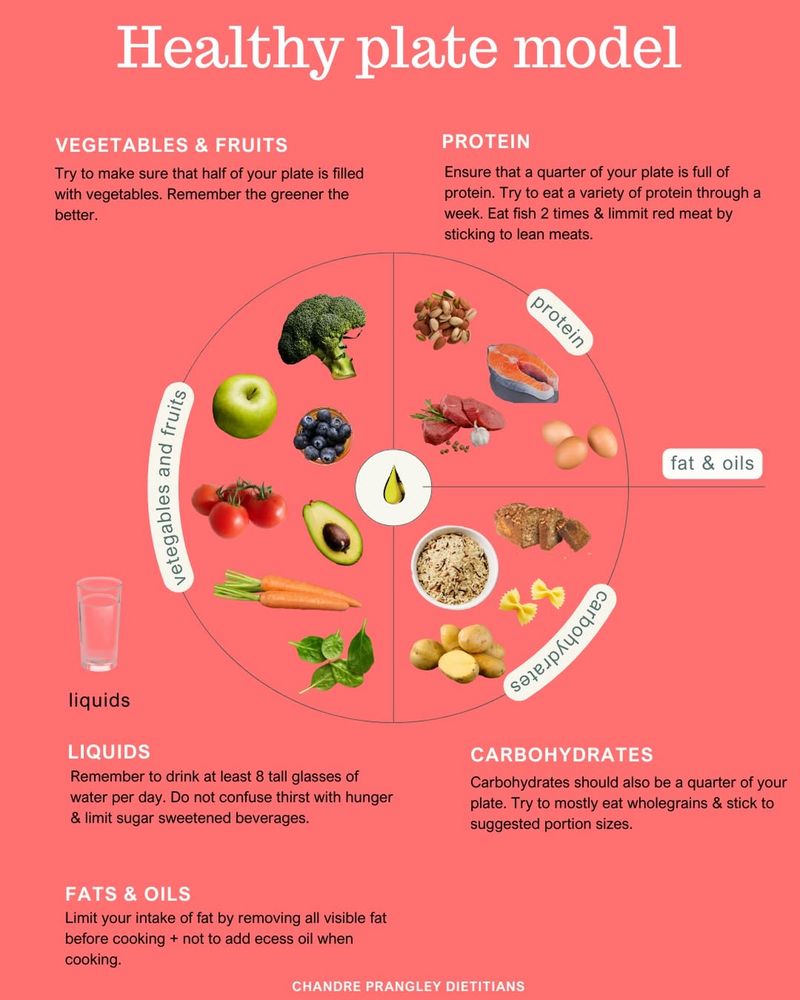
Carbohydrates, proteins, and fats are the three macronutrients your body needs in the right balance to function at its best. Eating too much of one and too little of another can leave you feeling sluggish, hungry, or even nutritionally deficient over time.
A simple formula to remember: fill a quarter of your plate with protein, a quarter with whole grains, and half with vegetables. Add a small amount of healthy fat like olive oil or avocado.
Balance does not have to be complicated or stressful to achieve daily.
15. Incorporate More Plant-Based Meals Weekly
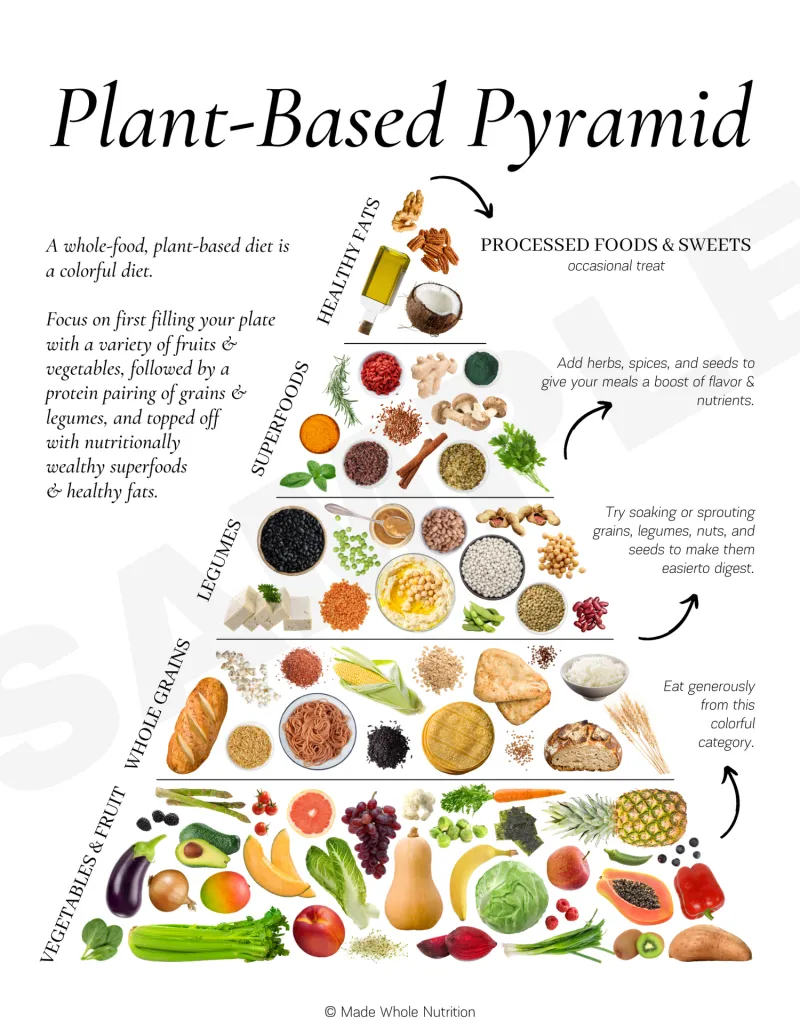
You do not have to go fully vegetarian to benefit from eating more plants. Research consistently shows that people who eat more plant-based meals have lower risks of heart disease, diabetes, and certain cancers compared to those who rely heavily on meat.
Try one or two meatless dinners each week to start, like a hearty lentil soup or a black bean taco night. Plant-based meals are often cheaper, faster to prepare, and surprisingly filling when built around legumes, whole grains, and colorful vegetables.
16. Read Nutrition Labels Before You Buy
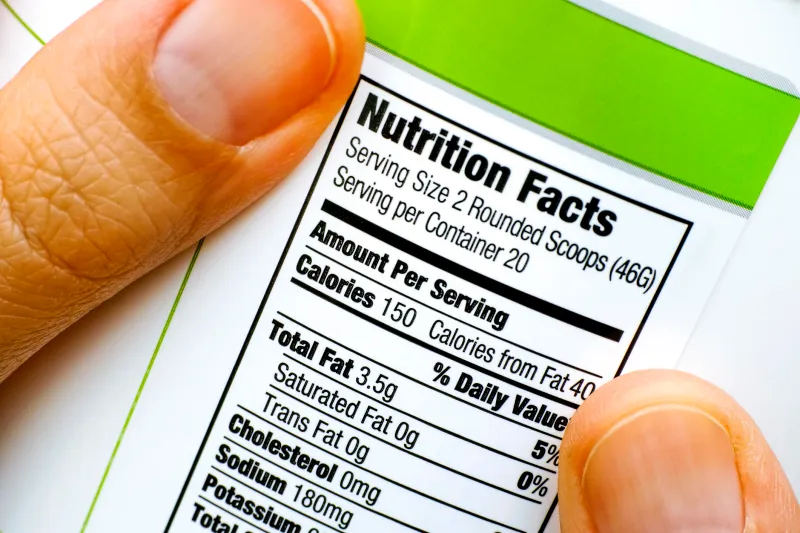
Nutrition labels are like a cheat sheet for making smarter food choices, yet most people walk right past them without a second glance. Knowing how to read a label helps you compare products, spot hidden sugars, and understand exactly what you are putting into your body.
Focus on serving size, calories, sodium, sugar, and fiber content first. Ingredients are listed from highest to lowest quantity, so if sugar or salt appears near the top, that product deserves a second thought before landing in your cart.
17. Stay Consistent Rather Than Chasing Perfection
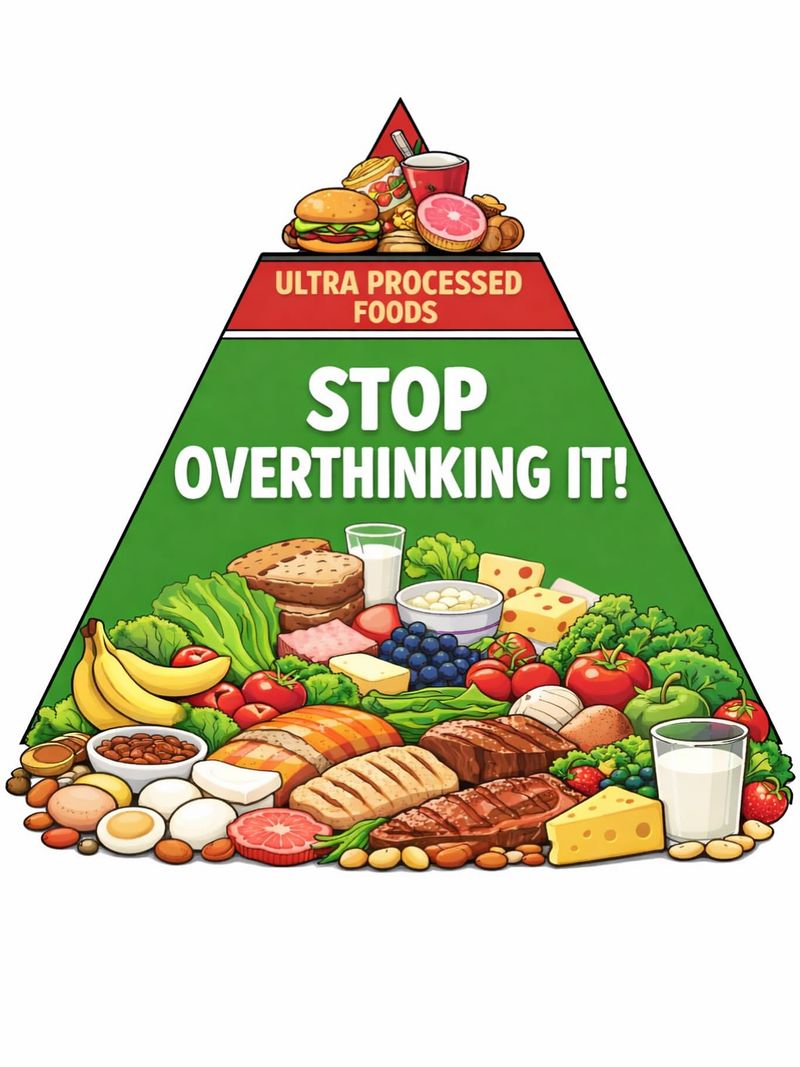
Here is the truth nobody talks about enough: eating perfectly every single day is not the goal, and it never has to be. Healthy eating is about building consistent habits over time, not stressing over every bite or feeling guilty after an occasional treat.
Progress matters far more than perfection when it comes to long-term health. Focus on making better choices most of the time, celebrate small wins, and give yourself grace on tough days.
Consistency built gradually always beats short-lived, unsustainable dieting efforts in the long run.




Comments
No Comments