













Somewhere along the way, calories got a bad reputation. People started avoiding entire food groups just because a number on a label seemed too high.
But here is the truth: your body needs calories to think, move, and grow. The real question is not how many calories a food has, but what those calories are doing for you.
1. Avocado
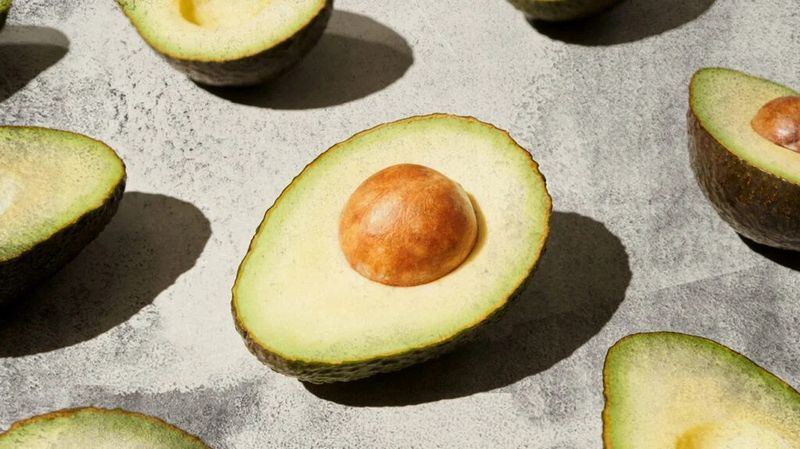
Avocados are one of those foods that used to get a bad rap because of their fat content. But the fats inside are actually heart-healthy monounsaturated fats that your body loves.
They help keep you full and support brain function.
One avocado also delivers potassium, fiber, and folate. Spread it on toast, blend it into a smoothie, or scoop it with a spoon.
Your body will thank you every single time.
2. Eggs
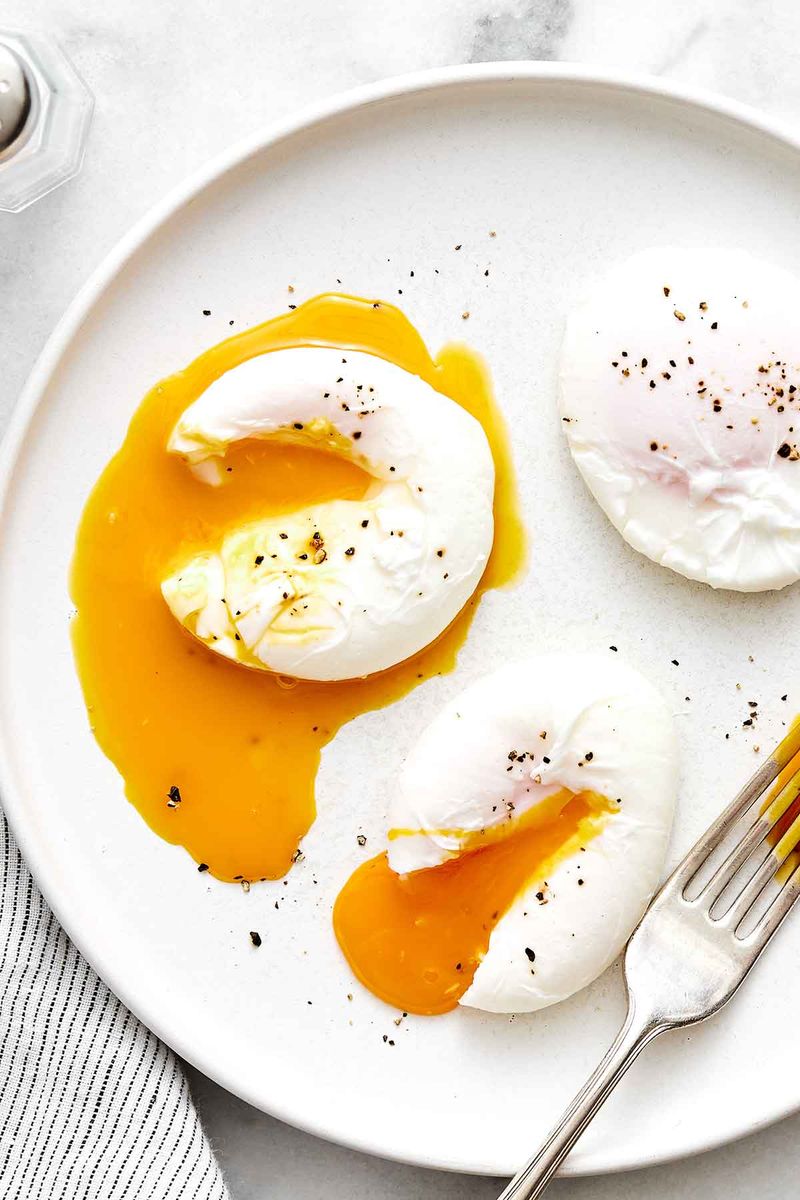
For years, eggs were blamed for raising cholesterol, but research has flipped that story on its head. Whole eggs are packed with high-quality protein, healthy fats, and vitamins like B12 and D.
They are one of the most complete foods available.
Eating eggs in the morning can keep hunger away for hours. Whether boiled, poached, or scrambled, eggs deliver serious nutrition in a small, affordable package that fits almost any meal.
3. Salmon
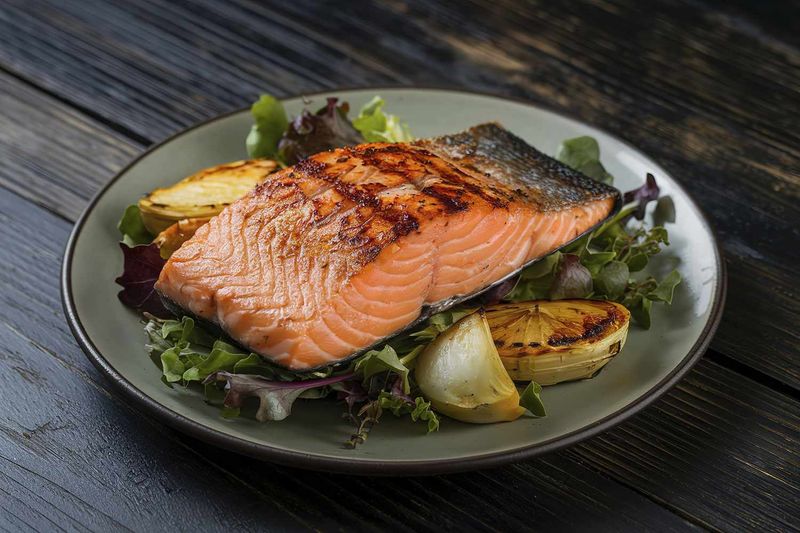
Wild salmon is practically a superfood swimming in your grocery store. It is loaded with omega-3 fatty acids, which reduce inflammation and support heart and brain health.
The calories in salmon come bundled with serious benefits your body can actually use.
Just two servings a week can make a noticeable difference in how you feel. Grill it, bake it, or flake it over a salad.
Salmon is one of those foods that earns every calorie it brings.
4. Sweet Potatoes
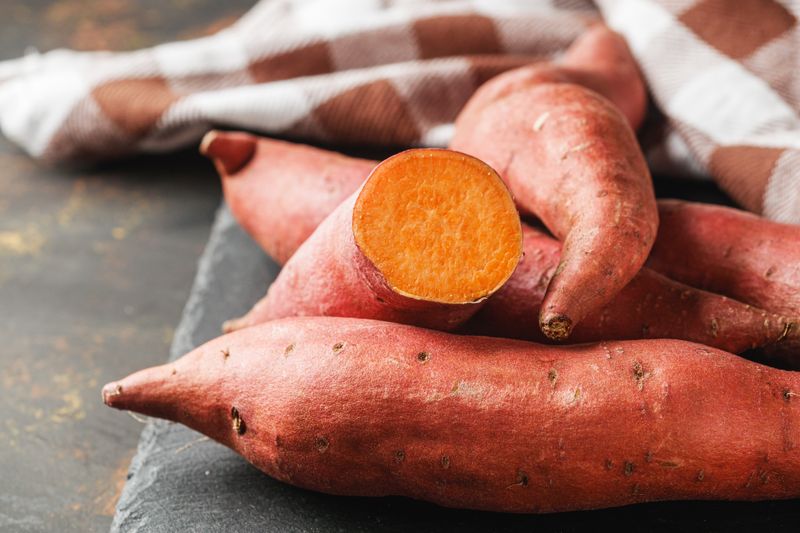
Sweet potatoes taste like a treat but work like a powerhouse. They are rich in beta-carotene, which your body converts into vitamin A, supporting your eyes, skin, and immune system.
Their natural sweetness comes with a solid dose of fiber too.
Unlike refined carbs that spike your blood sugar fast, sweet potatoes release energy slowly. That means you stay energized longer without the crash.
Roast them, mash them, or slice them into fries for a guilt-free upgrade.
5. Almonds
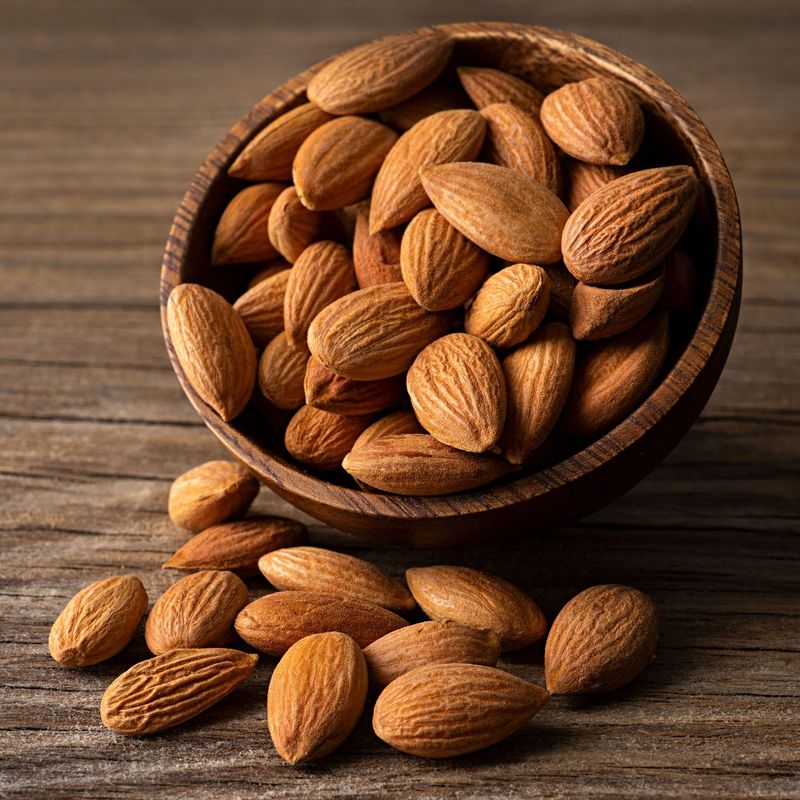
A small handful of almonds might seem calorie-dense, but those calories are doing real work. Almonds are packed with vitamin E, magnesium, healthy fats, and protein.
They are one of the most satisfying snacks you can reach for between meals.
Studies show that people who snack on almonds regularly tend to eat less overall because they stay full longer. Keep a small bag in your backpack or desk drawer.
Almonds are proof that smart calories beat empty ones every time.
6. Greek Yogurt
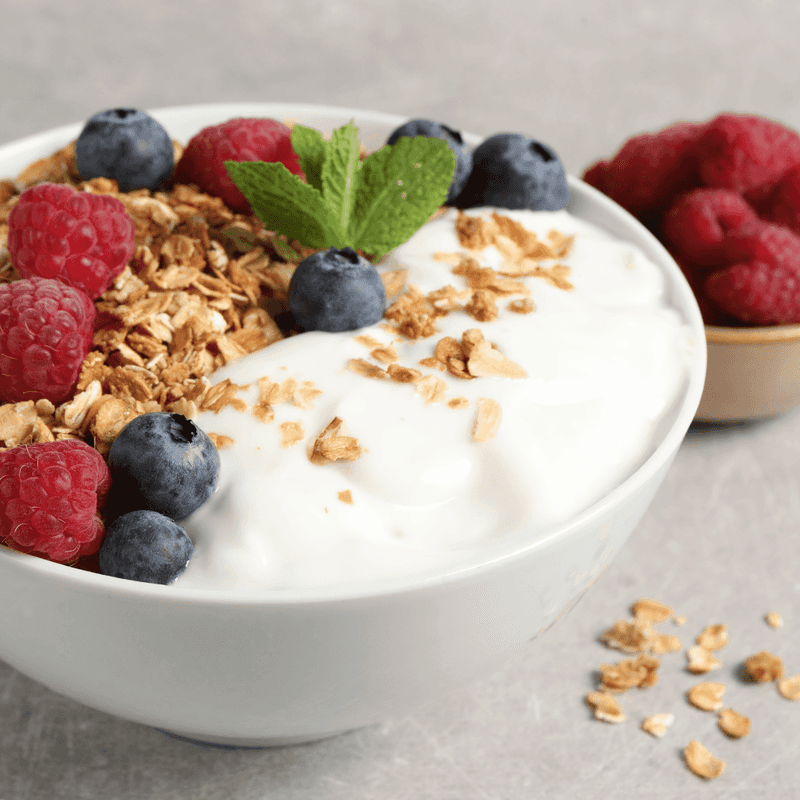
Thick, creamy, and satisfying, Greek yogurt is a protein powerhouse that doubles as a probiotic food. The live cultures inside support gut health, which is connected to everything from mood to immunity.
It is one of those foods that quietly does a lot of heavy lifting.
Choose plain varieties to avoid added sugars, and top it with fruit or a drizzle of honey. Greek yogurt works as a breakfast, snack, or even a base for savory dips and dressings.
7. Quinoa
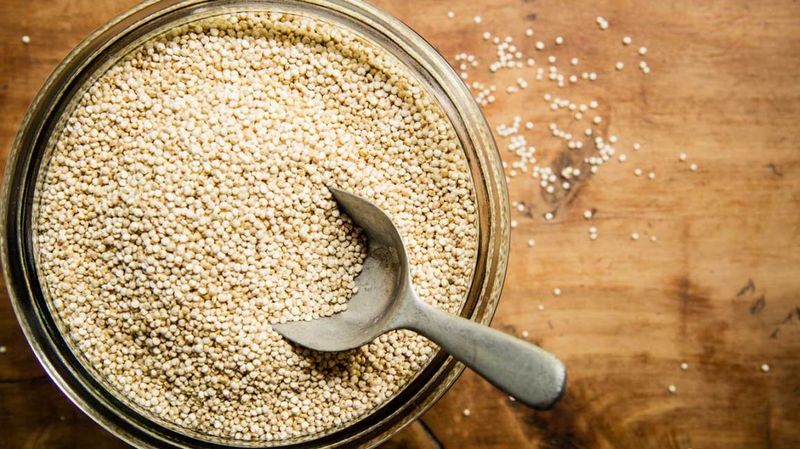
Quinoa is technically a seed, but it cooks and tastes like a grain. What makes it stand out is that it contains all nine essential amino acids, making it a complete protein.
That is rare for a plant-based food and incredibly valuable for active bodies.
It is also gluten-free and rich in iron, magnesium, and fiber. Swap it in place of rice or pasta in your favorite dishes.
Quinoa brings more nutrition to the table without asking much in return.
8. Blueberries
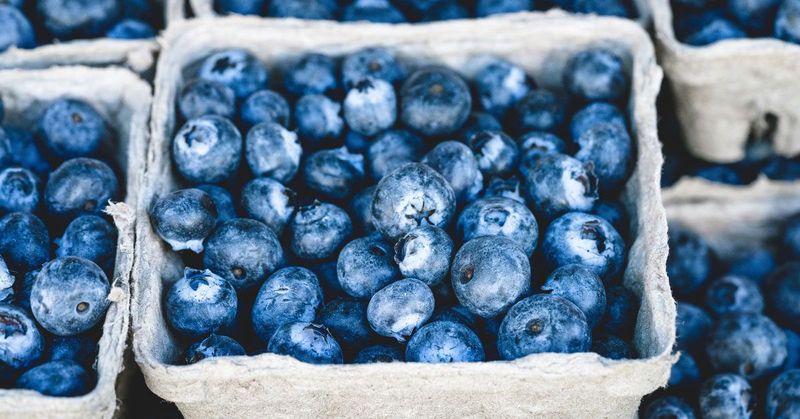
Tiny but mighty, blueberries pack more antioxidants per serving than almost any other fruit. Those antioxidants fight oxidative stress in the body, which is linked to aging and disease.
Eating a cup of blueberries is like sending a repair crew straight to your cells.
They are also low in calories while being high in fiber and vitamin C. Toss them in yogurt, oatmeal, or a smoothie.
Fresh or frozen, blueberries are one of the easiest and most delicious ways to nourish your body.
9. Olive Oil
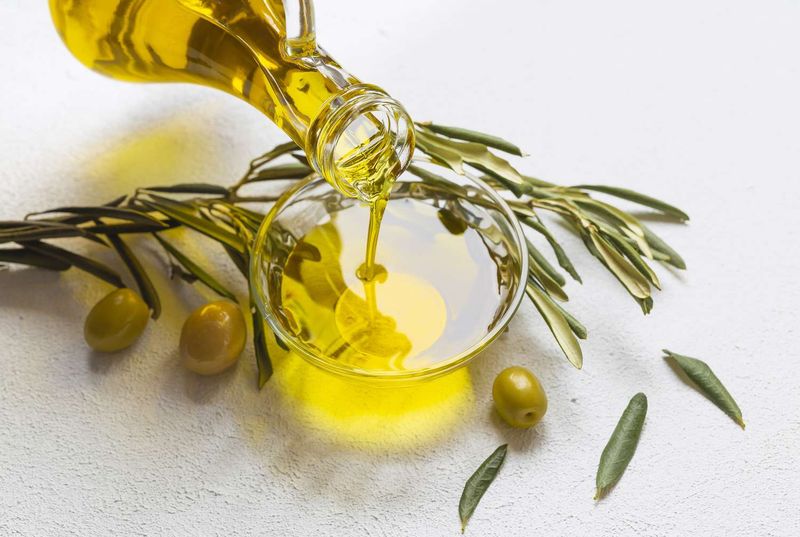
Olive oil is the backbone of the Mediterranean diet, one of the most studied and praised eating patterns in the world. It is rich in oleic acid, a monounsaturated fat linked to reduced inflammation and better heart health.
A drizzle goes a long way.
Extra virgin olive oil also contains powerful plant compounds called polyphenols. Use it for cooking, dipping bread, or finishing roasted vegetables.
The calories it carries come loaded with benefits that processed oils simply cannot match.
10. Lentils
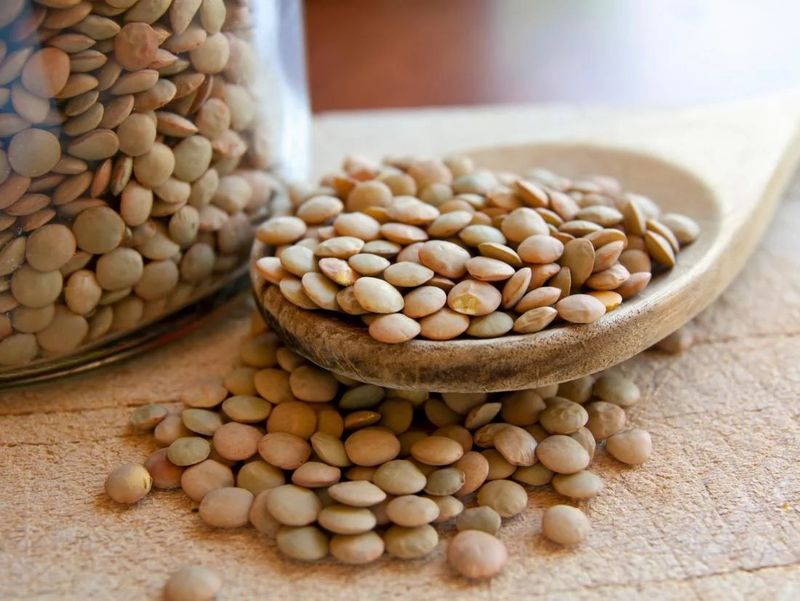
Lentils have been feeding people for thousands of years, and there is a very good reason they stuck around. They are incredibly rich in plant-based protein, iron, and folate, making them one of the best affordable foods on the planet.
A single cup of cooked lentils delivers around 18 grams of protein.
They are also high in fiber, which supports digestion and keeps blood sugar steady. Add them to soups, stews, or salads.
Lentils are humble, filling, and genuinely nourishing.
11. Bananas
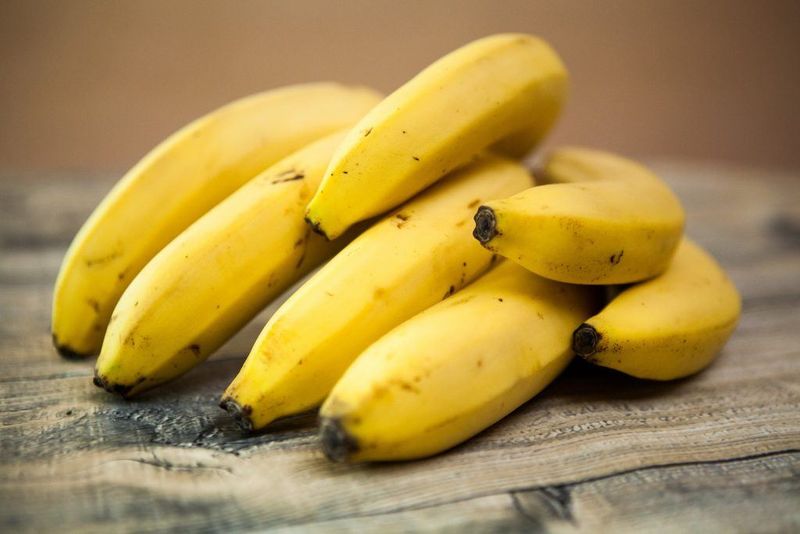
Bananas get unfairly targeted in low-carb conversations, but they deserve far more credit. They provide quick, natural energy from carbohydrates, along with potassium that supports muscle function and blood pressure.
Athletes have relied on bananas for decades for a reason.
They also contain vitamin B6, which helps your brain produce feel-good chemicals like serotonin. Eat one before a workout, blend it into a smoothie, or slice it over oatmeal.
Bananas are nature's original energy bar, and they come in their own wrapper.
12. Dark Chocolate
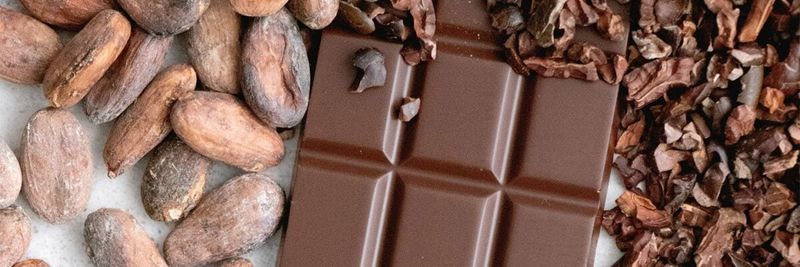
Dark chocolate is one of the most satisfying proof points that healthy eating does not have to feel like a punishment. Chocolate with 70 percent or more cacao is loaded with magnesium, iron, and flavonoids that support heart health and reduce stress hormones.
A square or two after a meal can curb sweet cravings without sending your blood sugar on a rollercoaster. The key is quality over quantity.
A little dark chocolate goes a surprisingly long way toward feeling satisfied and nourished at the same time.
13. Walnuts
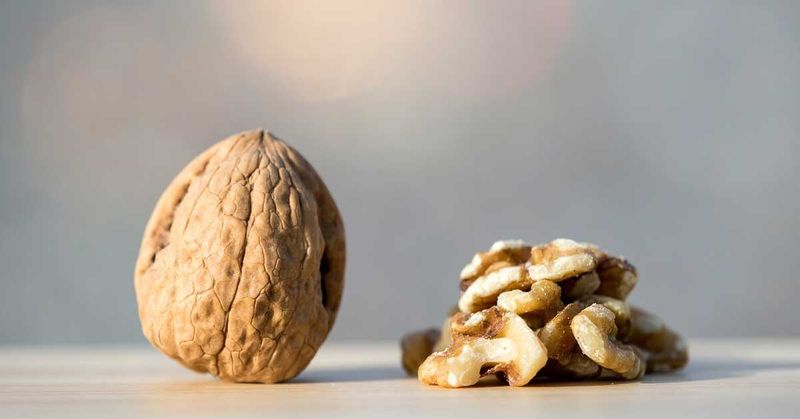
Walnuts look a little like tiny brains, which might be nature hinting at what they are best known for supporting. They are the only nut with a significant amount of plant-based omega-3 fatty acids, called ALA, which are linked to better brain and heart health.
Research also shows that walnuts may help lower bad cholesterol. A small handful makes a smart addition to salads, oatmeal, or trail mix.
Their rich, earthy flavor pairs well with both sweet and savory dishes beautifully.
14. Spinach
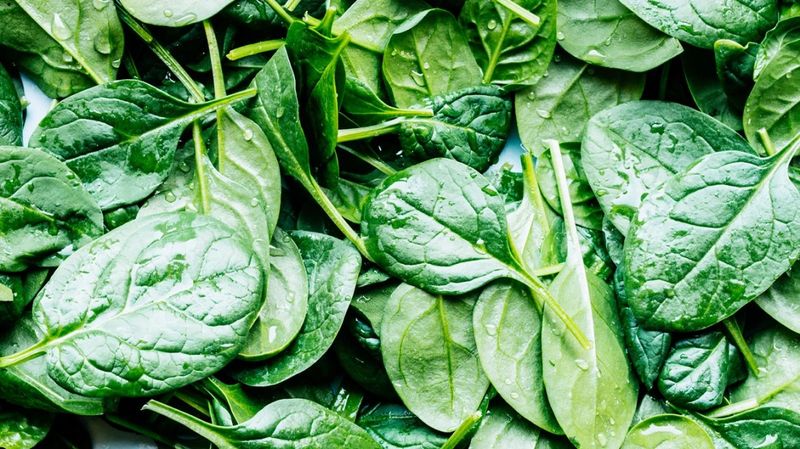
Spinach is one of those vegetables that earns legendary status in the nutrition world. It is low in calories but stacked with iron, calcium, vitamin K, and folate.
Popeye was onto something, even if cartoon logic was a little exaggerated.
Raw spinach wilts down dramatically when cooked, so you can easily fit a massive amount into one meal. Blend it into smoothies, saute it with garlic, or pile it raw into salads.
Spinach is proof that nutrient density matters more than calorie count.
15. Chia Seeds
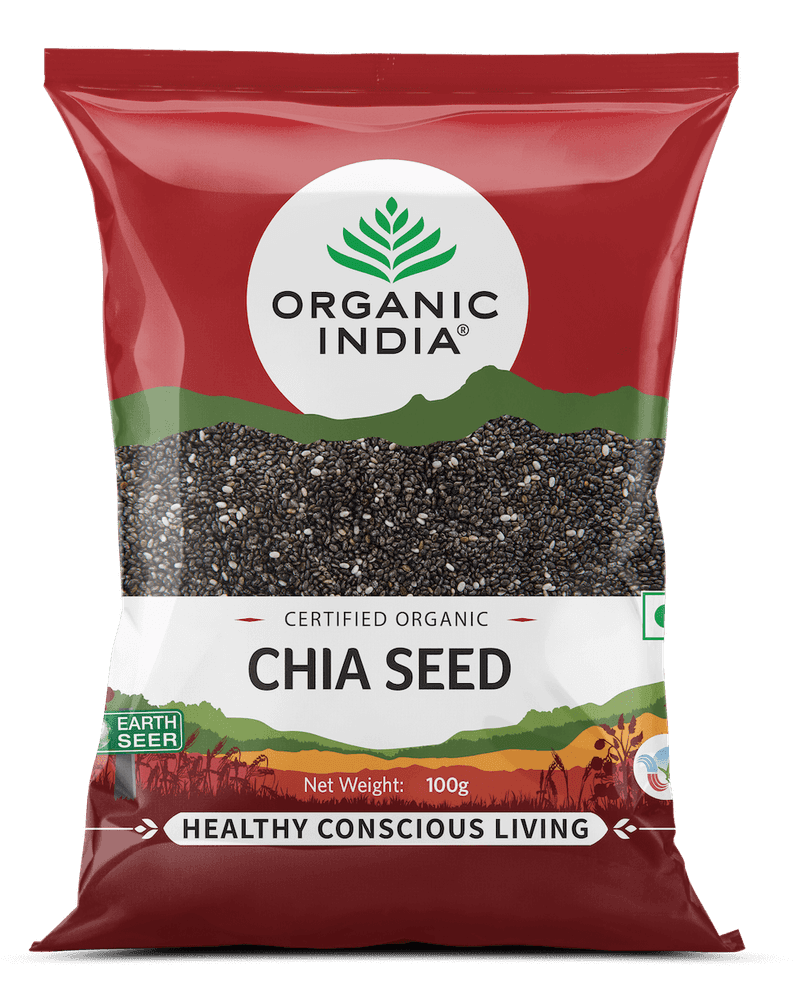
Chia seeds are one of the most nutrient-packed foods you can add to your diet without even tasting them. Just two tablespoons deliver fiber, protein, calcium, and omega-3 fatty acids.
They expand in liquid to form a gel that slows digestion and keeps you full.
Ancient Aztec warriors reportedly carried chia seeds on long journeys for sustained energy. Soak them overnight in milk or juice for a creamy pudding, or sprinkle them on yogurt.
Small seeds, seriously impressive nutrition.
16. Oats
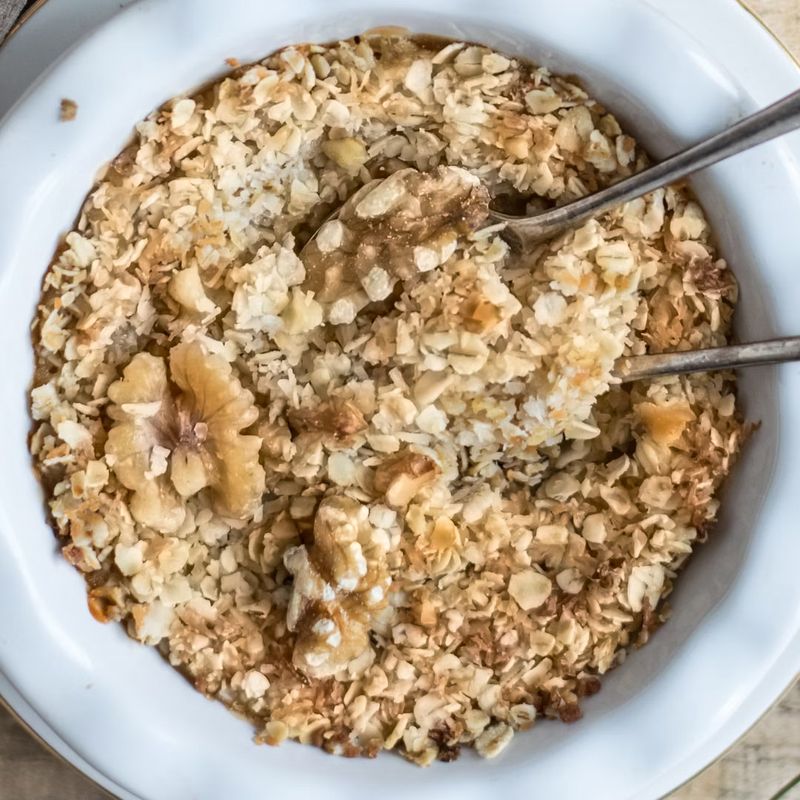
Oats are the kind of breakfast that actually keeps its promise of keeping you full until lunch. They are rich in a specific type of soluble fiber called beta-glucan, which slows digestion, feeds good gut bacteria, and helps lower cholesterol.
That is a lot of work for one humble grain.
Steel-cut and rolled oats are the least processed options and offer the most nutritional value. Top them with fruit, nuts, or a spoonful of nut butter.
Oats prove that simple and wholesome can be genuinely powerful.
17. Chickpeas
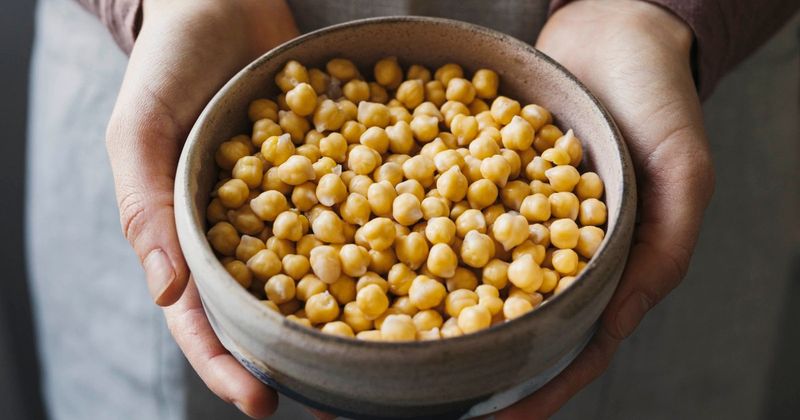
Chickpeas, also called garbanzo beans, are one of the most versatile and filling plant foods around. They are packed with fiber, plant protein, and complex carbohydrates that digest slowly and keep energy levels steady.
Hummus, the beloved dip made from chickpeas, is just one of dozens of ways to enjoy them.
Roast them with spices for a crunchy snack, toss them into curries, or blend them into soups. Chickpeas are an affordable, satisfying food that belongs in every kitchen without question.
18. Pumpkin Seeds
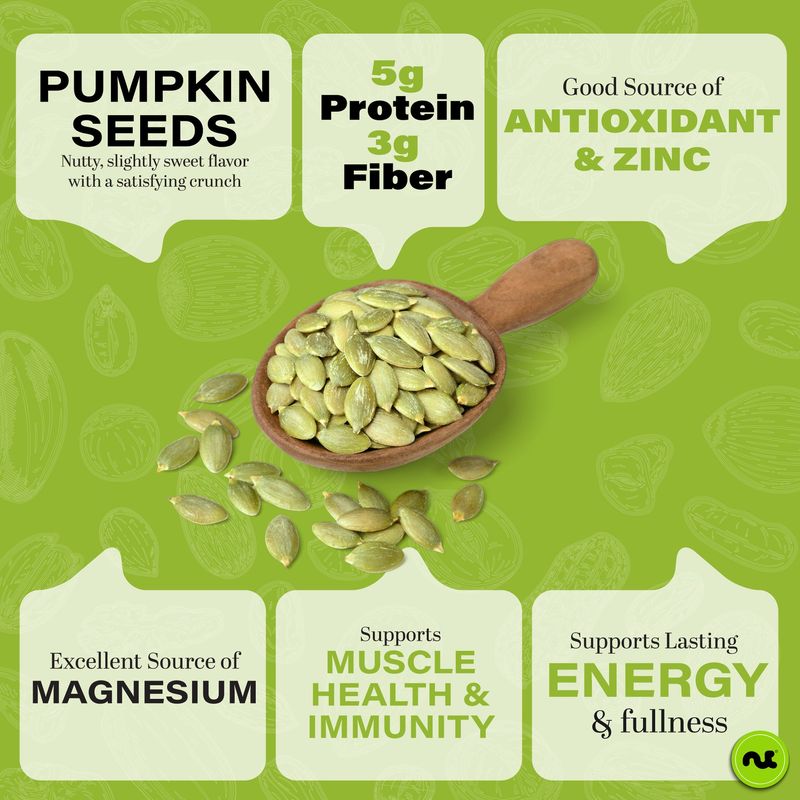
Most people scoop pumpkin seeds out and toss them without a second thought, but that is a missed opportunity. These flat green seeds are rich in zinc, magnesium, iron, and healthy fats.
Zinc alone supports immune function, wound healing, and even mood regulation.
A quarter cup of pumpkin seeds delivers more magnesium than most people get in a day. Toast them with a little salt and olive oil for a crunchy snack.
They are also wonderful scattered over salads or stirred into granola for texture.
19. Cottage Cheese
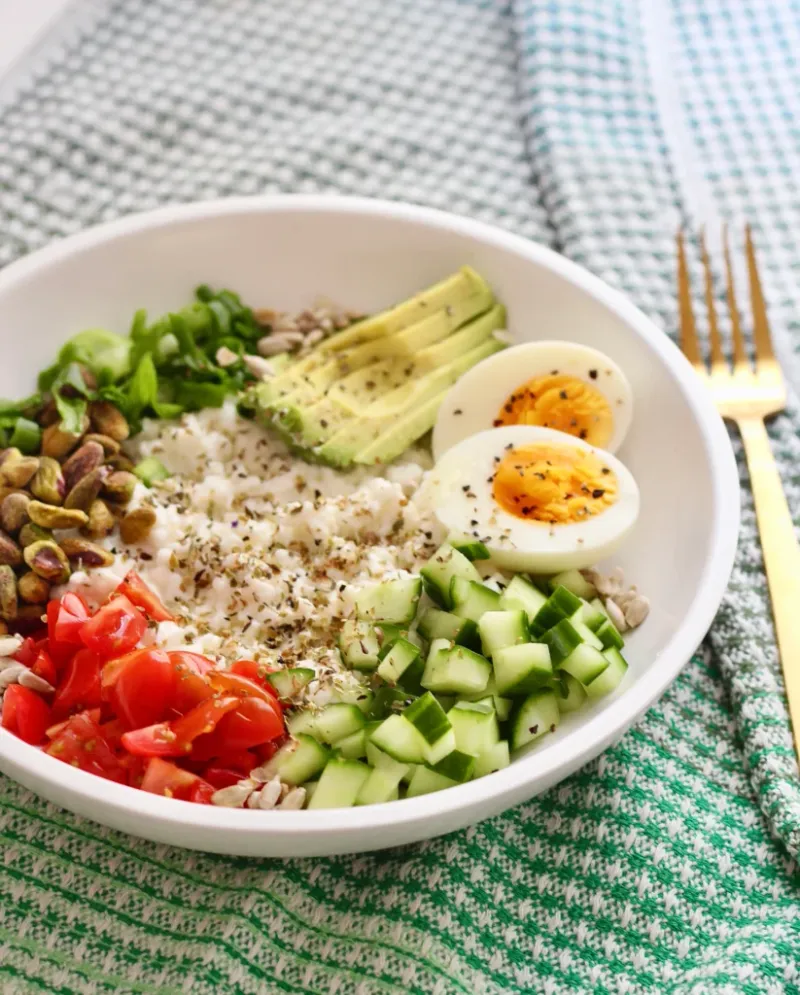
Cottage cheese had a big moment in the 1970s health food scene, and it is making a well-deserved comeback. It is one of the highest-protein dairy foods available, with a mild flavor that works in both sweet and savory dishes.
High-protein foods help repair muscles and keep appetite in check.
It is also a good source of calcium and B vitamins. Eat it with fruit for breakfast, mix it into pancake batter, or use it as a ricotta substitute in lasagna.
Cottage cheese is underrated and genuinely useful.
20. Brown Rice
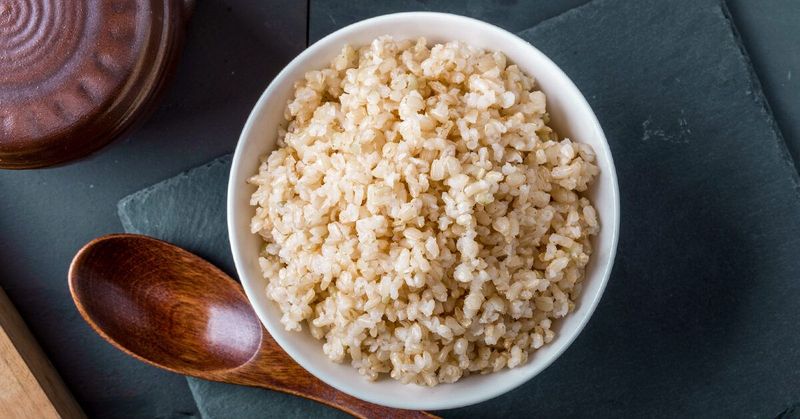
Brown rice gets overshadowed by trendier grains, but it remains one of the most reliable whole foods you can eat. Unlike white rice, brown rice keeps its outer bran layer intact, which is where most of the fiber, B vitamins, and minerals live.
That makes a real difference for digestion and sustained energy.
It has a slightly nutty flavor and hearty texture that pairs well with stir-fries, curries, and grain bowls. Batch cook a big pot on Sunday and use it throughout the week.
Brown rice is consistent, affordable, and genuinely nourishing.




Comments
No Comments