













Growing your own herbs at home is one of the most rewarding things you can do, even if you have zero gardening experience. Fresh herbs can transform everyday meals, save you money at the grocery store, and bring a little greenery into your living space.
Whether you have a big backyard or just a sunny windowsill, there is an herb out there that is perfect for you. Here are 15 herbs that are super easy for beginners to grow right at home.
1. Basil
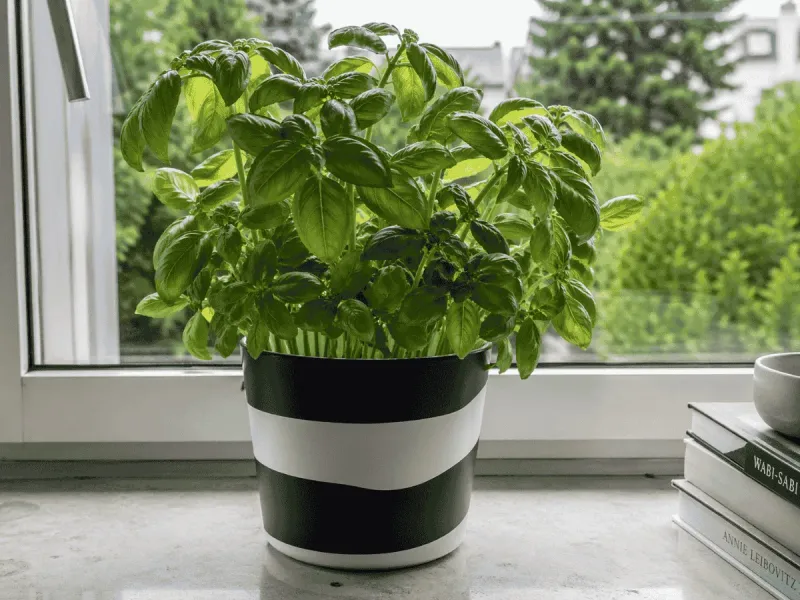
If you have ever smelled a fresh pizza or a bowl of pasta, chances are basil played a starring role. This sun-loving herb grows fast and rewards beginners with lush, fragrant leaves in just a few weeks.
Plant basil in a pot near a sunny window and water it regularly, but avoid letting the roots sit in soggy soil. Pinch off flower buds as they appear to keep the plant producing leaves longer.
Fresh basil is perfect for salads, sauces, and homemade pesto.
2. Mint
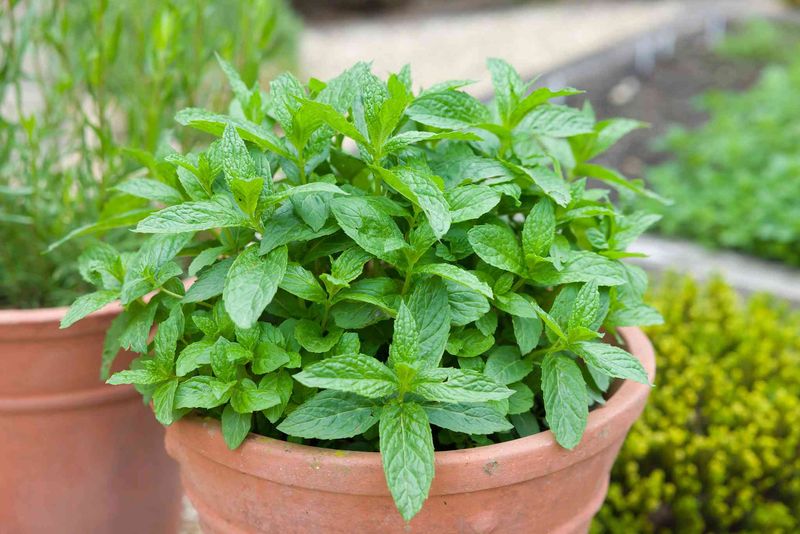
Mint is practically unstoppable, which makes it a dream herb for beginners who worry about killing plants. It spreads quickly and vigorously, so growing it in a container is actually the smartest move to keep it from taking over your garden.
Just give it moist soil and partial to full sunlight, and it will thrive with very little fuss. Use fresh mint in teas, lemonades, salads, or even as a garnish on desserts.
Did you know mint has been used medicinally for over 2,000 years?
3. Chives
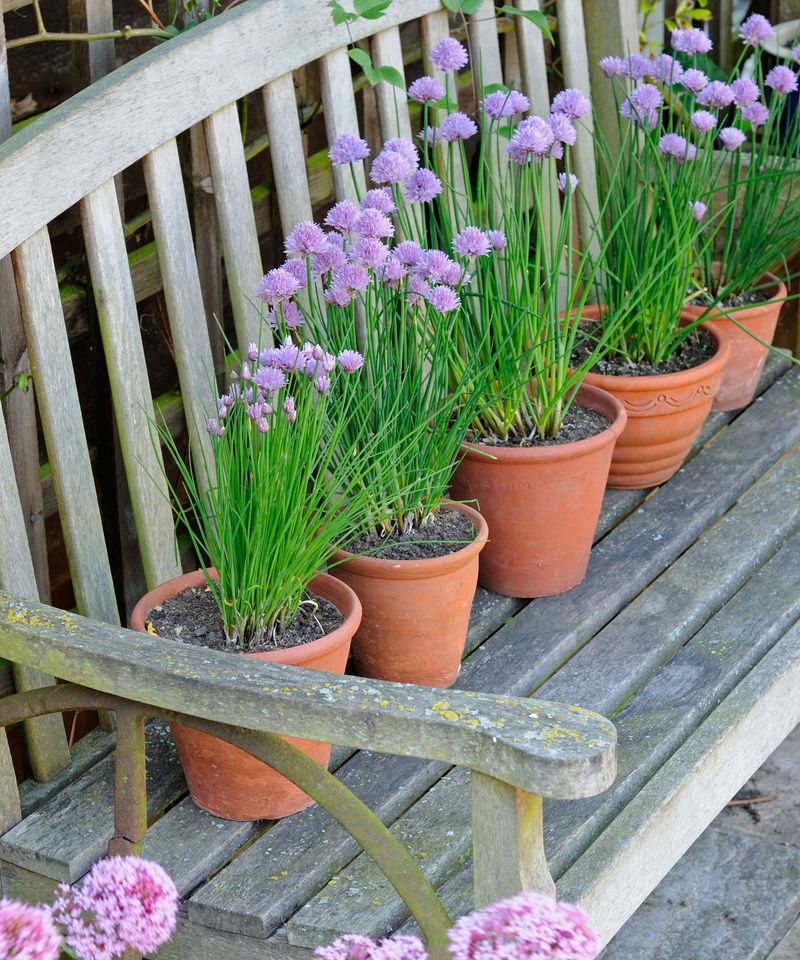
Chives are the quiet heroes of the herb world. They grow in neat little clumps, ask for almost nothing, and deliver a mild onion flavor that upgrades scrambled eggs, soups, and baked potatoes instantly.
Plant chive seeds or bulbs in well-draining soil and place them somewhere they get at least four to six hours of sunlight daily. Snip the leaves with scissors whenever you need them, and the plant will just keep growing back.
They are practically impossible to fail at growing.
4. Parsley
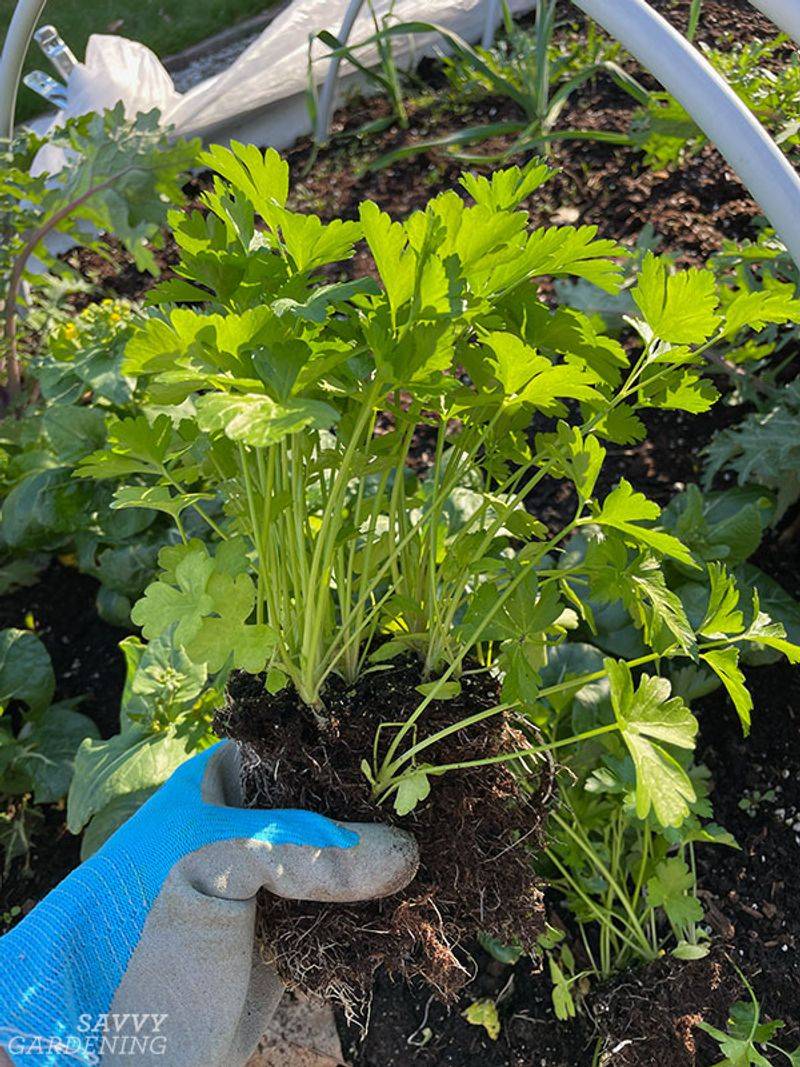
Parsley is one of the most versatile herbs in any kitchen, and it is much easier to grow than most people think. It starts a little slowly from seed, but once it gets going, it produces abundantly all season long.
Choose a pot with good drainage and keep the soil consistently moist. Parsley does well in both full sun and partial shade, making it flexible for different home setups.
Sprinkle it fresh over roasted vegetables, pasta, or grilled fish for a bright, clean flavor boost.
5. Cilantro
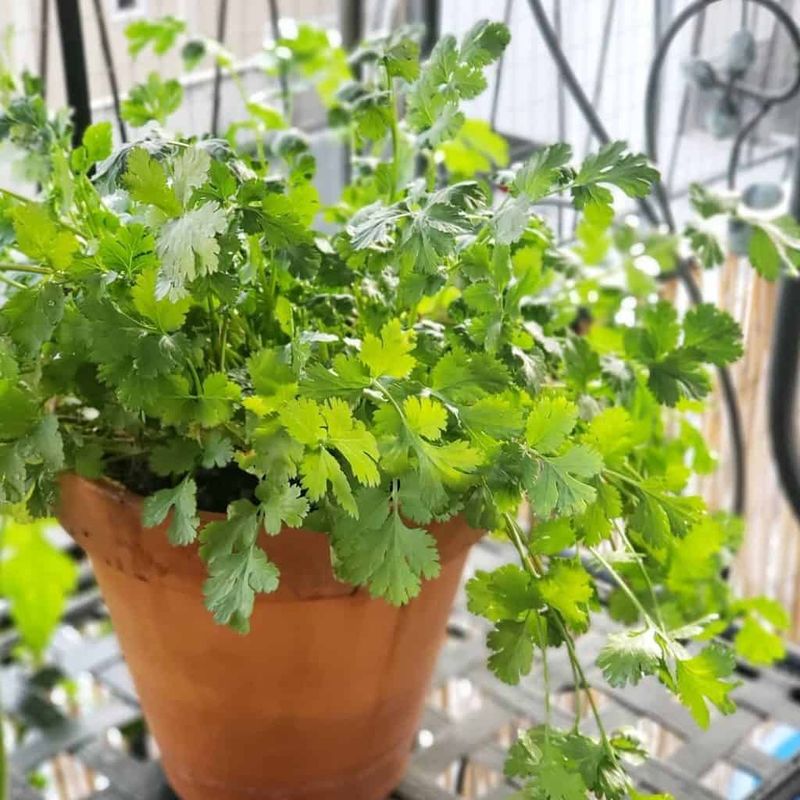
Love it or hate it, cilantro is one of the most popular herbs in world cuisine, showing up in Mexican salsas, Indian curries, and Thai noodle bowls. Growing it at home means you always have a fresh supply ready to go.
Cilantro prefers cooler temperatures and tends to bolt, meaning it goes to seed quickly in hot weather. Plant it in a shaded spot during summer or grow it indoors near a window.
Sow seeds every few weeks to ensure a continuous harvest throughout the season.
6. Rosemary
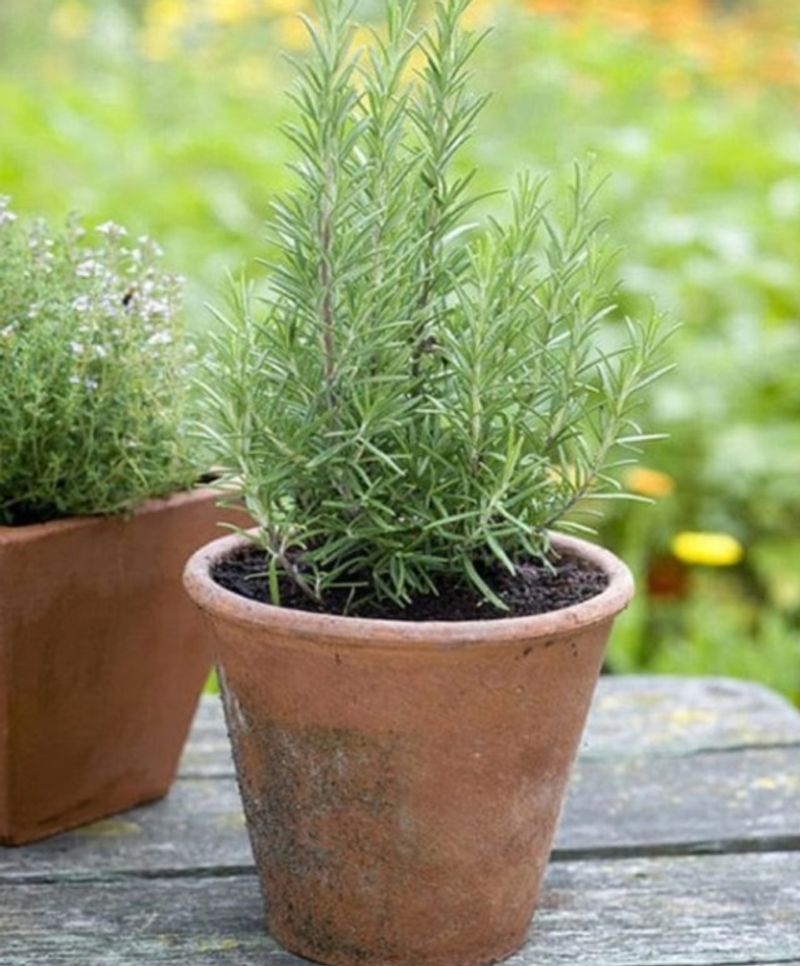
Rosemary smells like a walk through a sun-drenched Mediterranean hillside, and growing it at home brings that same aromatic magic to your space. It is a tough, drought-tolerant herb that actually thrives on a little neglect.
Plant rosemary in a pot with sandy, well-draining soil and place it in the sunniest spot you can find. Water it only when the soil feels dry, as overwatering is its biggest enemy.
Use sprigs to season roasted chicken, potatoes, or even homemade bread for incredible depth of flavor.
7. Thyme
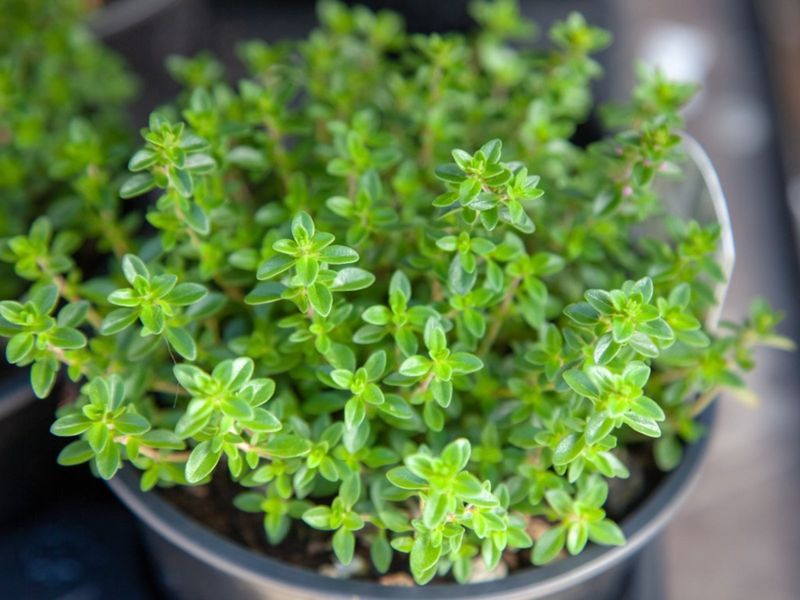
Thyme has a woody, earthy aroma that makes soups, stews, and roasted meats taste like they came straight from a professional kitchen. What beginners love most about thyme is that it is incredibly forgiving and drought-resistant once established.
It grows well in small pots placed on a sunny windowsill or balcony. Use a light, well-draining potting mix and let the soil dry out slightly between waterings.
Fun fact: ancient Egyptians used thyme in their embalming rituals, so this little herb has quite the history behind it.
8. Oregano
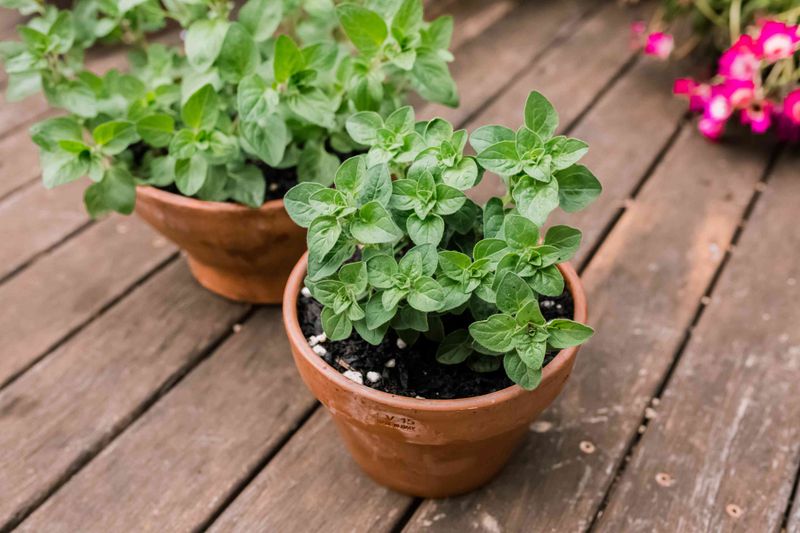
Oregano is the herb that makes homemade pizza sauce taste authentic, and once you grow it yourself, you will never want to use the dried stuff from a jar again. It is a hardy perennial in many climates, meaning it comes back year after year.
Plant oregano in a sunny spot with well-draining soil and water it moderately. It actually produces more intense flavor when the soil is slightly dry, so do not overwater.
Harvest by snipping stems just before the plant flowers for the strongest taste.
9. Lavender
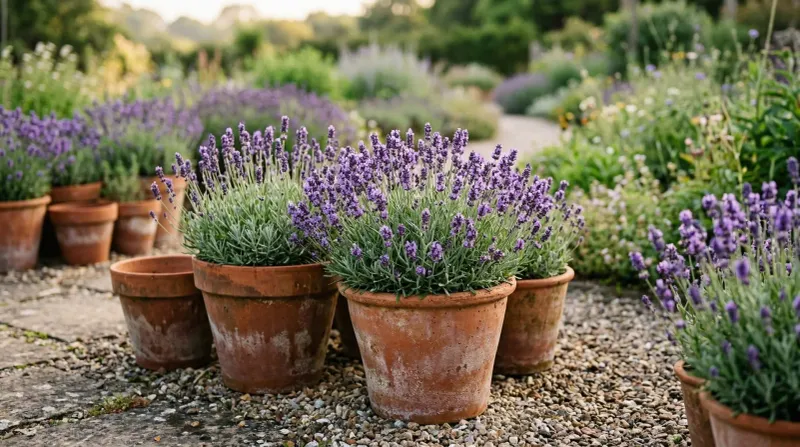
Lavender is not just a pretty face in the garden. Its calming scent has been used for centuries in aromatherapy, cooking, and even sleep aids.
Growing it at home brings beauty and function together in one elegant plant.
It thrives in full sun and well-draining, slightly sandy soil. Avoid overwatering, as lavender absolutely hates wet roots.
You can use dried lavender buds in baked goods like shortbread cookies, or simply bundle the stems and place them in your bedroom to promote better sleep naturally.
10. Lemon Balm
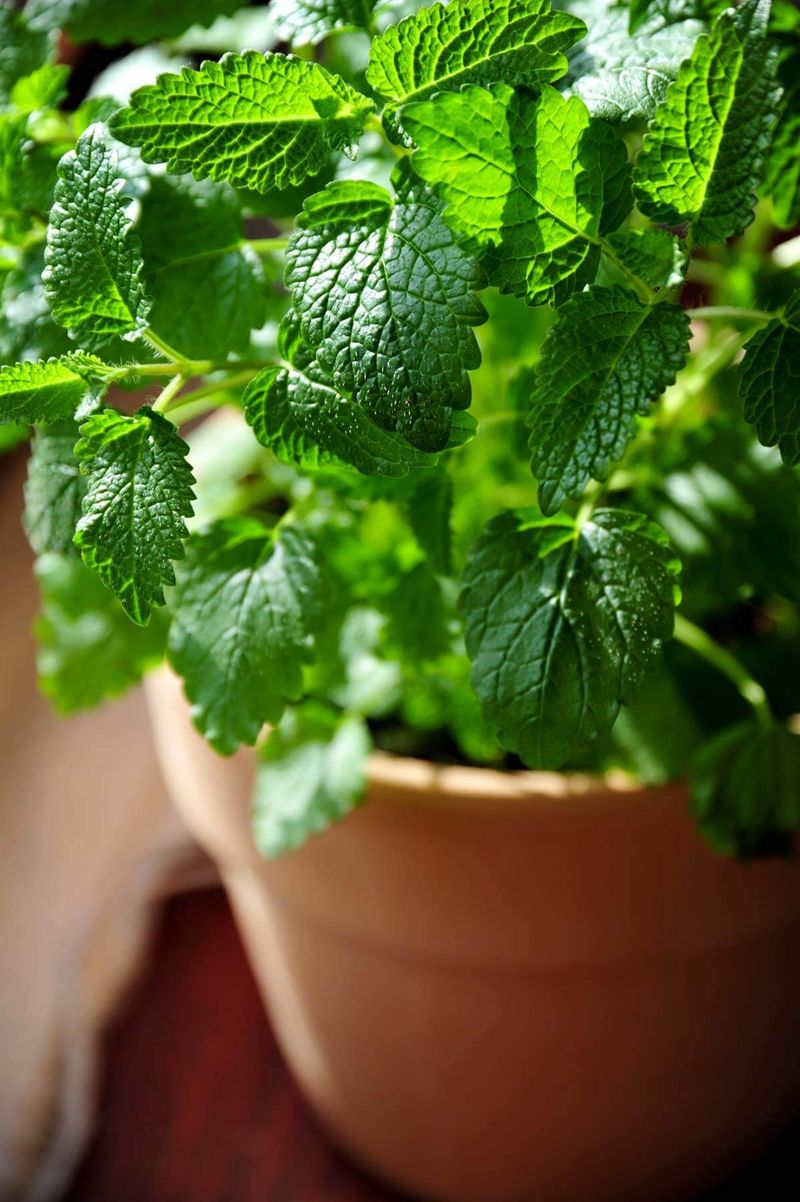
Rub a lemon balm leaf between your fingers and you get an instant burst of fresh lemon scent that is both uplifting and calming. This cheerful herb belongs to the mint family, so it grows enthusiastically and is very hard to kill.
Keep it in a container to manage its spreading habit and give it partial to full sun. Lemon balm makes a soothing herbal tea that many people use to reduce stress and improve sleep.
It is also wonderful when added fresh to fruit salads or lemonades.
11. Dill
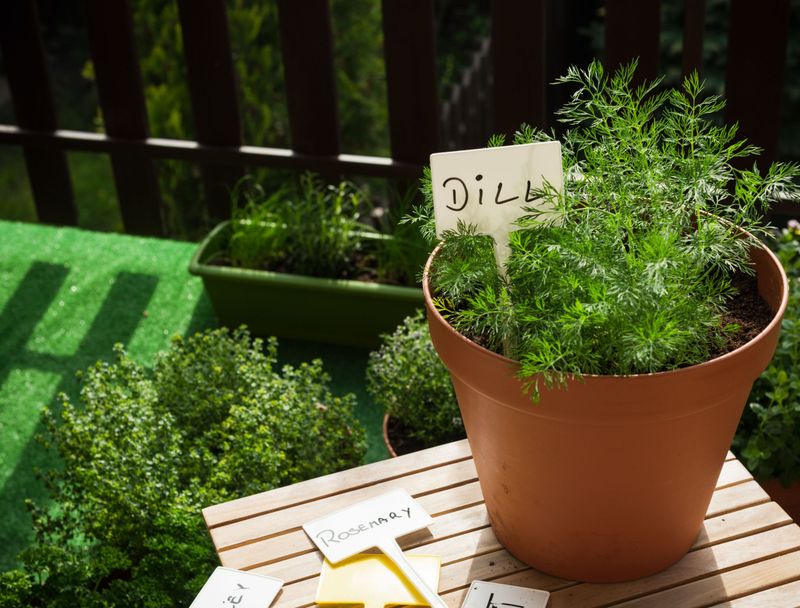
Dill has those feathery, wispy leaves that look almost too delicate to touch, but do not be fooled. This herb is surprisingly easy to grow from seed and shoots up quickly in warm weather.
It is a favorite for pickling cucumbers and seasoning fish dishes.
Direct sow dill seeds into a pot with rich, well-draining soil and place it in a sunny location. Because dill grows tall, choose a deeper pot to support its roots.
Harvest the fronds regularly to slow bolting and enjoy fresh dill in dips, salads, and marinades.
12. Sage
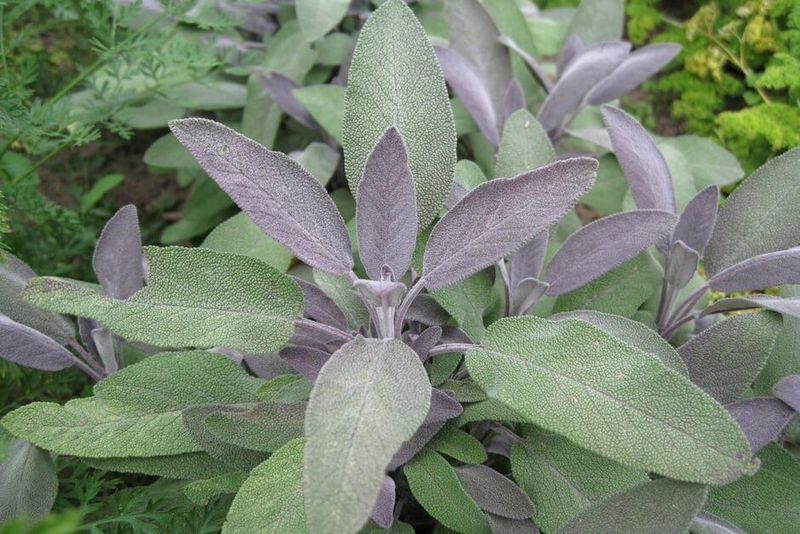
Sage has a bold, earthy flavor that pairs beautifully with butter, pasta, pork, and stuffing. Its soft, velvety leaves and silvery-green color make it one of the most attractive herbs you can grow, even as a decorative plant indoors.
It loves full sun and well-draining soil, and it handles dry conditions better than most herbs. Water sage sparingly and avoid humid or waterlogged conditions.
Beginners will appreciate that sage is slow to need repotting and stays compact enough to thrive comfortably on a sunny kitchen windowsill year-round.
13. Stevia
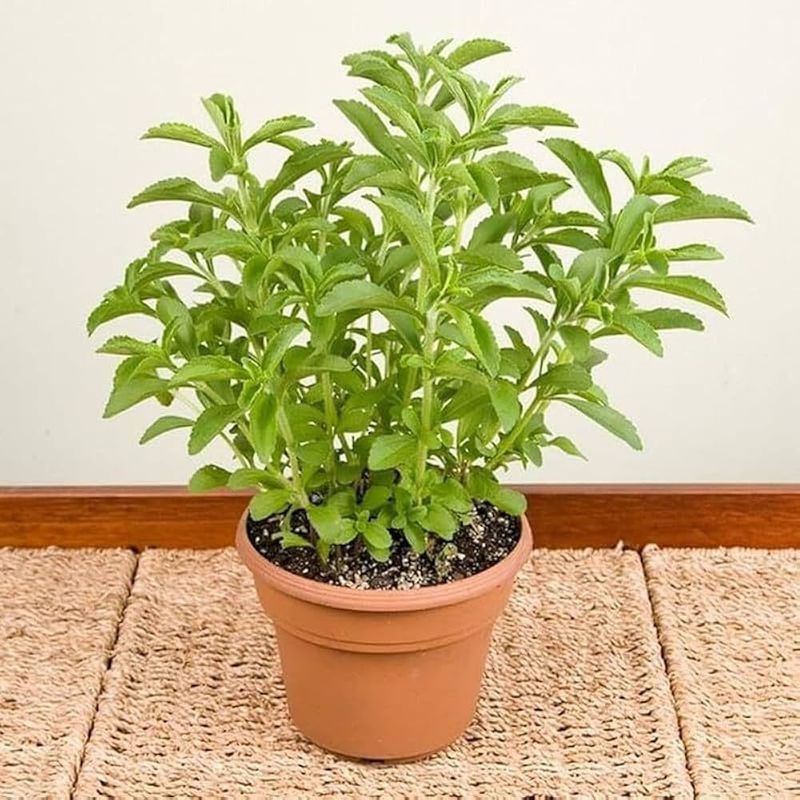
Stevia is the herb that lets you sweeten your food and drinks without adding any calories, which is pretty remarkable for a plant you can grow right on your kitchen counter. The leaves are naturally sweet, up to 200 times sweeter than sugar in some varieties.
Grow stevia in a warm, sunny spot with moist, well-draining soil. It does not tolerate frost, so keep it indoors during cold months.
Simply chew a fresh leaf, dry them and grind them into powder, or steep them in hot water for a naturally sweet herbal tea.
14. Chamomile
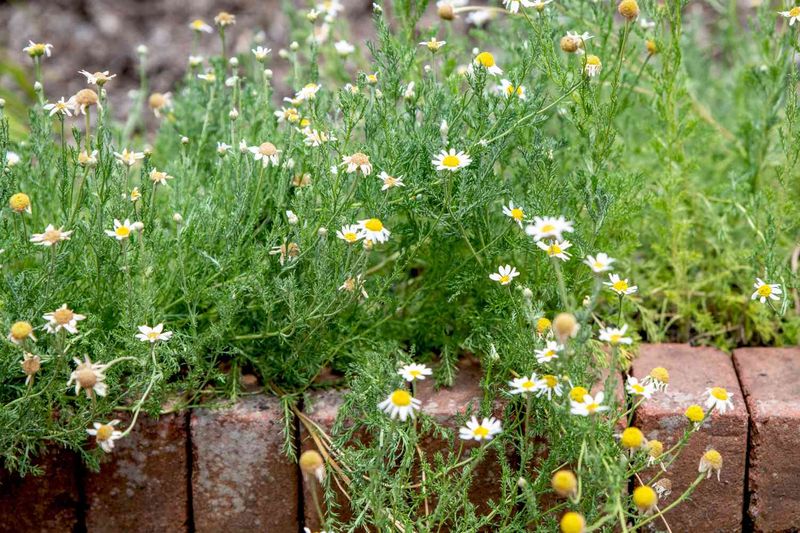
There is something wonderfully old-fashioned about growing your own chamomile and brewing a cup of tea with flowers you picked yourself. Chamomile produces cheerful little white and yellow blossoms that are as pretty as they are useful.
German chamomile is the easiest variety for beginners and grows well from seed in a sunny spot with light, well-draining soil. It needs minimal watering once established.
Harvest the flowers when they are fully open, dry them, and use them to make a soothing bedtime tea that helps calm nerves and ease stomach discomfort.
15. Tarragon
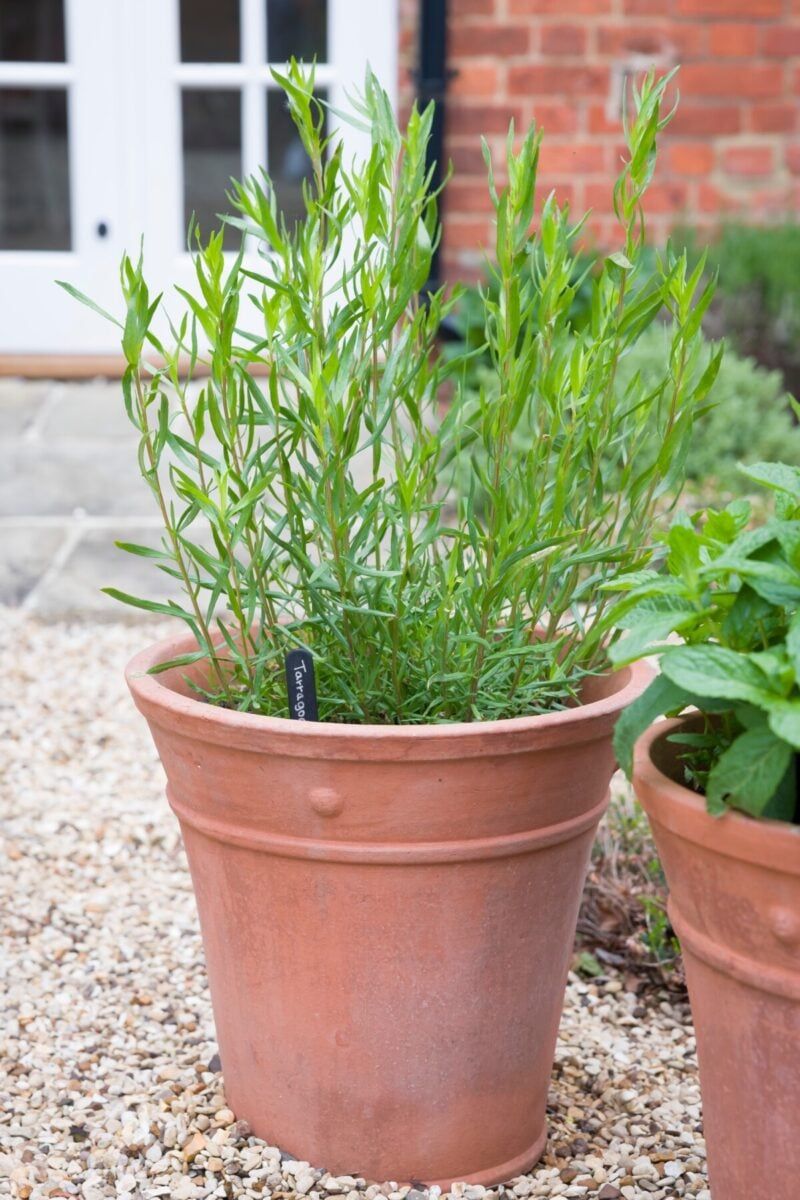
Tarragon is a bit of a hidden gem in the herb world. It has a subtle anise-like flavor that makes chicken dishes, creamy sauces, and salad dressings taste incredibly sophisticated.
French tarragon, the best culinary variety, must be grown from cuttings or transplants since it rarely produces viable seeds.
Plant it in a sunny spot with light, well-draining soil and water moderately. Tarragon is quite cold-hardy and can survive mild winters outdoors.
Regular harvesting of the top leaves encourages bushier, fuller growth throughout the growing season.




Comments
No Comments