













Irish cooking has a long and proud history, built on simple ingredients and a whole lot of love. Many traditional Irish dishes take hours to prepare, but the reward is a meal full of warmth and deep flavor.
From slow-simmered stews to carefully baked breads, these recipes have been passed down through generations. If you are ready to slow down and enjoy the process, these 18 classic dishes are absolutely worth every minute.
1. Irish Beef and Guinness Stew
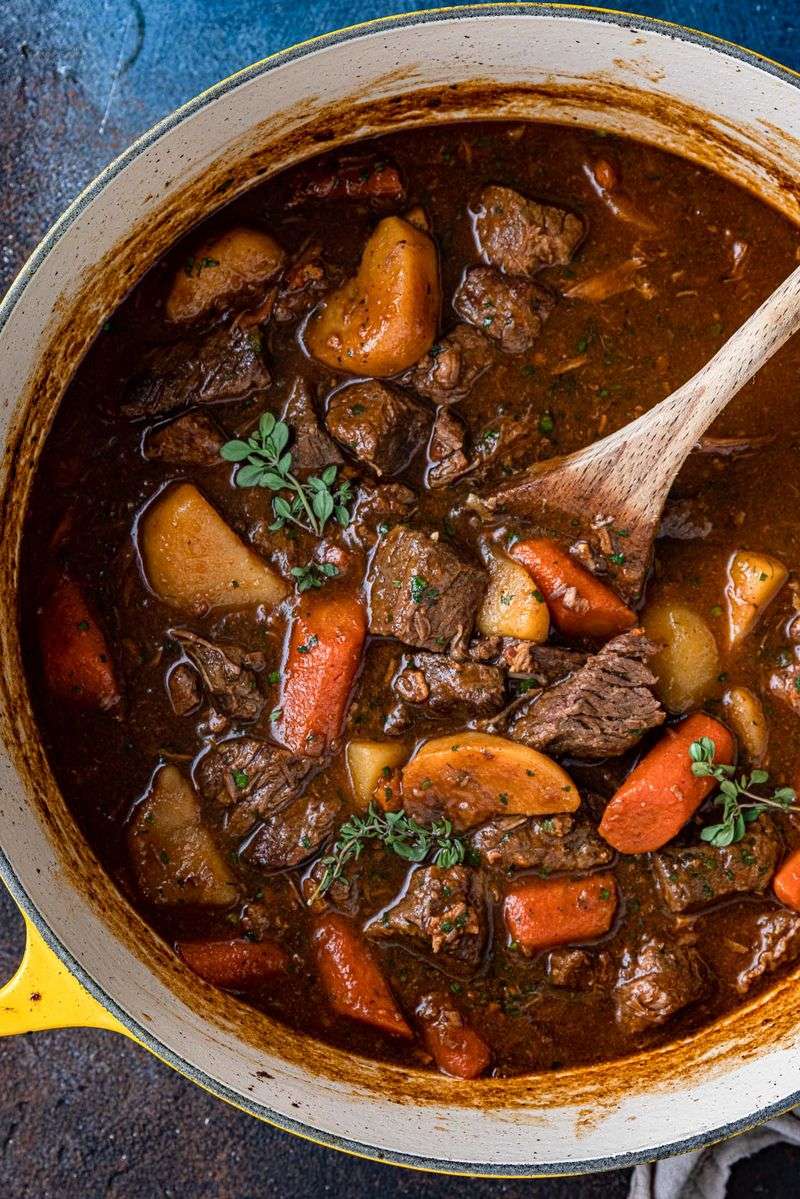
Few things smell better than a pot of beef and Guinness stew slowly bubbling on the stove. The dark stout beer gives this dish its famous deep, slightly bitter richness that you simply cannot rush.
You need to brown the beef carefully, build the base slowly, and let it all simmer for at least two to three hours.
Skipping steps here means tough meat and thin broth, so patience is your best ingredient.
2. Dublin Coddle
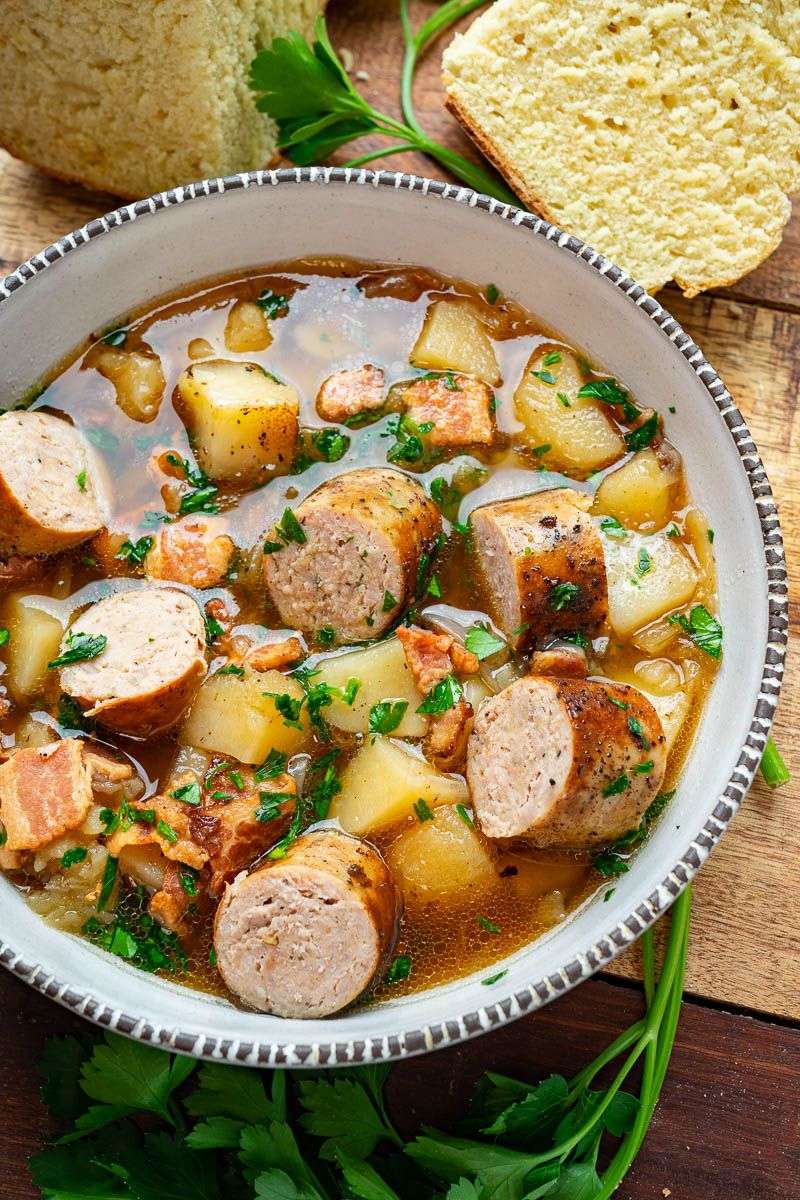
Dublin coddle is the kind of dish that tells a story with every spoonful. Traditionally made with leftover sausages and bacon, it was a way Irish families stretched ingredients through tough times.
The magic happens during the long, slow cooking process, where the layers of potatoes and onions absorb all that savory broth.
Most recipes recommend at least two hours of low, gentle simmering. Rushing it means the potatoes stay firm and the flavors never fully come together.
3. Traditional Irish Soda Bread
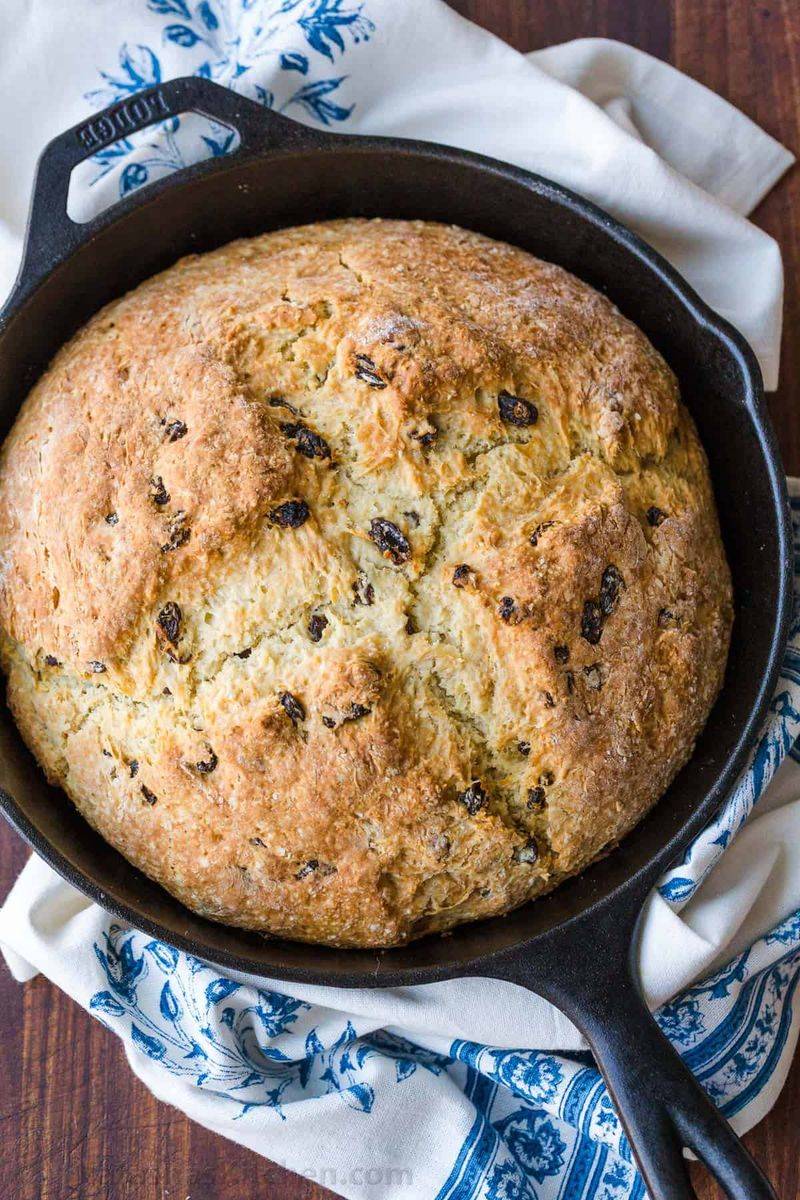
Soda bread might not seem like a patience-tester at first glance, but getting it truly right is an art form. The dough must be handled gently and never over-mixed, or the bread turns dense and chewy in all the wrong ways.
Timing in the oven matters greatly, and letting the loaf cool completely before cutting is harder than it sounds.
Many bakers say their first few attempts were humbling. Stick with it, because a perfect loaf is incredibly satisfying.
4. Irish Lamb Stew
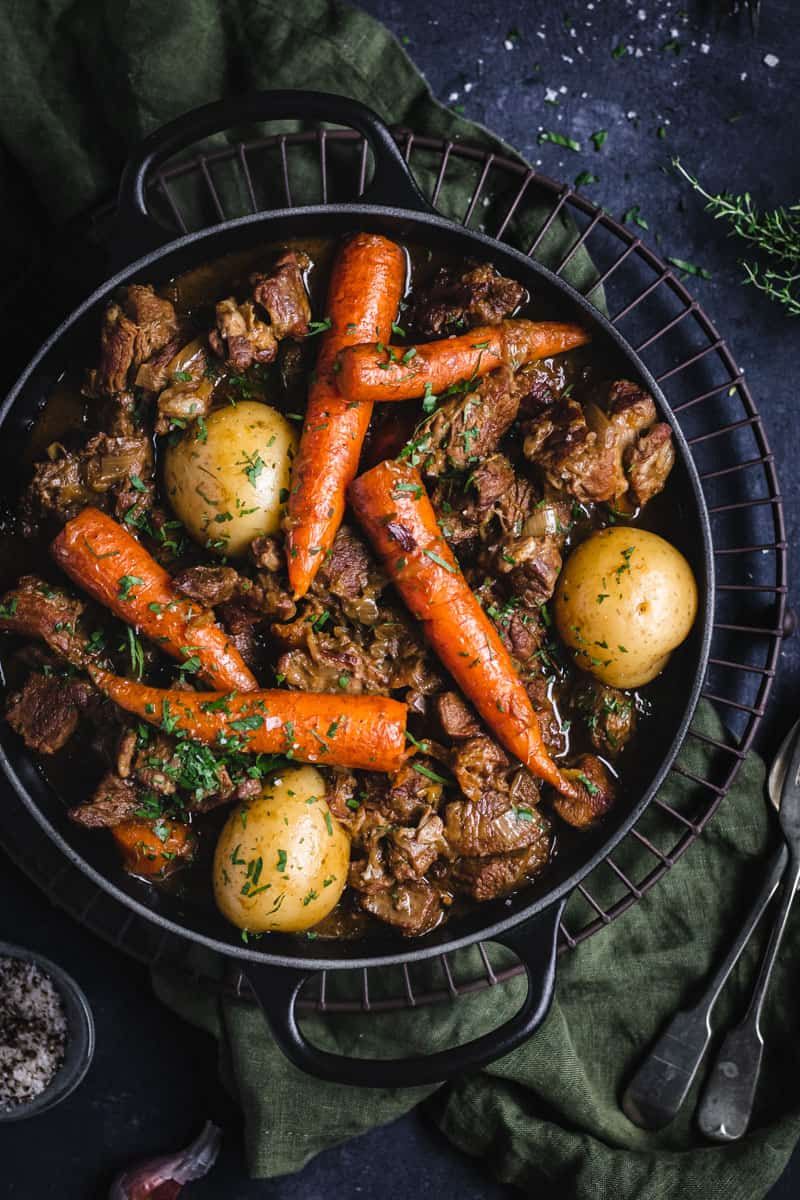
Lamb stew has been warming Irish households for centuries, and the secret is undeniably in the slow cooking. Bone-in lamb cuts release collagen as they cook, creating a broth that thickens naturally into something almost silky.
That process takes time, often upward of two and a half hours on low heat.
Vegetables are added in stages so nothing turns to mush. The result is a bowl of food that feels like a hug from the inside out.
5. Colcannon
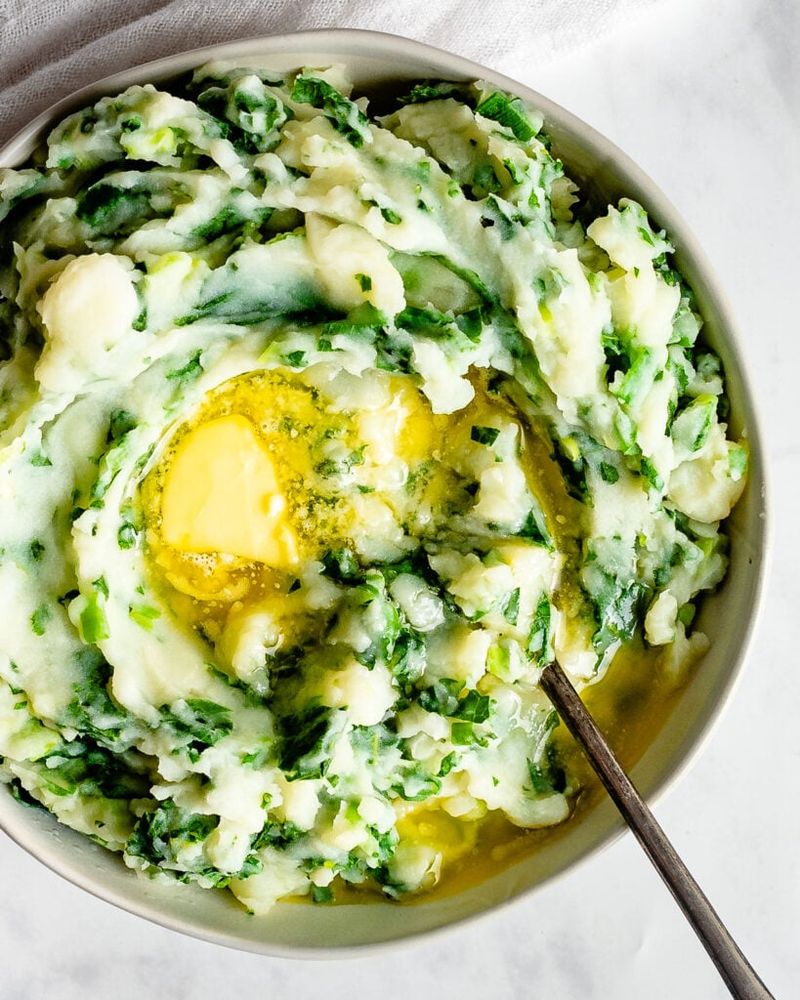
Colcannon looks simple on the surface, but making it truly great demands attention at every step. The potatoes must be boiled until perfectly tender, then mashed by hand for the right texture.
Kale or cabbage is wilted separately in butter before being folded in with care.
Rushing the mashing or skipping the butter-softening step produces a gluey, flat result. When made with patience, colcannon is one of the creamiest, most comforting side dishes in all of Irish cooking.
6. Boxty Pancakes
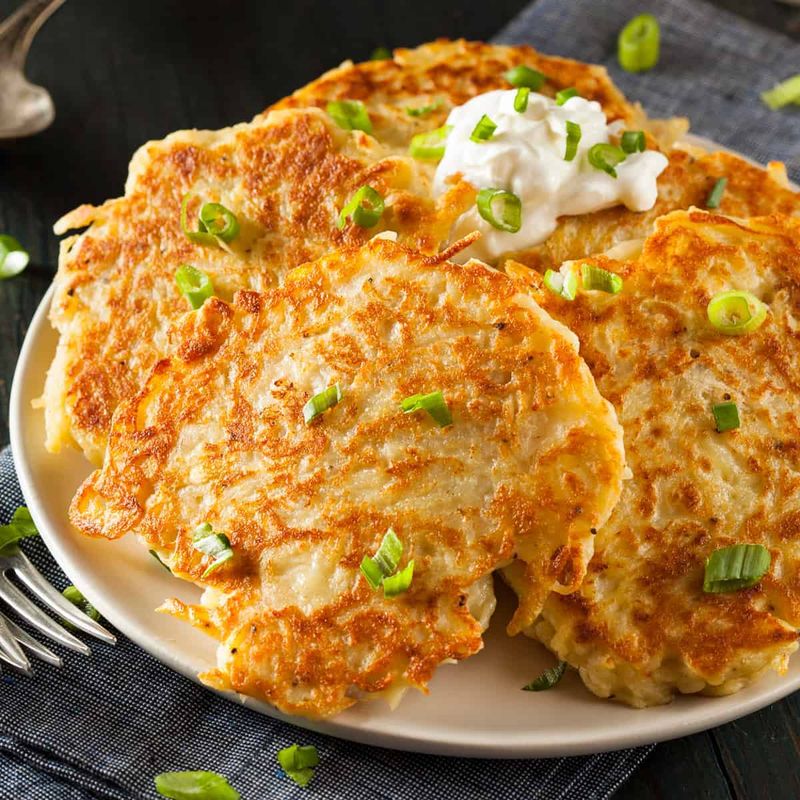
Boxty is a traditional potato pancake with roots deep in rural Ireland, and making a proper batch is a workout in patience. You grate raw potato, squeeze out every drop of excess moisture, then combine it with mashed potato and flour to form the batter.
Getting that balance right takes practice.
The pancakes must cook low and slow to avoid burning the outside while leaving the inside raw. Done right, boxty has a crispy edge and a tender, almost creamy center.
7. Slow-Roasted Leg of Lamb with Herbs
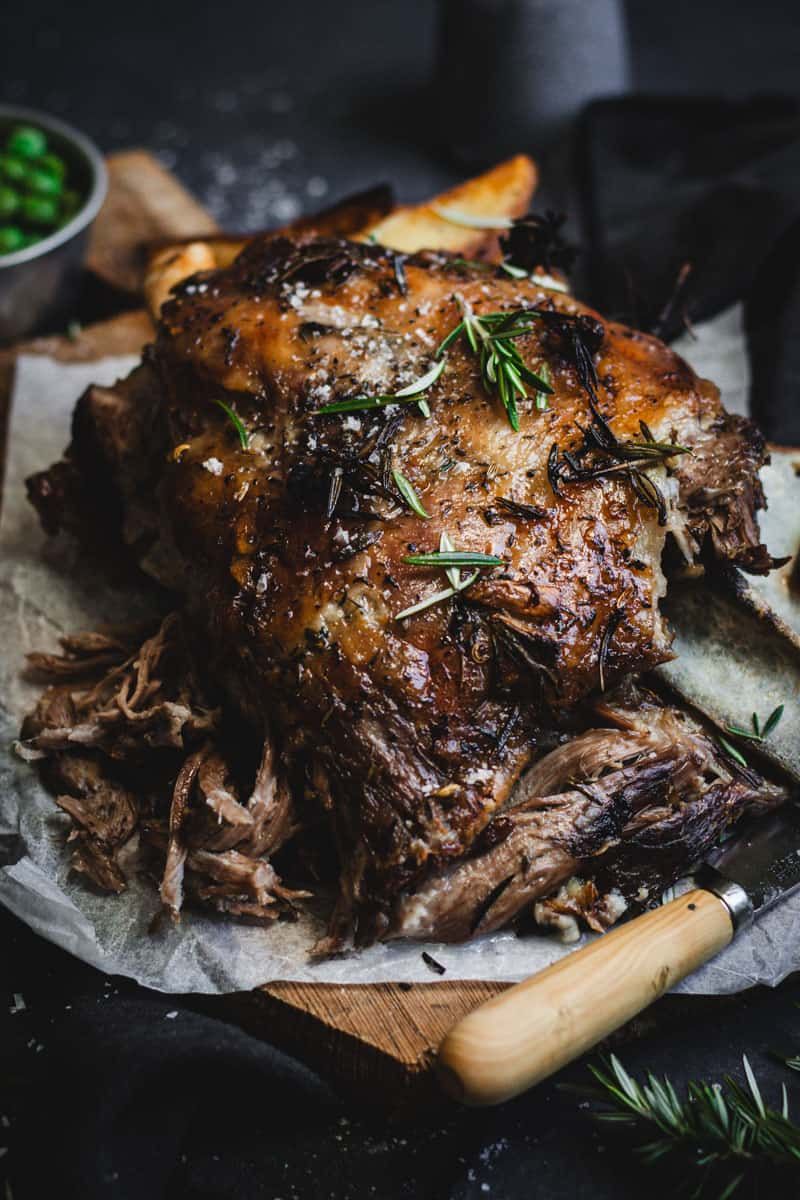
A slow-roasted leg of lamb is the kind of dish that demands your whole Sunday afternoon. The joint is studded with garlic and herbs, then placed in a low oven for four to six hours until the meat practically falls from the bone.
You cannot speed this up without ruining the tenderness that makes it special.
The low temperature breaks down tough connective tissue gradually. Basting every hour keeps the outside moist and builds a gorgeous, caramelized crust.
8. Irish Brown Bread
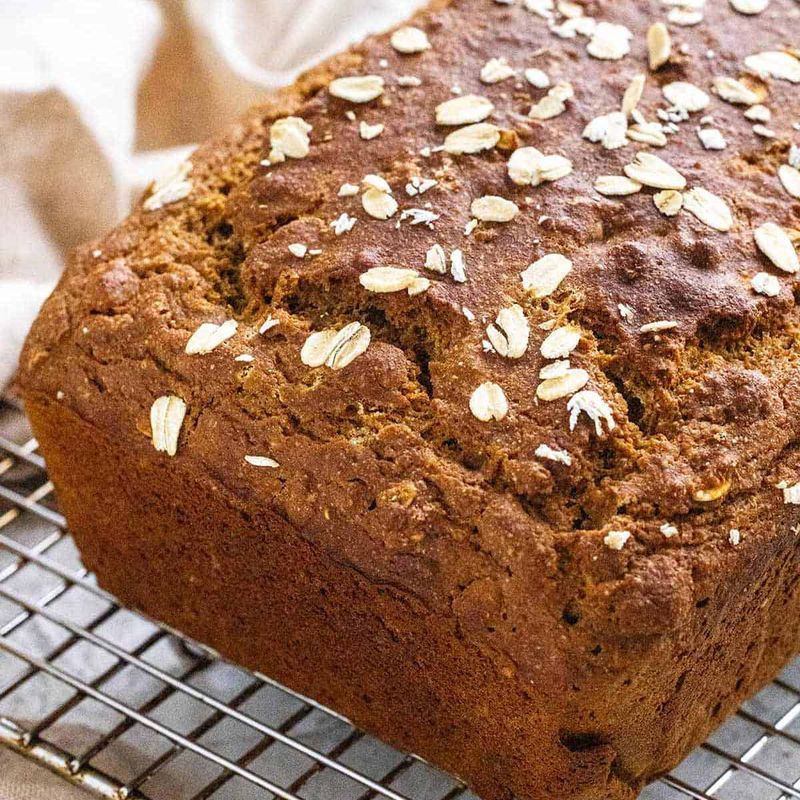
Brown bread is a daily staple across Ireland, but baking a truly excellent loaf requires more care than most people expect. Wholemeal flour absorbs liquid differently than white flour, so the wet-to-dry ratio must be measured precisely.
Overmixing the dough leads to a brick-like result that no amount of butter can fix.
The oven temperature and baking time must be watched carefully. A well-made Irish brown bread has a dense, nutty crumb and a crust that crackles when you tap it.
9. Corned Beef and Cabbage
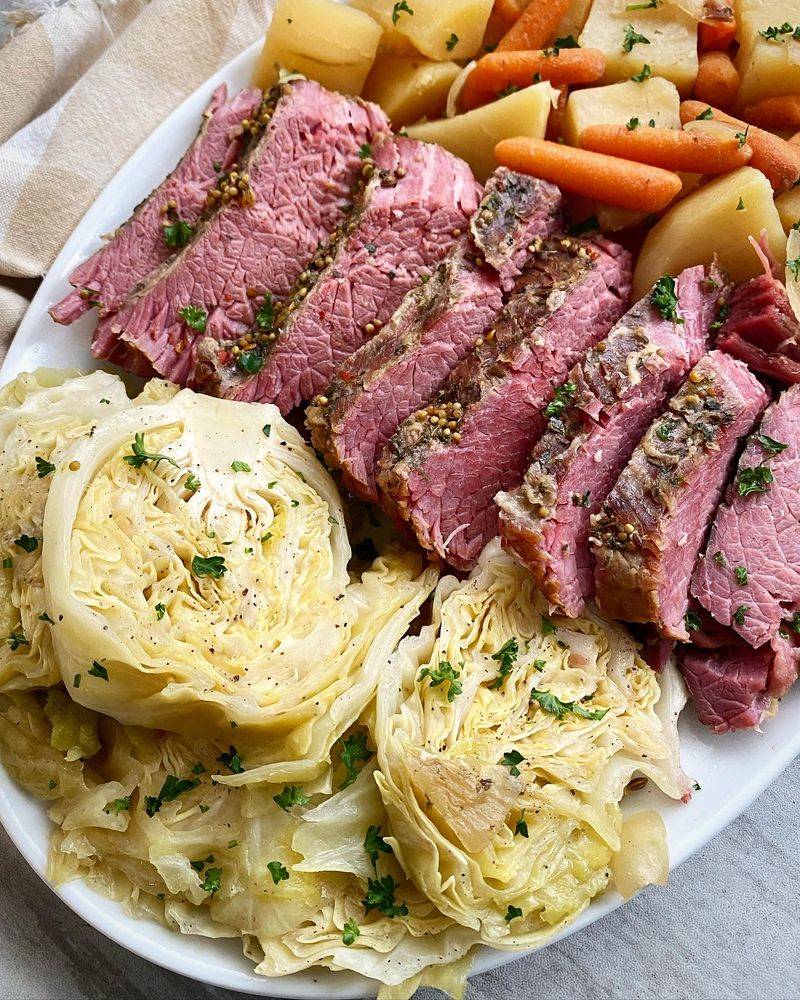
Corned beef and cabbage has become one of the most recognized Irish-American dishes, but the original Irish version requires serious time investment. The beef brisket is cured in a spiced brine for several days before cooking even begins.
Then it simmers low and slow for three to four hours until perfectly tender.
Adding the cabbage too early turns it to mush, so timing matters. Every hour of patience here pays off in layers of salty, savory flavor.
10. Barm Brack
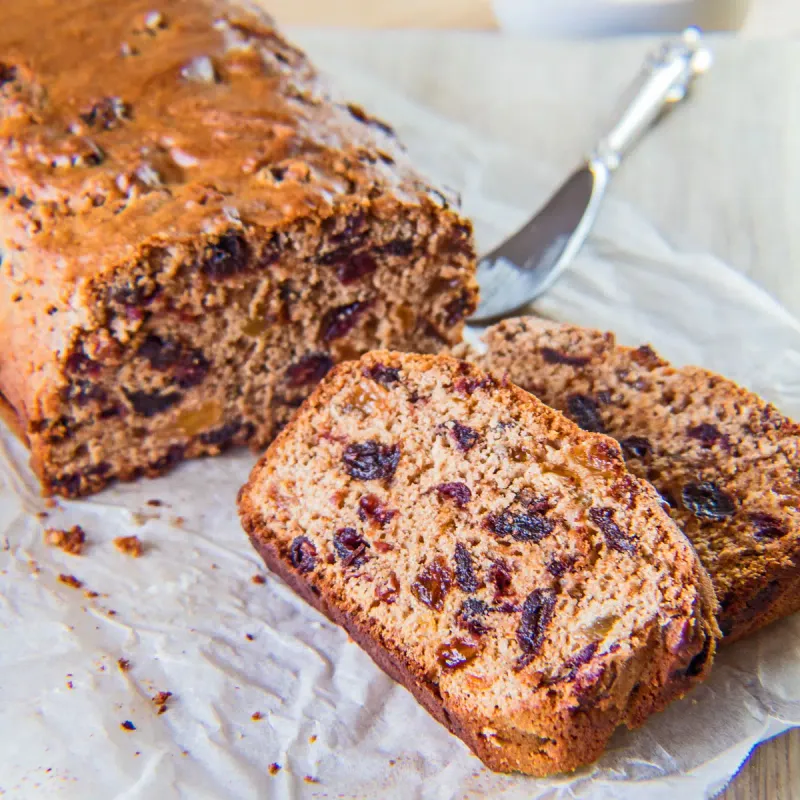
Barm brack is a spiced fruit bread traditionally eaten at Halloween, and the preparation starts the night before baking. Dried fruit soaks overnight in cold tea and whiskey, plumping up and absorbing all that flavor before a single egg is cracked.
Skipping this soaking step makes the fruit stay tough and dry in the finished loaf.
The batter then bakes slowly at a moderate temperature. The result is a moist, fragrant bread packed with sweet, boozy fruit in every bite.
11. Irish Oxtail Soup
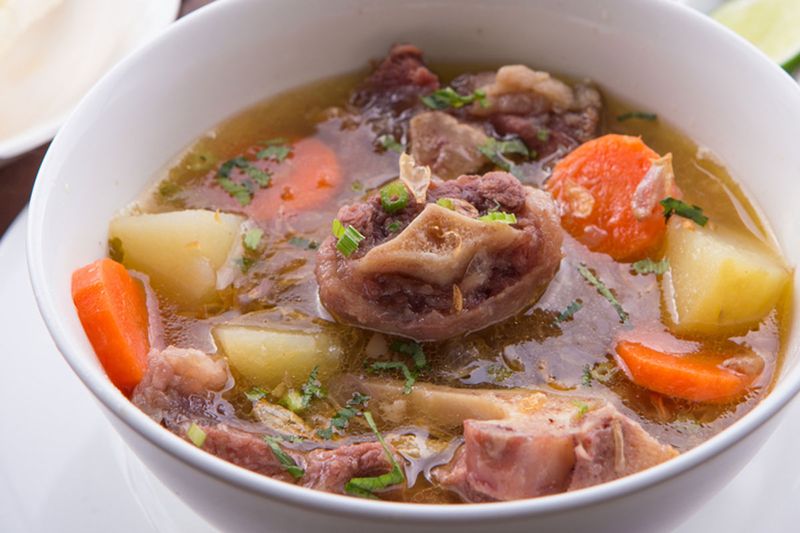
Oxtail soup is not for the impatient cook, but those willing to commit will be rewarded handsomely. The oxtail pieces must first be browned deeply in batches, which alone takes a good twenty minutes of careful attention.
Then the whole pot simmers for three to four hours, slowly pulling every bit of gelatin and flavor from the bones.
The broth transforms into something thick and deeply savory. Skimming the fat periodically during cooking is a small but important task that improves the final result significantly.
12. Crubeens (Pigs Feet)
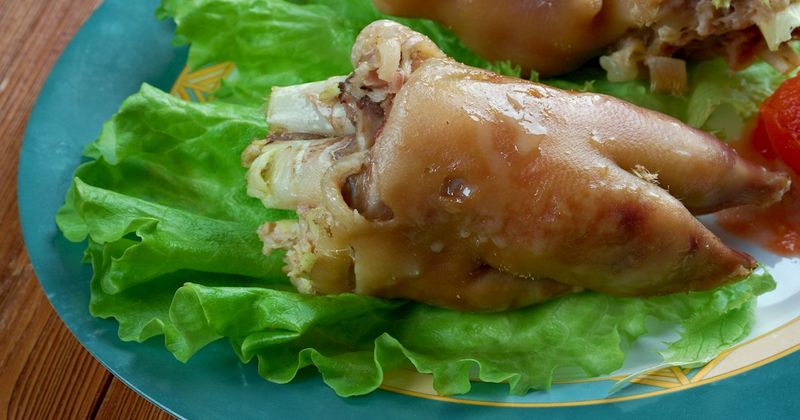
Crubeens are one of Ireland's most old-fashioned dishes, and they are absolutely not a weeknight shortcut meal. Pig's feet require boiling for two to three hours just to become tender enough to eat.
After that, many recipes call for coating them in breadcrumbs and grilling or frying until crispy on the outside.
The process is long and a little messy, but the flavor is rich, sticky, and deeply satisfying. Historically, crubeens were sold at fairs and late-night markets all across Ireland.
13. Potato and Leek Soup
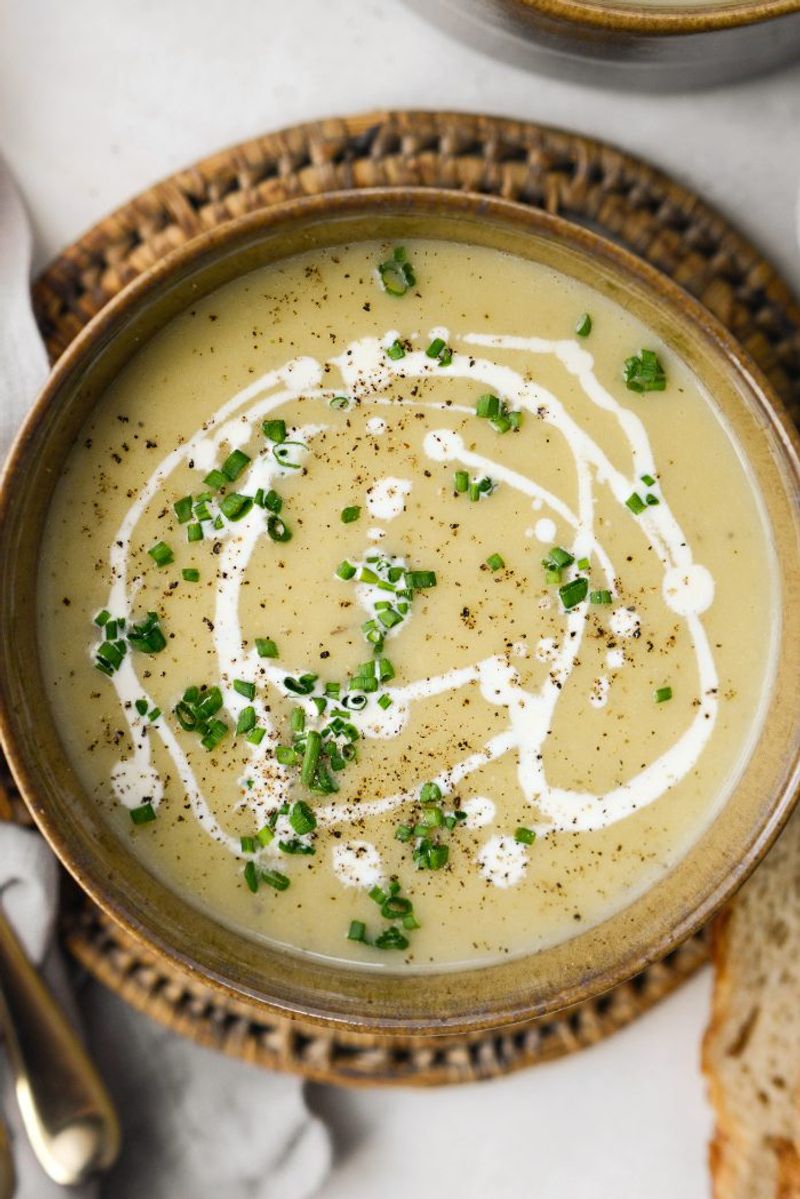
Potato and leek soup sounds straightforward, but building a truly velvety version takes real dedication. The leeks must be sweated slowly in butter over low heat for fifteen to twenty minutes before anything else is added, developing a sweet, mellow flavor that defines the soup.
Rushing this step leaves a sharp, raw taste that no amount of blending can hide.
After simmering and blending, the soup should be creamy and smooth. Seasoning at the end, not the beginning, is the final key to getting it just right.
14. Slow-Cooked Bacon and Cabbage
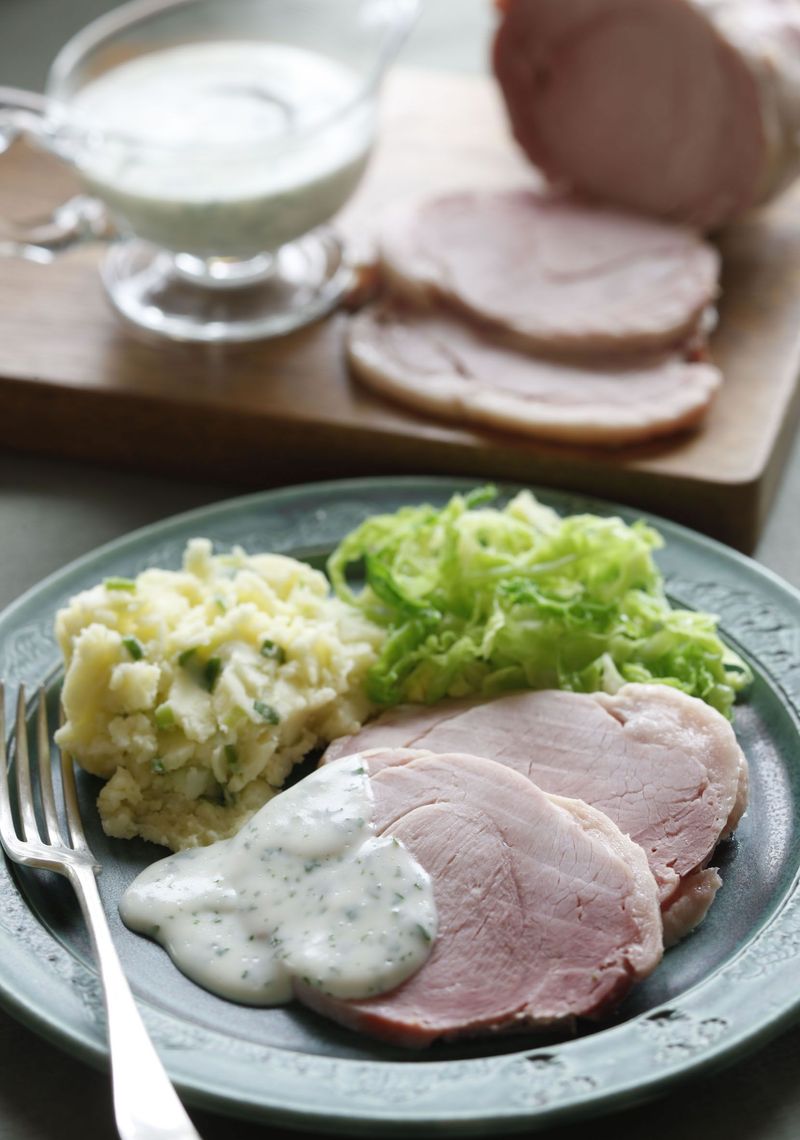
Bacon and cabbage is considered by many Irish people to be the true national dish, and making it properly is a lesson in restraint. A whole joint of back bacon is simmered low and slow for nearly two hours, which keeps the meat moist and flavorful rather than dry and rubbery.
The cooking liquid is then used to braise the cabbage.
That liquid transfer is what ties the whole dish together beautifully. A classic parsley sauce on the side makes everything even better.
15. Mutton Broth
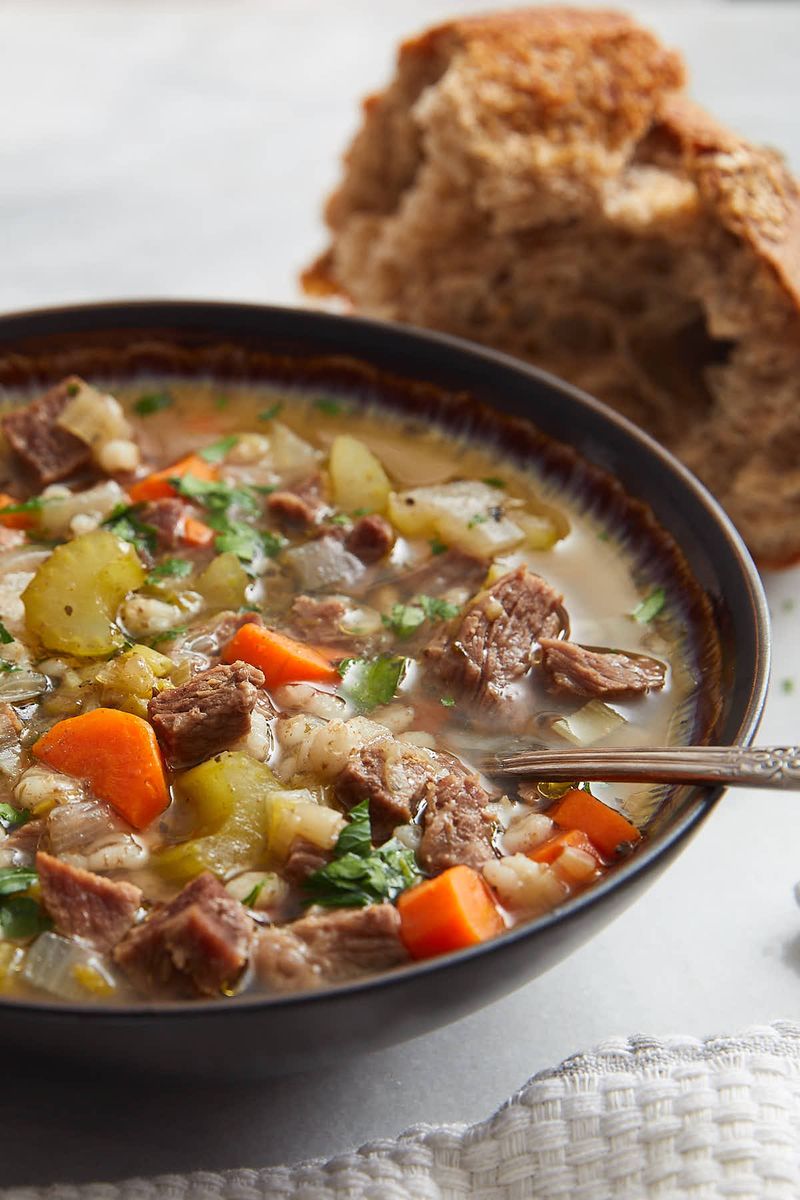
Mutton broth is one of the oldest dishes in the Irish culinary tradition, and it earns its reputation through sheer cooking time. Mutton, which is older sheep, has a stronger flavor than lamb but requires much longer cooking to become tender.
A proper pot simmers for three to four hours, slowly extracting every ounce of depth from the bones and meat.
Pearl barley is added partway through and swells into the broth. The end result is thick, nourishing, and warming in a way that feels almost medicinal.
16. Carrageen Moss Pudding
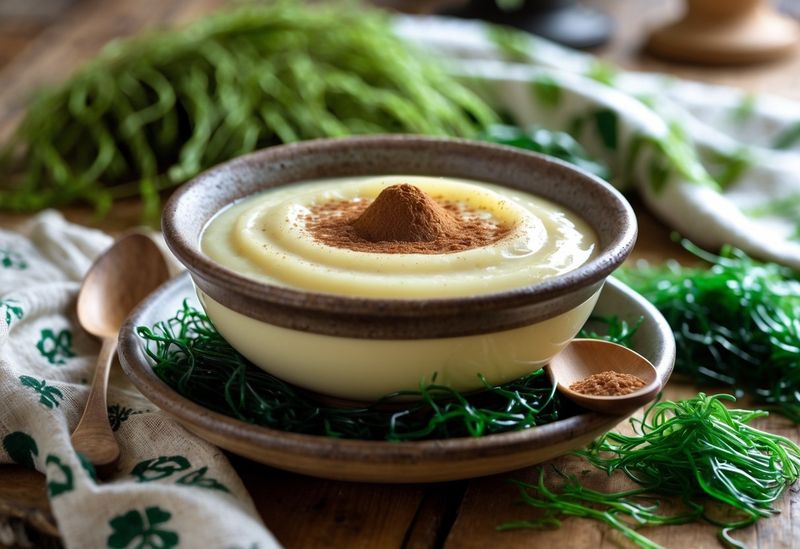
Carrageen moss pudding is one of Ireland's most unusual and ancient desserts, made from dried seaweed harvested along the Irish coastline. The moss must soak in cold water for at least thirty minutes to rehydrate before being simmered in milk to release its natural setting agents.
Getting the right consistency requires careful attention to heat and timing.
Too much heat breaks down the setting ability, leaving a liquid mess. When done correctly, it sets into a silky, lightly flavored pudding that is both nutritious and surprisingly elegant.
17. Irish Wheaten Scones
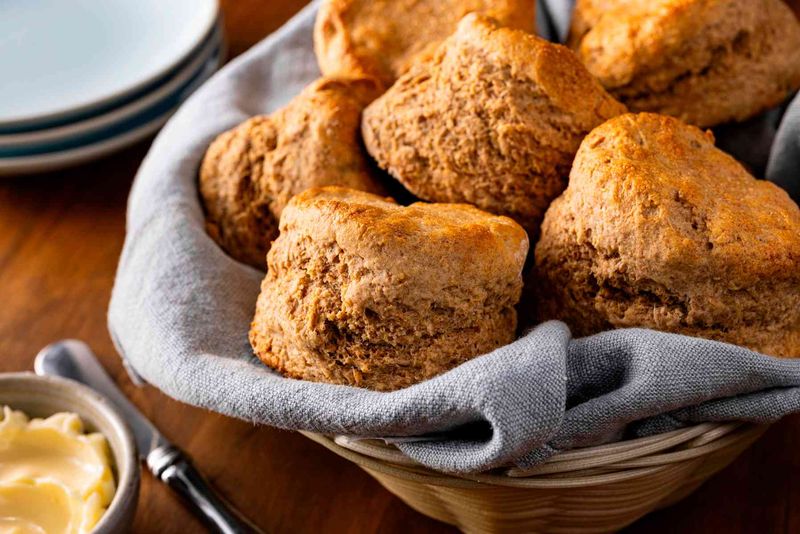
Wheaten scones are a beloved part of Irish baking culture, but achieving that perfect balance of tender crumb and golden crust is trickier than it looks. The wholemeal flour must be rubbed together with cold butter until the mixture resembles fine breadcrumbs, a step that cannot be rushed without compromising the texture.
Overworking the dough at any stage makes the scones tough.
Oven temperature must be high and consistent. Freshly baked wheaten scones eaten warm with real Irish butter are genuinely hard to beat.
18. Slow-Braised Pork Belly with Cider
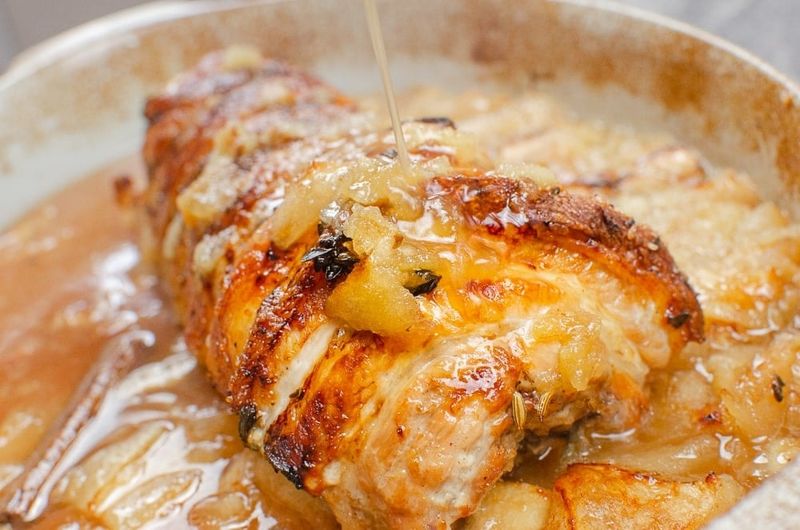
Pork belly braised in Irish cider is a dish that rewards patience with spectacular results. The thick cut of pork needs at least three hours in a low oven, sitting in a bath of cider, onions, and herbs that slowly reduces into a sticky, sweet, and savory sauce.
Scoring the skin deeply before cooking is essential for getting that crackle right.
Checking the pot every hour prevents the liquid from evaporating too fast. The finished pork is meltingly soft beneath and gloriously crispy on top.




Comments
No Comments