













Eating the right foods can make a big difference in keeping your heart strong and healthy. Fruits are some of the best options out there because they are packed with vitamins, fiber, and natural compounds that support your cardiovascular system.
Many doctors and nutrition experts suggest adding more fruit to your daily meals as a simple, delicious way to care for your heart. Read on to discover which fruits are most often recommended for a heart-friendly diet.
1. Blueberries
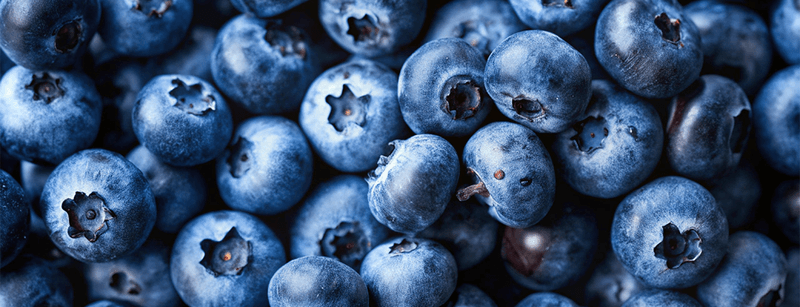
Tiny but mighty, blueberries have earned a serious reputation as one of the best fruits for your heart. They are loaded with antioxidants called anthocyanins, which give them their deep blue color and help reduce inflammation in blood vessels.
Studies suggest that eating blueberries regularly may help lower blood pressure and reduce LDL cholesterol. Toss them into oatmeal, blend them into smoothies, or eat them straight from the bowl for an easy heart-healthy snack.
2. Strawberries
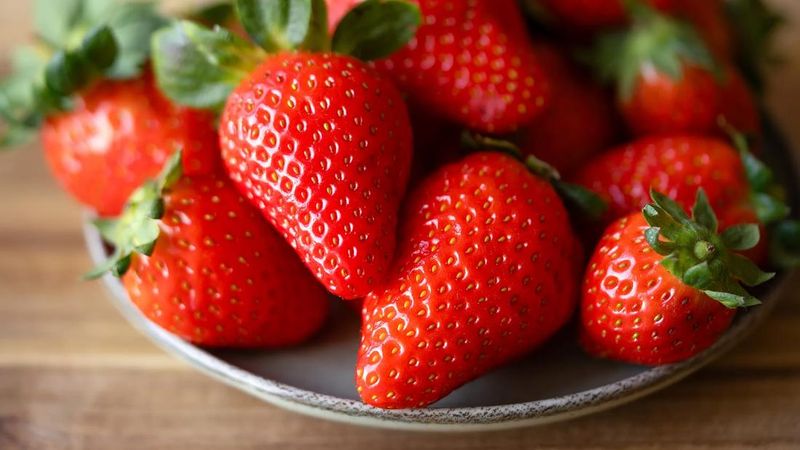
There is something almost cheerful about a strawberry, and your heart agrees. These bright red berries are rich in vitamin C, folate, and polyphenols that work together to support healthy blood flow and reduce oxidative stress on artery walls.
Research has linked regular strawberry consumption to lower levels of inflammatory markers in the blood. Whether you enjoy them fresh, frozen, or sliced over yogurt, strawberries are a sweet way to show your heart some love every day.
3. Avocado
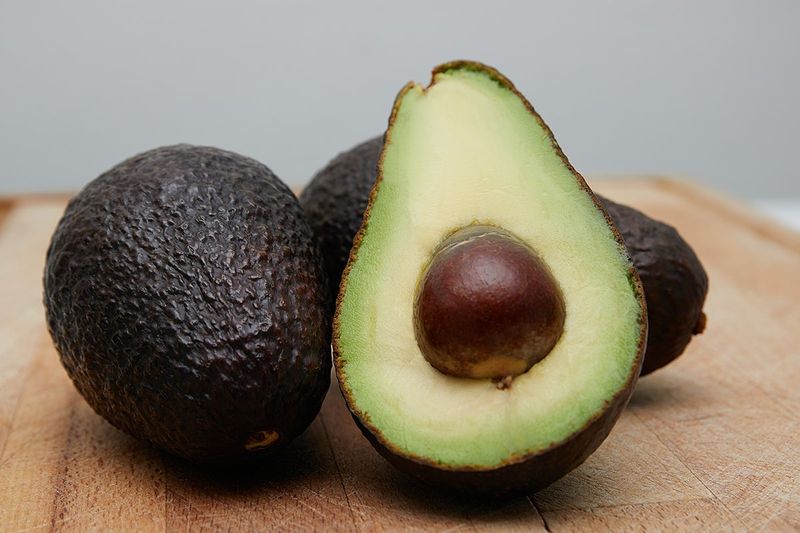
Technically a fruit, avocado breaks all the usual fruit rules by being creamy, rich, and full of healthy fats. The monounsaturated fats found in avocados help raise good HDL cholesterol while lowering harmful LDL cholesterol levels in the blood.
Avocados also contain potassium, a mineral that helps regulate blood pressure by counteracting the effects of sodium. Spread it on toast, add it to salads, or blend it into a smoothie for a satisfying heart-boosting addition to any meal.
4. Pomegranate
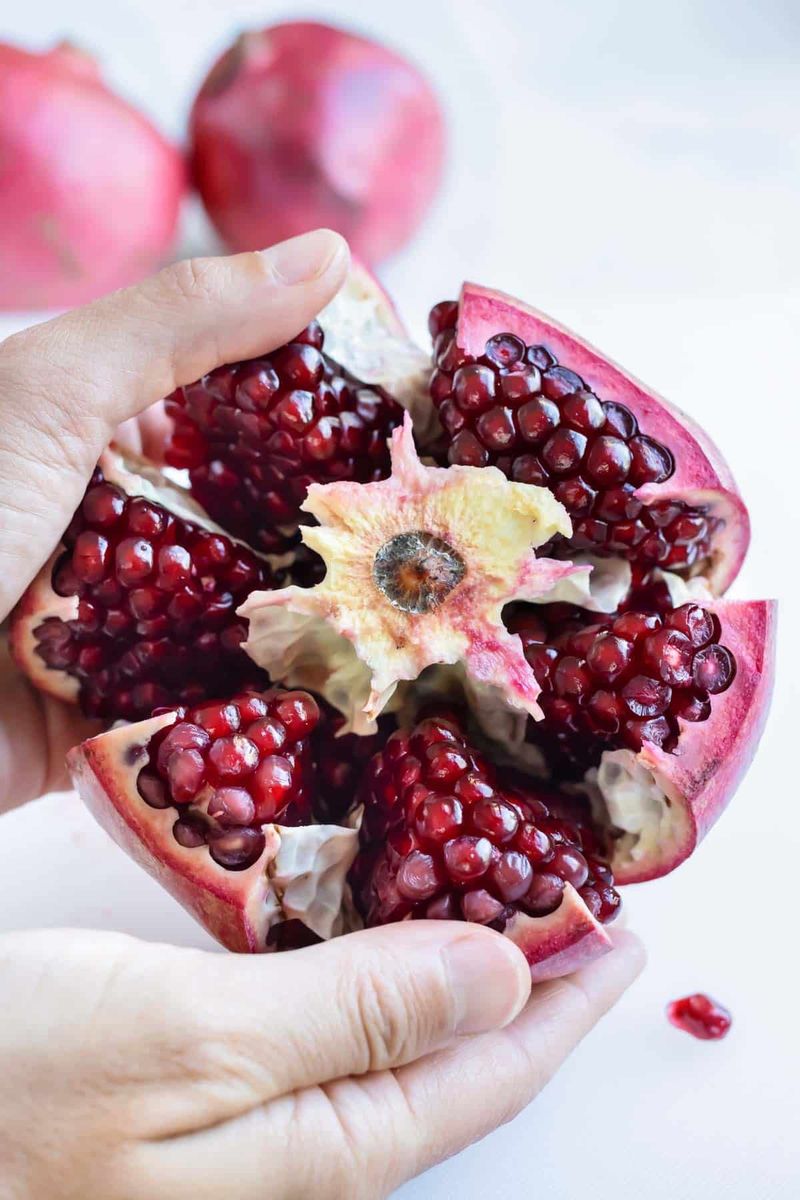
Pomegranates have been celebrated for centuries in cultures around the world, and modern science is finally catching up to the hype. Their ruby-red seeds are packed with punicalagins, powerful antioxidants that have been shown to reduce blood pressure and decrease arterial plaque buildup.
Drinking pomegranate juice or eating the seeds regularly may also improve cholesterol profiles over time. The slightly tart, jewel-like seeds make a gorgeous topping for salads or a refreshing addition to sparkling water.
5. Oranges
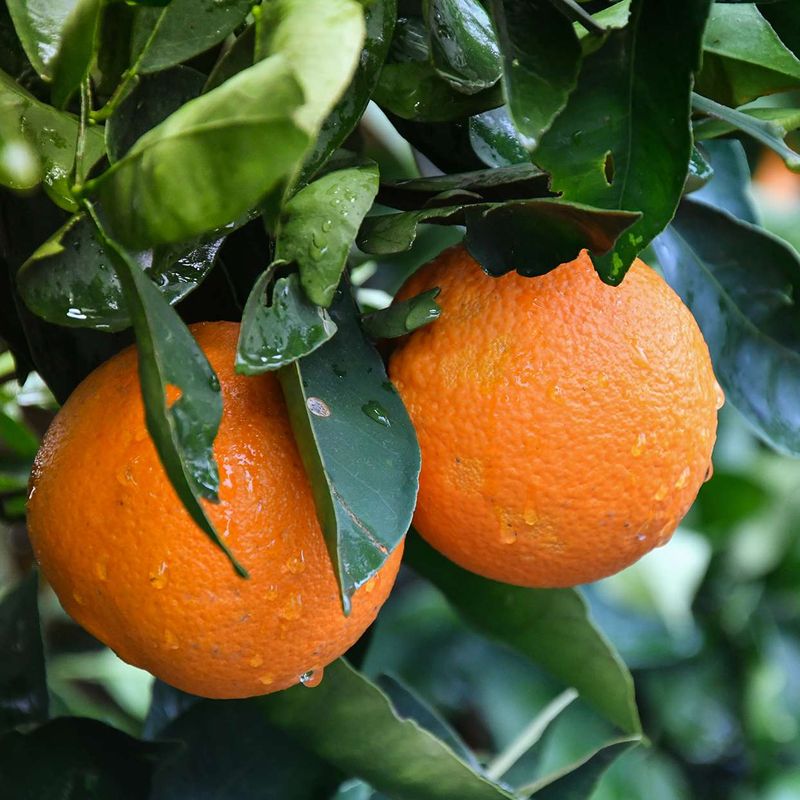
A classic for good reason, oranges deliver a powerful punch of vitamin C, fiber, and flavonoids that your cardiovascular system truly appreciates. The soluble fiber in oranges, especially pectin, helps slow the absorption of cholesterol into the bloodstream.
Hesperidin, a flavonoid found in orange peel and juice, has been linked to lower blood pressure and reduced inflammation. Enjoy an orange as a midday snack, or squeeze fresh juice over your morning routine for a bright, heart-supportive start.
6. Grapes
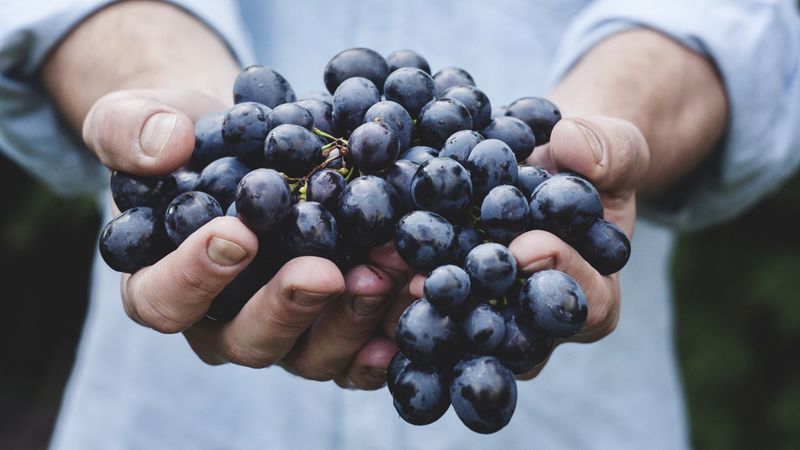
Grapes have a secret weapon hiding in their skin: resveratrol. This natural compound has attracted serious scientific attention for its potential to protect blood vessels, reduce inflammation, and prevent the oxidation of LDL cholesterol that can clog arteries over time.
Dark or red grapes tend to contain more resveratrol than green varieties, making them a slightly stronger choice for heart health. Grab a small bunch as an afternoon snack or freeze them for a cool, satisfying treat on warm days.
7. Apples
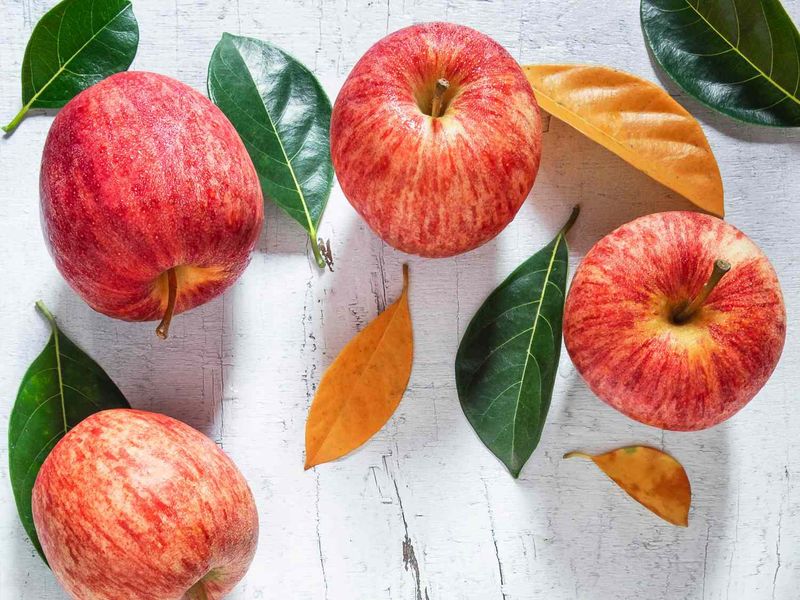
The old saying about an apple a day might actually hold some truth when it comes to heart health. Apples are rich in quercetin, a flavonoid with anti-inflammatory properties, as well as soluble fiber that helps manage cholesterol levels naturally.
Eating apples with the skin on gives you the most nutritional benefit since many of the antioxidants are concentrated in or near the peel. A crunchy apple makes a portable, no-prep snack that your heart will genuinely thank you for.
8. Bananas
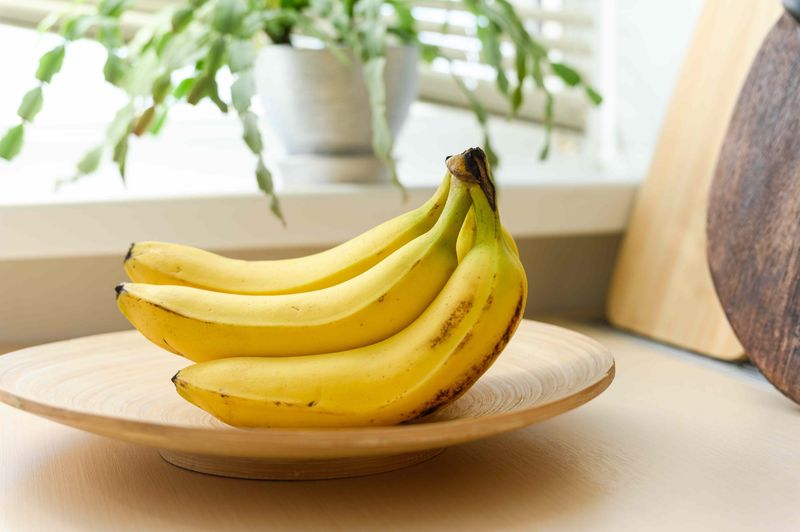
Bananas are one of the most recognized sources of potassium, a mineral that plays a key role in maintaining healthy blood pressure by helping the kidneys flush out excess sodium. Low potassium intake has been associated with a higher risk of hypertension and stroke.
Beyond potassium, bananas also offer vitamin B6 and magnesium, both of which support overall cardiovascular function. They are incredibly easy to grab on the go, making heart-healthy eating feel effortless even on your busiest days.
9. Kiwi
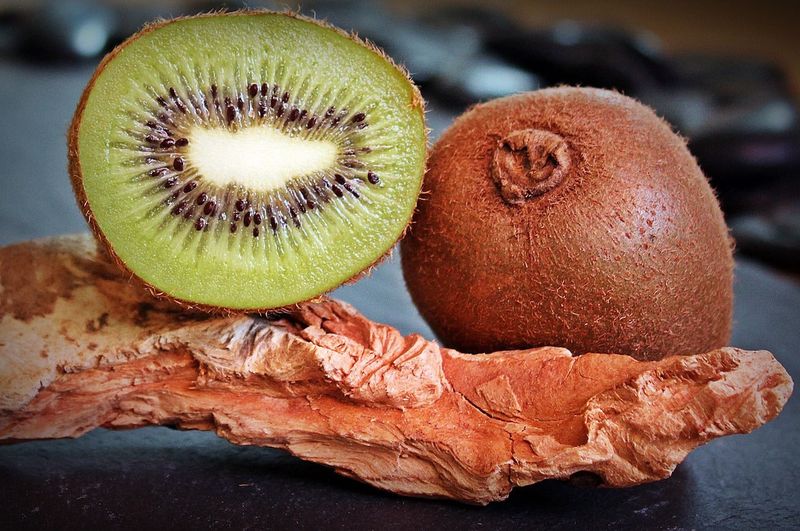
Do not let the small size fool you. Kiwi is a nutritional powerhouse that delivers more vitamin C per serving than an orange, along with vitamin K, potassium, and a range of polyphenols that support vascular health.
Research published in medical journals has suggested that eating two to three kiwis per day can help reduce blood pressure, lower triglycerides, and decrease platelet aggregation, all of which lower the risk of heart disease. Their tangy-sweet flavor makes them a refreshing and exotic daily addition.
10. Cherries
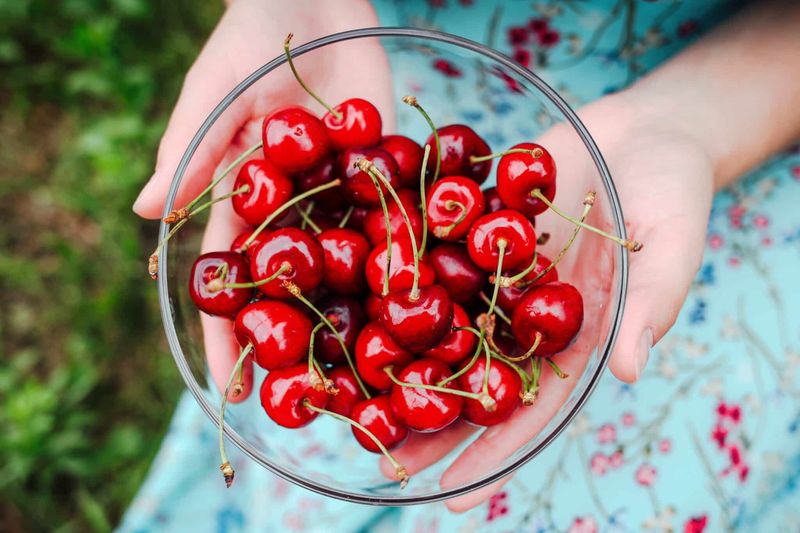
Sweet or tart, cherries bring more to the table than just great flavor. They are rich in anthocyanins and other antioxidants that help reduce oxidative stress and inflammation, two major contributors to heart disease over time.
Tart cherry juice in particular has been studied for its ability to reduce markers of inflammation and support healthy blood pressure levels. Whether you snack on fresh cherries in summer or sip tart cherry juice year-round, this fruit is a small but meaningful step toward better heart health.
11. Watermelon
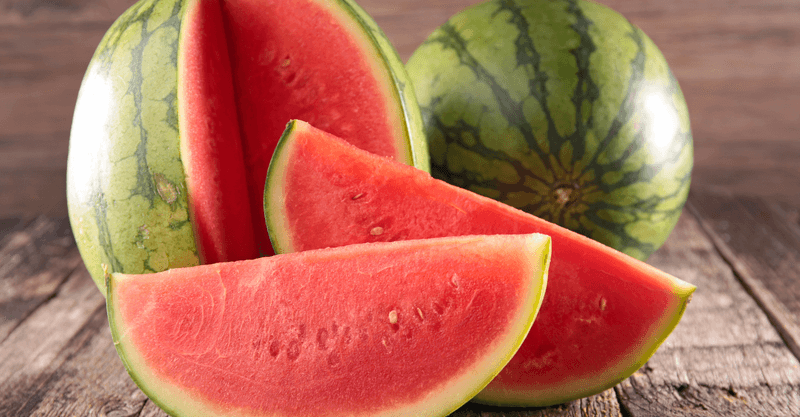
Watermelon is about 92 percent water, making it incredibly hydrating, but its heart benefits go well beyond quenching thirst. It contains lycopene, the same antioxidant found in tomatoes, which has been linked to reduced risk of heart disease and lower LDL cholesterol oxidation.
Watermelon also provides citrulline, an amino acid that helps relax blood vessels and may support healthier blood pressure. Enjoy it chilled on a hot day, blend it into a agua fresca, or pair it with mint for a refreshing summer salad.
12. Papaya
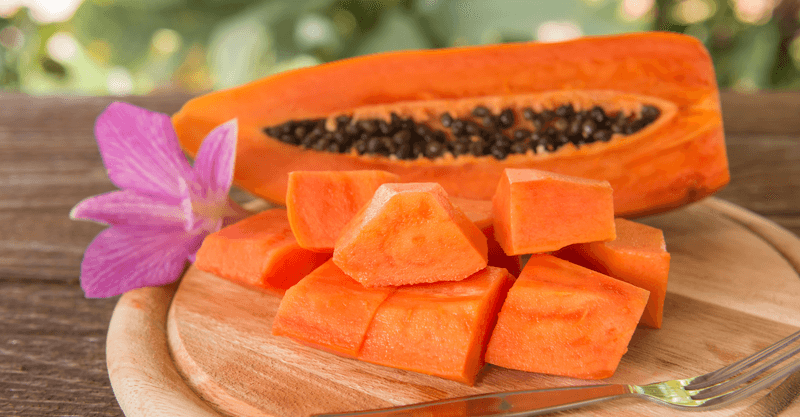
Papaya carries a warm, tropical sweetness along with an impressive lineup of heart-supportive nutrients. Its deep orange flesh signals a high content of beta-carotene and lycopene, both of which help protect arteries from oxidative damage.
The enzyme papain found in papaya may also help reduce inflammation throughout the body. Rich in folate and vitamin C, papaya supports the breakdown of homocysteine, an amino acid that, when elevated, is linked to increased cardiovascular risk.
A half-cup serving goes a long way.
13. Pears

Pears quietly deliver one of the highest fiber contents among common fruits, and that fiber plays a direct role in managing cholesterol. Pectin, the soluble fiber in pears, binds to cholesterol in the digestive tract and helps remove it from the body before it can be absorbed.
Pears also contain flavonoids like quercetin and kaempferol, which have anti-inflammatory and antioxidant effects that protect the heart over time. Eating a pear as an afternoon snack or adding slices to a salad is an easy, understated move for long-term cardiovascular wellness.
14. Raspberries
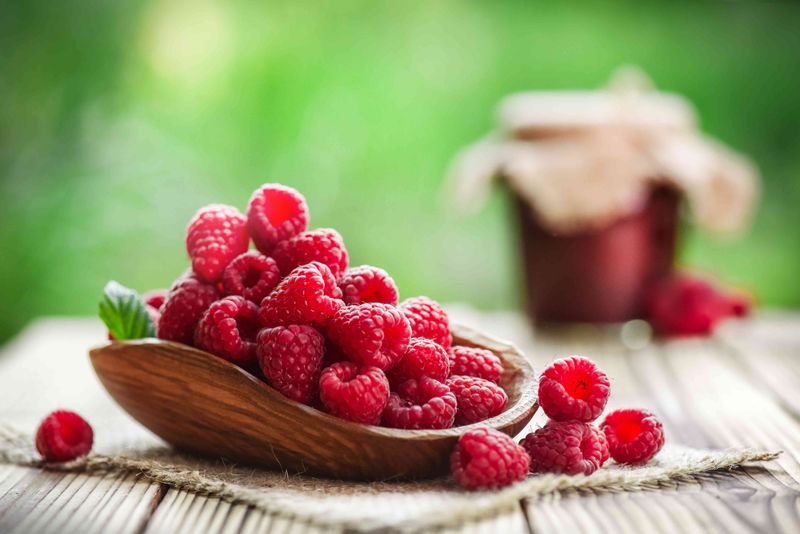
Raspberries pack an impressive amount of dietary fiber into a very small calorie budget, which makes them a favorite among nutrition experts focused on heart health. Their high fiber content helps lower LDL cholesterol, while their rich antioxidant profile fights inflammation in blood vessels.
One cup of raspberries contains about eight grams of fiber, which is nearly a third of the recommended daily intake for most people. Add them to Greek yogurt, blend them into a sauce, or simply enjoy them fresh for a tart and satisfying treat.
15. Mango
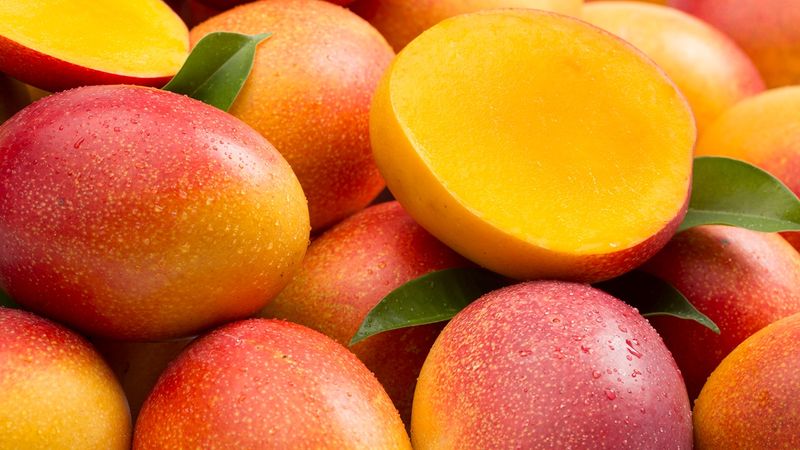
Mangoes bring a burst of sunshine to heart-healthy eating with their golden flesh and naturally sweet flavor. They are a good source of beta-carotene, vitamin C, and folate, all of which play roles in supporting a healthy cardiovascular system.
Some research suggests that mangiferin, a bioactive compound unique to mangoes, may help reduce cholesterol and triglyceride levels. Their natural sweetness makes them a satisfying alternative to processed sugary snacks, and they blend beautifully into salsas, smoothies, or simply eaten fresh with a squeeze of lime.
16. Grapefruit
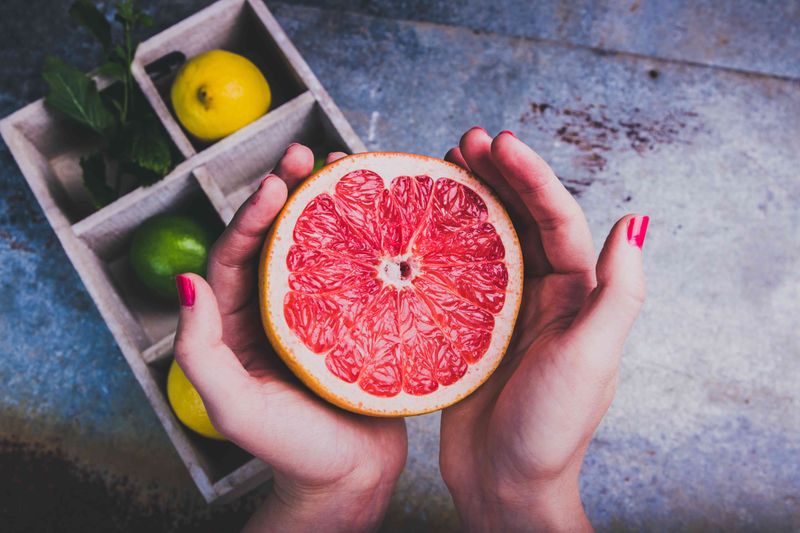
Pink and red grapefruits owe their rosy color to lycopene, the same antioxidant powerhouse found in tomatoes and watermelon. Studies have found that eating grapefruit regularly may help lower LDL cholesterol and reduce systolic blood pressure in people with cardiovascular concerns.
One important note: grapefruit can interact with certain heart medications, so always check with a doctor before making it a daily habit if you take prescription drugs. For those who can enjoy it freely, half a grapefruit at breakfast is a zesty, heart-supportive ritual.
17. Figs
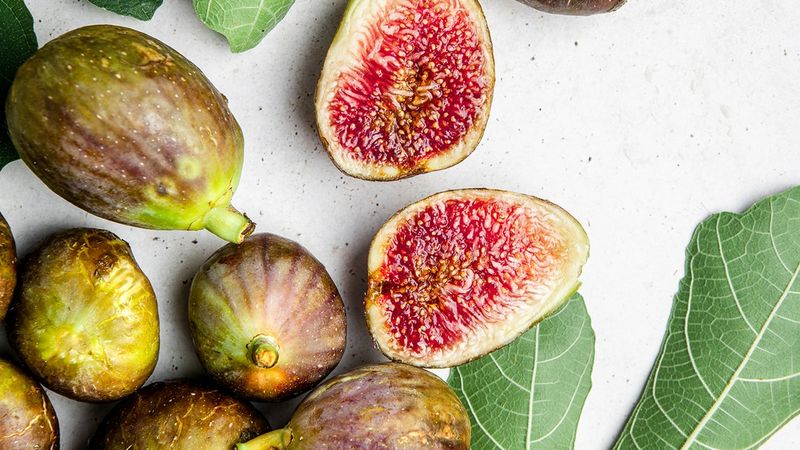
Figs have been eaten since ancient times, and their nutritional profile gives modern science plenty of reasons to keep recommending them. They are a surprisingly rich source of potassium, magnesium, and dietary fiber, all of which contribute to lower blood pressure and improved cholesterol management.
Dried figs are especially convenient and make a portable snack, though they are higher in sugar, so a small portion goes a long way. Fresh figs sliced over cottage cheese or paired with a handful of walnuts create a genuinely heart-smart and satisfying combination.




Comments
No Comments