













Most people know they should eat more fibre, but figuring out where to start can feel overwhelming. The good news is that many everyday foods are already packed with it, and you might not even realise you're eating them.
Fibre keeps your digestion running smoothly, helps you feel full longer, and even supports heart health. Small swaps and additions to your meals can make a surprisingly big difference over time.
1. Lentils
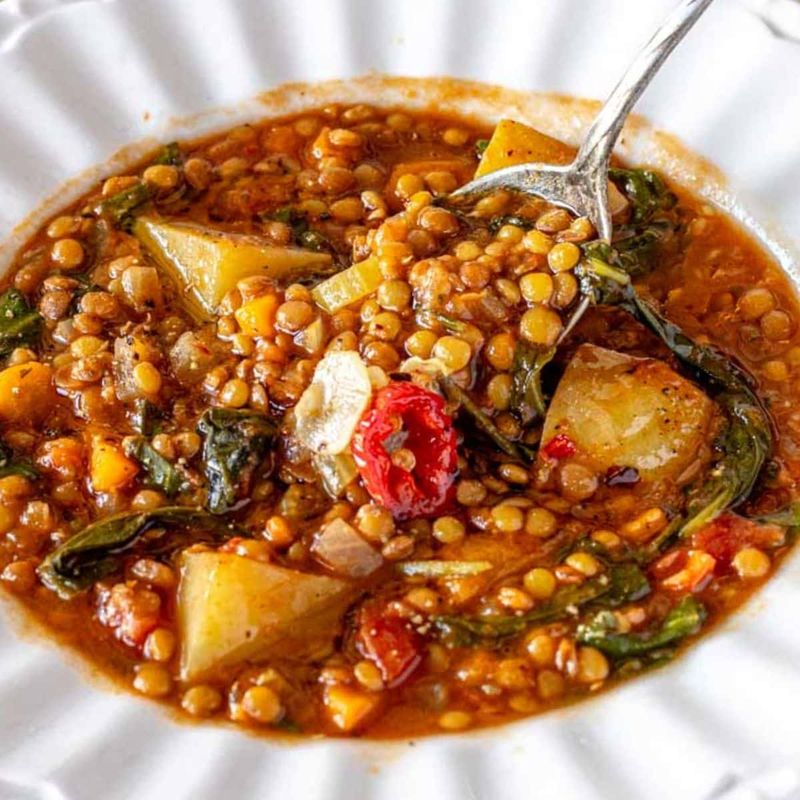
Lentils are one of the most underrated foods in the kitchen. A single cup of cooked lentils packs around 15 grams of fibre, which is more than half of what most people need in a day.
They absorb flavours easily, making them perfect for soups, stews, and even tacos. If you haven't tried swapping ground meat with lentils in a recipe, you're in for a pleasant surprise.
2. Avocado
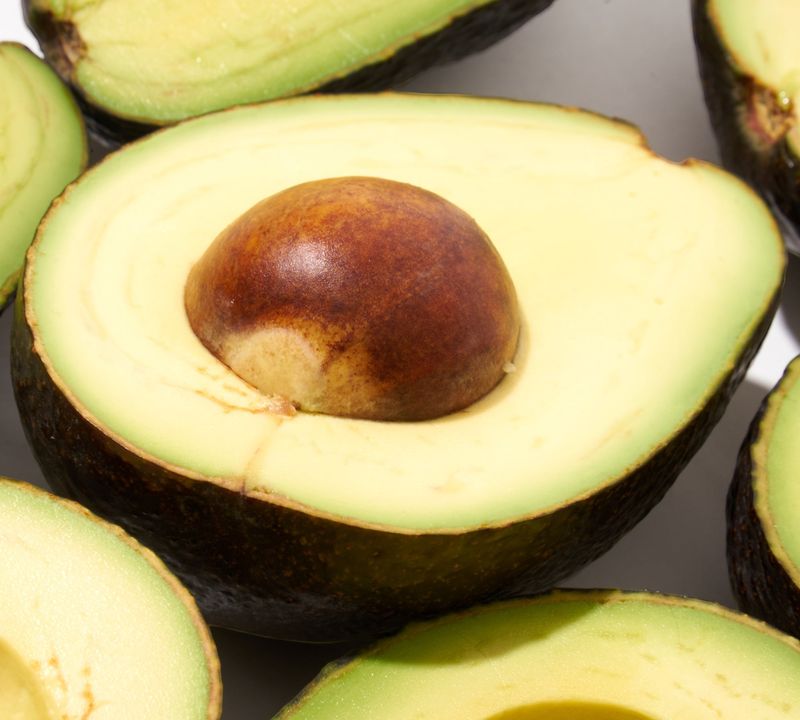
Creamy, rich, and totally satisfying, avocado is a fibre powerhouse hiding in plain sight. One medium avocado contains roughly 10 grams of fibre, which makes it one of the best fruit sources around.
Spread it on toast, blend it into a smoothie, or slice it over a salad. Beyond fibre, it also delivers healthy fats that help your body absorb vitamins from other foods on your plate.
3. Chickpeas
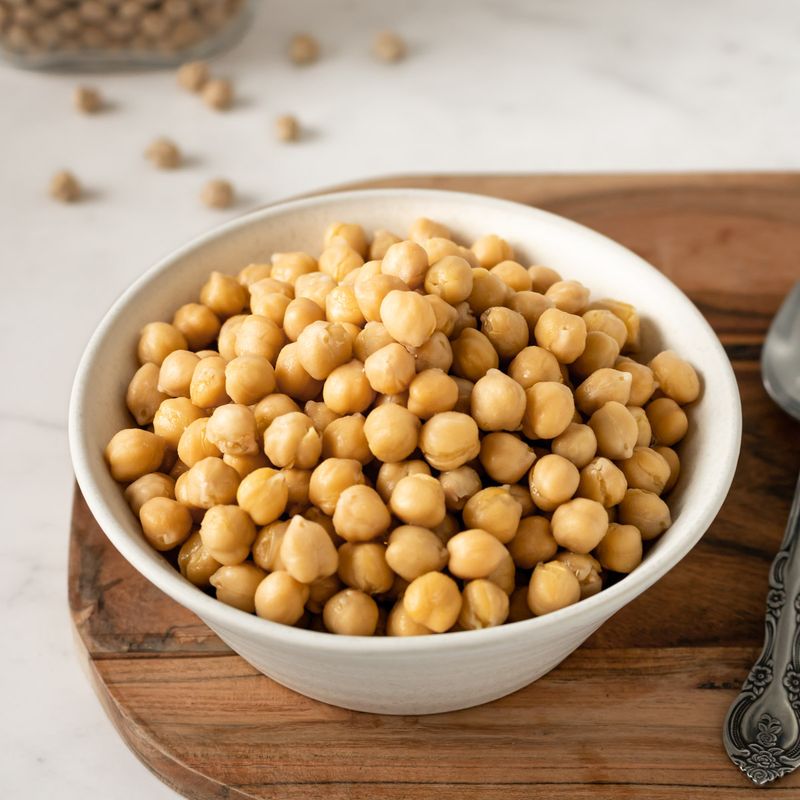
Chickpeas have been a staple in kitchens around the world for thousands of years, and for good reason. Roasted, they make a crunchy snack.
Blended, they become hummus. Tossed into a curry, they soak up every bit of flavour.
One cup of cooked chickpeas provides about 12 grams of fibre. They also keep you full for hours, which can help you avoid reaching for less nutritious snacks between meals.
4. Chia Seeds
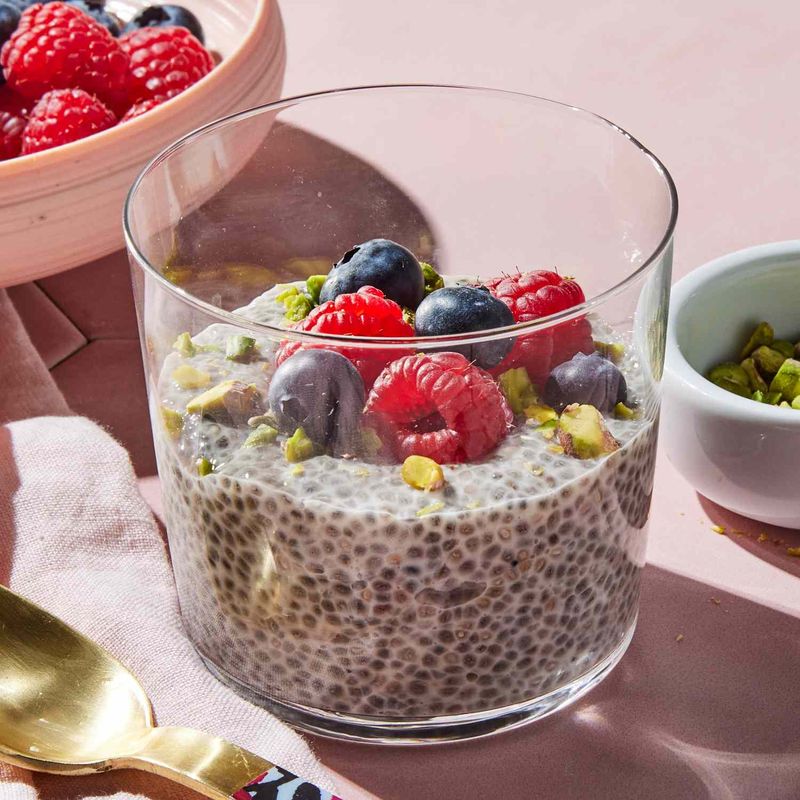
Tiny but mighty, chia seeds are one of the most fibre-dense foods you can find. Just two tablespoons contain around 10 grams of fibre, which is remarkable for something so small.
When mixed with liquid, they expand and form a gel-like texture, making them ideal for puddings and overnight oats. Sprinkle them into yoghurt or smoothies without changing the flavour much, and you've quietly boosted your fibre intake for the day.
5. Oats
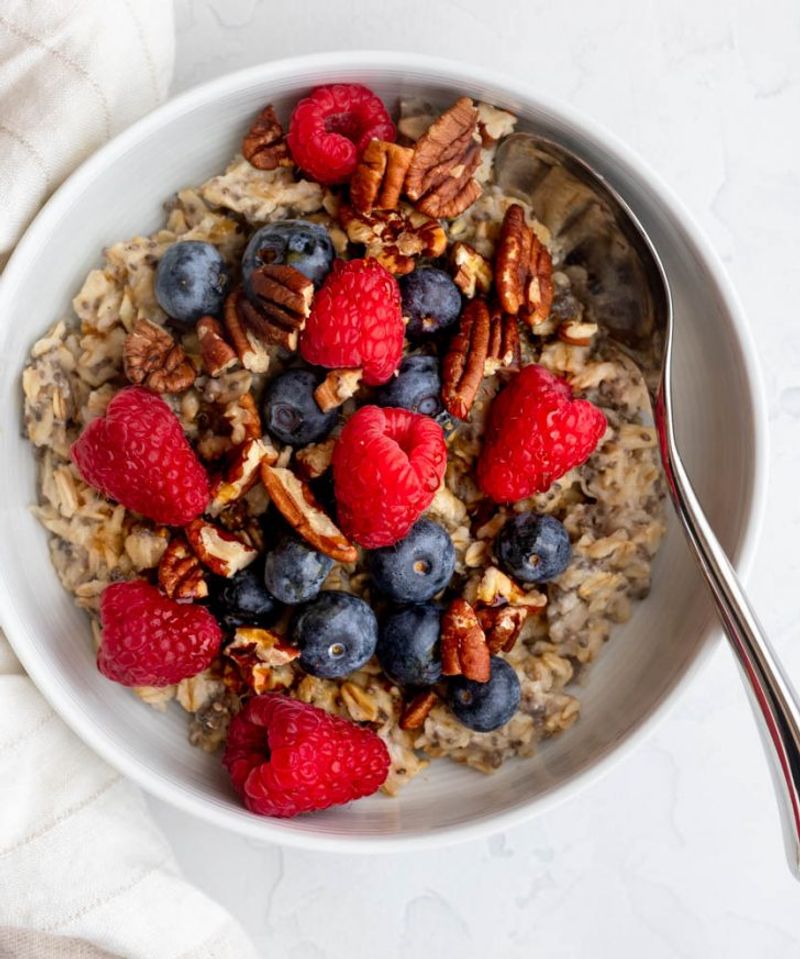
There's something comforting about a warm bowl of oats on a chilly morning. Beyond the comfort factor, oats contain a special type of fibre called beta-glucan, which has been shown to help lower cholesterol levels.
One cup of cooked oats gives you about 4 grams of fibre. Overnight oats, baked oat bars, and oat-based smoothies are all easy ways to sneak this wholesome grain into your daily routine without much effort.
6. Pears
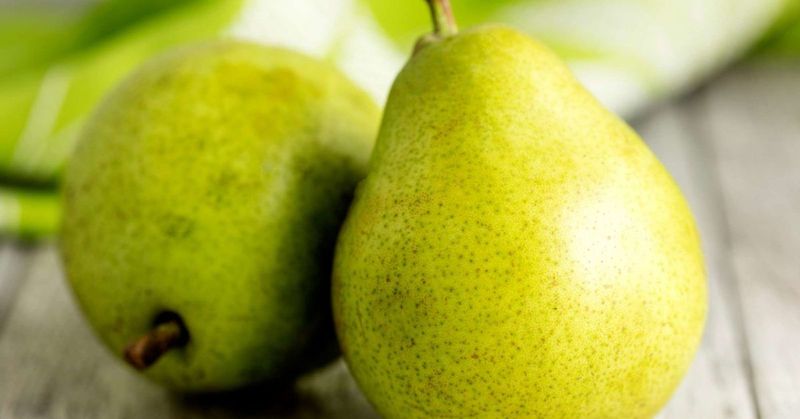
Pears are one of those fruits that often get overlooked in favour of apples or bananas, but they quietly outshine both when it comes to fibre. A medium pear with the skin on delivers about 5.5 grams of fibre.
The key is keeping the skin intact, since a good portion of the fibre lives right there. Slice one into your morning yoghurt or pack it as an afternoon snack for an easy, no-prep fibre boost.
7. Black Beans
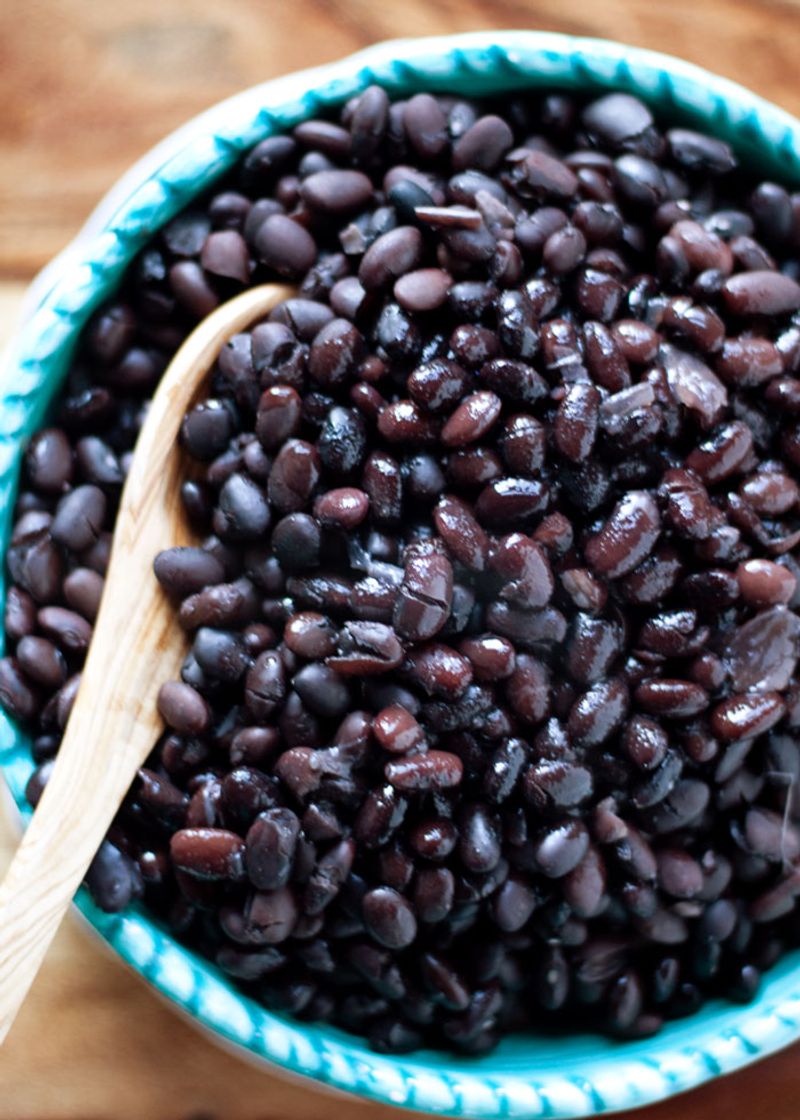
Black beans are a staple in Latin American cooking, and they bring serious nutritional muscle to the table. One cup of cooked black beans delivers around 15 grams of fibre, right alongside a solid hit of protein.
Add them to rice dishes, grain bowls, or burritos for a filling meal that keeps your digestive system happy. Even stirring them into scrambled eggs or soups adds texture and nutrition without changing the dish dramatically.
8. Broccoli
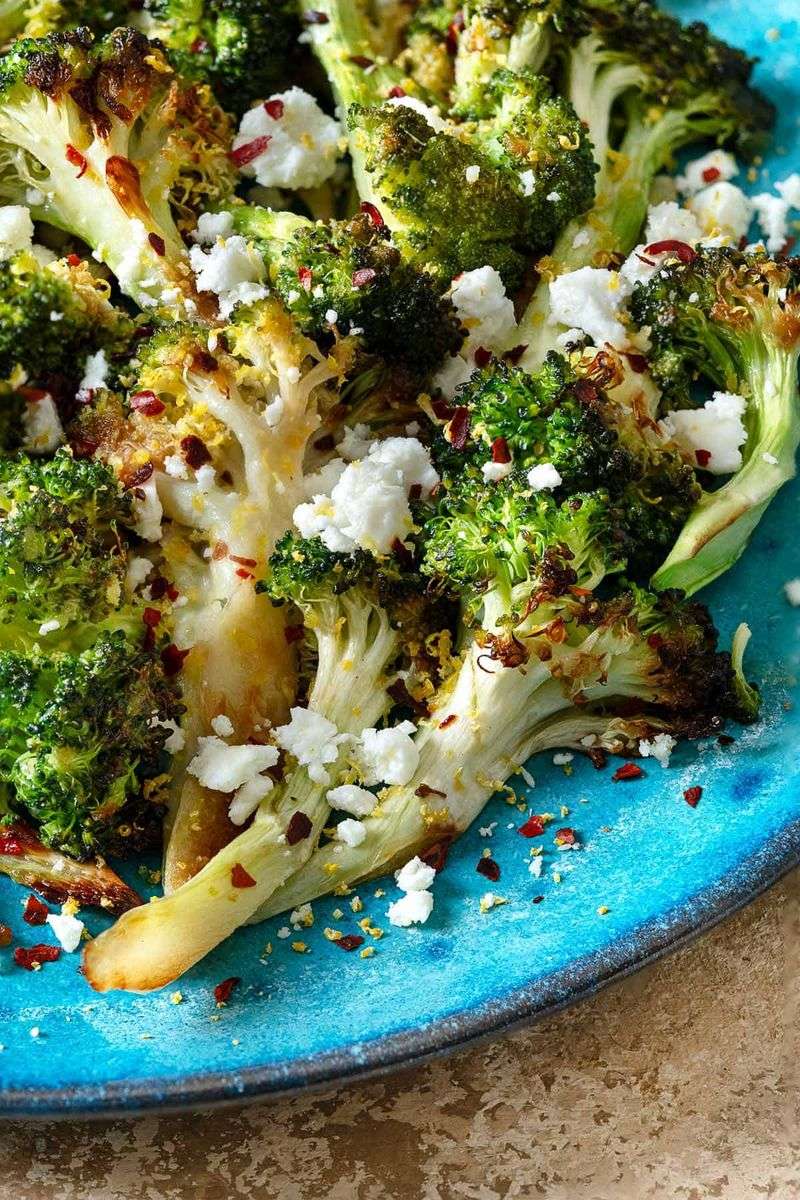
Broccoli has a reputation for being the vegetable kids push to the side of their plate, but it deserves far more credit. One cup of cooked broccoli offers about 5 grams of fibre, along with vitamins C and K.
Roasting broccoli at high heat transforms it into something slightly crispy and nutty-flavoured, which is a total game-changer. Try it tossed with garlic and olive oil, and even the pickiest eaters might come around.
9. Almonds
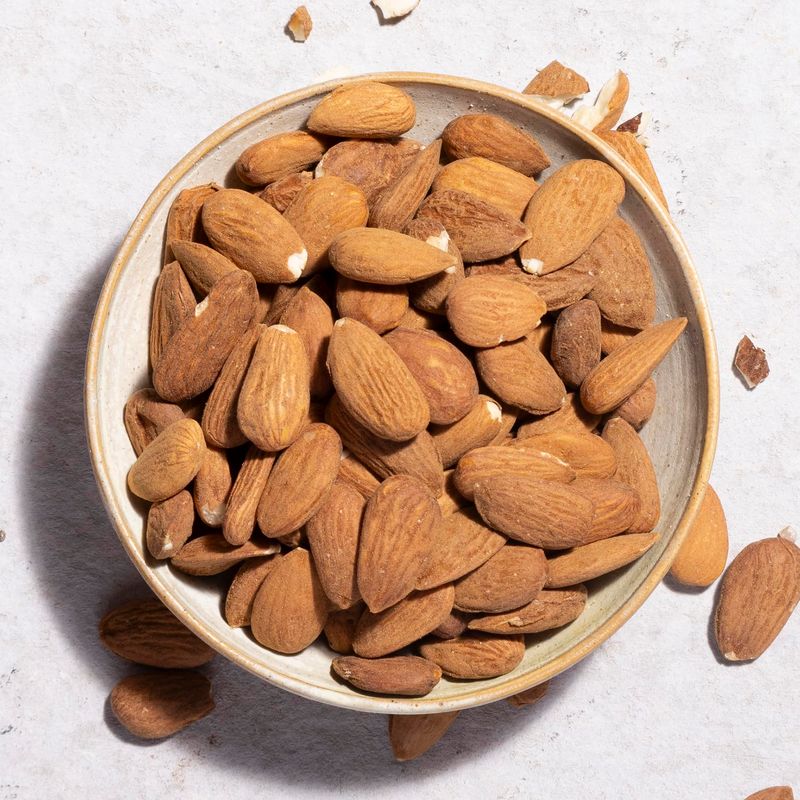
Grab a small handful of almonds and you've already done something good for your gut. About 23 almonds, which is a standard single serving, contain roughly 3.5 grams of fibre along with healthy fats and protein.
They're one of the easiest high-fibre snacks to carry around since they need no refrigeration or prep. Almond butter on wholegrain toast also counts, making this a versatile option whether you're at home or on the go.
10. Raspberries
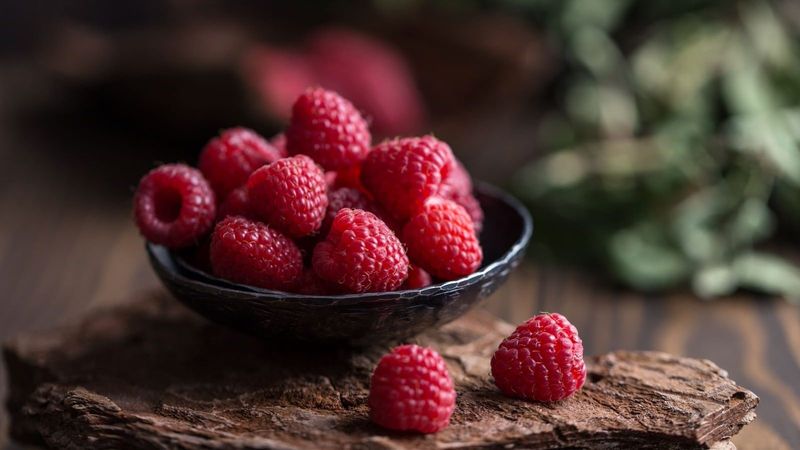
Raspberries might be the most fibre-packed berry you can eat. A single cup contains an impressive 8 grams of fibre, which beats many vegetables gram for gram.
Their natural tartness pairs beautifully with yoghurt, porridge, or even dark chocolate for a dessert that feels indulgent but still supports your health goals. Frozen raspberries work just as well as fresh ones and are usually more affordable, making this a smart year-round choice.
11. Sweet Potatoes

Sweet potatoes have a natural sweetness that makes them feel more like a treat than a health food. One medium sweet potato with the skin on contains about 4 grams of fibre and a generous dose of beta-carotene.
Baking them whole is the easiest approach, and leaving the skin on maximises the fibre content. Use them as a base for toppings like black beans and salsa, or simply enjoy them mashed with a little butter and cinnamon.
12. Quinoa
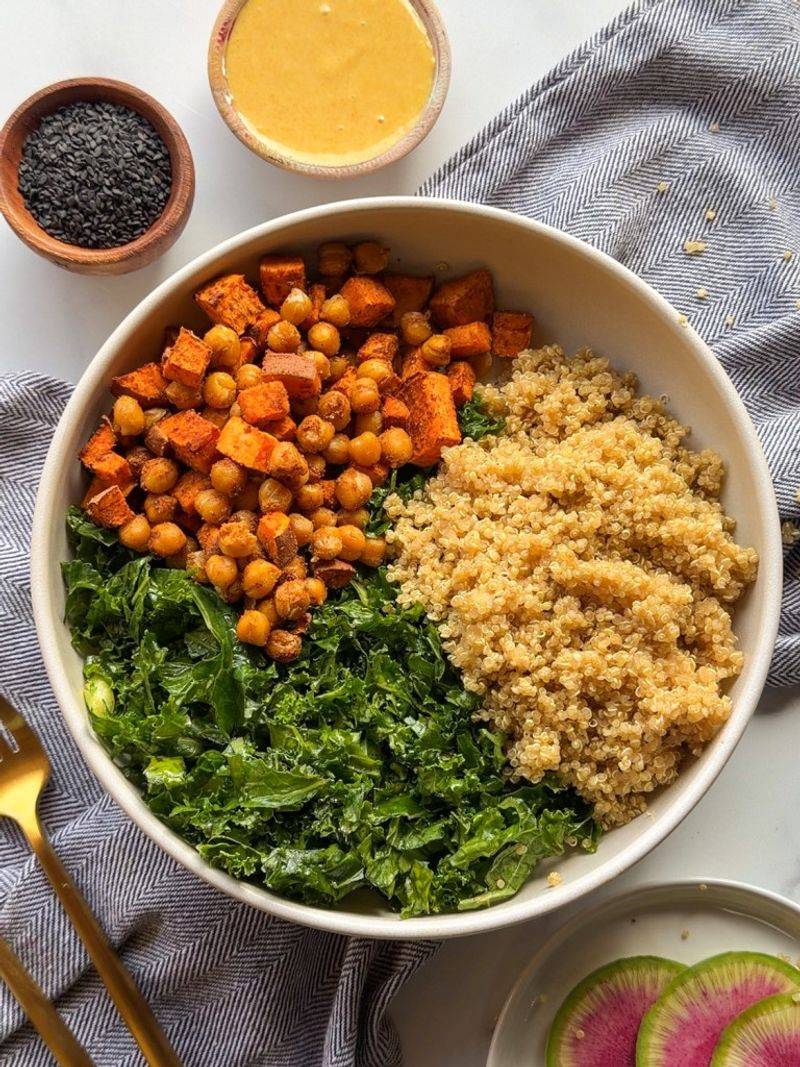
Quinoa is technically a seed, though most people treat it like a grain. What sets it apart from white rice or pasta is its fibre and complete protein content.
One cup of cooked quinoa provides about 5 grams of fibre.
It cooks in under 15 minutes and works well as a base for grain bowls, stuffed peppers, or even breakfast porridge. Swapping white rice for quinoa a few times a week is one of the simplest ways to increase your daily fibre intake.
13. Edamame
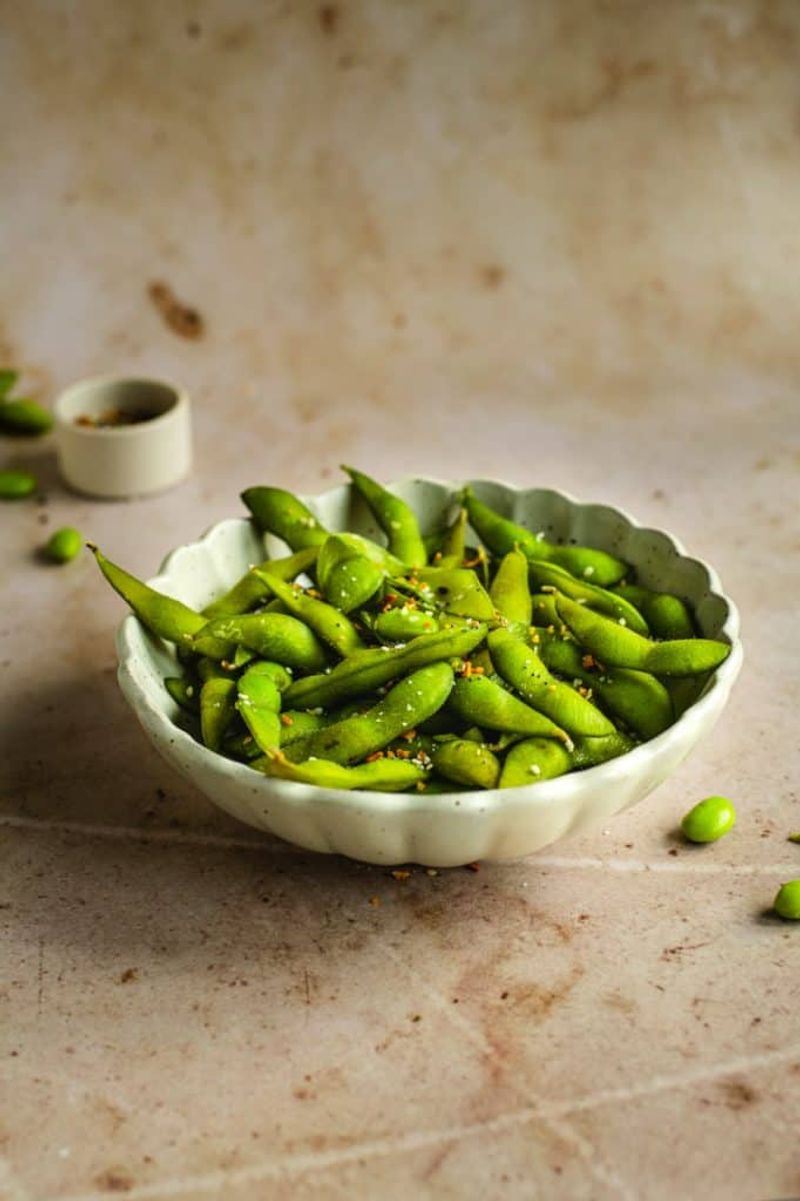
Edamame are young soybeans, and they've earned their place as one of the most satisfying snacks in the plant world. One cup of shelled edamame delivers about 8 grams of fibre along with plenty of plant-based protein.
They're the kind of snack you mindlessly munch through while watching TV, which isn't a bad thing when they're this nutritious. Steam them from frozen, toss with sea salt, and you've got a snack ready in minutes.
14. Flaxseeds
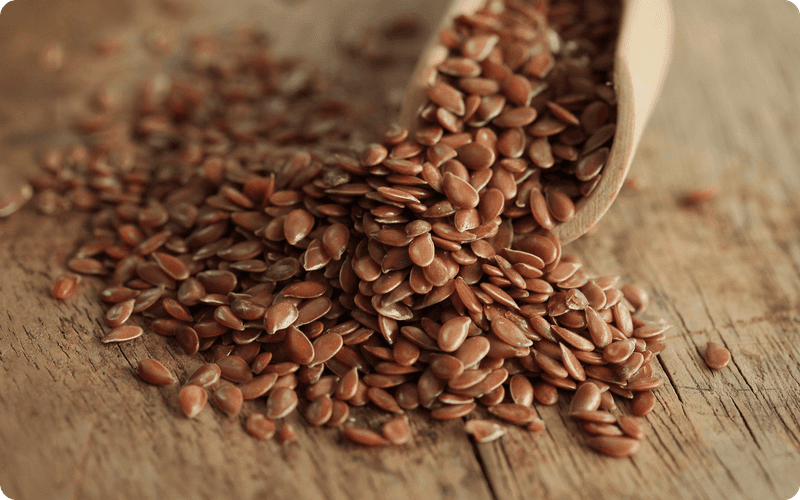
Flaxseeds have been used for their health properties for centuries, and modern nutrition backs that history up. Two tablespoons of ground flaxseeds deliver about 4 grams of fibre, along with omega-3 fatty acids that support brain and heart health.
Ground flaxseeds are easier for your body to absorb than whole ones. Stir them into smoothies, sprinkle over oatmeal, or mix into baked goods like muffins and pancakes without noticeably changing the taste or texture.
15. Artichokes
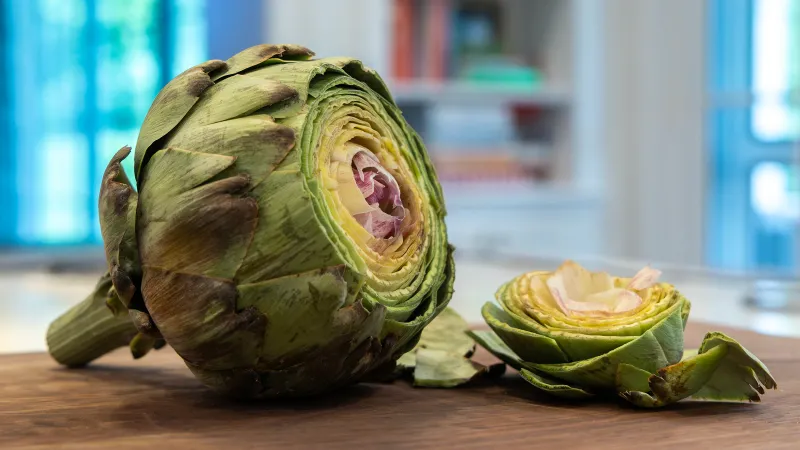
Artichokes might look intimidating, but they're worth getting to know. One medium artichoke contains around 10 grams of fibre, making it one of the highest-fibre vegetables you'll find at the market.
Canned or jarred artichoke hearts are a much easier option for everyday cooking. Toss them into pasta, layer them onto pizza, or blend them into a warm dip.
Either way, you're getting a meaningful amount of fibre without much extra effort.
16. Barley

Barley is one of the oldest cultivated grains on Earth, and it's been quietly supporting human health for thousands of years. A cup of cooked barley provides about 6 grams of fibre, including the same cholesterol-lowering beta-glucan found in oats.
It has a chewy, nutty texture that makes soups and stews heartier without feeling heavy. Swap pasta for barley in a minestrone, or use it as a base for a warm grain salad with roasted vegetables.
17. Apples
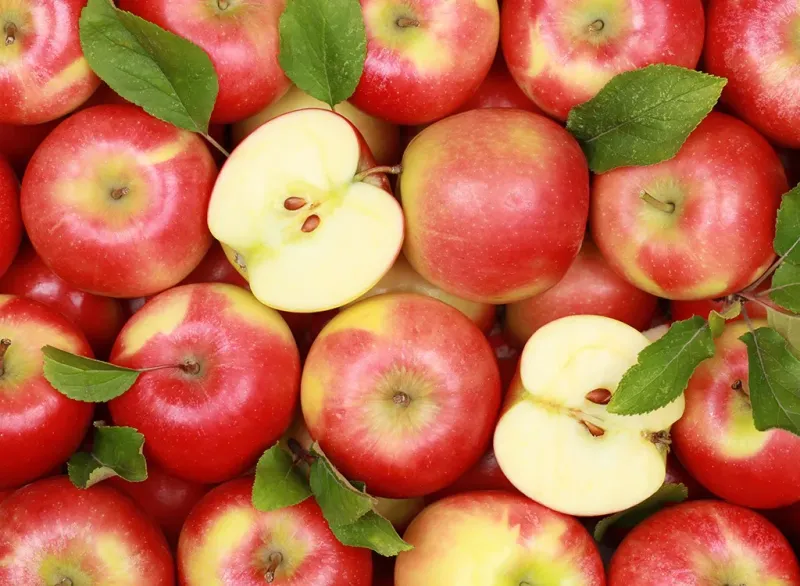
An apple a day might actually do something useful for your gut. A medium apple with the skin on contains about 4.5 grams of fibre, largely from a type called pectin, which feeds beneficial gut bacteria.
The important detail here is keeping the skin on, because peeling it removes a significant chunk of the fibre. Apples are one of the most portable snacks around, making them an effortless way to add fibre to any part of your day.
18. Split Peas

Split pea soup is the kind of meal your body genuinely thanks you for. One cup of cooked split peas contains about 16 grams of fibre, which is one of the highest amounts of any food on this entire list.
They break down into a naturally thick, creamy texture when cooked, so you don't need cream or heavy thickeners to get a satisfying bowl. A simple soup with split peas, onion, garlic, and broth is all you really need.
19. Brussels Sprouts
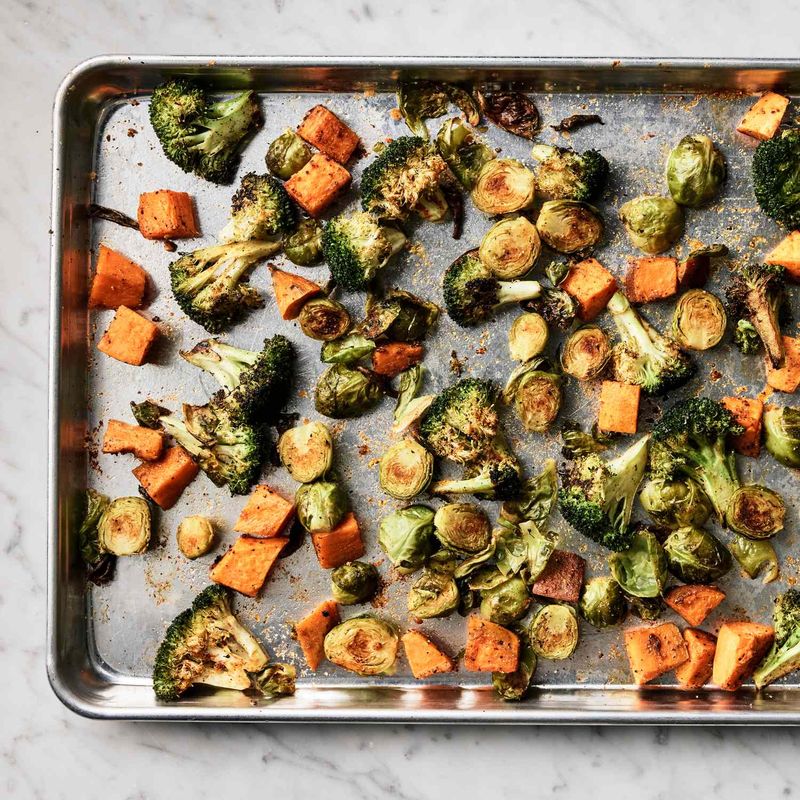
Few vegetables have had a bigger reputation makeover than Brussels sprouts. Roast them in a hot oven with olive oil and they become crispy, slightly caramelised, and genuinely delicious.
One cup of cooked Brussels sprouts provides about 4 grams of fibre.
They also contain glucosinolates, compounds that some research links to reduced inflammation. If your only experience with Brussels sprouts is the soggy, boiled version from childhood, roasting them is an absolute revelation worth trying this week.
20. Whole Wheat Bread
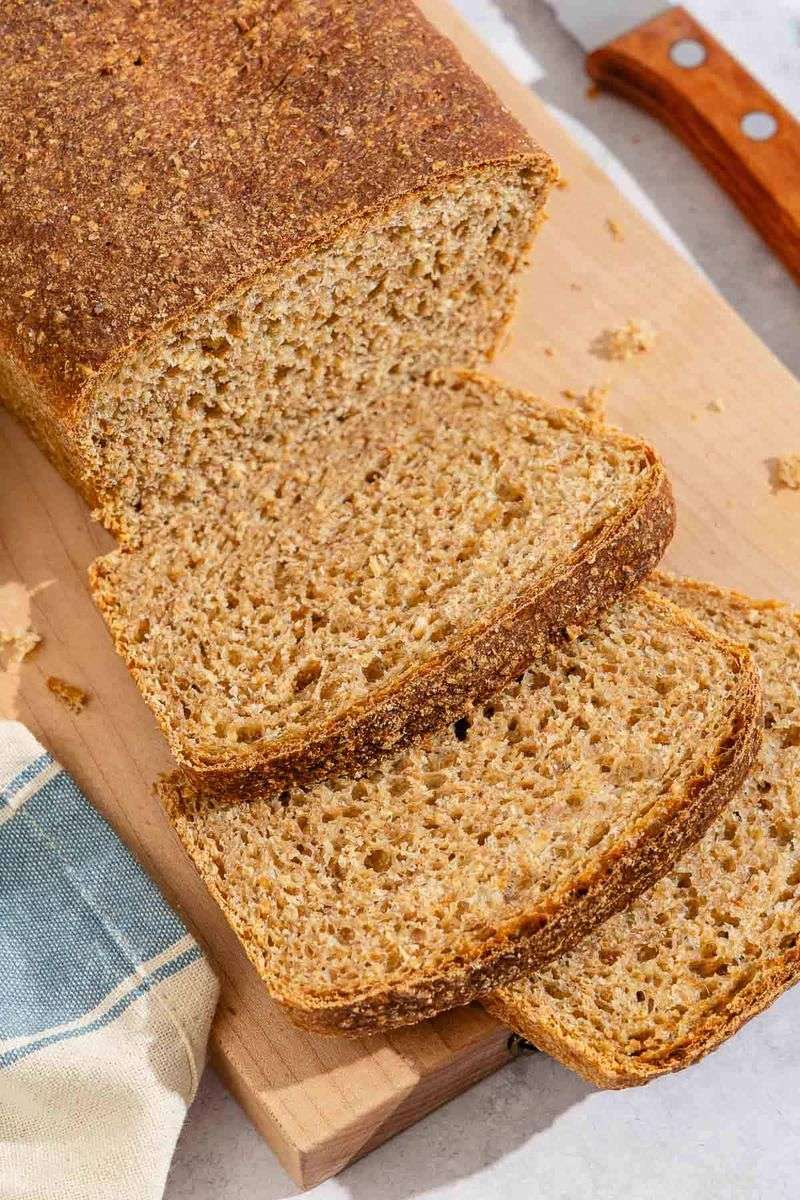
Swapping white bread for whole wheat is one of the simplest upgrades you can make to your diet. Two slices of whole wheat bread typically provide around 4 to 6 grams of fibre, compared to barely 1 gram in white bread.
The difference comes down to the grain processing. Whole wheat keeps the bran and germ intact, where most of the fibre lives.
Use it for sandwiches, toast, or even as a base for bruschetta to quietly boost your daily fibre without changing much about your routine.
21. Kidney Beans
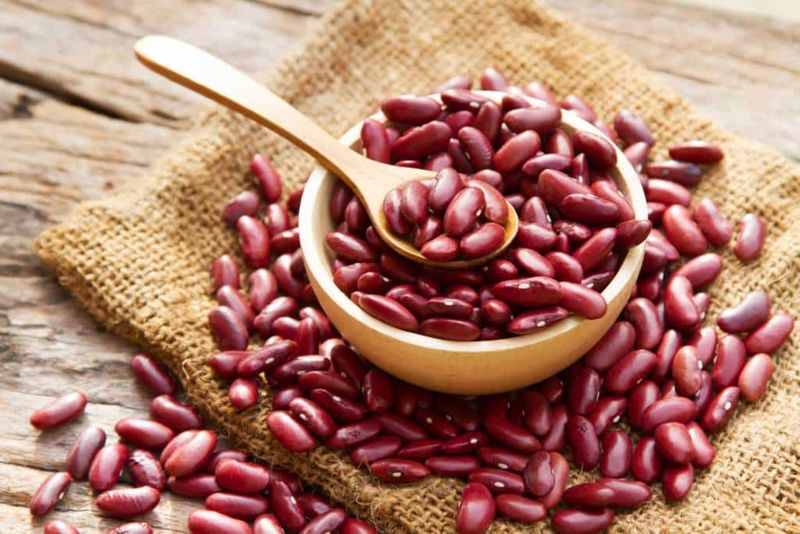
Kidney beans are a classic comfort food ingredient that happens to be loaded with fibre. One cup of cooked kidney beans delivers roughly 13 grams, making them a reliable choice for anyone trying to hit their daily targets.
They're the backbone of a good chilli, but they also work well in bean salads, wraps, and pasta dishes. Canned kidney beans are just as nutritious as dried ones and cut your prep time down to almost nothing.
22. Popcorn

Here's a fun fact that might change how you feel about movie night: popcorn is actually a whole grain, and three cups of air-popped popcorn contain about 3.5 grams of fibre. That's a legitimate snack with genuine nutritional value.
The catch is keeping it simple. Heavy butter and salt turn a healthy snack into something less impressive.
Try seasoning air-popped popcorn with nutritional yeast, smoked paprika, or a light drizzle of olive oil for a flavourful and fibre-friendly treat.
23. Sunflower Seeds
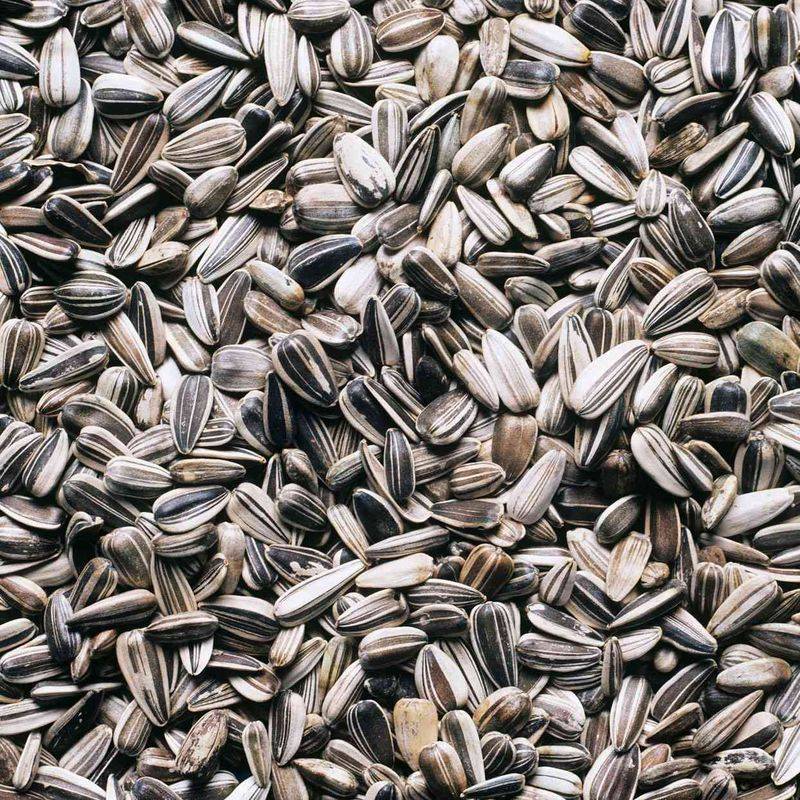
Sunflower seeds are often overlooked in favour of trendier seeds like chia or hemp, but they hold their own when it comes to nutrition. A quarter cup of sunflower seeds provides about 3 grams of fibre along with vitamin E and magnesium.
Sprinkle them over salads, stir them into granola, or eat them straight from the bag as a satisfying between-meal snack. Their mild, slightly nutty flavour works with both sweet and savoury dishes, making them a quietly versatile addition to your diet.




Comments
No Comments