













British food has some of the most wonderfully weird names you will ever come across. From sticky puddings to savory pies, the names alone are enough to make anyone giggle.
Tourists visiting the UK often find themselves stumbling over menus, trying to order with a straight face. Get ready to discover 17 classic British dishes whose names are just as entertaining as they are delicious.
1. Spotted Dick
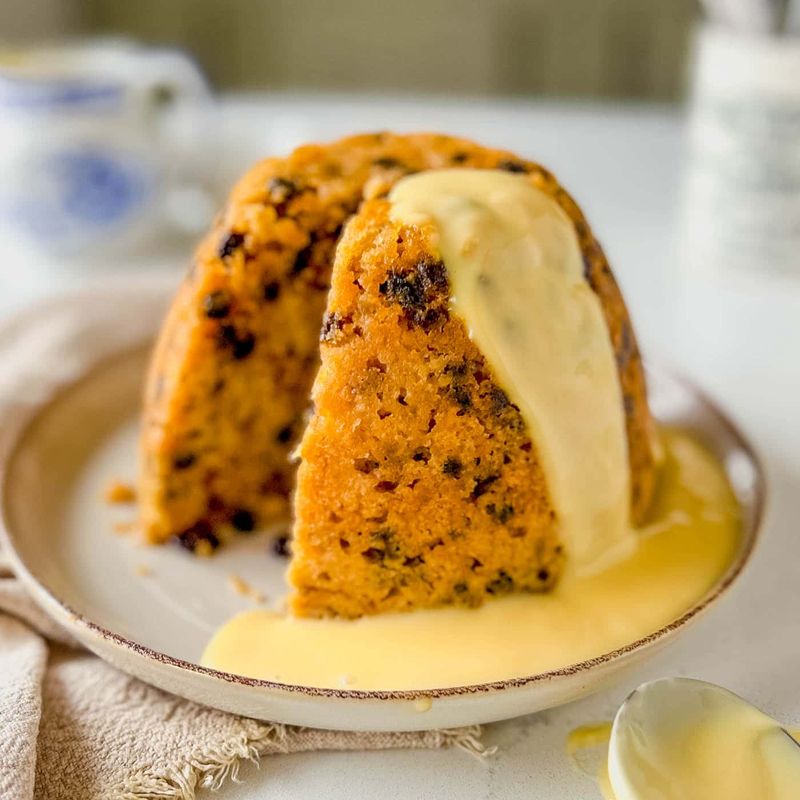
Few dishes stop a tourist mid-sentence quite like this one. Spotted Dick is a classic British steamed pudding made with suet and dried currants, and it has been warming hearts since the Victorian era.
The word "spotted" refers to the fruit dotted throughout, while "dick" likely comes from an old word for dough or pudding. Served hot with custard, it tastes far better than it sounds.
Ordering it with a straight face, however, is a whole different challenge.
2. Toad in the Hole
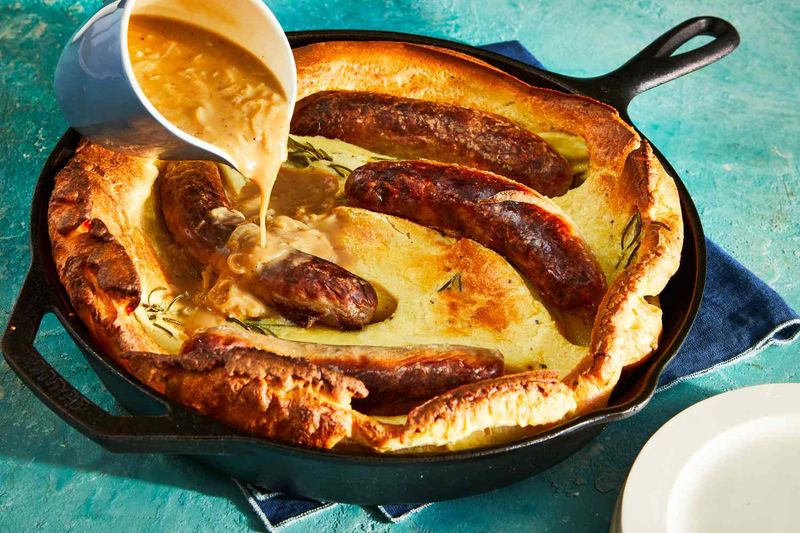
Picture golden sausages peeking out of a cloud of puffy batter, and you have got yourself a proper Toad in the Hole. No actual toads are harmed in the making of this dish, thankfully.
The name is thought to come from the way the sausages peek through the batter, a bit like toads poking their heads from holes in the ground. It is hearty, comforting, and absolutely delicious with thick onion gravy poured over the top.
3. Bubble and Squeak
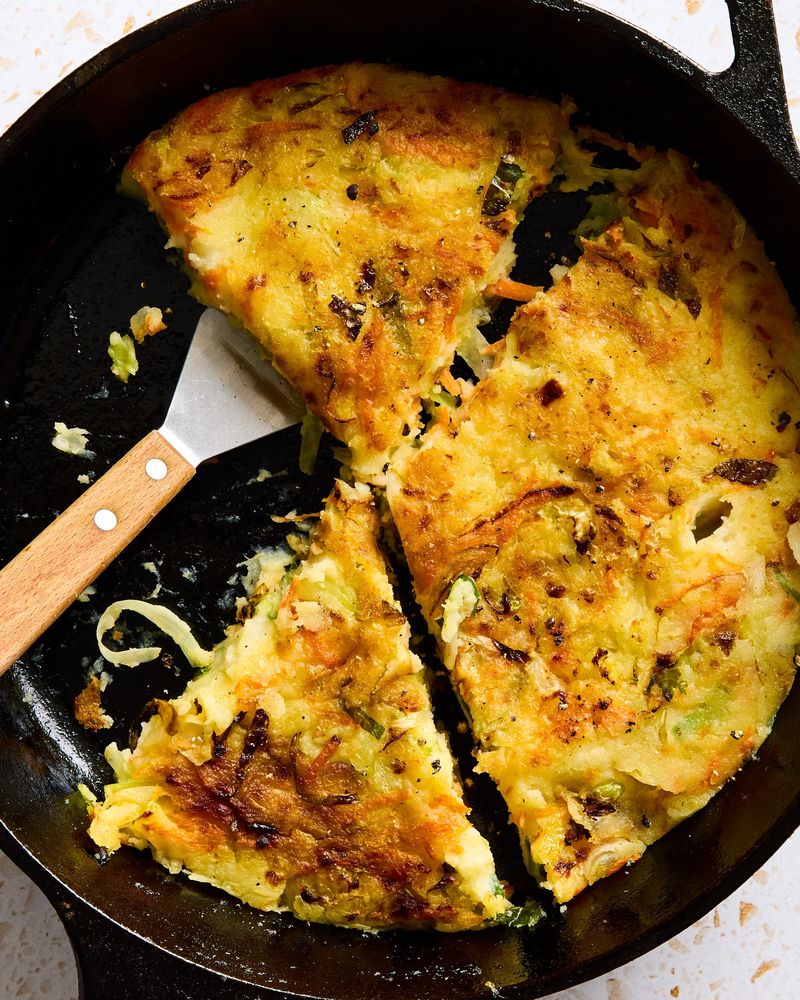
Named after the sounds it makes while cooking, Bubble and Squeak is the ultimate leftover dish. Traditionally made from mashed potato and cabbage fried together in a pan, it was a Monday staple after Sunday roast leftovers needed using up.
The sizzling and popping sounds in the pan gave it that playful, onomatopoeic name. Tourists hearing it for the first time often do a double take.
Once they taste the crispy, golden results, though, they completely understand the British obsession with it.
4. Cock-a-Leekie Soup
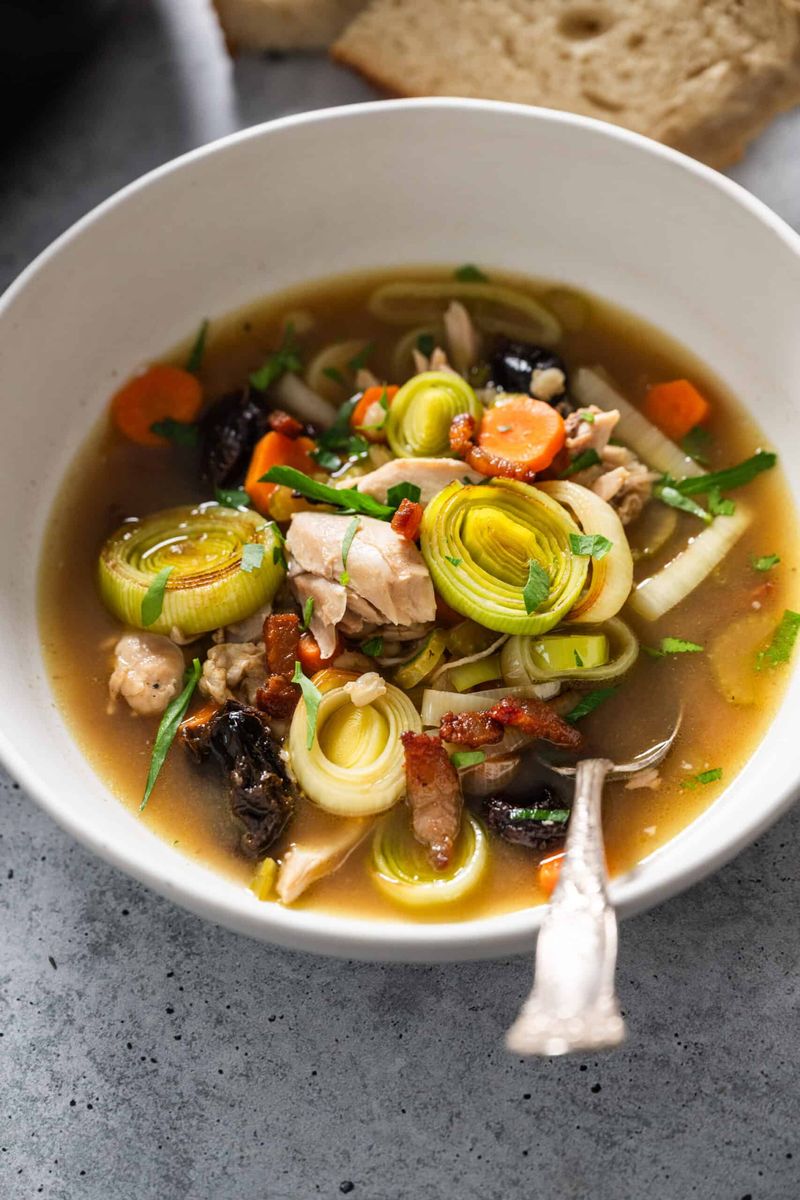
Scotland's national soup has a name that reliably raises eyebrows at restaurant tables across the UK. Cock-a-Leekie is a warming, traditional broth made from chicken and leeks, sometimes with prunes added for a gentle sweetness.
Its origins stretch back to the 16th century, making it one of Britain's oldest recipes. The name simply combines "cock," an old term for a rooster, with "leekie," meaning leeks.
Despite the giggles it causes, this soup is genuinely comforting, especially on a cold Scottish afternoon.
5. Faggots
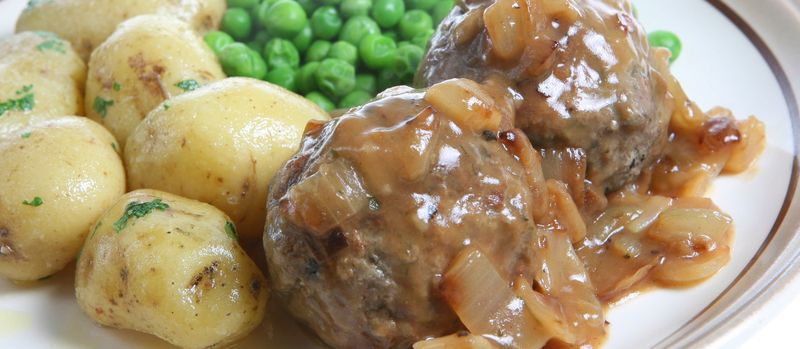
Before anyone raises an eyebrow too high, faggots are traditional British meatballs made from pork offal, herbs, and onions, often wrapped in caul fat. They are a working-class classic with roots going back centuries in England and Wales.
The word comes from an old term meaning a bundle of sticks, referring to how the mixture is shaped. Served with mushy peas and thick gravy, they are deeply satisfying comfort food.
Tourists asking for faggots at a chip shop, though, sometimes get very interesting reactions.
6. Rumbledethumps
Say it out loud. Go on.
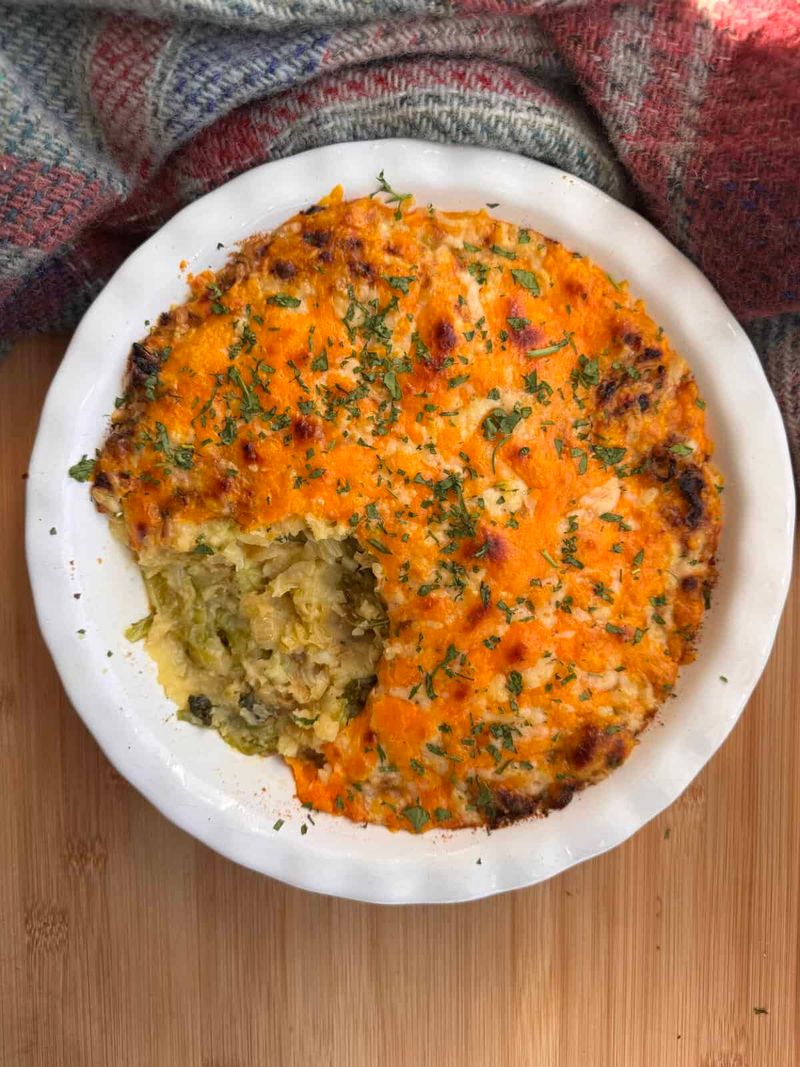
Rumbledethumps is arguably the greatest dish name in the entire British Isles, and it comes from the Scottish Borders. At its heart, it is a humble baked dish of potato, cabbage, and cheese.
Think of it as Scotland's answer to Bubble and Squeak, only baked until the cheese on top turns gloriously golden and bubbly. The name is believed to come from old Scots words for rumbling and thumping, describing the mashing process.
It tastes as fun as it sounds.
7. Pig in a Blanket
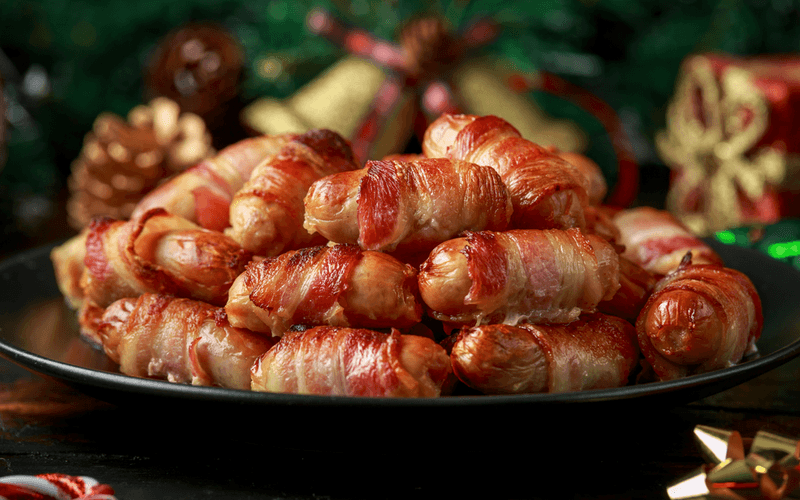
In the UK, a Pig in a Blanket means something very specific and very wonderful: a small chipolata sausage snugly wrapped in streaky bacon, then roasted until crispy. These tiny bites are practically a religion at British Christmas dinners.
Families have been known to argue fiercely over the last one on the plate. Unlike the American version stuffed in pastry, the British take is all about that salty, crispy bacon hug.
Tourists who try one tend to immediately wish they had ordered a dozen more.
8. Wet Nelly
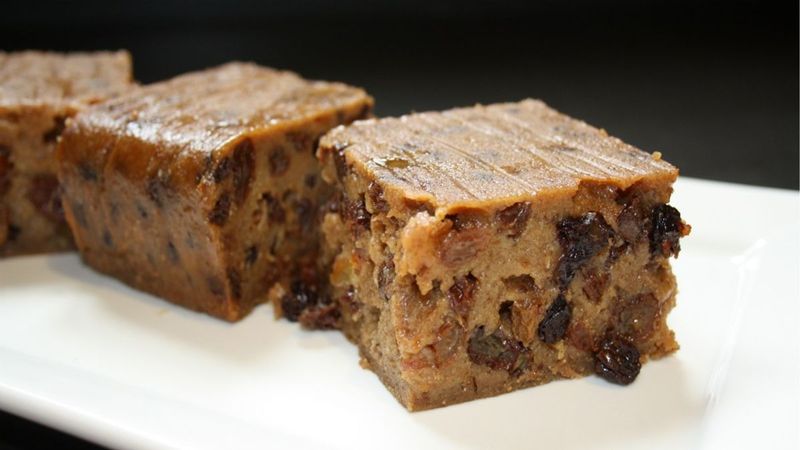
Liverpool has gifted the world many things, and Wet Nelly is one of the quirkier ones. A traditional bread pudding made from stale bread soaked in syrup and spices, it was originally a thrifty way to use up leftovers.
The exact origin of the name is a bit of a local mystery, though some say it refers to the soggy, wet texture of the soaked bread. Dense, sweet, and sticky, Wet Nelly is proper old-school Scouse comfort food that deserves far more fame than it currently gets.
9. Stargazy Pie
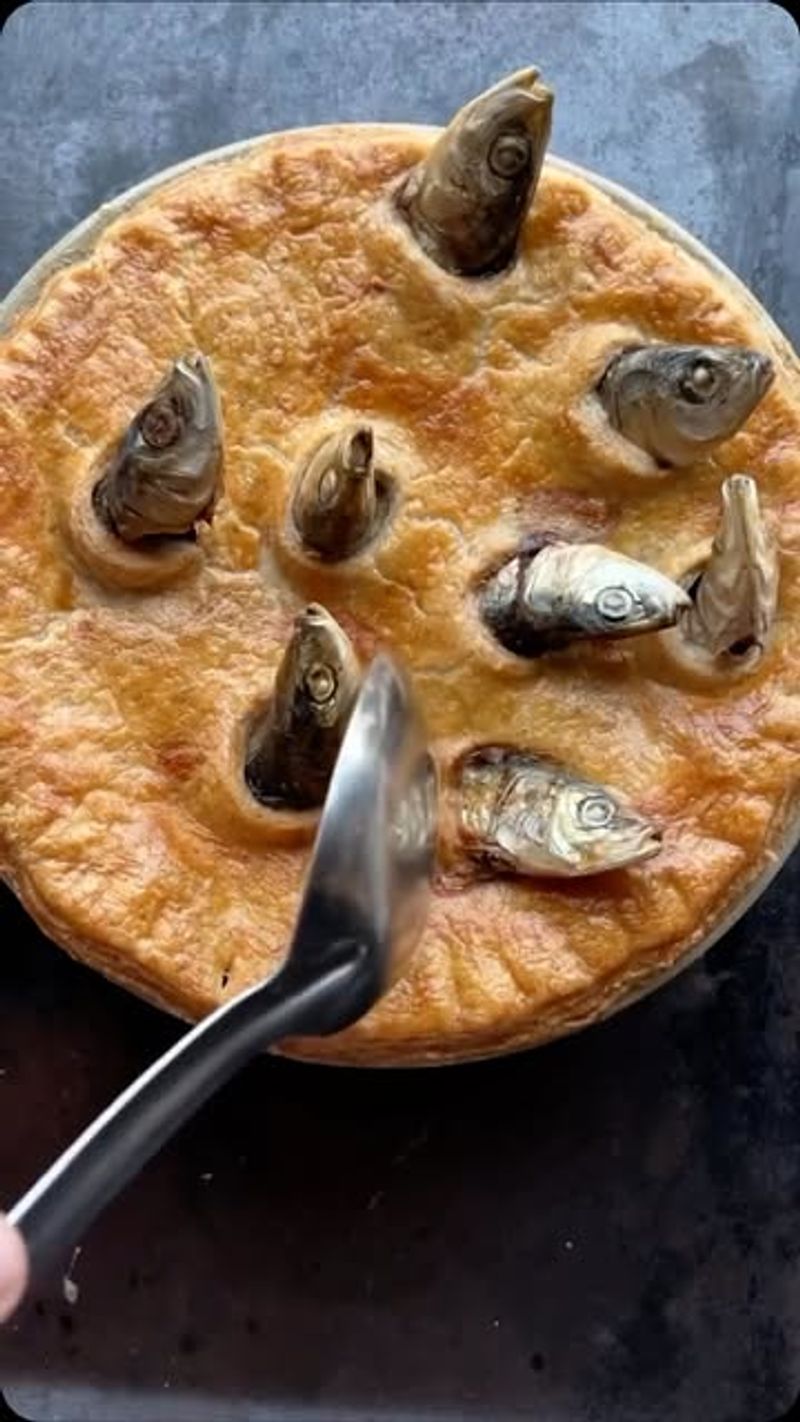
Imagine opening a menu and reading about a pie where the fish heads poke dramatically through the pastry crust, staring up at the sky. That is Stargazy Pie, a Cornish classic from the village of Mousehole.
Legend says it was created by a brave fisherman named Tom Bawcock who ventured out in a terrible storm to feed his starving village. The fish heads are left poking out so the oils drain back into the filling.
Unusual? Absolutely.
Delicious? Cornish locals would say undeniably yes.
10. Cullen Skink
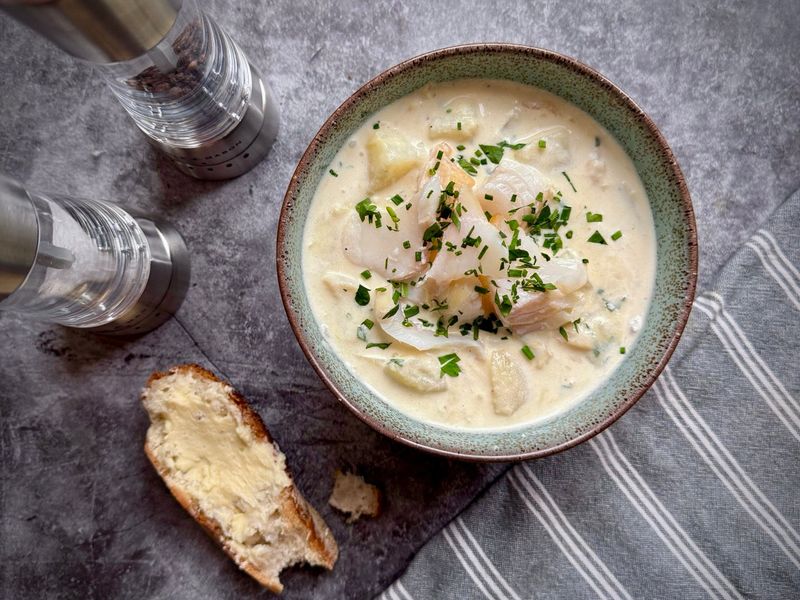
Despite sounding like a mischievous cartoon character, Cullen Skink is one of Scotland's most beloved soups. Made from smoked haddock, potatoes, and cream, it is thick, smoky, and deeply warming.
It takes its name from the Scottish fishing town of Cullen in Moray, where it originated. "Skink" comes from an old Scots word for a shin or knuckle of beef, once used in soups. Tourists who finally taste it after nervously ordering it are almost always pleasantly surprised by how rich and comforting it truly is.
11. Eton Mess
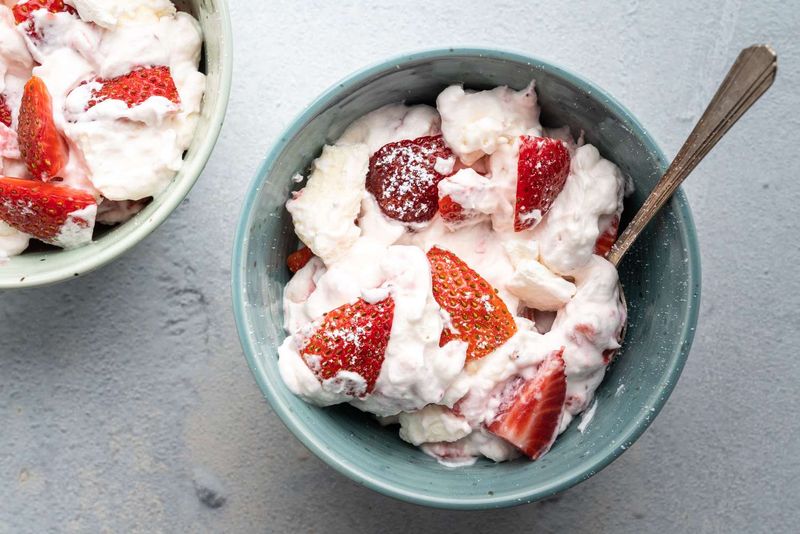
With a name like this, you might wonder if someone had a very bad day in the school cafeteria. Eton Mess is actually one of Britain's most beloved summer desserts, traditionally served at the famous Eton College cricket matches.
Crushed meringue, fresh strawberries, and lashings of whipped cream are jumbled together in glorious, carefree abandon. The "mess" is entirely intentional and endlessly charming.
Tourists who try it quickly understand why the British have been enthusiastically making it since at least the 1930s.
12. Mushy Peas
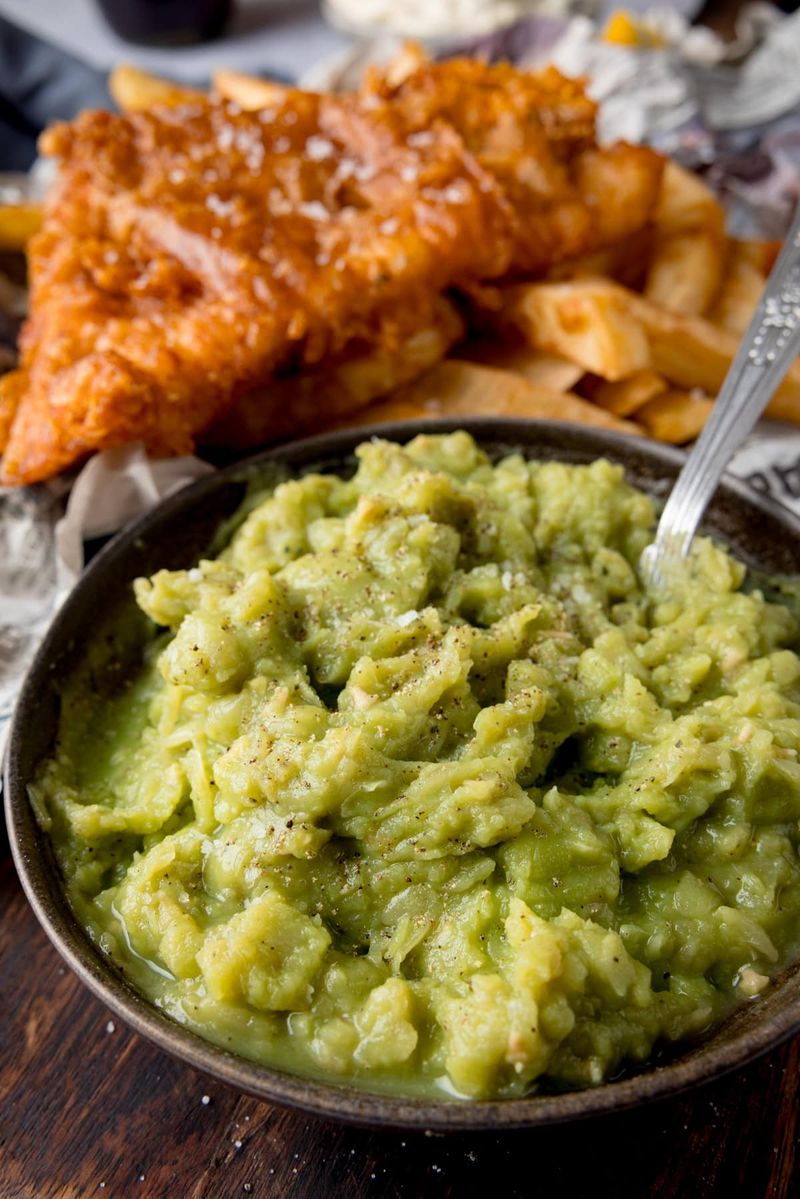
Order fish and chips at a British seaside town and you will almost certainly be asked if you want mushy peas on the side. Made from dried marrowfat peas soaked and cooked until wonderfully soft and thick, they are a chip shop staple.
The texture is not exactly glamorous, but the flavor is earthy, comforting, and oddly addictive. Tourists often pull a face at the name, then quietly ask for a second helping.
In Yorkshire especially, life without mushy peas beside your chips is considered basically unthinkable.
13. Fidget Pie
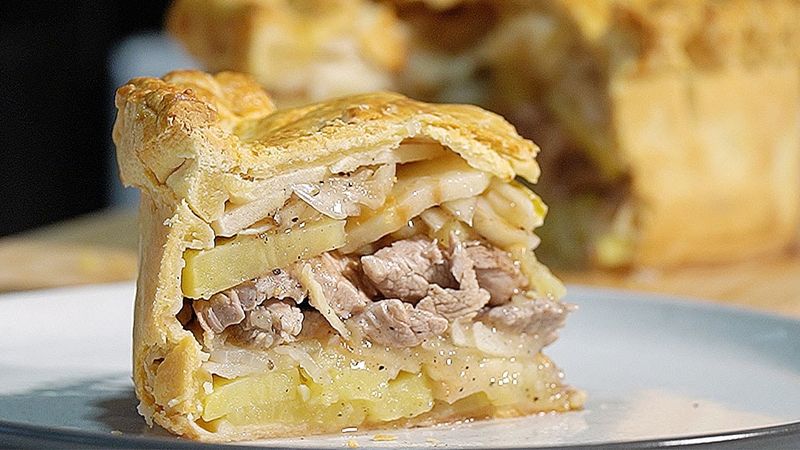
Shropshire's most entertainingly named dish, Fidget Pie has been filling farmers' stomachs since harvest time centuries ago. Made with gammon, apple, onion, and sometimes cider under a golden pastry lid, it is the definition of hearty country cooking.
The name likely comes from the old English word "fitched," meaning five-sided, possibly referring to the shape of the original pie. Some food historians think it evolved from harvest workers needing a portable, filling meal.
Whatever its origin, the name alone makes tourists at country pubs do a very satisfying double take.
14. Clootie Dumpling
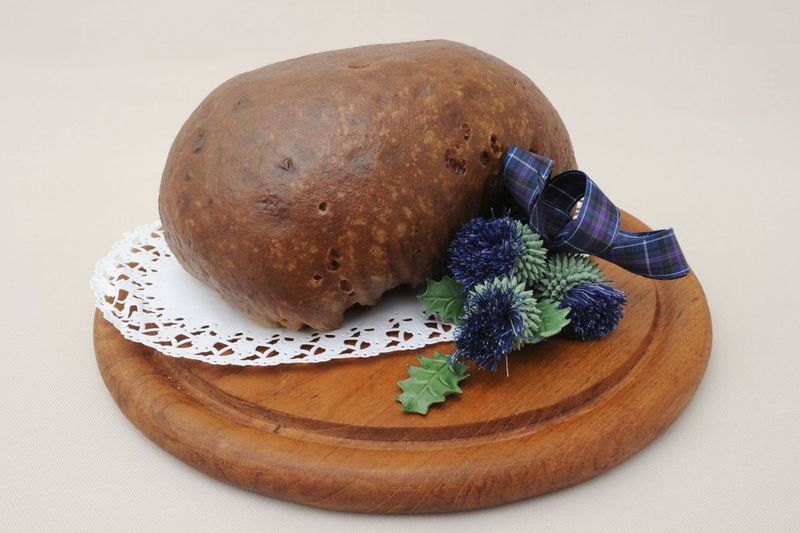
Scotland's answer to Christmas pudding, the Clootie Dumpling is a dense, dark, spiced pudding packed with dried fruit and cooked by wrapping it tightly in a floured cloth called a cloot. That cloth is where the name comes from.
Traditionally made for special occasions, small charms like coins or thimbles are sometimes hidden inside for lucky recipients to find. The outside develops a satisfying skin from the cloth cooking method.
Tourists who ask for a "clootie" at a Scottish tearoom are rewarded with both a smile and a truly magnificent slice.
15. Huffkins
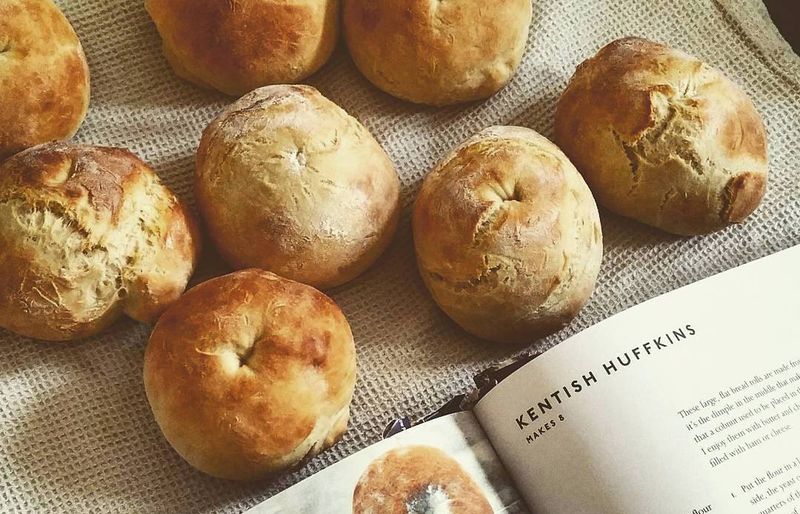
Kent's most charming baked good, Huffkins are soft, oval flatbreads with a distinctive dimple pressed into the center, traditionally made for hop-picking festivals in the Kentish countryside. The dimple was originally used to hold a filling.
The name is thought to derive from an old Flemish word brought over by immigrant weavers centuries ago. Light, chewy, and slightly sweet, they are wonderful split and filled with clotted cream and jam.
Tourists browsing a Kentish bakery and spotting "Huffkins" on the chalkboard menu almost always burst into a grin.
16. Bedfordshire Clanger
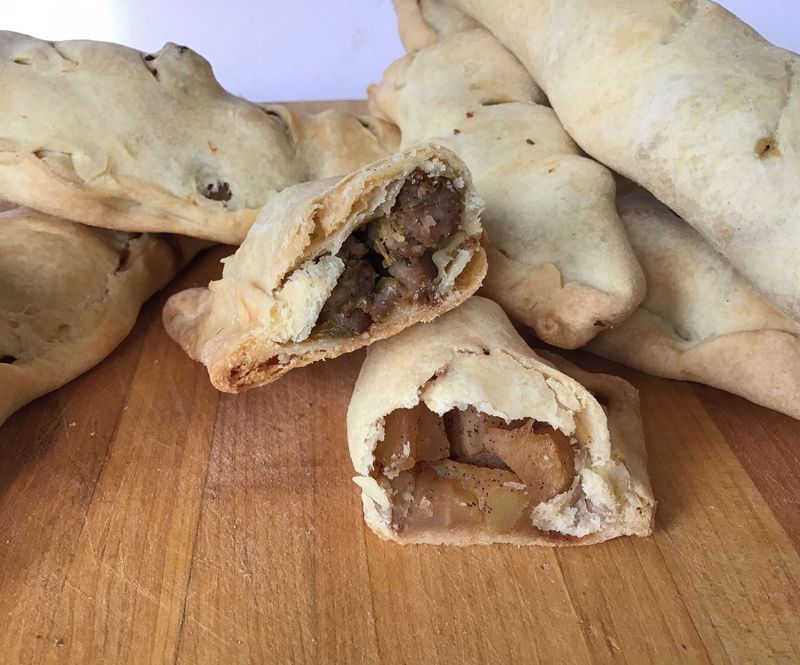
Half savory, half sweet, and entirely genius, the Bedfordshire Clanger is a long suet pastry that acts as a complete meal in one handheld package. One end holds a savory meat and potato filling, while the other hides a sweet jam or fruit filling.
Farm laborers historically carried these into the fields as an all-in-one lunch. A ridge of pastry in the middle keeps the flavors from mixing.
Tourists who discover it cannot quite believe that the British invented an edible lunchbox centuries before anyone thought to call it a meal prep hack.
17. Lardy Cake
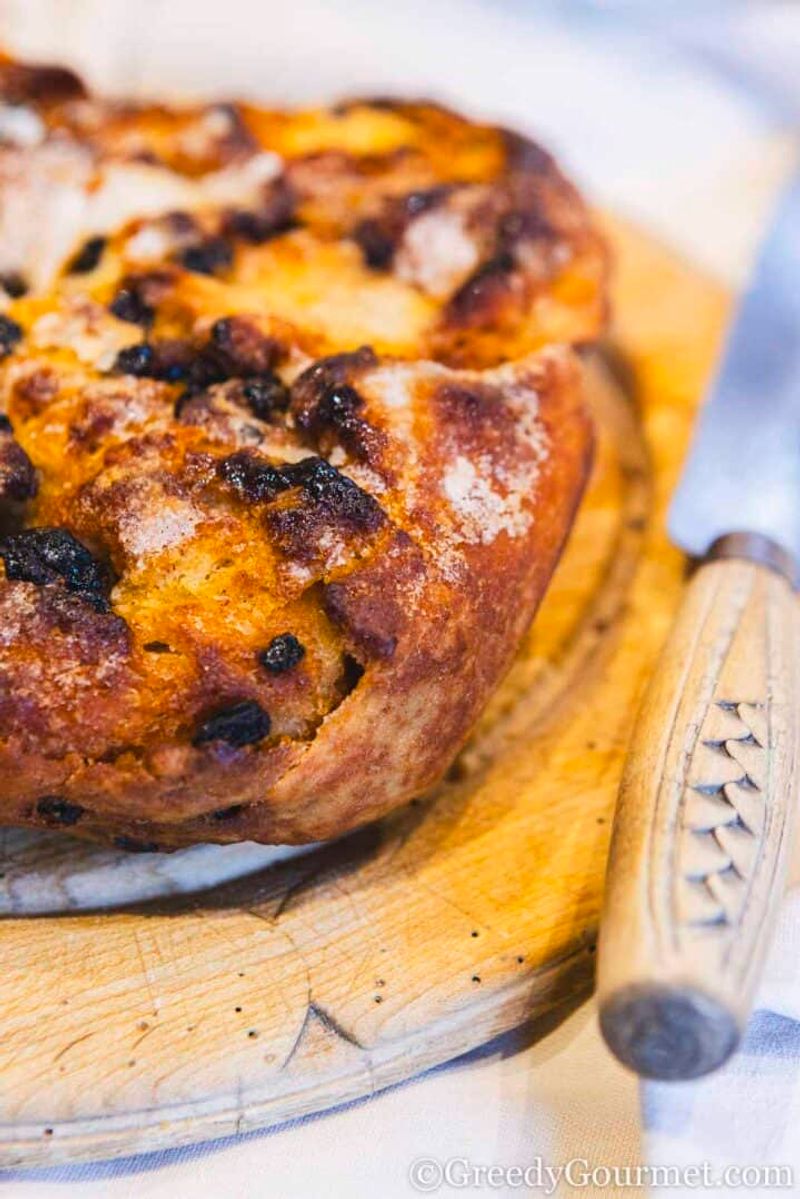
Wiltshire bakers have been making this gloriously indulgent treat since at least the 19th century, and the name pulls absolutely no punches about what is inside. Lardy Cake is made from bread dough layered with lard, sugar, spices, and dried fruit, then baked until sticky and golden.
The result is a rich, pull-apart cake that is simultaneously a bread, a pastry, and a dessert. Health food it is not.
But on a cold afternoon with a strong cup of tea, there is honestly very little in the British baking world that beats a warm slice of proper Lardy Cake.




Comments
No Comments