













Biscuits have been a staple in kitchens for centuries, bringing warmth and comfort to tables around the world. Somewhere along the way, many of the best old-fashioned recipes got replaced by store-bought shortcuts and forgotten techniques.
These 19 classic biscuit recipes deserve a proper comeback, made the right way with real ingredients and a little patience. Get ready to rediscover the magic hiding in your flour canister.
1. Buttermilk Drop Biscuits
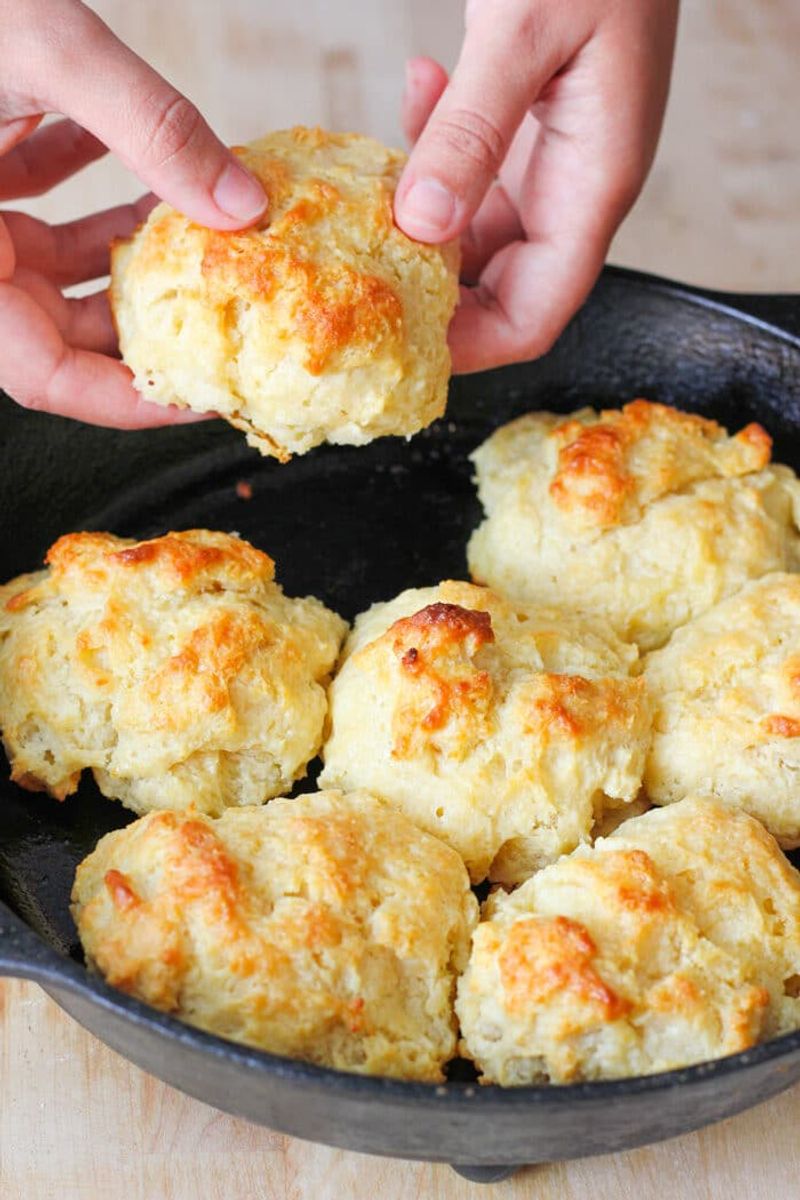
There is something wonderfully no-fuss about a drop biscuit that makes it feel like a hug from your grandmother. You simply mix the dough and drop spoonfuls right onto the baking sheet — no rolling, no cutting required.
Buttermilk gives each biscuit a slightly tangy flavor and a tender, fluffy crumb inside. Bake them until golden and serve warm with real butter.
They come together in under 30 minutes and taste absolutely incredible fresh from the oven.
2. Lard-Based Flaky Biscuits
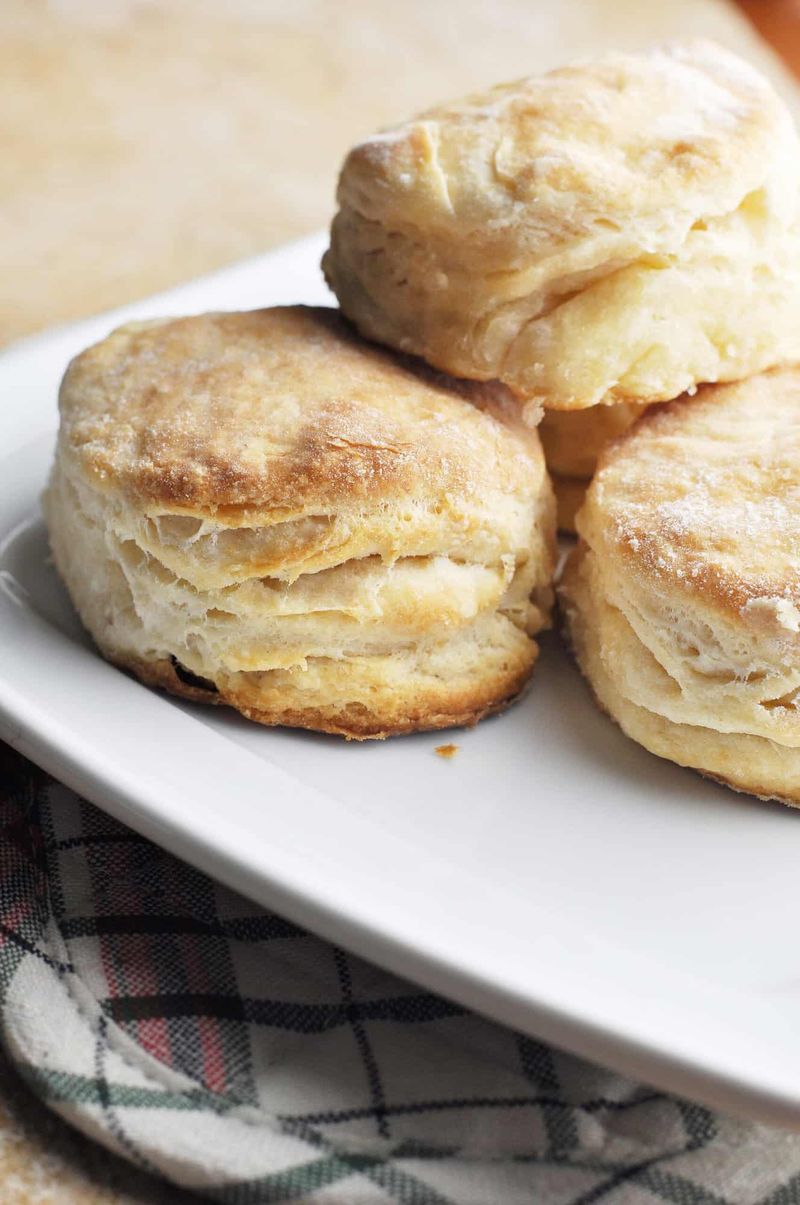
Before vegetable shortening took over, lard was the secret weapon behind the flakiest, most melt-in-your-mouth biscuits imaginable. Old Southern cooks swore by it, and once you try it, you will completely understand why.
Lard creates incredibly tender layers because of its unique fat structure. Keep it ice cold before cutting it into the flour for the best results.
The finished biscuits have a rich, savory depth that modern recipes simply cannot replicate. This one is worth every bit of effort.
3. Angel Biscuits
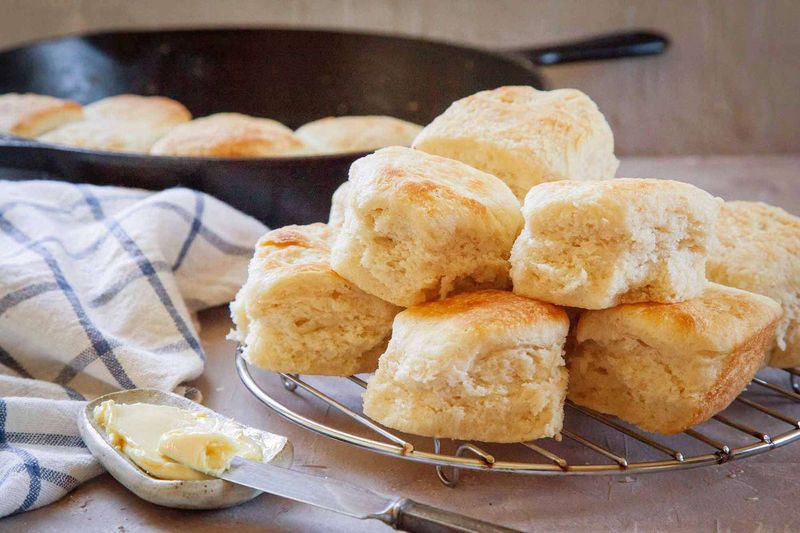
Angel biscuits earned their heavenly name for a very good reason — they are impossibly light and airy, almost like a cross between a biscuit and a dinner roll. The secret lies in using three leavening agents: baking powder, baking soda, and yeast.
That combination creates a biscuit with incredible lift and a slightly chewy texture. The dough can even be made ahead and stored in the refrigerator.
Pull off what you need and bake fresh whenever you want them.
4. Sweet Potato Biscuits
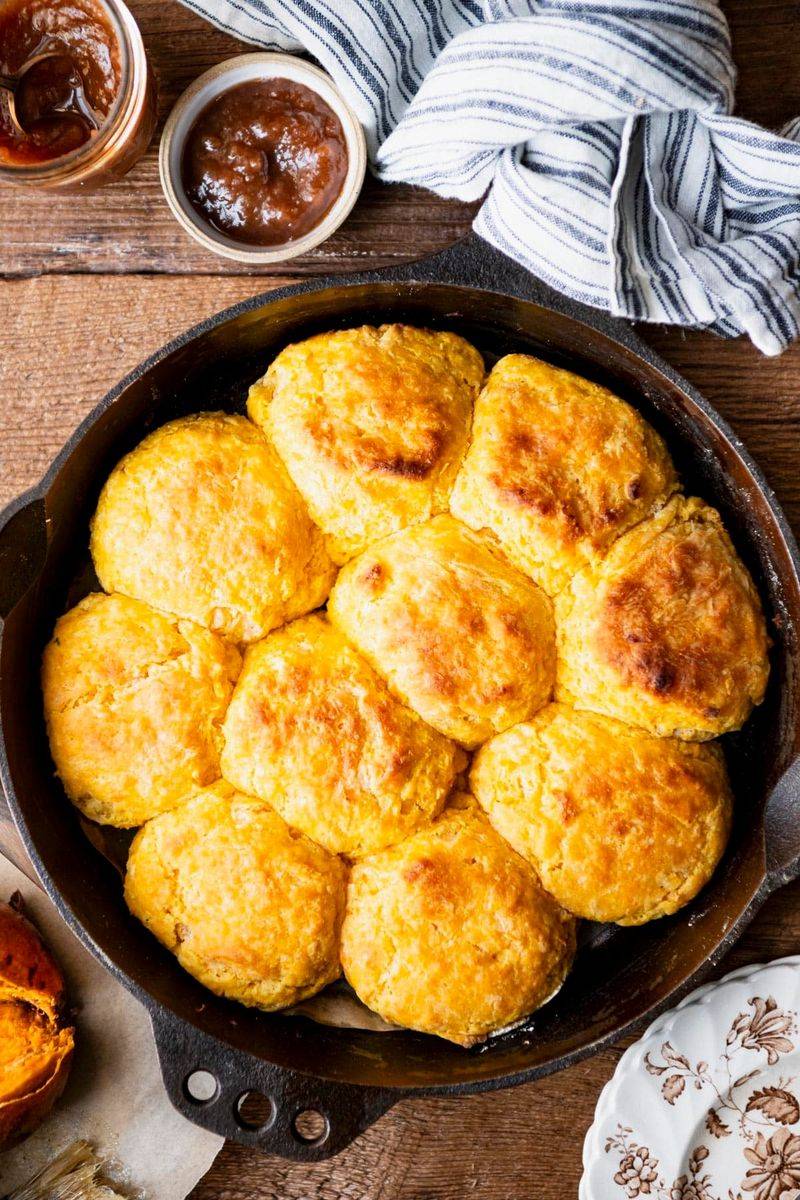
Sweet potato biscuits bring a gentle sweetness and a gorgeous golden color to the biscuit basket that nobody can resist. Roasted or mashed sweet potato gets folded right into the dough, replacing some of the liquid and adding natural flavor.
They pair beautifully with ham, honey butter, or even a spoonful of jam. This old Southern staple was a clever way to use up leftover sweet potatoes from the harvest.
Rediscovering it feels like finding buried treasure in a recipe box.
5. Sourdough Biscuits
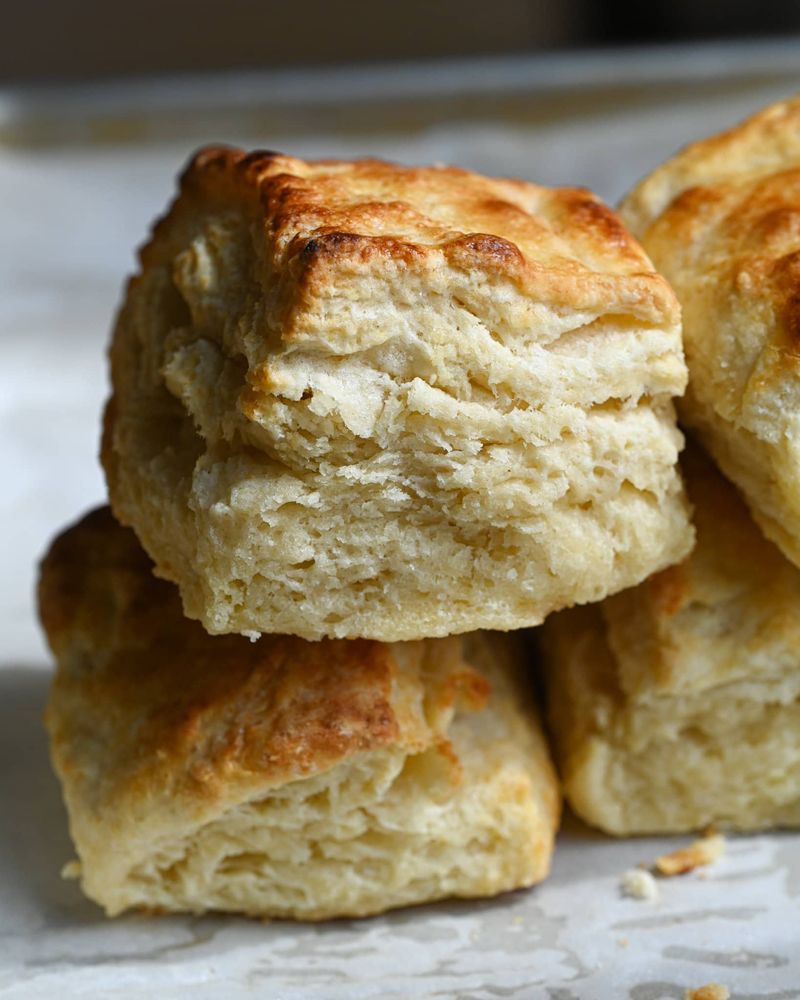
Long before commercial yeast was available, cooks relied on sourdough starter to leaven everything — including biscuits. The result is a biscuit with a mild tang, chewy texture, and deep, complex flavor that feels completely different from a standard recipe.
Using your sourdough discard for biscuits is also a genius way to reduce waste. The starter adds moisture and acidity that tenderizes the gluten beautifully.
Once you go sourdough biscuits, plain ones start to feel a little boring by comparison.
6. Cream Biscuits
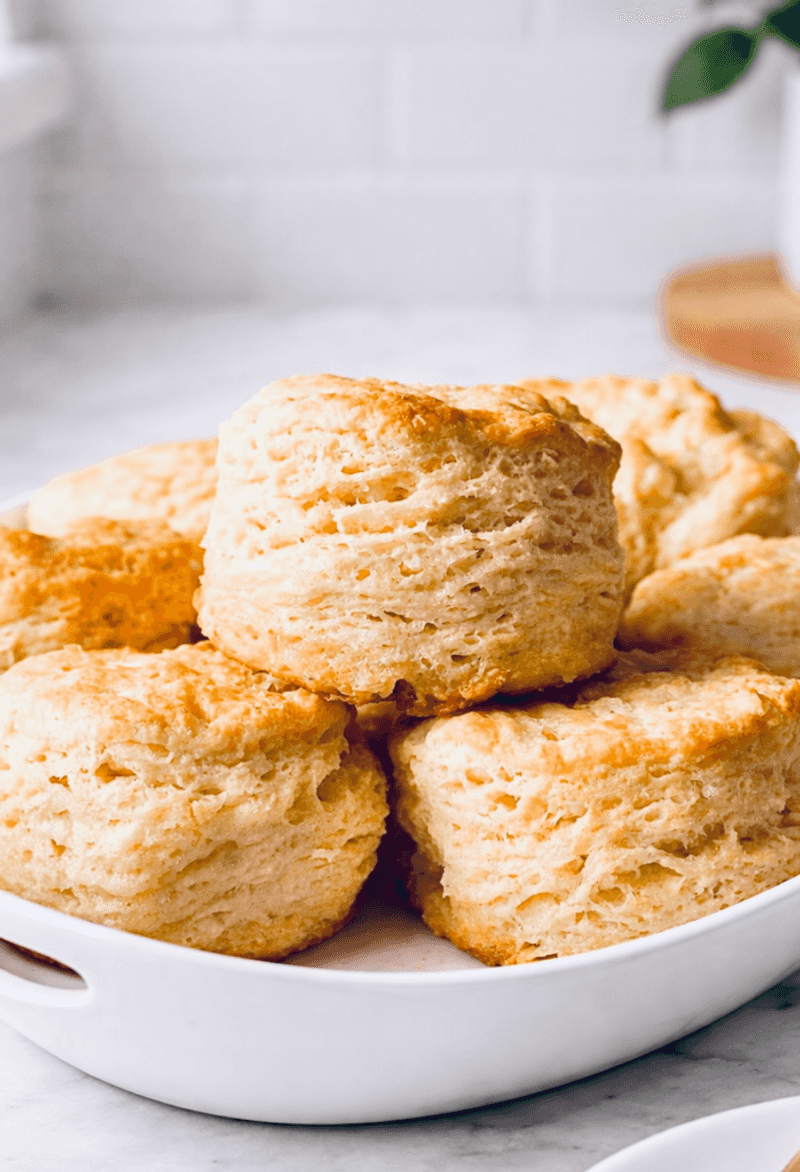
Cream biscuits might be the most underrated recipe on this entire list. Heavy cream does double duty here, acting as both the fat and the liquid, which means fewer ingredients and almost no mixing required.
James Beard popularized this method decades ago, and bakers who discover it rarely go back to anything else. The biscuits bake up tender, rich, and golden with a surprisingly delicate crumb.
Two ingredients, one bowl, and about 20 minutes — that is genuinely hard to beat on a busy morning.
7. Beaten Biscuits
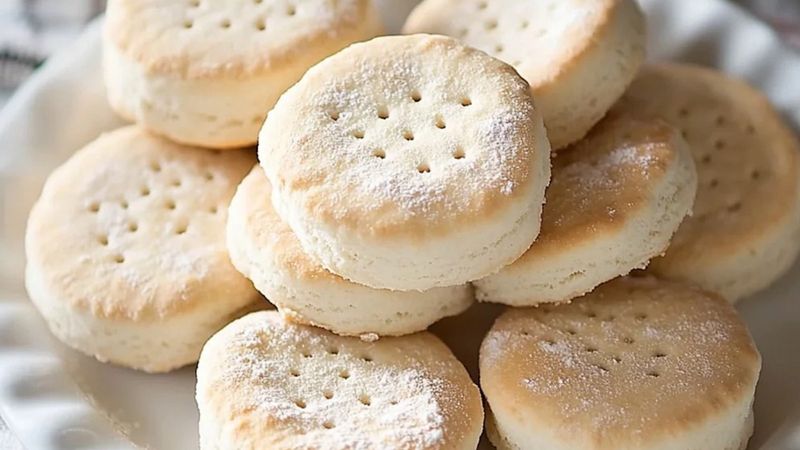
Beaten biscuits are one of the oldest American biscuit traditions, dating back to the antebellum South. Unlike modern biscuits, they get their texture not from leavening agents but from being literally beaten with a mallet or rolling pin for 20 to 30 minutes.
That process develops the gluten and creates a smooth, very dense, cracker-like biscuit. They are traditionally served with country ham and are surprisingly addictive.
Making them is a genuine workout, but the historical connection alone makes it completely worthwhile.
8. Cheese Biscuits
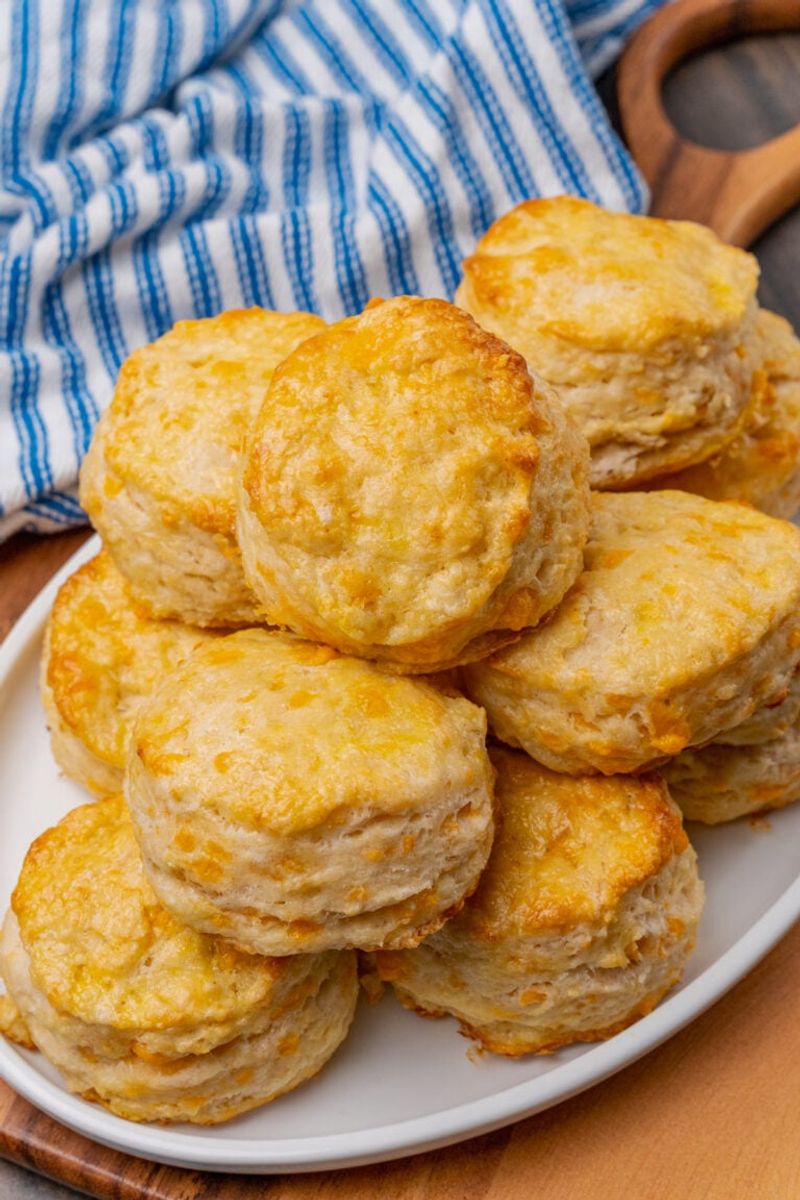
Sharp cheddar folded into a classic biscuit dough transforms a simple side into the star of the whole meal. Old-fashioned cheese biscuits were a savory staple at Southern suppers, often served alongside soups, stews, and slow-cooked greens.
Grating your own cheese instead of using pre-shredded makes a noticeable difference in flavor and melt. A pinch of cayenne or dry mustard powder in the dough adds a subtle kick that keeps people reaching for seconds.
These are dangerously good straight out of the oven.
9. Sorghum Molasses Biscuits
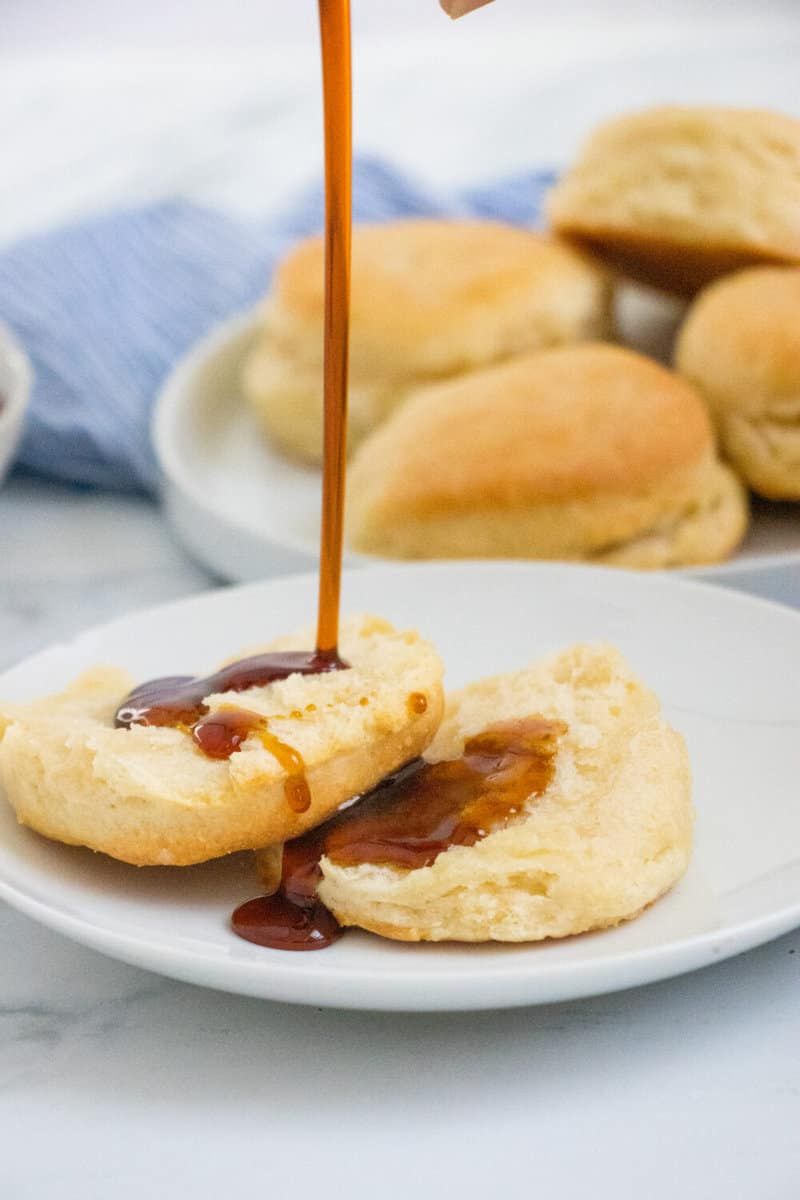
Sorghum molasses was once the sweetener of choice across rural America, and its earthy, slightly smoky flavor makes for a biscuit unlike anything you have tasted before. A small amount stirred into the dough adds richness without making them overly sweet.
These biscuits were a fixture on Appalachian breakfast tables for generations before sorghum fell out of fashion. Serve them warm with more sorghum drizzled on top for the full experience.
Tracking down a bottle of pure sorghum syrup is absolutely worth the effort.
10. Whole Wheat Biscuits
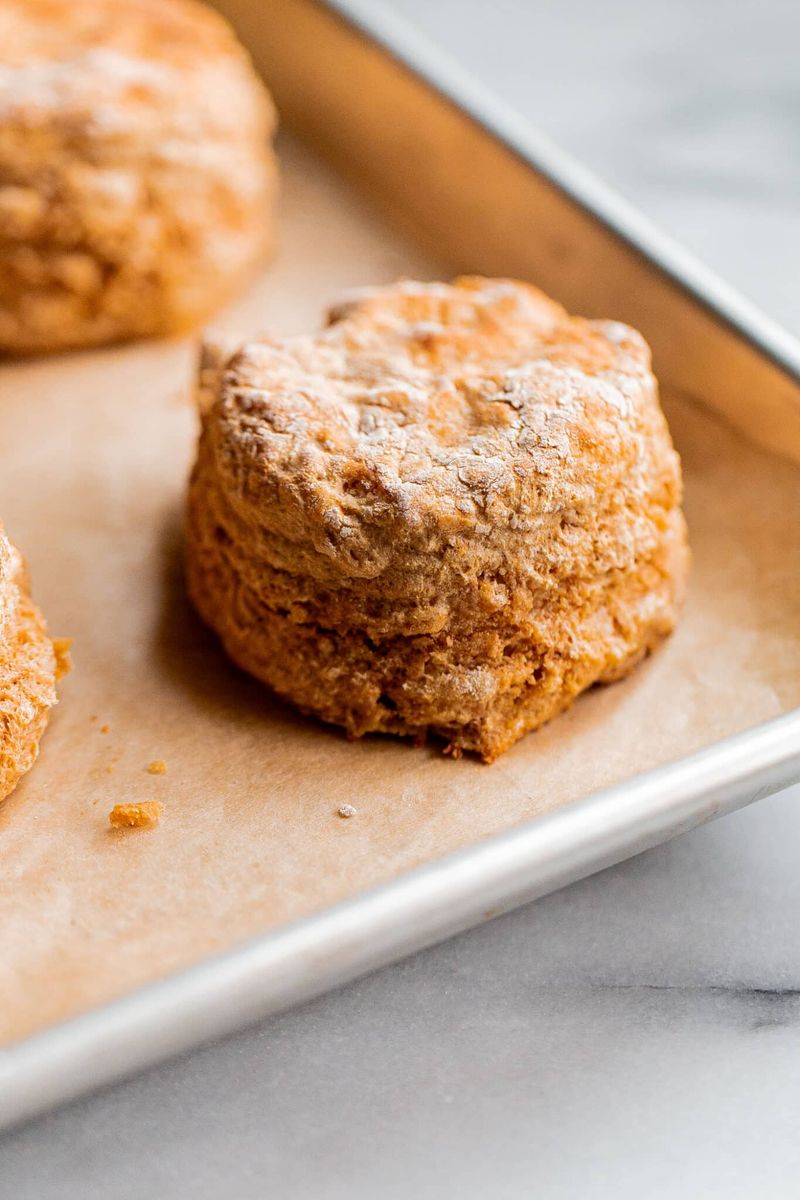
Whole wheat biscuits have a nutty, hearty flavor that feels both wholesome and satisfying in a way that white flour biscuits just do not. They were common in farm kitchens where whole grain flour was the practical, everyday choice.
Using white whole wheat flour instead of regular whole wheat keeps them from getting too dense. A touch of honey in the dough balances the slight bitterness of the bran beautifully.
These biscuits are sturdy enough to hold up to thick gravy and hearty enough to feel like a real meal.
11. Cathead Biscuits
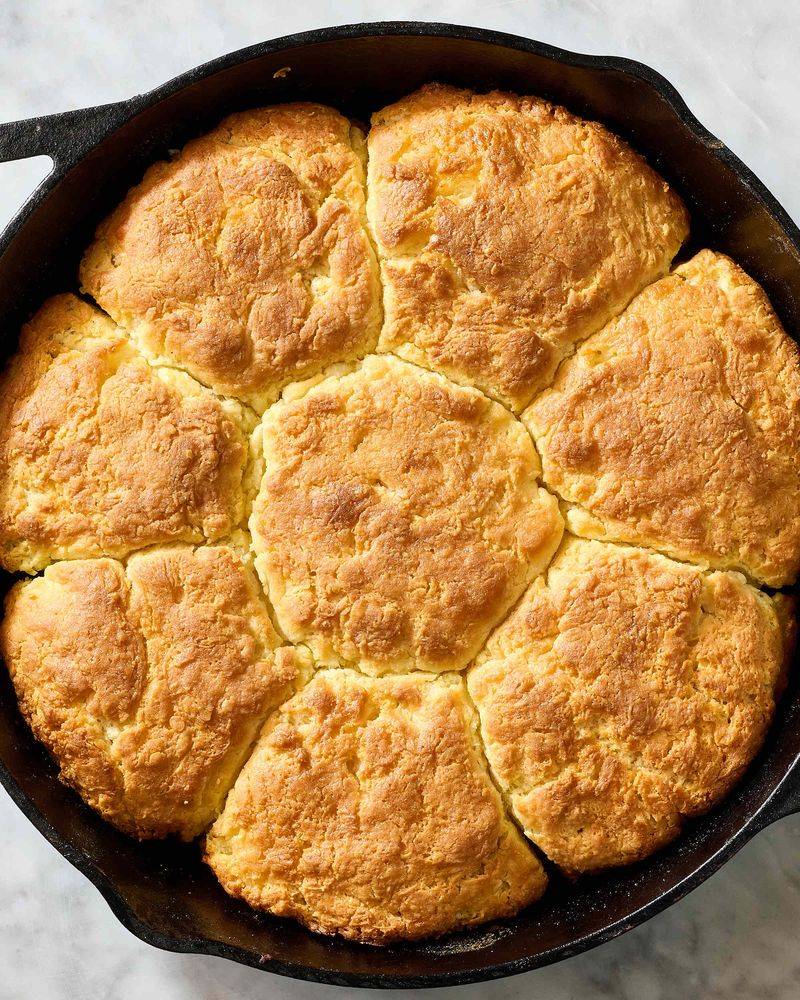
The name says it all — cathead biscuits are big, bold, and unapologetically enormous, roughly the size of a cat's head. They are a proud staple of Southern cooking, made by dropping large handfuls of soft dough into a well-greased cast iron skillet.
The sides touching each other during baking help them rise tall and stay pillowy soft. There is no pretense here, no fancy technique — just generous, comforting biscuits built for serious hunger.
Smothered in sausage gravy, they become one of the greatest breakfasts in existence.
12. Potato Biscuits
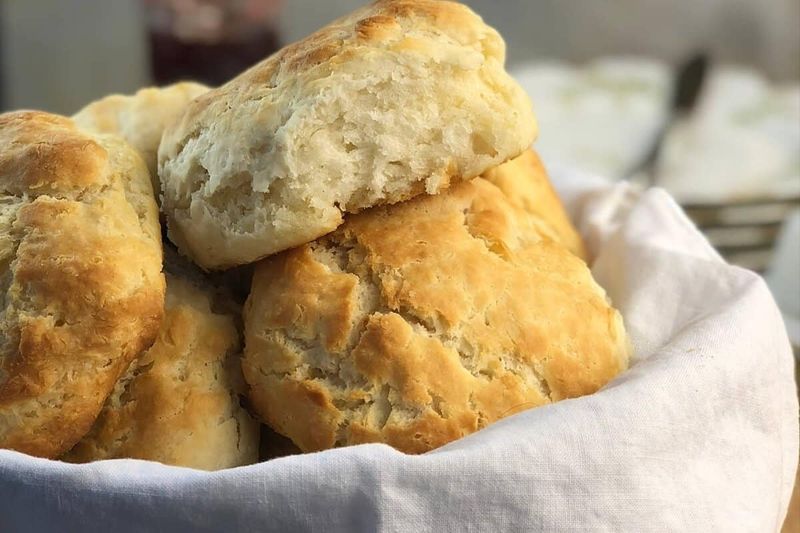
Mashed potatoes in biscuit dough sounds unusual until you take your first bite and realize the texture is unbelievably soft and moist. Potato biscuits were a Depression-era staple, born out of resourcefulness and the need to stretch ingredients further.
Leftover mashed potatoes from the night before work perfectly here, making this recipe both economical and clever. The natural starch in the potato helps the biscuits stay fresh longer than traditional recipes.
They have a subtle, comforting flavor that pairs well with almost anything on the dinner table.
13. Cornmeal Biscuits
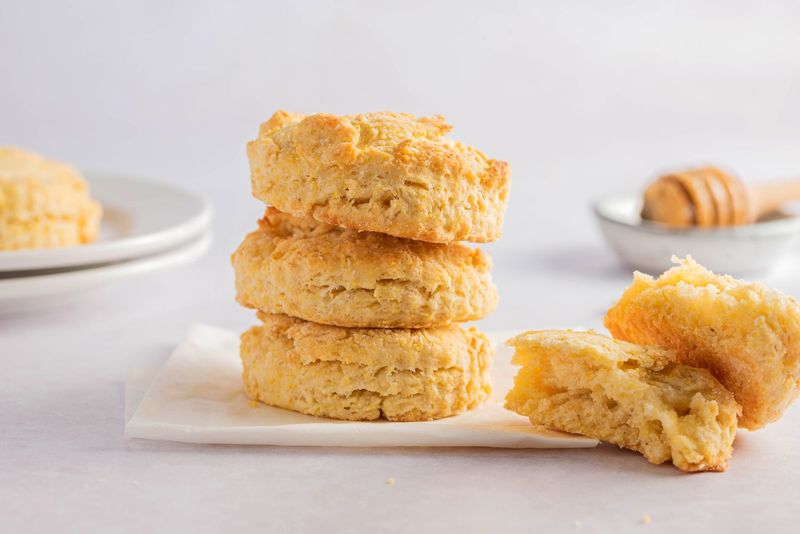
Adding cornmeal to biscuit dough creates a slightly crunchy crust and a heartier, more textured crumb that feels distinctly Southern and satisfying. These were popular in households that grew their own corn and ground their own meal.
Stone-ground cornmeal delivers the best flavor — the coarser grind adds a pleasant bite that fine cornmeal cannot replicate. They hold up beautifully to thick soups and stews without falling apart.
If you grew up eating cornbread, these biscuits will feel like a familiar and very welcome surprise.
14. Herb Biscuits with Fresh Thyme
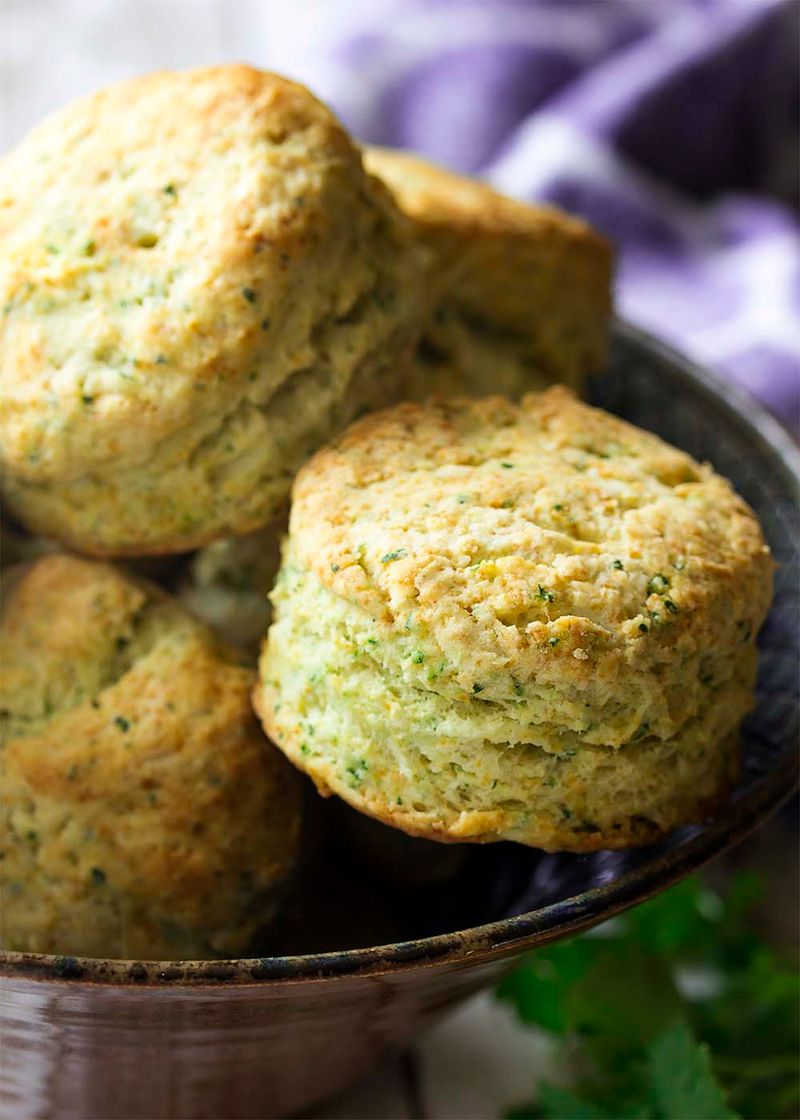
Fresh herbs tucked into biscuit dough elevate a simple recipe into something that smells absolutely extraordinary the moment it hits the oven. Thyme, rosemary, and chives were the classic choices in old-fashioned kitchen gardens.
Chop the herbs finely so they distribute evenly through the dough without clumping. These biscuits make a stunning companion to roasted chicken, hearty soups, or a simple bowl of scrambled eggs.
Growing your own herbs to use in recipes like this one creates a satisfying connection between the garden and the table.
15. Skillet Biscuits
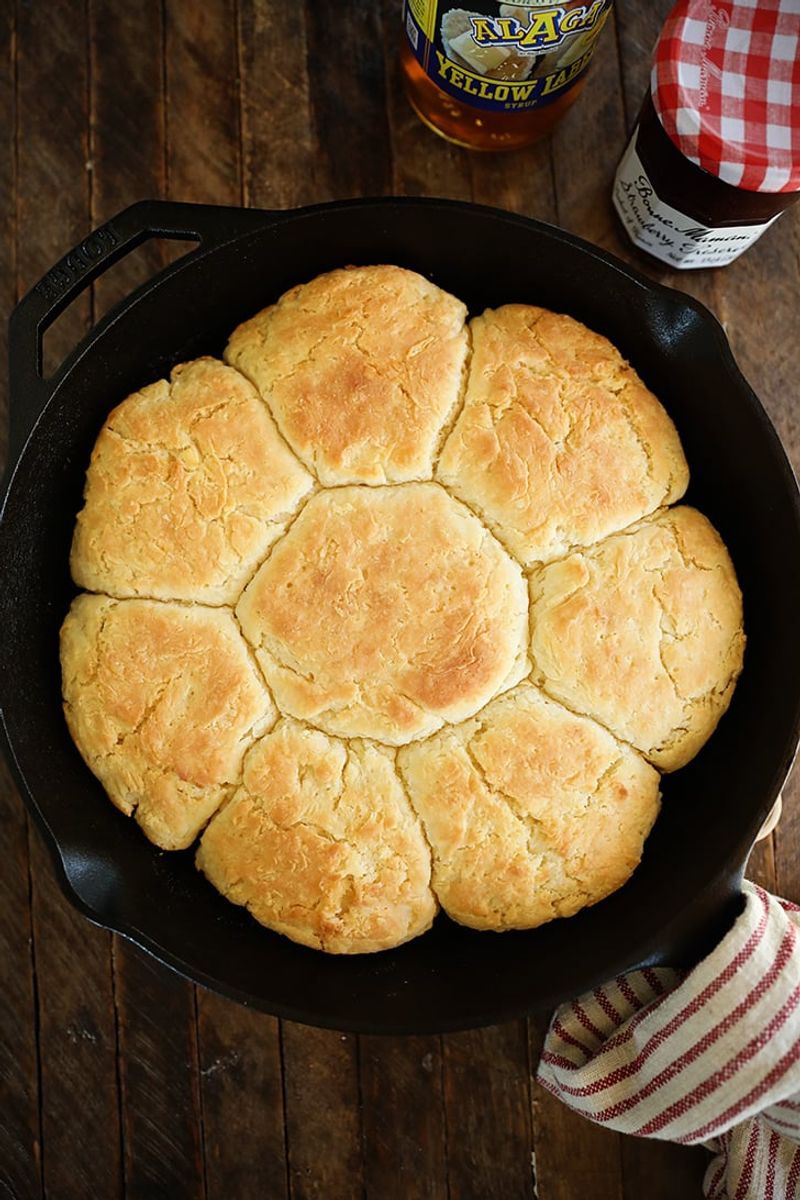
Cast iron skillets and biscuits were made for each other — the heavy pan distributes heat evenly and creates a beautifully crisp bottom that a regular baking sheet simply cannot achieve. Baking biscuits in a skillet where they touch each other encourages them to rise upward instead of spreading out.
Grandmother-style skillet biscuits have a soft, pull-apart quality that makes them irresistible at the table. Brush the tops with melted butter the moment they come out of the oven.
That small step makes an enormous difference in flavor and shine.
16. Crackling Biscuits
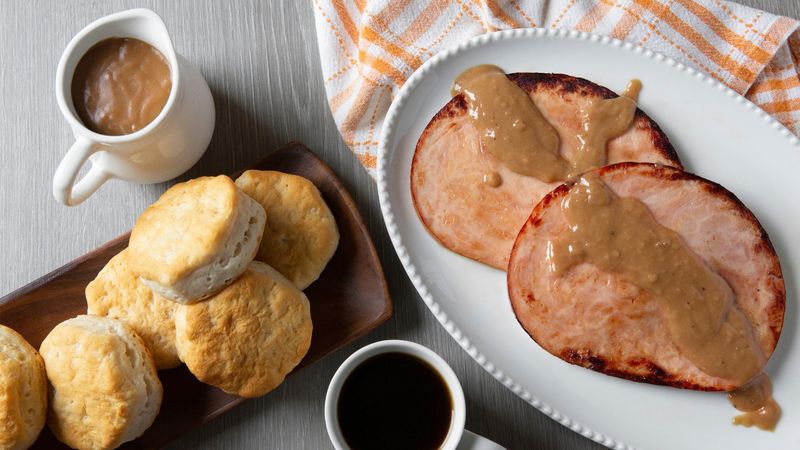
Crackling biscuits are a true piece of American food history, made by folding crispy pork cracklings directly into biscuit dough for an outrageously savory, smoky flavor. Farm families made these when butchering hogs, using every single part of the animal.
The cracklings add both flavor and a surprising textural contrast — chewy, crunchy bits scattered throughout a tender, fluffy biscuit. They are bold, unapologetic, and wildly satisfying.
Serve them plain or alongside a pot of slow-cooked beans for an authentically old-school Southern meal experience.
17. Vinegar Biscuits
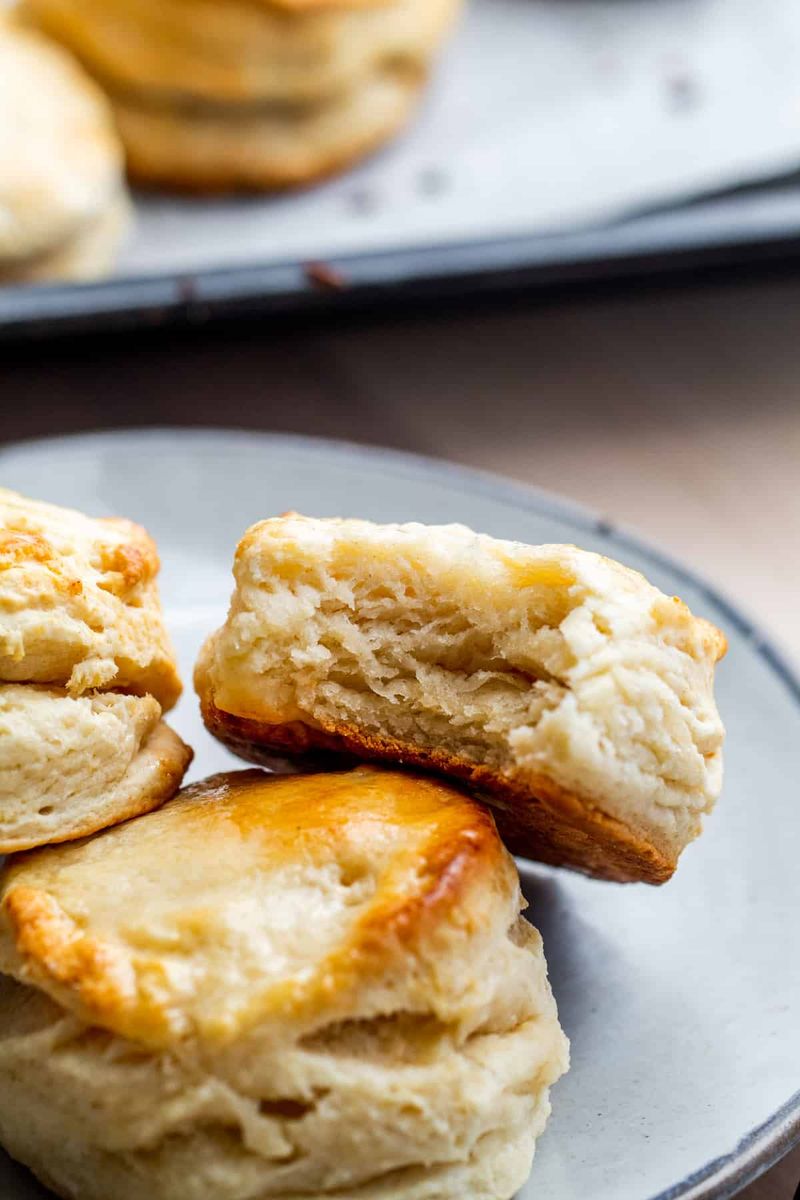
A small splash of apple cider vinegar in biscuit dough reacts with baking soda to create an extra lift that makes these biscuits remarkably light. This old trick predates commercial buttermilk and was used by clever bakers who worked with what they had.
The vinegar flavor cooks off almost completely, leaving behind only a faint tang and incredibly tender crumb. It is a simple technique that modern recipes have largely forgotten about.
Reviving it feels like recovering a small, brilliant piece of culinary wisdom from the past.
18. Bacon Fat Biscuits
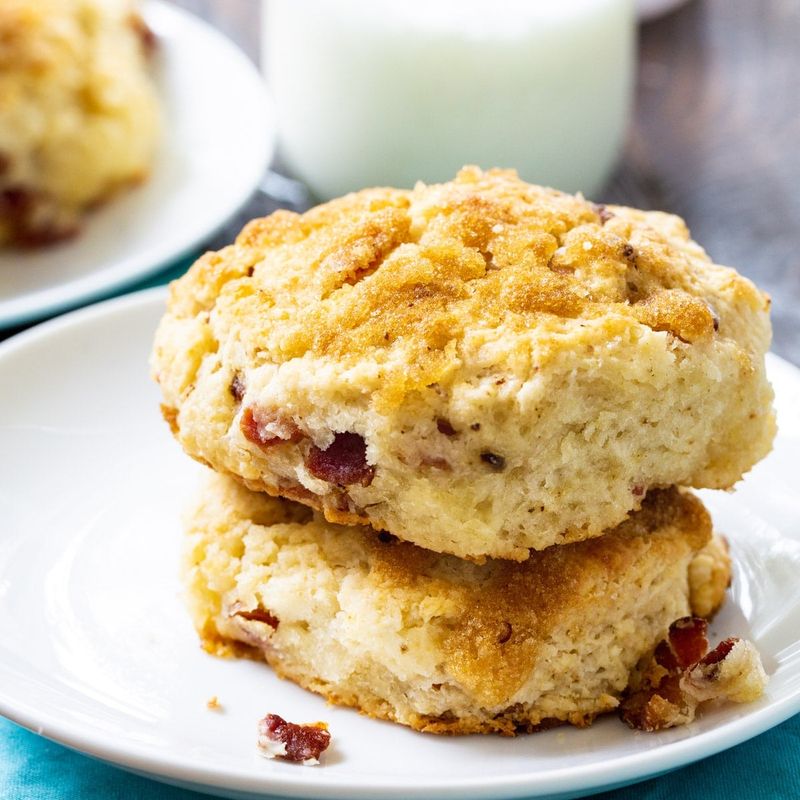
Saving bacon drippings in a jar by the stove was once standard practice in every kitchen, and using that liquid gold in biscuit dough was one of the smartest moves old-school cooks ever made. The smoky, savory depth bacon fat adds to a biscuit is genuinely next-level.
Keep the fat cold before cutting it into the flour, just like you would with butter or lard. These biscuits are especially incredible split open and filled with a fried egg.
One bite and you will immediately understand why nothing ever went to waste in a real farmhouse kitchen.
19. Buttermilk Rolled Biscuits with Honey Butter
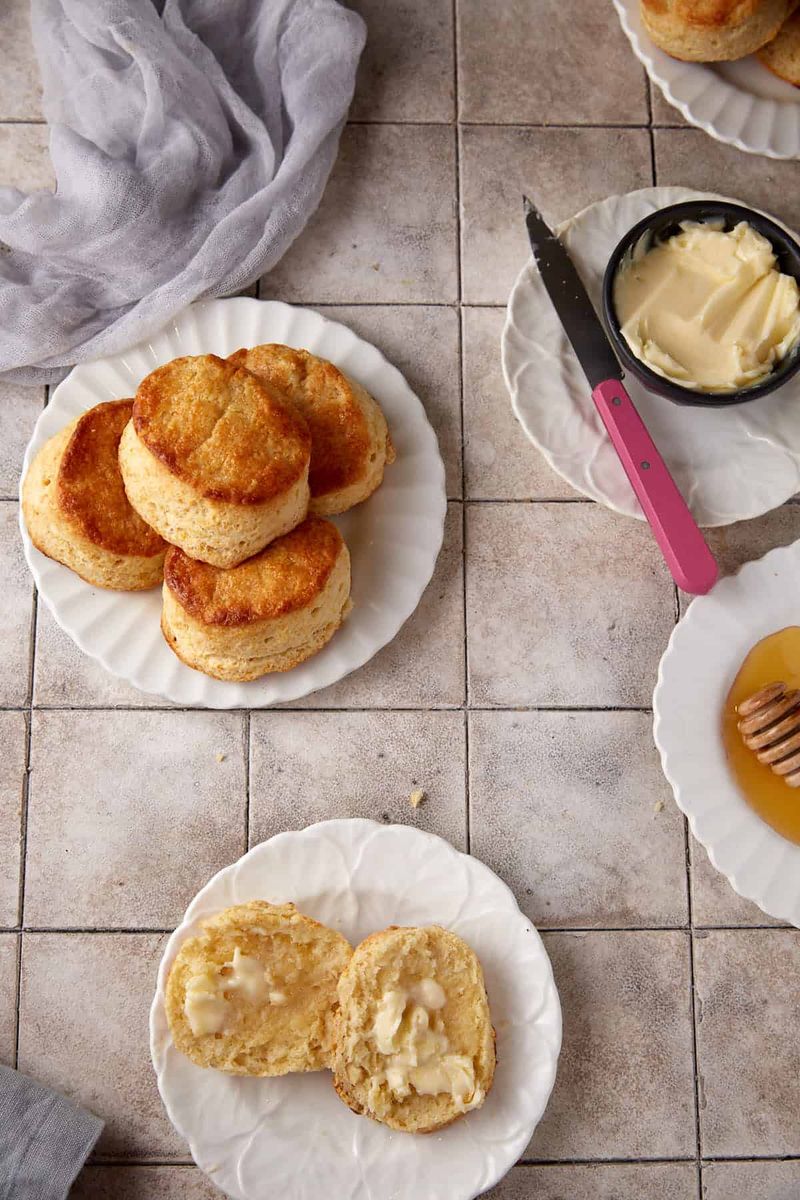
Classic rolled buttermilk biscuits with honey butter represent everything that is right about old-school baking — patience, technique, and simple, quality ingredients working together perfectly. The key is handling the dough as little as possible and keeping everything cold throughout the process.
Folding the dough over itself a few times before cutting creates those gorgeous, distinct layers that pull apart so satisfyingly at the table. Honey butter made with softened butter and a generous drizzle of local honey takes these over the top.
This is the recipe worth mastering and passing down.


Comments
No Comments