













Tea time is one of those beautiful rituals that brings people together, no matter where they live. From buttery biscuits in England to delicate pastries in Japan, every culture has its own special way of celebrating a good cup of tea.
These treats tell stories about history, tradition, and the simple joy of sharing food with others. Get ready to explore some of the most delicious and iconic tea time snacks from around the world.
1. British Scones
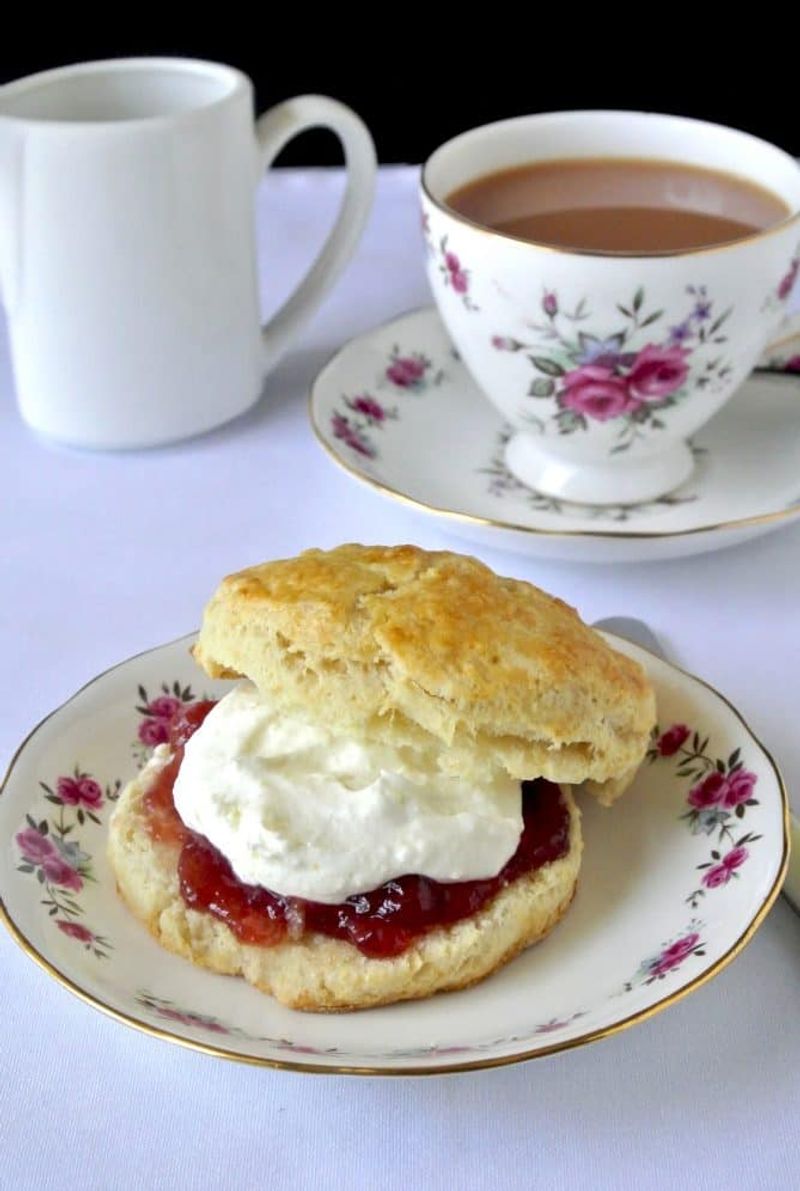
Nothing says British tea time quite like a warm, crumbly scone fresh from the oven. Served with thick clotted cream and fruity jam, scones have been a staple of English afternoon tea since the 1800s.
The big debate? Whether to put cream or jam on first.
Most regions have a strong opinion about the correct order. Try making them at home with simple pantry ingredients like flour, butter, and milk for a truly authentic experience.
2. Japanese Wagashi
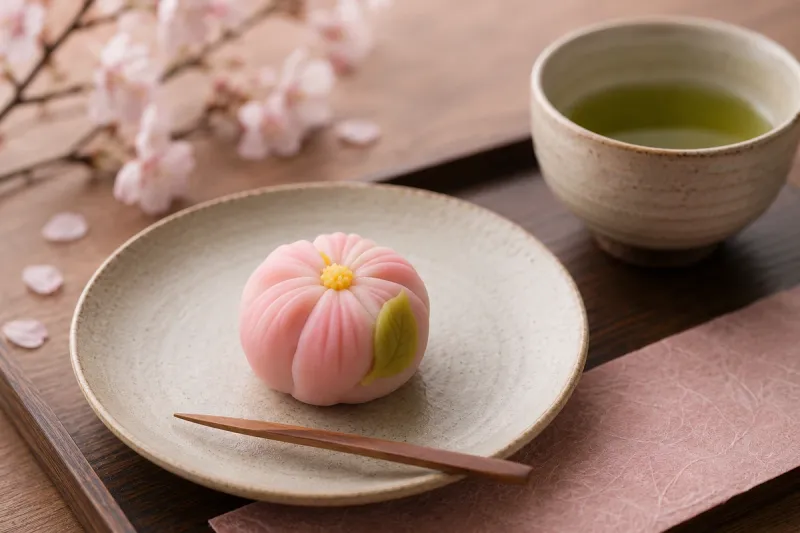
Wagashi are traditional Japanese sweets crafted to look almost too beautiful to eat. Made from ingredients like sweet red bean paste, rice flour, and seasonal fruits, they are designed to complement the bitter flavor of matcha green tea perfectly.
Each piece is shaped to reflect the current season, like cherry blossoms in spring or maple leaves in autumn. Eating wagashi feels like experiencing a tiny piece of Japanese art and culture all at once.
3. French Madeleines
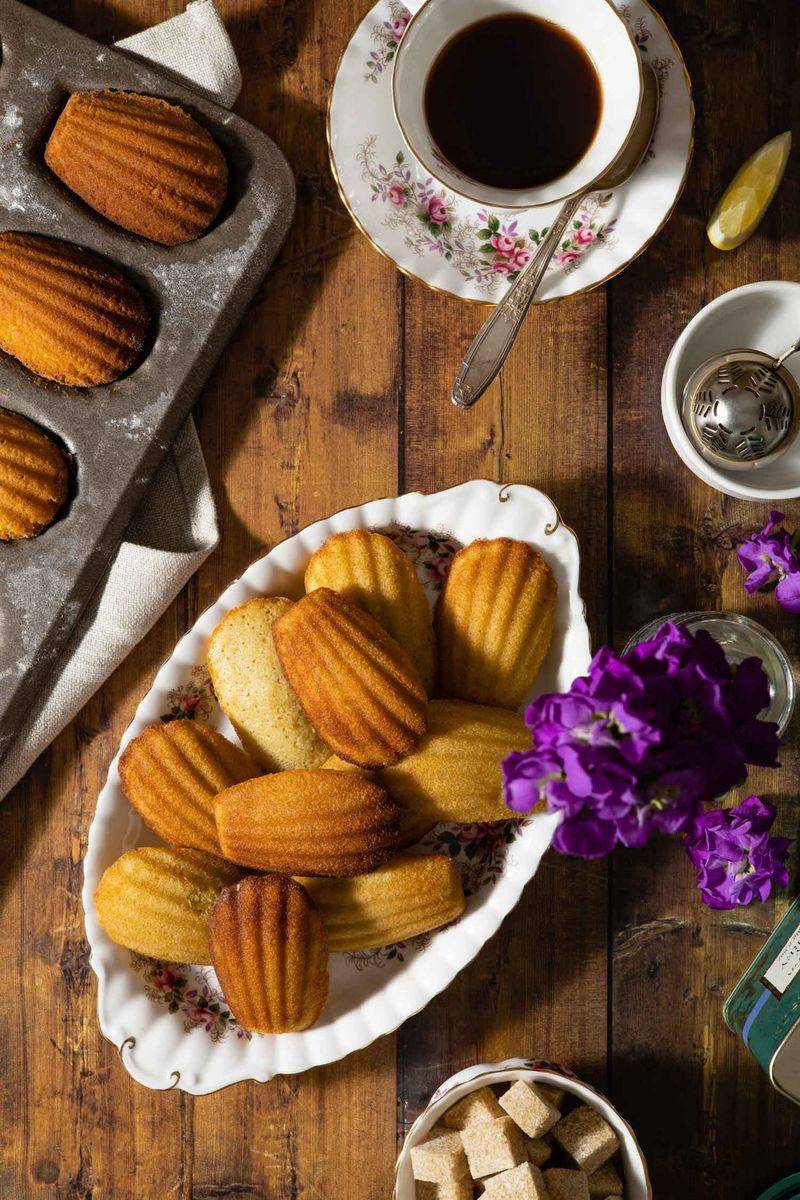
These little shell-shaped sponge cakes are famous for being the treat that inspired French author Marcel Proust to write an entire novel about memory. Madeleines have a soft, buttery crumb and a slightly crispy edge that makes them absolutely irresistible.
They are flavored with lemon zest or orange blossom water, giving them a light, floral scent. Dipping one into a warm cup of tea is a simple pleasure that feels wonderfully luxurious for any afternoon break.
4. Indian Chai and Pakoras
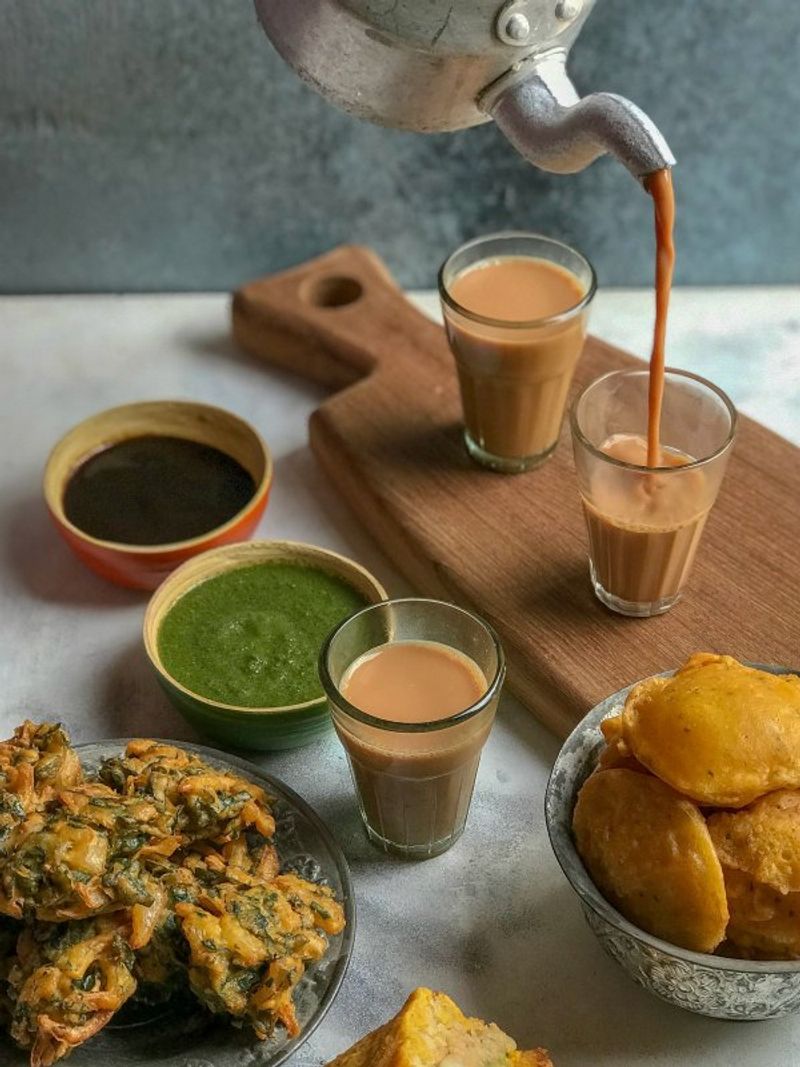
In India, tea time is not complete without a cup of spiced masala chai and a plate of hot, crispy pakoras. Pakoras are vegetable fritters dipped in spiced chickpea batter and deep-fried until perfectly golden and crunchy on the outside.
Rainy days in India practically call for this combination. The warmth of cardamom and ginger in the chai pairs brilliantly with the savory, spiced crunch of freshly made pakoras, creating a snack duo that feels like a warm hug.
5. Moroccan Mint Tea and Chebakia
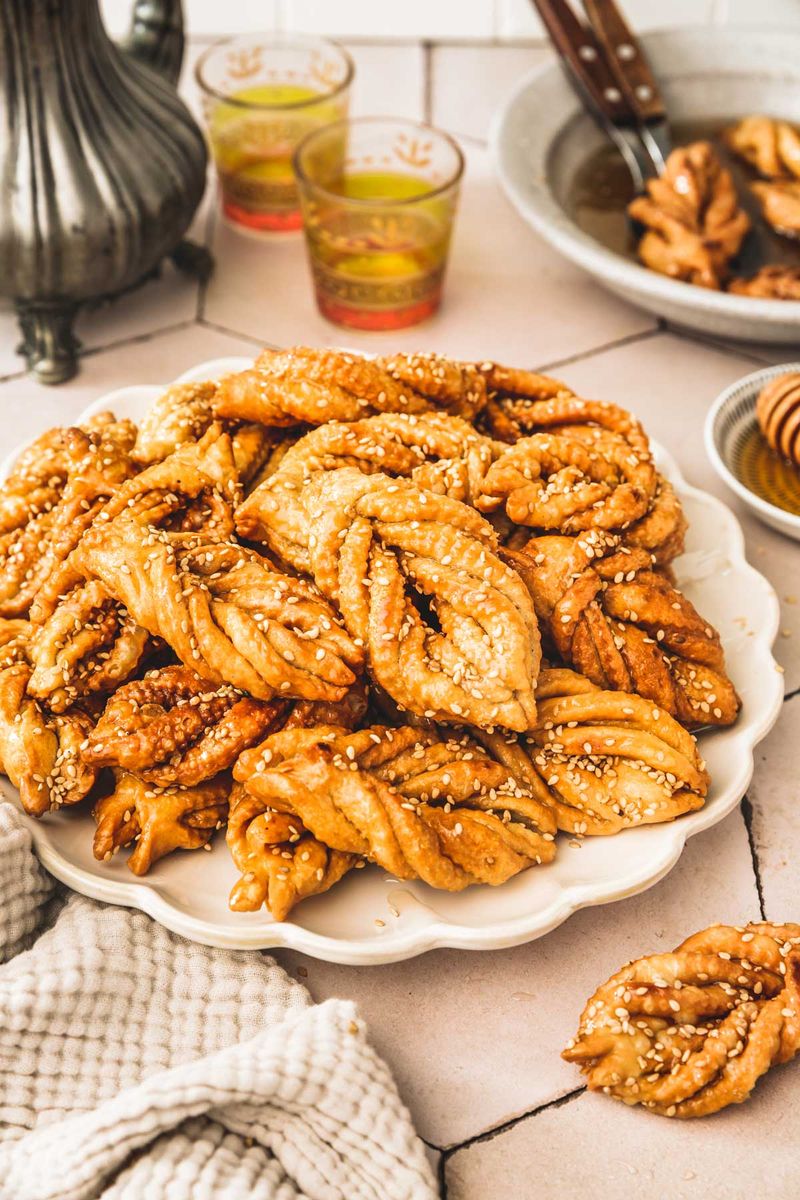
Moroccan mint tea is poured from a height to create a frothy top, and the ritual of serving it is considered an art form. Alongside this sweet, fragrant tea sits chebakia, a flower-shaped sesame cookie soaked in honey and rose water.
Chebakia is especially popular during Ramadan, but it appears at celebrations throughout the year. The combination of sticky-sweet cookies and refreshing mint tea creates a flavor contrast that is uniquely North African and completely unforgettable.
6. Chinese Pineapple Cakes
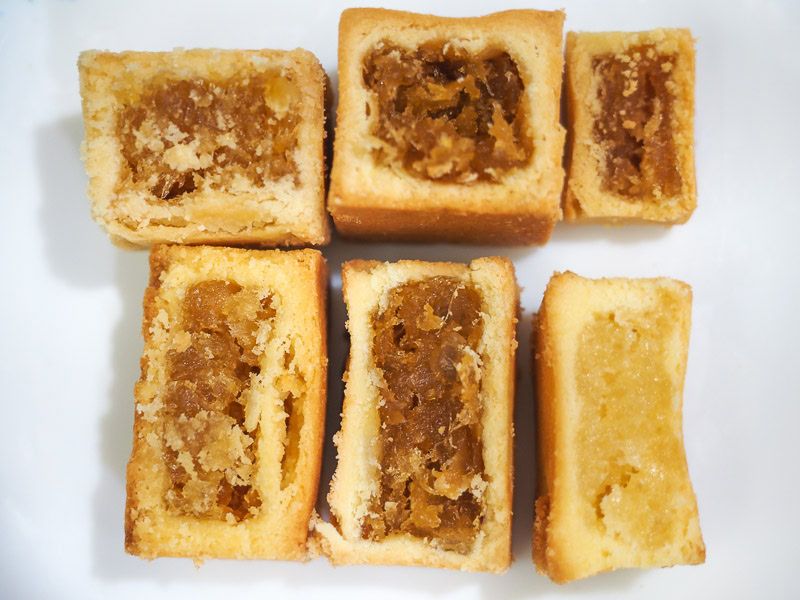
Pineapple cakes are one of Taiwan and China's most beloved tea time treats, often given as gifts during festivals and holidays. Their crumbly, buttery pastry shell hides a sweet, tangy pineapple jam filling that bursts with tropical flavor.
Oolong tea is the classic pairing because its earthy notes balance the sweetness of the filling beautifully. These little rectangular cakes are so popular that entire shops in Taipei are dedicated solely to making and selling them fresh every day.
7. Turkish Baklava
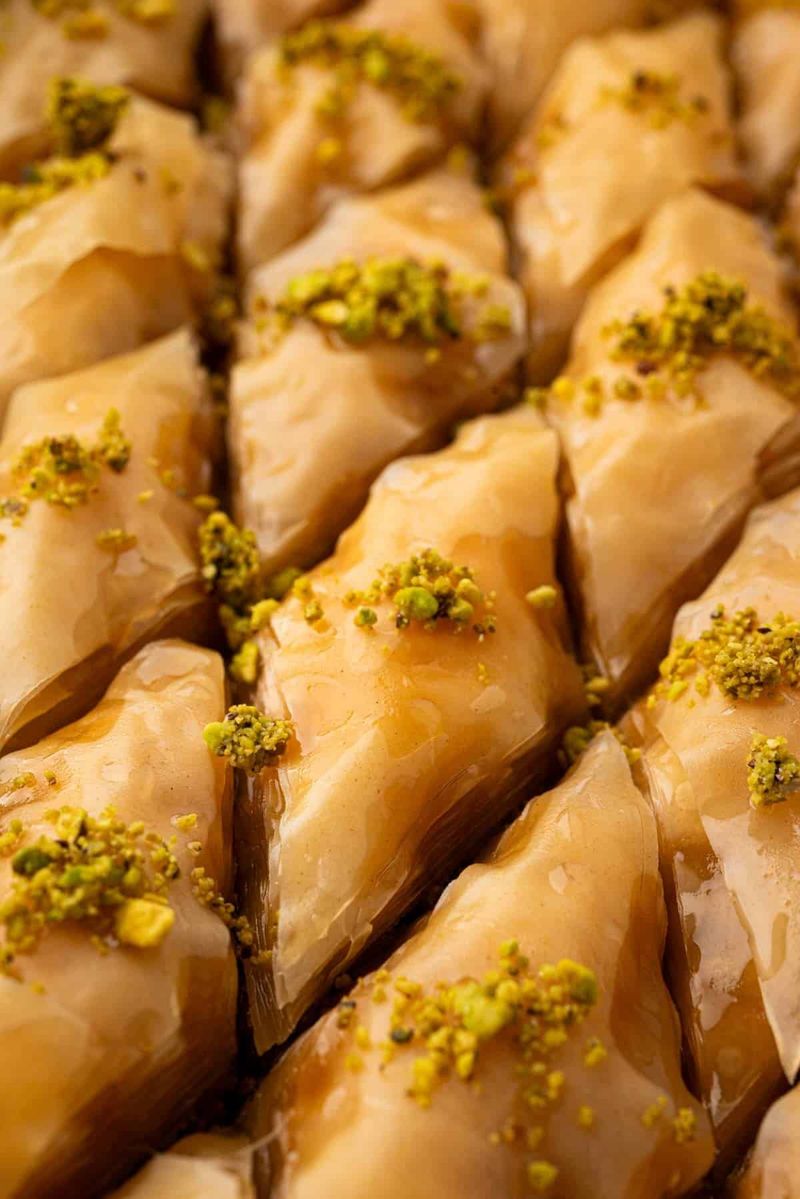
Sticky, sweet, and layered with history, baklava is one of the most iconic treats in Turkish culture. Thin sheets of phyllo pastry are stacked with crushed pistachios or walnuts, then soaked in a fragrant honey or sugar syrup after baking.
It pairs beautifully with strong Turkish black tea served in a tulip-shaped glass. Baklava has been made in Ottoman palace kitchens for centuries, and today you can find it at nearly every Turkish tea house and celebration table.
8. Russian Pryaniki
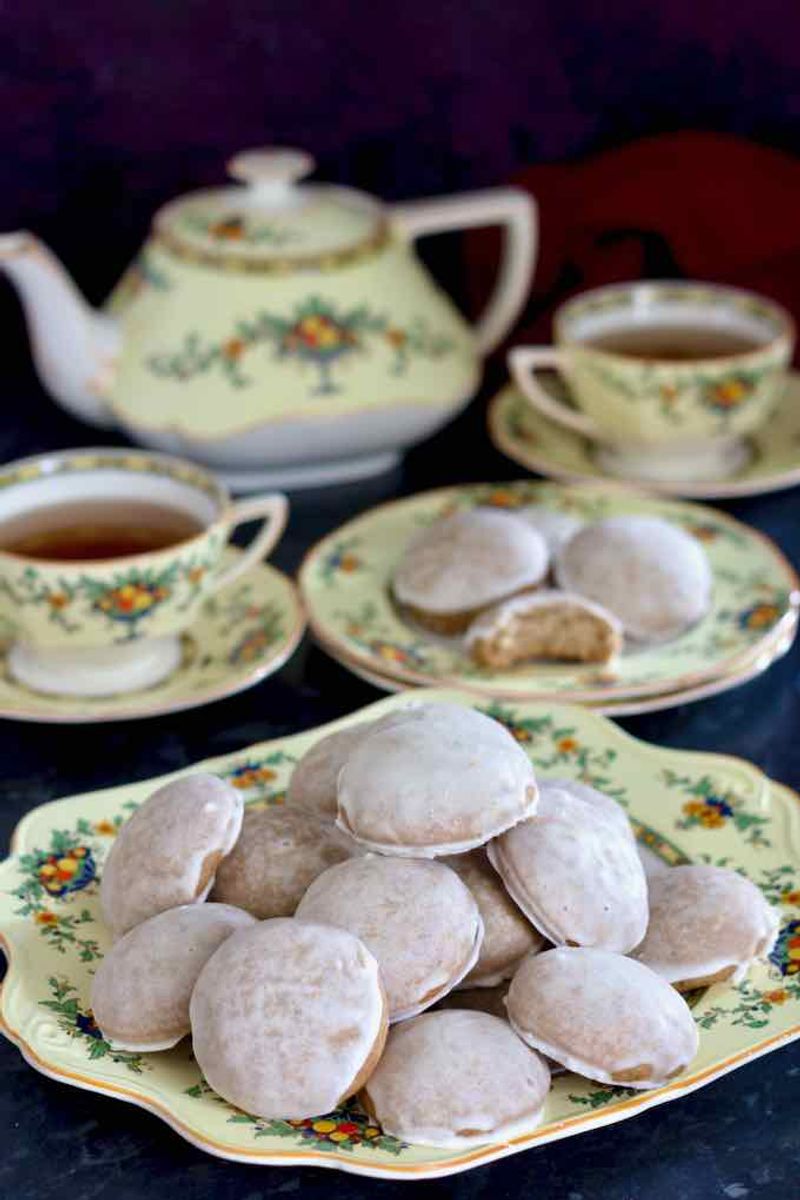
Pryaniki are Russian spiced gingerbread cookies that have been enjoyed since the 9th century, making them one of the oldest tea time treats on this list. Flavored with cinnamon, cardamom, and cloves, they carry a warm, aromatic spice that fills the kitchen while baking.
Many pryaniki are decorated with colorful royal icing in folk art patterns. Russians traditionally enjoy them with a glass of strong black tea, sometimes holding a sugar cube between their teeth while sipping, an old-fashioned custom still practiced today.
9. Australian Lamingtons
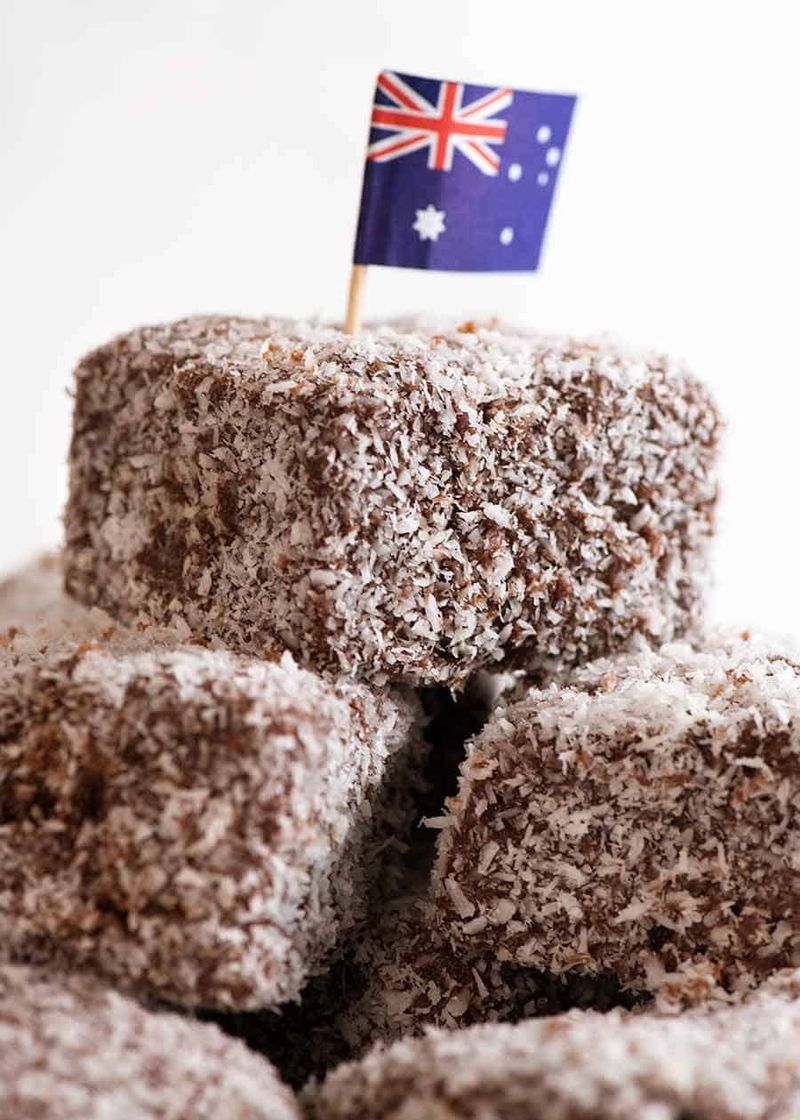
Ask any Australian about their favorite tea time treat and lamingtons will almost certainly come up. These sponge cake squares are dipped in chocolate icing and rolled in shredded coconut, creating a texture that is soft on the inside and slightly chewy outside.
Some versions are filled with jam or whipped cream for extra indulgence. Lamingtons are a staple at school fundraisers, bakeries, and family gatherings across Australia, and January 21st is even officially recognized as National Lamington Day.
10. Portuguese Pasteis de Nata
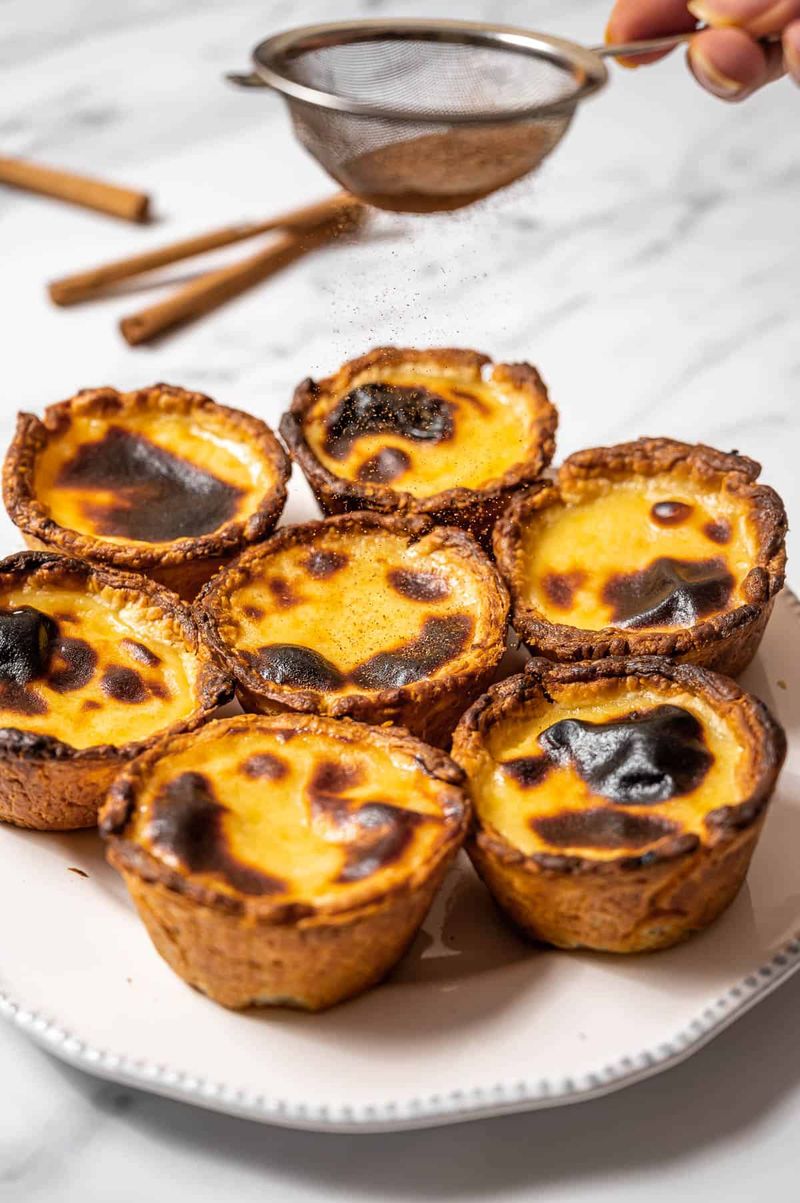
Crispy pastry shells filled with silky, slightly caramelized custard, pasteis de nata are Portugal's most famous export after explorers and fado music. Born in the Jeronimos Monastery in Lisbon during the 18th century, these egg tarts were created by monks who needed to use leftover egg yolks.
A sprinkle of cinnamon on top is traditional. They taste best when eaten warm, straight from the oven, with a small cup of strong espresso or a pot of black tea nearby.
11. South African Koeksisters
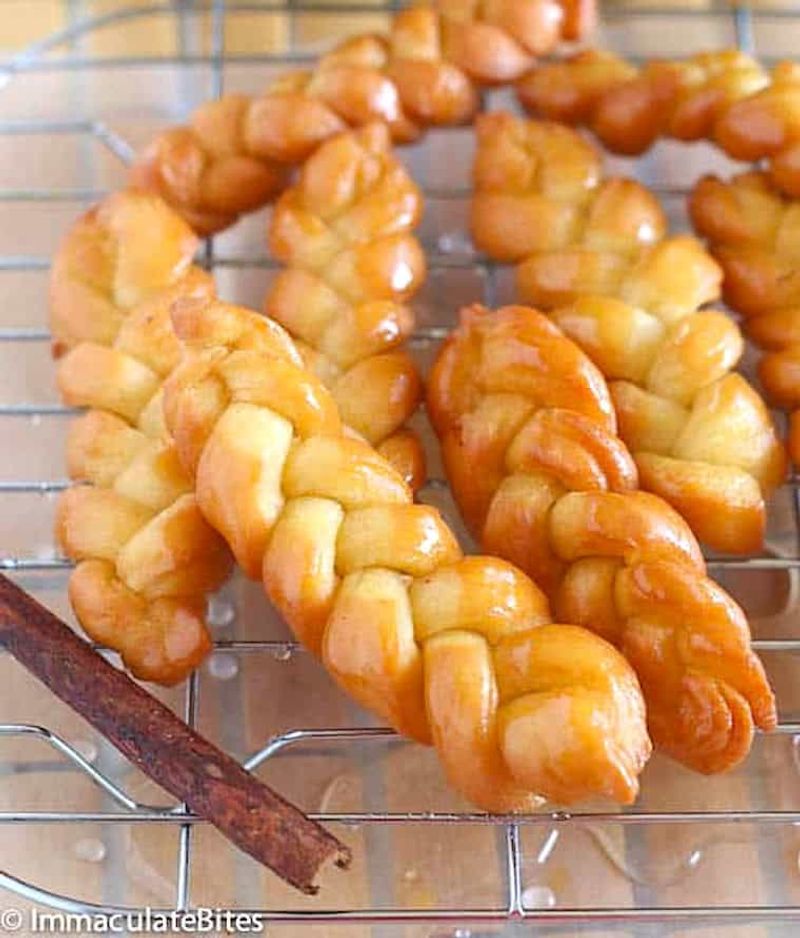
Koeksisters are twisted, deep-fried dough treats soaked in cold, sticky syrup until they are gloriously sweet and glistening. The contrast of the crispy fried exterior soaking up all that syrup creates an almost addictive texture that is hard to describe until you try one.
They are a beloved staple at South African church bazaars and family gatherings. The Cape Malay version, called a koeksister, is slightly different, being spiced with cinnamon and coconut, reflecting the rich cultural blending of South African food traditions.
12. Swedish Kanelbullar
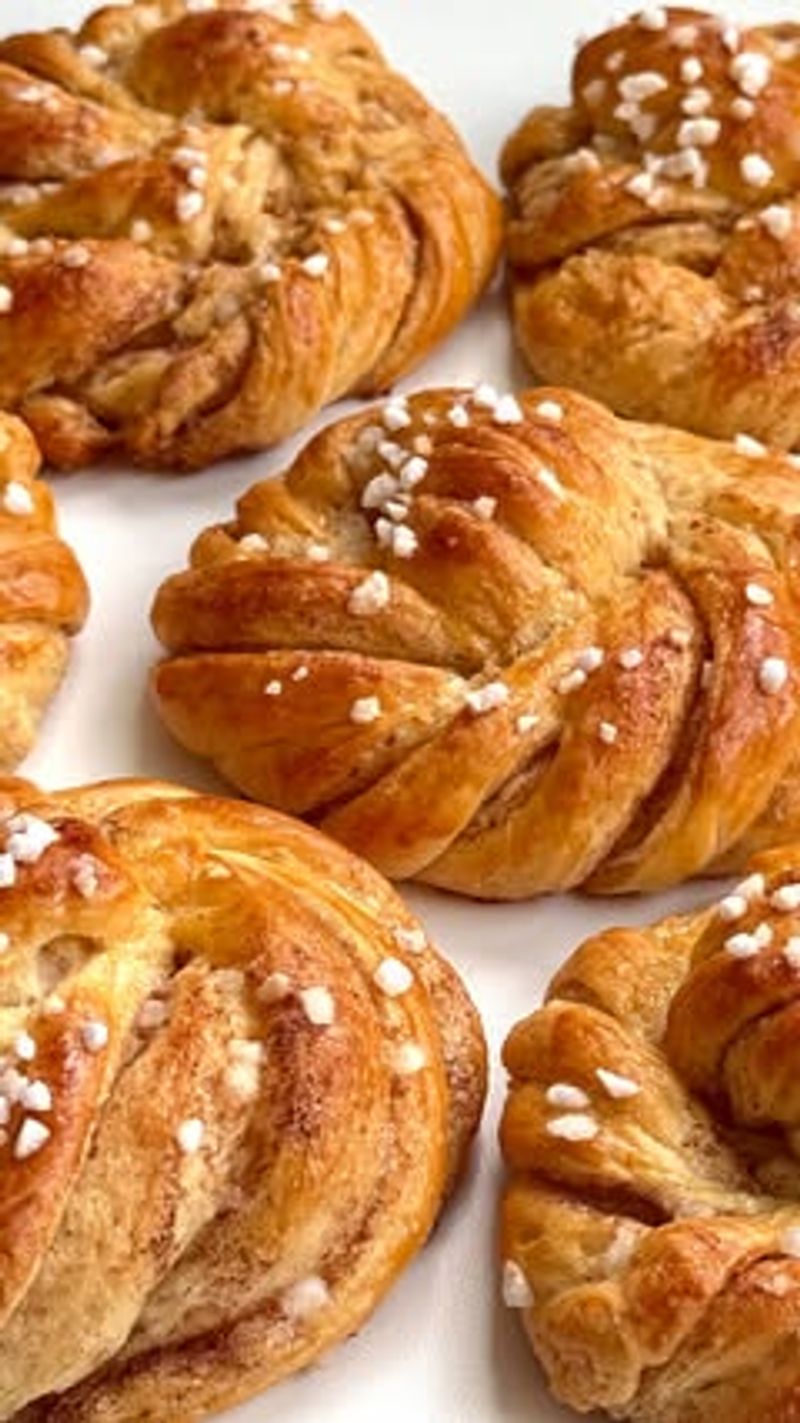
Sweden takes cinnamon rolls so seriously that October 4th is officially Cinnamon Bun Day, celebrated nationwide with freshly baked kanelbullar and coffee or tea. What sets these apart from American cinnamon rolls is the addition of cardamom in both the dough and the filling.
That extra spice gives them a warm, floral depth that feels cozy and sophisticated at the same time. Swedes enjoy them during fika, their beloved cultural tradition of taking a break with a hot drink and a sweet treat.
13. Argentine Alfajores
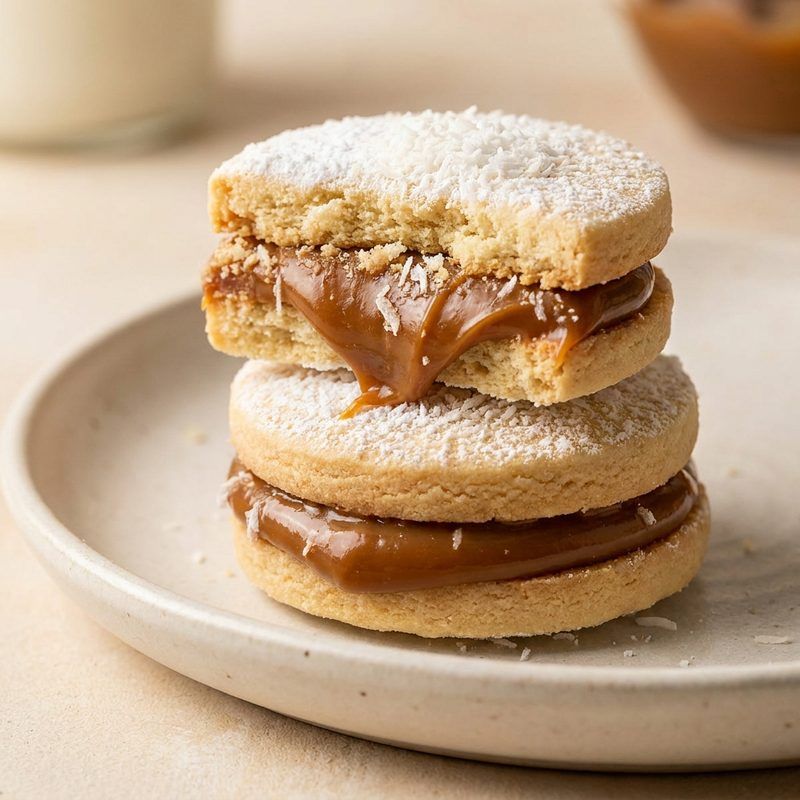
Soft, melt-in-your-mouth shortbread cookies sandwiched together with thick dulce de leche caramel, alfajores are Argentina's most beloved sweet treat. The cookies are so tender they practically dissolve on your tongue before the caramel even registers.
Some versions are rolled in shredded coconut or dipped in dark chocolate for extra richness. Alfajores pair wonderfully with yerba mate or a mild black tea, and you can find dozens of regional varieties across South America, each with its own loyal fanbase.
14. Hong Kong Egg Waffles
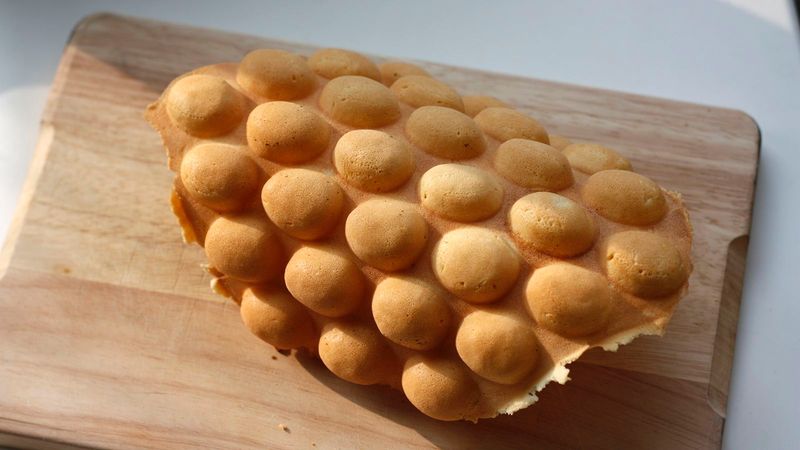
Invented in Hong Kong during the 1950s as a creative use of cracked eggs that shops could not sell, these iconic bubble waffles have become a global street food sensation. Their round, honeycomb pattern gives them a crispy exterior with a soft, slightly eggy interior that is wonderfully satisfying.
They are best eaten fresh and hot, straight off the iron. Modern versions come in wild flavors like matcha, taro, and chocolate, but the original plain egg waffle with a cup of Hong Kong milk tea is still the classic choice.
15. Irish Barmbrack
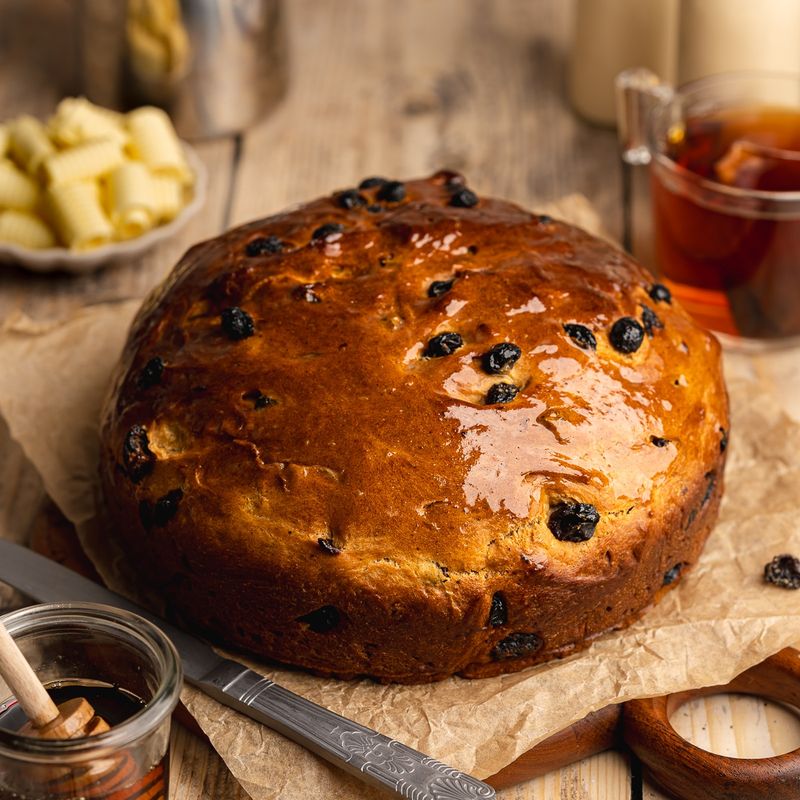
Barmbrack is a moist, fruit-studded bread from Ireland that has been enjoyed for centuries, especially during Halloween. Dried fruits like sultanas and currants are soaked overnight in strong black tea before being folded into the dough, giving the bread a rich, deeply flavored sweetness.
Traditionally, a ring was baked inside, and whoever found it was said to marry within the year. Today it is enjoyed year-round, thickly sliced and spread with salted butter alongside a strong cup of Irish breakfast tea.
16. Egyptian Basbousa
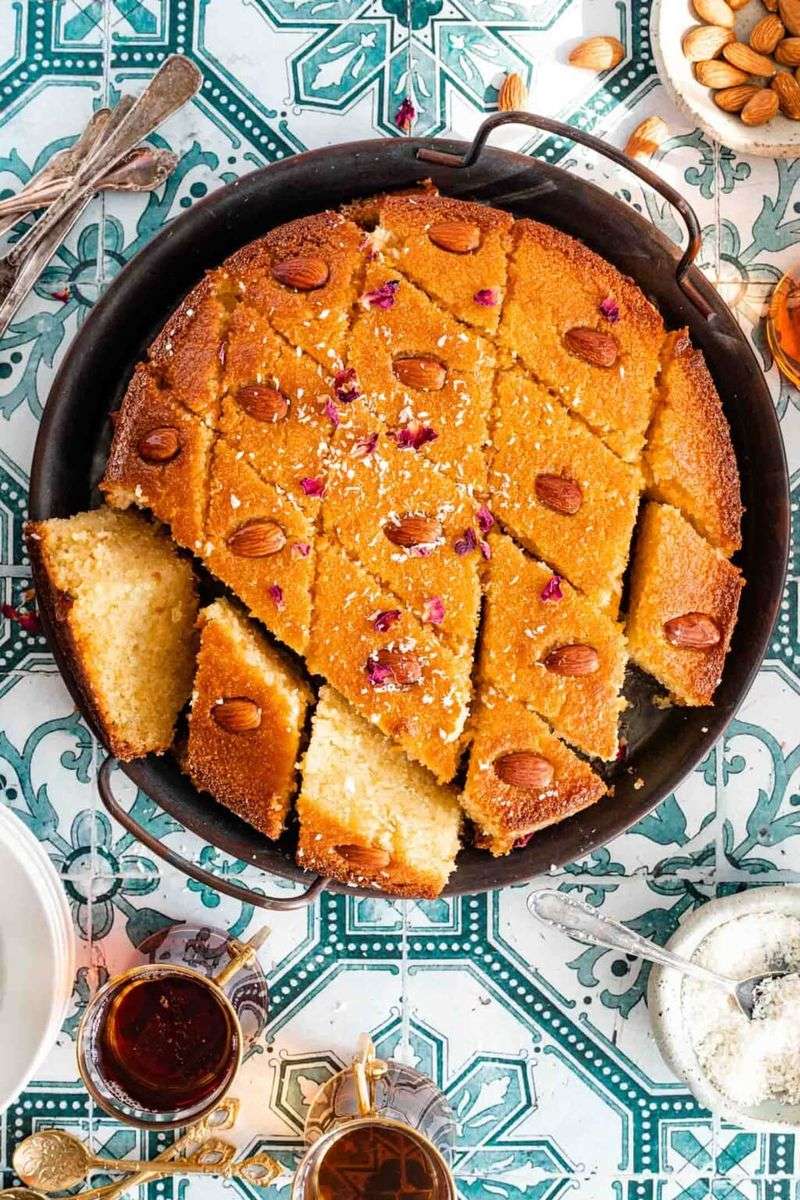
Basbousa is a dense, syrup-soaked semolina cake that is a staple across Egypt and the wider Middle East. Made with coarse semolina, yogurt, and coconut, it is baked until golden and then immediately drenched in fragrant rose water or orange blossom syrup.
The result is a cake that is moist, sweet, and faintly perfumed in the most wonderful way. It pairs beautifully with hibiscus tea, known locally as karkade, making for a tea time experience that feels both exotic and deeply comforting.
17. Polish Makowiec
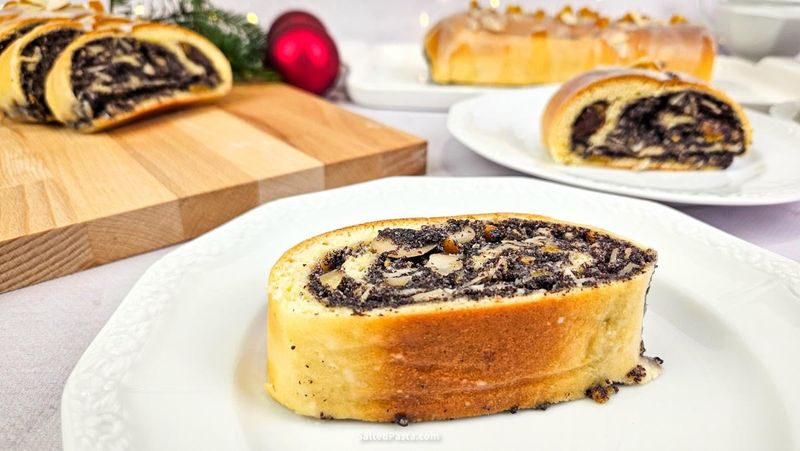
Makowiec is a traditional Polish poppy seed roll that looks deceptively simple from the outside but hides a swirling, dark, intensely flavored filling of ground poppy seeds, honey, raisins, and walnuts inside. It is a centerpiece of Polish Christmas and Easter tables.
The bread itself is soft and slightly sweet, while the filling delivers a nutty, earthy richness. Served thinly sliced with a cup of Earl Grey or black tea, makowiec is a treat that rewards every bite with surprising complexity.
18. Malaysian Kuih Lapis
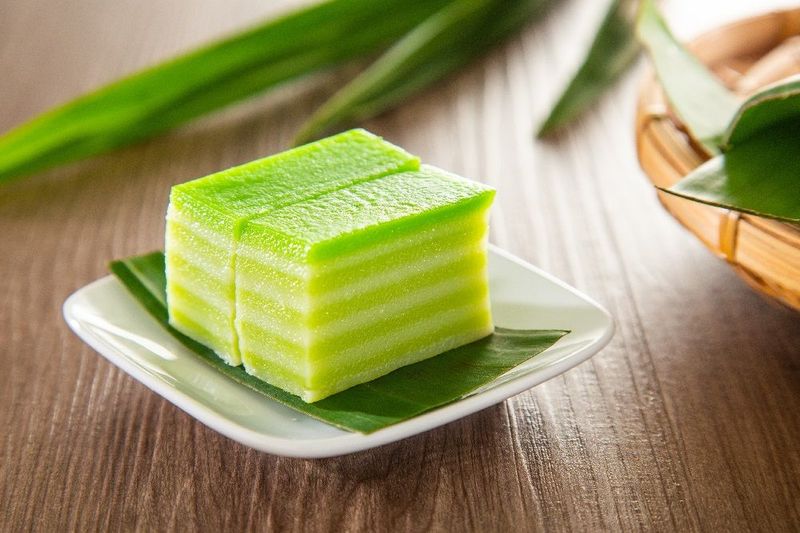
Kuih lapis, which translates to layered cake, is a steamed Malaysian treat built one vibrant layer at a time. Each thin layer of rice flour and coconut milk batter is poured and steamed separately, creating a cake with a chewy, jelly-like texture that is completely unique.
The colors are often bold and festive, making kuih lapis as fun to look at as it is to peel apart layer by layer. It pairs wonderfully with a cup of fragrant pandan or jasmine tea for a truly Southeast Asian afternoon experience.
19. American Snickerdoodles
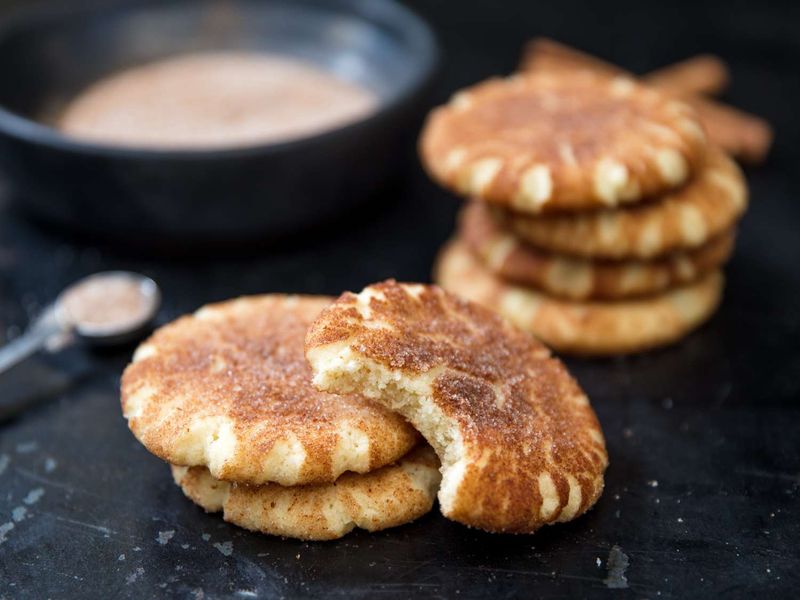
Snickerdoodles have a funny name and an even better flavor. These classic American cookies are rolled in cinnamon sugar before baking, which creates a crinkled, sparkling crust and a soft, chewy center that practically melts in your mouth.
What makes them different from regular sugar cookies is a touch of cream of tartar in the dough, giving them a subtle tangy flavor that keeps you reaching for just one more. They are a perfect match for a simple cup of chamomile or cinnamon tea on a relaxed afternoon.




Comments
No Comments