













We all have those nights when dinner feels boring and bland, and you just need something to make it better fast. The answer is usually hiding right in your fridge door.
A good sauce can turn plain chicken, rice, or veggies into something you actually want to eat. These 21 sauces are the real heroes of the kitchen, and you probably already have a few of them.
1. Sriracha
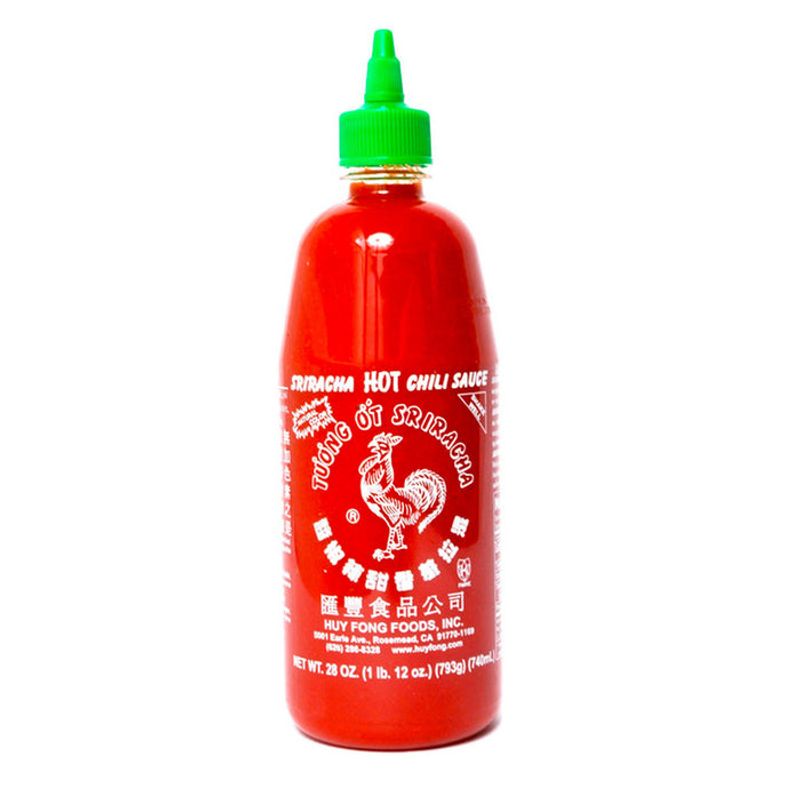
That rooster on the bottle is not just decoration — Sriracha means business. This fiery red sauce from Thailand has a garlicky kick that makes even the most forgettable meal feel exciting.
Drizzle it over scrambled eggs, stir it into soup, or squeeze it onto a boring sandwich.
A little goes a long way, so start small. Sriracha has become one of the most popular hot sauces in the world for good reason — it balances heat and flavor perfectly.
2. Soy Sauce
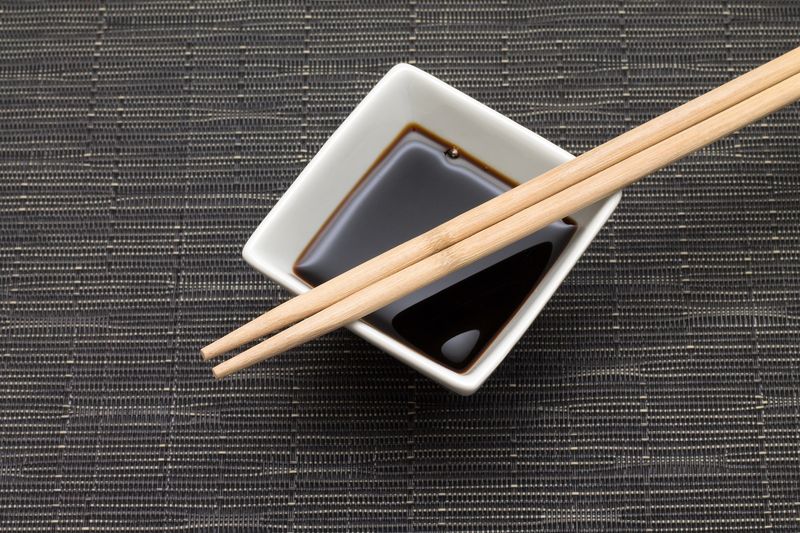
Soy sauce is basically liquid umami — that deep, savory flavor that makes food taste richer and more satisfying. Made from fermented soybeans, this dark, salty sauce has been used in Asian cooking for over 2,500 years.
That is a seriously long track record.
Splash it into fried rice, use it as a quick marinade, or mix it with butter for an instant steak upgrade. Just go easy — it is very salty and a little really does do the trick.
3. Hot Sauce
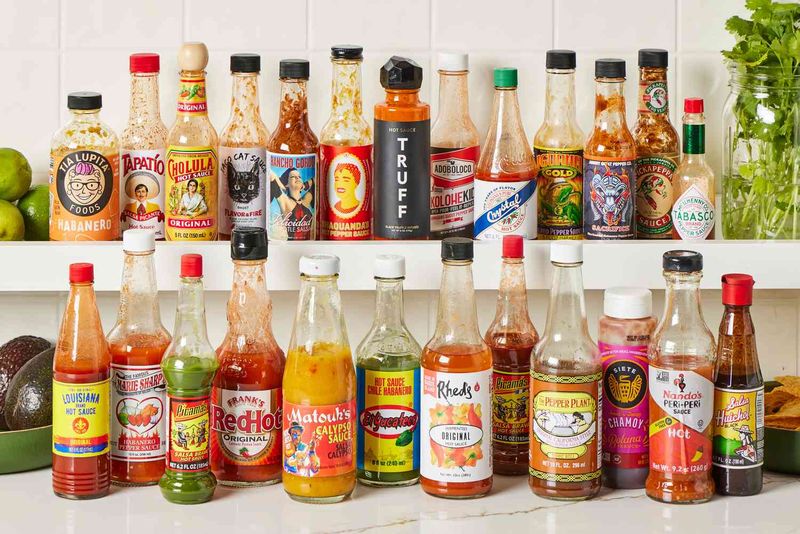
Not all hot sauces are the same, and that is what makes them so fun to collect. From vinegary Louisiana-style sauces to smoky chipotle blends, there is a heat level and flavor for every kind of eater.
Even people who say they do not like spicy food often enjoy a mild hot sauce.
Shake some onto tacos, pizza, or even popcorn for an instant boost. Hot sauce fans sometimes call it their secret weapon — and honestly, that tracks perfectly.
4. Hoisin Sauce
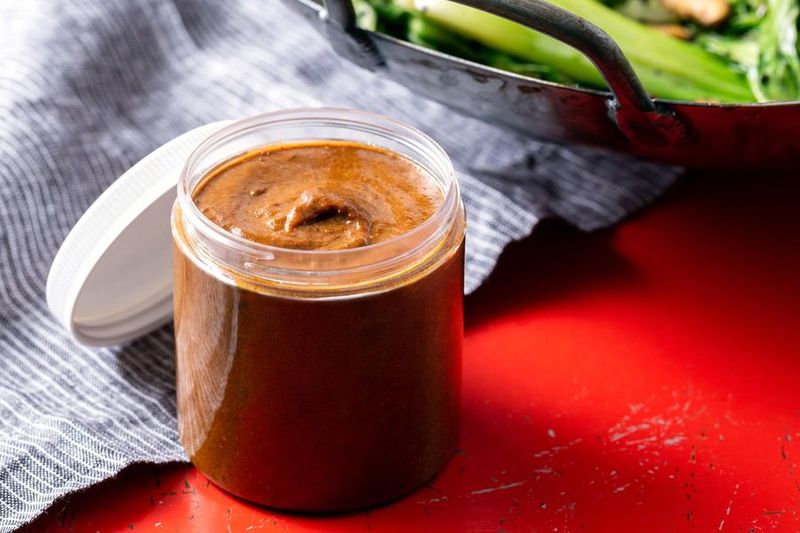
Hoisin sauce is the unsung hero of the condiment world. Thick, sweet, and deeply savory, it tastes like a cross between barbecue sauce and soy sauce with a hint of spice.
Chinese cuisine has relied on it for centuries, especially in dishes like Peking duck and moo shu pork.
Spread it on wraps, use it as a dipping sauce for spring rolls, or toss it with noodles. One spoonful transforms a plain stir-fry into something genuinely crave-worthy.
5. Dijon Mustard
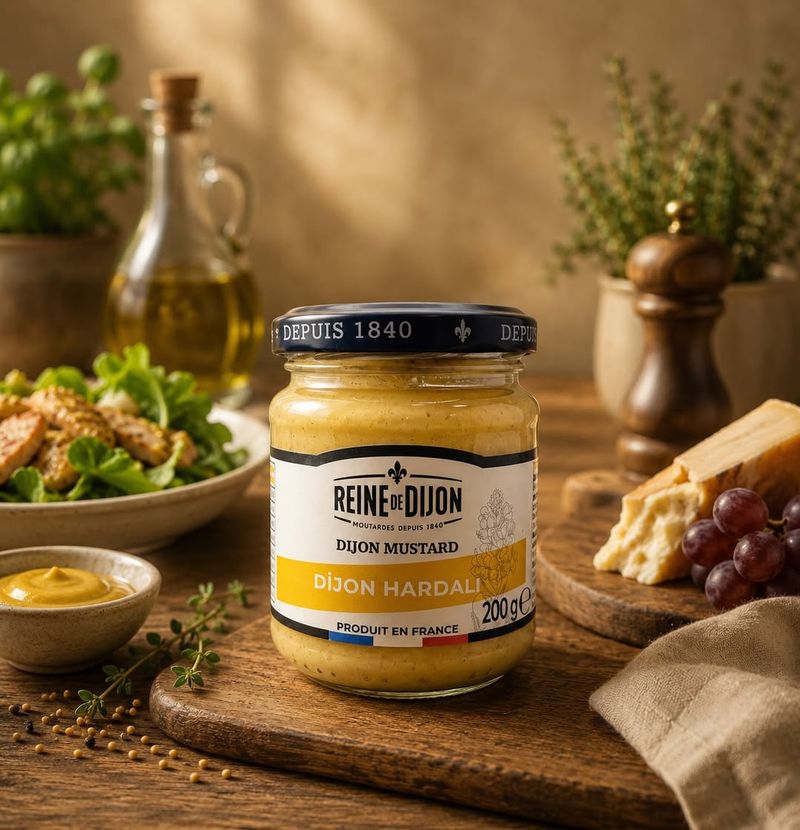
Dijon mustard has a sharp, tangy personality that refuses to be ignored. Unlike yellow mustard, Dijon has a smoother texture and a more complex, slightly spicy flavor that works in both savory and sweet dishes.
It originated in Dijon, France, back in the 1800s.
Whisk it into salad dressing, slather it on a chicken breast before roasting, or mix it into a creamy pasta sauce. It adds a grown-up depth to meals that plain mustard simply cannot match.
6. Worcestershire Sauce
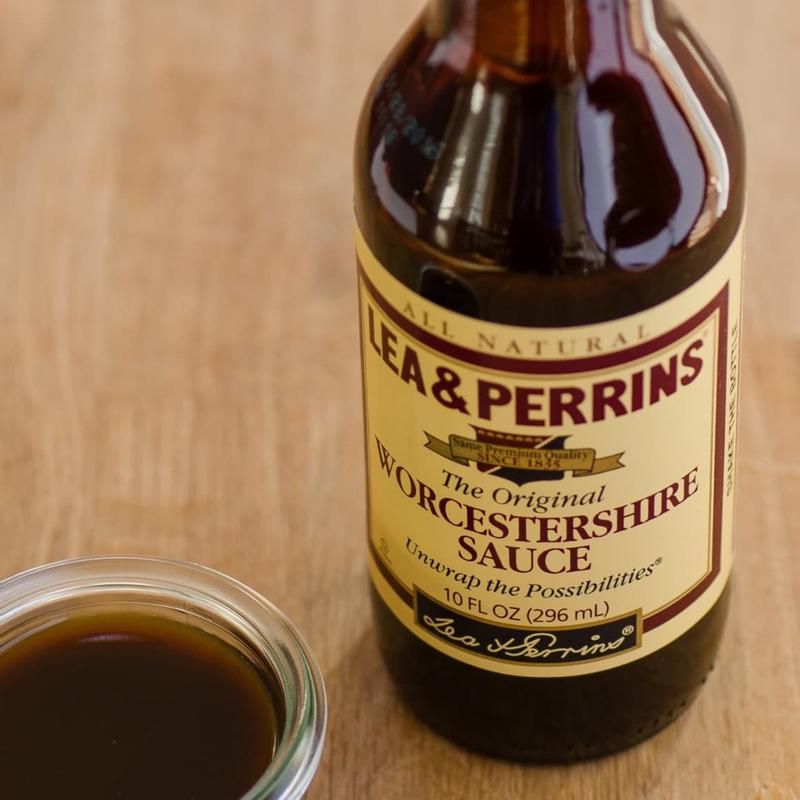
Worcestershire sauce has one of the strangest origin stories in condiment history. British chemists accidentally created it in the 1830s when a batch of sauce was left to ferment in a barrel — and the result was surprisingly amazing.
It has a deeply complex flavor that is tangy, savory, and slightly sweet all at once.
Add a splash to burgers, stews, or Caesar dressing. Just a few drops can completely change the flavor profile of a dish in the best possible way.
7. Oyster Sauce
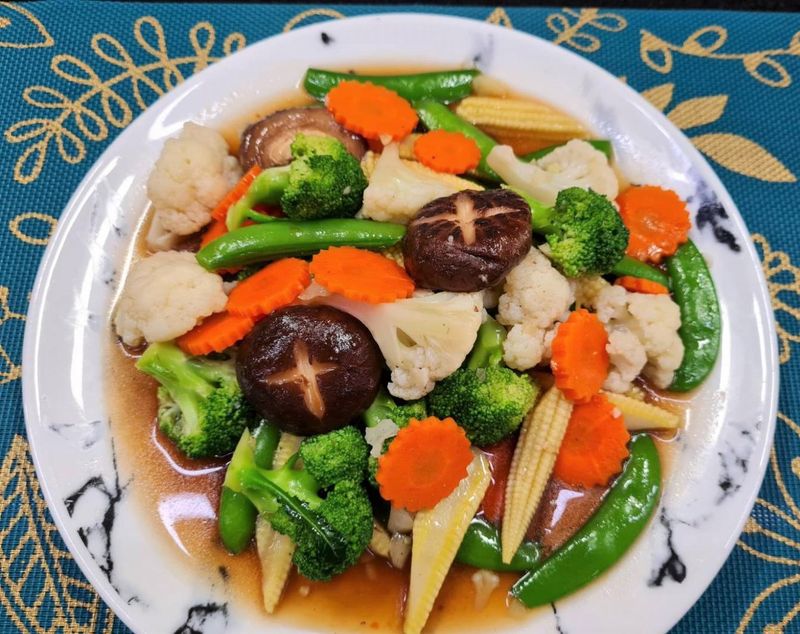
Oyster sauce sounds fancy, but it is one of the most accessible flavor boosters in the condiment world. Made from caramelized oyster juices, it has a thick, glossy texture and a rich umami flavor that makes vegetables taste incredible.
It does not taste fishy at all — just deeply savory.
Toss it with bok choy, broccoli, or beef and noodles for a restaurant-quality result at home. Even picky eaters tend to go back for seconds when oyster sauce is involved.
8. Fish Sauce
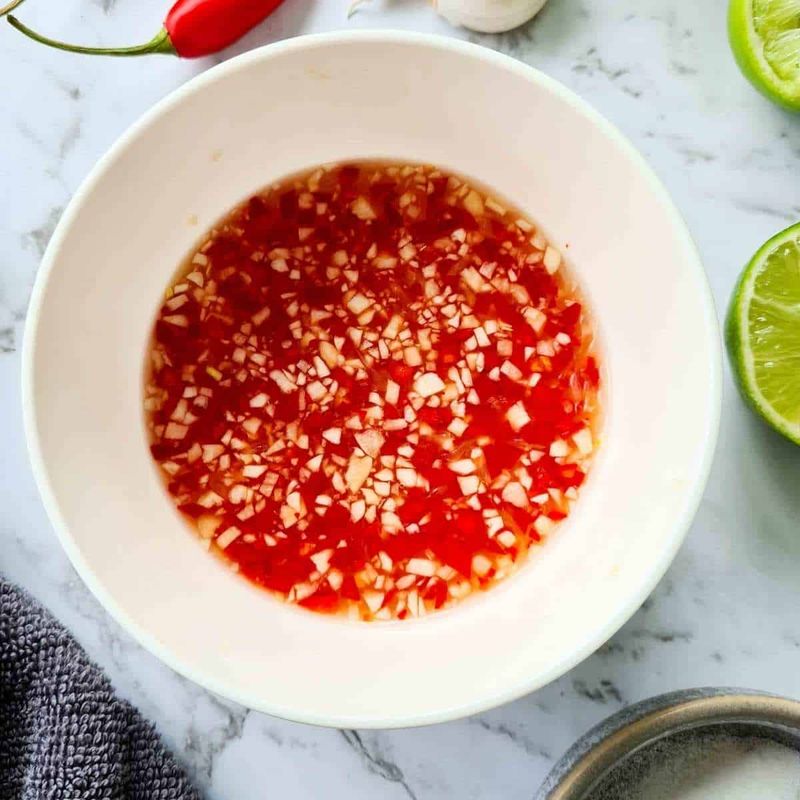
Fish sauce smells intense straight from the bottle, and that is totally normal — do not let it scare you off. Once it hits heat or mixes with other ingredients, it transforms into a magical salty-savory depth booster.
Southeast Asian cooking, especially Thai and Vietnamese cuisine, would not be the same without it.
Stir a teaspoon into soups, curries, or even pasta sauce for a mysterious richness. Most people cannot identify fish sauce in a dish, but they always notice when it is missing.
9. Tahini
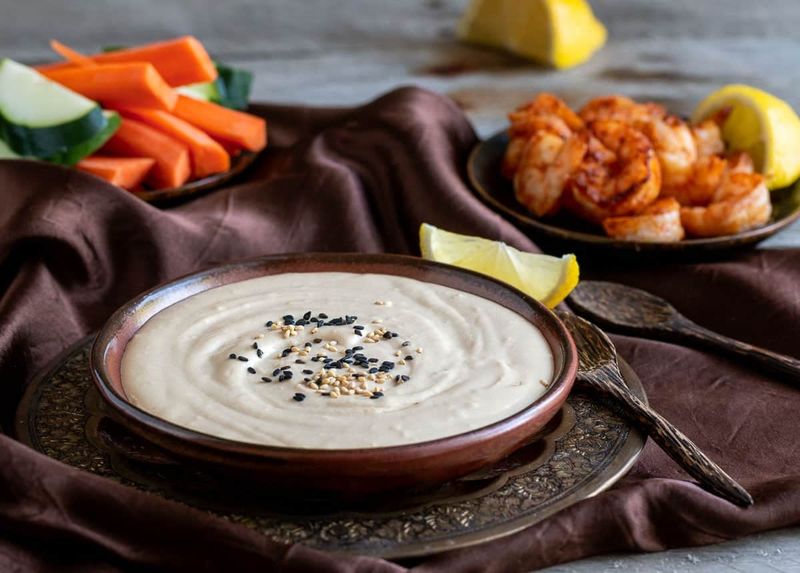
Made from ground sesame seeds, tahini has a nutty, slightly bitter flavor that works in both savory and sweet recipes. Middle Eastern kitchens have used it for thousands of years in dishes like hummus and baba ganoush.
The texture is thick and creamy, almost like natural peanut butter.
Drizzle it over roasted vegetables, mix it into salad dressings, or thin it with lemon juice for a quick sauce. Tahini is proof that simple ingredients can create something truly extraordinary.
10. Ketchup

Ketchup might be the most underestimated sauce on this list. Beyond being a dipping sauce for fries, it is a surprisingly useful cooking ingredient.
Stir it into meatloaf, mix it with vinegar and brown sugar for a quick barbecue glaze, or use it as a base for cocktail sauce.
Originally made as a mushroom or fish-based sauce in 18th-century Asia, ketchup evolved into the tomato version we know today. It is sweet, tangy, and endlessly versatile in the kitchen.
11. Mayonnaise
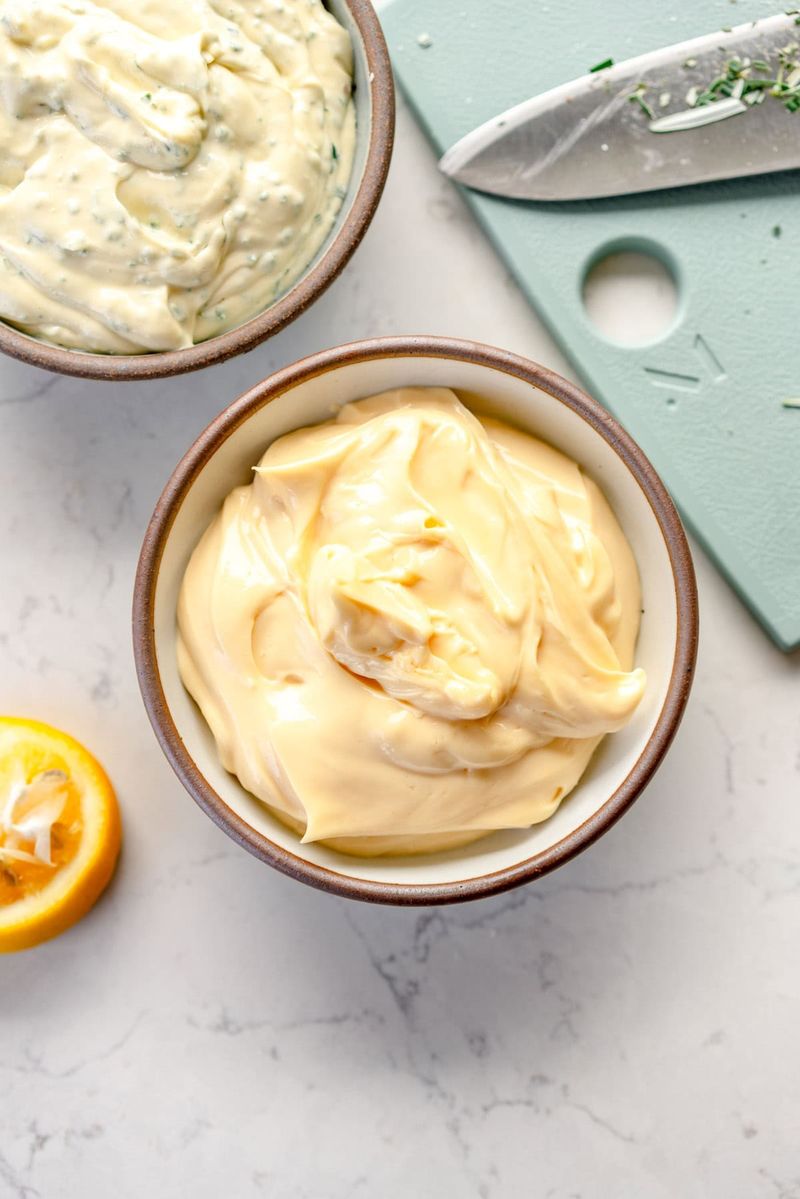
Mayonnaise gets a bad reputation, but it is one of the most versatile condiments in any fridge. It is essentially just emulsified oil, egg yolk, and acid — but together they create something creamy and rich that elevates everything it touches.
Japanese kewpie mayo, made with rice vinegar, has a cult following worldwide.
Mix it with sriracha for a spicy aioli, use it in coleslaw, or spread it on bread before grilling a sandwich. Mayo makes everything more satisfying.
12. Sambal Oelek
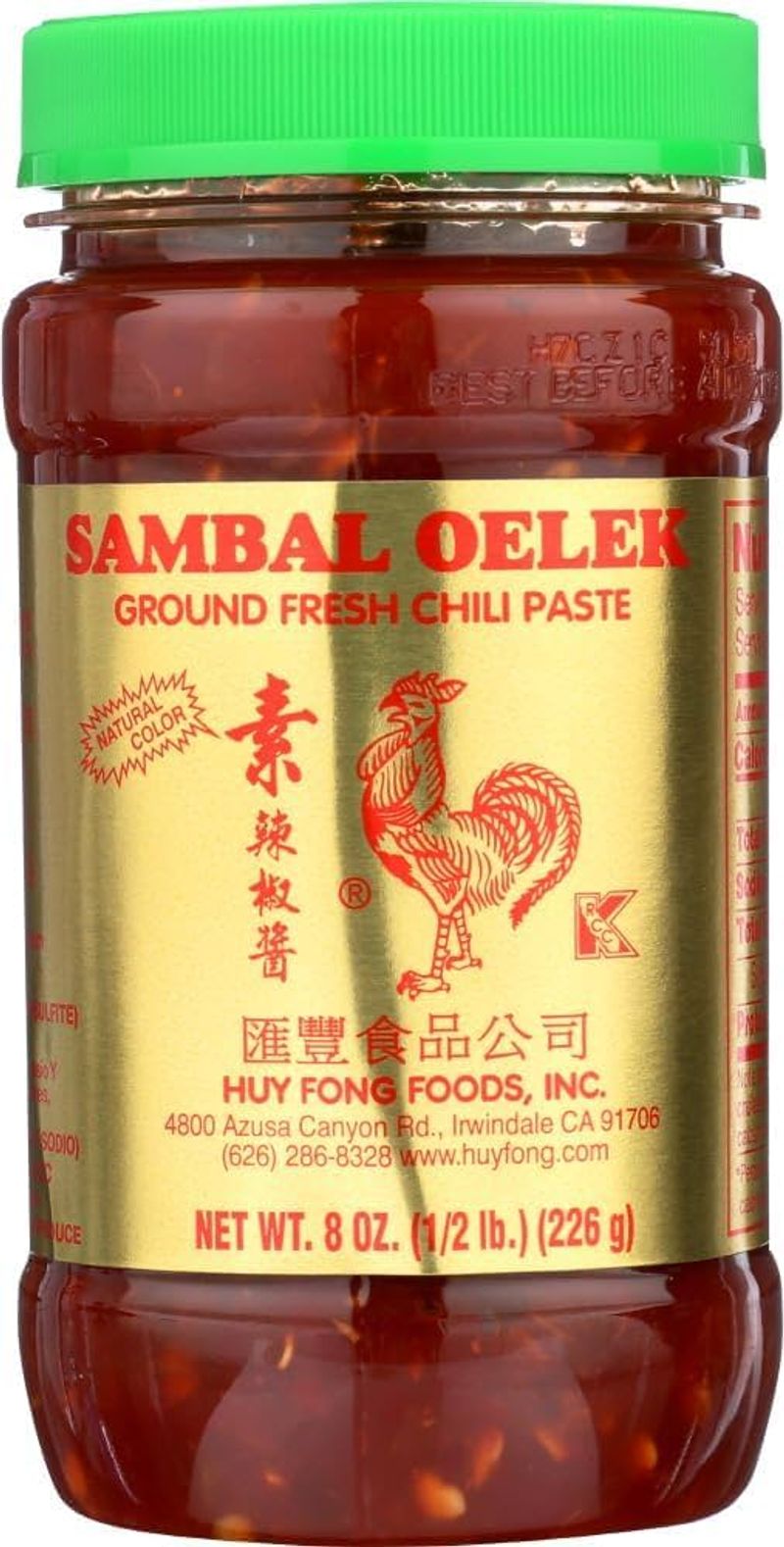
Sambal oelek is basically the cool, chunkier cousin of Sriracha. Made from coarsely ground fresh chilies with a touch of vinegar and salt, it has a raw, bold heat that feels more natural than processed hot sauces.
Indonesian and Malaysian kitchens have been using it for generations.
Stir it into noodle dishes, mix it with mayo for a fiery dipping sauce, or spoon it over fried eggs. The chunky texture adds both heat and visual appeal to any plate.
13. Miso Paste
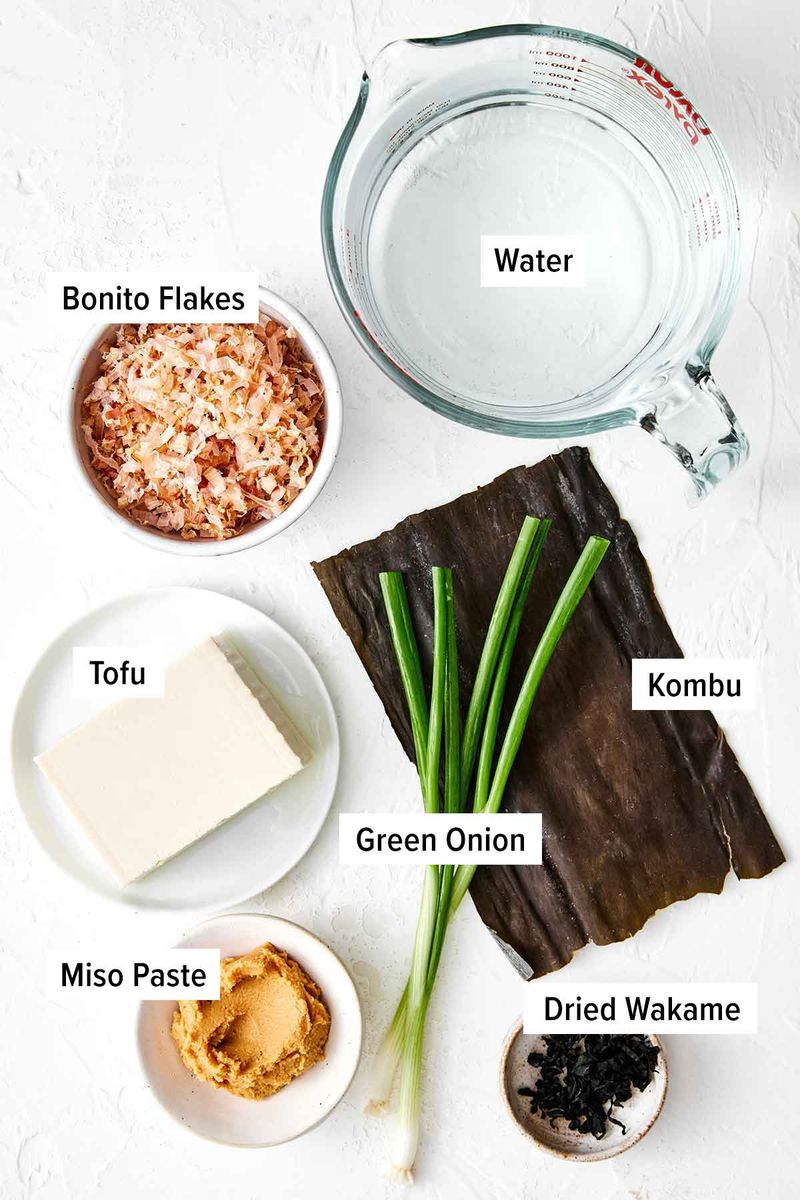
Miso paste is one of those ingredients that sounds intimidating but is shockingly easy to use. Made from fermented soybeans, it has a salty, earthy, deeply savory flavor that adds instant complexity to almost anything.
Japan has been making miso for over 1,300 years, and there are hundreds of regional varieties.
Whisk a spoonful into warm water for quick soup, rub it on salmon before baking, or blend it into butter for a next-level garlic bread. Miso is a true game-changer.
14. Barbecue Sauce
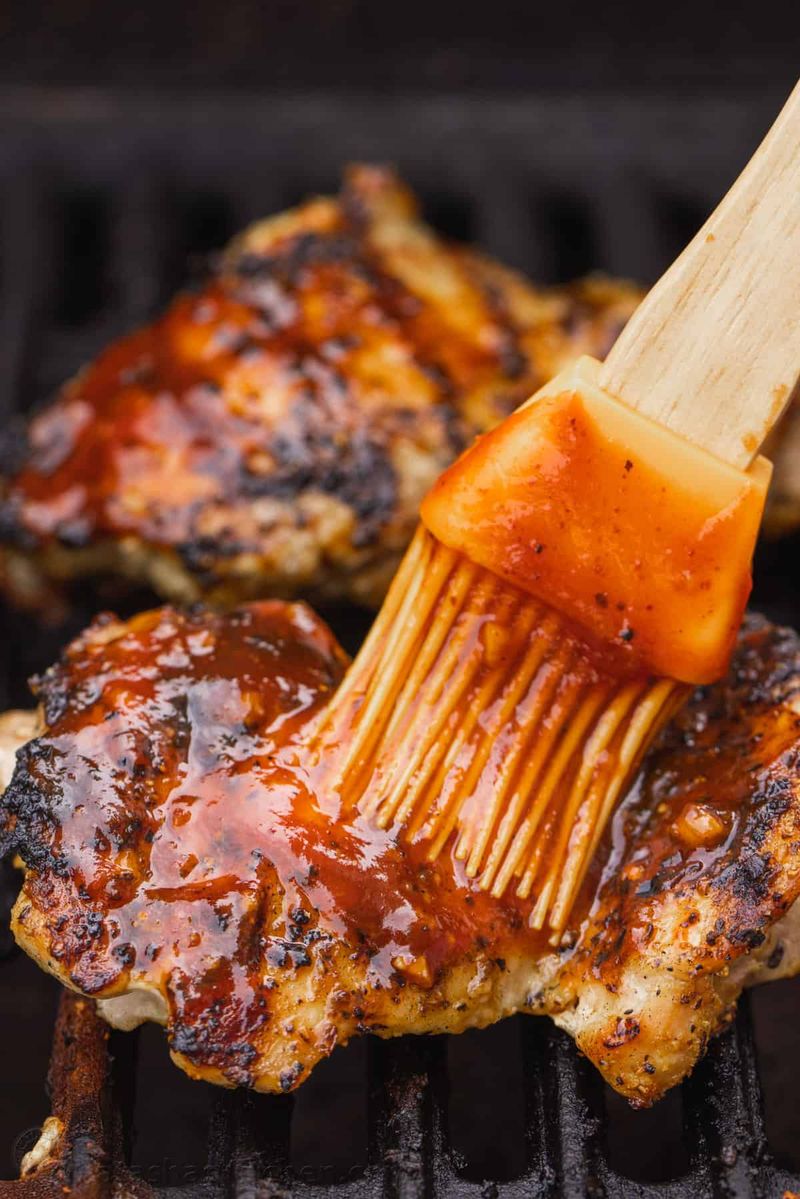
Few smells are as universally comforting as the sweet, smoky aroma of barbecue sauce hitting a hot grill. American BBQ sauce comes in wildly different regional styles — Kansas City is thick and sweet, Carolina is tangy and vinegar-based, and Texas tends toward savory and spicy.
Each one has passionate fans.
Brush it on chicken, mix it into baked beans, or use it as a pizza base instead of tomato sauce. A good BBQ sauce can single-handedly save a weeknight meal.
15. Sweet Chili Sauce
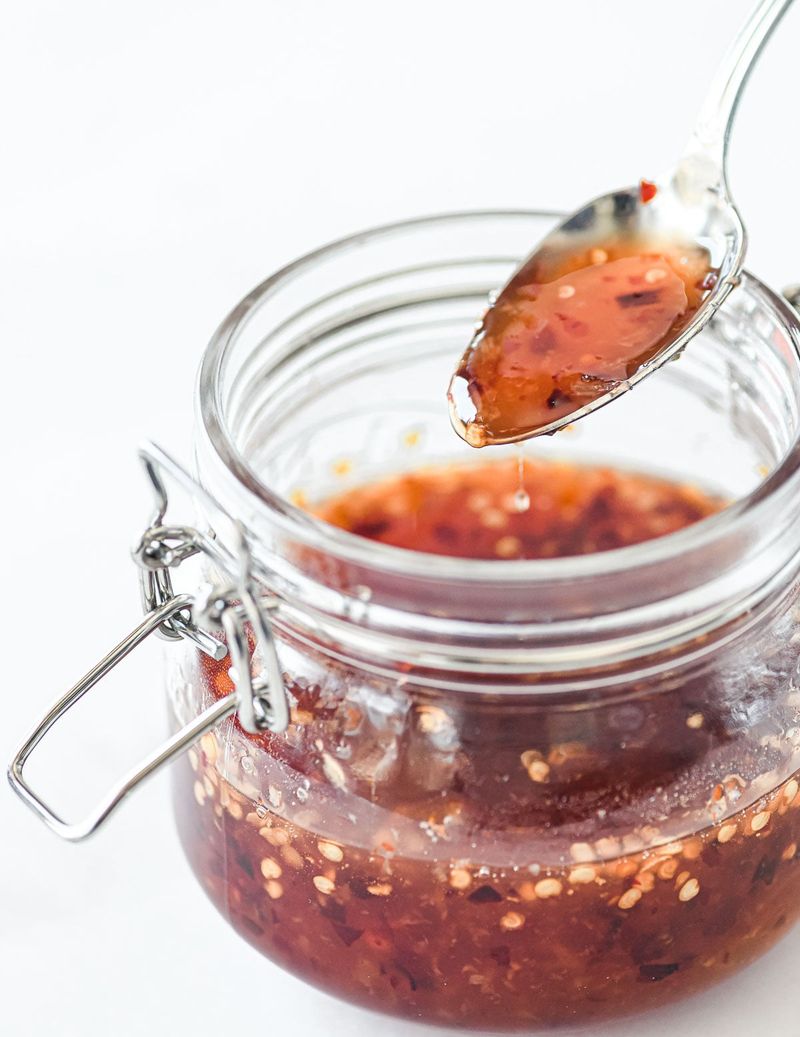
Sweet chili sauce is the sauce that wins over people who think they do not like spicy food. It is sticky, a little fruity, mildly spicy, and almost addictively good.
Thailand popularized it as a dipping sauce, and now it shows up on tables all around the world.
Use it to glaze grilled shrimp, dip chicken tenders, or drizzle over cream cheese on crackers for a quick party snack. The balance of sweet and heat makes it incredibly food-friendly.
16. Teriyaki Sauce
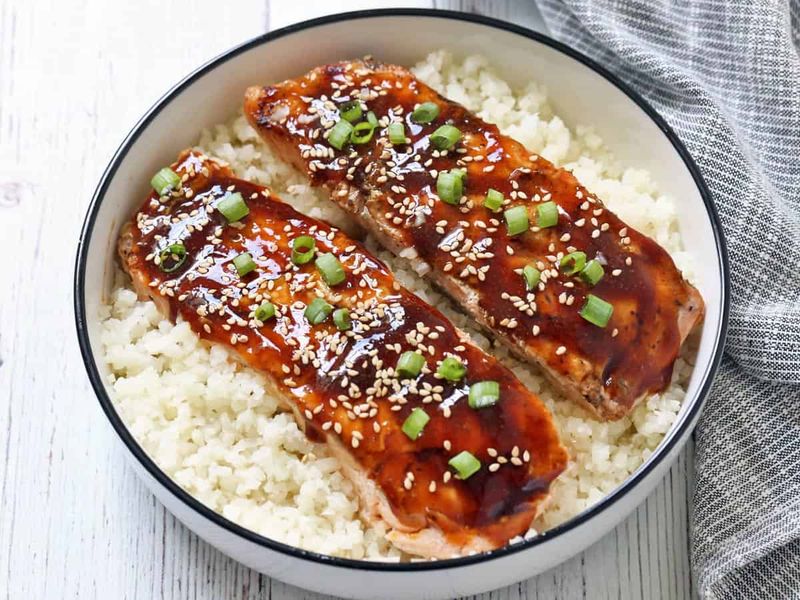
Teriyaki sauce has a beautiful glossy finish that makes food look as good as it tastes. Built on a base of soy sauce, mirin, and sugar, it has a sweet-savory balance that works on almost every protein imaginable.
The word teriyaki actually refers to the cooking technique of grilling with a glaze, not just the sauce.
Brush it on chicken thighs, salmon, or tofu before broiling. Even a plain bowl of rice becomes something special with a generous drizzle of teriyaki.
17. Ponzu Sauce
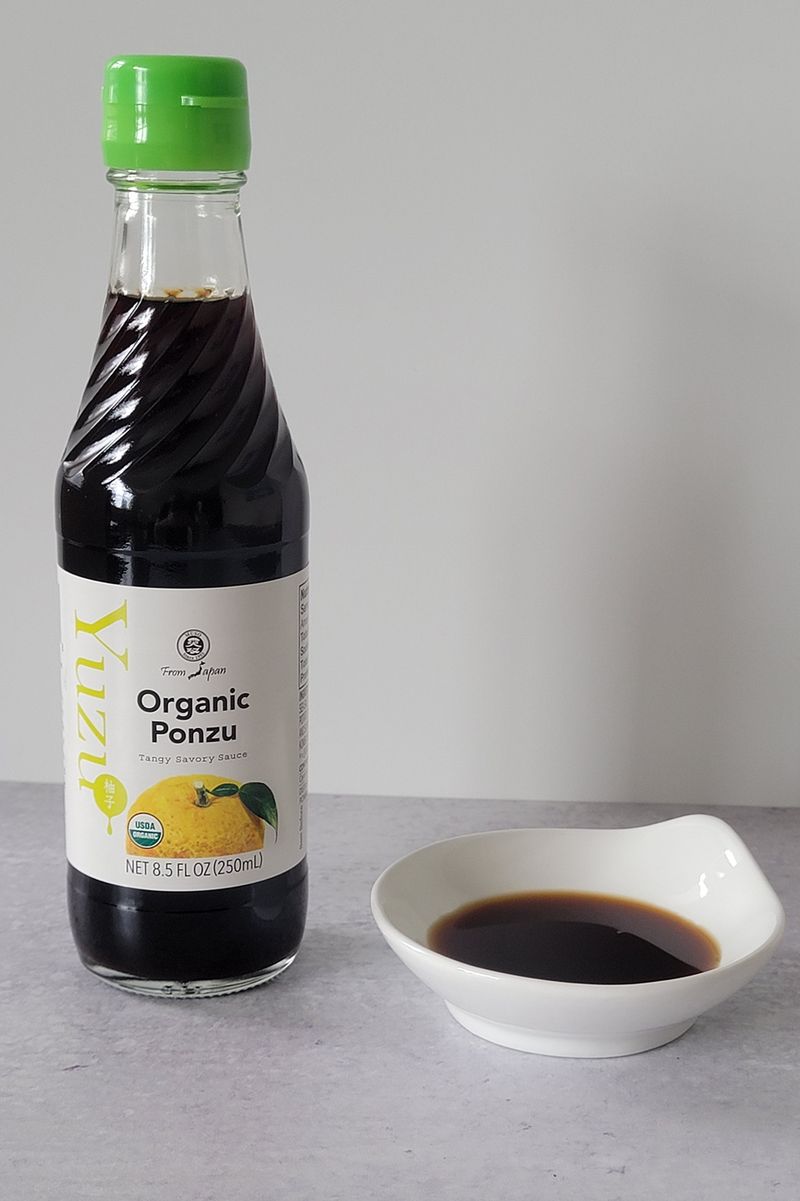
Ponzu is the citrusy, lighter cousin of soy sauce, and it deserves a permanent spot in your fridge. Made with soy sauce and citrus juice — usually yuzu, lemon, or lime — it has a bright, tangy flavor that cuts through rich or fatty foods beautifully.
Japanese cuisine uses it as both a dipping sauce and a dressing.
Pour it over sashimi, use it as a salad dressing, or splash it on pan-seared fish. Ponzu makes everything taste fresher and more vibrant instantly.
18. Gochujang
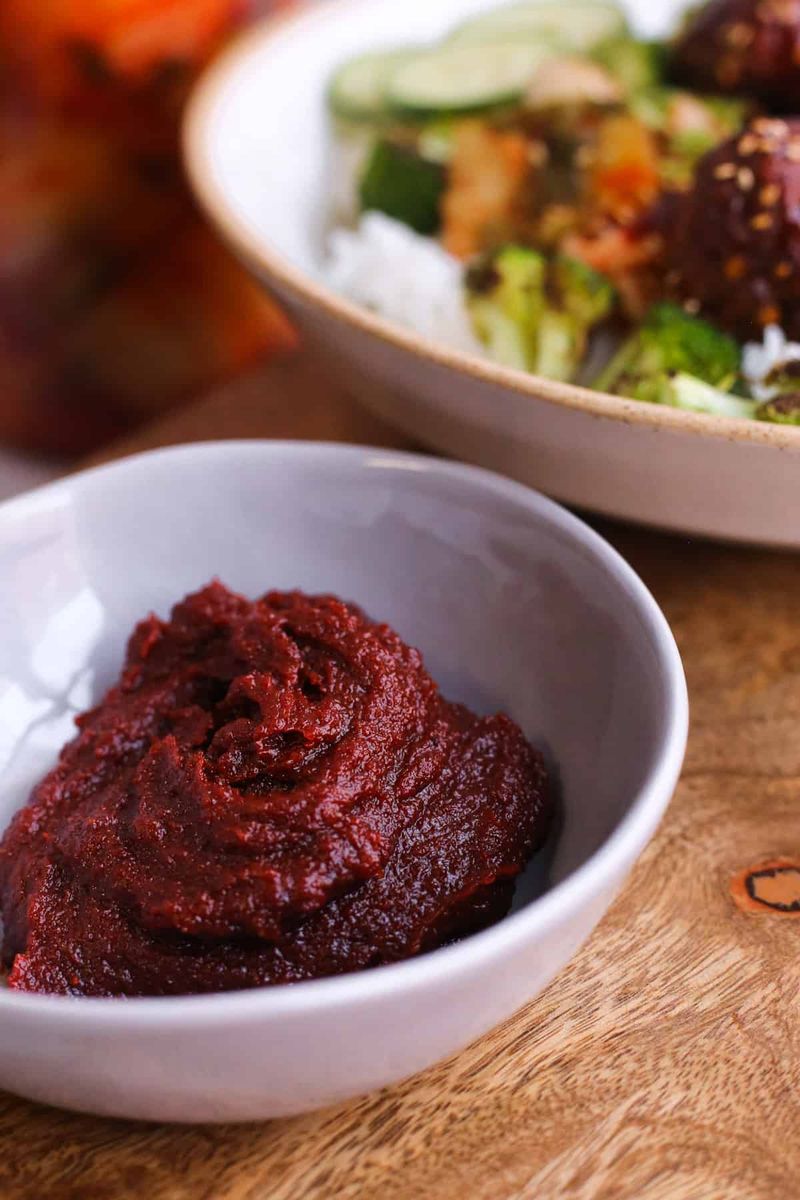
Gochujang is having a major moment, and once you try it, you will completely understand why. This Korean fermented chili paste is spicy, sweet, and funky all at once, with a thick, sticky consistency that clings to whatever it touches.
It has been a cornerstone of Korean cooking for centuries.
Mix it into marinades, stir it into ramen broth, or blend it with butter for a knockout sauce over grilled corn. Gochujang adds a flavor depth that is truly hard to replicate with anything else.
19. Tzatziki
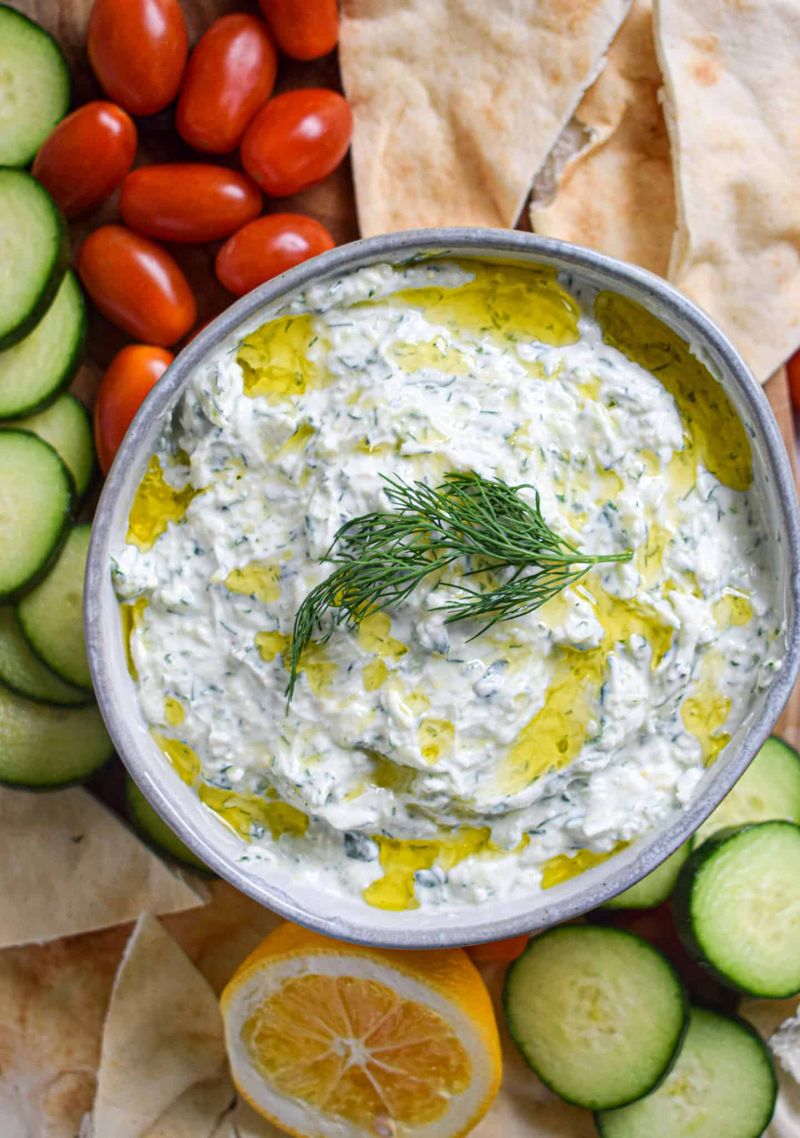
Tzatziki is cool, creamy, and refreshing in a way that most sauces simply are not. Made from thick Greek yogurt, shredded cucumber, garlic, and dill, it is tangy and light with a satisfying richness.
Greeks have been serving it alongside grilled meats and flatbreads for centuries.
Use it as a dip for veggies and pita, spoon it over grilled chicken, or spread it inside a wrap instead of mayo. Tzatziki makes plain food feel like a Mediterranean vacation in your mouth.
20. Pesto
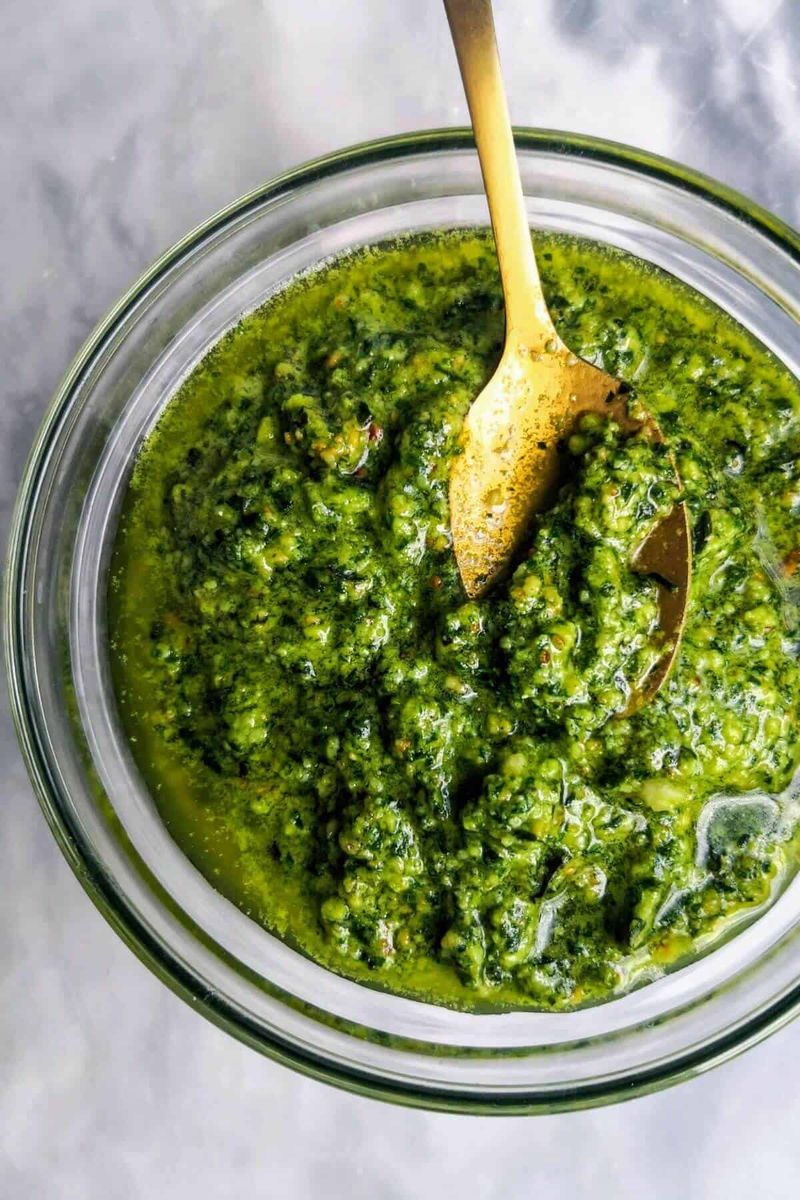
Pesto is one of those sauces that looks fancy but is incredibly simple to make and use. Born in Genoa, Italy, the classic version blends fresh basil, pine nuts, Parmesan, garlic, and olive oil into a fragrant green sauce that is bursting with flavor.
Store-bought versions are totally respectable too.
Toss it with pasta, spread it on sandwiches, or swirl it into scrambled eggs for a surprisingly gourmet breakfast. A spoonful of pesto can rescue a bland dish faster than almost anything else in the fridge.
21. Harissa
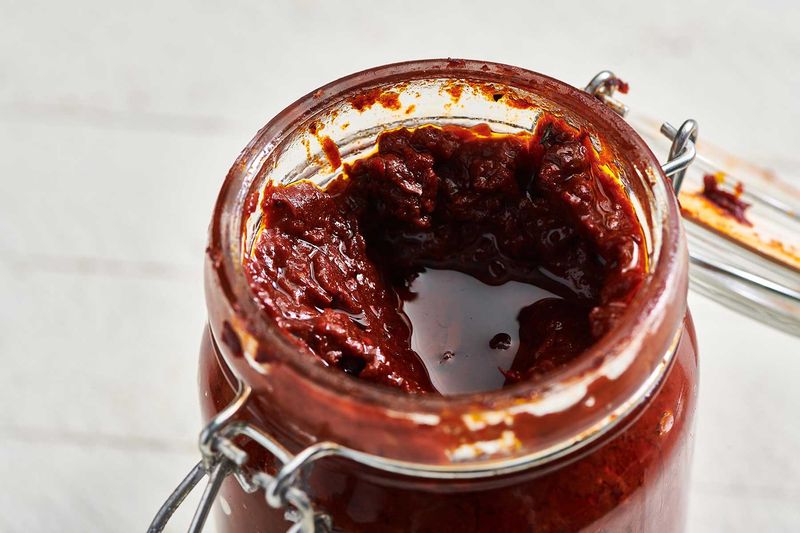
Harissa is the North African chili paste that serious food lovers keep on permanent rotation. Smoky, spicy, and packed with complex layers from roasted peppers, cumin, and coriander, it has a personality that is bold and unapologetic.
Tunisia is often credited as its birthplace, and every family has their own version.
Stir it into couscous, rub it on lamb chops, or swirl it into hummus for an instant upgrade. Harissa rewards adventurous eaters with every single bite.




Comments
No Comments