













Most of us grab the same bag of white rice or pasta every week without thinking twice. But there is a whole world of ancient and underrated grains packed with nutrients, fiber, and flavor just waiting to be discovered.
These forgotten grains have been feeding people for thousands of years, and modern science keeps finding more reasons to love them. Adding even one or two to your weekly meals can make a big difference in how you feel.
1. Amaranth
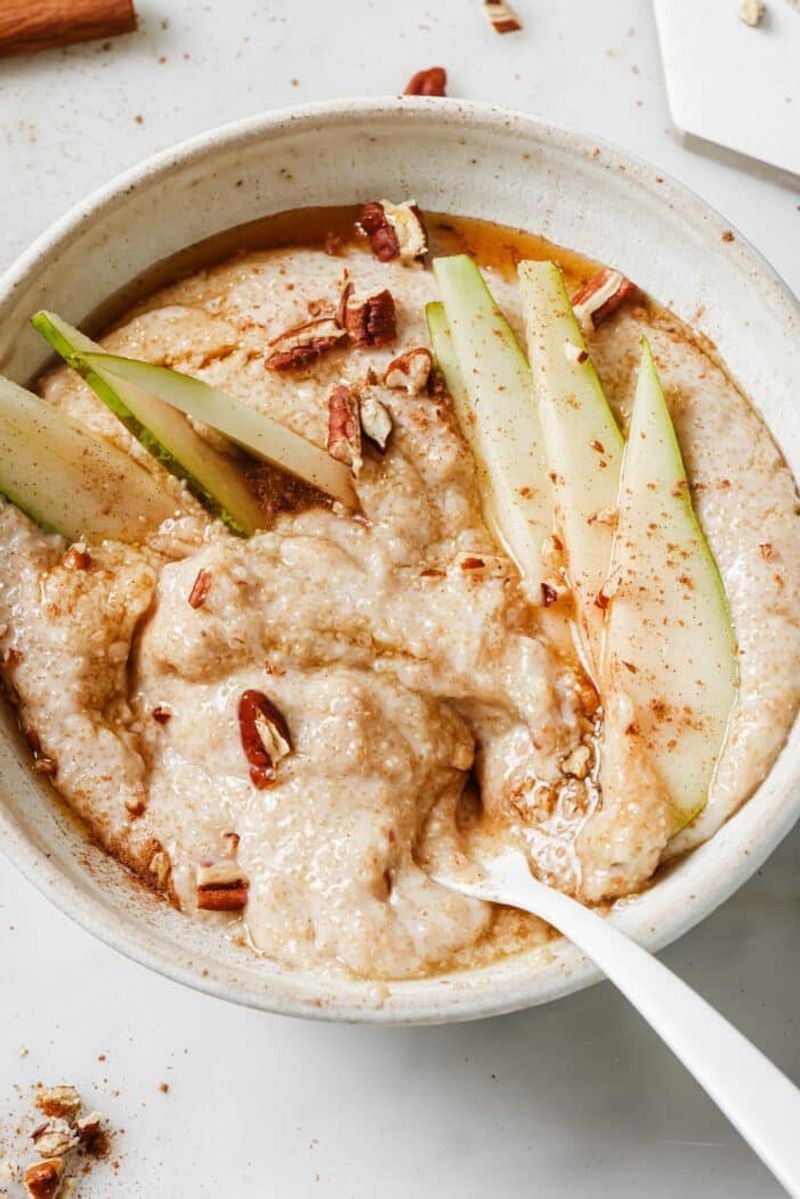
Tiny but mighty, amaranth packs more protein than most grains you have probably heard of. Just one cup of cooked amaranth gives you around 9 grams of protein, plus iron, magnesium, and calcium.
That is a serious nutritional punch for something so small.
Amaranth was a staple food of the Aztecs for centuries before it nearly disappeared from history. Today, it is making a strong comeback.
Try cooking it like oatmeal in the morning for a warm, nutty breakfast that keeps you full for hours.
2. Teff
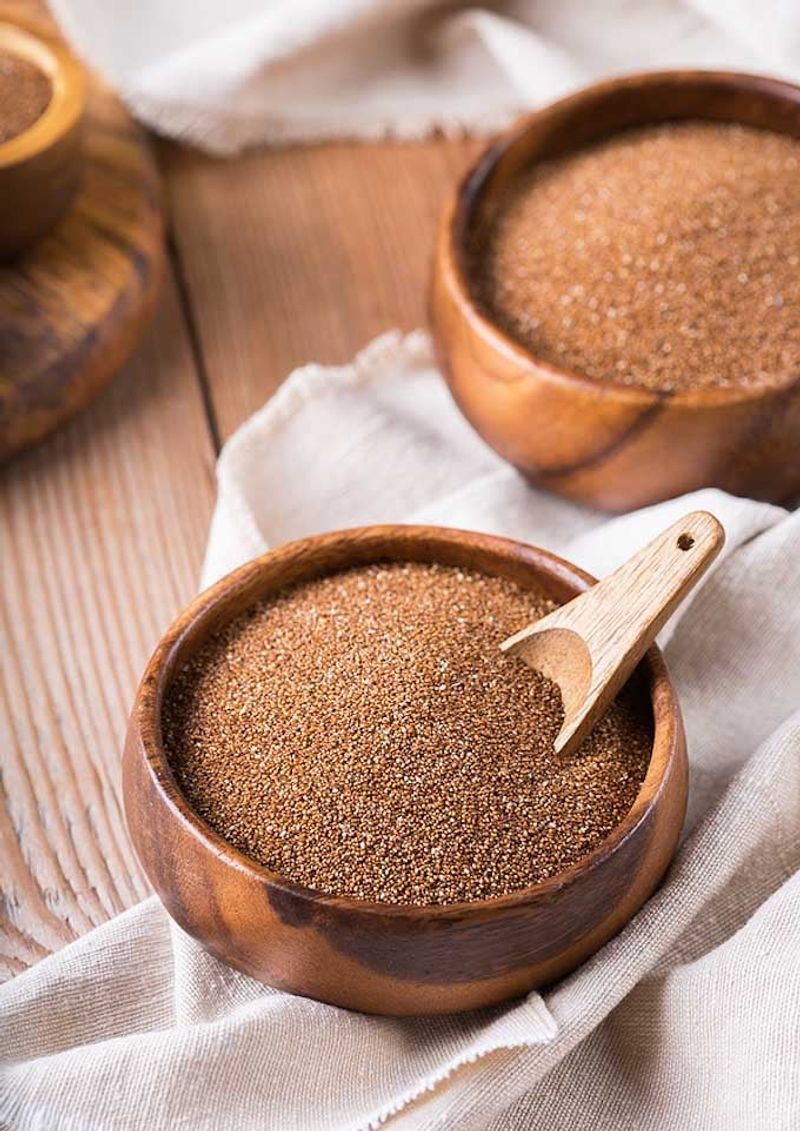
Originating from the highlands of Ethiopia, teff is one of the smallest grains in the world, yet it carries a nutritional profile that would impress any dietitian. It is loaded with calcium, iron, and resistant starch, which helps feed good gut bacteria.
Teff has a slightly earthy, molasses-like flavor that works beautifully in porridge, pancakes, or flatbreads. Gluten-free and incredibly versatile, it is a fantastic option for anyone looking to shake up their grain routine with something that has real cultural roots and real health benefits.
3. Freekeh
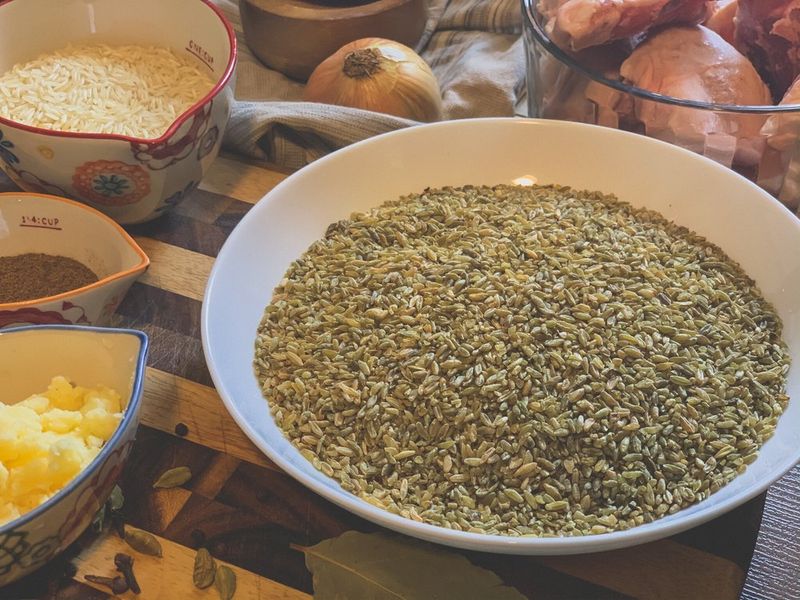
Freekeh sounds fancy, but it is simply green durum wheat that has been roasted over an open fire. That roasting process gives it a wonderfully smoky, nutty flavor that sets it apart from every other grain on this list.
Popular across the Middle East for centuries, freekeh is high in fiber and protein while also being low on the glycemic index, meaning it will not spike your blood sugar. Swap it in for rice in soups, salads, or grain bowls and you will wonder why you waited so long to try it.
4. Sorghum
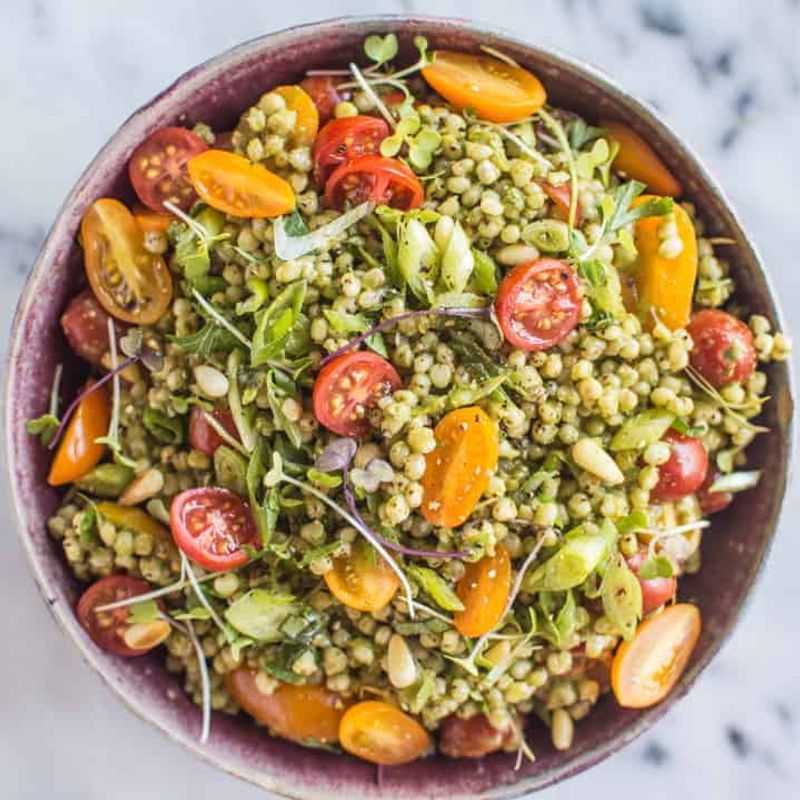
Sorghum is the fifth most produced grain in the world, yet most home cooks in North America have never cooked with it. That is a real shame, because this chewy, round grain is gluten-free and absolutely loaded with antioxidants.
Studies have shown that sorghum may help reduce inflammation and even support heart health. Its mild flavor makes it easy to use in salads, soups, or even popped like popcorn for a crunchy snack.
Once you try it, it earns a permanent spot in your pantry.
5. Millet
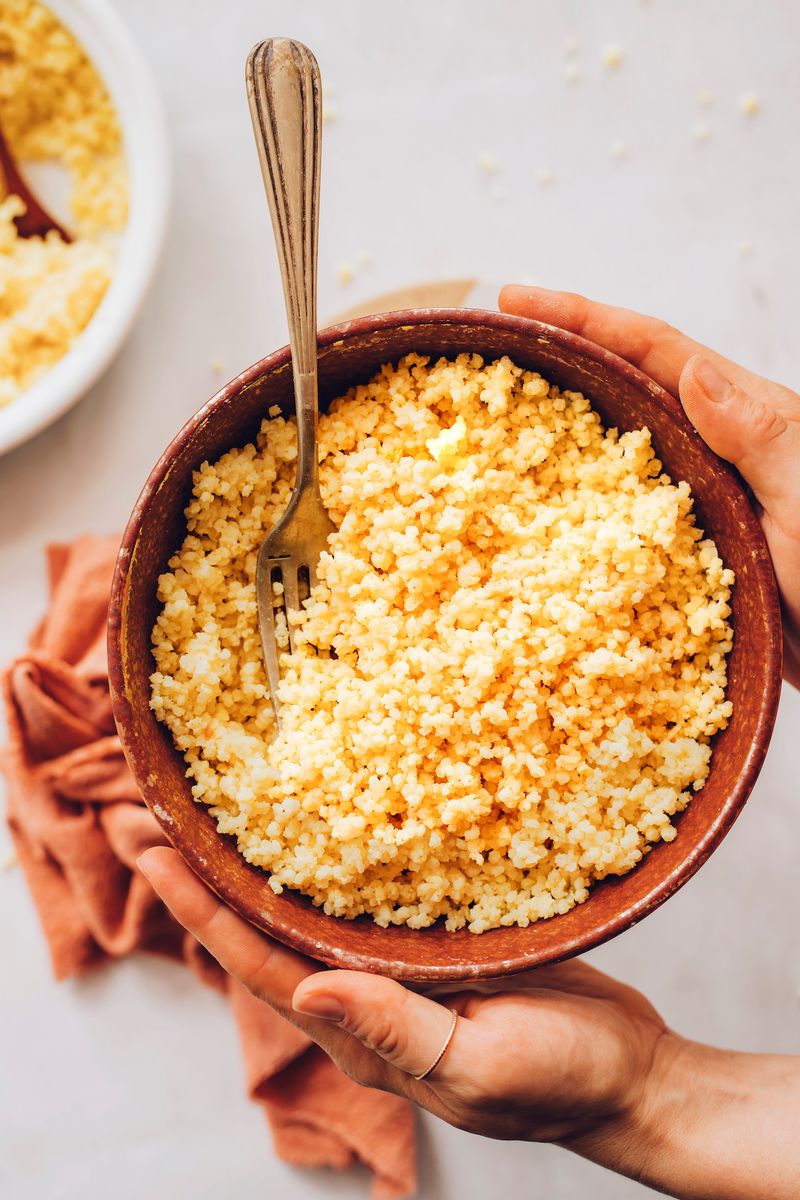
Long before rice took over, millet was feeding civilizations across Africa and Asia for thousands of years. Today, this golden little grain is enjoying a well-deserved revival among health-conscious cooks everywhere.
Millet is naturally gluten-free, easy to digest, and rich in magnesium, which supports muscle function and heart health. It cooks up light and fluffy, similar to couscous, and absorbs flavors beautifully.
Use it as a base for grain bowls, stir it into soups, or make a creamy millet porridge on a cold morning.
6. Farro
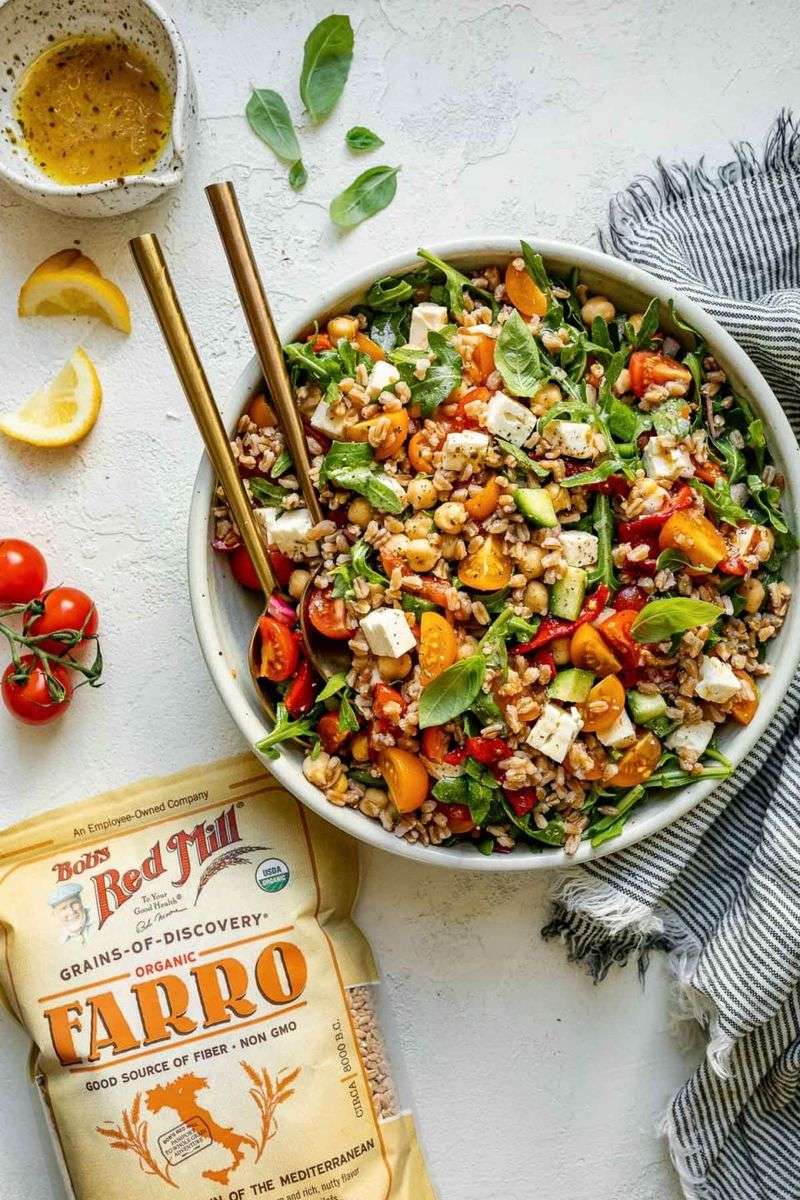
Farro was a staple in ancient Rome, fueling soldiers and farmers alike. This hearty, chewy grain has a rich, nutty flavor that makes salads and soups feel genuinely satisfying rather than just healthy.
Rich in fiber, protein, zinc, and B vitamins, farro supports digestion and helps keep energy levels steady throughout the day. It does contain gluten, so it is not for everyone, but for those who can eat it, farro is one of the most rewarding grains to cook with.
It holds up beautifully in warm dishes even after reheating.
7. Buckwheat
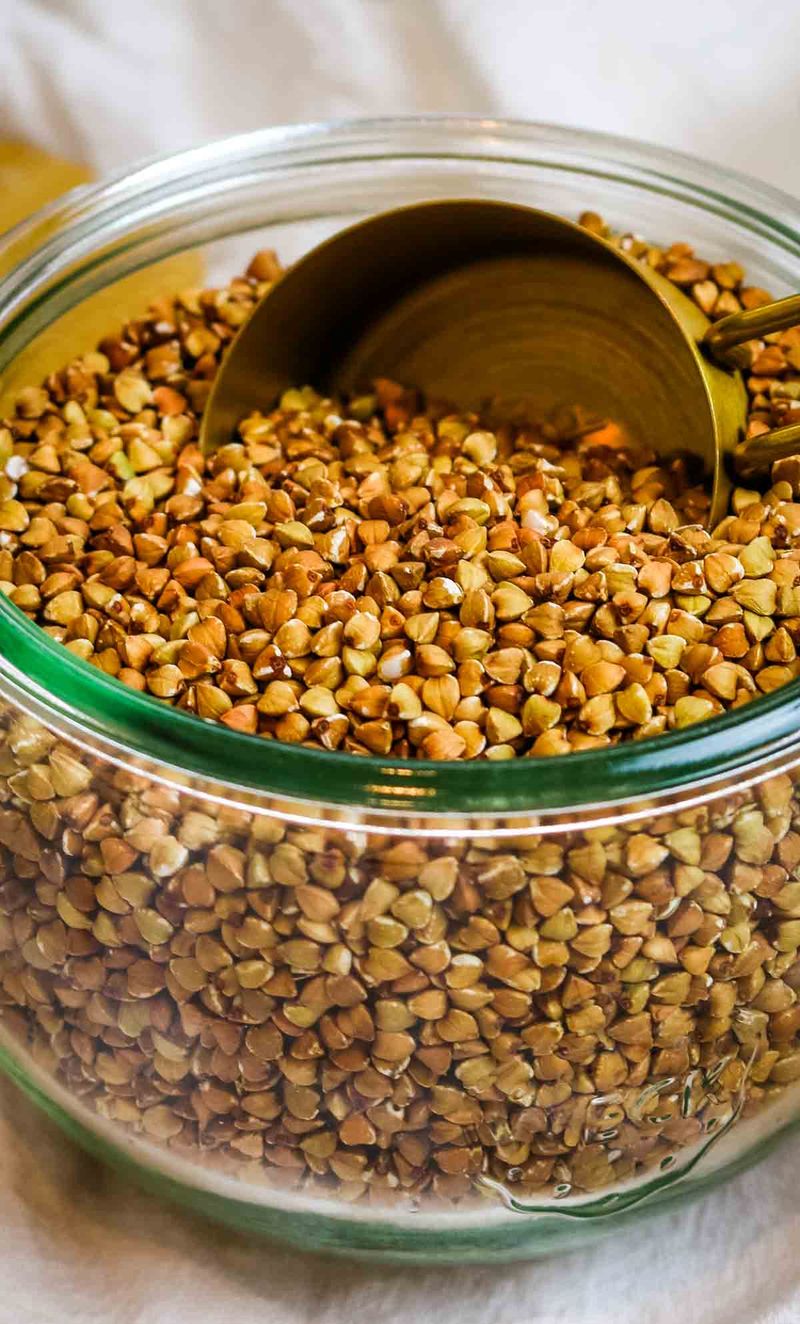
Despite the name, buckwheat has absolutely nothing to do with wheat. It is technically a seed, not a grain at all, and it is completely gluten-free.
That makes it a wonderful option for people with wheat sensitivities who still want hearty, filling meals.
Buckwheat is rich in rutin, a plant compound linked to better blood circulation and heart health. Roasted buckwheat, known as kasha, has a bold, earthy flavor perfect for savory dishes.
Or use buckwheat flour to make pancakes with a satisfying depth of flavor you will not find in regular flour.
8. Kamut (Khorasan Wheat)
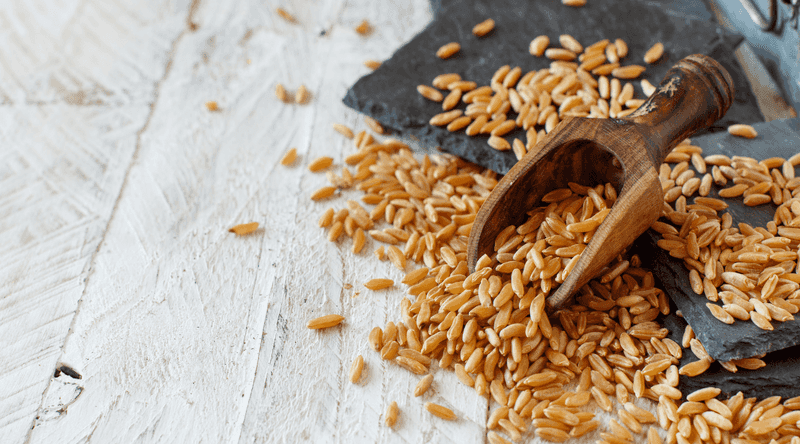
Kamut grains are noticeably larger than regular wheat berries, with a rich, buttery flavor that makes them stand out immediately. This ancient grain traces its roots back to Egypt and has been treasured for generations for good reason.
Kamut is higher in protein and selenium than modern wheat, and many people who are sensitive to conventional wheat find it easier to digest. Cook the berries and toss them into a salad, or use kamut flour in baked goods for a nutty, complex flavor that takes ordinary recipes to a whole new level.
9. Spelt
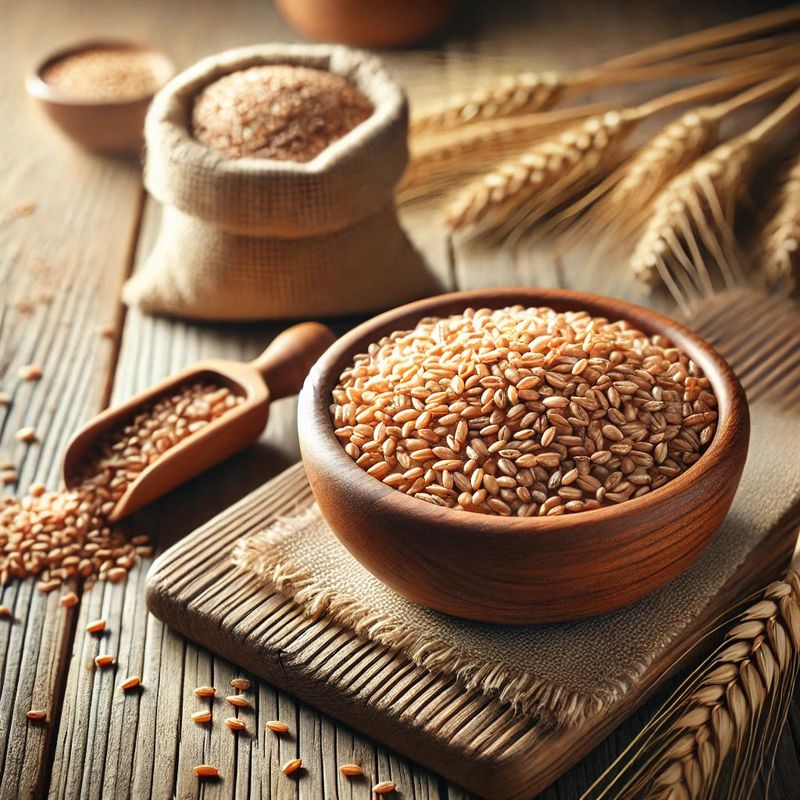
Spelt has been cultivated in Europe for over 7,000 years, and somehow it still does not get the attention it deserves in modern kitchens. It has a mild, slightly sweet, nutty flavor that works in both savory dishes and baked goods.
Higher in protein and certain minerals than regular wheat, spelt is also easier for many people to digest because of its unique gluten structure. Try spelt flour in muffins or pancakes for a wholesome upgrade, or cook the whole berries and use them in hearty autumn soups and grain salads.
10. Einkorn
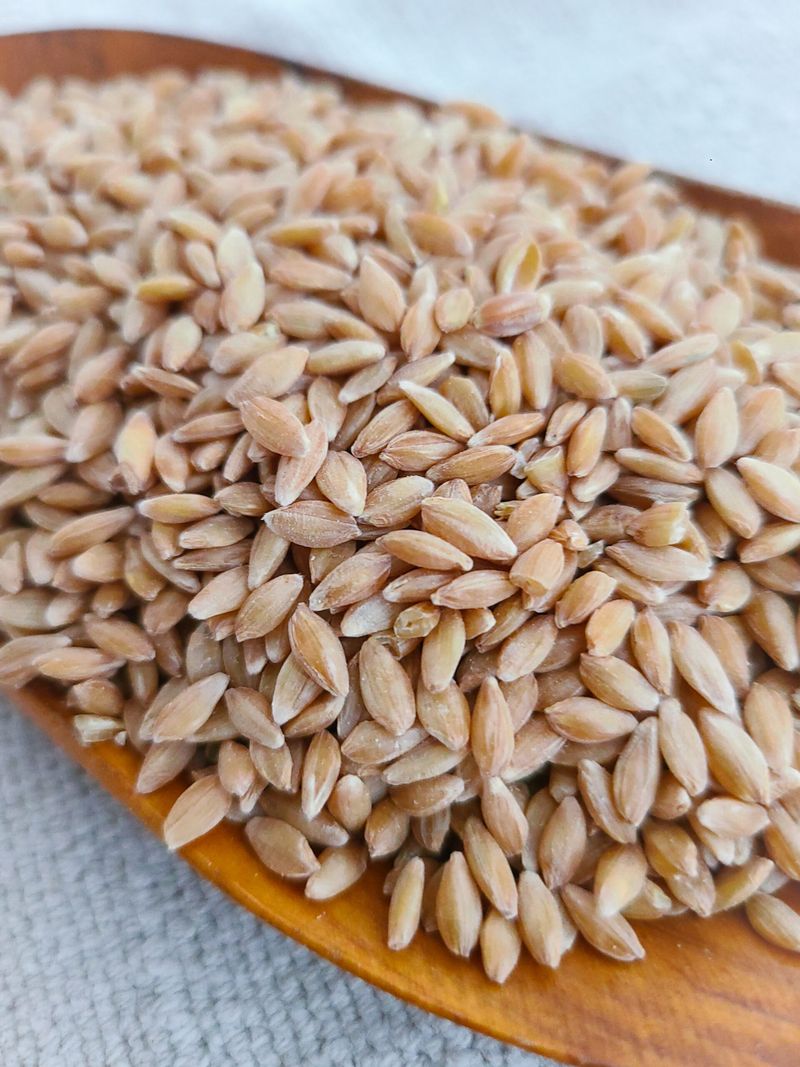
Einkorn is the oldest cultivated wheat on earth, dating back more than 10,000 years to the Fertile Crescent. Unlike modern wheat, einkorn has never been hybridized, which means it retains a nutritional profile that is remarkably close to what ancient humans actually ate.
It is higher in protein, antioxidants, and lutein than modern wheat varieties. Many people with mild wheat sensitivities tolerate einkorn much better.
Its rich, slightly sweet flavor makes it excellent in bread, pasta, or simply cooked as a warm side dish with roasted vegetables and olive oil.
11. Emmer Wheat
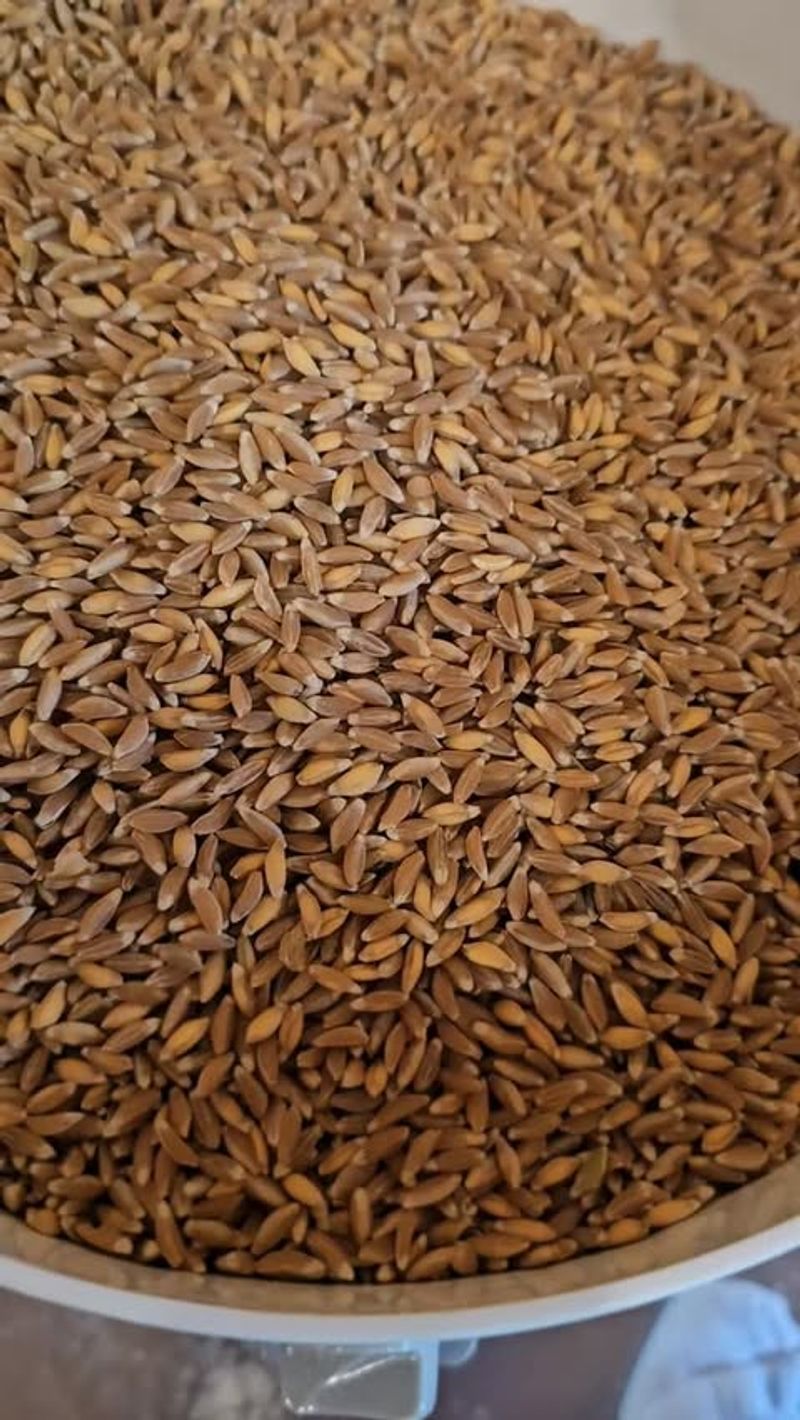
Emmer wheat fed the workers who built the Egyptian pyramids. That is not a metaphor.
Archaeologists have actually found emmer stored in ancient Egyptian granaries, making it one of the most historically significant grains ever cultivated.
Nutritionally, emmer is rich in fiber, protein, and iron, supporting sustained energy and healthy digestion. Its hearty, chewy texture makes it incredibly satisfying in soups and stews.
If you love the texture of farro, you will feel right at home with emmer, since farro is often made from emmer wheat itself.
12. Wild Rice
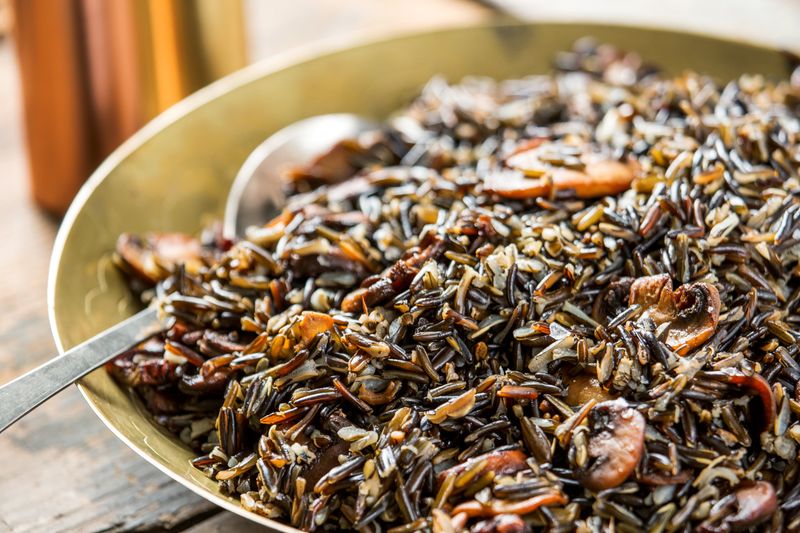
Wild rice is not actually rice at all. It is the seed of an aquatic grass native to North America, and it was a sacred food source for many Indigenous communities for centuries.
That heritage alone makes it worth putting on your plate.
Compared to white rice, wild rice has nearly twice the protein and significantly more fiber, zinc, and antioxidants. Its nutty, chewy texture adds a satisfying bite to salads, soups, and stuffed vegetables.
Mixing it with brown rice creates a beautiful, flavorful combination that elevates almost any meal effortlessly.
13. Job's Tears (Adlay)
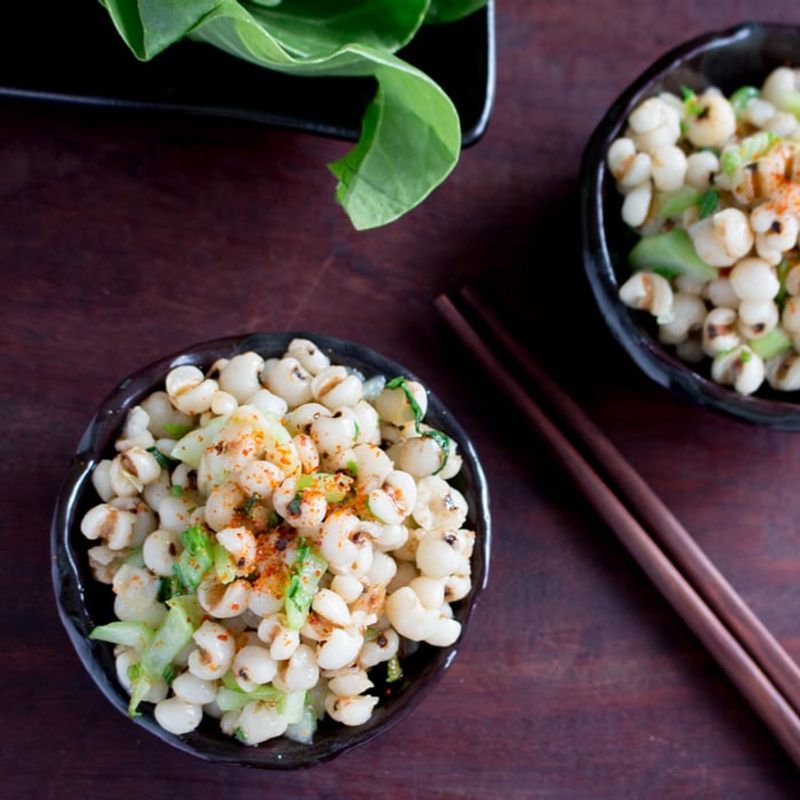
Job's Tears might have the most unusual name on this list, but this ancient Asian grain deserves serious attention. Used for centuries in traditional Chinese medicine, it is believed to support joint health, reduce inflammation, and aid digestion.
Modern research backs up some of these claims, showing that Job's Tears contains compounds with anti-inflammatory and immune-boosting properties. The cooked grain has a mild, slightly sweet flavor and a satisfying chewy texture.
It is commonly used in Asian soups and teas, but it works just as well in Western-style grain bowls and salads.
14. Montina (Indian Ricegrass)
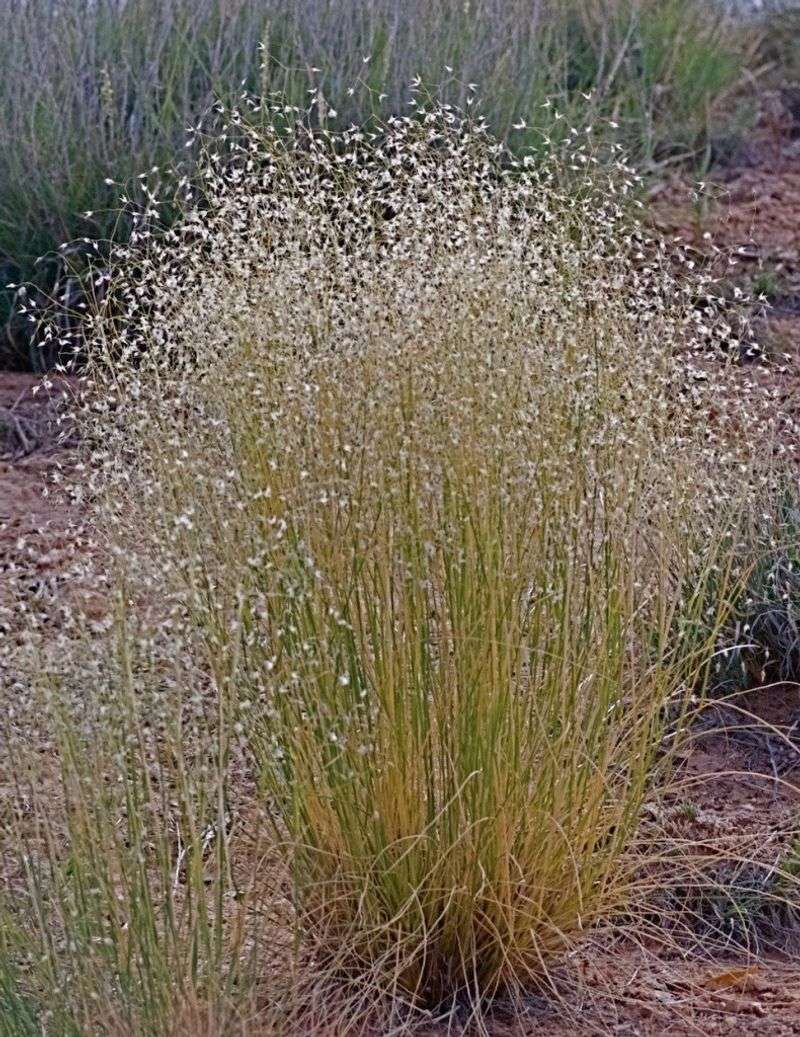
Most people have never even heard of Montina, which is a shame because this native North American grass seed is one of the most nutrient-dense gluten-free options available. Indigenous peoples of the Great Plains relied on it as a critical food source for generations.
Montina flour is exceptionally high in fiber and protein compared to most gluten-free alternatives, making it far more nutritious than rice flour or tapioca starch. It has a bold, slightly earthy flavor, so it works best blended with milder flours in baking.
Finding it may take some searching, but the nutritional payoff is worth it.
15. Kañiwa
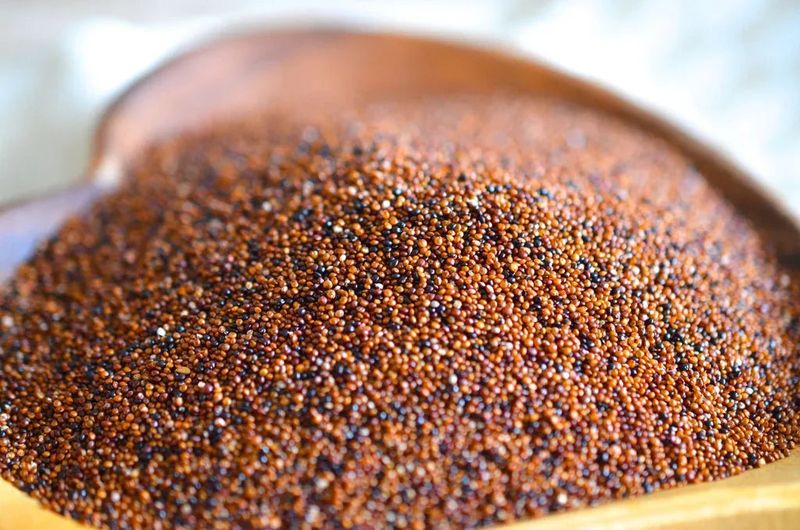
Often overshadowed by its famous cousin quinoa, kañiwa is a tiny Andean grain that quietly outperforms in several nutritional categories. Grown at high altitudes in Peru and Bolivia, it is naturally gluten-free and does not have the bitter saponin coating that quinoa requires washing to remove.
Kañiwa is exceptionally high in protein and antioxidants, with a slightly sweet, nutty flavor. Cook it like quinoa and use it in breakfast porridges, energy bars, or savory grain bowls.
Once you try it, you might just start overlooking quinoa yourself.
16. Grain Sorghum Flour
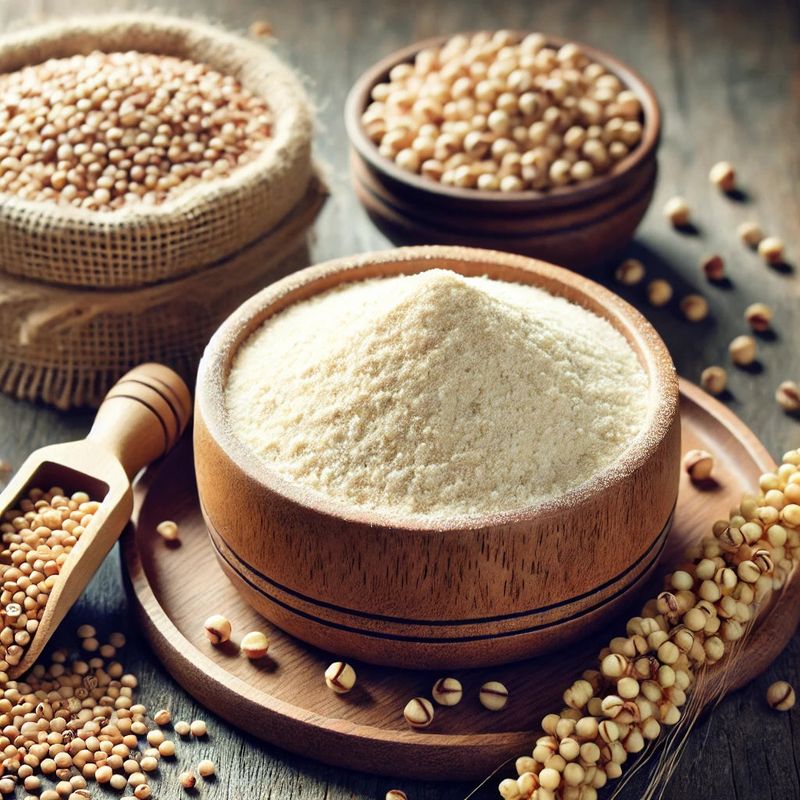
Sorghum flour is the workhorse of the gluten-free baking world, yet most home bakers have never opened a bag. Unlike rice flour, which can make baked goods gritty, sorghum flour produces a soft, tender crumb that closely mimics the texture of traditional wheat flour.
It is packed with antioxidants, B vitamins, and fiber, making every muffin, pancake, or loaf a little more nutritious. Because it is so mild in flavor, it blends seamlessly into almost any recipe.
Replacing even half your all-purpose flour with sorghum flour is an easy, impactful upgrade worth making today.




Comments
No Comments