













Eating a rainbow of vegetables is one of the smartest things you can do for your health. Each colour signals a different set of nutrients that help your body fight off illness and stay strong.
From deep purple to bright orange, colourful vegetables are packed with vitamins, antioxidants, and minerals your immune system depends on. Adding more of these vibrant foods to your plate is easier than you think, and your body will thank you for it.
1. Red Bell Peppers
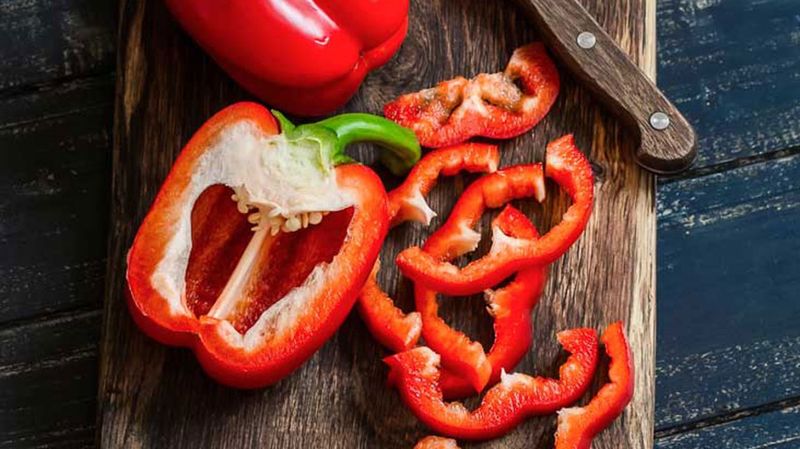
Forget oranges — red bell peppers actually contain nearly three times more vitamin C. That single fact makes them one of the most powerful immune-boosting vegetables you can eat.
Vitamin C helps your body produce white blood cells, which are the soldiers that fight infections. Red bell peppers also contain beta-carotene, which supports healthy skin and eyes.
Slice them raw into salads or stir-fries for maximum nutrient benefit.
2. Broccoli
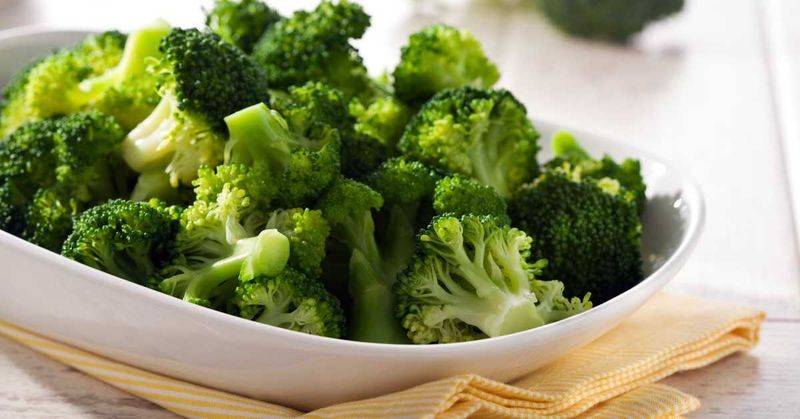
Broccoli is basically a tiny green tree packed with serious nutritional power. It contains vitamins A, C, and E, along with fibre and many other antioxidants that keep your immune system running smoothly.
The secret to getting the most out of broccoli is to cook it as little as possible. Lightly steaming it or eating it raw preserves those important nutrients.
Add it to pasta, soups, or enjoy it with a simple dip.
3. Spinach
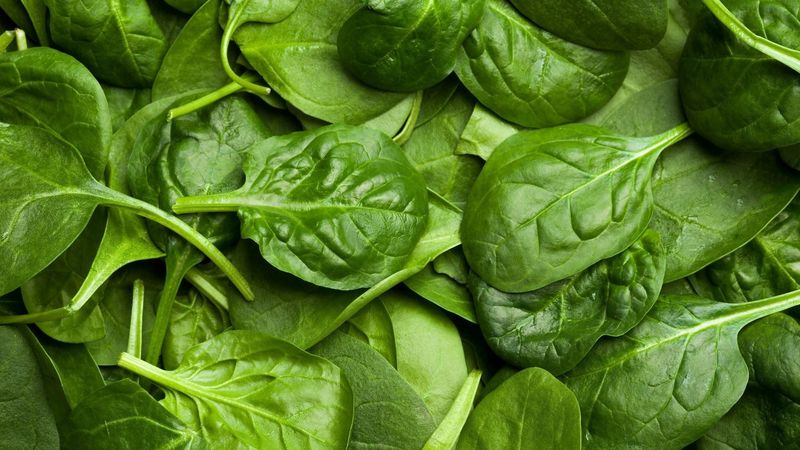
Popeye was definitely onto something. Spinach is loaded with vitamin C, beta-carotene, and numerous antioxidants that strengthen the body's infection-fighting abilities.
What makes spinach especially useful is how easy it is to sneak into meals. Toss it into smoothies, scrambled eggs, or pasta without changing the flavour much.
It is also rich in folate, which helps your body produce and repair DNA, keeping your cells healthy and your defences strong.
4. Sweet Potatoes
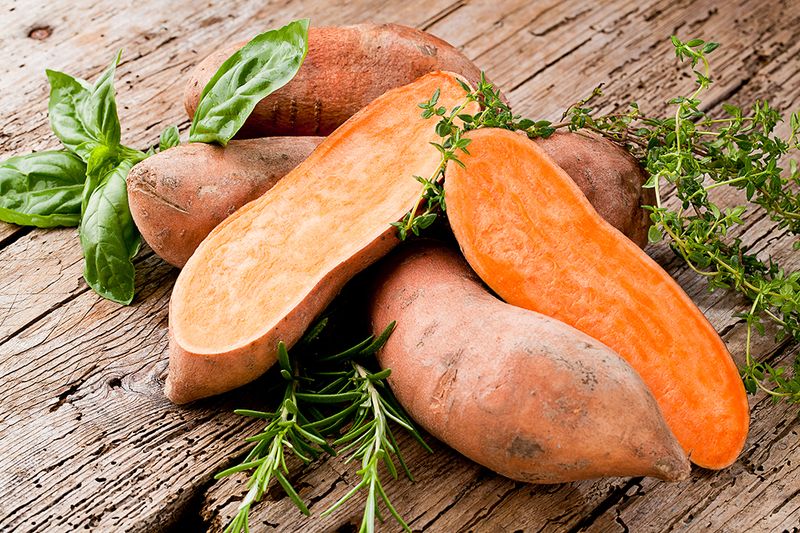
That gorgeous orange colour is your first clue that sweet potatoes are something special. The pigment comes from beta-carotene, which your body converts into vitamin A — a nutrient essential for maintaining healthy skin and mucous membranes that block out bacteria and viruses.
One medium sweet potato can provide more than your daily recommended intake of vitamin A. Roast them, mash them, or bake them whole for a warm, satisfying meal that quietly powers up your immunity.
5. Carrots
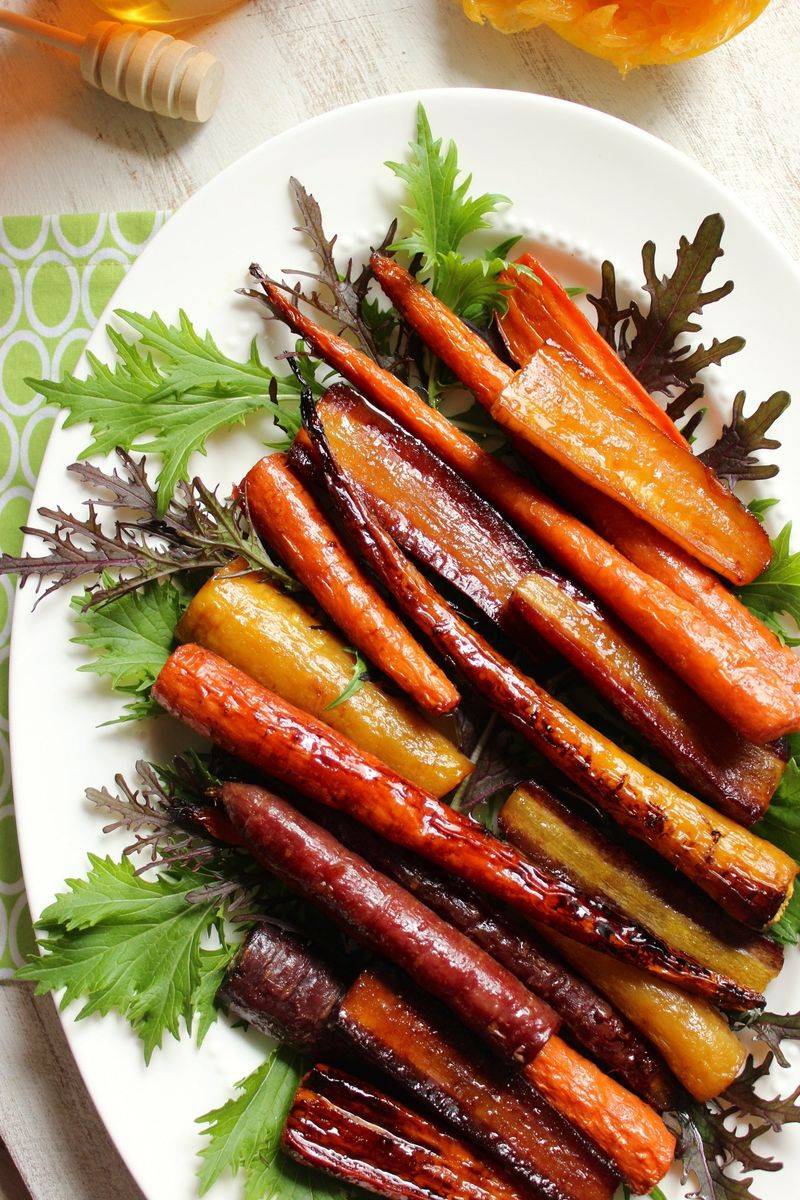
Carrots have been a lunchbox staple for generations, and there is a very good reason for that. Rich in beta-carotene and vitamin A, they help keep the lining of your respiratory tract healthy, which is your body's first barrier against airborne germs.
Crunching on raw carrots also gives your digestive system a good workout, and a healthy gut is closely linked to a stronger immune response. Try them roasted with a drizzle of honey for a flavour upgrade.
6. Purple Cabbage
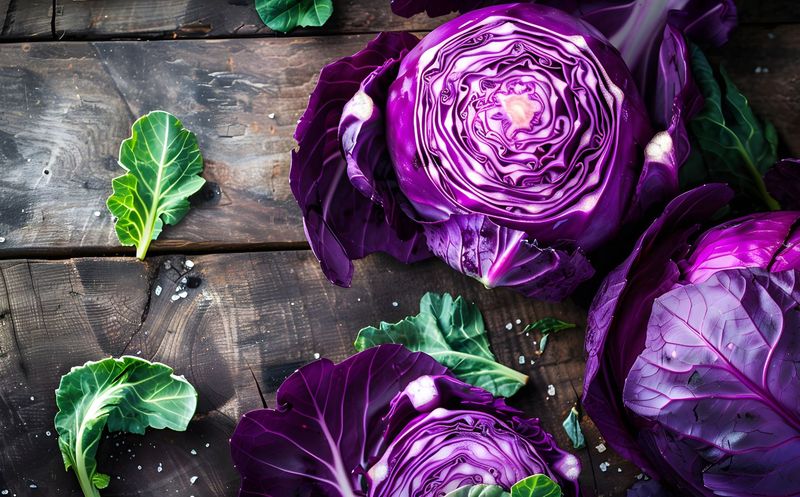
Purple cabbage looks dramatic on a plate, but its benefits go way beyond good looks. The deep purple colour signals the presence of anthocyanins, powerful antioxidants that reduce inflammation and help your immune system respond more effectively to threats.
It is also high in vitamin C and vitamin K, making it a well-rounded immune supporter. Shred it into slaws, add it to tacos, or lightly sauté it with garlic for a simple side dish that packs a real nutritional punch.
7. Beetroot
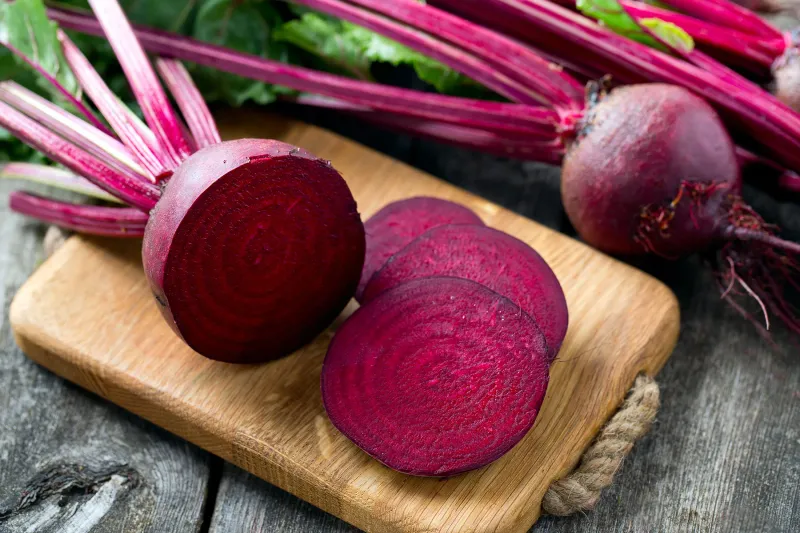
Beetroot's rich, jewel-toned colour is a giveaway that something powerful is going on inside. It contains betalains, a unique group of antioxidants that fight oxidative stress and inflammation — two things that can weaken your immune system over time.
Beetroot is also a good source of folate and iron, nutrients that support the production of healthy blood cells. Roast it, juice it, or grate it raw into salads for a bold, earthy boost to your immune health routine.
8. Pumpkin
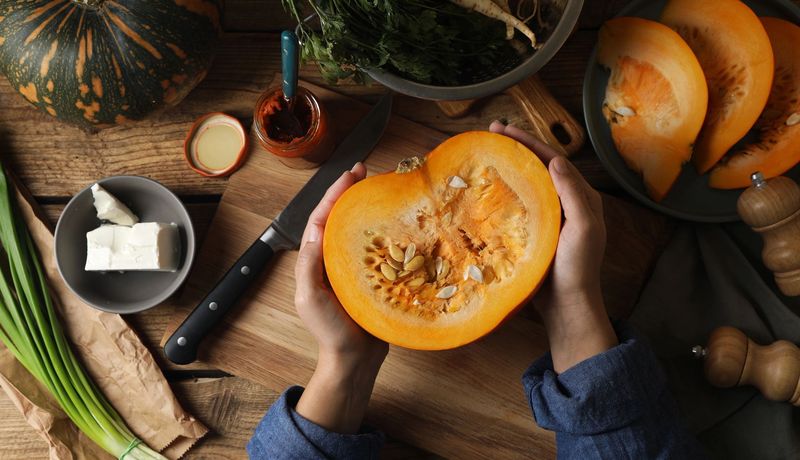
Pumpkin is not just for Halloween decorations — it is one of the most nutrient-dense orange vegetables available. Loaded with beta-carotene, vitamin C, and vitamin E, it gives your immune system several tools to work with at once.
The seeds are just as impressive, offering zinc, which is a mineral directly tied to immune cell function. Roast the flesh into soup, blend it into a sauce, or toast the seeds as a crunchy, zinc-rich snack your body will love.
9. Kale
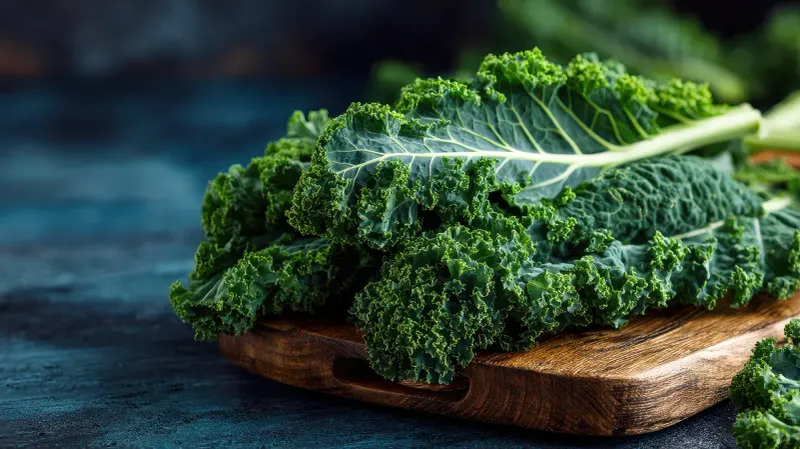
Kale has earned its superfood reputation honestly. This dark leafy green is one of the most nutrient-dense foods on the planet, offering large amounts of vitamins A, C, and K in a single serving.
Vitamin C in kale supports the production of collagen, which helps keep your skin strong as a physical barrier against germs. Massage raw kale with olive oil to soften it for salads, blend it into smoothies, or bake it into crispy chips for a fun, healthy snack.
10. Yellow Bell Peppers
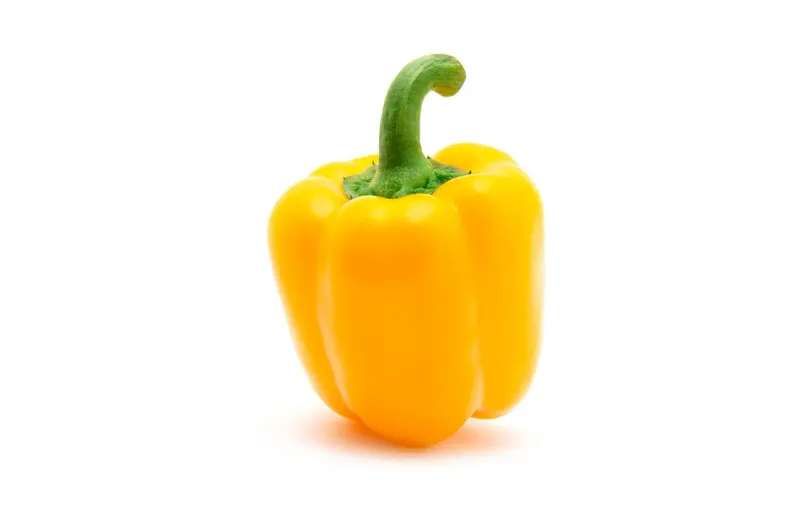
Yellow bell peppers might not get as much attention as their red cousins, but they hold their own when it comes to immune support. They are exceptionally high in vitamin C — even more so than many citrus fruits — and also provide vitamin B6, which helps regulate immune responses.
Their mild, slightly sweet flavour makes them incredibly versatile. Stuff them, roast them, or slice them into strips for a bright and crunchy addition to any meal that supports your health.
11. Garlic
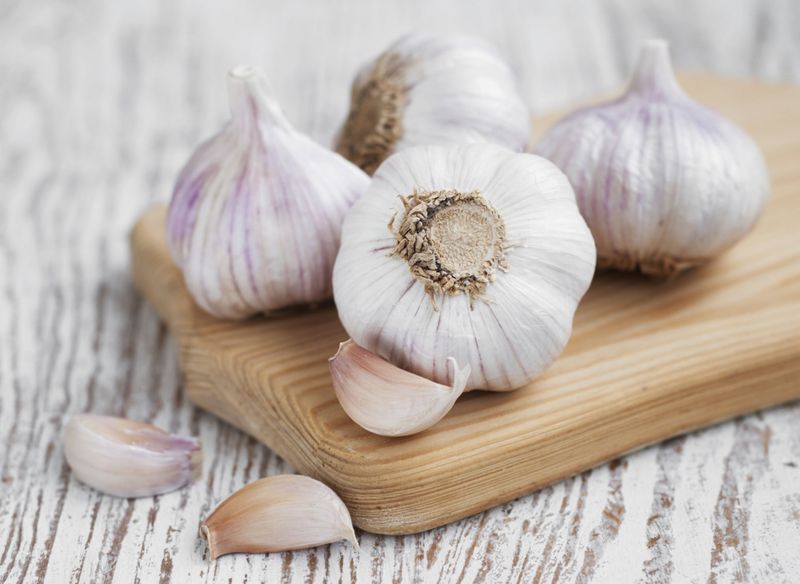
Garlic has been used as a natural remedy for thousands of years, and modern science backs up the hype. Its active compound, allicin, has strong antimicrobial and antiviral properties that help your body fight off illness before it takes hold.
Regular garlic consumption has been linked to fewer colds and a faster recovery time when sickness does strike. Crush or chop it and let it sit for a few minutes before cooking — this activates the allicin and maximises its immune-supporting effects.
12. Red Onions
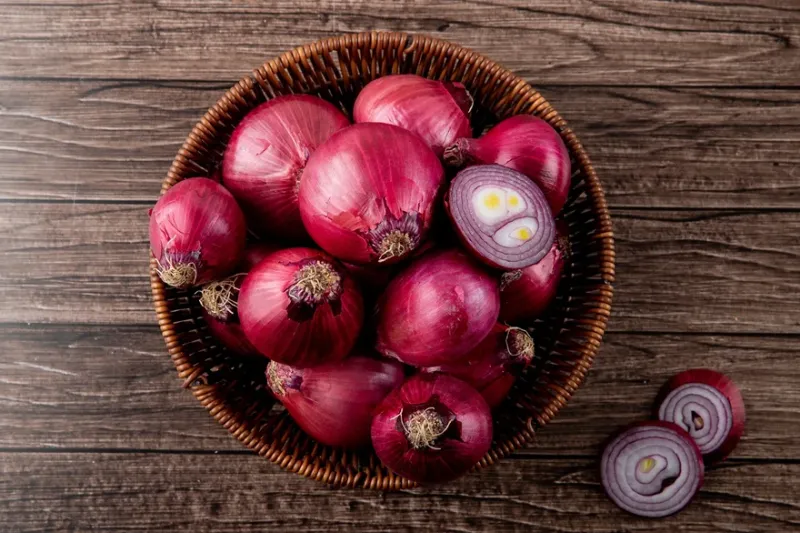
Red onions owe their striking colour to quercetin, a flavonoid antioxidant with well-documented anti-inflammatory and antiviral properties. Think of quercetin as a quiet bodyguard working inside your cells to reduce the damage caused by free radicals.
Red onions also contain vitamin C and prebiotic fibres that feed beneficial gut bacteria, strengthening your immune system from the inside out. Use them raw in salads for maximum quercetin content, or caramelise them slowly to bring out their natural sweetness.
13. Tomatoes
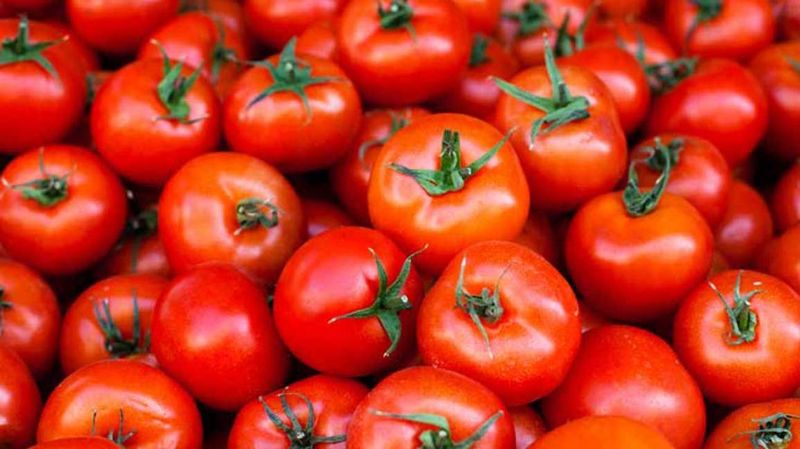
Technically a fruit by biology but firmly a vegetable in the kitchen, tomatoes bring a lot to the immune table. They are rich in lycopene, a powerful antioxidant that gives them their red colour and helps protect cells from damage caused by harmful free radicals.
Cooking tomatoes actually increases the availability of lycopene, so a warm tomato sauce is genuinely good for you. They also provide vitamins C and A, making them a reliable, everyday immune system ally.
14. Swiss Chard
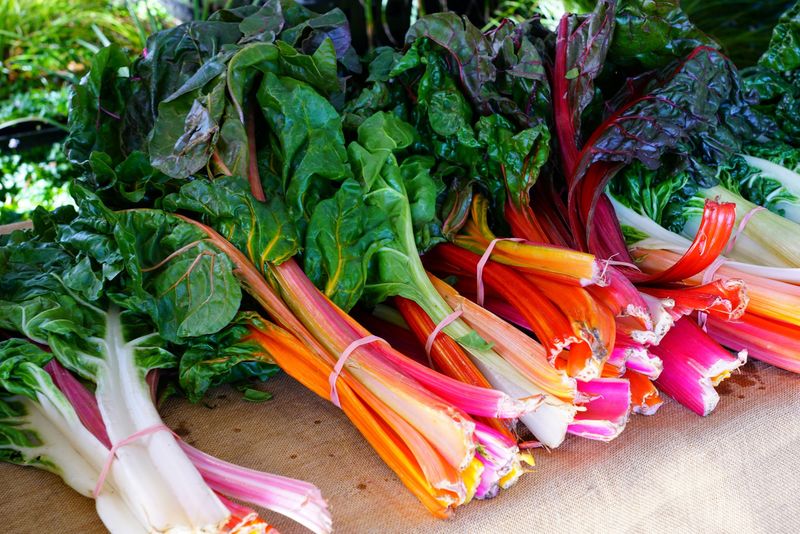
Swiss chard is a visual feast with its rainbow-coloured stems and deep green leaves, and the nutrition inside matches the display outside. It contains vitamins C, E, and K, along with magnesium and iron — a combination that keeps immune cells energised and active.
The colourful stems contain betacyanins and betaxanthins, two antioxidant families that reduce inflammation. Sauté it with olive oil and garlic for a quick side dish, or add the leaves to soups and grain bowls for extra colour and nutrition.
15. Green Peas
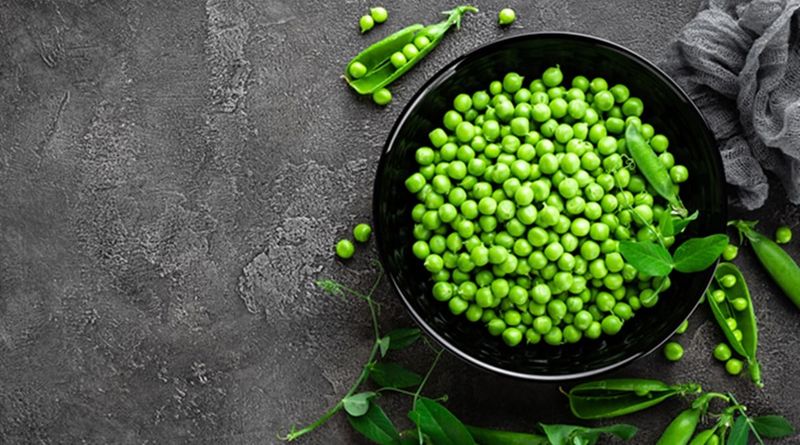
Small but seriously impressive, green peas pack a surprising amount of nutrition into their tiny round shells. They are a good source of vitamins C and K, as well as zinc — a mineral that plays a central role in the development and function of immune cells.
Green peas also contain plant-based protein and fibre, supporting gut health which is closely connected to immune function. Add them to rice dishes, stir-fries, or soups for an easy, affordable way to strengthen your body's defences.
16. Butternut Squash
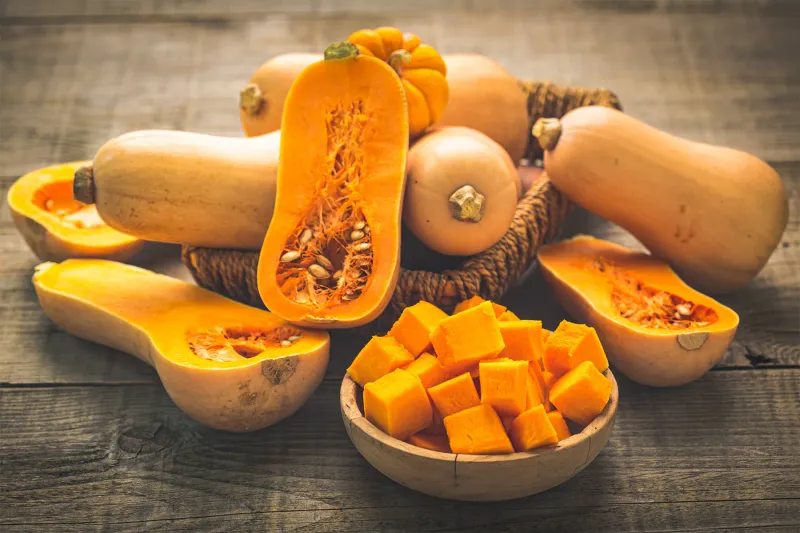
Butternut squash is the kind of vegetable that feels like a warm hug on a cold day. Its deep orange flesh is loaded with beta-carotene, vitamin C, and vitamin E — three heavy hitters for immune support that work together to protect your cells from damage.
It is also surprisingly high in magnesium, which helps regulate the inflammatory response in your body. Roast it with cinnamon and a drizzle of olive oil for a comforting dish that doubles as an immunity booster.
17. Asparagus
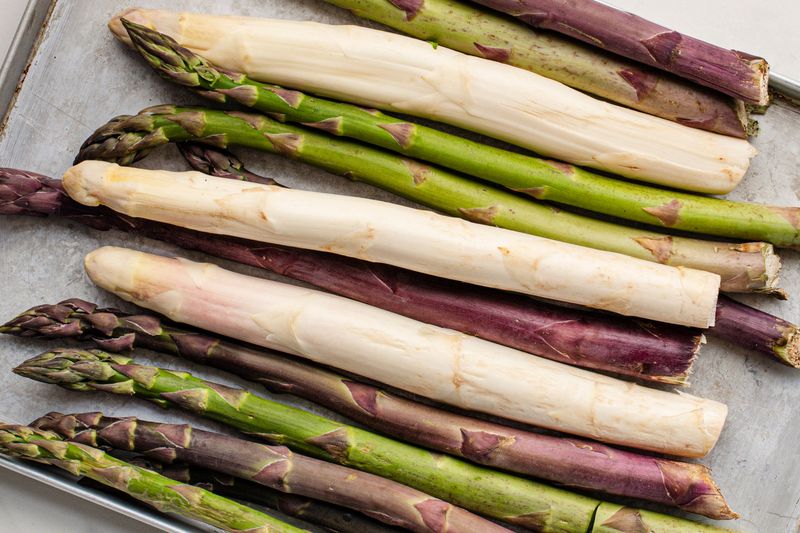
Asparagus has a long history as a health food, and its immune credentials are solid. It is rich in folate, vitamins C and E, and contains a prebiotic fibre called inulin that feeds the good bacteria living in your gut — a direct line to better immune health.
A well-balanced gut microbiome helps regulate immune responses and reduces the risk of chronic inflammation. Grill asparagus with a little lemon and sea salt for a simple side dish that does a whole lot of good quietly behind the scenes.
18. Turmeric Root
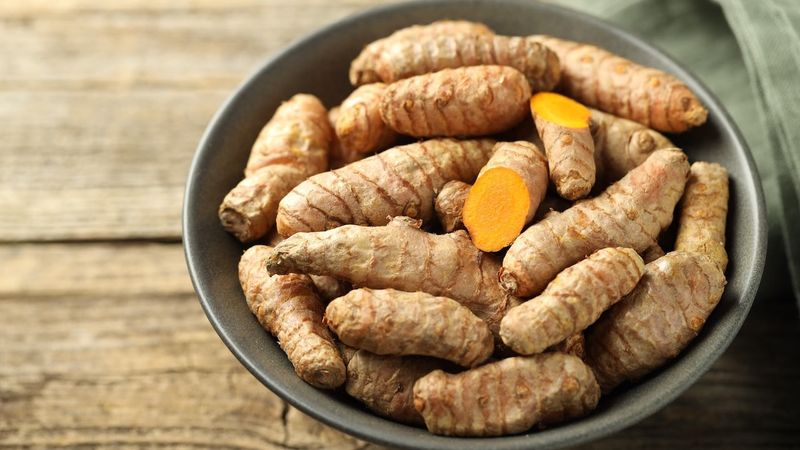
Turmeric root looks like a smaller, more intensely coloured version of ginger, and its bright golden interior hints at the power stored inside. Curcumin, its active compound, is one of the most studied natural anti-inflammatory agents in the world.
Chronic inflammation quietly weakens your immune system over time, and curcumin helps dial it back. Grate fresh turmeric into smoothies, teas, or soups for maximum effect.
Pairing it with black pepper dramatically increases how much curcumin your body can actually absorb.




Comments
No Comments