













Ever wonder why food at restaurants tastes so much better than what you make at home? The secret usually comes down to the cooking methods chefs use every single day.
Learning these techniques can completely change the way your meals turn out, making them richer, crispier, or more flavorful than ever before. Whether you are a beginner or already comfortable in the kitchen, these methods are worth trying.
1. Searing
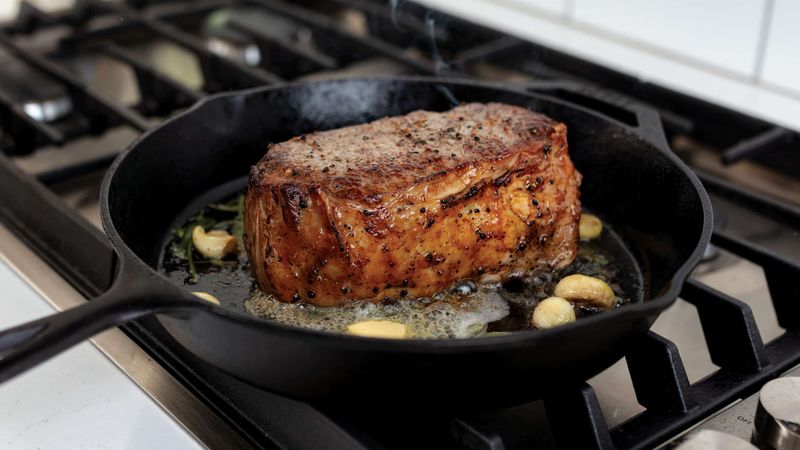
That gorgeous, caramel-brown crust on a restaurant steak? That comes from searing.
You cook meat over very high heat for a short time, locking in flavor and creating a crispy outside while keeping the inside juicy.
The key is making sure your pan is screaming hot before the meat touches it. Pat your protein dry first so it browns instead of steams.
A little oil with a high smoke point, like avocado oil, works perfectly here.
2. Deglazing
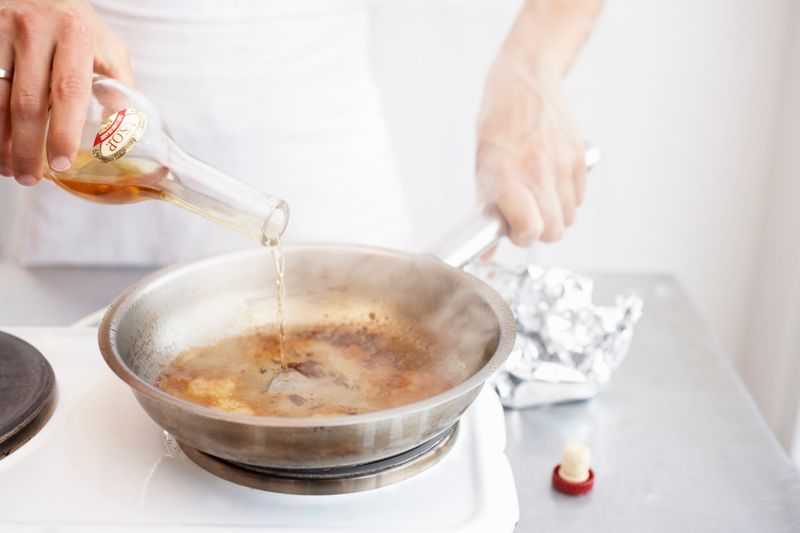
All those stuck brown bits at the bottom of your pan after cooking meat? They are pure flavor gold, and deglazing is how you rescue them.
Simply pour a liquid like wine, broth, or even juice into the hot pan and scrape everything up.
This technique is the backbone of most restaurant pan sauces. The liquid loosens the caramelized bits and combines them into a rich, complex sauce in minutes.
It feels fancy but takes almost no extra effort.
3. Basting
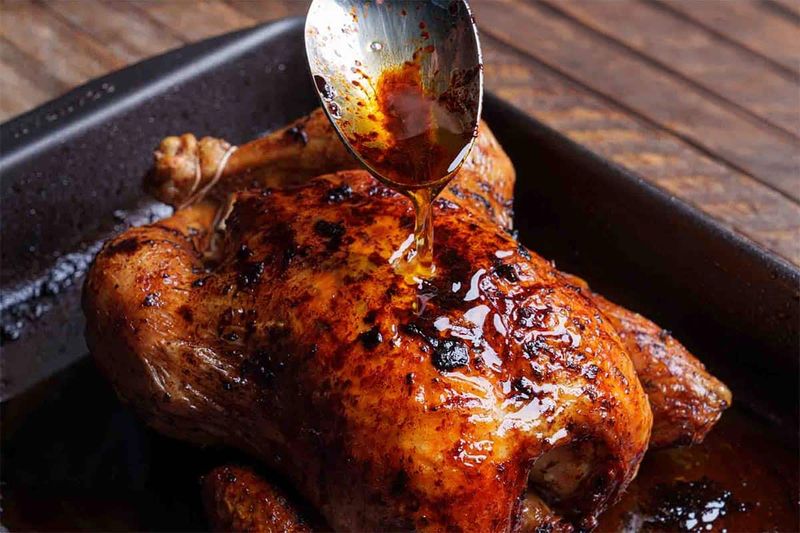
Basting is like giving your food a spa treatment while it cooks. You spoon or brush hot fat, butter, or juices over meat repeatedly during cooking to keep it moist and build up layers of flavor on the outside.
Chefs baste steaks with foamy butter, garlic, and thyme in the final minutes of pan cooking. This simple habit adds incredible richness and aroma.
Even roasting a chicken becomes extraordinary when you baste every 20 minutes with its own drippings.
4. Blanching and Shocking
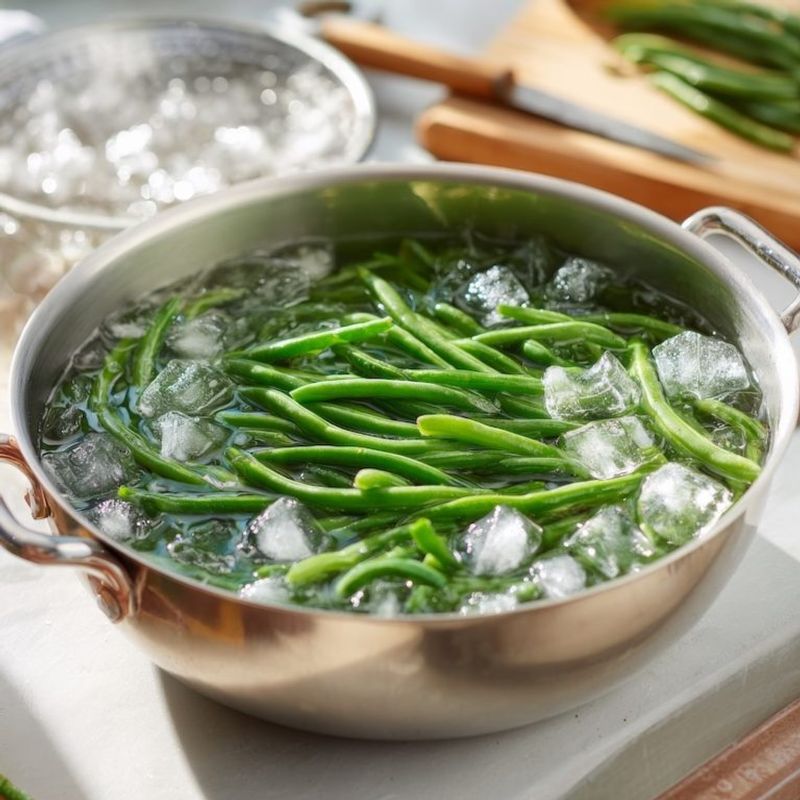
Restaurants always seem to have vegetables that are brilliantly colored and perfectly tender. Their secret is blanching and shocking.
You briefly boil vegetables, then immediately plunge them into ice water to stop the cooking process dead in its tracks.
Blanching softens vegetables just enough while the ice bath locks in that vivid green color and crisp texture. It also removes bitterness from some veggies.
Prep them this way ahead of dinner and simply reheat when ready to serve.
5. Braising
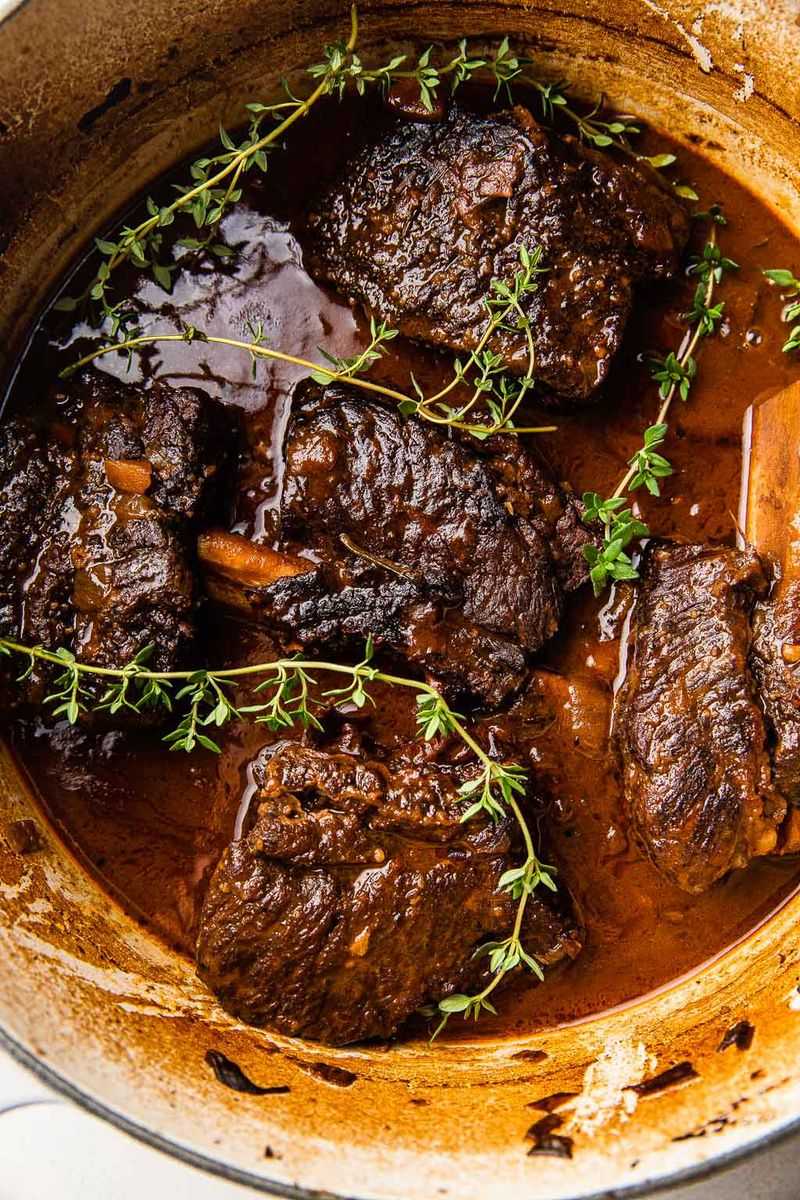
Tough, cheaper cuts of meat become melt-in-your-mouth tender through braising, which is one of the most satisfying cooking methods to master. You sear the meat first, then cook it low and slow in a flavorful liquid inside a covered pot.
The magic happens over several hours as collagen breaks down into silky gelatin. Short ribs, lamb shanks, and chicken thighs are perfect for this.
The braising liquid reduces into a deeply flavored sauce that practically makes itself.
6. Emulsifying
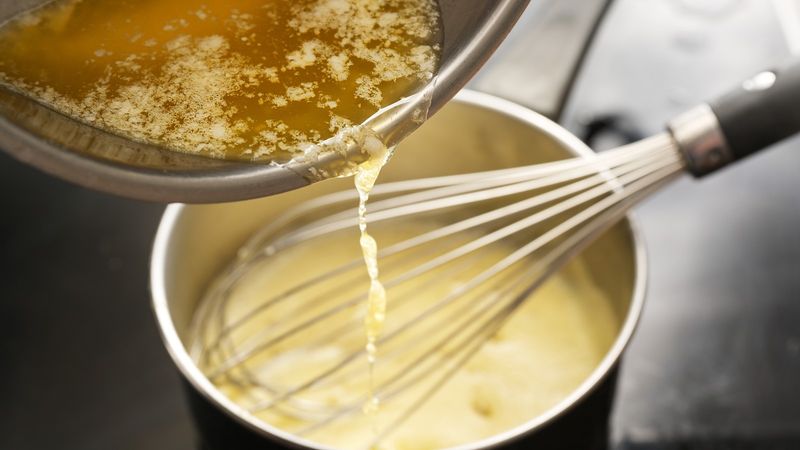
Emulsifying sounds complicated, but it just means combining two things that normally do not mix, like oil and water, into a smooth, creamy sauce. Think of hollandaise, mayonnaise, or a silky vinaigrette that stays together instead of separating.
The trick is adding the fat very slowly while whisking constantly, which forces tiny droplets to stay suspended in the liquid. Emulsified sauces are what give restaurant dishes that luxurious, coating-your-tongue richness.
Once you nail this, your homemade sauces will never be the same.
7. Resting Meat
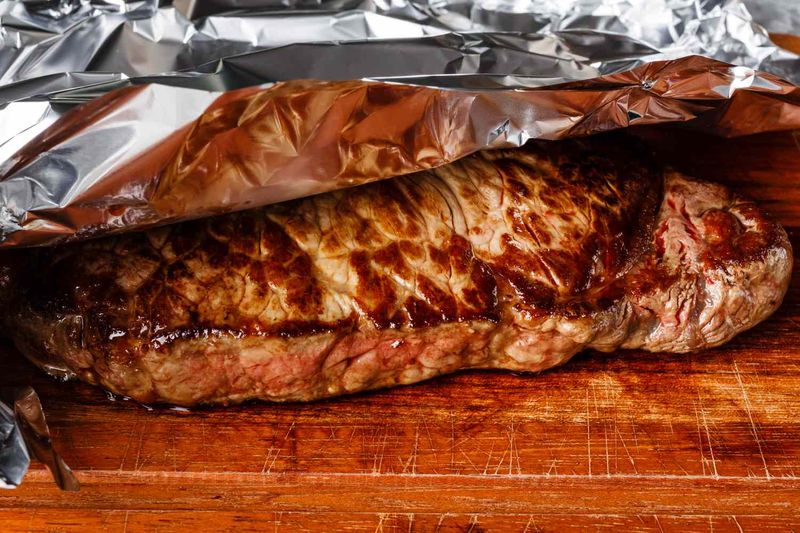
Cutting into a steak right off the heat is one of the most common mistakes home cooks make. All the juices rush out immediately, leaving dry, disappointing meat on your plate.
Resting solves this completely.
When meat rests, the muscle fibers relax and reabsorb those flavorful juices evenly throughout. A steak needs about five minutes; a roast needs fifteen to twenty.
Loosely tent it with foil to keep it warm. Restaurants never skip this step, and neither should you.
8. Tempering
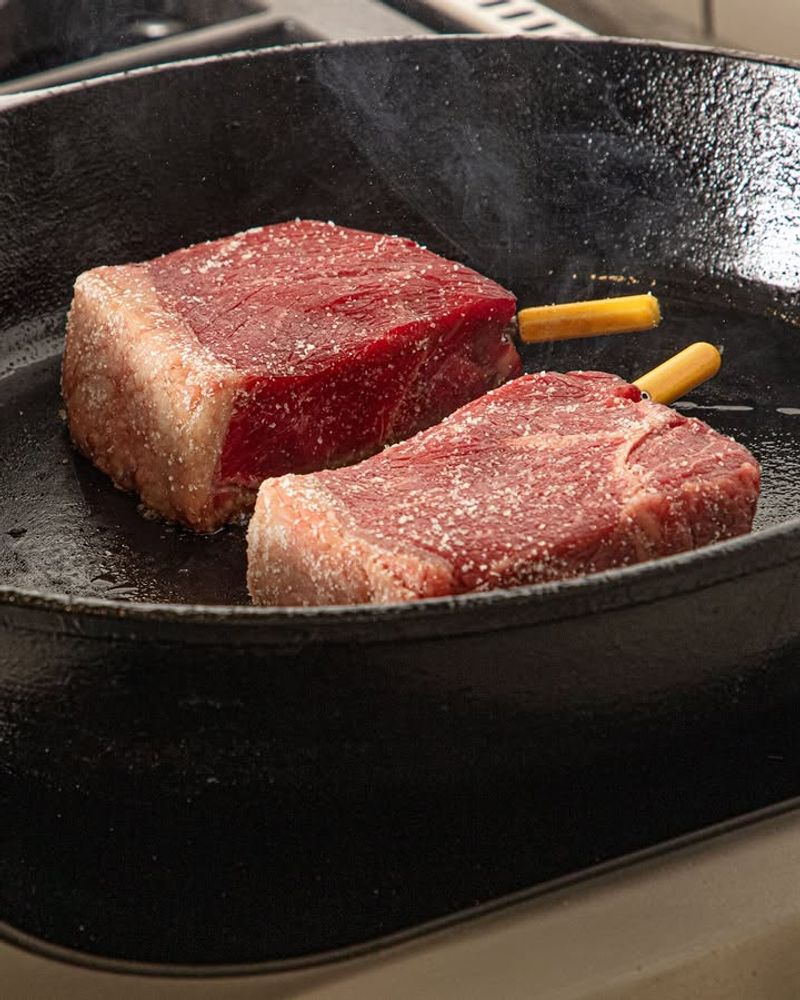
Did you know cold meat straight from the fridge cooks unevenly? The outside overcooks before the inside reaches a safe temperature.
Tempering fixes this by letting your protein sit at room temperature for 20 to 30 minutes before cooking.
This simple habit leads to more evenly cooked chicken, steak, and fish every single time. Restaurants always temper their proteins before cooking, which is a big reason their results are so consistent.
It costs you nothing but a little patience.
9. Mise en Place
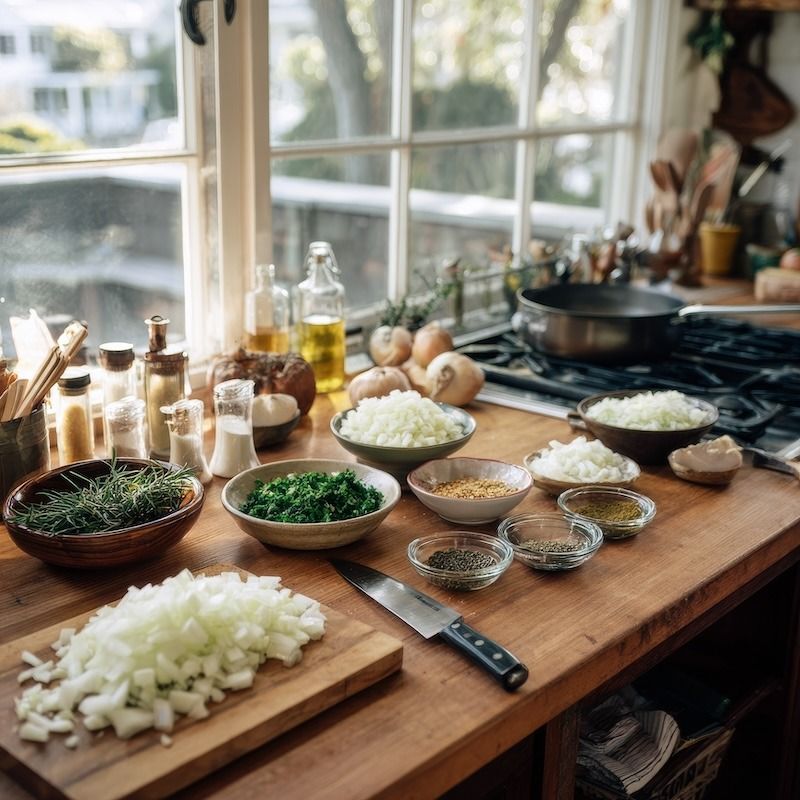
Mise en place is a French phrase meaning everything in its place, and it is arguably the most important habit professional chefs practice. Before any cooking begins, every ingredient is prepped, measured, and set out within easy reach.
When you cook without prep, you scramble, rush, and burn things while chopping the next ingredient. Mise en place eliminates all of that chaos.
Even spending ten extra minutes prepping before you start cooking makes the whole process smoother, more enjoyable, and produces much better results.
10. Reduction
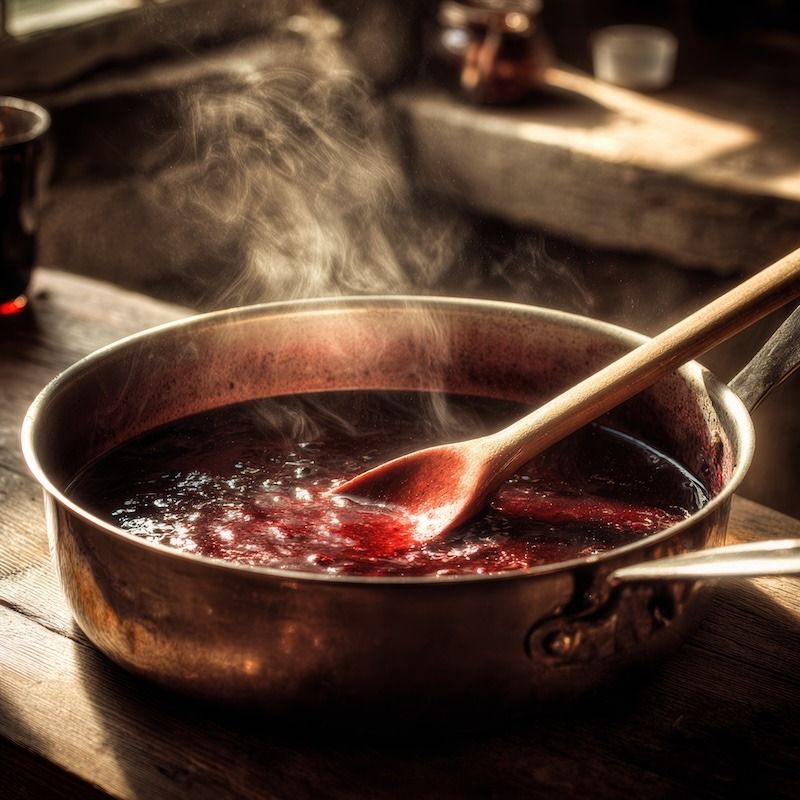
Reduction is how restaurants transform a thin, watery liquid into a rich, intensely flavored sauce without adding any thickeners. You simply simmer the liquid over medium heat and let water evaporate, concentrating everything that tastes great.
Balsamic reductions, wine sauces, and pan drippings all get their bold flavor this way. Patience is the only real skill required.
Keep the heat steady, stir occasionally, and watch as something ordinary becomes something incredible. It is one of those techniques that feels like a kitchen superpower.
11. Poaching
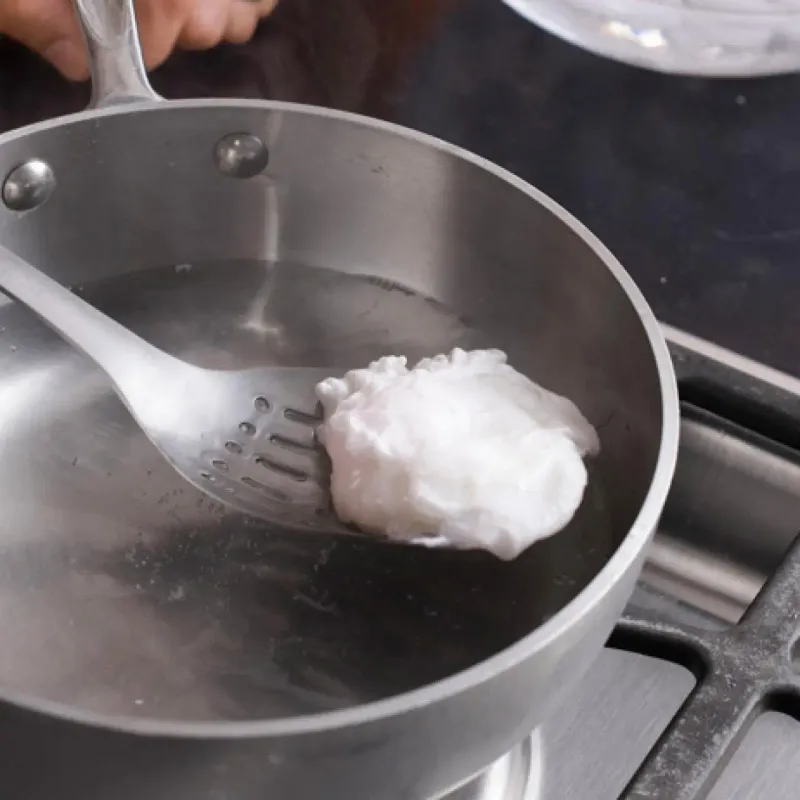
Poaching gets an unfair reputation for being boring, but done right, it produces some of the most delicate and flavorful results imaginable. You cook food gently in hot liquid that is just below a boil, usually between 160 and 180 degrees Fahrenheit.
Eggs, fish, and chicken all shine when poached because the gentle heat keeps them incredibly tender. Adding aromatics like herbs, lemon, or wine to the poaching liquid infuses subtle flavor throughout.
Fancy brunch spots charge a lot for poached eggs you can easily make at home.
12. Dry Brining
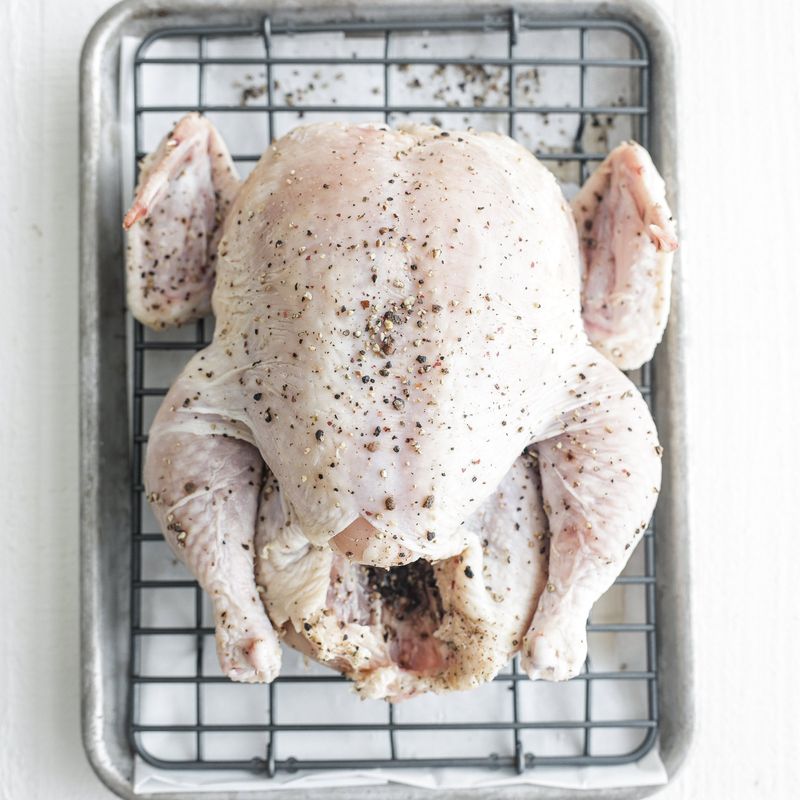
Forget soaking meat in a bucket of salty water. Dry brining is cleaner, easier, and many chefs argue it produces even better results.
You simply rub salt generously all over your protein and let it rest uncovered in the refrigerator for several hours or overnight.
The salt draws out moisture initially, then gets reabsorbed along with the dissolved proteins, seasoning the meat deeply from the inside out. The surface also dries out, which leads to incredibly crispy skin on chicken and crackling on pork roasts.
13. Finishing with Butter
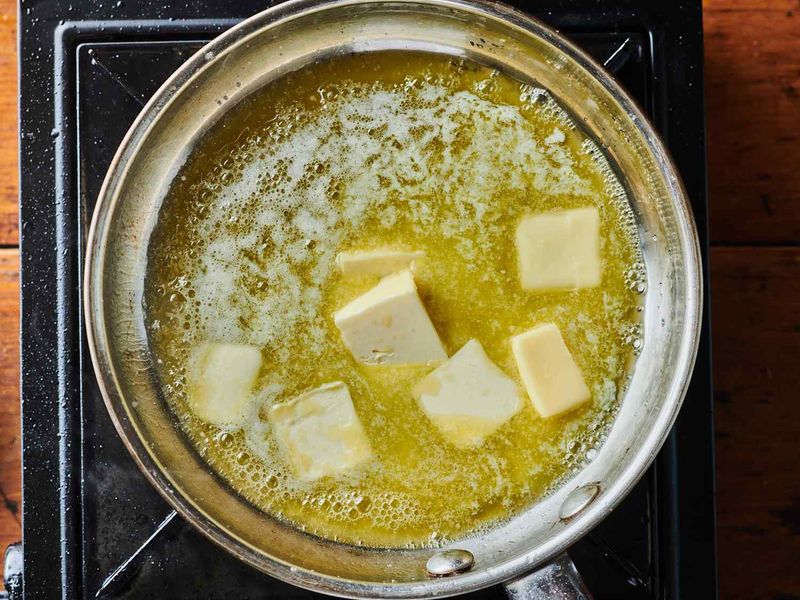
Ever notice that restaurant sauces have a silky, glossy finish that home versions rarely achieve? The answer is almost always butter, added at the very end of cooking.
This technique is called mounting with butter, or monter au beurre in French.
You swirl cold butter cubes into a warm sauce just before serving, which thickens it slightly and adds a luxurious richness without making it heavy. Never let the sauce boil after adding butter or it will break.
This one trick upgrades nearly every savory dish immediately.
14. Broiling
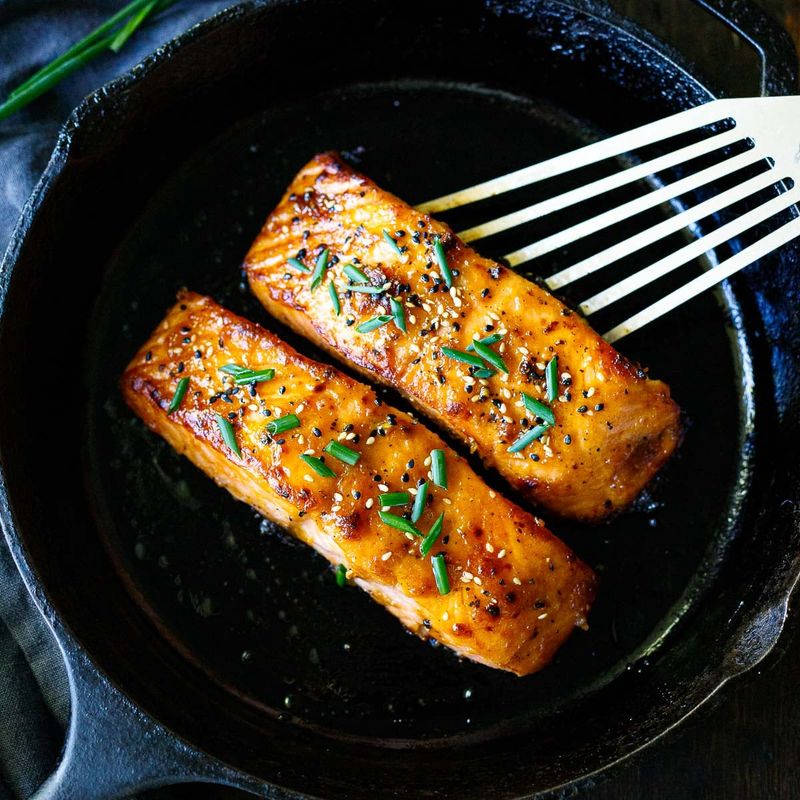
Broiling is basically grilling upside down. Your oven's broiler blasts intense heat from above, caramelizing surfaces and creating that charred, slightly crispy finish that makes food look and taste incredible.
It works fast, usually in just a few minutes.
Restaurants use broilers to finish dishes, melt cheese, caramelize the sugar on a creme brulee, or crisp up fish skin. Keep the oven door slightly open and watch closely because things can go from perfect to burnt quickly.
Broiling is an underused tool in most home kitchens.
15. Steaming
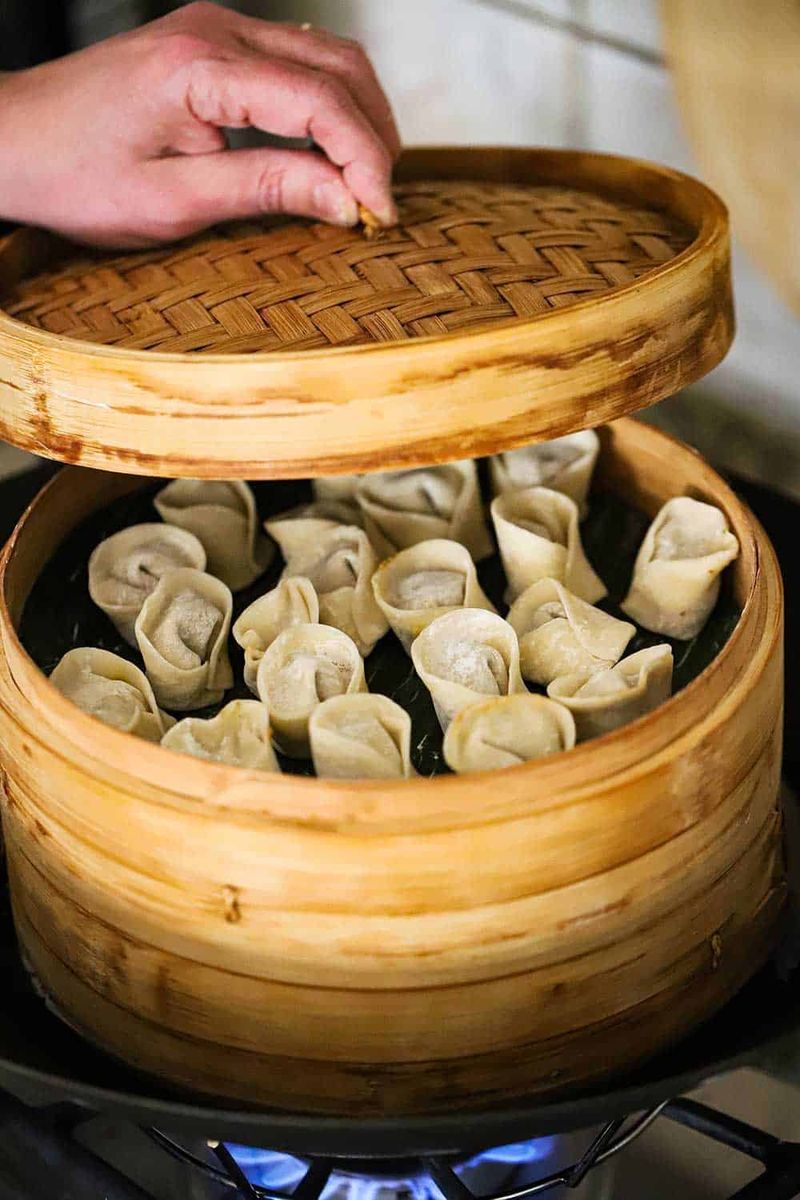
Steaming is one of the healthiest cooking methods around, and it keeps food incredibly moist and vibrant. Unlike boiling, steam cooking does not leach nutrients into water, which means vegetables stay more nutritious and flavorful.
Asian restaurants use bamboo steamers for dumplings, fish, and vegetables with amazing results. Even a simple metal steamer basket over a pot of boiling water works great at home.
Adding aromatics like ginger or lemongrass to the water perfumes the steam and subtly flavors whatever you are cooking above it.
16. Caramelizing Onions
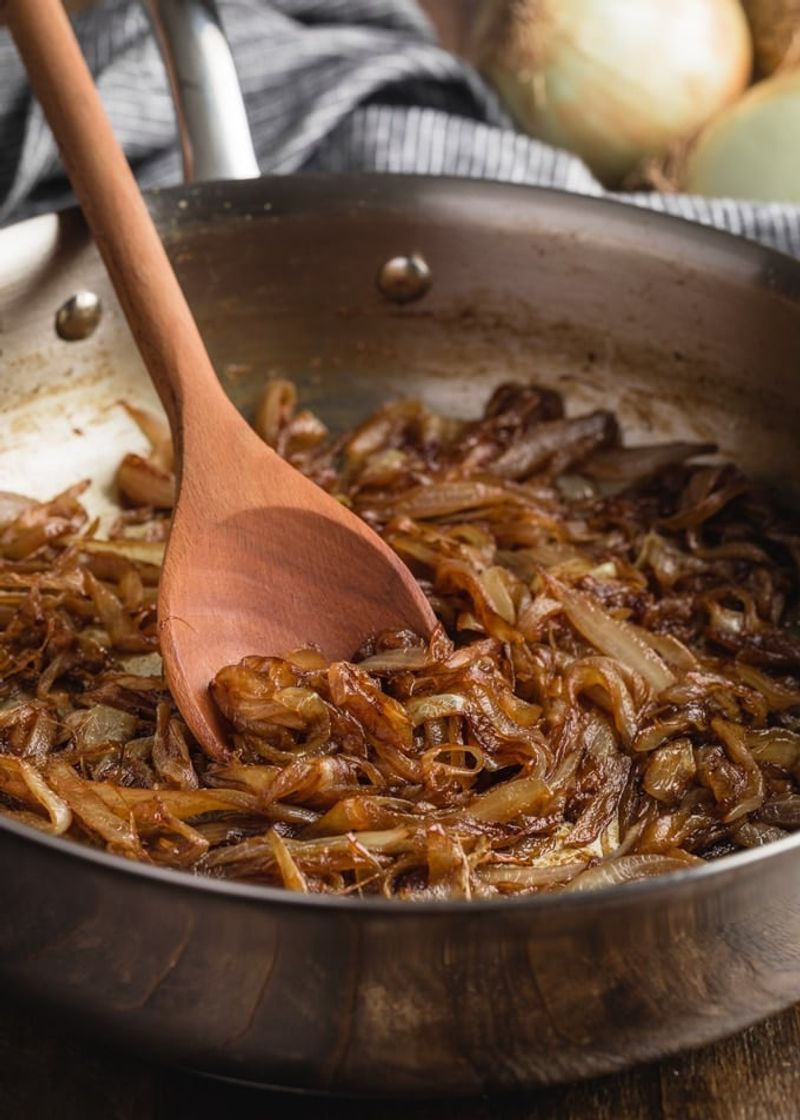
Caramelized onions are one of the most misunderstood things in cooking. Many recipes say they take ten minutes, but real caramelized onions need at least 45 minutes over low heat.
Rushing them gives you soggy, pale onions, not the sweet, deeply golden result you want.
Low and slow is the only way. The natural sugars in onions break down gradually, creating complex, almost jam-like sweetness.
These onions elevate burgers, pasta, pizza, soups, and sandwiches instantly. Making a big batch on the weekend and storing them pays off all week long.
17. Using a Cast Iron Skillet
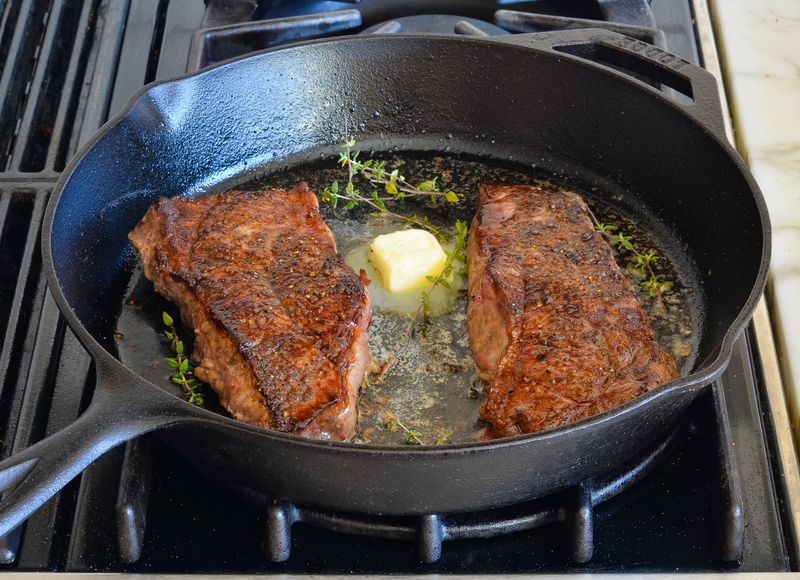
A cast iron skillet is one of the most beloved tools in professional and home kitchens alike for good reason. It holds heat exceptionally well and distributes it evenly, which means your food gets a consistent sear across the entire surface every time.
Cast iron also moves seamlessly from stovetop to oven, making it incredibly versatile. Steaks, cornbread, fried chicken, and even skillet cookies all benefit from its unique properties.
With proper seasoning and care, a cast iron pan becomes virtually nonstick and genuinely improves with every use over the years.
18. Flambeing
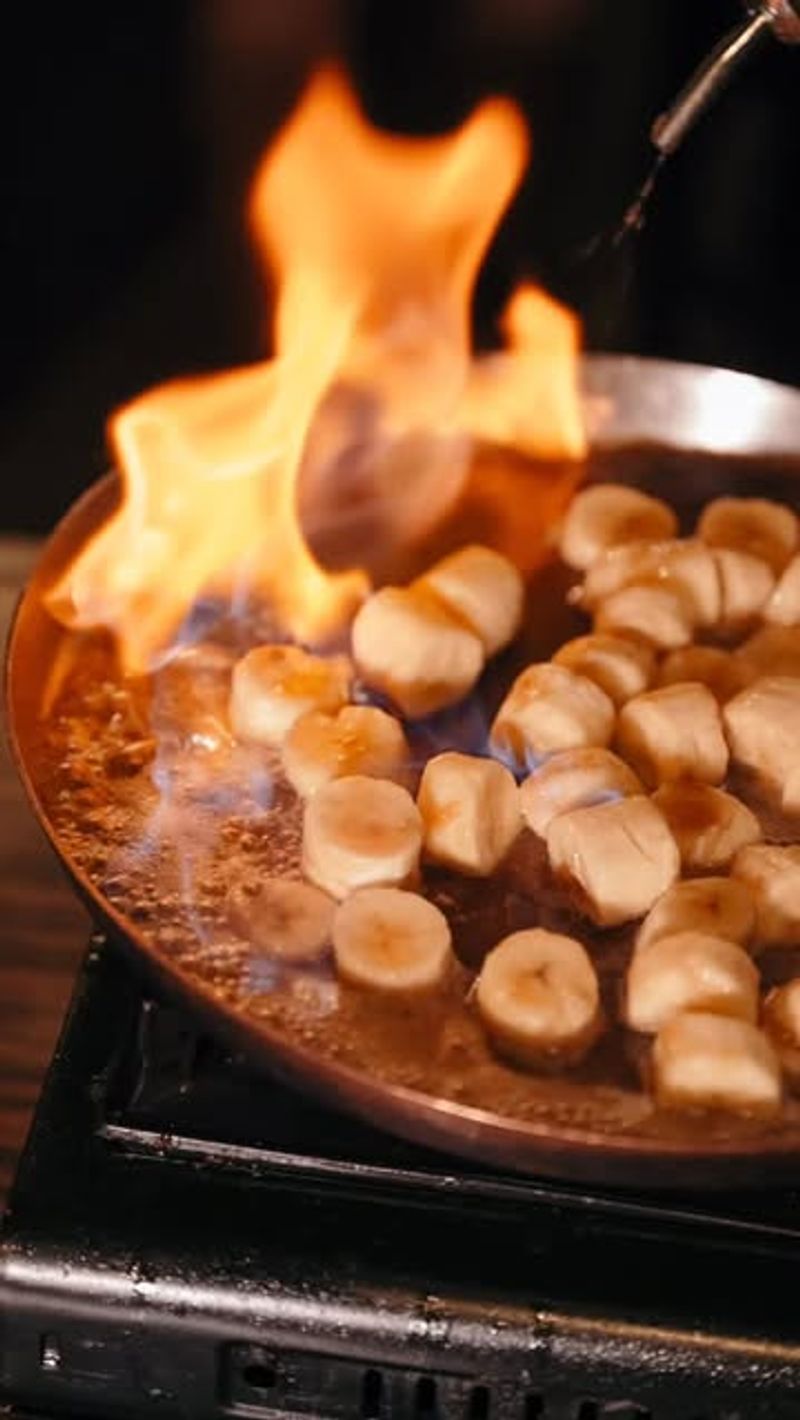
Few cooking techniques are as dramatic and impressive as flambeing, where you ignite alcohol in a hot pan and let it burn off in a burst of gorgeous flames. Beyond the wow factor, it actually serves a real culinary purpose.
The quick fire burns away harsh alcohol notes while leaving behind complex flavor from the spirit. Dishes like Bananas Foster, Cherries Jubilee, and steak au poivre all use this technique.
Always tip the pan away from you and keep a lid nearby. The flames die down in seconds, leaving something extraordinary behind.
19. Sous Vide
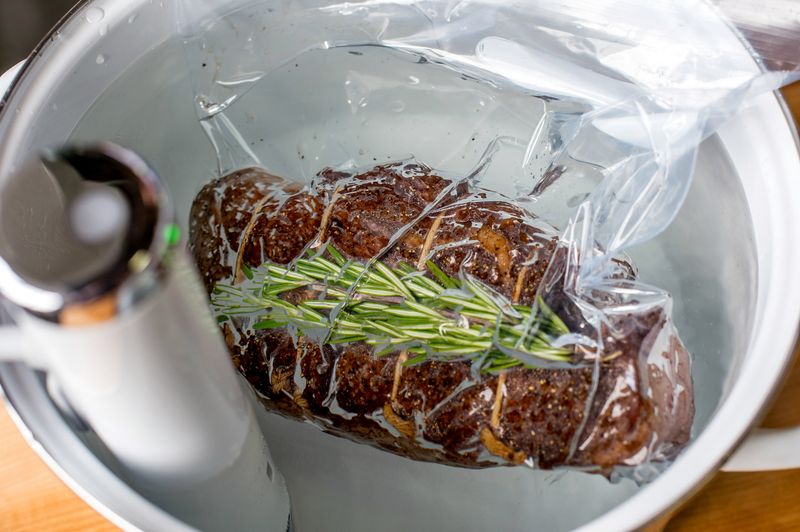
Sous vide might sound like something reserved for high-end restaurants, but home cooks have been embracing it for years now. You seal food in a bag and cook it in a precisely temperature-controlled water bath for an extended period, achieving perfect doneness every single time.
Because the temperature never exceeds your target, it is nearly impossible to overcook anything. Chicken comes out juicy, steak hits your preferred doneness edge to edge, and fish stays silky.
Affordable immersion circulators make this technique accessible for anyone serious about leveling up their cooking game.
20. Seasoning in Layers
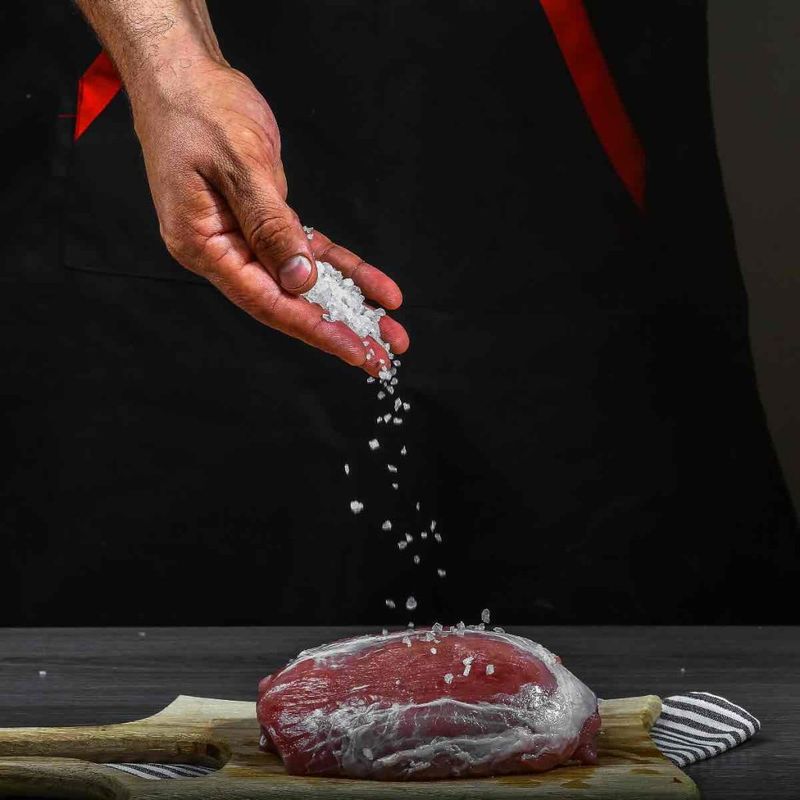
One of the biggest differences between restaurant cooking and home cooking is when and how often seasoning gets added. Professionals season at every single stage of cooking, not just at the end.
Salt added early draws out moisture and builds foundational flavor that you simply cannot replicate by salting a finished dish.
Season your oil before vegetables go in, salt pasta water generously, taste sauces as they develop, and adjust before serving. Building flavor in layers creates depth and complexity that makes food taste like something far more than the sum of its ingredients.
Comments
No Comments