













Most of us reach for the same handful of spices every time we cook — salt, pepper, maybe some garlic powder. But the world of spices is enormous, full of bold, strange, and surprisingly delicious flavors waiting to transform your meals.
From smoky seeds to floral powders, these hidden gems have been used in kitchens around the world for centuries. Get ready to shake up your spice rack and discover 15 unusual spices that deserve a permanent spot in your pantry.
1. Grains of Selim
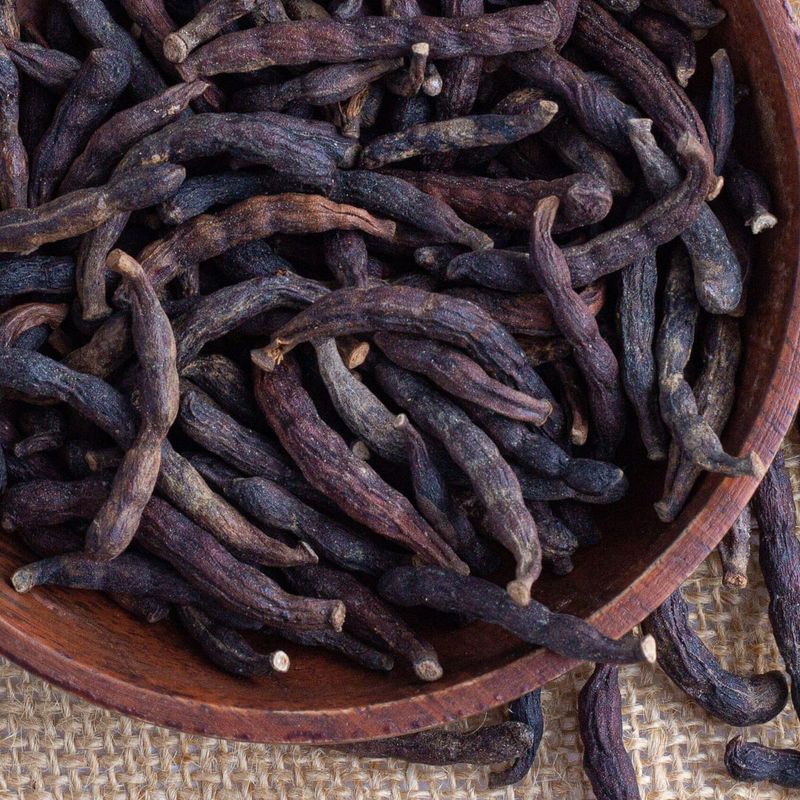
Crack open a pod of Grains of Selim and you'll catch a whiff of something smoky, musky, and almost peppery — like black pepper went on an adventure to West Africa. Used widely in Senegalese and Ethiopian cooking, these dried pods add deep, earthy warmth to soups and stews.
Try crushing them lightly and adding them to slow-cooked bean dishes or grilled meats. A little goes a long way, so start with just one or two pods.
2. Ajwain (Carom Seeds)
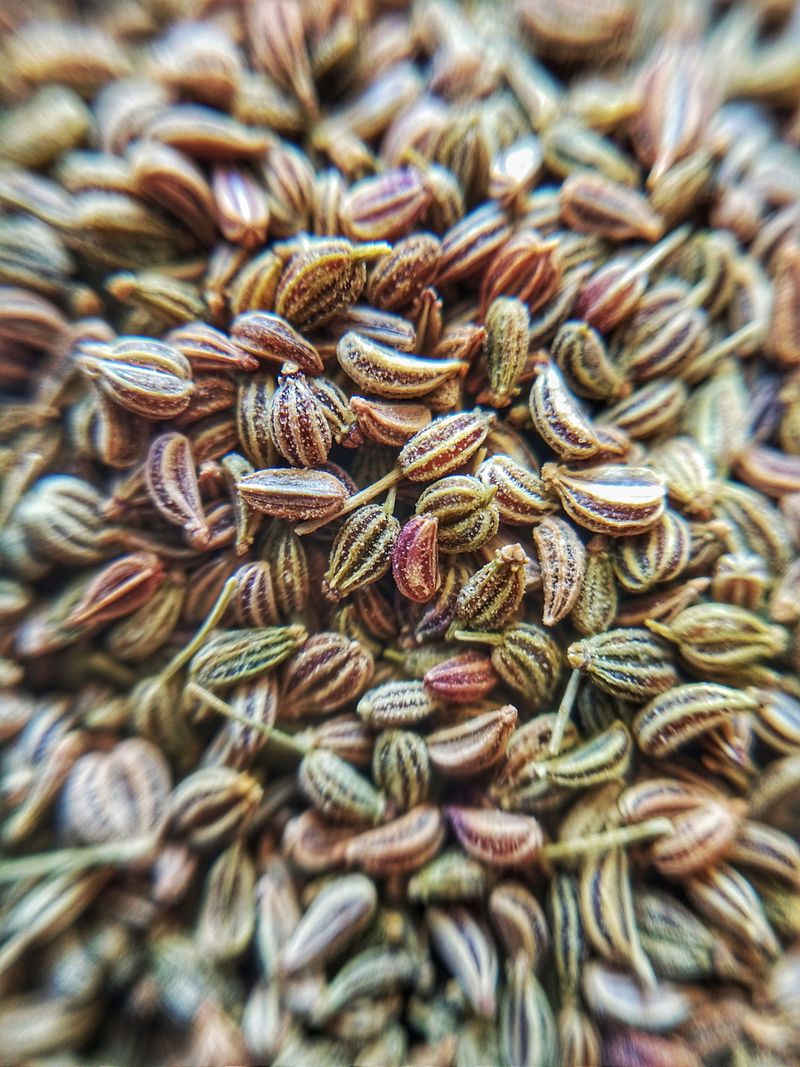
Ajwain smells like thyme and tastes like a bolder, slightly bitter cousin of oregano — and once you try it, you'll wonder why it isn't in every kitchen. Hugely popular in Indian and Pakistani cooking, these tiny seeds punch way above their weight in flavor.
Toss them into flatbread dough, sprinkle over roasted vegetables, or fry them in butter before adding lentils. Bonus: they're also known to help with digestion after big meals.
3. Sumac
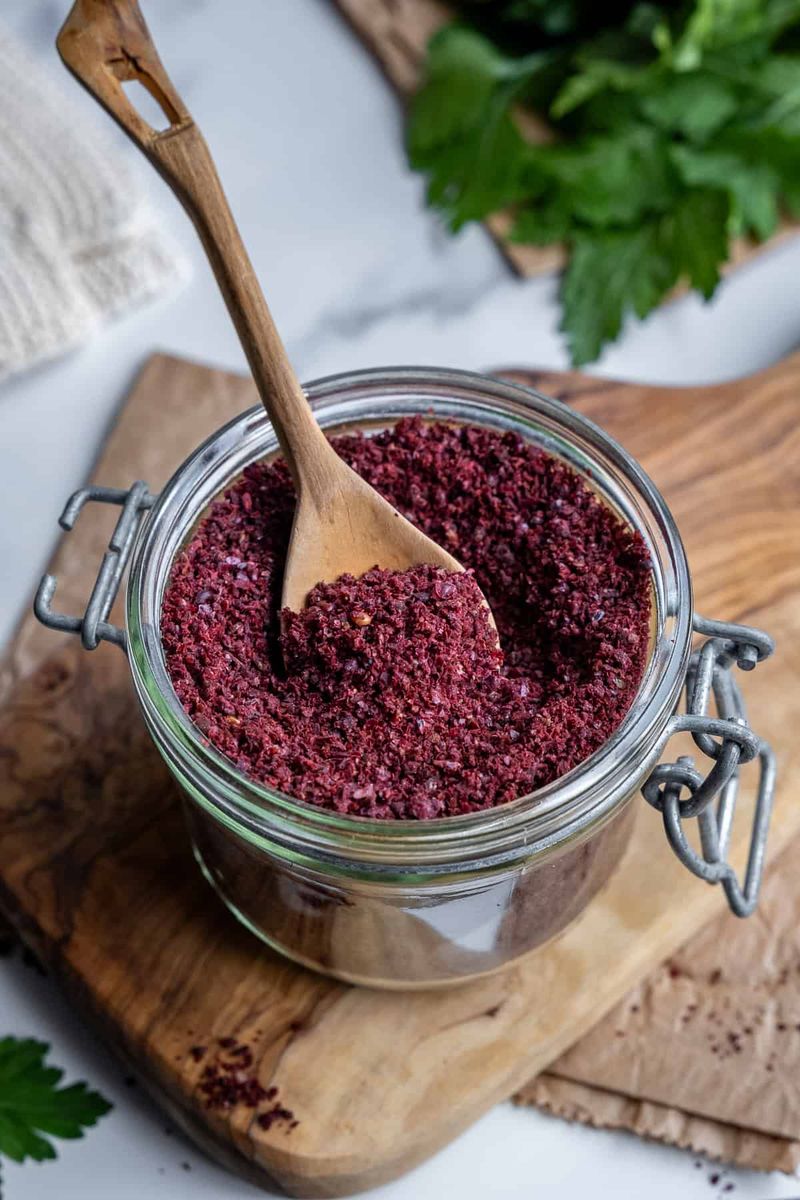
Before lemons became a kitchen staple, cooks across the Middle East were using sumac to add that bright, tangy punch to their dishes. Ground from dried red berries, it has a fruity sourness that wakes up everything it touches.
Sprinkle it over hummus, grilled chicken, or even scrambled eggs for a burst of citrusy flavor without any actual citrus. It also looks gorgeous — that deep crimson color makes every dish look like a work of art.
4. Asafoetida (Hing)
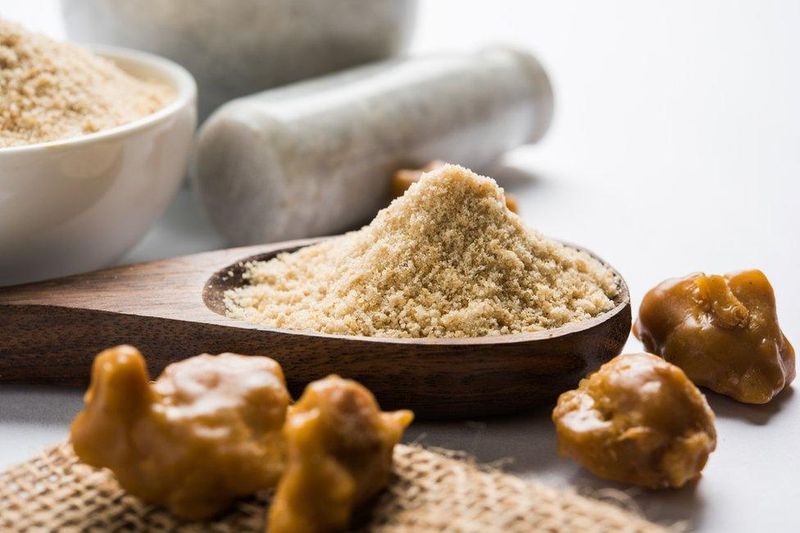
Fair warning: asafoetida smells absolutely terrible straight from the jar. Raw, it reeks of sulfur and old onions — but the moment it hits hot oil, something magical happens.
The harsh smell vanishes and is replaced by a rich, savory, onion-garlic aroma that transforms lentils and vegetable dishes.
Just a tiny pinch is all you need. It's a staple in Indian vegetarian cooking, especially for people who avoid onions and garlic for dietary reasons.
5. Epazote
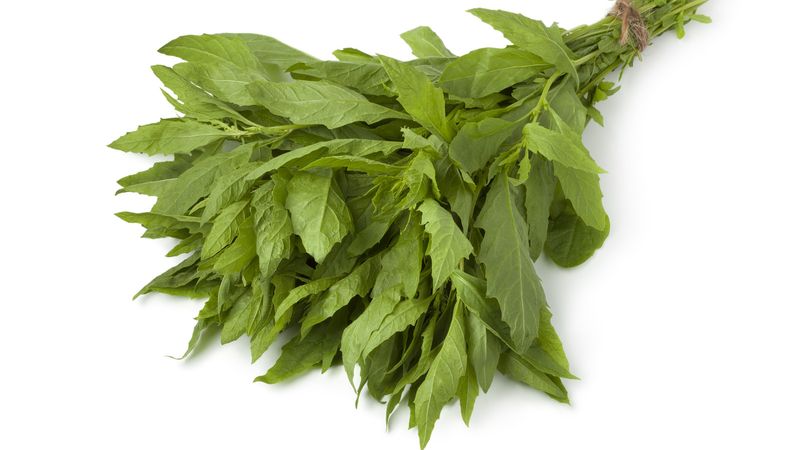
Epazote has a wild, almost medicinal smell — somewhere between turpentine, anise, and fresh herbs — and Mexican grandmothers have been swearing by it for generations. Added to black beans while they cook, it does something remarkable: it reduces the gas-causing compounds in the beans.
Beyond beans, epazote works beautifully in quesadillas, soups, and corn dishes. Fresh leaves are best, but dried epazote still delivers plenty of that distinctive, earthy flavor.
6. Mastic
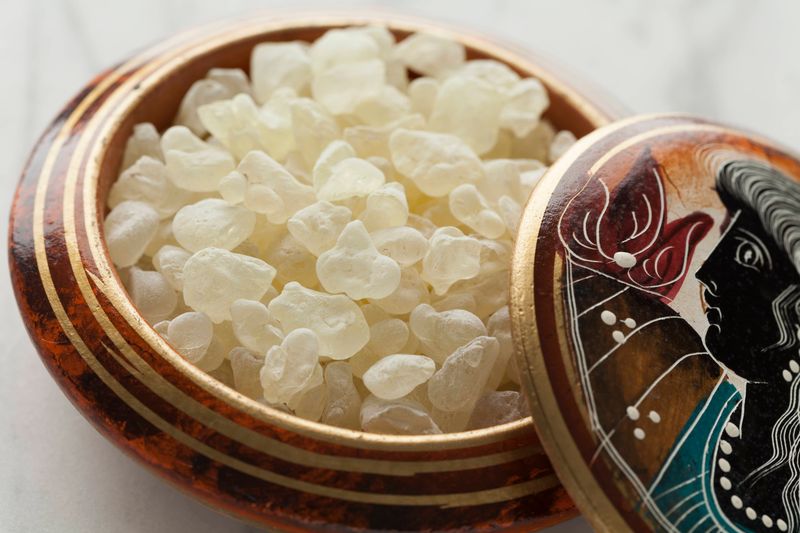
Harvested from the bark of a tree that grows almost exclusively on the Greek island of Chios, mastic is one of the most unique flavoring agents in the world. Its taste is piney, slightly sweet, and faintly like fresh forest air — hard to describe but impossible to forget.
Ground mastic is used in ice cream, bread, and savory stews across Greece and the Middle East. It also gives a pleasantly chewy texture to certain desserts and confections.
7. Long Pepper
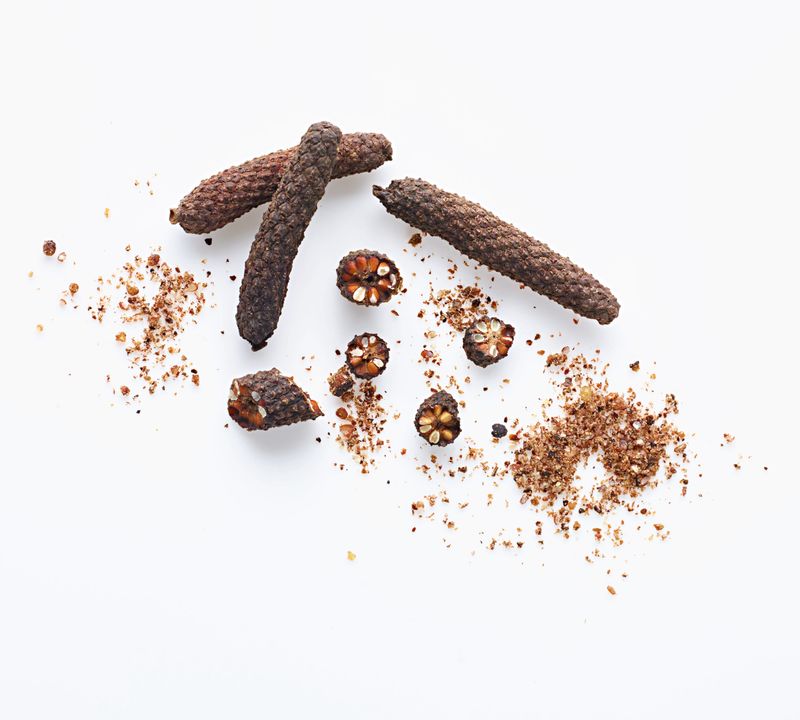
Long before black pepper took over the spice trade, long pepper was the prized ingredient that spice merchants fought over. It looks like a tiny, elongated pine cone and delivers a heat that's deeper, sweeter, and more complex than regular black pepper.
Use it freshly grated over pasta, roasted squash, or even chocolate desserts for a surprising warmth. Its flavor has hints of cinnamon and cardamom, making it one of the most versatile spices you've probably never tried.
8. Urfa Biber (Isot Pepper)
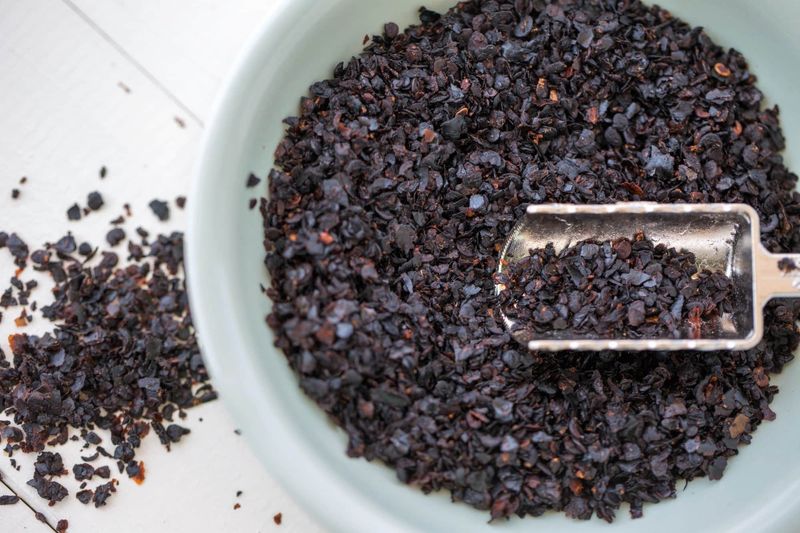
Urfa biber is the mysterious, brooding cousin of regular chili flakes. Grown in southeastern Turkey, these dark, oily flakes have a slow-building heat paired with flavors of chocolate, dried fruit, and tobacco — it sounds strange but tastes extraordinary.
Stir it into yogurt dips, scatter it over eggs, or mix it into ground meat for kebabs. The oiliness of the flakes means the flavor clings to food beautifully, releasing layers of warmth with every bite.
9. Nigella Seeds (Black Seed)
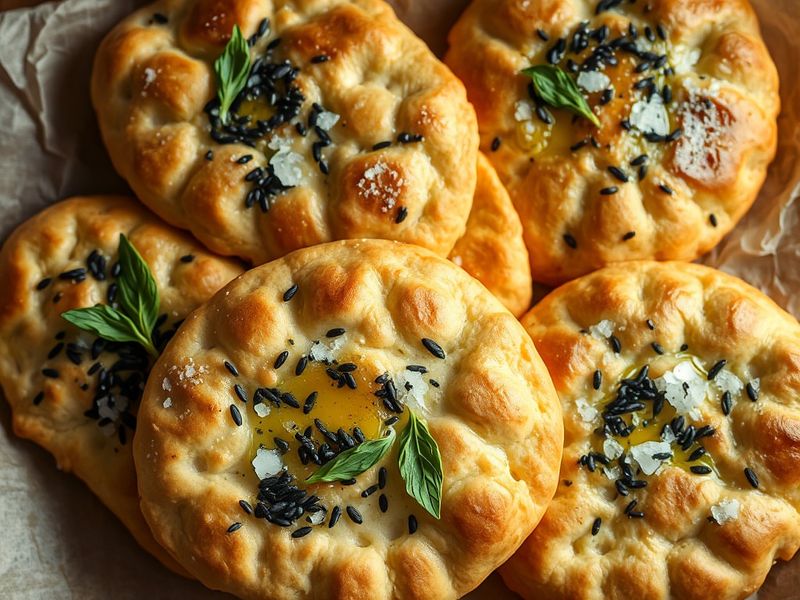
Tiny, jet-black, and angular, nigella seeds have been found in ancient Egyptian tombs — King Tut himself was buried with them. Their flavor is a quirky blend of onion, oregano, and mild bitterness that somehow makes everything more interesting.
Scatter them over naan or pita before baking, toss into salads, or mix into cheese spreads. They also add a beautiful visual contrast to pale dishes.
Once you start using nigella seeds, it's hard to stop reaching for them.
10. Annatto (Achiote)
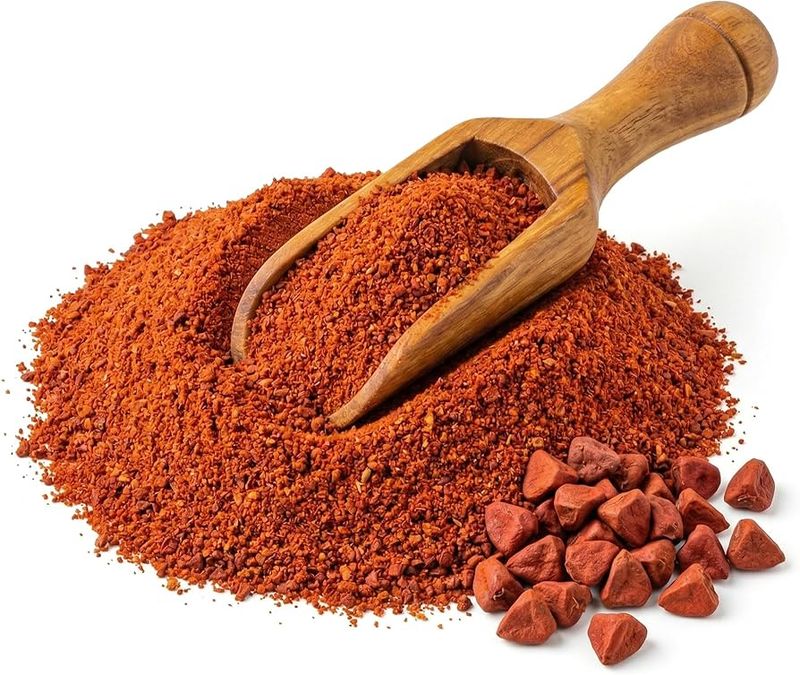
Annatto is basically nature's food coloring, turning everything it touches a gorgeous golden-orange without artificial dyes. Extracted from the seeds of the achiote tree, it has a mild, earthy, slightly peppery flavor that's popular across Latin America and the Caribbean.
Blend it into marinades for chicken or pork, stir it into rice, or use it to make the famous Yucatan-style cochinita pibil. It's a low-effort, high-impact spice that adds color and subtle depth simultaneously.
11. Szechuan Peppercorns
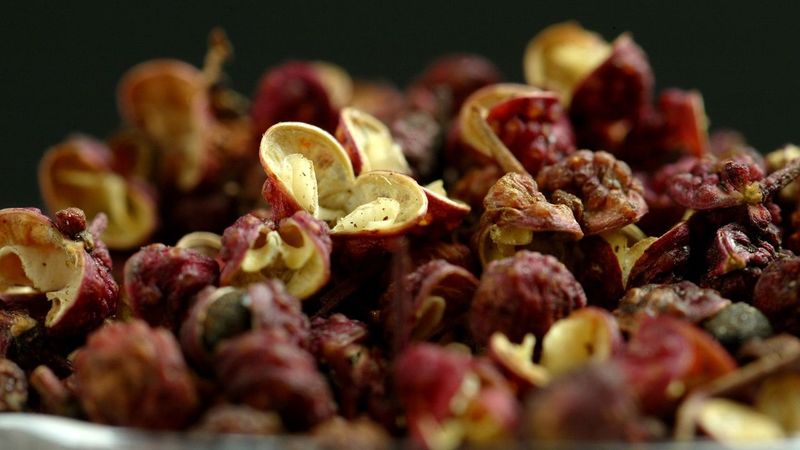
Szechuan peppercorns don't actually burn — they do something weirder and more fascinating. They create a tingling, numbing sensation on your lips and tongue that Chinese chefs call "ma," which means numbing.
Paired with chili heat, it creates a flavor experience unlike anything else.
Toast and grind them to make classic Szechuan salt, or use them in stir-fries and noodle dishes. First-timers are always shocked by the buzzing sensation — but they almost always come back for more.
12. Fenugreek Seeds
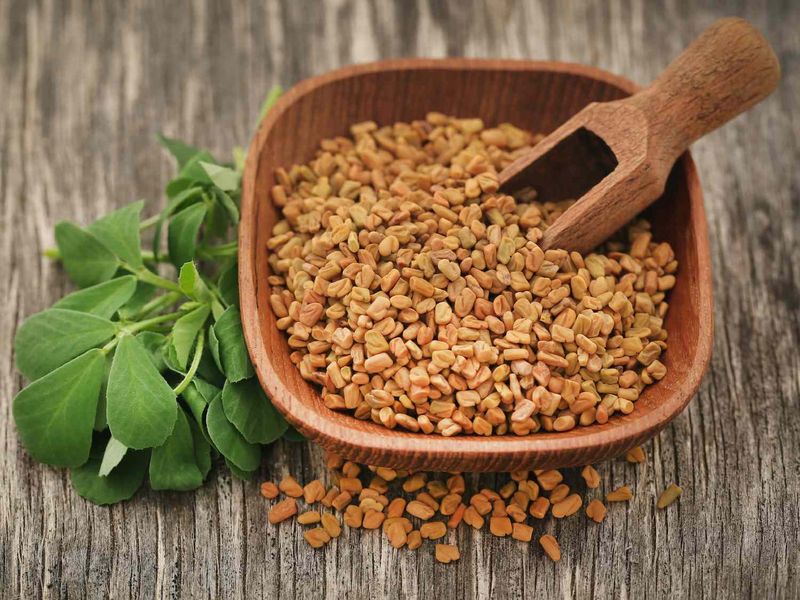
Fenugreek seeds smell like maple syrup — seriously, they're actually used to make artificial maple flavoring. But in cooking, they bring a bitter, nutty complexity that balances rich, fatty dishes brilliantly.
They're a cornerstone of Indian curry pastes and spice blends like panch phoron.
Always toast them lightly before using to soften that bitterness. Add them to pickles, dal, or even homemade bread.
A small amount adds enormous depth that's hard to pinpoint but impossible to ignore.
13. Dried Lime (Loomi)
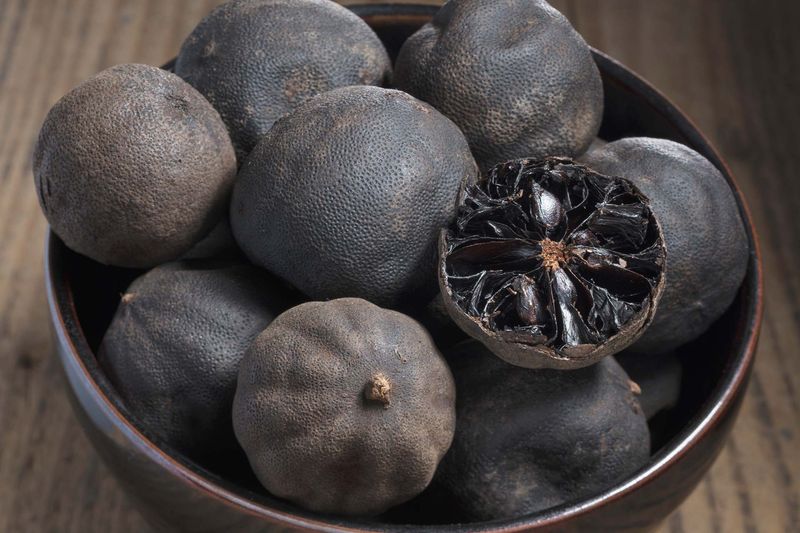
Dried limes — called loomi in the Gulf and Iraq — are sun-dried until they turn black and hollow, concentrating all that citrus flavor into something intensely sour, slightly smoky, and deeply complex. They're a staple of Persian and Gulf cooking, added whole to slow-cooked rice and stews.
Pierce them a few times before dropping into soups or braises so the flavor seeps out gradually. Grind them for a tangy spice rub for fish or chicken that tastes unlike anything else.
14. Cubeb Pepper
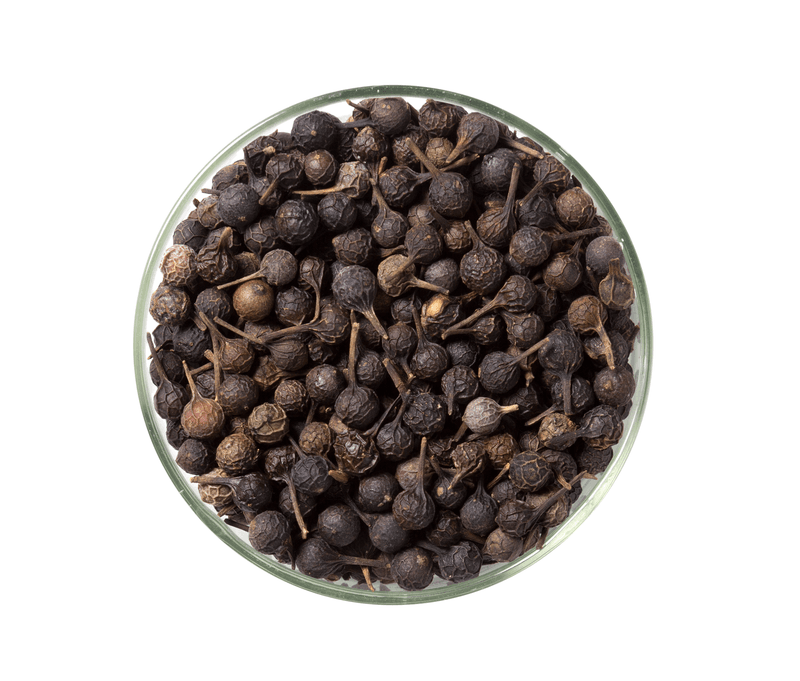
Cubeb pepper looks like regular black peppercorns but with tiny little tails sticking out — earning it the nickname "tailed pepper." Medieval European cooks went wild for it, using it in everything before black pepper pushed it off the shelves. Its flavor combines pepper heat with hints of allspice, eucalyptus, and camphor.
Grind it over grilled meats, into spice blends for Moroccan tagines, or even into mulled wine. Quirky, aromatic, and genuinely delicious.
15. Galangal
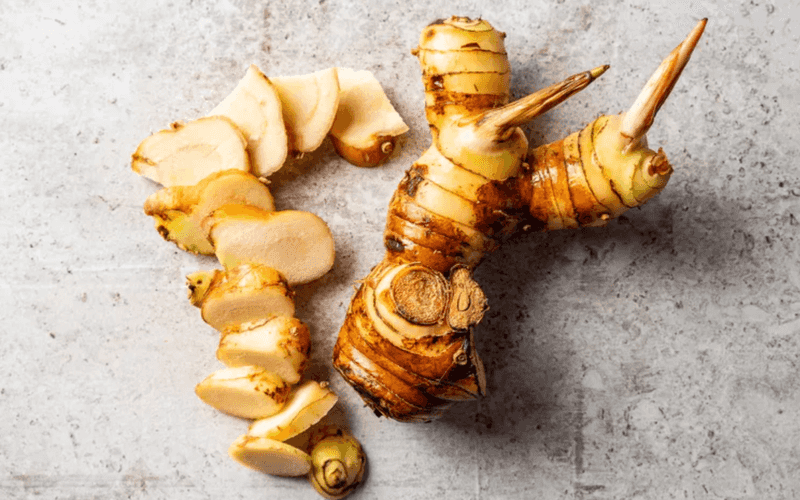
Galangal looks almost identical to ginger and belongs to the same family, but calling it "just like ginger" would be a serious insult to this powerhouse root. Its flavor is sharper, more piney, and carries a citrusy, almost medicinal edge that ginger simply doesn't have.
Essential in Thai curries, Indonesian rendang, and Malaysian laksa, galangal adds a brightness and complexity that ginger can't replicate. Fresh is best, but dried and powdered galangal still brings plenty of that distinctive, bold character.

Comments
No Comments